
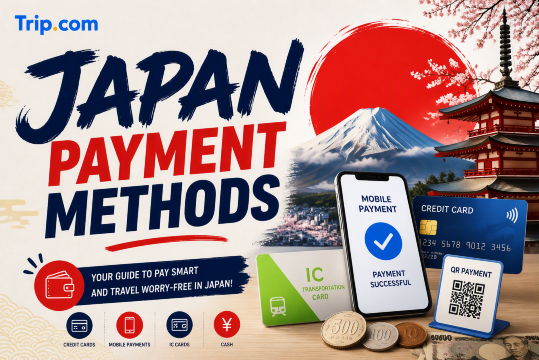
Paying in Japan is getting easier, but cash is still worth carrying. Filipino travelers can use Japanese yen, international credit and debit cards, IC cards such as Suica and PASMO, and GCash at selected merchants. The best setup is usually a mix of cash, a card, and an IC card for everyday travel.
Japan Payment Methods at a Glance
Payment Method | Good for Travelers? | Best Used For |
|---|---|---|
Cash (JPY) | Yes | Small shops, local restaurants, rural areas |
Credit/Debit Cards | Yes | Hotels, malls, department stores, larger restaurants |
Suica / PASMO / ICOCA | Highly recommended | Trains, buses, convenience stores, vending machines |
Welcome Suica | Yes | Tourists using transport and making small purchases |
TOURIST PASMO | Yes | Tourists arriving through Tokyo airports |
GCash | Yes, where supported | Participating PayPay and Alipay+ merchants |
Apple Pay / Google Wallet | Where supported | Contactless terminals and compatible services |
PayPay / Local QR Apps | Limited need for tourists | Participating Japanese merchants |
👉 Best Combination for Filipino Travelers
For most trips, prepare:
Japanese yen cash + international credit/debit card + Suica or PASMO + GCash as an extra option
This gives you several backups if a store does not accept your preferred payment method.
Unlock the Best Flights to Japan


Cash in Japan: Do You Still Need It?
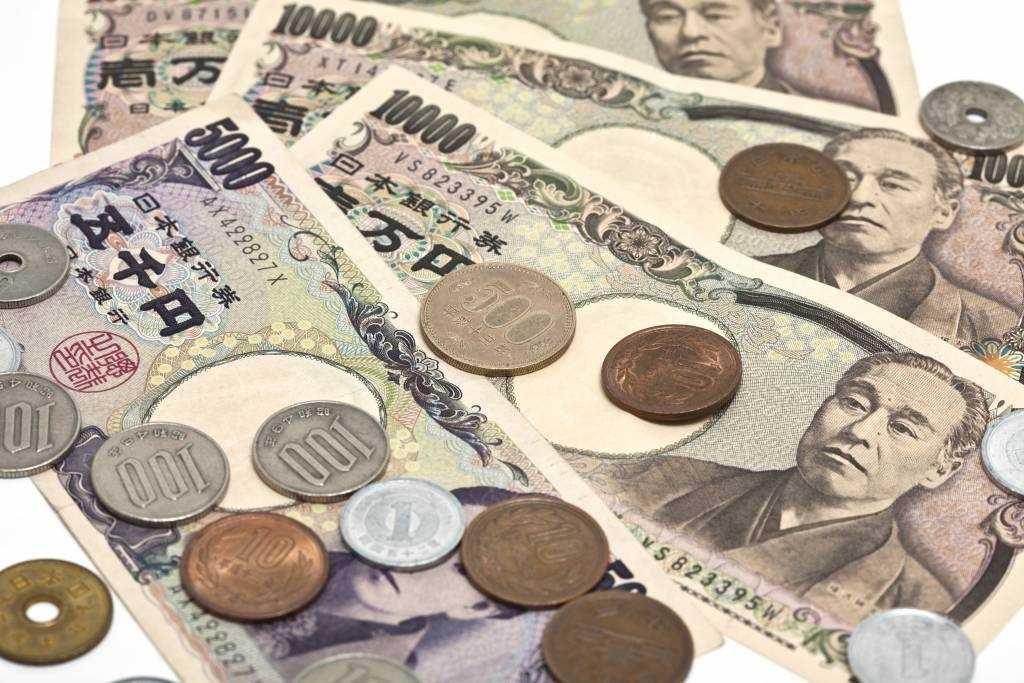
Yes.
Japan has expanded cashless payments, especially in major cities, but JNTO still recommends carrying cash. Smaller shops, restaurants, accommodations and businesses in rural areas may only accept Japanese yen.
Japan's currency is the Japanese yen, written as ¥ and internationally coded as JPY.
Japanese Banknotes
Bank of Japan currently issues these denominations:
- ¥1,000
- ¥2,000
- ¥5,000
- ¥10,000
Japanese Coins
- ¥1
- ¥5
- ¥10
- ¥50
- ¥100
- ¥500
The current ¥1,000, ¥5,000 and ¥10,000 banknote designs were first issued in July 2024. Older valid banknotes continue to circulate as well.
Where Cash Is Useful in Japan
Keep some yen for:
- Small restaurants
- Family-run shops
- Traditional markets
- Rural areas
- Some temples and attractions
- Small accommodation properties
- Older ticket or vending machines
- Backup when card or mobile payment does not work
💡 Cash Tip: You do not need to carry your whole budget in cash. Keep enough yen for smaller purchases and places that do not accept cards.
*Rates are for reference only and may vary
Credit and Debit Cards in Japan
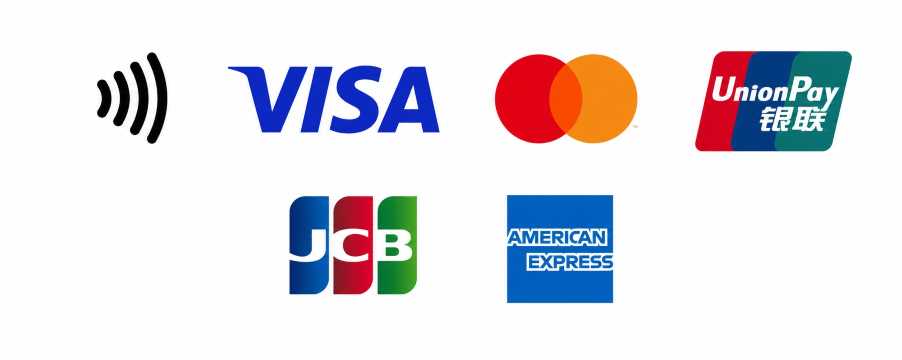
International credit and debit cards are widely accepted in many parts of Japan, particularly in major cities.
JNTO states that international card brands are generally accepted, with Visa, JCB and Mastercard among the most widely accepted. Major hotels, department stores, shopping centers and restaurants are usually good places to use cards.
Cards are especially useful for:
- Hotels
- Department stores
- Shopping malls
- Larger restaurants
- Convenience stores
- Major tourist attractions
- Shinkansen tickets
- Airport train tickets
- Online bookings
However, card acceptance is not universal. Some smaller businesses and rural establishments may still require cash.
Tips for Using Philippine Cards in Japan
Before your trip:
- Enable international transactions
- Check your bank's foreign transaction fee
- Know your card's overseas withdrawal limit
- Bring a second card as backup
- Keep your banking app accessible
- Check the amount in JPY before confirming payment
- Inform your bank about overseas travel if required
⚠️ Important: If a card terminal or ATM offers to charge you in PHP instead of JPY, compare the conversion carefully before confirming.
Find the Best Hotels in Japan
 NO.1
NO.1




























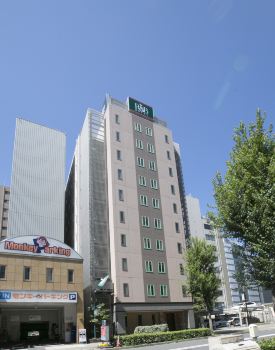

Suica, PASMO and Other IC Cards in Japan
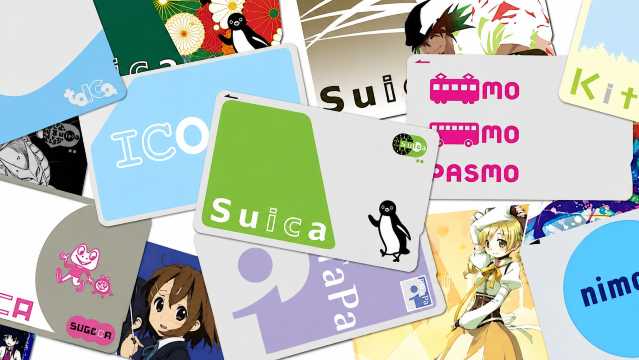
For tourists, an IC card is one of the most useful payment methods in Japan.
Suica, PASMO, ICOCA and other compatible transportation IC cards can be used for public transport and many small everyday purchases.
You can commonly use an IC card for:
- Trains
- Subways
- Buses
- Convenience stores
- Vending machines
- Some restaurants
- Some shops
- Selected taxis
- Coin lockers
Instead of buying a train ticket every time, simply tap your IC card at the ticket gate.
Major IC Cards in Japan
Different regions have their own cards:
Area | Popular IC Card |
|---|---|
Tokyo / Kanto | Suica, PASMO |
Osaka / Kansai | ICOCA |
Nagoya / Tokai | TOICA, manaca |
Fukuoka / Kyushu | SUGOCA, nimoca, Hayakaken |
Hokkaido | Kitaca |
Many major transport IC cards are interoperable, meaning you can use one card across many participating transport networks around Japan. Some routes and services remain exceptions.
🚆 Pro Tip: If you are visiting several Japanese cities, you usually do not need to buy a different IC card in every city.
Welcome Suica for Tourists
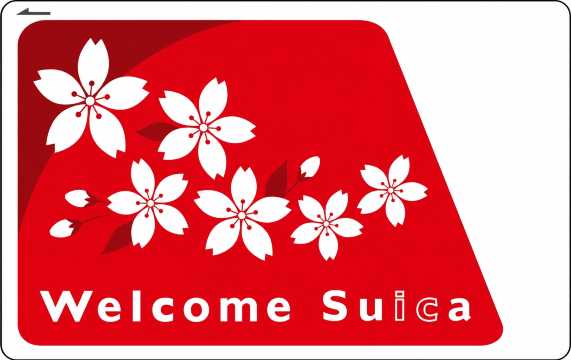
Welcome Suica is designed for temporary visitors to Japan.
It can be used for transportation and shopping at participating locations and is valid for 28 days from the date of purchase. Unlike a standard Suica card, Welcome Suica does not require a deposit.
You can use Welcome Suica for:
- Trains
- Subways
- Buses
- Convenience stores
- Vending machines
- Participating shops
JR East currently sells Welcome Suica at selected locations, including major JR East Travel Service Centers and vending machines at Narita Airport and Haneda Airport.
Is Welcome Suica Worth It?
Yes, especially if you:
- Arrive in Tokyo
- Plan to use trains frequently
- Want faster transport payments
- Prefer not to handle coins for every trip
- Want one card for transport and small purchases
TOURIST PASMO in Japan
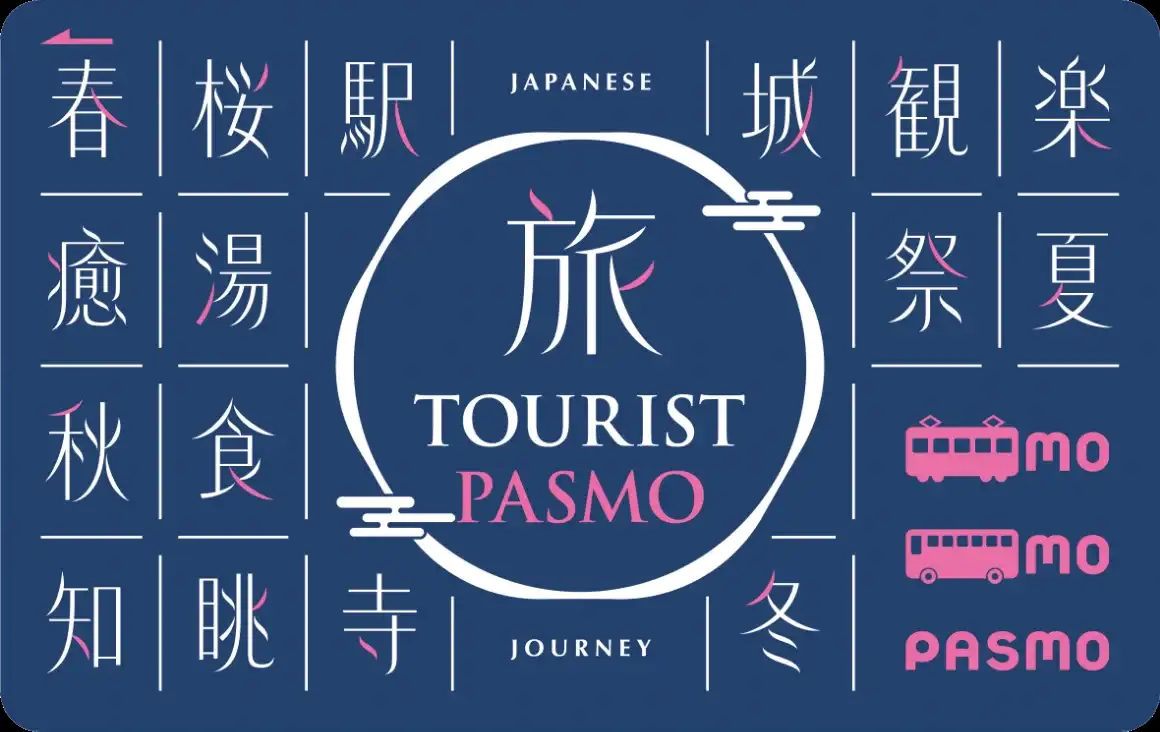
Japan introduced the new TOURIST PASMO for international visitors in May 2026.
It is a special transportation IC card for short-term overseas visitors and can be used on participating trains, buses and shops.
TOURIST PASMO Key Information
- Validity: 28 days from purchase
- Deposit: None
- Refund of remaining balance: Not available
- Available to: International visitors
- Where to buy: Selected locations at Haneda Airport and Narita Airport
- Uses: Transport and participating cashless payments
The card can be loaded with different amounts depending on where you buy it.
Welcome Suica vs TOURIST PASMO
Welcome Suica | TOURIST PASMO | |
|---|---|---|
Designed for tourists | Yes | Yes |
Validity | 28 days | 28 days |
Deposit | No | No |
Transport | Yes | Yes |
Shopping | Yes | Yes |
Main area to purchase | JR East locations | Selected Haneda and Narita Airport stations |
For most tourists, either card can handle the same basic job: transport plus small everyday payments.
![Skyliner Keisei railway ticket (Tokyo airport express: Narita International Airport-Ueno/Nippori) [optional+Tokyo subway discount package]](https://ak-d.tripcdn.com/images//0580f12000qjpzexo5F36_C_568_320.jpg)
![Tokyo Metro 24/48/72-hour travel pass [Physical ticket/e-ticket/Skyliner Tokyo Airport Express/Tokyo Limousine Bus discount package available]](https://ak-d.tripcdn.com/images/0354t12000pj5wys8B52D_C_568_320.png)
![[Official Ticket] JR Tokyo Wide Area Pass 3-Day (Electronic Redemption Voucher)](https://ak-d.tripcdn.com/images//0586012000rry1wiqCBE8_C_568_320.jpg)
![Tokyo limousine bus [from Haneda Airport to various stops in the city]](https://ak-d.tripcdn.com/images/0352d12000tsu4myjF37B_C_568_320.png)
Can Filipinos Use GCash in Japan?
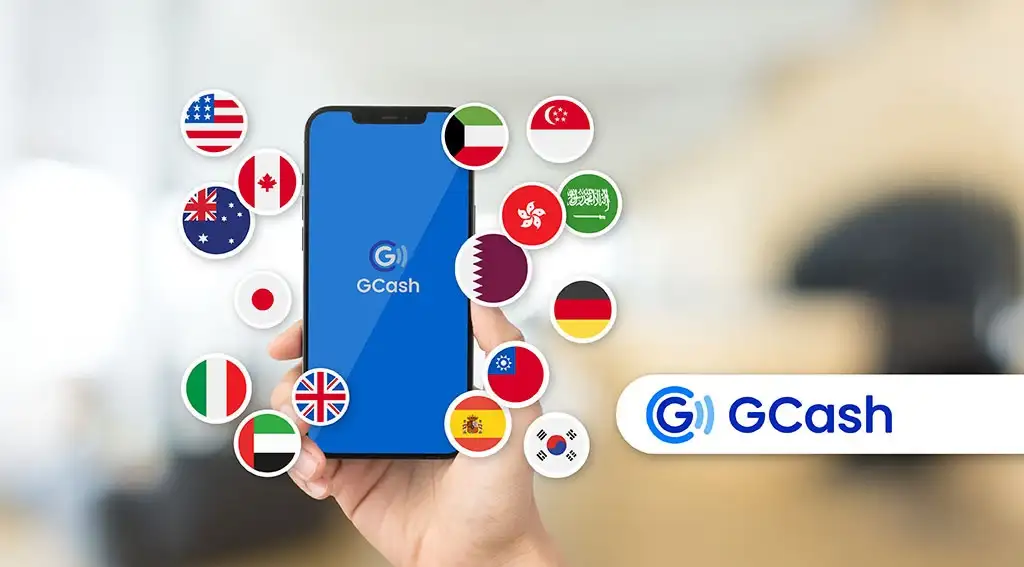
Yes, at participating merchants.
This is especially useful for Filipino travelers.
PayPay officially supports GCash from the Philippines through Alipay+. At PayPay merchants where Alipay+ acceptance is enabled, travelers can scan the merchant's PayPay QR code using a supported overseas payment app such as GCash.
How to Pay With GCash in Japan
At a supported merchant:
- Open your GCash app.
- Open the QR payment scanner.
- Scan the supported merchant's PayPay QR code.
- Enter the payment amount in Japanese yen if required.
- Check the amount and PHP conversion shown.
- Confirm your payment.
- Show the completed payment screen to the merchant if requested.
PayPay explains that supported Alipay+ payments use the customer-scan method, where the customer scans the merchant QR code.
Where Can You Use GCash in Japan?
Availability depends on the individual merchant.
You may find supported payments at:
- Restaurants
- Cafés
- Shops
- Souvenir stores
- Accommodation
- Tourist areas
- Selected convenience and retail locations
Look for PayPay or Alipay+ acceptance and check with the merchant when unsure.
💡 GCash Tip: A PayPay logo does not automatically guarantee your GCash payment will work at every location. Alipay+ must be enabled for that merchant, so keep a card or cash as backup.
Can You Use Apple Pay or Google Wallet in Japan?

Contactless payments are becoming more common in Japan, especially at major convenience stores, retailers and other businesses.
However, JNTO notes that overseas smartphone payment services may not work everywhere in Japan. Compatibility can depend on your phone, card issuer, payment network and the merchant's terminal.
You may be able to use:
- Apple Pay
- Google Wallet
- Contactless Visa
- Contactless Mastercard
- Other supported digital wallets
Look for the contactless payment symbol before tapping.
📱 Tip: Do not make your mobile wallet your only payment method in Japan. Bring a physical card and some cash too.
Where to Withdraw Cash in Japan
Running out of yen is usually manageable because international travelers can withdraw cash from selected Japanese ATMs.
Two useful options are:
Seven Bank ATMs
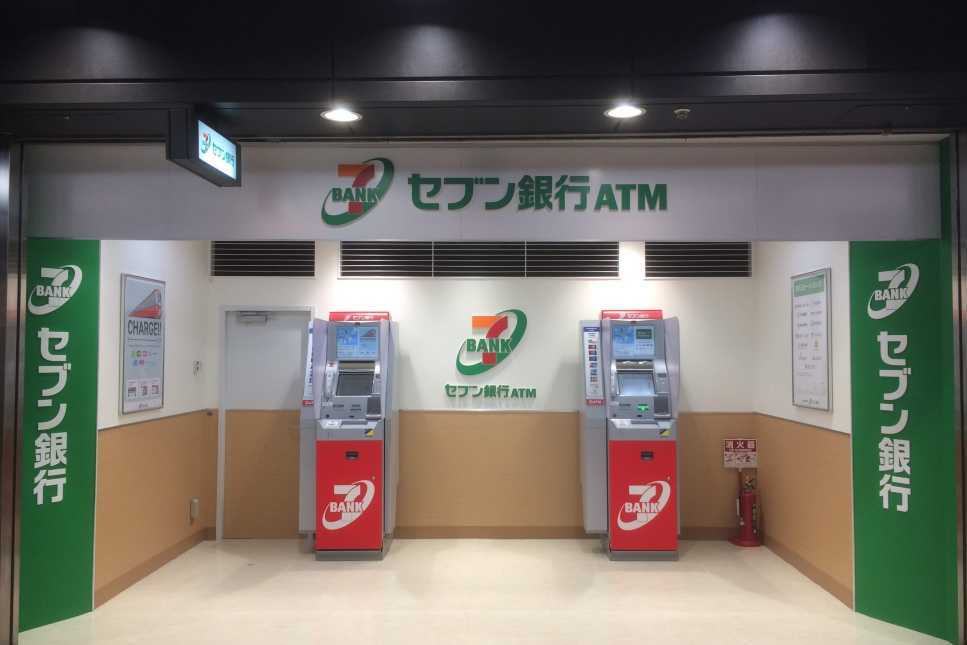
Seven Bank operates more than 28,000 ATMs, including many found inside 7-Eleven stores and at airports, stations and commercial facilities.
Supported international networks include:
- Visa
- PLUS
- Mastercard
- Maestro
- Cirrus
- UnionPay
- American Express
- JCB
- Discover
- Diners Club
Some individual cards may still be unavailable depending on the issuing bank or network.
Japan Post Bank ATMs
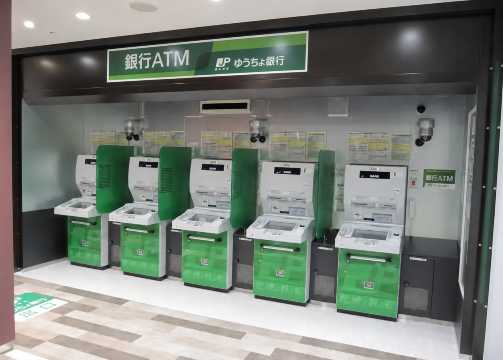
Japan Post Bank also allows withdrawals using many cards issued overseas.
Supported networks include:
- Visa
- PLUS
- Mastercard
- Maestro
- Cirrus
- JCB
- UnionPay
- Discover
The standard single-transaction withdrawal limit for international cards is ¥50,000. Certain overseas cards may also be charged a ¥220 ATM fee, while your own bank may charge additional fees.
ATM Tips for Filipino Travelers
- Check your Philippine bank's overseas ATM fee
- Check your daily withdrawal limit
- Use ATMs from recognized banks or convenience stores
- Keep your card until the transaction is fully completed
- Check the exchange rate before accepting currency conversion
- Withdraw larger amounts less frequently if your bank charges a fixed fee per transaction

Best Japan Payment Method for Filipino Travelers
You do not have to choose only one.
For Hotels and Shopping Malls
Use:
- Credit card
- Debit card
- Contactless payment
For Trains and Buses
Use:
- Suica
- PASMO
- ICOCA
- Welcome Suica
- TOURIST PASMO
For Convenience Stores and Vending Machines
Try:
- IC card
- Credit/debit card
- Cash
- Mobile payment where supported
For Small Local Shops
Keep:
- Japanese yen cash
- Card as an alternative where accepted
For GCash Users
Use:
- GCash at participating PayPay merchants with Alipay+ support
- Card or cash as backup
For Rural Areas
Cash is especially important because cashless acceptance may be more limited outside major cities.
Best Overall Combination
For most Filipino tourists:
Suica/PASMO + credit or debit card + Japanese yen cash + GCash
This gives you enough flexibility for transport, shopping, dining and smaller local businesses.
Japan Payment Tips for Filipino Travelers
- Always carry some yen: Japan has many cashless options, but cash is still useful.
- Get an IC card: Suica, PASMO or ICOCA makes public transport much easier.
- Keep small notes and coins: Useful for small purchases and machines.
- Bring more than one card: Do not rely on a single bank or payment network.
- Enable international transactions: Check your banking app before flying.
- Check foreign transaction fees: Philippine banks may charge overseas transaction fees.
- Use GCash where supported: Look for PayPay and Alipay+ acceptance.
- Check the amount in JPY: Always confirm the amount before tapping or scanning.
- Have a backup payment method: Payment systems, cards or QR transactions can occasionally fail.
- Keep some cash for rural travel: Smaller establishments outside major cities may not accept cashless payments.
FAQs About Japan Payment Methods
-
Is Japan cashless or cash-based?
-
Can I use Philippine credit cards in Japan?
-
Do I need a Suica or PASMO card in Japan?
-
How much cash should I bring to Japan?
-
Can I withdraw yen using a Philippine ATM card?