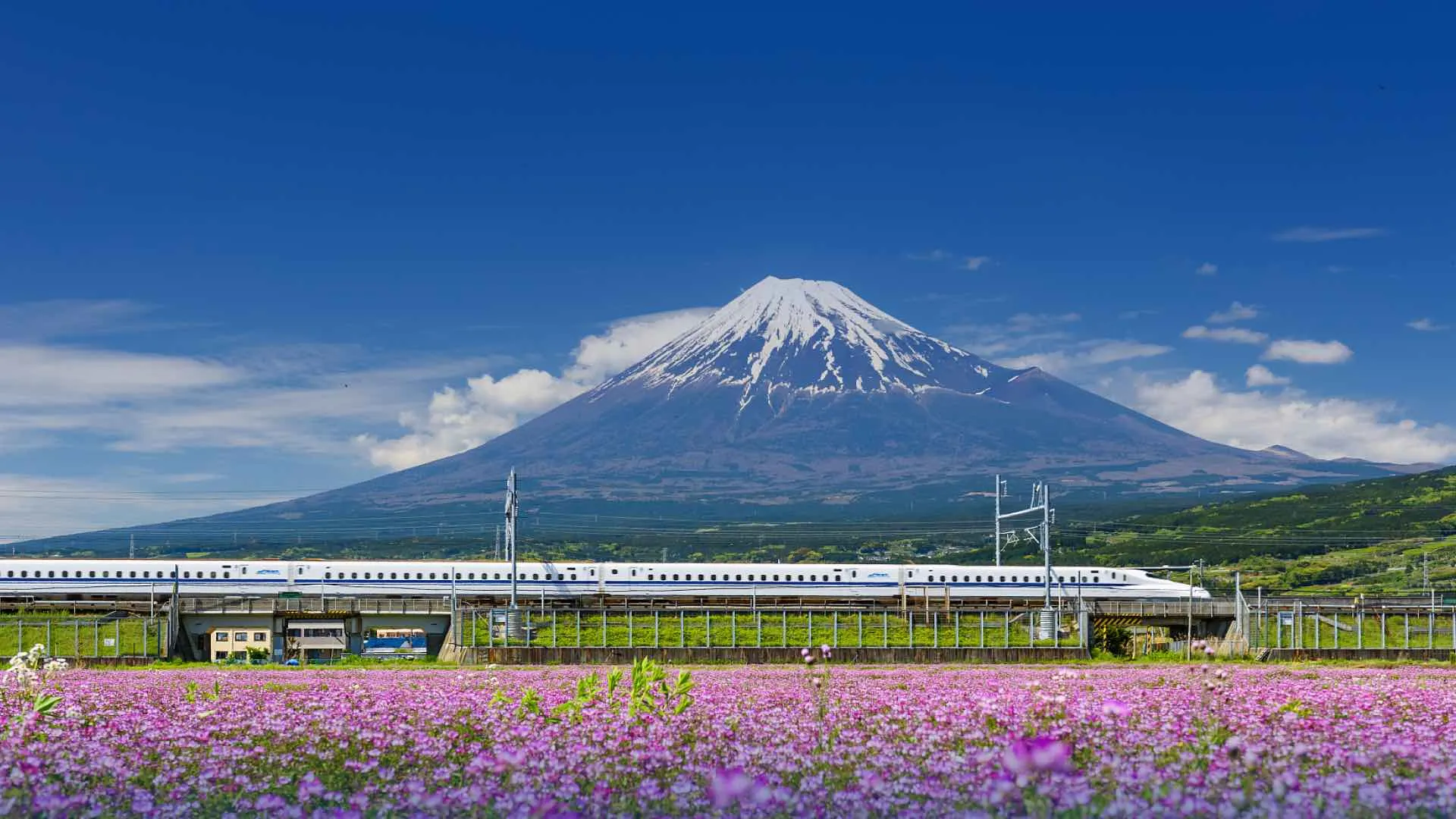




Popular Shinkansen routes in Japan
Shinkansen from Tokyo
Shinkansen from Kyoto
Shinkansen from Osaka
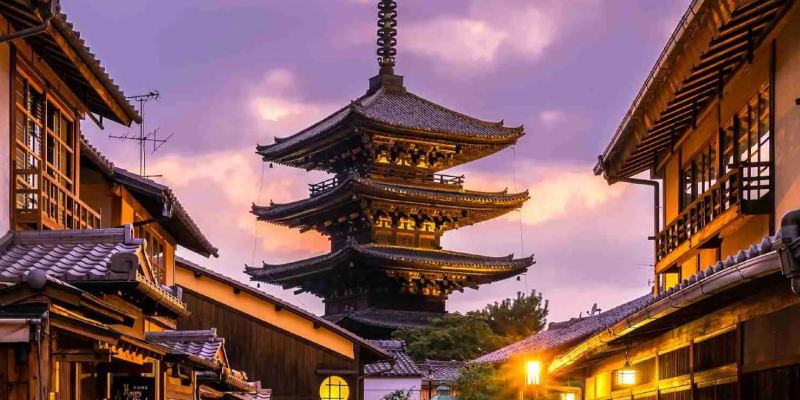

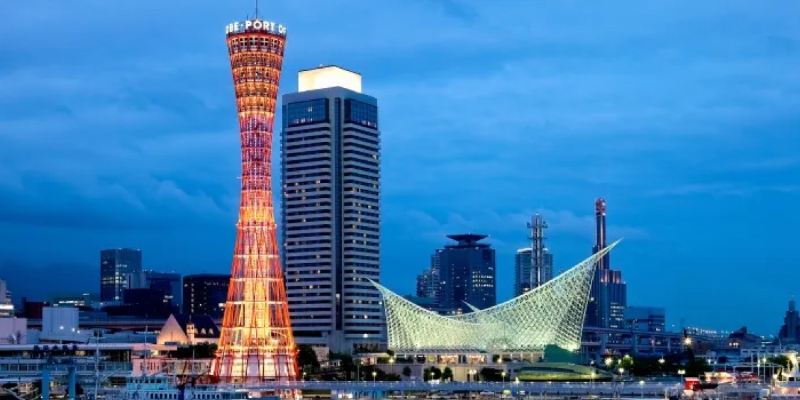
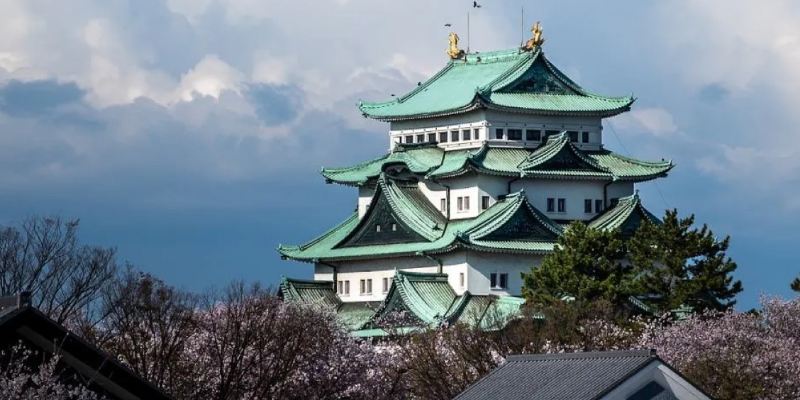


Train stations near me
Shinkansen map
The Shinkansen bullet train network covers the length of Japan, and Trip.com is an official reseller for JR East, JR West, and JR Central, covering nearly 90% of all routes. Here's a rundown of some of the most popular routes.
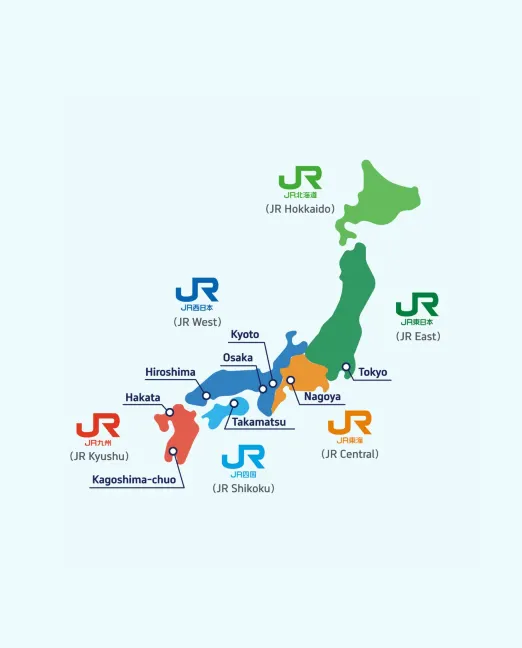
JR East: This operator connects the capital to Aomori (autumn foliage and hot springs) and Niigata (skiing at Echigo-Yuzawa) with its Tohoku Shinkansen and Joetsu Shinkansen. The line goes through rural Fukushima and Miyagi.
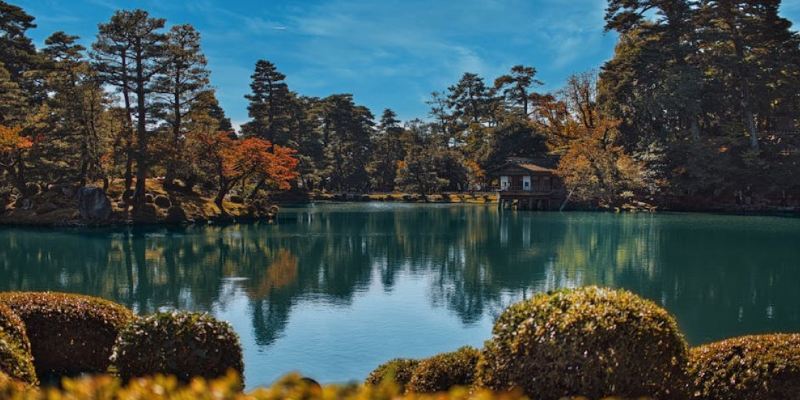
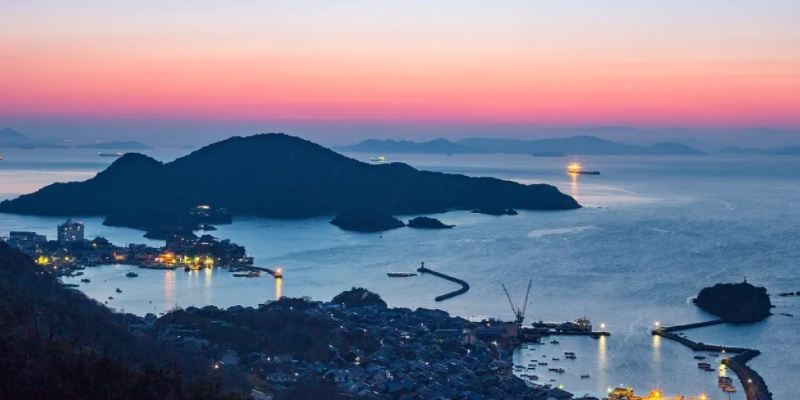
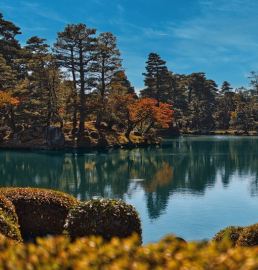
JR West: Operating the Sanyo and Hokuriku Shinkansen, JR West links Osaka to Hiroshima (Itsukushima Shrine) and Kyoto to Kanazawa (Kenroku-en Garden). The Sanyo section runs along the Seto Inland Sea coast.
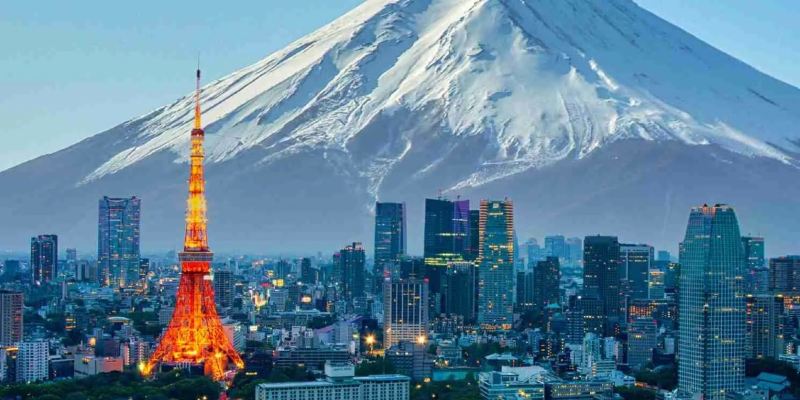
JR Central: JR Central runs Japan's busiest line, with its Tokaido Shinkansen connecting Tokyo to Osaka and Nagoya, passing through Shizuoka at the foot of Mount Fuji. Departures are the most frequent of any Shinkansen.
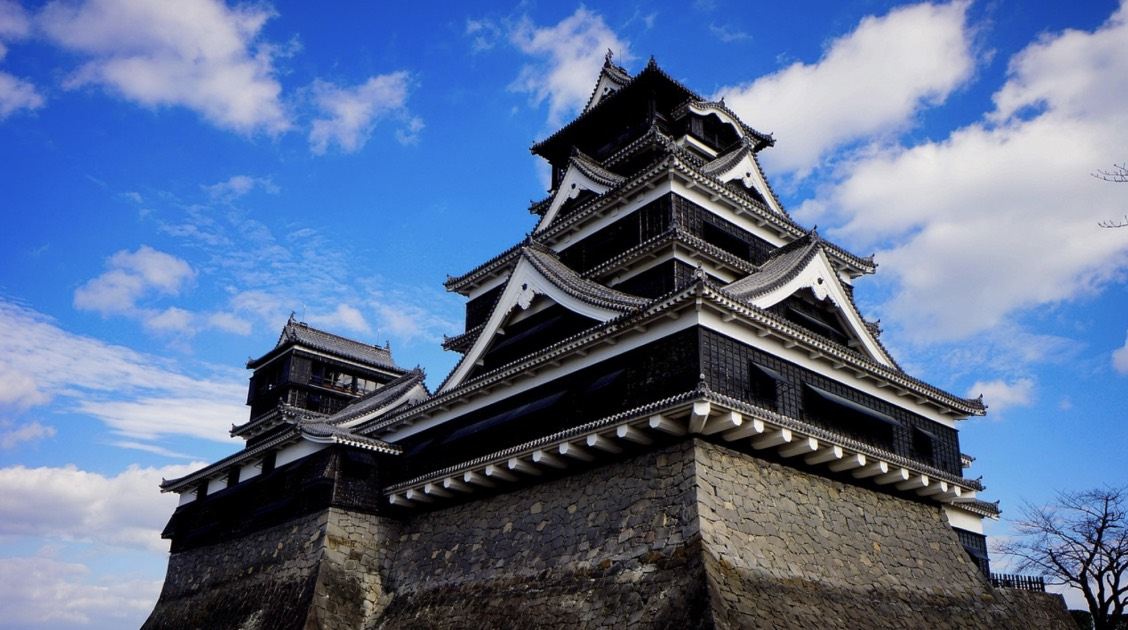
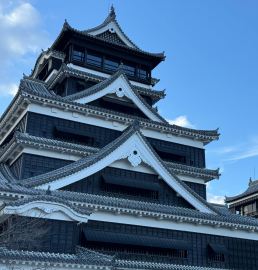
JR Kyushu: The Kyushu Shinkansen runs from Hakata down to Kagoshima-Chuo, taking in Kumamoto (Kumamoto Castle) and Kagoshima (Sakurajima volcano). The line passes through the Aso volcanic region and several hot spring towns.
JR Hokkaido: This operator runs the Hokkaido Shinkansen from Tokyo as far as Shin-Hakodate-Hokuto (for nighttime views from Mount Hakodate), with the extension to Sapporo still under construction. The route is covered in snow during winter.
JR Shikoku: While it has no Shinkansen, the network connects to Honshu via the Seto‑Ohashi Line, with Marine Liner rapid services between Okayama and Takamatsu and limited express trains to Matsuyama. Shikoku is renowned for the 88‑temple Pilgrimage.
JR Pass (Japan Rail Pass)
JR Pass (Japan Rail Pass) Prices and Costs
| Type | Green | Ordinary | ||
|---|---|---|---|---|
| Duration | Adult | Child(6-11) | Adult | Child(6-11) |
| 7 days | 70,000 YEN* | 35000 YEN | 50,000 YEN | 25,000 YEN |
| 14 days | 110,000 YEN | 55,000 YEN | 80,000 YEN | 40,000 YEN |
| 21 days | 140,000 YEN | 70,000 YEN | 100,000 YEN | 50,000 YEN |
How to book and use Japan train tickets with Trip.com
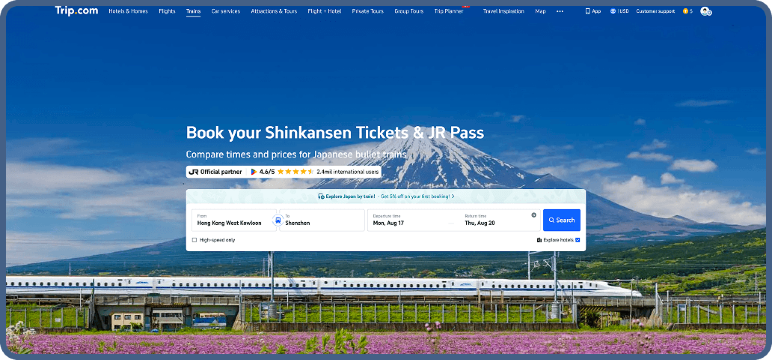
Step 01Search for trains
Enter your origin and destination, select your travel dates and number of passengers. Add a return date if needed to see Shinkansen schedules on Trip.com.
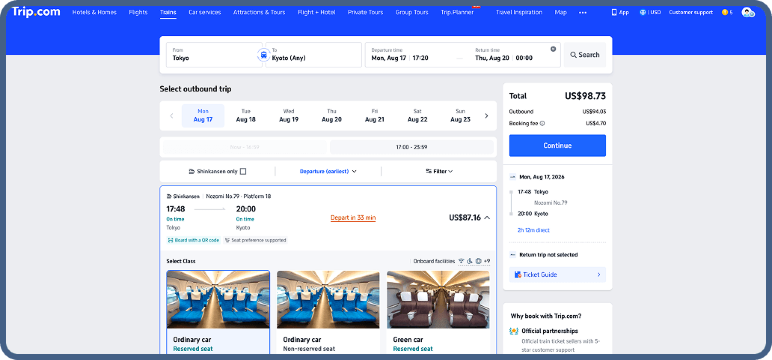
Step 02Select your departure and seat class
Pick your departure time and choose Ordinary or Green Car class. Click through and complete the passenger details in the form.
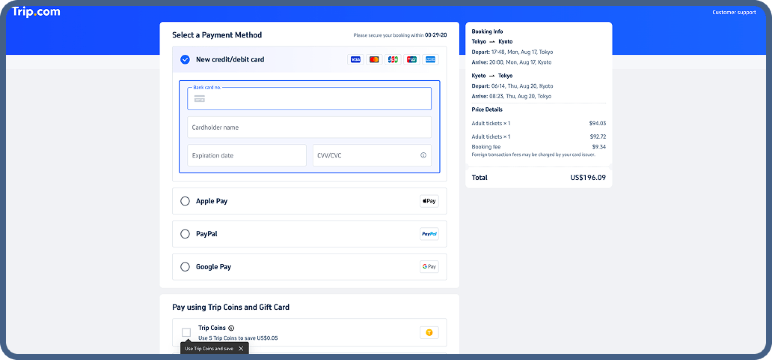
Step 03Pay securely
Complete your booking and pay in your chosen currency with secure payment methods, including credit/debit cards, Apple Pay, PayPal, and Google Pay.
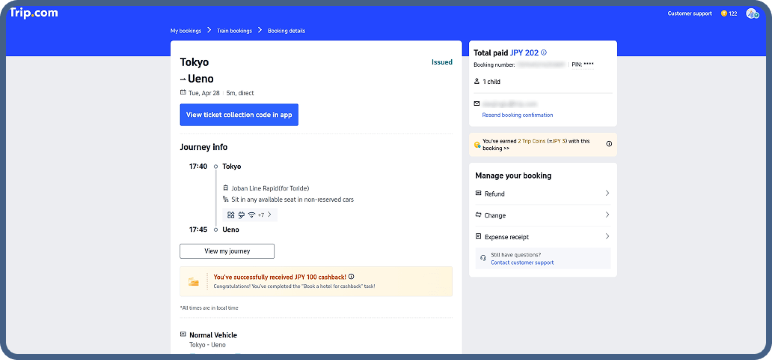
Step 04Receive your QR code
Receive your e-tickets and itinerary details via email or through the Trip.com app. Confirmation is instant as soon as payment is complete.
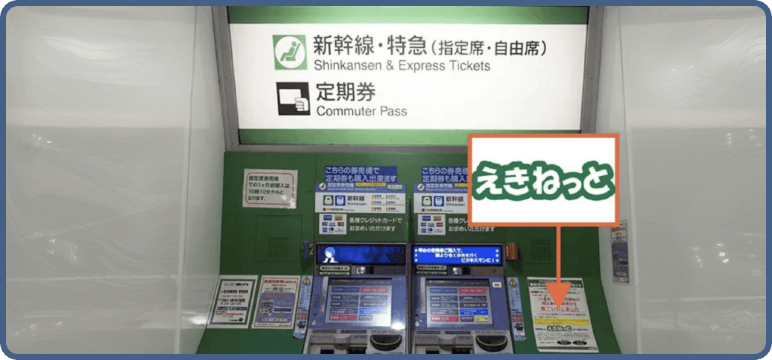
Step 05Enter the station
For most journeys, you can go through the ticket gates by scanning your QR code. If needed, you can easily print tickets at the ticket machine.
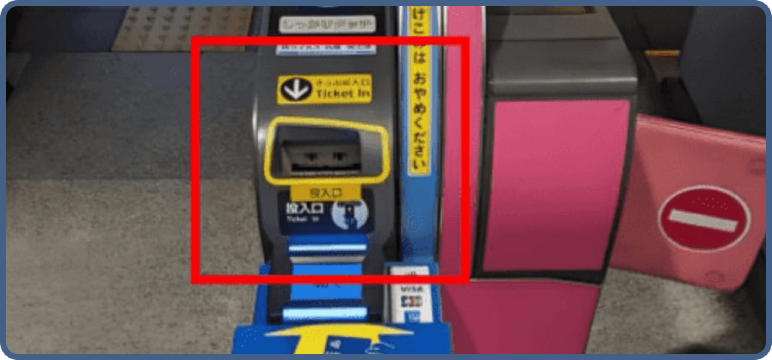
Step 06Board the train
Scan your QR code or insert your paper ticket into the barriers to access the platforms and board the train.
Shinkansen seat classes & reservations
In Japan, bullet trains—known as Shinkansen—are normally divided into two main classes: Ordinary (standard) and Green (first). Some trains have an extra Gran Class (luxury). Exact features vary by operator. Here's what to expect:
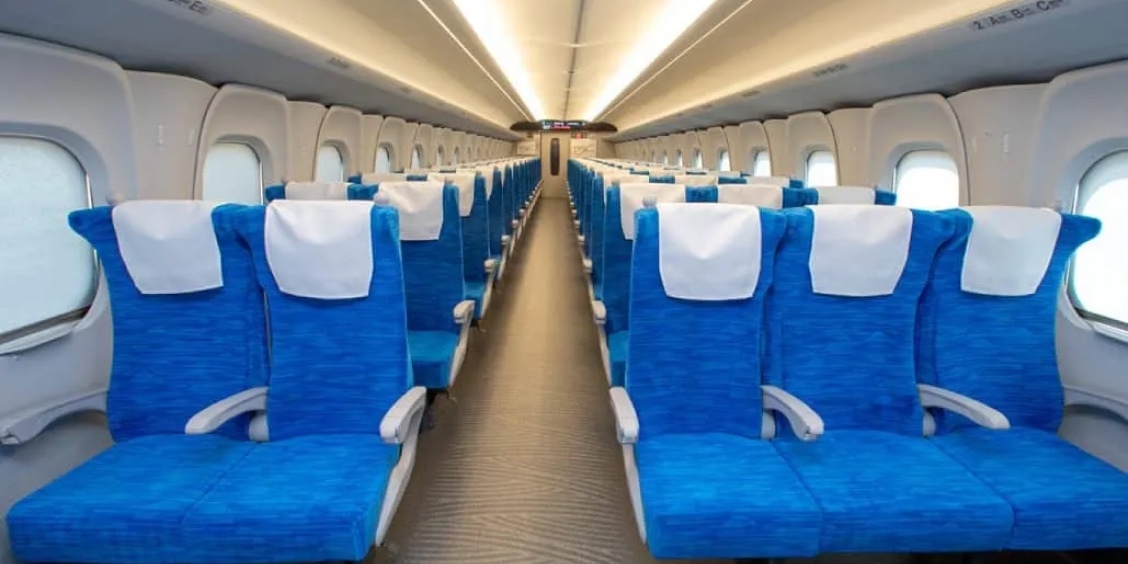
Ordinary Car (standard)
 2+3 seating
 Reserved or Non-Reserved seats
 Standard comfort and support
 Power outlets
 Free Wi-Fi
 Restrooms available
 Luggage storage
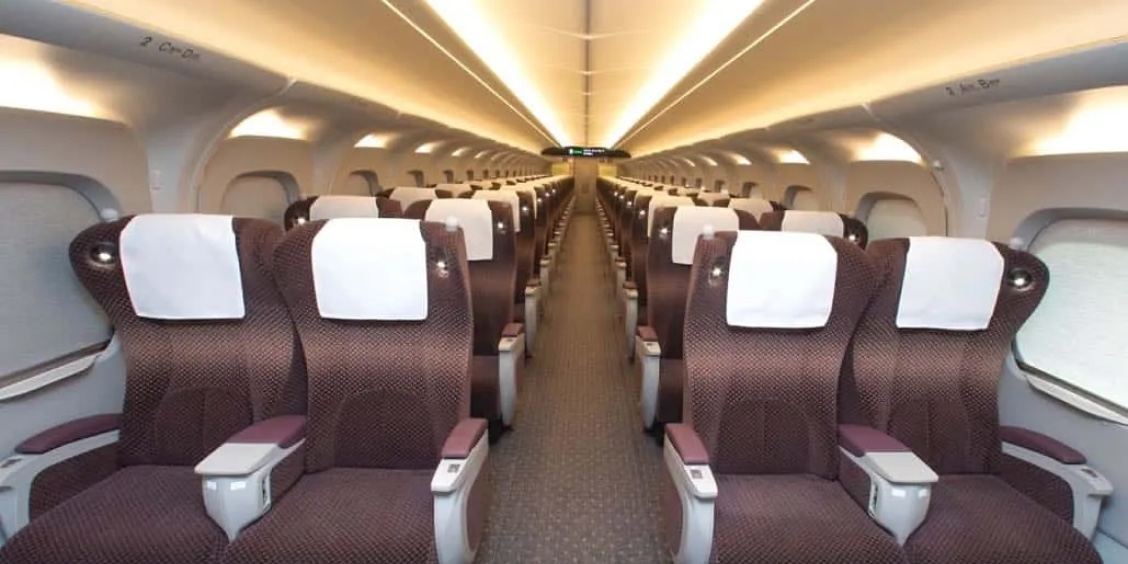
Green Car (first class)
 2+2 seating
- Reserved seats
 Spacious with wide seats and extra legroom
- Power outlets
- Free Wi-Fi
- Restrooms available
 Personal reading lights
 Quieter, premium atmosphere
 Perfect for business travelers and those seeking a more relaxing journey
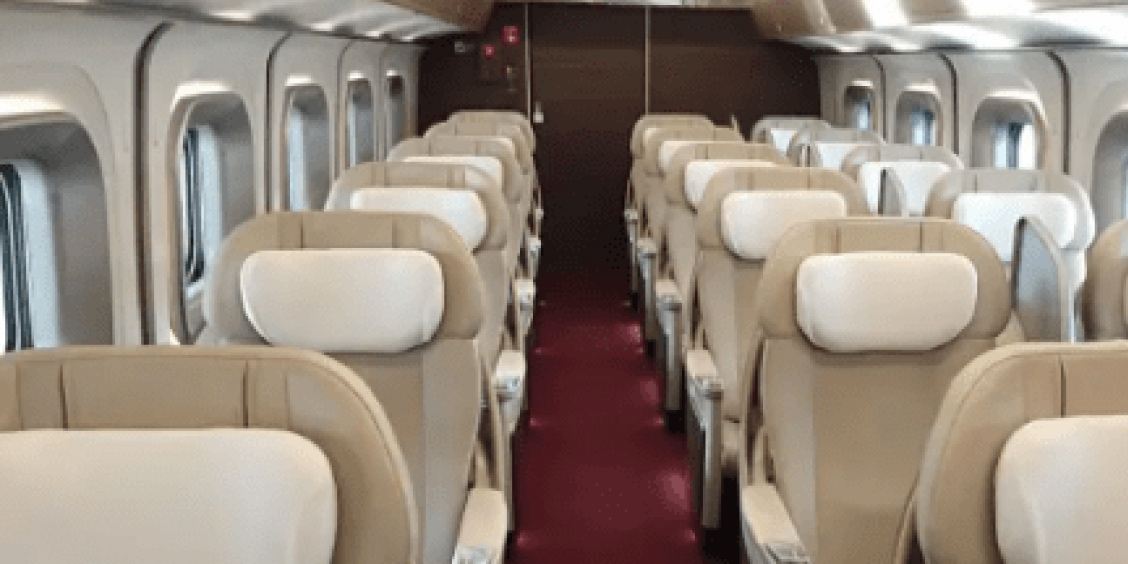
Gran Class (luxury business class)
- 1+2 seating
- Ultra spacious and reclining leather seats
- Power outlets
- Free Wi-Fi
 Complimentary water, snacks, and wet towels
(*Not available on "GranClass (No Beverage or Light Meal Service)" trains)
Complimentary water, snacks, and wet towels
(*Not available on "GranClass (No Beverage or Light Meal Service)" trains) Dedicated attendant service on most services
 Luxury amenities like slippers
 More privacy and space
- Top choice for luxury. Only available on certain lines (like Hokuriku).
Choosing between Reserved and Non-Reserved
- Slightly more expensive but guarantee you a seat.
- Ideal for families and groups traveling at peak season and wanting to sit together
- Allow you to board any train but without a guaranteed seat
- Seating is first-come, first-served in designated cars.
- Choose Reserved seats if you don't want to stand
- Recommended for popular routes like Tokyo to Kyoto and at popular times of year
Select your seat preference and book your tickets
Choose from various seat preferences on Shinkansen, limited express, and other trains. First-time bookers enjoy free seat selection!
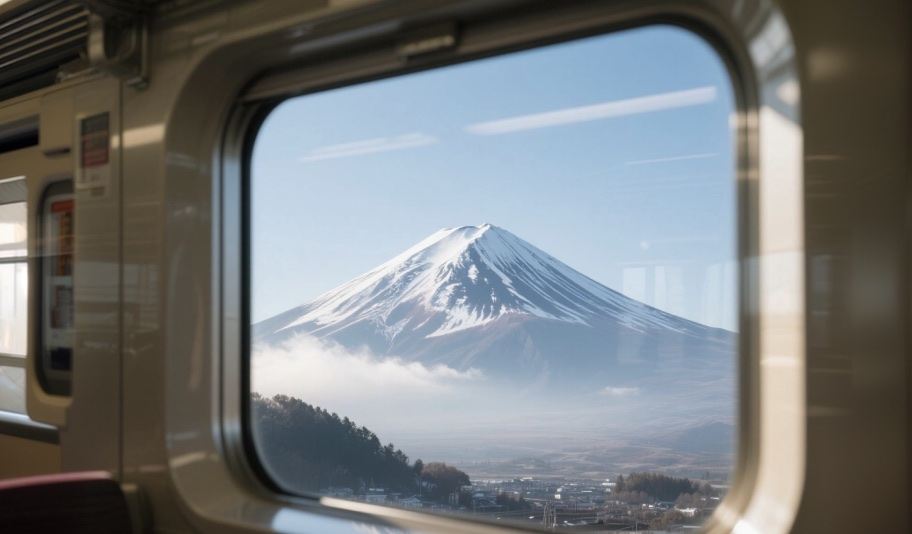
Mt. Fuji view seats
Selected window seats offering magnificent views of Mt. Fuji along the way. We recommend seats on the right for the Tokyo–Osaka route, or seats on the left for the Osaka–Tokyo route, subject to the specific train and direction. You can select Mt. Fuji view seats on Trip.com.
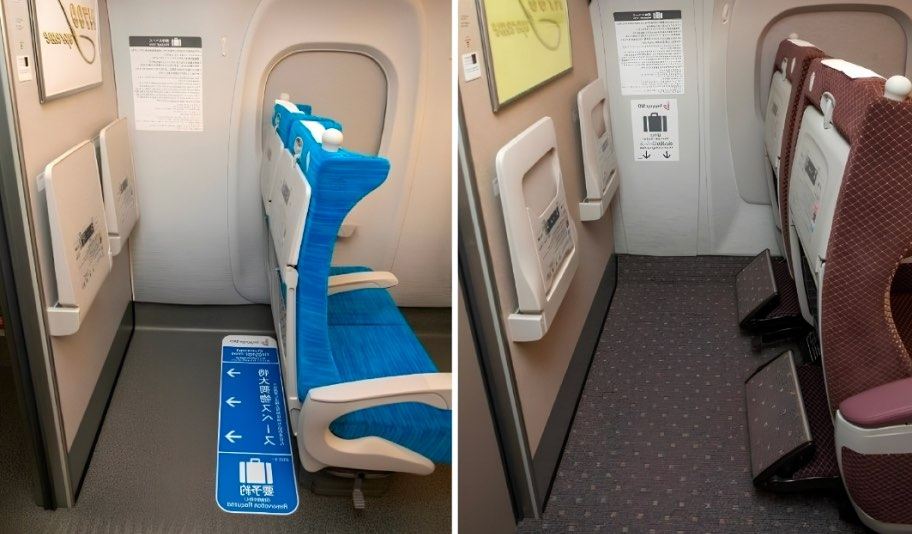
Oversized luggage seats (train end seats/rear seats)
Spacious seats located at the end of the car, close to the oversized luggage storage area for easy access to suitcases. Suitable for passengers with 26" or larger luggage. Advance booking is recommended.
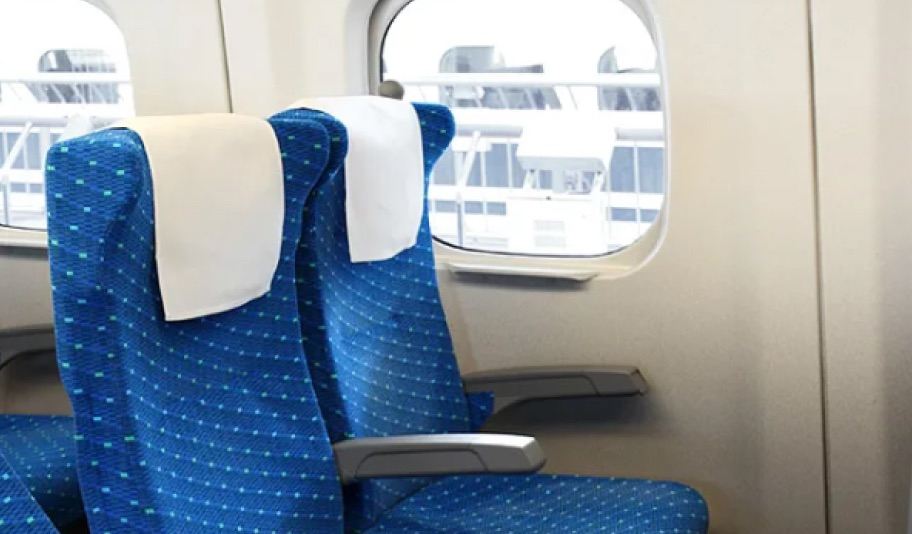
Window seats
Enjoy private window views and immerse yourself in the scenic journey. Suitable for sightseeing, photography, or travelers seeking a quiet space away from aisle traffic.
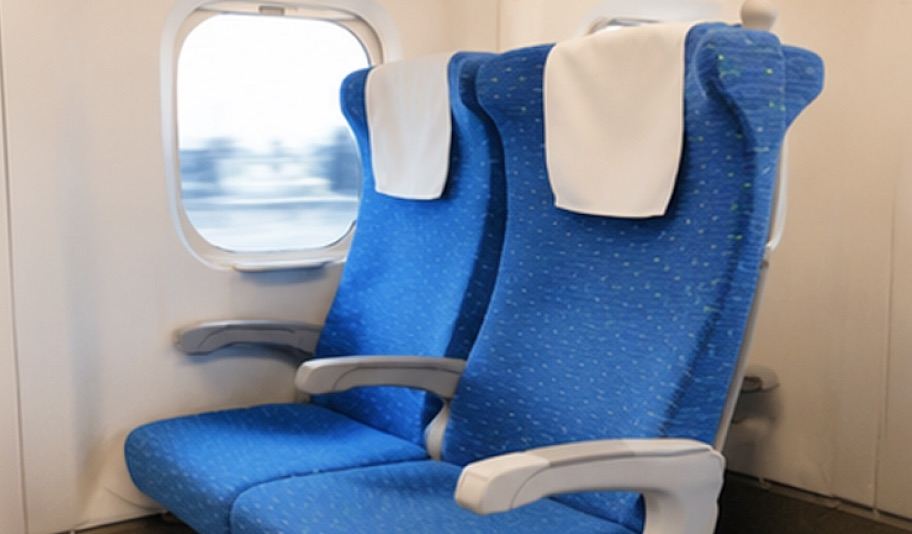
Double seats/adjacent seats
Adjacent seats ensure traveling companions sit together. Suitable for couples, families, or friends traveling together to share the journey.
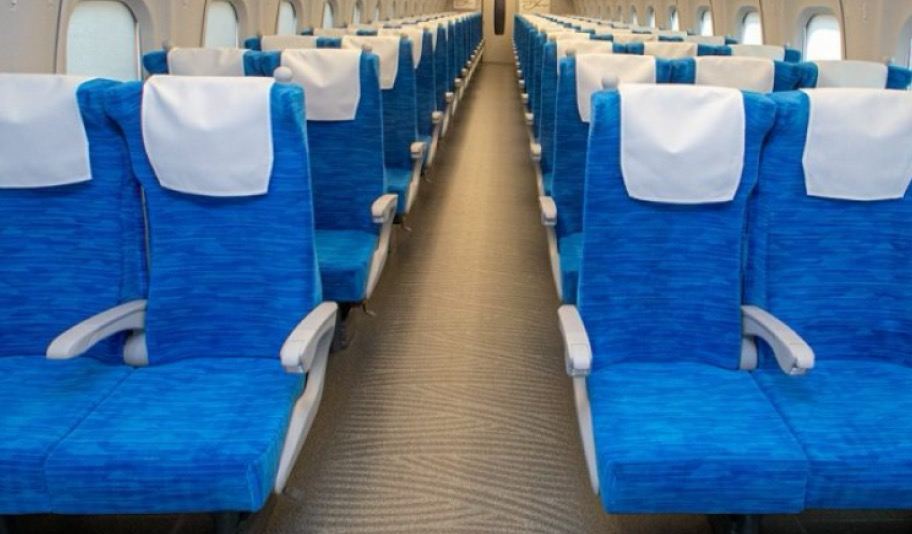
Aisle seats
Next to the aisle, offering easy access to get in and out, move around, or use the restrooms. Suitable for passengers who need to walk around frequently during their trip.
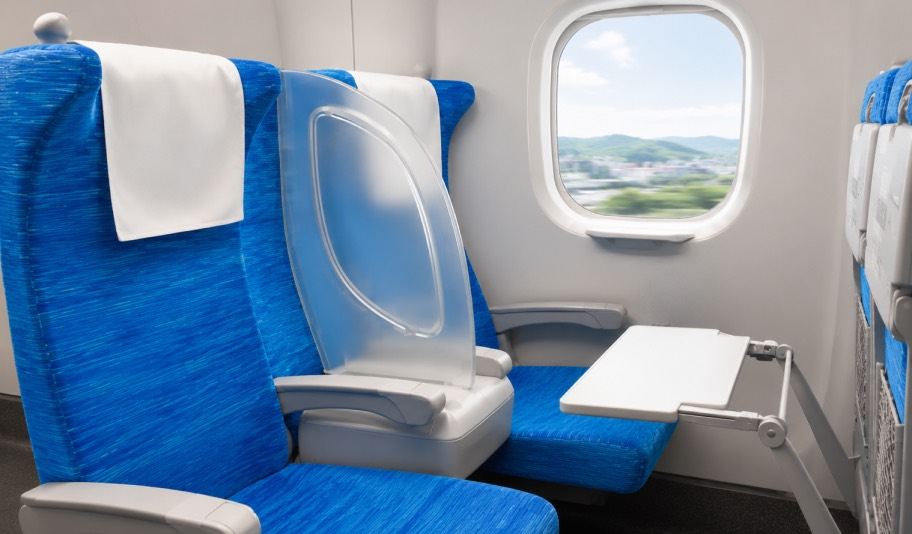
Train desk/table seats
Equipped with a folding table that can be used for work, dining, or holding items when unfolded. Suitable for business travel or passengers who need to work during their trip.
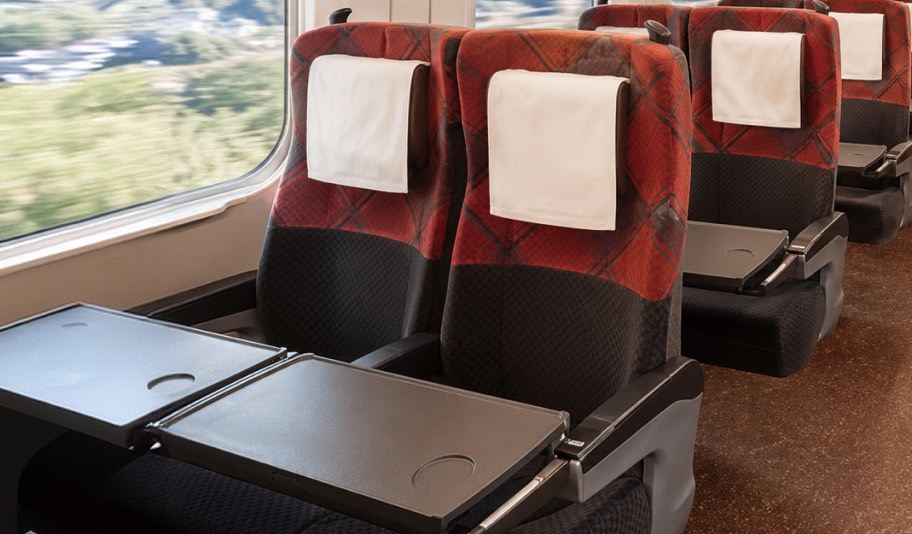
Work seats/business work seats
Specially designed for travelers on business trips, featuring spacious seats equipped with a power outlet and a table for laptop work. Located in a quiet area to minimize travel disturbances.
JR seat reservation guide
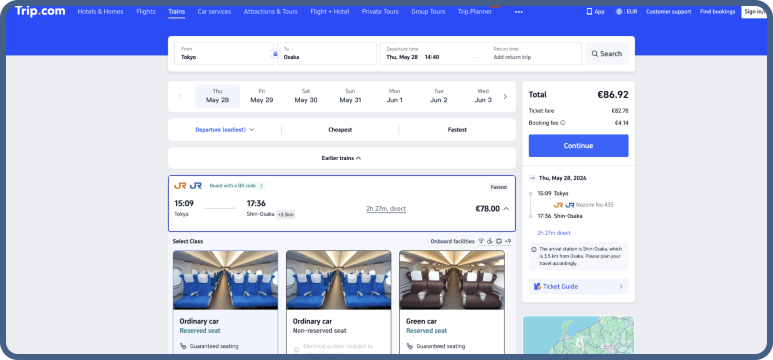
Step 1Select your departure and seat class
Select a departure time, choose the Ordinary car or Green car class, and click the "Continue" button to confirm.
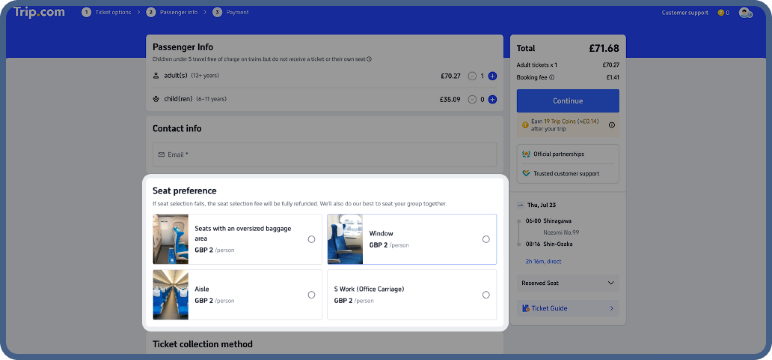
Step 2Enter passenger information and seat preferences
On the "Passenger info" page, the highlighted section in the image is the seat reservation module, where you can select your seat preference. After filling in all the information, click the "Continue" button.
JR transfer guide
Train transfer guide for Kyoto Station
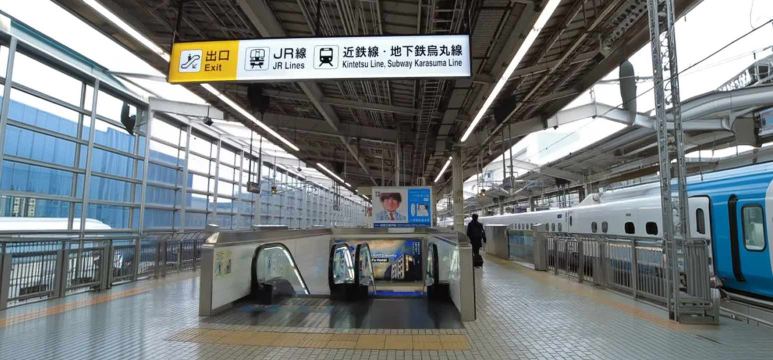
Step 1Downstairs
Get off at the Shinkansen platform and go down to the 2nd floor.
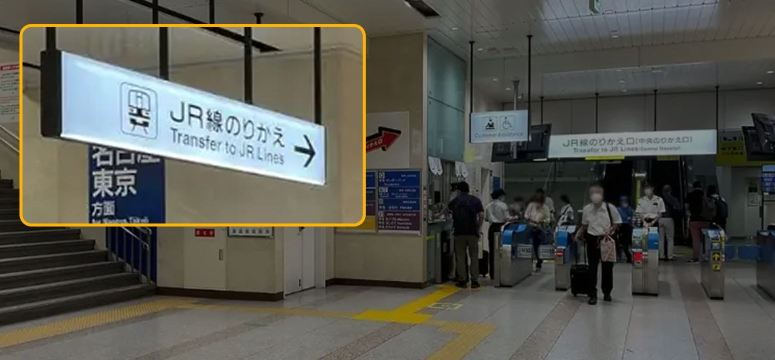
Step 2Find the transfer gate
Follow the signs for "Transfer" to the JR transfer gate.
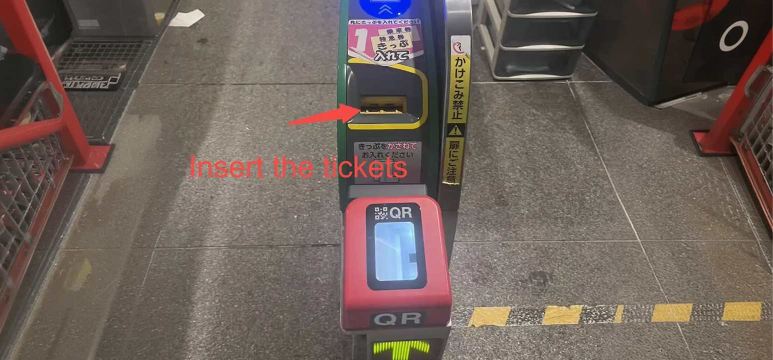
Step 3Go through the transfer gate
Insert the conventional line ticket and your Shinkansen tickets together into the Shinkansen transfer gate. Don't forget to take your next ticket back. (If you have 4 or more tickets, use the manned gate and show them to the station staff.)
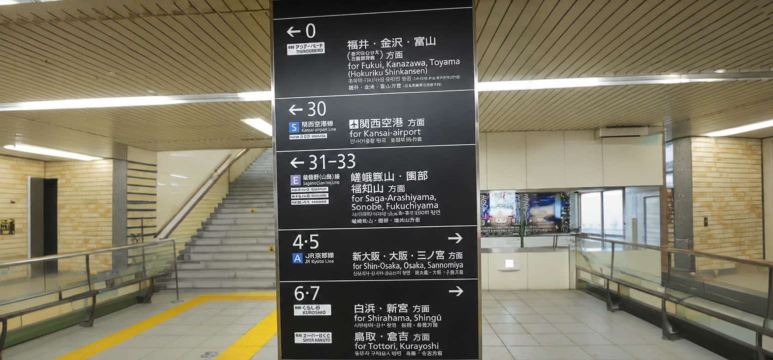
Step 04To the JR Line platform
After exiting the transfer gate, follow the signs to your platform.
Transfer guide for Shin-Osaka Station
Shinkansen → JR Lines
JR Lines → Shinkansen
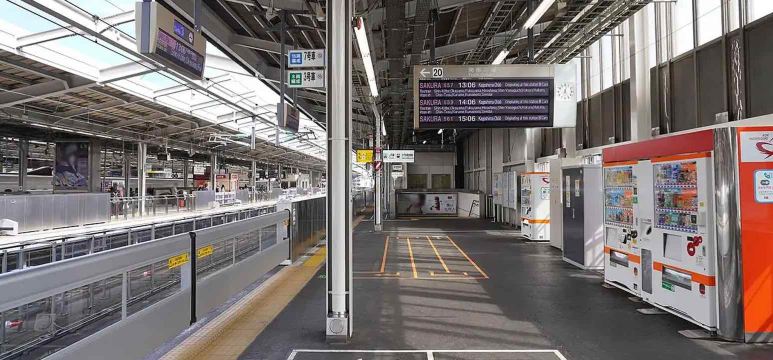
Step 1Head down to the 3rd floor
Alight at the Shinkansen platform on the 4th floor, and find an escalator, elevator, or stairs to go down one level to the Shinkansen concourse on the 3rd floor.
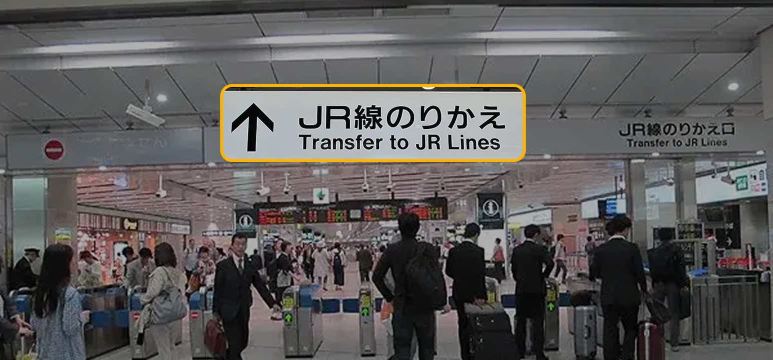
Step 2Find the transfer gate
On the 3rd-floor concourse, do not follow the "Exit" signs. Look up and follow the "Transfer to JR Lines" signs to the dedicated transfer ticket gates on the 3rd floor. Please do not exit the station.
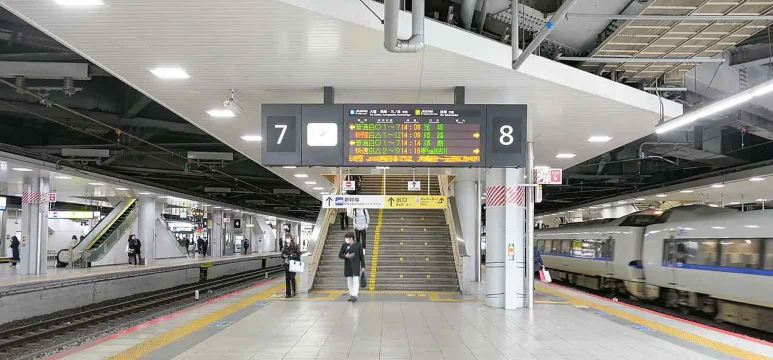
Step 3Go down to the JR platforms
After passing through the transfer gates, you will find yourself directly inside the 3rd-floor transfer area for JR conventional lines. Check the overhead electronic screens to find the platform number for the JR line you want to take, then take the stairs/escalator down to the JR platforms on the 1st floor to board your train.
Refunds and changes for Shinkansen tickets
The Shinkansen refund and change policy offers flexibility, though fees may apply depending on your ticket type.
JR Central
JR East
JR West
Refund policy
| Rule category | Rule details |
|---|---|
| Ticket refund hours | 4:30 AM–10:25 PM CST |
| Ticket refund deadline | 1 hour or more before departure: Ticket refunds permitted. Within 1 hour after departure and after departure: Ticket refunds not permitted. |
| Cancellation handling fee | Before departure: JPY 320/person (regardless of ticket type). Basic fare ticket + seat ticket: Ticket refund fee is JPY 320/person. After departure: Ticket refunds are not permitted. Refundable amount is subject to actual situation. |
| Pre-sale ticket | Free cancellation is permitted before tickets are issued. |
Change policy
| Rule category | Rule details |
|---|---|
| Ticket change hours | 4:30 AM–10:25 PM CST. |
| Ticket change deadline | 1 hour or more before departure: Changes permitted. After departure or within 1 hour before departure: Changes not permitted. |
| Number of changes | Unlimited. |
| Permitted change types |
|
Japan train travel information
Keep up to date with the latest train information for your next journey.
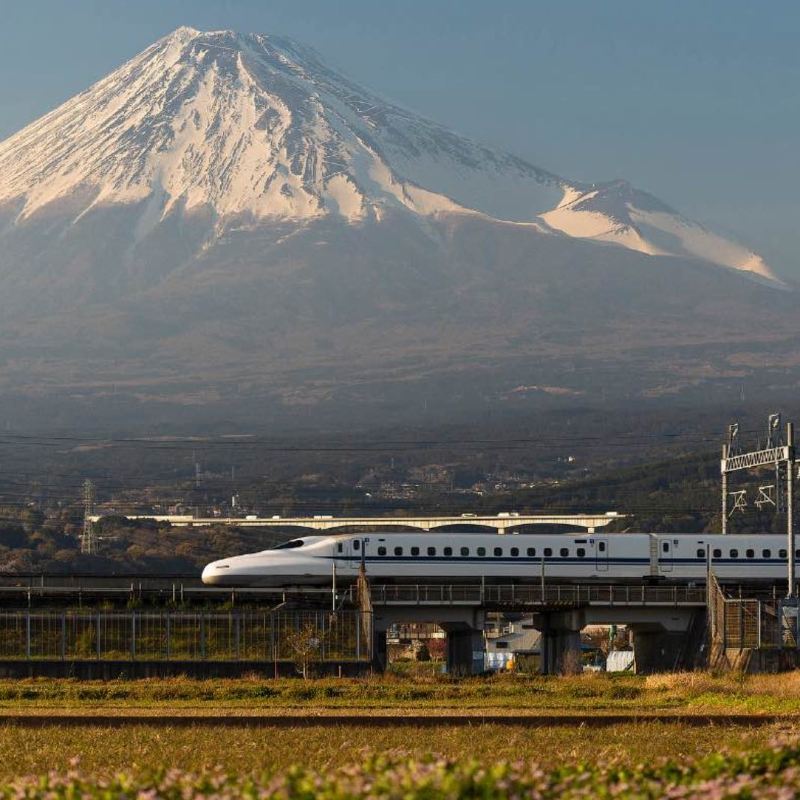
Japan Shinkansen train routes
Find Shinkansen routes from Tokyo to Osaka, Kyoto, and more Japan bullet trains with Trip.com, the official partner for easy booking and ultimate peace of mind.
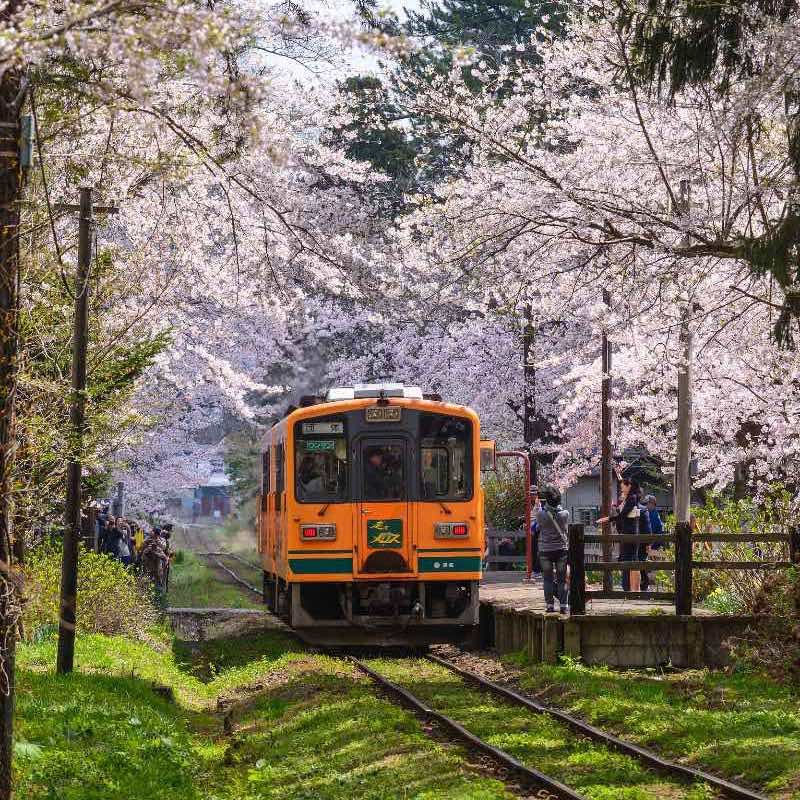
Japan train destinations index
A guide to train travel in Japan, covering destinations in Japan accessible by train, including Shinkansen tickets, travel details, real-time departure and arrival information, and more
Best time to visit Japan
Planning a getaway to Japan? Our monthly Japan travel guide will help you plan the perfect trip based on weather, seasonal scenery, major festivals, and your travel interests. From the cherry blossoms in Ueno Park and Maruyama Park to the autumn foliage of Arashiyama and the winter snowscapes of Niseko, Japan can be explored in all four seasons. Browse recommended cities, popular attractions, and seasonal events to find the ideal time and destination for your Japan trip.
- January
- February
- March
- April
- May
- June
- July
- August
- September
- October
- November
- December
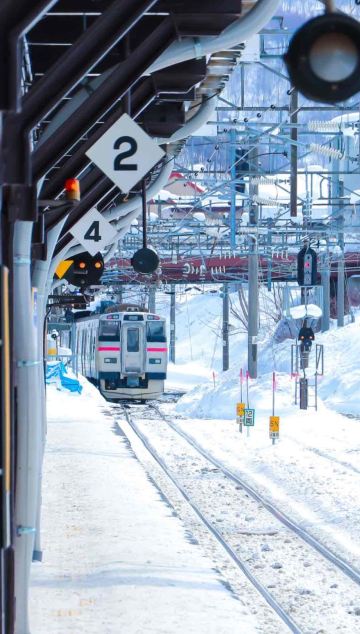
Recommended destinations
Recommended attractions
- Sapporo White Illumination (some venues remain open until February, subject to the official schedule for that year)
- Sensō-ji (New Year Hatsumode)
- Kyoto Fushimi Inari Taisha
Events and festivals
- Hatsumode (New Year's Day to early January)
- Coming of Age Day (the second Monday in January)
- Sapporo Snow Festival is usually held in early February. Keep an eye out in advance.
Travel tips
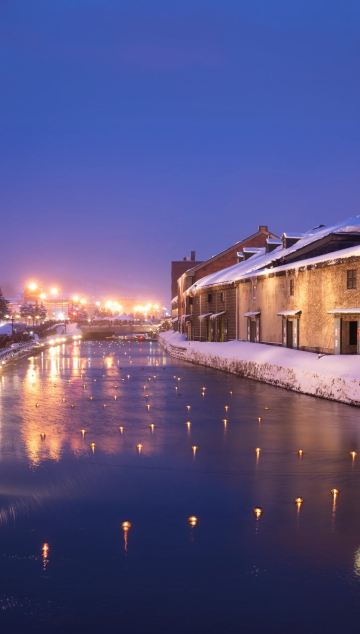
Recommended destinations
Recommended attractions
- Sapporo Snow Festival main venue
- Otaru Snow Light Path
- Jigokudani Monkey Park (snow monkeys bathing in hot springs)
Events and festivals
- Sapporo Snow Festival (usually held in early February, subject to the official announcement for that year)
- Otaru Snow Light Path (usually mid-February)
- Setsubun (usually early February, bean-throwing to ward off evil spirits)
Travel tips
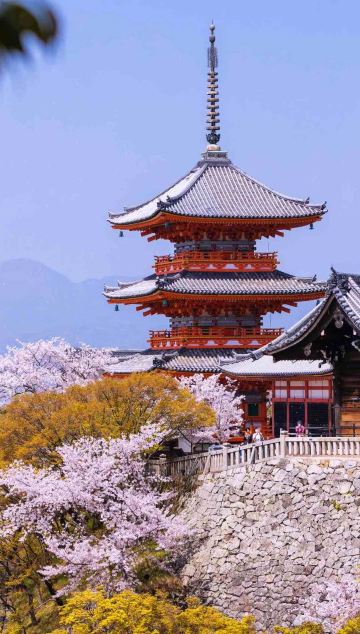
Recommended destinations
Recommended attractions
- Tokyo Meguro River (early cherry blossoms)
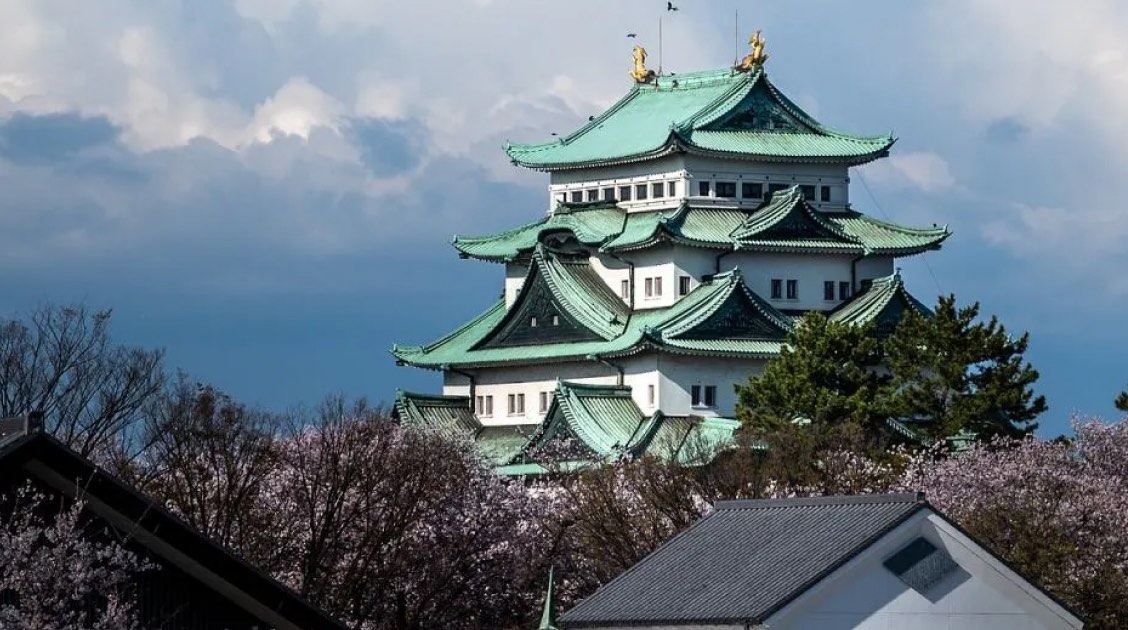
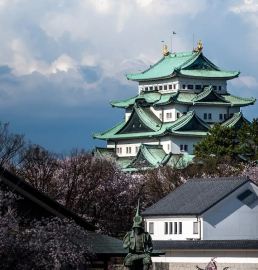
- Nagoya Castle (plum blossoms/early cherry blossoms)
- Fukuoka Maizuru Park
Events and festivals
- Kyushu's cherry blossoms bloom early (prelude to the cherry blossom season)
- Hinamatsuri (March 3, Girls' Day)
- White Day (March 14)
Travel tips
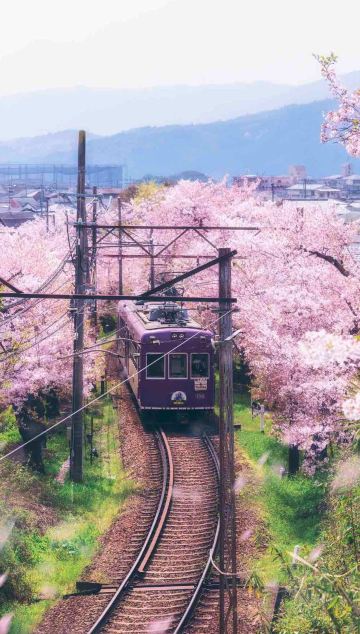
Recommended destinations
Recommended attractions
- Kyoto Tetsugaku No Michi (cherry blossoms)
- Tokyo Ueno Park
- Nara Park (Kasuga Taisha cherry blossoms)
Events and festivals
- Cherry blossoms in full bloom (full bloom in Kanto/Kansai)
- Hanami (cherry blossom viewing picnic)
- Prelude to Golden Week
Travel tips

Recommended destinations
Recommended attractions
- Kyoto Arashiyama (fresh greenery)
- Hokkaido Furano (spring cherry blossoms, lupines, and other spring flowers)
- Okinawa Churaumi Aquarium
Events and festivals
- Golden Week (late April to early May, with core holidays including Apr 29 and May 3–5)
- In Okinawa Prefecture, keep an eye out for local boat races, traditional festivals, and other events. Specific dates are subject to official announcements.
Travel tips

Recommended destinations
Recommended attractions
- Tokyo Hakusan Shrine (Hydrangea Festival)
- Hokkaido Biei (June mainly features early flowers such as lupines and poppies, with lavender reaching full bloom in July)
- Okinawa Kerama Islands (peak snorkeling season)
Events and festivals
- Kanto and Kansai usually enter the rainy season around June
- Hydrangea festivals (held at temples in various regions, with blooming periods varying by region, variety, and weather)
- Hokkaido enters its peak season
Travel tips
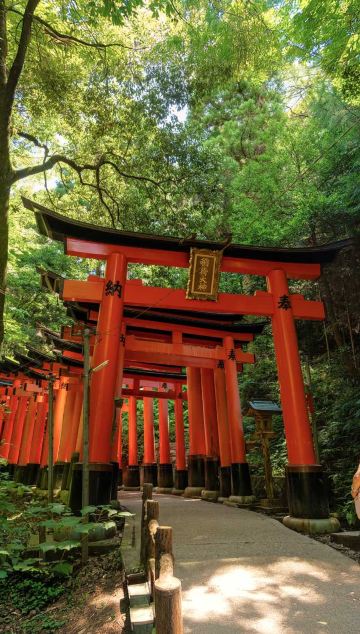
Recommended destinations
Recommended attractions
- Kyoto Fushimi Inari
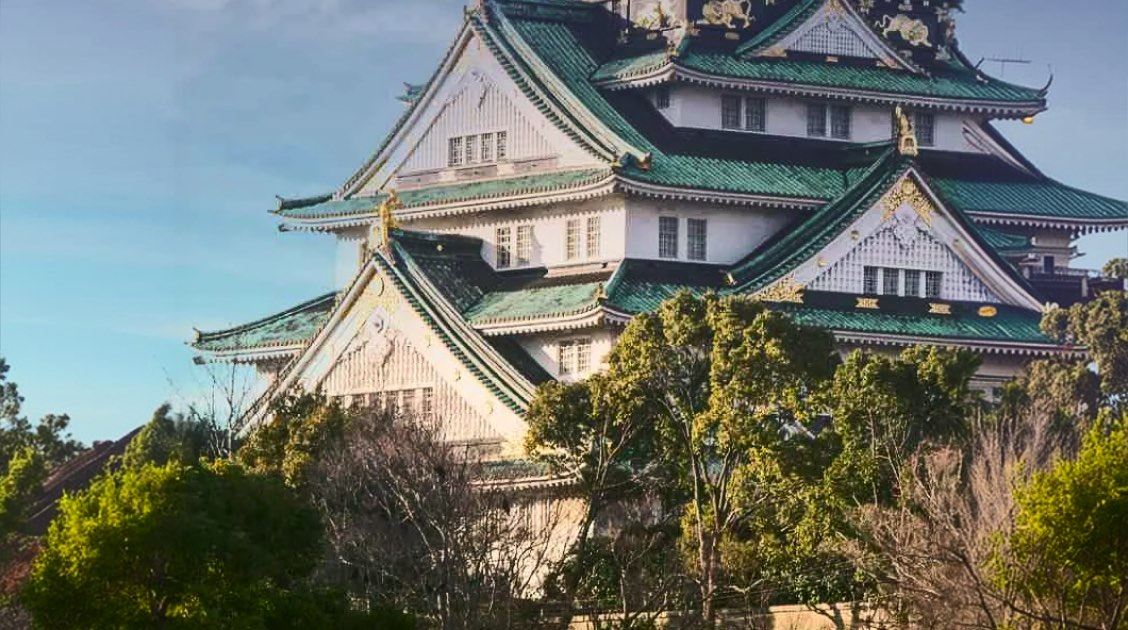
- Osaka Castle
- Tohoku region natural attractions (summer retreat)
Events and festivals
- Gion Matsuri (July, Kyoto's largest festival, spanning the entire month)
- Tenjin Matsuri (core events usually on Jul 24–25, Osaka)
- Aomori Nebuta Festival (early August). Consider booking your travel and accommodation in advance.
Travel tips
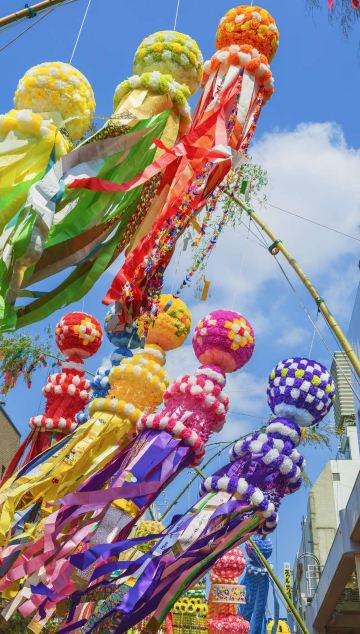
Recommended destinations
Recommended attractions
- Hokkaido Furano (lavender fields)
- Aomori Nebuta Festival venue
- Akita Kanto Festival venue
Events and festivals
- Aomori Nebuta Festival (usually Aug 2–7)
- Akita Kanto Festival (usually Aug 3–6)
- Sendai Tanabata Festival (usually Aug 6–8)
- Yamagata Hanagasa Festival (usually Aug 5–7)
- Obon is usually in mid-August
Travel tips
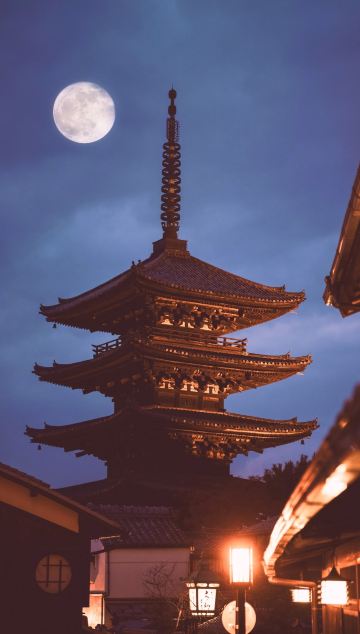
Recommended destinations
Recommended attractions
- High-altitude areas such as Daisetsuzan in Hokkaido and Tateyama Kurobe may enter the fall foliage season earlier
- Tokyo, Kyoto, and other areas still primarily focus on city sightseeing, food, and early fall experiences
Events and festivals
- Higan (around the fall equinox in September)
- Chushu no Meigetsu (moon gazing)
- High-altitude areas in Hokkaido and places like Mount Tate may enter the fall foliage season earlier
Travel tips
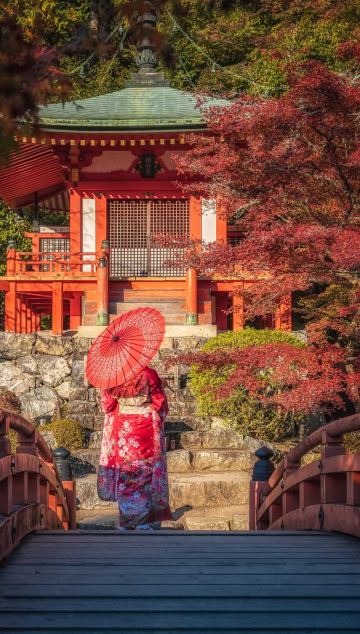
Recommended destinations
Recommended attractions
- Tohoku Oirase keiryū Gorge, Hakkoda, and Lake Towada (fall foliage)
- Kyoto Arashiyama (early fall scenery)
Events and festivals
- Sports Day (the second Monday in October)
- Fall foliage in Tohoku and Hokkaido gradually reaches its peak
- Fall festivals in various regions
Travel tips
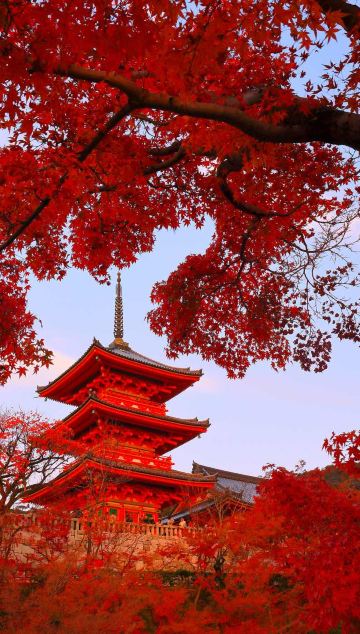
Recommended destinations
Recommended attractions
- Kyoto Kiyomizu-dera (illuminated fall foliage)
- Tokyo Meiji Jingu Gaien (ginkgo avenue)
- Nara Todai-ji (fall foliage)
Events and festivals
- Peak fall foliage in Kanto and Kansai (mostly in mid-to-late November)
- Shichi-Go-San (Nov 15, children's blessing)
- Culture Day (Nov 3)
Travel tips
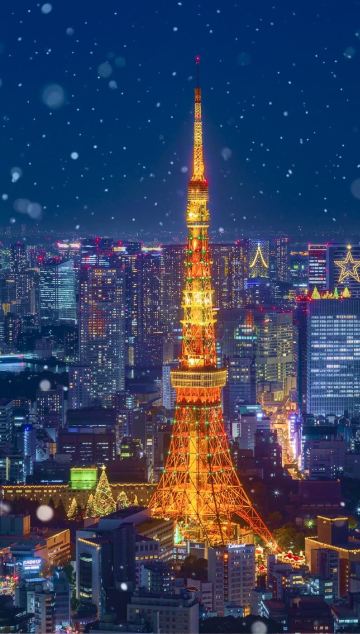
Recommended destinations
Recommended attractions
- Tokyo Roppongi/Marunouchi (Christmas illuminations)
- Kyoto (winter scenery)
- Hokkaido Sapporo (snowscapes)
Events and festivals
- Christmas illuminations
- New Year's Eve (Dec 31) temple bell ringing, New Year visits, etc.
- During the year-end and New Year holidays, some attractions, restaurants, and transportation services may have adjusted schedules. We recommend checking business hours and booking your stay and tickets in advance.
Travel tips
FAQ about Japan train travels
-
Is Trip.com an official Japan Rail partner?
Yes, Trip.com is an authorized JR partner, so you can book with peace of mind that you're getting official and guaranteed Japan train tickets.
-
How far in advance can I book Shinkansen tickets on Trip.com?
You can book Shinkansen tickets up to 90 days in advance on Trip.com. It's a good idea to book early if you want to guarantee your seat and choice of departure time, as trains do sell out.
-
How do I collect my tickets booked on Trip.com?
After booking, you'll receive an email with a QR code. For most routes, simply scan this at the ticket gate to board. On certain other routes, you'll need to scan your QR code at the green “Reserved Seat” ticket machine or show it at the JR Ticket Office to receive physical tickets.
-
Can I change or cancel my booking through Trip.com?
Yes, you can change or cancel your train tickets through Trip.com, just remember to double-check the booking conditions for change and refund policy before booking.
-
How long does it take to receive my refund?
You'll typically receive your refund within 7 to 14 days, depending on your bank and original method of payment. You can track the status of your refund in the "My Bookings" section of Trip.com.
-
Can I choose specific seats or ensure my group sits together?
Yes, and Trip.com's booking system automatically prioritizes sitting groups together. If you're travelling from Tokyo to Osaka and want to see Mt. Fuji on the way, you can select the "Mt. Fuji view" option in the seat preferences section when booking.
-
What should I do if my QR code fails to scan or I can't find the machine?
In the unlikely event that your QR code fails, or if you can't find where to scan it, please contact the Trip.com customer service team and one of our specialists will be on hand to help.
-
What is the difference between Shinkansen and bullet train?
There's no difference, they are the same. Shinkansen is the Japanese name for the high-speed bullet trains that connect Japan's major cities. Both terms refer to the same network.
-
What is the luggage size limit on Shinkansen?
On the Shinkansen, if your suitcase's combined length, width, and height add up to more than 160cm, you'll need to reserve a special seat with extra storage space.
-
What is a JR Pass and how does it work?
The JR Pass is a discounted rail pass for foreign tourists in Japan. It gives you unlimited rides on most JR trains, including Shinkansen, limited express, and local services, for 7, 14, or 21 consecutive days. One pass covers most of the country.
-
Can international travelers buy a JR Pass in Japan?
Yes. The JR Pass is specifically for international tourists visiting Japan as temporary visitors, so you'll need to enter the country with a "Temporary Visitor" stamp in your passport to qualify.
-
Can I buy a JR Pass at the station?
Yes, you can buy a JR Pass at the station but it's best to purchase in advance on Trip.com. Doing so saves you hassle at the ticket office and allows you to reserve seats early — this is especially important on popular routes like Tokyo–Osaka.
Popular Shinkansen Routes
Top Destinations
Top Train Stations
Trains to Airport
Japan airport transfers