

How to Save on Excess Baggage Fees – Tips & Tricks
Paying for extra baggage can easily turn an exciting trip into a stressful and expensive one. For travelers from the Philippines, understanding how various airlines charge for additional luggage and having smart packing habits can help you avoid these extra fees. This guide will share useful tips to help you manage your bags better, save money, and travel more comfortably without worrying about surprise charges at the airport.
Buy Extra Baggage Allowance Before Your Trip
When flying from the Philippines, planning your baggage ahead can save you both money and hassle. Here’s why purchasing extra baggage allowance before your flight is worth considering:
- Lower Fees Online: Airlines like Philippine Airlines, Cebu Pacific, and AirAsia usually offer cheaper rates for extra baggage if you pay during booking or a few days before your trip, compared to paying at the airport.
- Avoid Last-Minute Stress: Paying in advance means no surprise fees or delays at check-in counters, which can be crowded and hectic, especially during busy seasons like holidays.
- Faster Check-In: With your baggage sorted beforehand, your check-in process is quicker and smoother, saving you valuable time at the airport.
- Flexibility to Add More: Many airlines allow you to add extra kilos online, even after you’ve booked, so you can adjust your baggage based on your needs without rushing.
- Ideal for Balikbayans and Gift-Givers: If you’re bringing balikbayan boxes or gifts from the Philippines, pre-booking extra baggage ensures you won’t be caught off guard by high fees.
- Peace of Mind: Knowing your baggage is covered ahead lets you focus on enjoying your trip, not worrying about unexpected airport charges.
Before your next flight, take a moment to check your airline’s baggage policies and book any extra allowance early. It’s a simple step that can make your travel experience easier and more affordable.


How Sharing Luggage with Your Travel Companion
Traveling from the Philippines often means watching your baggage weight carefully. If you are flying with family, friends, or a travel companion, sharing luggage space can help you avoid extra baggage fees. However, always check your airline’s rules first because some airlines apply baggage limits per passenger, per bag, or per booking.
Here’s why sharing luggage can help Filipino travelers:
- Maximize Your Allowance: If your airline allows baggage sharing under the same booking, you can divide your items better and avoid overweight bags.
- Save on Extra Fees: Instead of buying extra baggage for each person, you may only need to add one checked bag or adjust the weight allowance.
- Balance Heavy Items: Spread shoes, toiletries, pasalubong, and bulky clothes between bags so one suitcase does not go over the limit.
- Helpful for Family Trips: Families and groups can plan together before going to the airport, especially when bringing gifts or shopping items.
- Check the Rules First: Do not assume all airlines allow baggage pooling. Some airlines still check baggage by passenger, bag weight, and ticket type.
- Pack Your Own Important Items: Keep passports, medicine, money, gadgets, and valuable items in your own hand-carry bag.
Why Filipino Travelers Should Use Lightweight Luggage
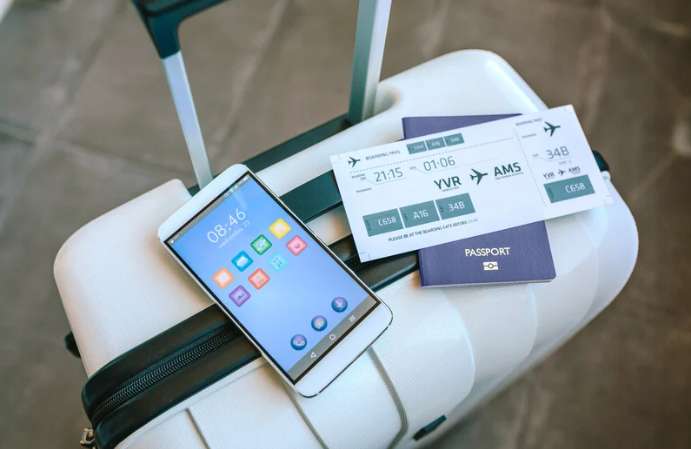
When flying from the Philippines—whether it’s for work, vacation, or heading home with pasalubong—every kilo counts. One of the easiest ways to maximize your baggage allowance without paying extra fees is by using lightweight luggage. The lighter your bag, the more you can pack without going over your airline’s weight limit.
Benefits of Using Lightweight Luggage
- More Space for Essentials
Heavy bags eat into your baggage allowance. A lighter suitcase gives you more weight allowance for clothes, shoes, and pasalubong. - Avoid Overweight Fees
Many airlines charge high fees for going over the weight limit. A lighter bag helps you stay within the limit and avoid unexpected costs. - Easier to Carry Around
Lightweight luggage is easier to lift, roll, and carry—especially useful when moving through busy airports like NAIA or during layovers. - Perfect for Budget Airlines
If you’re flying with Cebu Pacific, AirAsia, or other low-cost carriers, lightweight bags help you pack smarter without needing to buy extra kilos. - Better for Short Trips or Domestic Flights
If you're flying to local spots like Boracay, Cebu, or Davao, lighter bags are easier to handle and often required on smaller planes. - Less Strain, More Comfort
Traveling with a lighter load means less physical strain, especially if you're traveling solo or with kids.
Maximize Your Cabin Baggage Allowance (Philippine Airlines Edition)
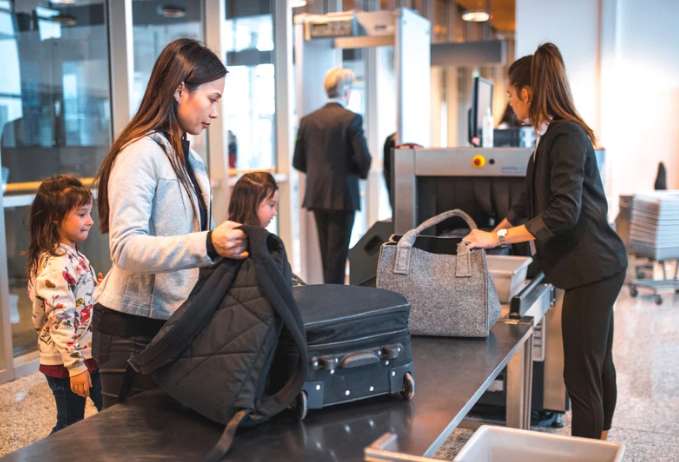
If you’re flying with Philippine Airlines or other local carriers, don’t underestimate the value of your hand-carry or cabin baggage. It’s one of the best ways to bring more without paying extra. Knowing how to pack smart and follow airline rules can help you avoid check-in baggage fees while keeping your essentials close during the flight.
What You’re Allowed to Bring (Philippine Airlines)
For Filipino travelers, especially those looking to save on travel costs, knowing how to maximize your hand-carry or cabin baggage is key. Whether you’re flying home to the province, heading to the Middle East for work, or taking a weekend break in Asia, making smart use of your free cabin baggage allowance can help you avoid paying for checked luggage.
Below is a helpful breakdown of what you're allowed and pro tips to help you pack smart.
Cabin Baggage Allowance – Philippine Airlines (PAL)
| Item | Allowance |
|---|---|
Carry-on bag | 1 piece, up to 7 kg |
Size limit | 56 x 36 x 23 cm |
Personal item | 1 small item, such as a handbag, laptop bag, or small backpack |
Reminder | Your carry-on must fit in the overhead bin, while your personal item must fit under the seat in front of you |
🔔 Note: PAL baggage rules may vary by route, aircraft, and ticket type, so always check your booking details before flying.
How to Maximize Your Cabin Baggage
| Tip | Details |
|---|---|
Choose Lightweight Luggage | Start with a cabin bag that weighs less than 2.5 kg when empty. The lighter the bag, the more you can pack without going over the 7 kg limit. |
Use Your Personal Item Wisely | Don't waste this allowance. A backpack or tote can hold electronics, snacks, documents, and even a change of clothes. |
Wear Your Heaviest Clothes | If you're bringing a jacket or boots, wear them to the airport instead of packing them. It saves space and reduces your bag’s weight. |
Pack Essentials Only | Prioritize items you’ll need during the flight or soon after landing: charger, passport, power bank, medicines, wallet, IDs, and snacks. |
Distribute Weight Evenly | If traveling with a companion, balance your loads. You can shift items between your bags to avoid either one being overweight. |
Use Packing Cubes or Organizers | These help compress your clothes and keep things neat and compact. You’ll be surprised how much more fits! |
Weigh Before You Go | Invest in a portable luggage scale. Check your bag at home to avoid being stopped at the boarding gate for being overweight. |
Skip Heavy Toiletries | Bring only travel-size bottles or buy toiletries at your destination. Liquids over 100ml may be confiscated anyway. |
 NO.1
NO.1


























Excess Baggage Fees by Airline: What Filipino Travelers Should Know
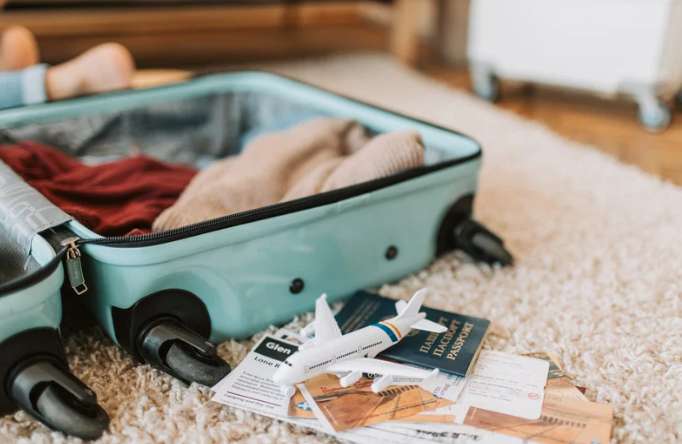
Bringing home pasalubong, shopping abroad, or simply overpacking can lead to extra baggage charges. However, baggage fees change by airline, route, ticket type, travel class, and when you buy the allowance. Use the table below as a general guide, then check your airline’s official baggage page or Manage Booking before flying.
| Airline | Corrected Baggage Fee Guide | Notes |
|---|---|---|
Philippine Airlines | Excess baggage fees vary by domestic or international route, ticket type, and destination. | Do not use one fixed PHP or USD range for all PAL flights. Check your booking for the exact fee. |
Cebu Pacific | Checked baggage is usually sold as prepaid baggage by piece, starting at 20 kg. You may upgrade the weight or buy more pieces online, depending on availability. | The old “per 5 kg” pricing is outdated. Pre-book online for cheaper rates. |
AirAsia Philippines | Check-in baggage can usually be pre-booked from 20 kg up to 60 kg, depending on the route. Each checked bag must not exceed 32 kg. | Pre-book baggage before your flight to avoid higher airport charges. |
Singapore Airlines | Extra baggage is charged based on route zones. Some routes use weight pricing, while Canada and USA routes may use piece-based pricing. | Always check the zone table for your exact flight. |
Qatar Airways | Excess baggage depends on whether your route follows weight concept or piece concept. Some routes charge per kg, while others charge per extra bag. | Do not use one simple USD per kg range for all Qatar flights. |
Emirates | On eligible weight-based routes, extra baggage can be bought in 5 kg blocks before departure. Airport rates are charged per kg by travel zone. | Buying online before the flight can be cheaper than paying at check-in. |
Cathay Pacific | Extra baggage charges vary by route zone and may be charged per piece or per kg. Overweight and oversized bags may have extra charges. | Check the baggage calculator or your booking before flying. |







Final Tips for Avoiding Excess Baggage Fees (For Filipino Travelers)
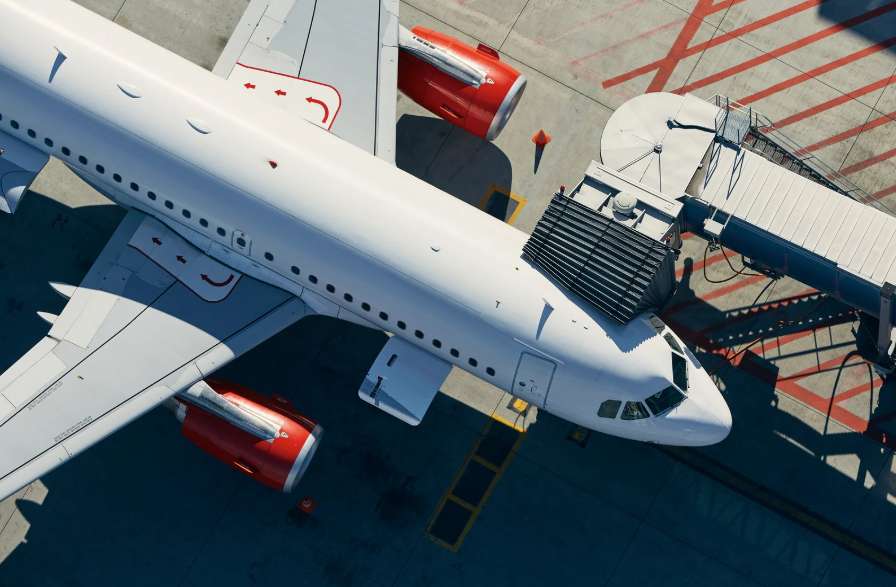
For Filipino travelers, avoiding excess baggage fees starts with a little planning. Always check your airline’s baggage rules before flying, weigh your bags at home, and take advantage of cheaper pre-paid baggage options online. Pack only what you need, wear your bulkiest clothes to the airport, and use your full hand-carry allowance wisely. Whether you’re flying to the province or heading abroad, smart packing can help you save money, skip stress, and enjoy a smoother travel experience.
FAQ: Saving on Excess Baggage Fees
-
What’s the cheapest way to avoid excess baggage fees?
-
How can I know my baggage allowance?
-
Is it okay to bring heavy items in my hand-carry?
-
What should I do if my bag is overweight at the airport?
-
Can I bring liquids or souvenirs in my carry-on?
Trending Researches
-
Popular Content
-
Top Flight Links
-
Popular Hotels
-
Popular Things to Do
-
Featured guides
-
Trip.com links
- Trip.com E-Ticket
- Trip.com Payment Methods
- Trip.com Passport Change
- Trip.com Customer Service
- Trip.com Flight Cancellation
- Trip.com VIP Lounge Access
- Trip.com Phone Number
- Trip.com Check In
- Payment Sale
- Trip Coins
- Trip.com Hotel Refund
- Trip.com Cancellation Policy
- Trip.com Ticket Issued Status
- Trip.com Flight Ticket
- Trip.com Membership
- Trip.com E-Receipt
- Trip.com Seat Selection
- Trip.com Baggage Allowance
- Trip.com Flight Change
- Trip.com Reviews
- Flights from Manila to Hong Kong
- Flights from Manila to Cebu
- Flights from Manila to Tagbilaran
- Flights from Manila to Iloilo City
- Flights from Manila to General Santos
- Flights from Cebu to Manila
- Flights from Bacolod to Manila
- Flights from Manila to Tacloban
- CA986 Flight Status
- EK2521 Flight Status
- 5J187 Flight Status
- PR431 Flight Status
- PR741 Flight Status
- MH709 Flight Status
- 5J582 Flight Status
- Hotels near 72 wonder tower
- Hotels near Mactan–Cebu International Airport
- Hotels near Fenghuang Ancient Town
- Hotels near Greenland Xindu East Coast Times Square South Area
- Hotels near Changbai Mountain Beauty Pine International Sculpture Park
- Shiji Qingteng Capsule Hotel (T3 Terminal)
- Bangkok-Pratunam Hotel
- Shangri-La Resort
- De Mani Hotel
- Alta Vista de Boracay
- Hotels in Fenghuang County
- Hotels in Davao City
- Hotels in North Jakarta
- Hotels in Moscow
- Hotels in Seoul
- Philippines 5G eSIM | Dual Network • All AI & TikTok | Day Pass/Total Data Package | 24-Hour Billing | 1-30 Days | QR Code
- Private Mutianyu Great Wall Trip With English-speaking Driver
- Vietnam Airport VIP Fast Track Service
- Bangladesh Dhaka DAC Hazrat Shahjalal International Airport T1 terminal international departure IBalaka Executive Lounge international departure lounge experience
- Vietnam | 4G/5G eSIM | Daily/Data Plan | 24-hour Billing | 1-30 Days | QR code
- Huanglongjiuzhai Railway Station - Jiuzhaigou National Park shuttle bus · private charter optional
- Lantau Island Ngong Ping 360 round-trip cable car admission ticket with priority boarding + one-way urban area transfer
- European universal 5G/4G eSIM | Multi-network support, supports All AI & TikTok | 500MB/day - 50GB total | 1-90 days | 24-hour billing | QR code
- Kigali Eco Park Bird Watching Experience
- Little Havana: Food & Walking Tour
- 1-day tour to Eger Wine Country: Castle of Eger + Valley of the Beautiful Woman + Liberty Square in Budapest
- Jewish Cultural Quarter and Gassan Diamonds: Guided Tour
- Best of Mozart Concert at Fortress Hohensalzburg in Salzburg
- Pattaya TACTICS AND GUN CO., LTD Tactical Shooting
- Snorkelling Day Tour in Nusa Lembongan and Nusa Penida from Bali
- Mothers Day Gifts
- eSIM
- Hong Kong International Airport
- International Driving Permit
- Toronto Pearson International Airport
- Universal Studios Singapore
- Great Wall of China
- UK ETA
- Narita International Airport
- China Currency
- Changi Airport
- Schengen Visa
- Singapore MRT Map
- France Visa
- Ninoy Aquino International Airport