
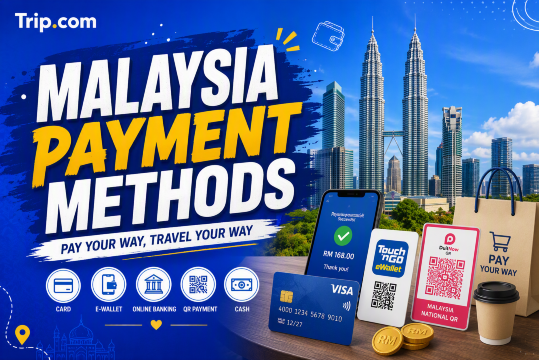
Paying in Malaysia is easy for Filipino travelers because you have several options, including Malaysian Ringgit cash, credit and debit cards, DuitNow QR, Touch ‘n Go eWallet, and even GCash at supported merchants. Digital payments are widely used, but keeping some cash is still useful for small stalls, markets, and places where QR or card payment is unavailable.
Malaysia Payment Methods at a Glance
Payment Method | Good for Travelers? | Best Used For |
|---|---|---|
Cash (MYR) | Yes | Small shops, markets, food stalls |
Credit/Debit Cards | Yes | Hotels, malls, restaurants, larger stores |
DuitNow QR | Yes, with supported apps | Restaurants, shops, cafés, local merchants |
GCash | Yes | Supported DuitNow QR and Alipay+ merchants |
Touch ‘n Go eWallet | Yes | QR payments and selected local services |
Touch ‘n Go Card | Useful | Public transport and selected payments |
Apple Pay / Mobile Wallets | Where supported | Contactless card terminals |
For most Filipino travelers, a good combination is GCash + an international debit or credit card + some Malaysian Ringgit cash.


Cash in Malaysia: Do You Still Need It?
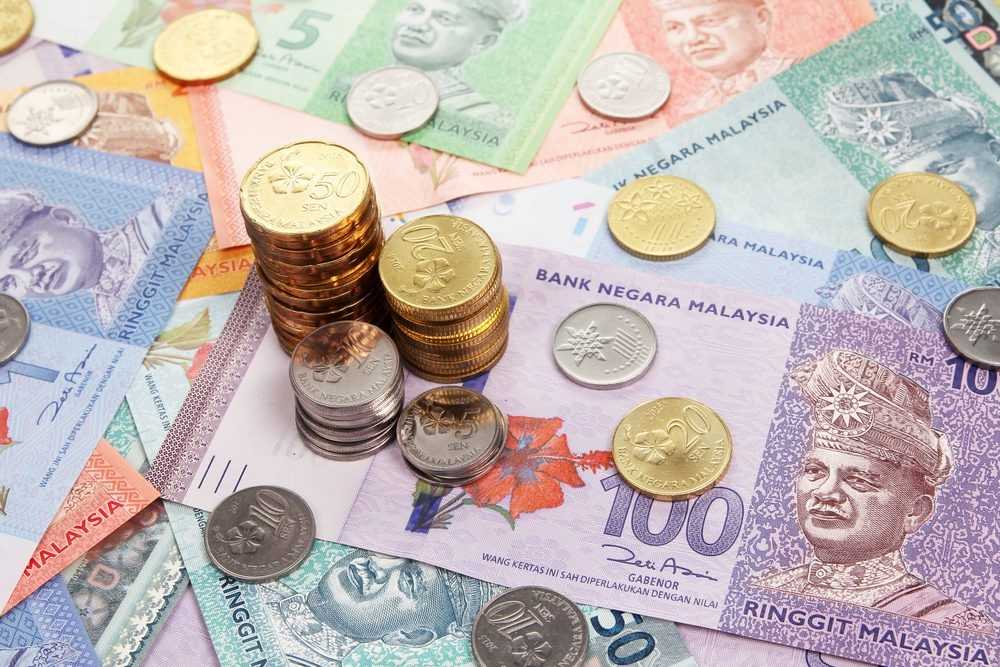
Yes. Although Malaysia has a strong digital payment system, carrying some cash is still useful.
Malaysia's official currency is the Malaysian Ringgit, written as RM and internationally coded as MYR. Bank Negara Malaysia is the sole issuer of Malaysia's ringgit banknotes and coins, which are the country's legal tender.
Malaysian Banknotes
Current Malaysian banknotes include:
- RM1
- RM5
- RM10
- RM20
- RM50
- RM100
Malaysia also uses 5 sen, 10 sen, 20 sen and 50 sen coins.
Where Cash Is Useful
Keep some ringgit for:
- Small food stalls
- Traditional markets
- Night markets
- Small local shops
- Some parking or local services
- Backup when a QR payment does not work
💡 Tip: You do not need to carry your entire travel budget in cash. Keep smaller notes for everyday purchases and use cards or QR payments when convenient.
*Rates are for reference only and may vary
Credit and Debit Cards in Malaysia
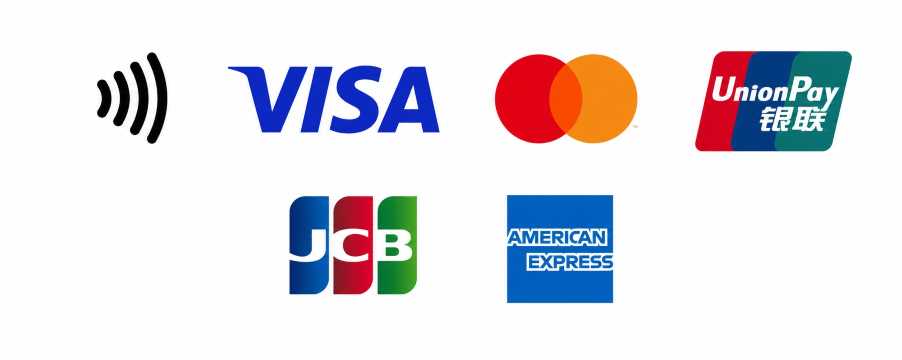
Credit and debit cards are another convenient way to pay in Malaysia.
Malaysia's regulated payment ecosystem includes major card networks such as Visa, Mastercard, American Express, JCB and UnionPay. Acceptance depends on the individual merchant.
Cards are especially useful when paying at:
- Hotels
- Shopping malls
- Department stores
- Larger restaurants
- Supermarkets
- Attractions
- Online booking platforms
Contactless payment is also available at supported terminals, so you may be able to simply tap your physical card or supported mobile wallet.
Tips for Using Philippine Cards in Malaysia
Before traveling:
- Make sure your card allows international transactions
- Check your bank's foreign transaction fees
- Keep a second payment method as backup
- Check the amount in MYR before confirming
- Keep your bank app available in case you need to approve a transaction
⚠️ Important: Card acceptance can vary by merchant, especially at smaller businesses.
 2821 booked
![1-Day Tour to Sapi Island Kota Kinabalu, Sabah Malaysia + Manukan Island [Snorkeling/Water Tours + Seafood BBQ Lunch]](https://ak-d.tripcdn.com/images/0355312000r4xunvi2C03_C_568_320.jpg)




DuitNow QR in Malaysia
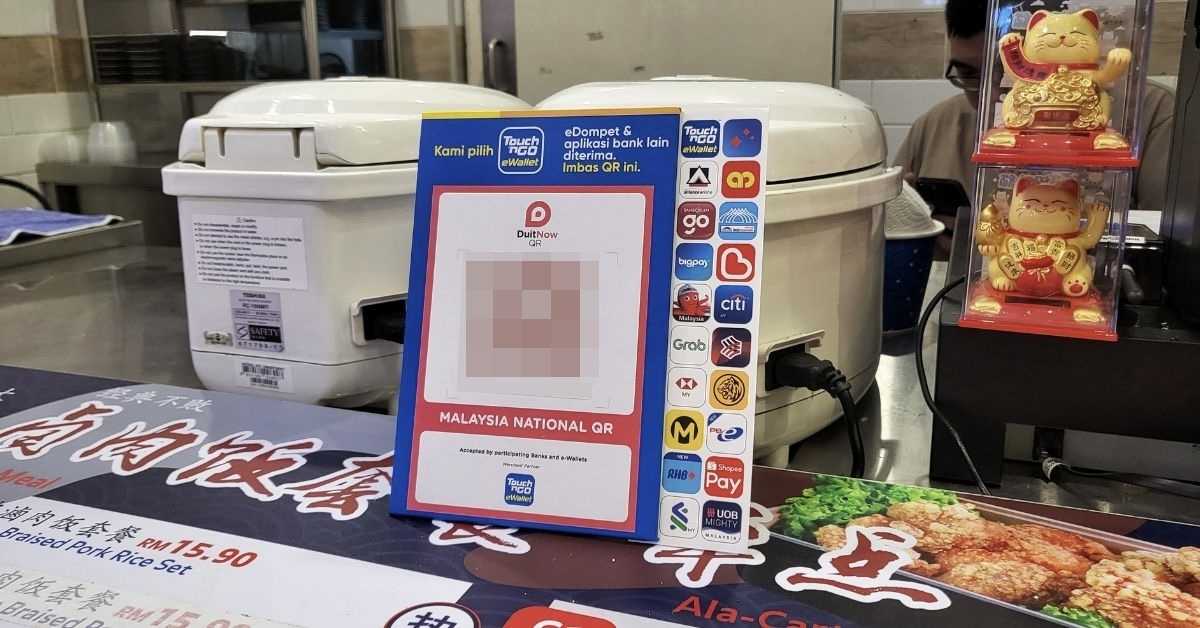
If you see a pink DuitNow QR sign while traveling around Malaysia, you will probably see it often.
DuitNow QR is Malaysia's national QR payment standard, operated by Payments Network Malaysia, or PayNet. It allows participating banks and e-wallets to use one interoperable QR system.
You may find DuitNow QR at:
- Restaurants
- Cafés
- Convenience stores
- Shopping outlets
- Local food shops
- Tourist attractions
- Pharmacies
- Supermarkets
- Small businesses
How DuitNow QR Works
The basic process is simple:
- Open a supported banking or e-wallet app.
- Scan the merchant's DuitNow QR.
- Enter or check the amount in Malaysian Ringgit.
- Review the payment information.
- Confirm the transaction.
PayNet also supports cross-border QR payments, allowing travelers from participating markets to use supported payment apps from their home country in Malaysia.
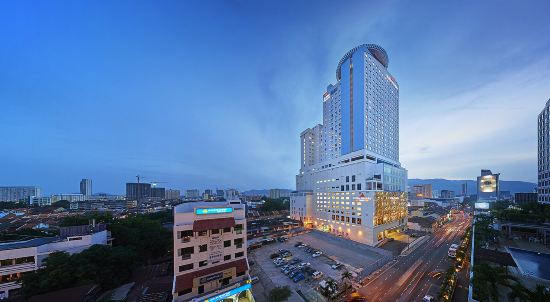
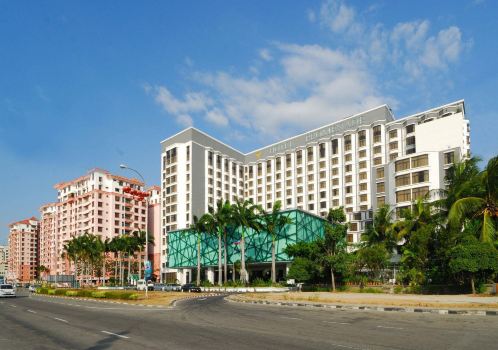
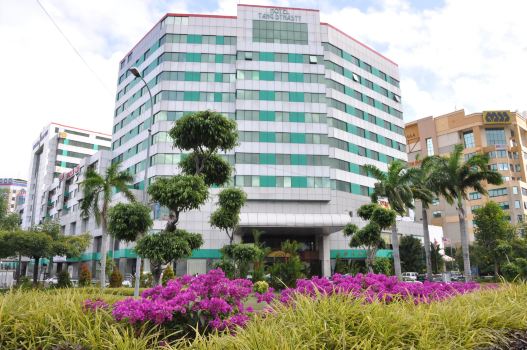
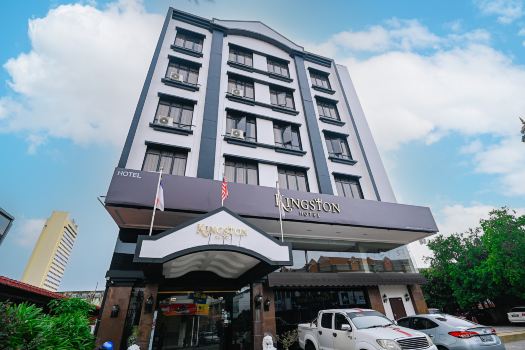
Explore the Top Places to Stay in Malaysia































Can Filipinos Use GCash in Malaysia?
Sources: mb.com.ph
Yes.
This is one of the easiest payment options for Filipino travelers.
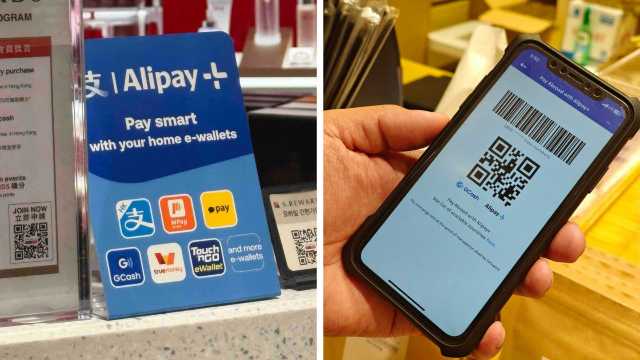
PayNet officially lists GCash from the Philippines among the Alipay+ payment partners enabled to make payments through DuitNow QR in Malaysia.
GCash also states that its Global Pay feature can be used overseas when:
- Your GCash account is Fully Verified
- The merchant supports Alipay+
How to Pay With GCash in Malaysia
When the merchant supports GCash through DuitNow QR or Alipay+:
- Open your GCash app.
- Tap the QR payment option.
- Scan the supported merchant QR code.
- Check the amount and currency.
- Review the PHP conversion shown in the app.
- Confirm your payment.
Where Can You Use GCash?
PayNet says its Alipay+ partnership allows international travelers to use supported home payment apps at DuitNow QR merchants across Malaysia. GCash is one of the enabled Philippine apps.
You may find supported payments at places such as:
- Restaurants
- Cafés
- Convenience stores
- Pharmacies
- Supermarkets
- Shops
- Tourist attractions
💡 GCash Tip: Do not assume every QR code will work. Look for DuitNow QR or Alipay+ support, and keep a card or cash ready as backup.
Touch ‘n Go eWallet in Malaysia
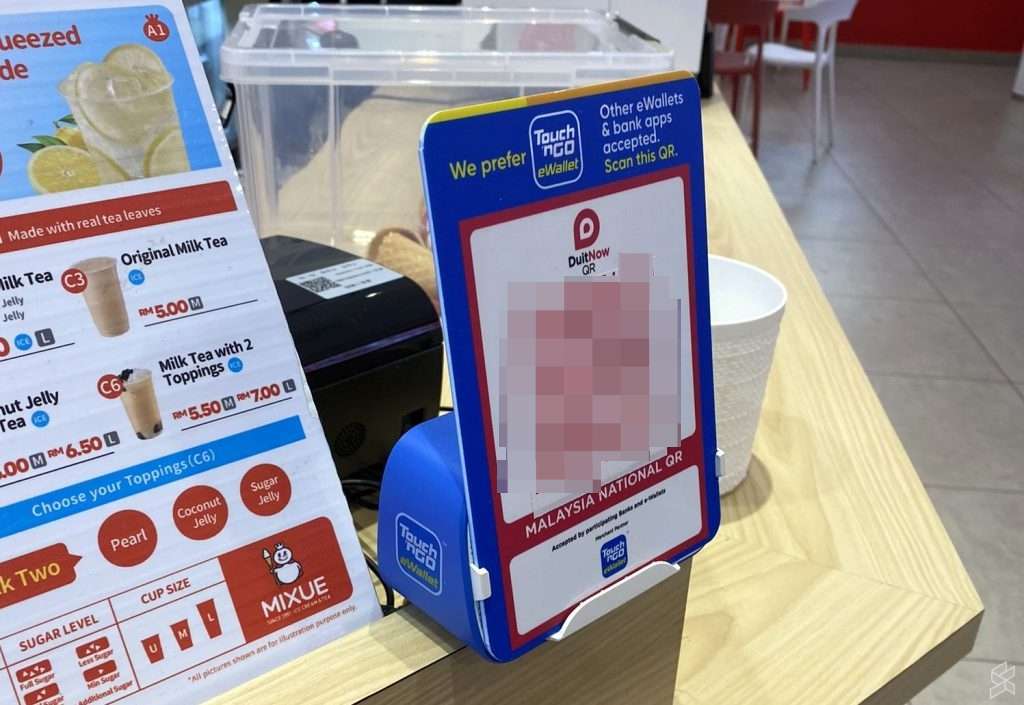
Touch ‘n Go eWallet, commonly called TNG eWallet, is one of Malaysia's major local e-wallets.
International tourists can also access TNG eWallet. Touch ‘n Go has introduced registration support for international visitors, including travelers from ASEAN markets using eligible foreign mobile numbers.
The eWallet can be used for services such as:
- Merchant QR payments
- Selected transport-related payments
- Online purchases
- Everyday purchases at participating merchants
However, registration, verification and available features may depend on your nationality, mobile number and account status.
Do Filipino Tourists Need TNG eWallet?
Not necessarily.
For a short Malaysia holiday, you may already have enough payment options with:
- GCash
- Visa or Mastercard
- Malaysian Ringgit cash
TNG eWallet can be useful if you want greater access to Malaysia's local digital payment ecosystem or are staying for a longer period.
Touch ‘n Go Card vs Touch ‘n Go eWallet
These two are related, but they are not exactly the same thing.
Touch ‘n Go Card | Touch ‘n Go eWallet |
|---|---|
Physical stored-value card | Mobile application |
Commonly used for transport | Used for QR and digital payments |
Tap the physical card | Pay through your phone |
Balance is stored on the card | Balance is managed in the app |
A Touch ‘n Go card can be particularly useful for travelers using public transport.
Rapid KL, for example, uses Touch ‘n Go across various fare products, while some Rapid KL services support additional cashless payment methods.
📌 Important: Payment options vary by transport operator and service, so check the specific train, bus or transport provider before traveling.
Can You Use Apple Pay in Malaysia?
Apple Pay can be used where your supported card and the merchant's contactless payment terminal allow it.
PayNet's Malaysian payment network also supports Apple Pay transactions through participating banks and payment infrastructure.
For Filipino travelers, whether your card works through Apple Pay will depend mainly on:
- Your card issuer
- Your card's international payment settings
- The merchant's payment terminal
- Whether your card supports Apple Pay
A physical debit or credit card is still useful as backup.
Recommended Malaysia eSIMs


Best Malaysia Payment Method for Filipino Travelers
You do not need to rely on only one payment method.
For Shopping Malls and Hotels
Use:
- Credit card
- Debit card
- Contactless payment
For Restaurants and Cafés
Try:
- GCash
- DuitNow QR through a supported app
- Card
- Cash
For Local Food and Markets
Keep:
- Malaysian Ringgit cash
- GCash as an alternative where supported
For Public Transport
Consider:
- Touch ‘n Go card
- Operator-specific tickets or payment methods
Best Overall Combination
For most Filipino tourists:
GCash + credit/debit card + some Malaysian Ringgit cash
This gives you a backup if one payment option is unavailable.
Malaysia Payment Tips for Filipino Travelers
- Bring more than one payment method: Do not depend entirely on one card or e-wallet.
- Fully verify your GCash account: Overseas QR payments require an eligible account.
- Look for DuitNow QR: It is Malaysia's national QR payment standard.
- Check the merchant logo: GCash payments depend on supported DuitNow QR or Alipay+ acceptance.
- Keep small amounts of cash: Useful for markets, local stalls and backup.
- Enable international card payments: Check your banking app before flying.
- Check the final MYR amount: Always review the amount before confirming a QR or card payment.
- Keep mobile data available: QR and e-wallet payments normally require an internet connection.
FAQs About Malaysia Payment Methods
-
Is Malaysia mostly cashless?
-
Can I use my Philippine credit card in Malaysia?
-
Do I need Touch ‘n Go in Malaysia?
-
Should I bring cash to Malaysia?
-
Can I use GCash in Malaysia?