

Kyoto Transport Guide: How to Get Around Kyoto Easily
Kyoto is one of the most popular places to travel to in Japan, so it's important that you know your way around. Luckily, getting around Kyoto is easy once you figure out the different transport options. Kyoto’s transport consists of subways, trains, buses, and taxis, as well as walking, cycling, and car rental options.
This Kyoto transport guide explains the main options, prices, useful routes, passes, and other helpful tips that you need to enjoy your time in Kyoto. It answers all the questions you have for your trip to Kyoto.
Kyoto Transport: A Quick Overview
Trains and subways are useful for traveling between major stations, while buses reach temples and attractions without nearby train stations. For first-time visitors, an ICOCA card is a convenient way to pay for most public transportation.
| Transport | Best For | Estimated Fare |
|---|---|---|
Kyoto Subway | Central Kyoto, shopping areas, and subway-connected attractions | ¥220–¥360 |
JR Trains | Kyoto Station, Fushimi Inari, Arashiyama, and nearby cities | Varies by route |
Private Railways | Gion, Arashiyama, Osaka, Nara, and other destinations | Varies by railway and route |
Kyoto City Bus | Temples and attractions not directly served by trains | ¥230 within the flat-fare zone |
Sightseeing Limited Express Bus | Popular attractions such as Kiyomizu-dera, Gion, and Ginkaku-ji | ¥500 per adult |
Regional Buses | Areas outside central Kyoto | Varies by route |
Taxi | Families, travelers with luggage, and late-night journeys | Starts at around ¥500 |
Bicycle | Short journeys and riverside cycling routes | Varies by rental service |
Walking | Gion, Higashiyama, and Arashiyama | Free |


Kyoto Subway Guide
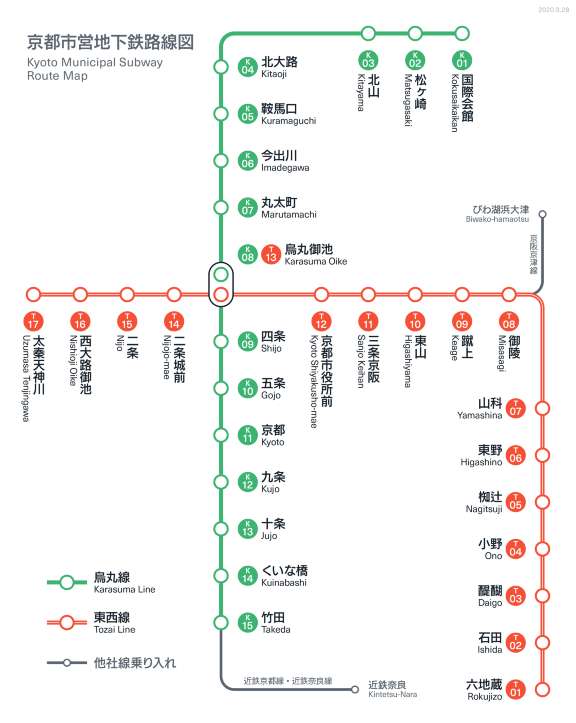
Source: By Maztani - Own work, CC BY-SA 4.0 via Wikimedia Commons
The Kyoto Subway is the easiest transport option. There are only two lines: the Karasuma Line and the Tozai Line.
Karasuma Line
The Karasuma Line runs north to south from Kokusaikaikan to Takeda with 15 stations. It connects with the Kintetsu Line to Nara.
Useful stations include:
- Kyoto – Main transportation hub for Shinkansen and JR Lines
- Shijo – Financial district and shopping area
- Kitayama – Access to the Kyoto Botanical Gardens
- Marutamachi – Close to the southern entrance of the Kyoto Gosho Imperial Palace Park
Tozai Line
The Tozai Line runs east to west between Rokujizo and Uzumasa Tenjingawa, with 17 stations. It connects several popular sightseeing areas, including Nijo Castle, Kyoto City Hall, and Higashiyama.
Useful stations include:
- Nijojo-mae: Convenient access to Nijo Castle.
- Sanjo Keihan: Connects to the Keihan Railway at Sanjo Station, with access to Gion and the Kamo River.
- Higashiyama: Convenient for exploring the Higashiyama area, Heian Shrine, and nearby museums.
- Keage: Access to Nanzen-ji Temple and nearby sightseeing spots.
- Uzumasa Tenjingawa: Connects to Randen Tenjingawa Station, where travelers can take the Randen tram toward Arashiyama with a transfer at Katabiranotsuji.
Main Interchange Stations
Station | Line | Transfer |
|---|---|---|
Karasuma Oike | Karasuma Line: K08 Tozai Line: T13 | Transfer hub between the Karasuma and Tozai Lines |
Kyoto | Karasuma Line: K11 | Transfer from subway to JR lines and Shinkansen |
Takeda | Karasuma Line: K15 | Transfer to Kintetsu Kyoto Line |
Yamashina | Tozai Line: T07 | Transfer to JR Tokaido Main Line (Biwako Line), JR Kosei Line and Keihan Keishin Line |
Uzumasa Tenjingawa | Tozai Line: T17 | Transfer to Randen Tram (Arashiyama Main Line) |
Kyoto Subway Fares
Adult fare (one-way) by distance and stations traveled:
Distance | Adult Fare | Estimated PHP |
|---|---|---|
0 to 3 km | ¥220 | approximately ₱89 |
3 to 7 km | ¥260 | approximately ₱105 |
7 to 11 km | ¥290 | approximately ₱117 |
11 to 15 km | ¥330 | approximately ₱133 |
Over 15 km | ¥360 | approximately ₱145 |
Kyoto Subway Operating Hours
The Kyoto Subway generally operates from 5:00 AM to 11:00 PM daily. Trains are less frequent in early morning and late-night hours. First and last train departure times vary by station. Check the operational hours of the Kyoto Subway on the official website.
How to Pay for the Kyoto Subway
You can pay with:
- ICOCA, Suica, PASMO or other compatible IC cards
- A regular paper ticket
- A One-Day Ticket, such as Kyoto City Subway One-Day Free Ticket
- A Subway Coupon Ticket
- Other passes such as Kyoto City Subway 1-Day Pass
❗Important: Kyoto Subway does not accept credit and debit cards for payment. Japan Rail Pass is not usable for Kyoto Subway trains.
Getting Around Kyoto by Train
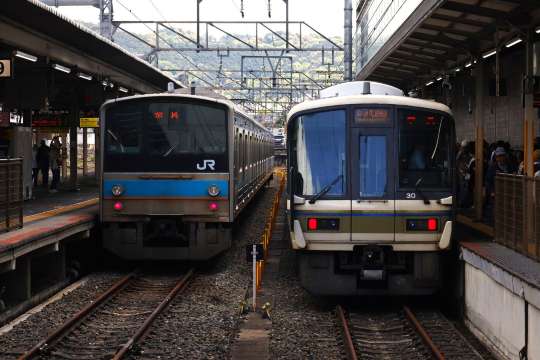
The JR Lines in Kyoto are useful for getting around Central Kyoto and nearby cities such as Osaka and Nara.
JR Line | Best For | Major Spots |
|---|---|---|
Kyoto Line (Tokaido Main Line - West) | Connects Kyoto Station to Shin-Osaka and Osaka Station | Kyoto Station: Kyoto Tower, To-ji Temple, Hongan-ji Temple Nagaokakyo Station: Nagaoka Tenmangu Shrine, Shoryuji Castle Park Yamazaki Station: Suntory Yamazaki Distillery |
Biwako Line (Tokaido Main Line - East) | Connects Kyoto to Otsu in Shiga Prefecture | Otsu: Omi Jingu Shrine, Michi-no-Eki Cruise, Lake Biwa Museum |
Sagano Line (Sanin Main Line) | Connects Kyoto Station to western Kyoto and Arashiyama | Saga-Arashiyama Station: Arashiyama Bamboo Forest, Tenryu-ji Temple Nijo Station: Nijo Castle |
Nara Line | Connects Kyoto to Fushimi Inari Taisha, Uji and Nara Prefecture | Inari Station: Fushimi Inari Taisha Uji Station: Byodo-in Temple Nara Station: Nara Park, Todai-ji Temple, Kasuga Taisha Shrine, Naramachi District |
Kosei Line | Connects Kyoto to Lake Biwa in Shiga Prefecture | Omi-Takashima Station: Shirahige Shrine, Omizo Castle Ruins |
Private Railways in Kyoto
Private railways serve areas not covered by JR trains and provide useful connections to nearby cities.
| Railway | Best For | Notable Attractions |
|---|---|---|
Hankyu Railway | Traveling between central Kyoto, Osaka-Umeda, and Arashiyama | Nishiki Market, Gion, Arashiyama, and Tenryu-ji Temple |
Keihan Railway | Exploring eastern and southern Kyoto, with connections to Osaka and Shiga Prefecture | Fushimi Inari Taisha, Gion, Kiyomizu-dera, and Byodo-in Temple |
Kintetsu Railway | Traveling from Kyoto Station toward Nara and destinations in Mie Prefecture | To-ji Temple, Nara Park, Todai-ji Temple, and Ise-Shima |
Keifuku Electric Railroad (Randen) | Visiting Arashiyama and western Kyoto | Arashiyama Bamboo Forest, Ryoan-ji Temple, and Kitano Tenmangu Shrine |
Eizan Electric Railway | Exploring northern Kyoto | Mount Hiei, Kurama-dera Temple, and the Kibune area |
Some attractions still require a walk or transfer from the nearest station. Compatible IC cards are widely accepted, but the Japan Rail Pass does not cover private railways.
Local, Rapid and Limited Express Trains
| Train Type | Speed | Cost | Best For |
|---|---|---|---|
Local | Stops at every station along the route | Usually covered by a regular ticket or IC card | Short trips and smaller stations |
Rapid | Skips selected stations for a faster journey | Usually covered by a regular ticket or IC card | Traveling between major stations and nearby cities |
Limited Express | Stops at selected stations, depending on the railway | Additional charges may apply depending on the operator and service | Longer journeys and faster connections between major destinations |
JR Limited Express trains generally require both a basic fare and a Limited Express ticket. However, some private railways, including Hankyu and Keihan, offer standard Limited Express seating without an express surcharge. Always check the stopping pattern and ticket rules before boarding.
Secure Your Stay Near Kyoto Station
5 star
Business travel
Family friendly
Hot spring
Gym
Swimming pool
Breakfast
Kyoto Bus Guide
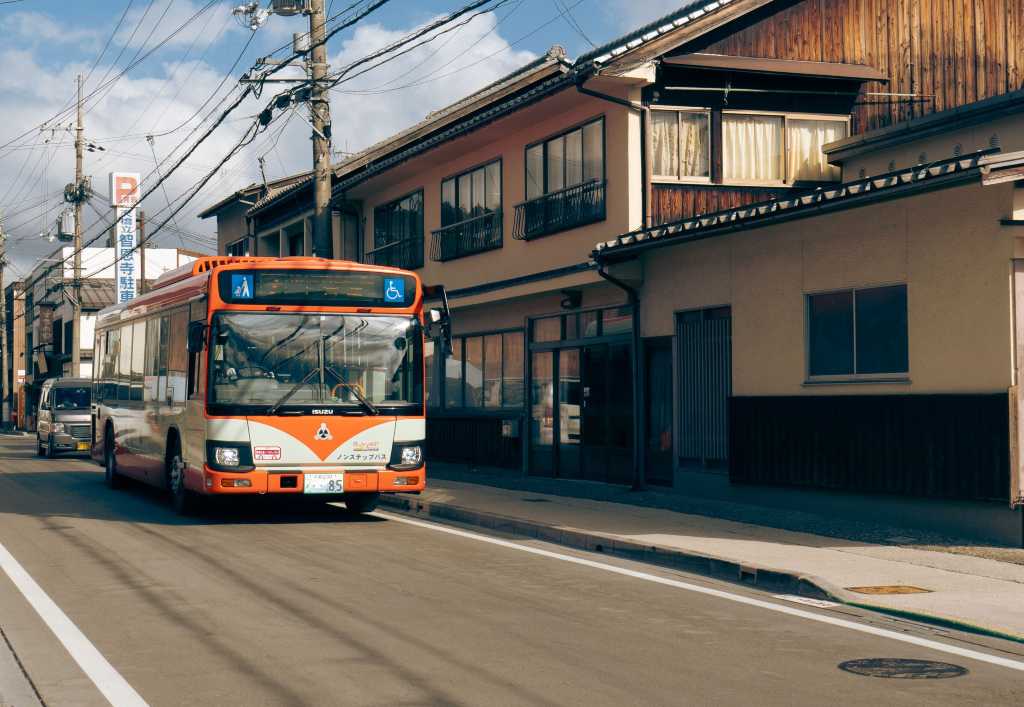
Kyoto City Buses connect temples, shopping areas, and attractions without nearby train stations. Regular buses cost ¥230 per adult within the flat-fare zone, while Sightseeing Limited Express Buses EX100 and EX101 cost ¥500.
How to Ride a Kyoto Bus
For Regular Kyoto City Buses:
- Check the route number and destination.
- Board through the rear door.
- Press the stop button before your stop.
- Pay when leaving and exit through the front door.
For Sightseeing Limited Express Buses (EX100 and EX101):
- Check the bus number and destination.
- Board through the front door and pay upon boarding.
- Press the stop button before your stop.
- Exit through the rear door.
EX100 and EX101 operate on weekends and public holidays, serving popular areas such as Kiyomizu-dera and Gion.
On distance-based routes, passengers may need to tap their IC card or collect a numbered ticket when boarding.
How to Pay Kyoto Bus Fare
You can pay using:
- ICOCA, Suica, PASMO, or other compatible transportation IC cards
- Cash in Japanese yen
- Kyoto Subway & Bus 1-Day Pass on eligible services
| Bus Type | Adult Fare | Child Fare |
|---|---|---|
Regular Kyoto City Bus (flat-fare zone) | ¥230 | ¥120 |
Sightseeing Limited Express Bus EX100/EX101 | ¥500 | ¥250 |
Buses outside the flat-fare zone | Varies by route | Varies by route |
The Kyoto Subway & Bus 1-Day Pass covers eligible EX100 and EX101 services without an additional fare.
Tips for Using the Kyoto Bus
- Prepare cash or your IC card before paying. Onboard change machines generally accept ¥1,000 bills and supported coins.
- Avoid bringing large suitcases onto crowded buses. Station lockers are useful for storing luggage.
- Keep bags away from the aisle and avoid peak morning and evening periods.
- Check current bus schedules during busy sightseeing seasons.
⚠️ Important: Kyoto City Buses do not accept ordinary credit or debit card tap payments for regular fares. The Japan Rail Pass is also not valid on Kyoto City Buses.
 162578 booked




Kyoto Transport Passes and IC Cards
Kyoto offers several transport passes and IC cards for traveling around the city and nearby destinations. The best option depends on your routes and how often you use public transportation.
ICOCA
ICOCA is a rechargeable IC card used in Kyoto, Osaka, and Kobe. It works on subways, JR trains, private railways, buses, and at participating stores.
A standard ICOCA card requires a ¥500 deposit and can be purchased at JR-West ticket machines, including those at Kyoto Station. Each card is valid for one passenger at a time.
IC Cards
Other IC cards, including Suica, PASMO, manaca, TOICA, and SUGOCA, are also accepted on many Kyoto transportation services.
iPhone users can add supported ICOCA or Suica cards to Apple Wallet. Physical cards can be recharged at supported station machines and convenience stores.
JR Passes
- Kansai Mini Pass: ¥3,000 for 3 consecutive days. Covers eligible JR local, rapid, and special rapid trains around Kyoto, Osaka, Nara, and Kobe.
- Kansai WIDE Area Pass: ¥12,000 for 5 consecutive days. Covers eligible JR services across a wider area, including Okayama and Kinosaki Onsen.
📝 Note: Sales of the former JR-West Kansai Area Pass ended on September 30, 2026. Check available JR-West passes before purchasing.
Kyoto Subway & Bus 1-Day Pass
The Kyoto Subway & Bus 1-Day Pass offers unlimited rides on Kyoto subway lines and eligible bus routes, including EX100 and EX101.
- Adult price: ¥1,100
- Child price: ¥550
- Validity: One day
- Coverage: Eligible Kyoto subway and bus routes
The pass also includes selected attraction discounts, but admission fees are not included.
Kyoto City Subway 1-Day Pass
This pass provides unlimited rides on both Kyoto subway lines for one day.
- Adult price: ¥800
- Child price: ¥400
- Validity: One day
- Coverage: Karasuma Line and Tozai Line
Selected attraction discounts are also available, including at Nijo Castle and the Kyoto Railway Museum.
Kyoto Sightseeing Pass
The Keihan Railway pass covers designated routes in Kyoto and offers selected attraction benefits. Options listed in the draft are:
- 1-Day Pass: ¥1,100, valid for the selected day.
- 24-Hour Pass: ¥1,300, valid for 24 hours after activation.
What Is the Best Kyoto Transport Pass?
Travel Style | Best Option |
|---|---|
Flexible sightseeing | ICOCA or another IC card |
Several subway rides | Kyoto City Subway 1-Day Pass |
Subway and bus travel | Kyoto Subway & Bus 1-Day Pass |
Attractions along Keihan Railway | Kyoto Sightseeing Pass |
JR trips around Kansai | Kansai Mini Pass |
Longer journeys outside central Kansai | Kansai WIDE Area Pass |
Taxis, Car Rentals and Cycling in Kyoto
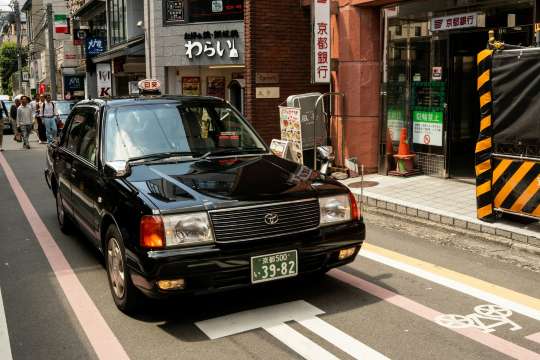
Taxi in Kyoto
Taxis are convenient for families, travelers with large luggage, and late-night trips. According to the Kyoto Taxi Association, standard taxi fares include:
- Initial fare: ¥500 (approximately ₱201) for the first kilometer.
- Additional fare: ¥100 (approximately ₱40) every 255 meters.
Fares may increase due to traffic, tolls, booking fees, and late-night surcharges between 10:00 PM and 5:00 AM.
How to Catch a Taxi in Kyoto
- Taxi Stands: Find taxis at designated stands outside stations such as Kyoto Station.
- Street Hailing: Raise your hand when you see an available taxi displaying 空車 (kuusha).
- Ride-Hailing Apps: Book licensed taxis through GO Taxi or Uber. Additional booking fees may apply.
How to Use a Taxi in Kyoto
- Wait for the driver to open the automatic rear door.
- Show your destination in Japanese or on Google Maps.
- Pay with cash or a credit card where accepted.
- Tipping is not customary in Japan.
Cycling in Kyoto
Cycling is a convenient way to explore Kyoto, especially around central districts and riverside areas. Popular cycling spots include:
- Kamo River: Scenic riverside routes through central Kyoto.
- Arashiyama: Cycling routes near the Katsura River and surrounding attractions.
- Central Kyoto: Quieter streets and traditional neighborhoods.
Avoid cycling in crowded pedestrian areas. Philosopher's Path is better explored on foot.
How to Rent a Bicycle in Kyoto
Rental Shops: Kyoto Eco Trip offers bicycle rentals near Kyoto Station and Shijo-Karasuma.
- Standard City Bicycle: From ¥1,200 per day
- Electric-Assist Bicycle: From ¥2,400 per day
- Cross Bike: From ¥2,000 per day
Bike-Sharing Services: LUUP offers short-distance bicycle rentals in supported areas. Prices and availability vary.
When cycling, ride on the left side of the road, follow traffic signals, and park only in designated bicycle parking areas.
Car Rental in Kyoto
Renting a car is convenient for families, large groups, and trips to rural areas such as Amanohashidate. Rental companies like Nippon Rent-A-Car and TOYOTA Rent-A-Car have locations near Kyoto Station.
Important Driving Requirements
Filipino travelers should check Japan's driving rules before renting a car.
- Driving Documents: Bring a valid Philippine driver's license, passport, and International Driving Permit (IDP) issued under the 1949 Geneva Convention.
- IDP Validity: Driving is generally permitted for up to one year from entry or until the IDP expires, whichever comes first. Additional restrictions may apply.
- Minimum Age: The legal driving age is 18, but rental companies may have higher age requirements.
- Payment: A credit card may be required for booking or deposits.
- Driving Direction: Drive on the left side of the road.
⚠️ Important: International Driving Permits issued only under the 1968 Vienna Convention are not accepted for driving in Japan. Filipino travelers should confirm that their IDP meets Japan's requirements before departure.
Walking Around Kyoto
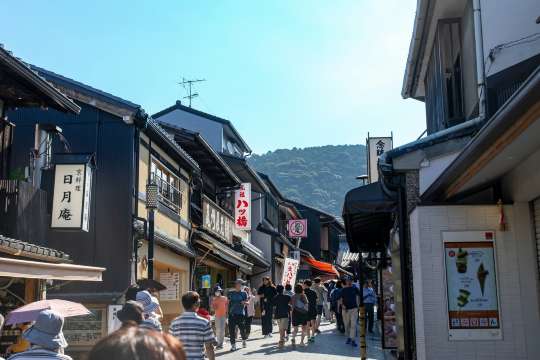
Walking is a great way to explore Kyoto's historic streets. Some routes are flat, while temples and hillside attractions have stairs or steep paths.
Walking Route | Approximate Distance and Time | Highlights |
|---|---|---|
Southern Higashiyama | 4–5 km, 3–4 hours with stops | Kiyomizu-dera, Yasaka Shrine, Gion |
Philosopher's Path | 2 km, 30–60 minutes | Ginkaku-ji area, Honen-in, canal |
Arashiyama River Walk | 2.5–4 km, 2–3 hours | Bamboo Forest, Togetsukyo Bridge |
Fushimi Inari Trail | 4 km, 2–3 hours | Senbon Torii, Mount Inari |
Gion | 1.5–2 km, 1–2 hours | Shirakawa Canal, traditional streets |
These estimates depend on your walking speed, weather, and sightseeing stops.
Tips for Walking in Kyoto
- Wear comfortable shoes with good grip.
- Visit busy attractions early and carry drinking water in summer.
- Bring cash for smaller shops and temple admission fees.
- Check routes using Google Maps or Japan Travel by NAVITIME.
- Respect local residents and follow photography restrictions, especially in Gion.
How to Get from Kyoto Station to Popular Attractions
Travel times include approximate walking time and can vary with traffic and waiting times.
| Attraction | Recommended Transport from Kyoto Station | Approximate Time |
|---|---|---|
Fushimi Inari Taisha | JR Nara Line to Inari Station, followed by a short walk | 10–15 minutes |
Arashiyama Bamboo Forest | JR Sagano Line to Saga-Arashiyama Station, followed by a walk | 25–35 minutes |
Kiyomizu-dera | City Bus 206 or sightseeing bus EX100 on operating days, followed by an uphill walk | 35–60 minutes |
Kinkaku-ji | Subway Karasuma Line to Kitaoji Station, then City Bus 204 or 205 to Kinkakuji-michi | 35–50 minutes |
Gion | City Bus 206 toward Gion | 20–35 minutes |
Nishiki Market | Subway Karasuma Line to Shijo Station, followed by a walk | 15–20 minutes |





Kyoto Transport Tips for First-Time Filipino Visitors
- Use Google Maps or Japan Travel by NAVITIME to compare routes, fares, and travel times.
- Avoid crowded buses during morning and evening rush hours.
- Bring an ICOCA or Suica card and some Japanese yen in cash.
- Check the last train and bus times before staying out late.
- Stay near a convenient railway station when possible.
- Confirm whether your train is a Local, Rapid, or Limited Express service.
- Let passengers leave the train before boarding, and keep conversations quiet.
- Keep luggage away from doors and aisles. Use lockers or delivery services for large bags.
Frequently Asked Questions About the Kyoto Transport System
-
What is the best way to get around Kyoto?
-
Is Kyoto public transport expensive?
-
Can I use an ICOCA card in Kyoto?
-
Is Kyoto easy to explore without a car?
-
Is there a one-day transport pass in Kyoto?
-
Does Kyoto have Uber?
Trending Searches
-
Popular Picks
-
Popular Hotels
-
Popular Things to Do
-
Featured guides
-
Trip.com links
- Hearton Hotel Kyoto
- Ala Hotel Kyoto
- Hotel Resol Kyoto Kawaramachi Sanjo
- KIORI Exec Gojo
- HOTEL TAVINOS Kyoto
- Hotel Forza Kyoto Shijo Kawaramachi
- Hotel Musse Kyoto Shijo Kawaramachi Meitetsu
- Hop Inn Kyoto Shijo Omiya
- Guesthouse Sign
- Hotel Keihan Kyoto Ekiminami
- Hotel the M's Kyoto
- Hotel M's Est Kyoto Station South
- Sotetsu Fresa Inn Kyoto-Kiyomizu Gojo
- Sotetsu Fresa Inn Kyoto-Hachijoguchi
- Smile Hotel Kyoto karasmagojo
- Hotel Gran Ms Kyoto
- Hotel Glad One Kyoto Shichijo by M's
- Hotel New Hankyu Kyoto
- Miyako Hotel Kyoto Hachijo
- Sakura Terrace the Atelier
- Kyoto City Pass
- Kyoto Shopping Discounts
- Kyoto Day Tours
- Kyoto Airport Services
- Kyoto Connectivity Solutions
- Kyoto Bus Tickets
- Kyoto Cultural Experience
- Kyoto Pocket Wifi Router
- Kyoto Sports & Adventure
- Kyoto Transportation
- Tea ceremony experience in Kyoto: serene tea room by the shrine
- JR Kansai Wide Area Railway Pass 3 Days
- Authentic Tea Ceremony, Calligraphy in Kyoto with River View
- Kyoto Sake Tasting with a Sommelier of Sake - Sanjo Chasuian
- Kyoto Daruma Create Your Symbol of Purpose
- Australia Visa
- Australia ETA
- Taiwan Public Holiday
- Walt Disney World
- Foshan Furniture
- Thailand Public Holidays
- Japan Public Holidays
- Universal Beijing Resort App
- Outlets in China
- Universal Beijing Resort
- Kyoto Transport
- Wuzhen
- China Public Holidays
- Casa con Terraza Situada en Cartagena de Indias, Cerca al Castillo de san Felipe
- AuGuStea Urban Studio