

Seoul Metro Guide: Map, Tickets and Routes
Seoul’s subway makes it easy to reach shopping streets, palaces, food districts, entertainment areas, and nearby cities. English signs, announcements, numbered stations, and color-coded lines help first-time visitors navigate confidently. Most trains run from about 5:30 AM to midnight, although exact times vary by station, line, and direction.
Overview of the Seoul Metro System
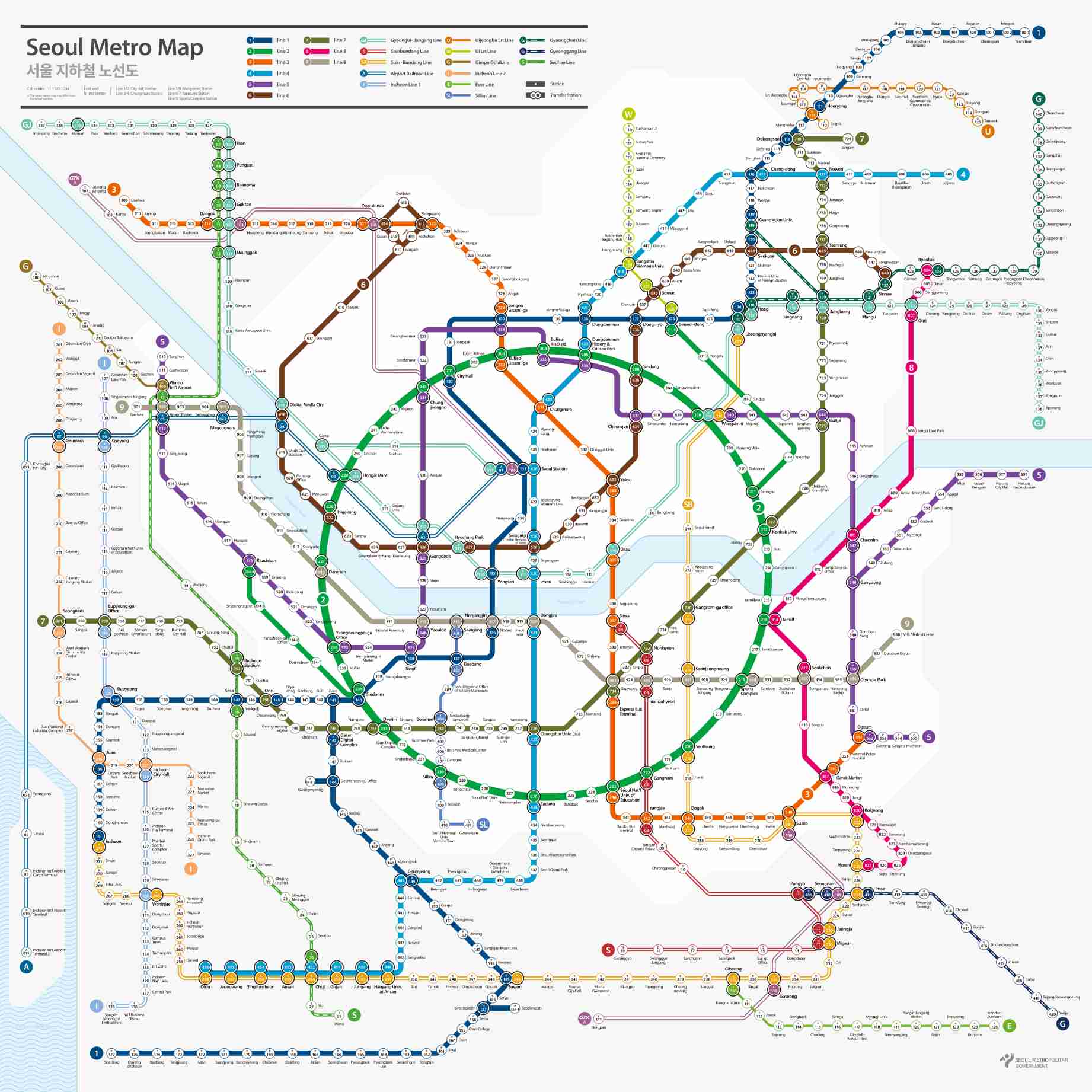
The Seoul Metropolitan Subway covers central Seoul and extends into Incheon, Gyeonggi Province, and other nearby areas. More than 20 interconnected subway and railway lines serve major attractions, airports, universities, business districts, and residential areas.
The network includes:
- Seoul Metro Lines 1 to 9
- Airport Railroad Express or AREX
- Gyeongui-Jungang Line
- Suin-Bundang Line
- Gyeongchun Line
- Shinbundang Line
- Ui-Sinseol Line
- Sillim Line
- Incheon subway lines
- Other regional railway routes
Each line has its own color, name, and station number. Transfer stations display the colors and numbers of all connecting lines, making them easier to identify.
Seoul Metro Operating Hours
Most subway lines operate approximately:
| Schedule | Usual Operating Time |
|---|---|
First trains | Around 5:30 AM |
Last trains | Around midnight |
Morning rush hour | Around 7:00 AM to 9:00 AM |
Evening rush hour | Around 5:00 PM to 8:00 PM |
Operating times vary by station and direction. Some last trains do not travel to the final station, so always check the train’s destination before boarding late at night.
Unlock the Best Flights to Seoul


Seoul Metro Lines
Tourists do not need to memorize the entire Seoul Metro Map. These are the lines most commonly used for sightseeing, shopping, food trips, and airport transfers.
Line | Main Areas | Best For |
|---|---|---|
Line 1 | Seoul Station, City Hall, Jongno, Dongdaemun | Historic areas, railway stations, central Seoul |
Line 2 | Hongdae, Euljiro, Gangnam, Jamsil, Seongsu | Shopping, nightlife, cafes, entertainment |
Line 3 | Gyeongbokgung, Anguk, Express Bus Terminal | Palaces, Bukchon, Insadong |
Line 4 | Seoul Station, Myeongdong, Dongdaemun, Hyehwa | Shopping, N Seoul Tower, university areas |
Line 5 | Gwanghwamun, Yeouido, Gimpo Airport | Business districts, parks, airport connection |
Line 6 | Itaewon, Hangangjin, World Cup Stadium | Restaurants, nightlife, museums |
Line 7 | Express Bus Terminal, Konkuk University | Shopping, local neighborhoods, transfers |
Line 8 | Jamsil, Seokchon, Munjeong | Lotte World, lakeside attractions |
Line 9 | Gimpo Airport, Yeouido, Express Bus Terminal | Faster travel across southern Seoul |
AREX | Incheon Airport, Gimpo Airport, Hongdae, Seoul Station | Airport transfers |
Gyeongui-Jungang Line | Hongdae, Yongsan, Seoul Station | Regional travel and city connections |
Suin-Bundang Line | Cheongnyangni, Wangsimni, Gangnam-gu Office | Southeast Seoul and nearby cities |
Shinbundang Line | Sinsa, Gangnam, Yangjae, Pangyo | Faster travel to southern business areas |
Important Line 2 Directions
Line 2 is Seoul’s main circular line and one of the most useful routes for tourists. However, boarding in the wrong direction can add significant travel time.
Check whether the platform is heading toward major stations such as:
- Hongik University
- City Hall
- Gangnam
- Jamsil
- Dongdaemun History & Culture Park
Use the station number and the name of the next station to confirm your direction.
Popular Attractions Near Seoul Metro Stations
The Seoul subway connects directly or conveniently to many of the city’s most visited attractions.
Attraction or Area | Line | Nearest Station |
|---|---|---|
Gyeongbokgung Palace | Line 3 | Gyeongbokgung Station |
Bukchon Hanok Village | Line 3 | Anguk Station |
Insadong | Lines 1, 3, and 5 | Jongno 3-ga Station |
Myeongdong Shopping Street | Line 4 | Myeongdong Station |
N Seoul Tower | Line 4 | Myeongdong Station |
Dongdaemun Design Plaza | Lines 2, 4, and 5 | Dongdaemun History & Culture Park |
Hongdae | Line 2, AREX, Gyeongui-Jungang | Hongik University Station |
Gwanghwamun Square | Line 5 | Gwanghwamun Station |
Itaewon | Line 6 | Itaewon Station |
Starfield Library | Line 2 | Samseong Station |
Gangnam | Line 2 and Shinbundang Line | Gangnam Station |
Lotte World | Lines 2 and 8 | Jamsil Station |
Seokchon Lake | Lines 2 and 8 | Jamsil or Seokchon Station |
Seoul Forest | Suin-Bundang Line | Seoul Forest Station |
Seongsu Cafe Street | Line 2 | Seongsu Station |
Yeouido Hangang Park | Line 5 | Yeouinaru Station |
Gocheok Sky Dome | Line 1 | Guro or Guil Station |
Olympic Park | Lines 5 and 9 | Olympic Park Station |
World Cup Stadium | Line 6 | World Cup Stadium Station |
Pro Tip: Check the correct station exit before leaving. Large stations can have more than ten exits, and choosing the wrong one may add a long walk.
Secure Your Stay in Seoul
 NO.1
NO.1


Seoul Metro Fares, Tickets and Payment Options
Seoul uses a distance-based fare system. The base fare covers the first 10 kilometers, with extra charges for longer journeys. For easy budgeting, ₩1,000 is approximately ₱40, but exchange rates may change.
Seoul Subway Fares
Passenger | Transportation Card | Approximate PHP |
|---|---|---|
Adult | ₩1,550 | Around ₱62 |
Teen | ₩900 | Around ₱36 |
Child | ₩550 | Around ₱22 |
A single-journey adult ticket costs around ₩1,650 or ₱66. After the first 10 kilometers, an extra ₩100 is generally charged for every five kilometers. Some routes, including the Shinbundang Line, may have additional fees.
Passengers using a transportation card before 6:30 AM can receive a 20% early-morning discount. The discounted adult fare is around ₩1,240 or ₱50.
T-money Card
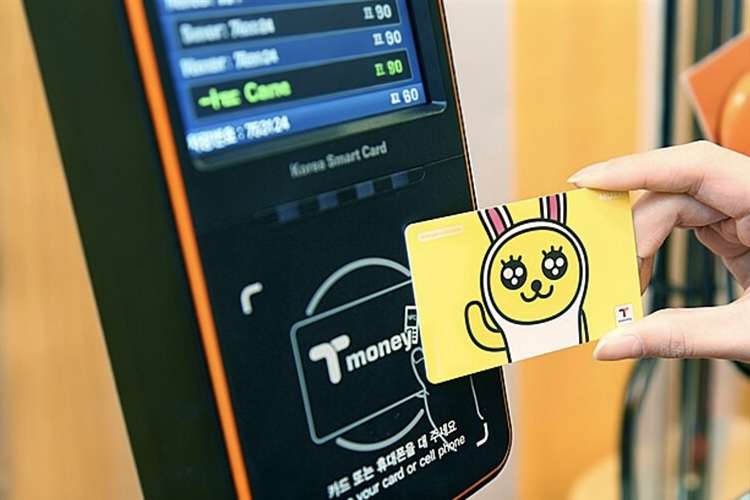
T-money is the easiest option for most tourists. It works on:
- Subways and city buses
- AREX All-Stop Trains
- Selected taxis and convenience stores
A card usually costs ₩3,000 to ₩5,000, excluding the balance. You can buy one at CU, GS25, 7-Eleven, and selected subway stations. Keep some cash for reloading because foreign cards may not work at every machine.
Single-Journey Ticket
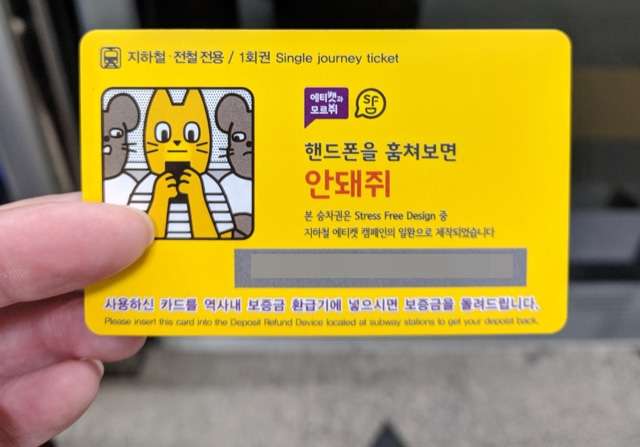
Single-journey tickets are suitable for travelers taking only one or two rides. Buy one from a station machine, pay the fare plus a ₩500 deposit, and collect the deposit from a refund machine after exiting.
Single-journey tickets cost ₩100 more than transportation card fares and cannot be used on buses.
Climate Card for Tourists
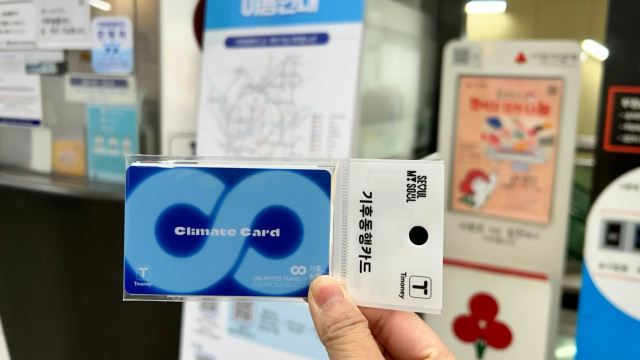
The Climate Card offers unlimited rides on participating Seoul subway lines and Seoul-licensed buses.
Pass | Price | Approximate PHP |
|---|---|---|
1 day | ₩5,000 | Around ₱200 |
2 days | ₩8,000 | Around ₱320 |
3 days | ₩10,000 | Around ₱400 |
5 days | ₩15,000 | Around ₱600 |
7 days | ₩20,000 | Around ₱800 |
The physical card costs an additional ₩3,000 or around ₱120.
The Climate Card does not cover the Shinbundang Line, airport buses, intercity buses, most routes outside Seoul, or boarding AREX at Incheon Airport. Short-term passes also exclude Seoul Bike and Hangang River Bus services.
WOWPASS
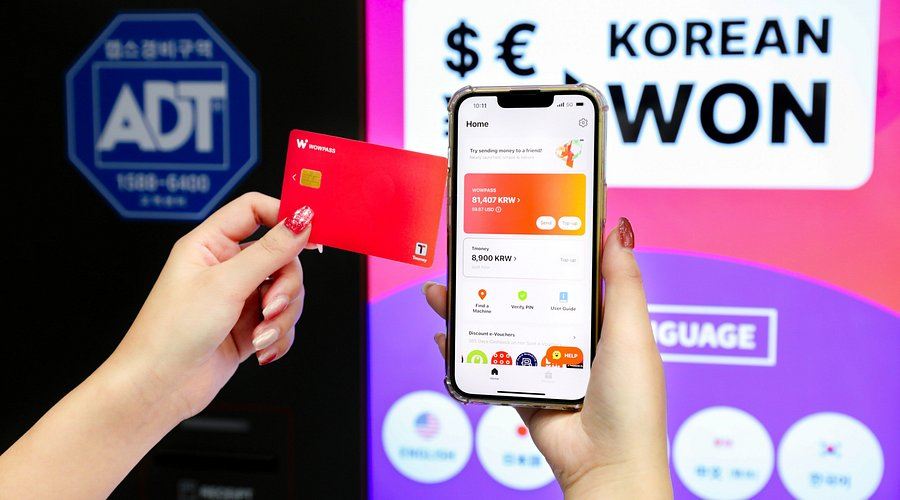
WOWPASS combines transportation, prepaid payments, and currency exchange in one card. It can be used for subway and bus rides, shopping, restaurants, and balance checks through its mobile app.
The transportation and shopping balances are separate, so remember to reload the transport balance before using the subway.
Incheon Airport to Seoul by Subway
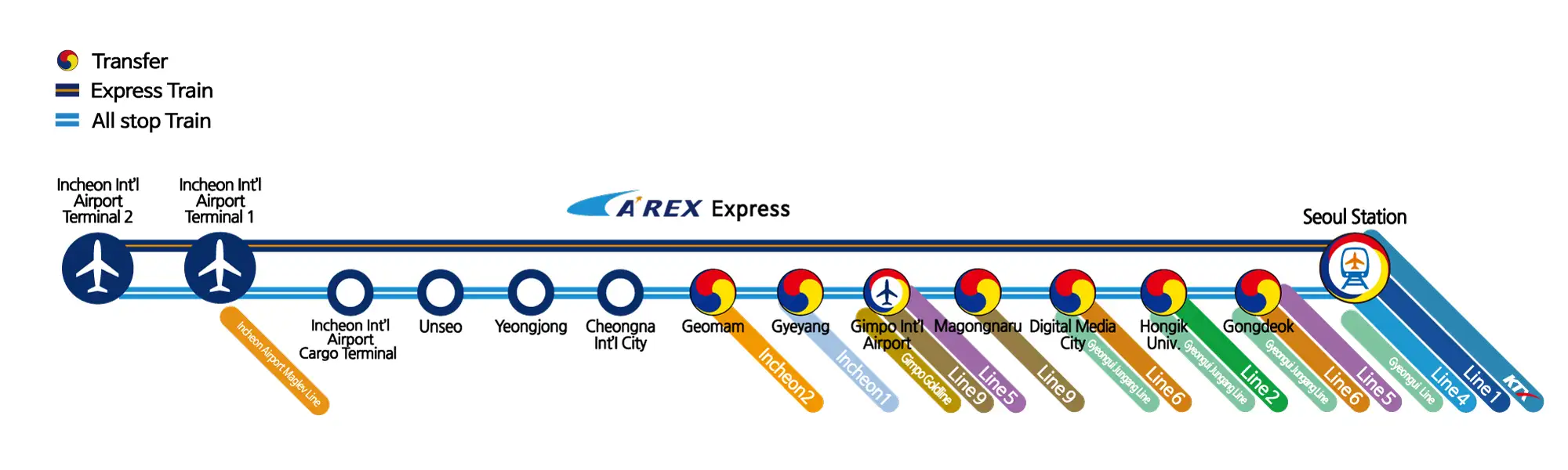
AREX connects Incheon International Airport with Gimpo Airport, Hongdae, and Seoul Station.
Travelers can choose between the Express Train and the All-Stop Train.
AREX Express Train
The Express Train travels directly to Seoul Station.
Route | Approximate Travel Time |
Terminal 1 to Seoul Station | Around 43 minutes |
Terminal 2 to Seoul Station | Around 51 minutes |
The Express Train requires a separate ticket and does not use the standard subway fare.
AREX All-Stop Train
The All-Stop Train stops at stations including Gimpo International Airport, Digital Media City, Hongik University, and Gongdeok.
Route | Approximate Travel Time |
Terminal 1 to Seoul Station | Around 59 minutes |
Terminal 2 to Seoul Station | Around 66 minutes |
You can use a T-money card or buy a single-journey ticket for the All-Stop Train.
The All-Stop Train is usually better for passengers staying in Hongdae, Gongdeok, or areas connected to other subway lines. The Express Train is more convenient when traveling directly to Seoul Station.
Recommended eSIMs Options for South Korea
How to Use the Seoul Metro
1. Find Your Route
Use the official Seoul Subway app, Naver Map, or KakaoMap to check:
- The correct line
- Transfer stations
- Travel time
- Train direction
- Station exits
- Last train times
2. Check the Line Color and Station Number
Each line has a different color. Stations also have numbers, which can be easier to recognize than Korean names.
For example:
- Myeongdong is Station 424 on Line 4
- Hongik University is Station 239 on Line 2
- Gangnam is Station 222 on Line 2
- Jamsil is Station 216 on Line 2
3. Tap In at the Gate
Tap your T-money, Climate Card, or compatible transportation card on the reader.
For single-journey tickets, place the ticket on the gate reader and keep it until you leave the destination station.
4. Follow Transfer Signs
Transfer signs clearly display the connecting line’s number and color. Some transfer paths are long, especially at large stations, so allow extra time.
5. Tap Out at Your Destination
Tap your transportation card again when leaving. The system will calculate the correct fare based on the total distance traveled.
Tips for Using the Seoul Metro
- Avoid weekday rush hours when carrying large luggage.
- Stand on the correct side of the platform by checking the next station.
- Let passengers leave the train before entering.
- Keep priority seats available for elderly passengers, pregnant passengers, and people with disabilities.
- Do not eat strong-smelling food inside the train.
- Check the last train time before staying out late.
- Save your destination’s Korean name and address on your phone.
- Use the correct exit number for attractions and hotels.
- Keep some Korean won as a backup for ticket machines and card reloads.
- Report lost belongings immediately at the nearest station office.
- Download a South Korea eSIM so you can check routes and translations while traveling.
Pro Tip: Staying near Line 2, Line 4, or an AREX station can make your Seoul trip easier because these routes connect many popular shopping, sightseeing, and airport areas.
FAQs About the Seoul Metro Map
-
Is the Seoul Metro easy for tourists to use?
-
How much does the Seoul subway cost?
-
What is the best subway card for tourists?
-
Can I use a foreign credit card at Seoul subway stations?
-
Can I bring luggage on the Seoul subway?
Popular Content
-
Popular Content
-
Popular Flights
-
Popular Hotels
-
Popular Things to Do
-
Featured guides
-
Trip.com links
- Cheap tickets from Kalibo to Seoul
- Cheap tickets from Tagbilaran to Seoul
- Cheap flights from Osaka to Seoul
- Cheap flights from Bangkok to Seoul
- Plane tickets from Busan to Seoul
- Cheap tickets from Taipei to Seoul
- Plane tickets from Hong Kong to Seoul
- Plane tickets from Cebu to Seoul
- Cheap flights from Cagayan De Oro to Seoul
- Cheap tickets from Jeju to Seoul
- Cheap flights from Mabalacat to Seoul
- Plane tickets from Tokyo to Seoul
- Plane tickets from Manila to Seoul
- Cheap flights from General Santos to Seoul
- Plane tickets from Davao to Seoul
- NINE TREE BY PARNAS SEOUL MYEONGDONG 1
- Hotel Skypark Central Myeongdong
- Ivy Residence
- 24 Guesthouse Myeongdong Town
- K-Guesthouse Dongdaemun Premium
- Crown Park Hotel Myeongdong Seoul
- Migliore Hotel Seoul Myeongdong
- NINE TREE BY PARNAS SEOUL MYEONGDONG 2
- Mohenic Hotel Seoul Myeongdong
- Dongdaemun Bellus Hotel
- Mayone Hotel Myeongdong
- Myeongdong Merlin Hotel
- Line Hotel Myeongdong
- Seoul Central Hotel
- ZIYOLK MYEONGDONG
- Step Inn Myeongdong 1
- STAYV - cozy room in DABSIBRI, DONGDAEMUN
- Fairfield by Marriott Seoul
- Namsan Guesthouse
- Euljiro CO-OP Residence
- Seoul Travel Essentials
- Seoul Connectivity Solutions
- Seoul Airport Services
- Seoul Yacht Charter
- Seoul Day Tours
- Seoul Photoshoot
- Seoul Travel Services
- Seoul Costume Experience
- Seoul Transportation
- Seoul Restaurant Discounts
- Myeongdong Dream Esthe Body Massage & K-Beauty Facial
- Absolute Seoul Pub Crawl: Experience in Hongdae & Itaewon
- Seoul: Gangnam Tour on Youth and Society in South Korea
- Full-Day Customizable Private Tour to Nami Island and surrounding Area
- N Seoul Tower Observatory - Ticket
- Mothers Day Gifts
- eSIM
- Hong Kong International Airport
- International Driving Permit
- Toronto Pearson International Airport
- Universal Studios Singapore
- Great Wall of China
- UK ETA
- Narita International Airport
- China Currency
- Changi Airport
- Schengen Visa
- Singapore MRT Map
- France Visa
- Ninoy Aquino International Airport