Find 4-Star Hotels in Dongying
Choose your dates to see the latest hotel prices and availability.
Swipe down to view more
Filter by:
Hotel Star Rating
≤2345
Guest Rating
Amazing 9+Great 8+Good 7+Pleasant 6+We found 17 great 4-Star hotels in Dongying for you.
Select dates to see latest prices and deals.
Most Booked
Lowest price
Closest to downtown
Highest Rated
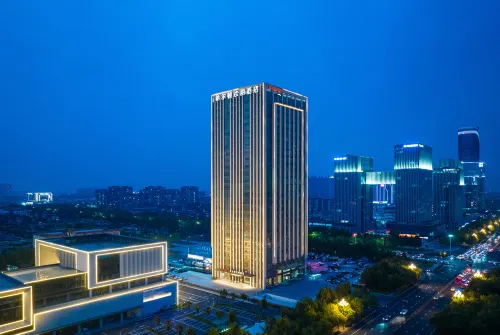



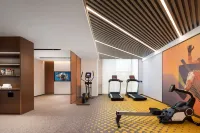
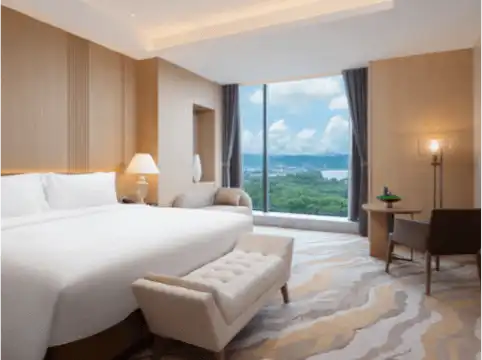
97
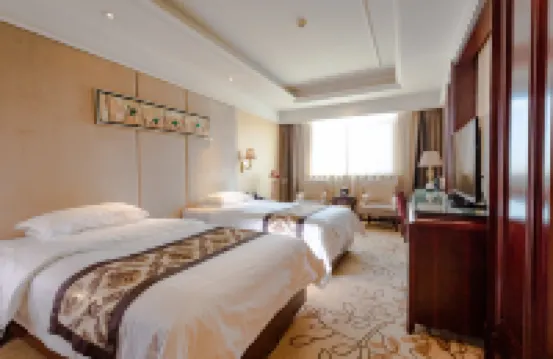
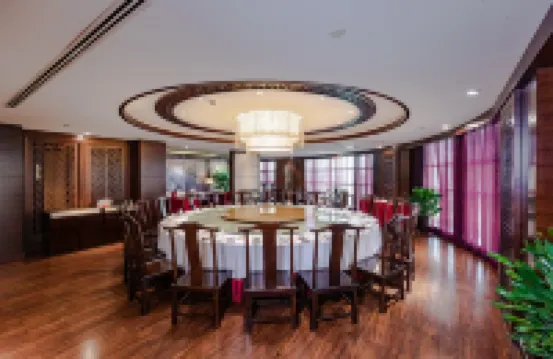
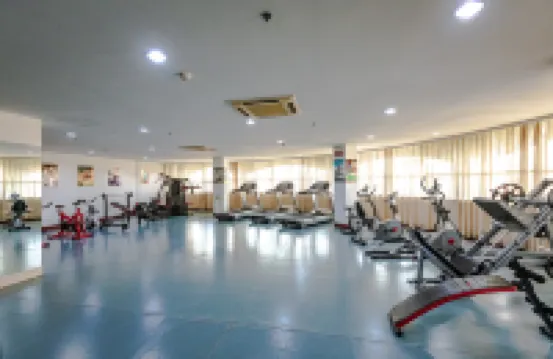
Hotel near Dongcheng District/Qingfeng Lake Park,Dongying
No. 2 of 4-Star Select Hotels in Dongying

Featured facilities: Business center, Cafe, Gym
Excellent
2540 reviews
9.6/10
1 night
From PHP 2,773
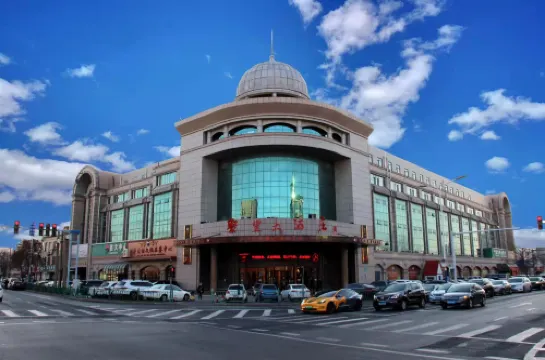
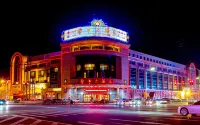
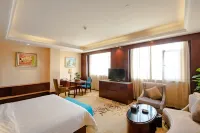
69
Hotel near Xicheng District/Wanda Plaza/China U,Dongying
No. 5 of 4-Star Select Hotels in Dongying
Featured facilities: Conference room, Gym, Parking
Excellent
726 reviews
9.6/10
1 night
From PHP 1,070


85
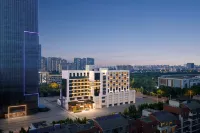
Hotel near Xicheng District/Wanda Plaza/China U,Dongying
Featured facilities: Business center, Tea room, Cafe
Excellent
1059 reviews
9.6/10
1 night
From PHP 2,522
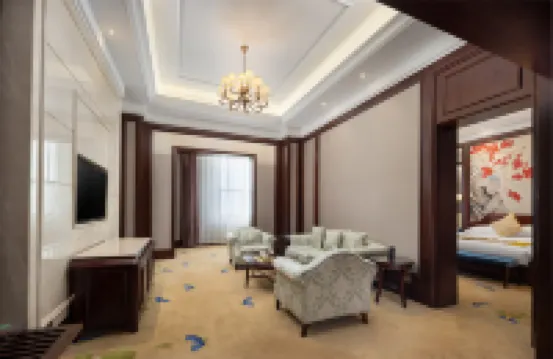
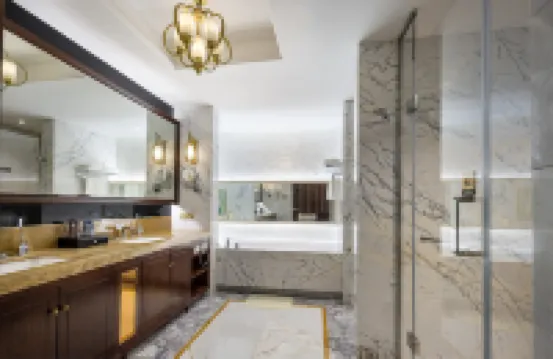
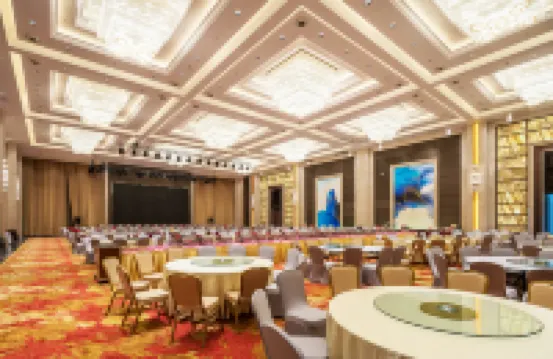
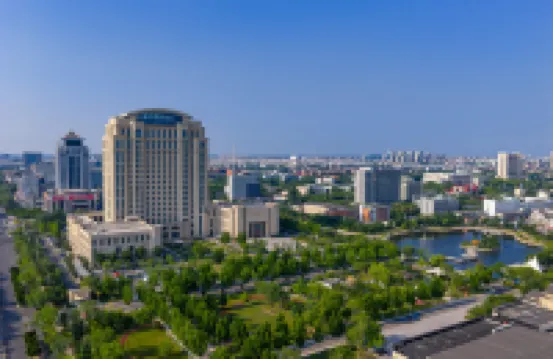
99+
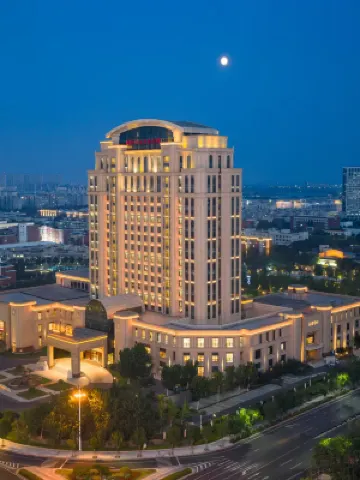
Hotel near Dongcheng District/Qingfeng Lake Park,Dongying
No. 7 of 4-Star Select Hotels in Dongying
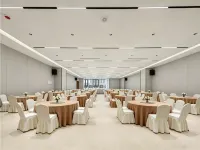
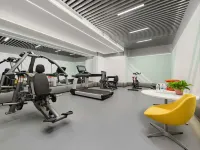
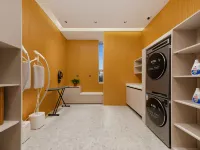
Featured facilities: Business center, Dry cleaning, Parking
Excellent
629 reviews
9.7/10
1 night
From PHP 3,155
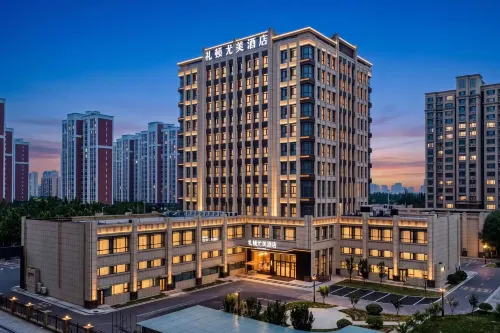
99+
Hotel near Xicheng District/Wanda Plaza/China U,Dongying
No. 10 of 4-Star Select Hotels in Dongying
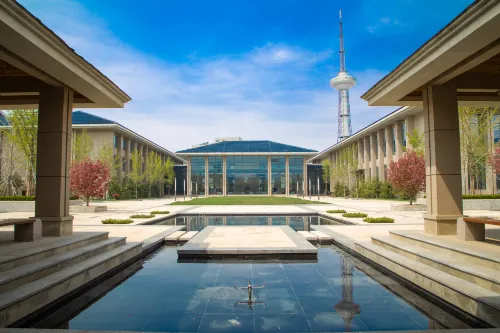
Featured facilities: Station pick-up service, Business center, Cardroom
Excellent
138 reviews
9.6/10
1 night
From PHP 1,368
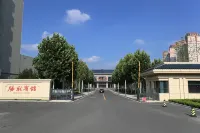
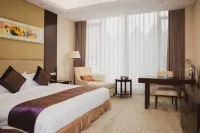
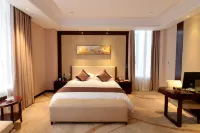
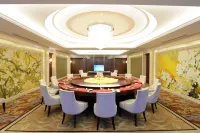
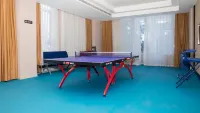
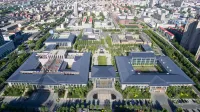
71
Hotel near Xicheng District/Wanda Plaza/China U,Dongying
Featured facilities: Business center, Cafe, Gym
Perfect
48 reviews
9.9/10
1 night
From PHP 3,713
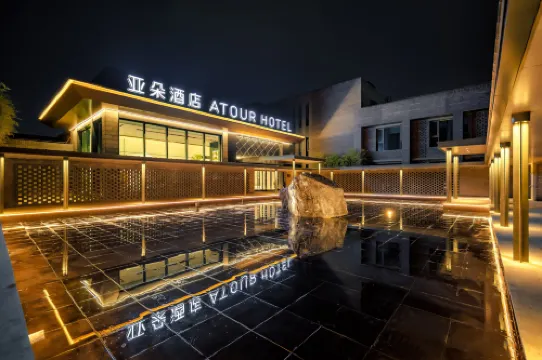
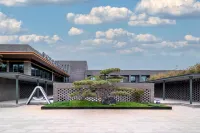
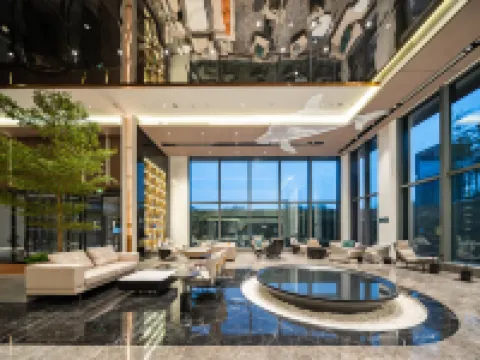
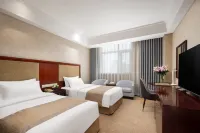
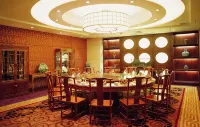
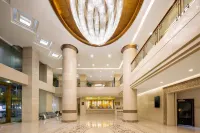
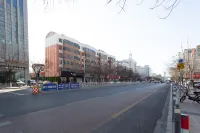
90
Hotel near Dongcheng District/Qingfeng Lake Park,Dongying
No. 8 of 4-Star Select Hotels in Dongying
Featured facilities: Business center, Gym, Laundry service (on-site)
Excellent
1298 reviews
9.7/10
1 night
From PHP 2,336
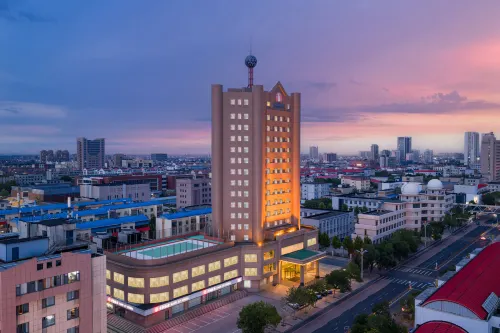
47
Hotel near Xicheng District/Wanda Plaza/China U,Dongying
No. 11 of 4-Star Select Hotels in Dongying
Featured facilities: Conference room, Cafe, Dry cleaning
Excellent
328 reviews
9.6/10
1 night
From PHP 2,336
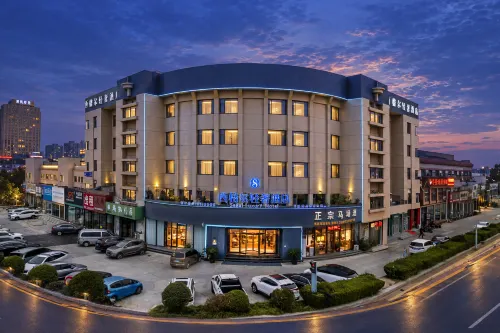
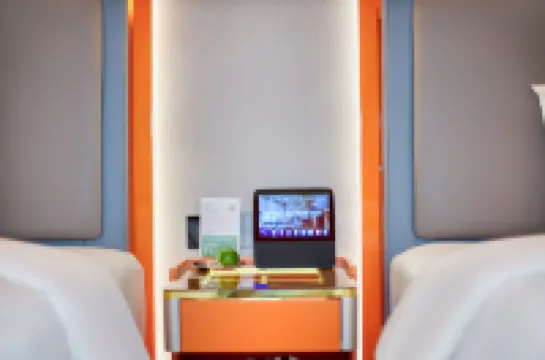
99+
Hotel near Xicheng District/Wanda Plaza/China U,Dongying
No. 4 of 4-Star Select Hotels in Dongying
Featured facilities: Airport pick-up service, Business center, Tea room
Excellent
2599 reviews
9.6/10
1 night
From PHP 1,303
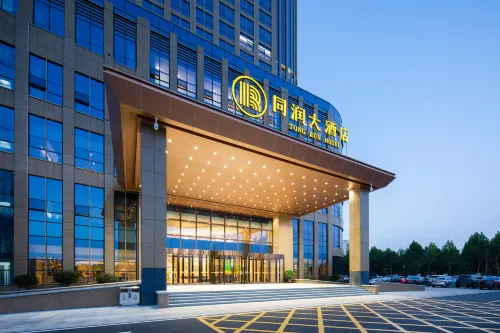
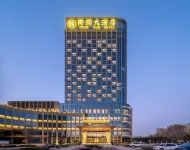
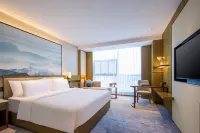
99+
Hotel near Dongcheng District/Qingfeng Lake Park,Dongying
No. 3 of 4-Star Select Hotels in Dongying
Featured facilities: Spa, Airport pick-up service, Foot bath
Perfect
1610 reviews
9.8/10
1 night
From PHP 2,801

Top 12 4-star select hotel in Dongying
See all
Discover our curated selection of 4-star select hotels in Dongying for your next stay

No.
1

9.4/10
4023 reviewsVienna International Hotel (Dongying Wuyue Square Branch)
Hotel near New District/Dongying District Government/Long-dis, Dongying
"Friendly front desk staff""Large rooms"
Select dates to view prices
No.
2
9.6/10
2540 reviewsHampton by Hilton Dongying
Hotel near Dongcheng District/Qingfeng Lake Park, Dongying
"Delicious breakfast""Friendly front desk staff"
Select dates to view prices
No.
3
9.8/10
1610 reviewsTONG RUN HOTEL
Hotel near Dongcheng District/Qingfeng Lake Park, Dongying
"Delicious breakfast""Friendly front desk staff"
Select dates to view prices
No.
4
9.6/10
2599 reviewsDongying Siegel Light Luxury Hotel
Hotel near Xicheng District/Wanda Plaza/China U, Dongying
"Friendly front desk staff""Delicious breakfast"
Select dates to view pricesNo.
5
9.6/10
726 reviewsJufeng Hotel
Hotel near Xicheng District/Wanda Plaza/China U, Dongying
"Delicious breakfast""Friendly front desk staff"
Select dates to view pricesNo.
6
9.5/10
720 reviewsDong Ying Puji Hotel
Hotel near Dongcheng District/Qingfeng Lake Park, Dongying
"Delicious breakfast""Friendly front desk staff"
Select dates to view pricesNo.
7
9.7/10
629 reviewsDongying Hotel
Hotel near Dongcheng District/Qingfeng Lake Park, Dongying
"Classy environment""Large rooms"
Select dates to view pricesNo.
8
9.7/10
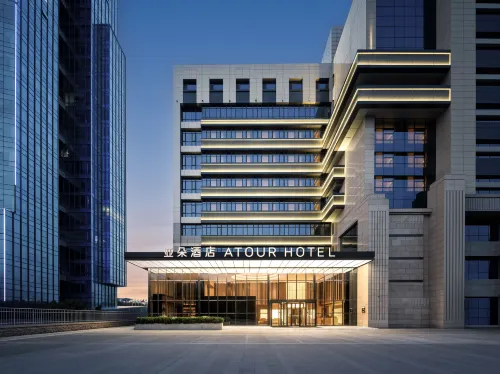
1298 reviewsAtour Hotel Dongying Financial Port
Hotel near Dongcheng District/Qingfeng Lake Park, Dongying
"Classy environment""Delicious breakfast"
Select dates to view pricesNo.
9
9.5/10
564 reviewsDongying Baogeli Luxury Hotel
Hotel near Kenli district government area, Dongying
"Friendly front desk staff""Classy environment"
Select dates to view pricesNo.
10
9.6/10
138 reviewsLidun Youmei Hotel
Hotel near Xicheng District/Wanda Plaza/China U, Dongying
"Great amenities""Delicious breakfast"
Select dates to view pricesNo.
11
9.6/10
328 reviewsDynamic Hotel
Hotel near Xicheng District/Wanda Plaza/China U, Dongying
"Delicious breakfast""Great amenities"
Select dates to view pricesNo.
12
9.2/10
824 reviewsXinyue Ruijing Grand Hotel (Dongying Shengli Oilfield Central Hospital Xicheng Wanda Plaza)
Hotel near Xicheng District/Wanda Plaza/China U, Dongying
"Delicious breakfast""Friendly front desk staff"
Select dates to view pricesLatest reviews for Dongying hotels
See all
Find the perfect stay with trusted ratings and reviews.
Devoted Hotel
9.8/10
Perfect
Posted onMay 2, 2025|Superior 2-Bed Room
 Guest User
Facilities: relatively new, very complete, well-designed, good decoration materials, and charging cables are also provided!
Hygiene: very clean, I am a person who pays attention to corners
Environment: quiet and tidy, McDonald's and Luckin Coffee are nearby
Service: The most surprising thing this time, because I brought my baby, I was given a toothbrush and slippers for my baby, which are also available in other hotels, but there are also picture books, balloons and squeezing toys will be randomly given when entering and leaving the lobby, and help pour water. The children were very gently asked and greeted, and they were very happy
Most importantly, it is cost-effective!
Price per night from:PHP 2,624
JinFu Hotel
9.7/10
Excellent
Posted onMay 3, 2026
DoudoulongVery satisfied, I didn't expect to find such an excellent hotel in this small county town of Lijin County, no less than hotels in Binzhou and Dongying City! This is also my travel secret~ Don't go to the provincial capital city and prefecture-level city, you can go to the best hotel in the small county around the attractions.
Price per night from:PHP 1,517
Dong Ying Puji Hotel
9.5/10
Outstanding
Posted onMay 7, 2024|Puyue Twin Room
Guest User
Only stating the facts, without any subjective opinions:
I checked into the hotel on May 3, 2024, and got up early on May 4 to catch the cruise ship at the Yellow River estuary. I put the dental retainer (a tertiary hospital charged 1,000 yuan) on the child's homework book in the upper right corner of the sink (with a napkin from the Crowne Plaza Hotel underneath. When I came back at night, I found that the room had been cleaned. The child's homework book appeared on the suitcase, but the dental retainer and the napkin were gone. I searched the entire room (including the trash can) but couldn't find it. I contacted customer service and asked the cleaning staff to reply the next day.
On May 5, I was eager to get on the road, so I added the hotel WeChat service account. After a few days of WeChat and phone communication, the hotel promised to pay the full amount at the beginning, but later it was only willing to pay 200 yuan, and repeatedly emphasized that there was no evidence to prove that it was lost by the cleaning staff when cleaning, and repeatedly mentioned that the 200 yuan compensation needed to be paid by the cleaning staff themselves. When I said that I could only pay half (500 yuan) based on the fact that both parties could not provide evidence, I was replied by phone on May 7 that I could only pay 200 yuan.
If you only pay 200 yuan, I won't count it as asking you to pay. There is not much difference between me paying 1,000 yuan and 800 yuan. And your customer service said that the cleaning staff needs to pay for this money. It's not worth it for me to ask for this 200 yuan. And you also asked you to deduct the cleaning staff's money.
Based on the above facts and experiences, I advise travelers staying in this hotel to keep and store their belongings, and not to place them outside at will. If you think it's important, it's best to take photos or videos to keep evidence to avoid trouble later.
Finally, there is no problem with the room, and the hotel is in a good location.
Price per night from:PHP 2,094
Dongying Baogeli Luxury Hotel
9.5/10
Outstanding
Posted onJul 13, 2026|Bao Ge Li Deluxe Cozy Family Room (Full Smart System + Dynamic Screen Casting + Ample Space)
Guest UserMiss Coke's service attitude is super invincible. I feel that the most important thing about the hotel is the attitude. This attitude is super good. The room is clean and the corridor has aromatherapy. The taste is very good. There are two types of pillows, the bed is very comfortable, super soft, the mattress is not used to sleeping in the room sister can also change the soft and hard noodles. Next to it is a lot of food and play in the commercial street. I came to Kenli for the first time and the experience was full! awesome! Praise praise!
Price per night from:PHP 1,629
Vienna International Hotel (Dongying Wuyue Square Branch)
9.4/10
Outstanding
Posted onAug 7, 2026|Deluxe Queen Room
Guest User這次住這家酒店體驗真的超出我的預期!停車很方便,地上地下都是免費停車場,地上還有充電樁,天熱就錄了個車牌號去地下車場了省的曬壞我的兄弟(車);進到房間發現房間是真的很大,我看不止是介紹的40平,得50吧!落地窗看着敞亮,衞生間收拾得乾乾淨淨,杯子還有專門的消毒櫃,這夢百合零壓床床睡着也舒服,我睡覺一直屬於輕的,但是在這個床上睡得老香了,住着很踏實。早餐吃着也不錯,是真的好吃,有孤島大盤雞、有沾化蝦醬+山東煎餅、有新疆麪粉做的麪條+胖東來油炒的麪鹵,熱菜、涼菜、雞蛋、主食、點心、水果、牛奶、咖啡等20多種品類,種類挺全,營養搭配到位。酒店離東辛公園很近,吃完飯可以過去溜達溜達,環境很好,花草也多,散散步特別解壓。最驚喜的是酒店還有儒學國學的文化佈置,走廊牆上很多國學內容,大廳還有古箏、書法寫作區,氛圍感拉滿,很有文化味兒,挺有特色的。來東營出差或者旅遊住這兒都合適,下次過來還選這家!👍
Price per night from:PHP 1,666
Blue Horizon Hotel Guangrao
9.4/10
Outstanding
Posted onApr 13, 2025|Superior Queen Room
lvyezxbGood facilities and equipment: The rooms are fully equipped, elegantly decorated, and the beds are very comfortable to sleep on. Some rooms have smart guest control systems, panoramic windows, projection screens, etc. There are also supporting facilities such as a gym and a self-service laundry room.
• Good location and convenient transportation: Located on Le'an Street, Guangrao County, close to Guangrao International Expo Center and Sun Tzu Cultural Park, with complete surrounding facilities, it is convenient for both business travel and sightseeing.
• Excellent dining: The breakfast is rich and varied, the restaurant environment is good, and the dinner dishes are also delicious. The Zhongding Building dining room in the hotel is unique and is an ideal choice for business banquets and gatherings with friends and relatives.
• Thoughtful service: There is a robot water delivery service. Some guests mentioned that the front desk registration staff had a good service attitude and would carefully prepare foot baths, tourist maps, etc., and would also decorate the room, providing guests with a good experience.
Price per night from:PHP 1,452
Yutong Zunyue International Hotel
9.3/10
Very Good
Posted onOct 26, 2024|Superior Single Room
Guest UserA very good hotel with a good location and welcome fruits and snacks. The most important thing to praise is the waiter in the breakfast room. Although the breakfast food is indeed average, the service is absolutely full. I told the waiter that my husband hadn't gotten up yet and wanted to see what time the restaurant would close. The waiter immediately said there's no need to worry. Just bring him a portion and give it to him, and he enthusiastically brought me the cutlery and so on. The next day I went to have breakfast again, and it was the same waiter. She actually remembered my room number, which was so gratifying. I felt that what I ate was not important. What was important was that I could feel the warmth of home in a strange city. , thanks to the unknown waitress, I hope you can see this review.
Price per night from:PHP 2,271
Xinyue Ruijing Grand Hotel (Dongying Shengli Oilfield Central Hospital Xicheng Wanda Plaza)
9.2/10
Very Good
Posted onMay 5, 2024
Guest UserI took my family of three, including my child, to Dongying Jinniwan to dig for hala. We were so tired that we couldn't go back. I heard from the locals that Blue Sea's service was good, so I searched online. I didn't know what was going on, but when I opened the homepage, I saw Blue Sea Xinyue Hotel, so I clicked in and booked it. After booking, the hotel called to ask what time we would arrive and about our overall needs, which was very heartwarming. After arriving at the hotel, the front desk staff was very enthusiastic. There was a row of vacuum cartoon balloons 🎈, and my child could choose whatever he wanted. The child was very happy. After checking into the room, the child liked the decorated room very much. He told me that the decoration was beautiful and he didn't plan to destroy it. There were fruits in the room and children's supplies were prepared. The child really liked it. I will stay there again during the next National Day holiday!
Price per night from:PHP 1,470
Sunwuhu Hot Spring Holiday Hotel
9.2/10
Very Good
Posted onOct 4, 2023|Business standard room
HansidaThe hotel's surroundings are very good and parking is convenient. The room is super large, with dry and wet separation, and the bed is comfortable to sleep on. Facing Sunwu Lake, the scenery is beautiful. The ecological park next to it has a good environment and is convenient for eating. Worth recommending!
Price per night from:PHP 1,740
Puyun International Hotel (Dongying Kenli District Government)
8.5/10
Posted onOct 7, 2025
Guest User
Facilities: Complete
Hygiene: clean
Environment: Convenient
Service: Satisfied
Price per night from:PHP 2,001
FAQs
What are the best 4 star hotels in Dongying?
Whether you are travelling to Dongying for business or fun, Devoted Hotel (from PHP 2,028) , Dong Ying Puji Hotel (from PHP 1,228) and TONG RUN HOTEL (from PHP 2,503) are all preferred hotels.
What is the average cost of staying in 4 star hotels in Dongying?
For 4 star hotels in Dongying, the average cost on weekdays is PHP 3,677, and the usual price on weekends (Friday–Saturday) is PHP 3,812.
Which 4 star hotels in Dongying provide swimming pools?
There are many 4 star hotels in Dongying with swimming pool. Xinyue Ruijing Grand Hotel (Dongying Shengli Oilfield Central Hospital Xicheng Wanda Plaza) (from PHP 921) , Huatai Hotel (Guangrao) (from PHP 632) and Hekou Hotel (from PHP 930) are very popular.
Which 4 star hotels in Dongying provide gym or fitness center?
Devoted Hotel (from PHP 2,028), Dong Ying Puji Hotel (from PHP 1,228) and TONG RUN HOTEL (from PHP 2,503) provide fitness facilities. Keep working out even while travelling!
What are the best 4 star hotels in Dongying with bars?
For 4 star hotels in Dongying with bars, Dongying Baogeli Luxury Hotel (from PHP 921) , Sunwuhu Hot Spring Holiday Hotel (from PHP 1,842) and Shengli Hotel (from PHP 4,262) are very popular.
What are some of the best 4 star hotels in Dongying with breakfast?
Devoted Hotel (from PHP 2,028), Dong Ying Puji Hotel (from PHP 1,228) and TONG RUN HOTEL (from PHP 2,503) provide delicious breakfast. Start your day with refreshing food!
What are the best 4 star hotels in Dongying with luxury spa services?
Wanna soothe your muscles after long walk? Among 4 star hotels in Dongying, TONG RUN HOTEL (from PHP 2,503) and Xinyue Ruijing Grand Hotel (Dongying Shengli Oilfield Central Hospital Xicheng Wanda Plaza) (from PHP 921) are very popular.
Which 4 star hotels in Dongying provide free wifi?
For many, stable internet connection is a must for travel. Devoted Hotel (from PHP 2,028), Dong Ying Puji Hotel (from PHP 1,228) and TONG RUN HOTEL (from PHP 2,503) are popular hotels with free Wi-Fi.
What's the best 4 star hotels to stay for families in Dongying?
Dong Ying Puji Hotel (from PHP 1,228), Dongying Siegel Light Luxury Hotel (from PHP 642) and Dongying Baogeli Luxury Hotel (from PHP 921) are also great for family travel.
What are some of the best deals for 4 star hotels in Dongying?
Trip.com keeps you informed of amazing deals on thousands of 4 star hotels. You can check the promotions page to see cheap hotels on Trip.com.
More information
| Highest price | PHP 9,511 |
|---|---|
| Lowest price | PHP 2,280 |
| Number of reviews | 23,799 |
| Total properties | 17 |
| Weekday Avg. Price | PHP 3,677 |
| Weekend Avg. Price | PHP 3,812 |
Popular recommendations
More Accommodation Types
hotels with bar Dongying, Dongying hotels with bar, Dongying hotels with bar deals, Dongying hotels with bar dealshotels with Balcony Dongying, Dongying hotels with Balcony, Dongying hotels with Balcony deals, Dongying hotels with Balcony dealsHomestays in Dongying, cheap Homestays in Dongying, Dongying Homestays deals, best Dongying Homestays offers, Dongying Homestays promotionsPet friendly hotels in Dongying, best Pet friendly in Dongying, unique stays in Dongying, themed hotels in Dongying, cheap Pet friendly hotels in Dongying, Pet friendly hotel deals in Dongyinghotels with Airport Shuttle Dongying, Dongying hotels with Airport Shuttle, Dongying hotels with Airport Shuttle deals, Dongying hotels with Airport Shuttle dealsFamily friendly hotels in Dongying, best Family friendly in Dongying, unique stays in Dongying, themed hotels in Dongying, cheap Family friendly hotels in Dongying, Family friendly hotel deals in DongyingBoutique hotels in Dongying, best Boutique in Dongying, unique stays in Dongying, themed hotels in Dongying, cheap Boutique hotels in Dongying, Boutique hotel deals in DongyingEsports hotels in Dongying, best Esports in Dongying, unique stays in Dongying, themed hotels in Dongying, cheap Esports hotels in Dongying, Esports hotel deals in DongyingRomantic hotels in Dongying, best Romantic in Dongying, unique stays in Dongying, themed hotels in Dongying, cheap Romantic hotels in Dongying, Romantic hotel deals in Dongyinghotels with WiFi Dongying, Dongying hotels with WiFi, Dongying hotels with WiFi deals, Dongying hotels with WiFi dealsBusiness hotels in Dongying, best Business in Dongying, unique stays in Dongying, themed hotels in Dongying, cheap Business hotels in Dongying, Business hotel deals in DongyingLuxury hotels in Dongying, best Luxury in Dongying, unique stays in Dongying, themed hotels in Dongying, cheap Luxury hotels in Dongying, Luxury hotel deals in Dongyinghotels with Hot Tubs Dongying, Dongying hotels with Hot Tubs, Dongying hotels with Hot Tubs deals, Dongying hotels with Hot Tubs dealshotels with breakfast Dongying, Dongying hotels with breakfast, Dongying hotels with breakfast deals, Dongying hotels with breakfast dealshotels with Gym Dongying, Dongying hotels with Gym, Dongying hotels with Gym deals, Dongying hotels with Gym dealshotels with parking Dongying, Dongying hotels with parking, Dongying hotels with parking deals, Dongying hotels with parking dealshotels with spa Dongying, Dongying hotels with spa, Dongying hotels with spa deals, Dongying hotels with spa dealshotels with Pools Dongying, Dongying hotels with Pools, Dongying hotels with Pools deals, Dongying hotels with Pools deals
Hotels Near Popular Attractions
Hotels near Dongying Forest ParkHotels near Dongying Vocational College Meeting HallHotels near Dong Ying New Century SquareHotels near Huanghe Sanjiaozhou ZooHotels near Dongying Technician College West CampusHotels near Shandong Petroleum and Chemical Industry College (Shida Campus)Hotels near Shandong Shengli Vocational CollegeHotels near Shengli Youtian Technology Exhibition CenterHotels near Qingfenghu ParkHotels near Shengli Television TowerHotels near Dongying Railway Station