

Vietnam Weather by Month and Travel Seasons
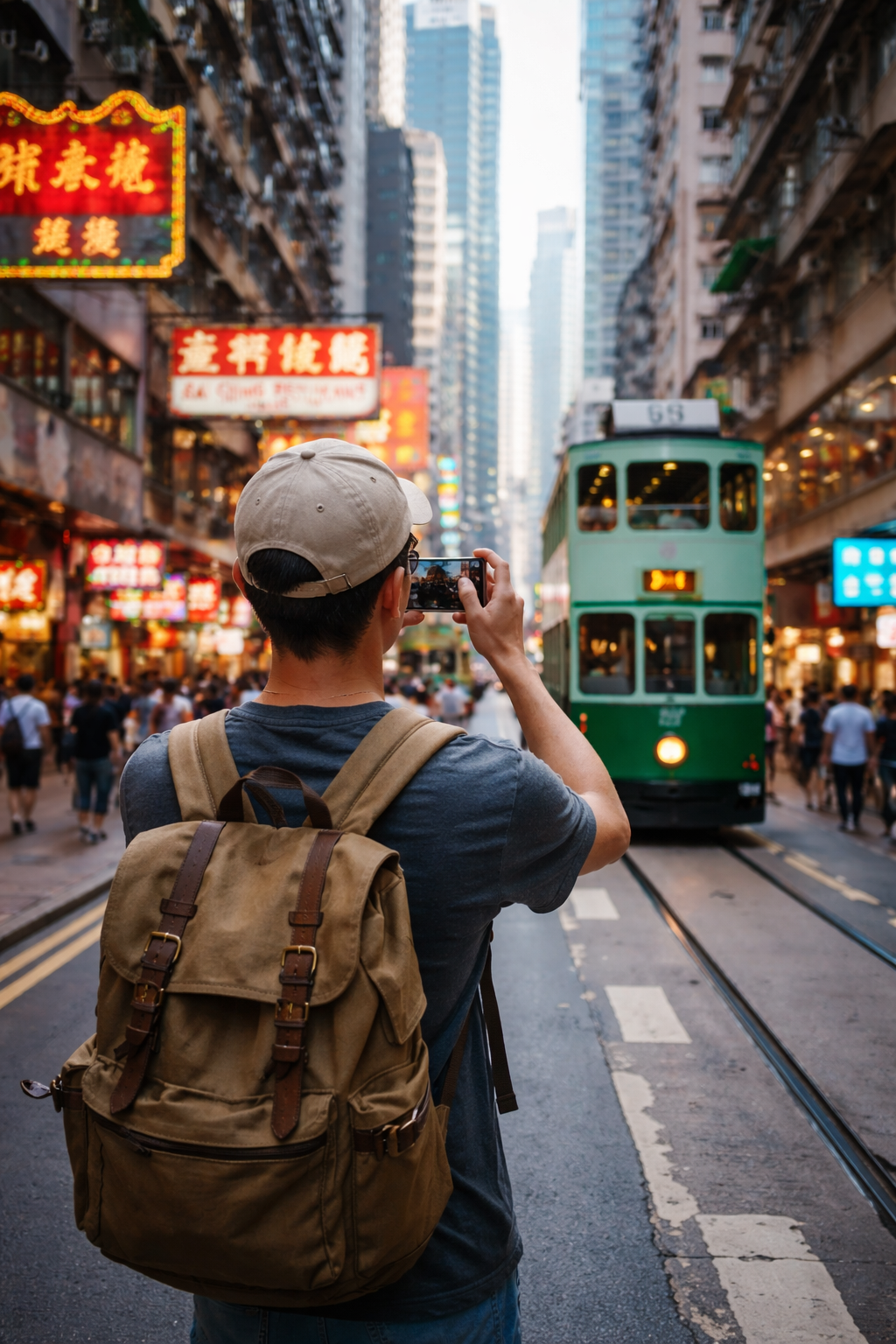

Vietnam weather changes from north to south, so the best month depends on your route. Hanoi can have cool winters, Da Nang has a later rainy season, while Ho Chi Minh City stays warm throughout the year. This guide helps Filipino travelers compare seasons, pack the right clothes, and plan sightseeing, beach trips, and outdoor tours.
What Is the Weather Like in Vietnam?

Vietnam has a tropical monsoon climate, but the weather is not the same across the country. Its long shape, mountains, coastlines, and different monsoon patterns create three main weather regions: Northern Vietnam, Central Vietnam, and Southern Vietnam.
Region | Main Dry Period | Main Rainy Period | Weather Summary |
|---|---|---|---|
Northern Vietnam | October to April | May to September | Cool winters, hot and humid summers |
Central Vietnam | February to August | September to January | Sunny summers, later rainy and storm season |
Southern Vietnam | December to April | May to November | Hot all year, with dry and rainy seasons |
These periods are general guides. Weather can still change between cities, coastal areas, islands, mountains, and highland destinations.
Unlock the Best Flights to Vietnam


Best Time to Visit Vietnam
March to May is often one of the best periods for a multi-city Vietnam trip. Northern Vietnam becomes warmer, Central Vietnam is usually sunny, and Southern Vietnam remains suitable for sightseeing.
However, the best time depends on where you are going:
- Hanoi and Northern Vietnam: October to April
- Sapa and Ha Giang: March to May or September to November
- Ha Long Bay: April to June or September to November
- Da Nang and Hoi An: February to August
- Hue: February to August
- Nha Trang: January to August
- Ho Chi Minh City and the Mekong Delta: December to April
- Phu Quoc: November to April
- Da Lat: November to May
Travel Tip: If your trip includes Hanoi, Da Nang, and Ho Chi Minh City, March or April usually offers the best balance of comfortable weather across all three regions.
Vietnam Weather by Region and Season
Northern Vietnam Weather
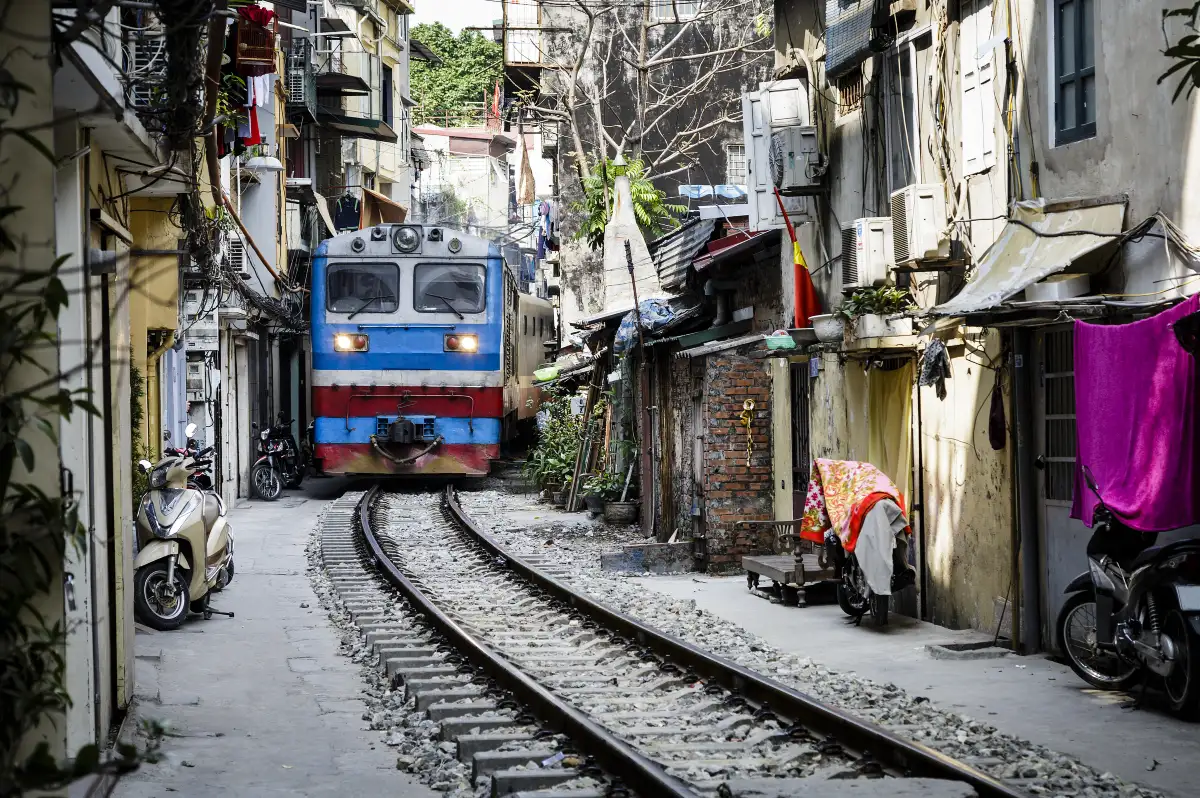
Hanoi Train Street, Hanoi
Northern Vietnam includes Hanoi, Ha Long Bay, Ninh Binh, Sapa, and Ha Giang. This region has the biggest temperature changes in Vietnam.
Cool and Drier Season: October to April
October and November are comfortable for sightseeing, mountain trips, and outdoor activities. December to February can feel surprisingly cold, especially in Hanoi, Sapa, and Ha Giang.
What to expect:
- Cooler mornings and evenings
- Misty or cloudy weather from December to March
- Less rain than during summer
- Cold mountain temperatures
- Possible fog around Sapa and Ha Long Bay
Best places to visit: Hanoi, Ninh Binh, Ha Long Bay, Sapa, Ha Giang, and Mai Chau.
Travel Tip: Bring a jacket when visiting Northern Vietnam from December to February. Mountain destinations can be much colder than Hanoi.
Hot and Rainy Season: May to September
Northern Vietnam becomes hot, humid, and rainy during summer. Heavy showers and thunderstorms may affect trekking, cruises, road trips, and outdoor tours.
What to expect:
- Hot afternoons
- High humidity
- Heavy rain or thunderstorms
- Possible tropical storms
- Green mountain and rice field views
- Possible Ha Long Bay cruise cancellations
Best for: Indoor attractions, food trips, flexible city tours, and green countryside views.
Central Vietnam Weather
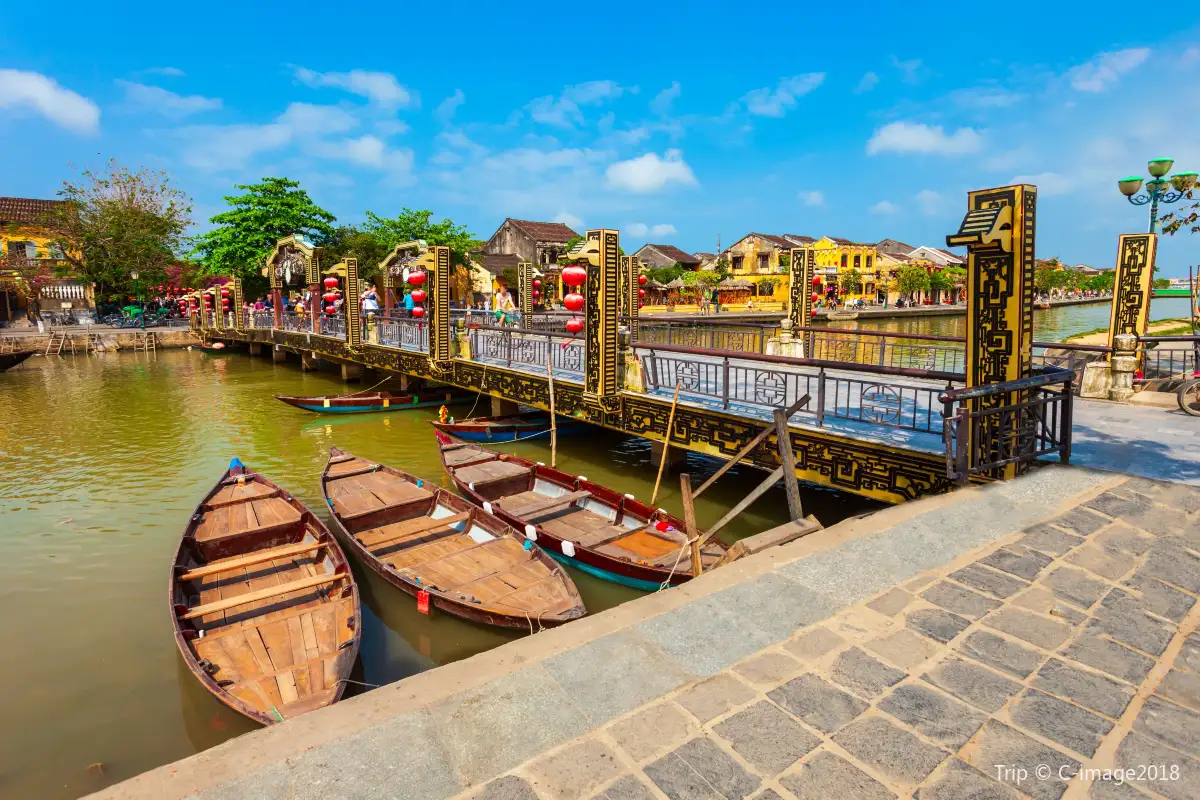
Hoi An Old Town, Da Nang
Central Vietnam includes Hue, Da Nang, Hoi An, Nha Trang, and nearby coastal destinations. Its rainy season normally starts later than in the north and south.
Dry and Sunny Season: February to August
This is usually the best period for beaches, island tours, sightseeing, and outdoor activities in Da Nang, Hoi An, Hue, and Nha Trang.
What to expect:
- Warm and sunny days
- Hotter weather from May to August
- Better conditions for beach trips
- Strong sunlight around midday
- Busy beaches during summer holidays
Best places to visit: Da Nang, Hoi An, Hue, Nha Trang, Quy Nhon, and Phong Nha.
Travel Tip: Plan temple visits and walking tours early in the morning. Central Vietnam can become very hot from June to August.
Rainy and Storm Season: September to January
Central Vietnam may receive heavy and prolonged rain during this period. Tropical storms and flooding can affect Hue, Da Nang, Hoi An, and nearby areas.
What to expect:
- Heavy rain
- Cloudy and cooler days
- Possible flooding
- Rougher sea conditions
- Tour, train, or flight changes
- Fewer tourists in some destinations
Best for: Food trips, cafes, museums, spas, and indoor attractions.
Important Note: Avoid booking important outdoor tours on your last day. Heavy rain or storms may cause delays and cancellations.
Southern Vietnam Weather
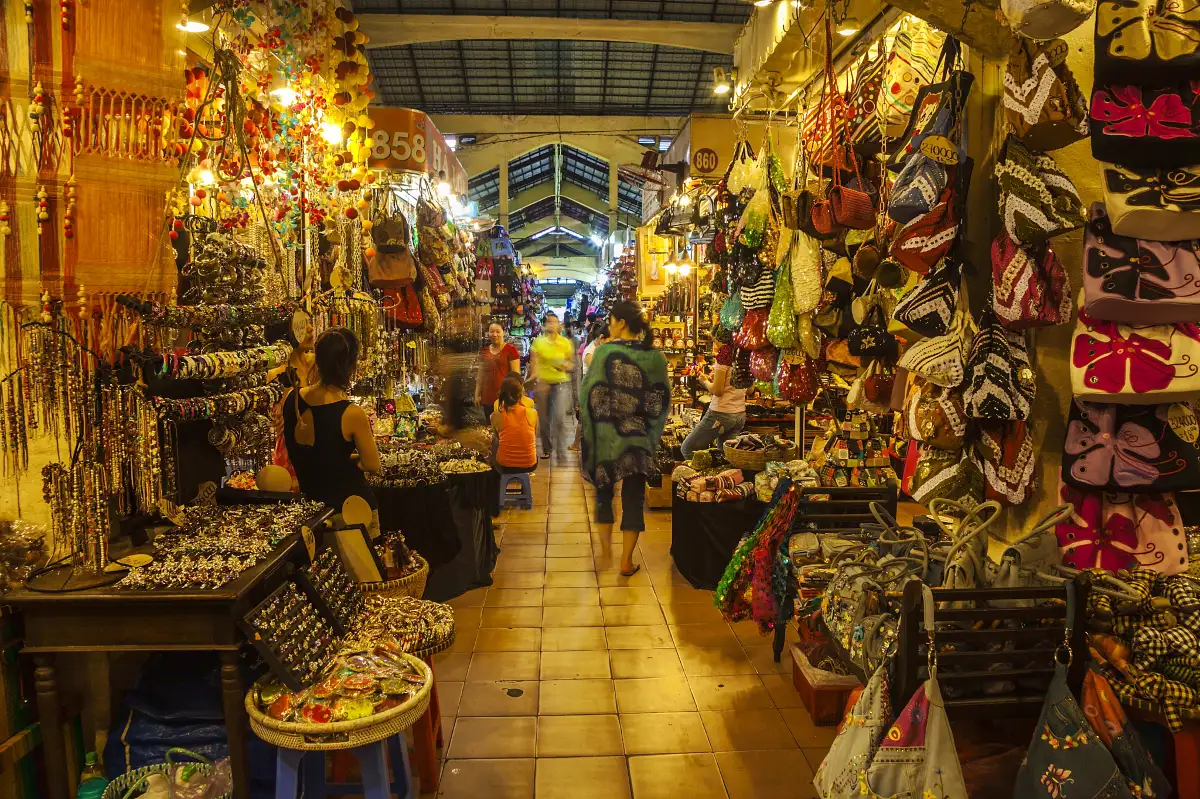
Ben Thanh Market, Ho Chi Minh City
Southern Vietnam includes Ho Chi Minh City, the Mekong Delta, Vung Tau, and Phu Quoc. Temperatures remain warm throughout the year.
Dry Season: December to April
The dry season is popular for city tours, Mekong Delta trips, rooftop dining, walking tours, and beach holidays.
What to expect:
- Hot and sunny weather
- Lower chance of rain
- Busy tourist attractions
- Higher hotel demand
- Very hot afternoons in March and April
Best places to visit: Ho Chi Minh City, Can Tho, Vung Tau, Mui Ne, and Phu Quoc.
Rainy Season: May to November
Rain often comes as a heavy afternoon or evening shower. It does not always rain for the entire day, so travelers can still explore Ho Chi Minh City with a flexible itinerary.
What to expect:
- Hot and humid weather
- Sudden heavy showers
- Possible street flooding
- Fewer tourists
- Greener views around the Mekong Delta
- Lower hotel prices during some periods
Travel Tip: Schedule outdoor activities in the morning and keep malls, museums, cafes, and spas as rainy-day backup plans.
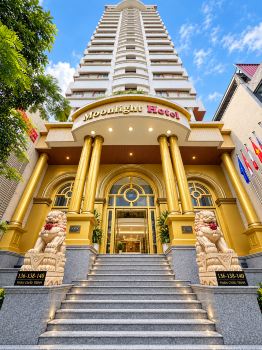
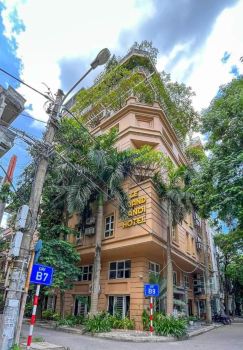
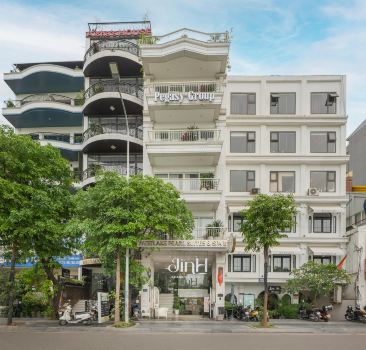
Find the Best Hotels in Vietnam
 NO.1
NO.1















Vietnam Weather by Month
The temperature ranges below are general estimates. Mountain areas may be much colder, while cities can feel hotter because of humidity.
Month | Northern Vietnam | Central Vietnam | Southern Vietnam | Travel Guide |
|---|---|---|---|---|
January | 10°C to 20°C, cool and misty | 18°C to 25°C, cool with some rain | 24°C to 32°C, dry and sunny | Best for Ho Chi Minh City, Mekong Delta, and Phu Quoc |
February | 14°C to 22°C, cool and cloudy | 20°C to 27°C, weather improving | 24°C to 33°C, dry and sunny | Good for Central and Southern Vietnam |
March | 18°C to 26°C, mild | 22°C to 30°C, warm and sunny | 25°C to 34°C, hot and dry | One of the best months for a multi-city trip |
April | 22°C to 31°C, warm | 25°C to 33°C, sunny and hot | 26°C to 35°C, very hot | Good countrywide, but prepare for strong heat |
May | 25°C to 34°C, rain increasing | 27°C to 35°C, hot and sunny | 25°C to 34°C, rainy season begins | Best for Da Nang, Hoi An, and Nha Trang |
June | 27°C to 35°C, hot and rainy | 28°C to 35°C, hot and mostly sunny | 25°C to 33°C, afternoon showers | Good for Central Vietnam beaches |
July | 27°C to 35°C, wet and humid | 28°C to 35°C, hot and sunny | 25°C to 33°C, rainy | Choose Nha Trang or Central Vietnam |
August | 26°C to 34°C, rainy with storm risk | 27°C to 34°C, rain may increase | 25°C to 32°C, wet and humid | Keep travel plans flexible |
September | 24°C to 32°C, becoming cooler | 25°C to 32°C, rainy season starts | 24°C to 32°C, rainy | Good for Northern Vietnam later in the month |
October | 21°C to 29°C, cool and pleasant | 23°C to 29°C, heavy rain possible | 24°C to 32°C, rain begins to ease | Best for Hanoi, Sapa, and Ha Giang |
November | 17°C to 26°C, cool and drier | 21°C to 27°C, wet and cloudy | 24°C to 32°C, dry season begins | Good for Northern and Southern Vietnam |
December | 13°C to 22°C, cool and misty | 19°C to 26°C, rain gradually eases | 23°C to 32°C, dry and sunny | Best for Ho Chi Minh City and Phu Quoc |
Vietnam Weather by Popular Destination
Destination | Weather Style | Best Time to Visit |
|---|---|---|
Hanoi | Cool winters, hot and rainy summers | October to April |
Ha Long Bay | Cool and misty winters, stormy summers | April to June, September to November |
Sapa | Cold winters, mild spring and autumn | March to May, September to November |
Ha Giang | Cool mountain climate with rainy summers | March to May, September to November |
Da Nang | Hot dry summers, rainy late-year season | February to August |
Hoi An | Sunny from spring to summer, rainy later in the year | February to August |
Hue | Hot summers, wet weather from September | February to August |
Nha Trang | Long sunny season and shorter rainy period | January to August |
Da Lat | Cooler highland climate | November to May |
Ho Chi Minh City | Hot all year with dry and rainy seasons | December to April |
Mekong Delta | Hot and humid throughout the year | December to April |
Phu Quoc | Tropical island weather with stormy midyear months | November to April |
What to Wear in Vietnam
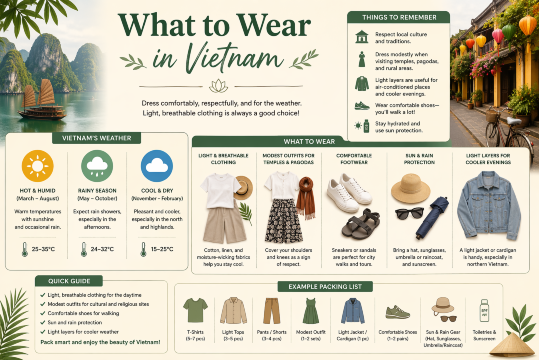
Northern Vietnam from December to February
Bring:
- Light or medium jacket
- Sweater or hoodie
- Long pants
- Comfortable closed shoes
- Scarf for mountain trips
- Thermal clothing for Sapa or Ha Giang
- Small umbrella
Hot and Sunny Weather
Bring:
- Light and breathable shirts
- Shorts, skirts, or light pants
- Sunglasses
- Hat or cap
- Sunscreen
- Refillable water bottle
- Comfortable walking shoes
- Small towel or tissues
Rainy Season
Bring:
- Compact umbrella
- Lightweight raincoat
- Quick-drying clothes
- Waterproof shoes or sandals
- Waterproof phone pouch
- Dry bag for important items
- Extra socks
- Power bank
Temple Tip: Bring clothes that cover your shoulders and knees when visiting temples, pagodas, and religious sites.
Unlock the Best Flights to Vietnam
- One way
- Round-trip
- direct cheapest
 MNL10:10 PM2h 55mNonstopSGN12:05 AMManila - Ho Chi Minh City|Wed, Nov 18|Cebu PacificPHP 8,560PHP 16,91449% offSearch49% offPHP 16,914PHP 8,560
 - MNL5:30 AM2h 45mNonstopDAD7:15 AMManila - Da Nang|Mon, Nov 2|Cebu PacificPHP 10,443PHP 16,91438% offSearch38% offPHP 16,914PHP 10,443
- MNL5:30 AM2h 45mNonstopDAD7:15 AMManila - Da Nang|Mon, Oct 26|Cebu PacificPHP 13,362PHP 16,91421% offSearch21% offPHP 16,914PHP 13,362
 MNL13:002h 45mNonstopSGN14:00Manila - City|Mon, Sep 6|Normal AirlineFind more flightsFind more flights
Vietnam Rainy Season and Typhoon Tips
Tropical storms may affect Vietnam from around June to November, but the timing and affected regions change each year. Northern and coastal areas can experience storms during summer, while Central Vietnam often needs extra attention from September to November.
Follow these safety tips:
- Check the weather forecast every morning
- Follow airline, airport, train, ferry, and hotel announcements
- Avoid beaches, boats, mountain trails, and coastal roads during severe weather
- Keep indoor attractions as backup plans
- Allow extra time for airport and railway transfers
- Avoid walking or driving through floodwater
- Keep your passport and electronics in waterproof bags
- Carry a charged power bank
- Save offline copies of bookings and travel documents
- Consider travel insurance that covers weather disruptions
For updated forecasts, rainfall maps, and tropical cyclone warnings, check Vietnam’s National Center for Hydrometeorological Forecasting.
Recommended eSIMs Options for Vietnam



Best Things to Do in Vietnam by Weather
Weather | Recommended Activities |
|---|---|
Sunny and comfortable | City tours, temples, markets, countryside trips, cycling |
Hot and sunny | Beaches, water parks, early morning sightseeing, evening food tours |
Light rain | Cafes, museums, cooking classes, spas, shopping malls |
Heavy rain | Indoor attractions, hotel activities, restaurants, covered markets |
Cool weather | Hanoi walks, mountain trips, food tours, scenic drives |
Stormy weather | Stay indoors and follow local safety announcements |
Vietnam Travel Tips Filipino Travelers Must Know
- Check current Vietnam visa and entry requirements before booking.
- Complete eTravel Philippines within 72 hours before departing from or arriving in the Philippines.
- Check whether the Vietnam Arrival Card process applies to your arrival airport.
- Make sure your passport is valid for your planned trip.
- Prepare your return ticket, hotel booking, and travel itinerary.
- Download an offline map before exploring.
- Consider buying a Vietnam eSIM before your flight.
- Carry Vietnamese dong for markets, small shops, and local transport.
- Use Grab or official taxi services when traveling in major cities.
- Save your hotel address in English and Vietnamese.
- Check weather conditions before booking cruises, ferries, or mountain tours.
- Book flexible tickets when traveling during the rainy or storm season.
FAQs About Vietnam Weather
-
What is the best month to visit Vietnam?
-
Does it rain all day during Vietnam’s rainy season?
-
What is the best time for Vietnam beaches?
-
What should I wear in Vietnam?
-
When is typhoon season in Vietnam?
Trending Searches
-
Featured guides
-
Trip.com links
- Mothers Day Gifts
- eSIM
- Hong Kong International Airport
- International Driving Permit
- Toronto Pearson International Airport
- Universal Studios Singapore
- Great Wall of China
- UK ETA
- Narita International Airport
- China Currency
- Changi Airport
- Schengen Visa
- Singapore MRT Map
- France Visa
- Ninoy Aquino International Airport