Thailand Weather by Month: Rainy Season, Temperature & Travel Tips
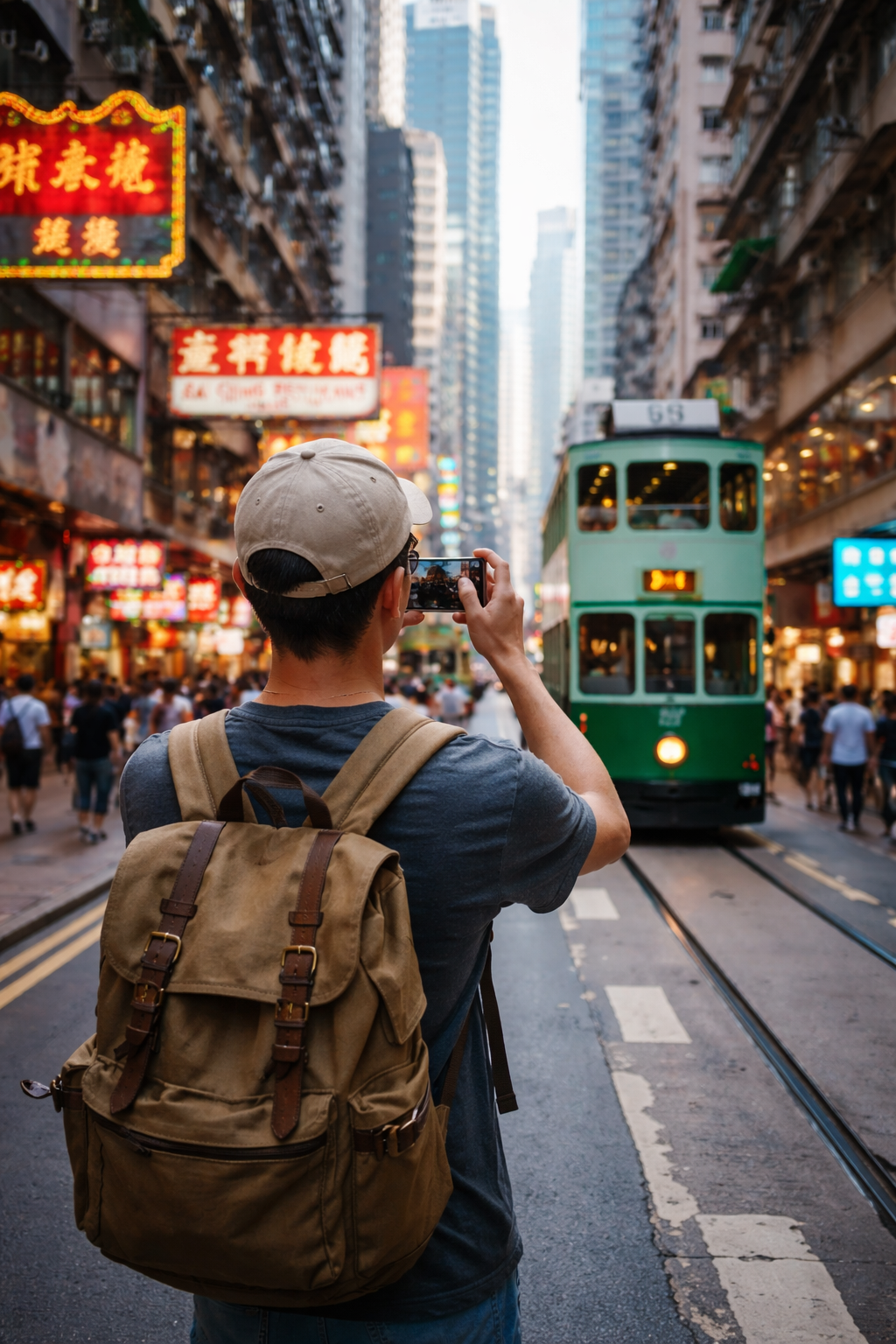

Thailand is warm most of the year, but the weather can feel different depending on the season and destination. Rain, heat, and cooler months can affect flights, island tours, outfits, and daily plans. For Filipino travelers visiting Bangkok, Phuket, Chiang Mai, Pattaya, Krabi, or Koh Samui, this guide helps you choose the best time to go.
What Is the Weather Like in Thailand?
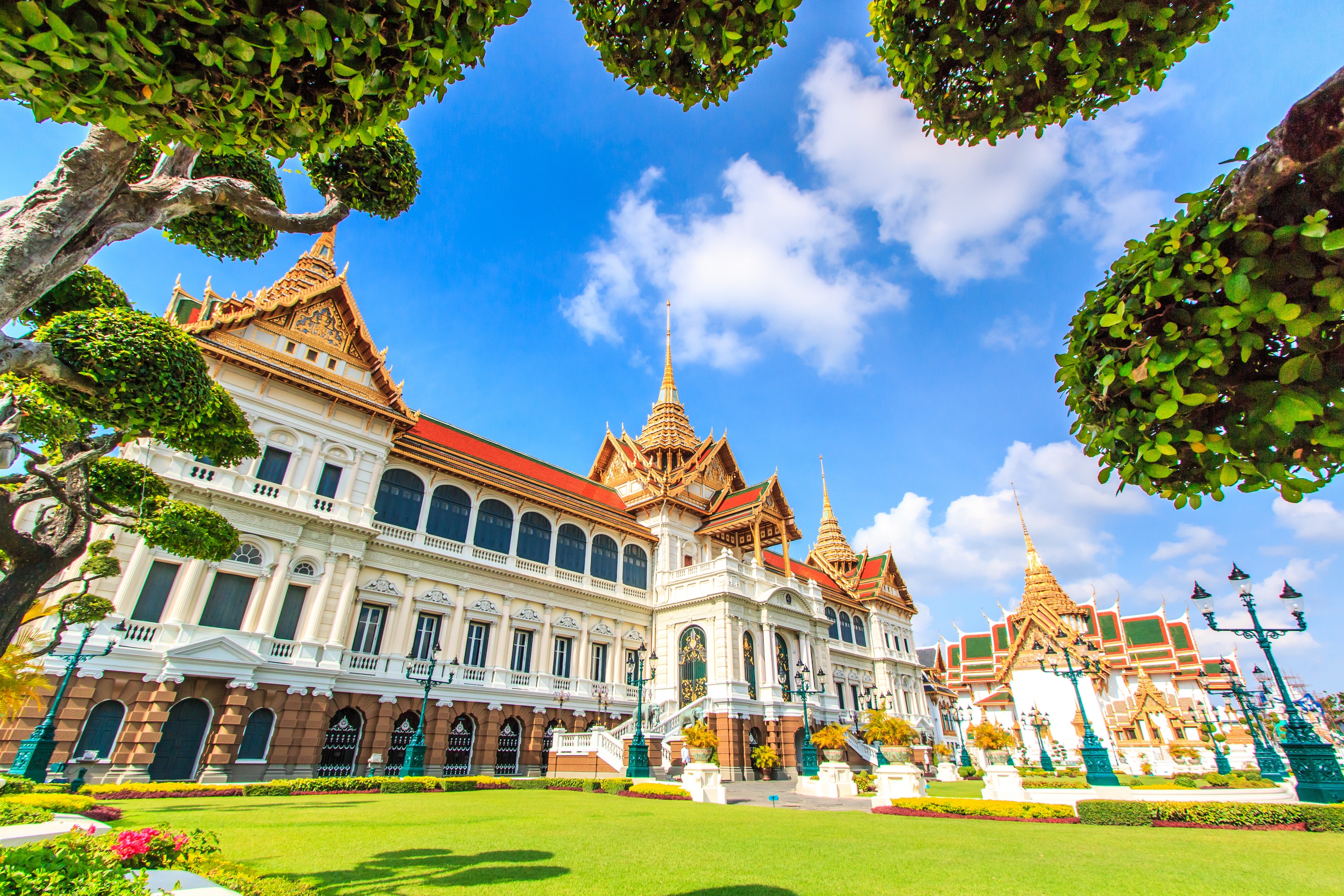
Thailand has a tropical climate, so the weather is usually warm, humid, and sometimes rainy. Daytime temperatures are often around 30°C to 35°C, but March to May can feel much hotter, especially during city tours and temple visits.
Thailand has three main travel seasons:
Season | Months | Weather Summary | Best For |
|---|---|---|---|
Cool Season | November to February | Warm days, cooler nights, less rain | Sightseeing, temples, beaches |
Hot Season | March to May | Very hot and humid | Malls, cafes, Songkran Festival |
Rainy Season | May to October | Short heavy rain, cloudy days, humid weather | Budget trips, fewer crowds, green views |
Rain can happen in many parts of Thailand, especially during rainy season. Showers are often short but heavy, and thunderstorms may happen in the afternoon or evening. Beach and island weather can also change quickly, so always check the forecast before booking boat tours.
Unlock the Best Flights to Thailand


Best Time to Visit Thailand
The best time to visit Thailand is usually from November to February. The weather is more comfortable for walking tours, temple visits, food trips, and beach holidays. This is also peak travel season, so flights and hotels can be more expensive during Christmas, New Year, Chinese New Year, and Philippine school holidays.
This season is good for:
- First-time travelers
- Family trips
- Bangkok city tours
- Chiang Mai and Chiang Rai trips
- Phuket and Krabi beaches
- Temple visits
- Floating markets
- Island hopping
Thailand Weather by Season
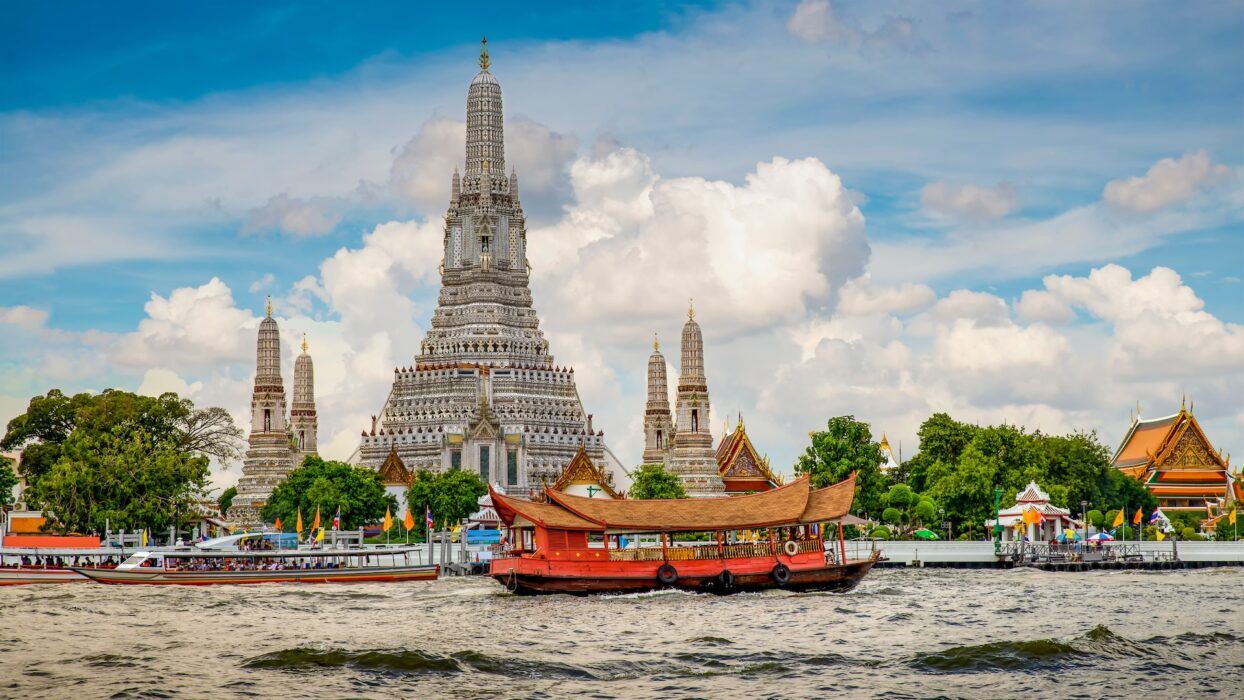
Cool Season: November to February
The cool season is the most comfortable time to visit Thailand. It is not cold like Japan or Korea, but the weather is less humid compared to other months.
What to Expect
- Warm daytime weather
- Cooler evenings in Northern Thailand
- Less rain in many tourist areas
- Better beach weather
- More tourists in popular places
- Higher hotel and flight prices
Best Places to Visit: Bangkok, Chiang Mai, Chiang Rai, Phuket, Krabi, Pattaya, and Hua Hin.
Hot Season: March to May
Thailand’s hot season can feel very intense, especially when walking around temples, markets, and outdoor attractions. Plan outdoor activities early in the morning and stay indoors during the hottest part of the day.
What to Expect
- Very hot afternoons
- Strong sunlight
- High humidity
- Less comfortable walking tours
- Busy travel period during Songkran in April
Best Things to Do: Visit malls, go cafe hopping, book hotels with pools, visit temples early, enjoy water parks, and experience Songkran Festival.
Rainy Season: May to October
Rainy season can still be a good time to visit Thailand if you plan well. Hotels may be cheaper, crowds are smaller, and city trips are still manageable.
What to Expect
- Sudden heavy rain
- Cloudy weather
- Humid days
- Cheaper hotel rates
- Fewer tourists
- Possible changes to island tours
- Possible boat delays or cancellations
Best Things to Do: Visit Bangkok malls, try Thai food tours, book spa sessions, visit museums, enjoy cafes, and keep your itinerary flexible.
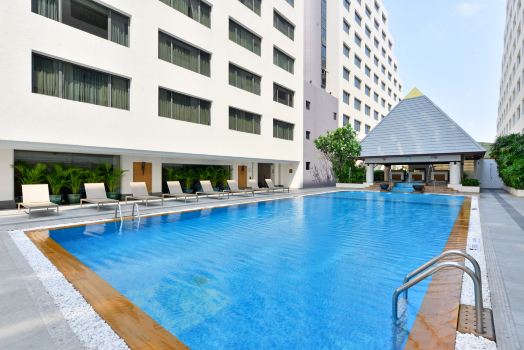
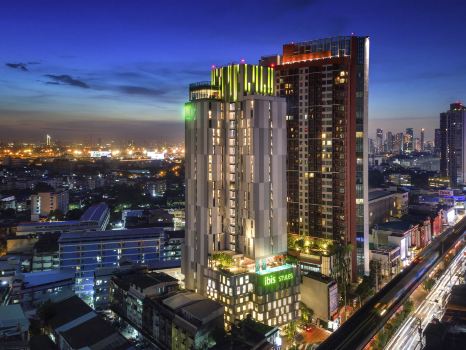
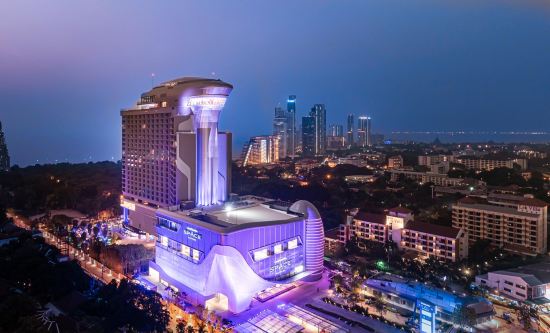
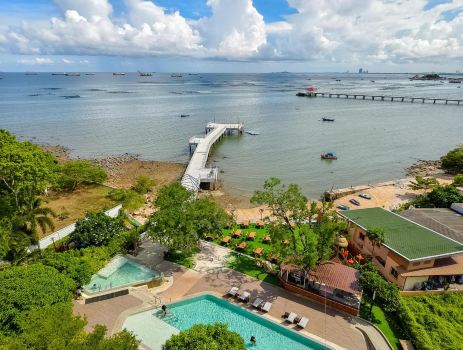
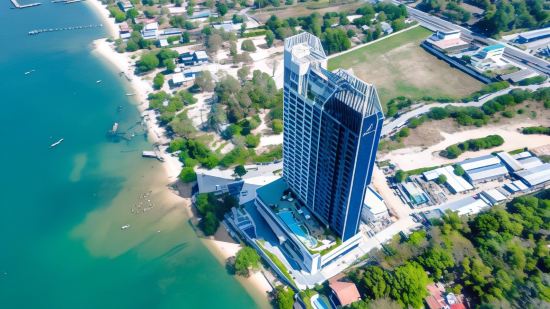
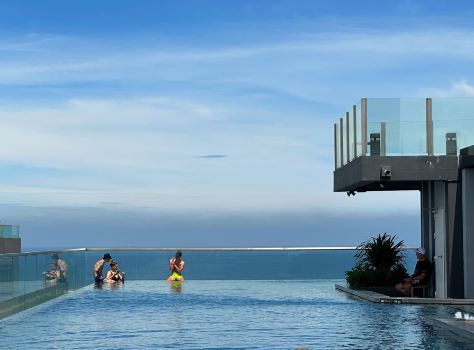
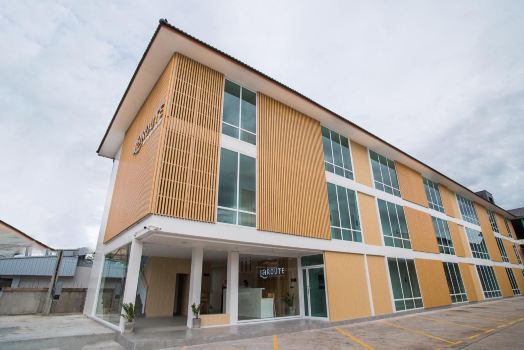
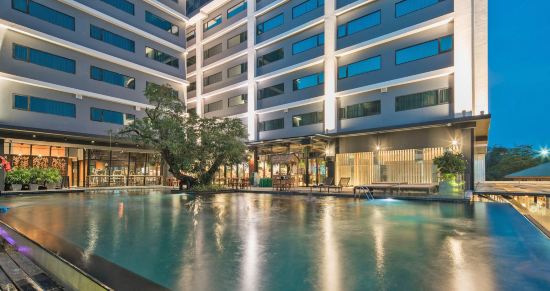
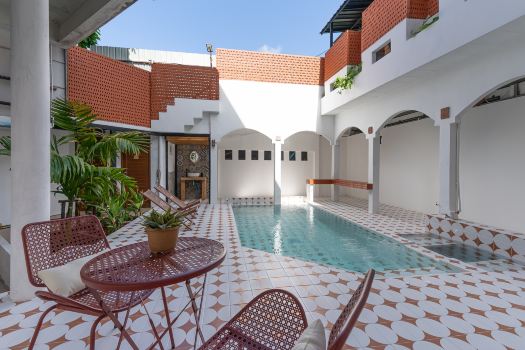
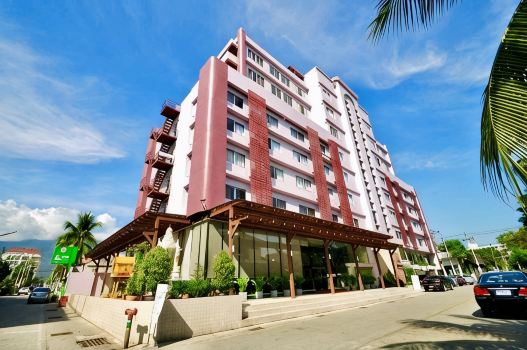
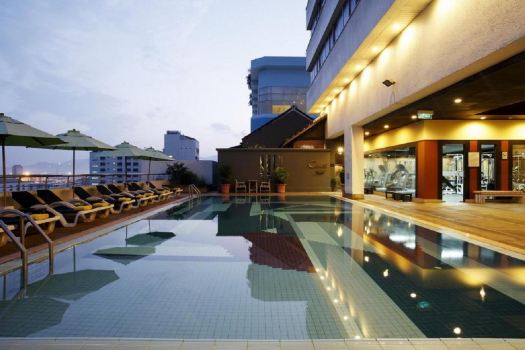
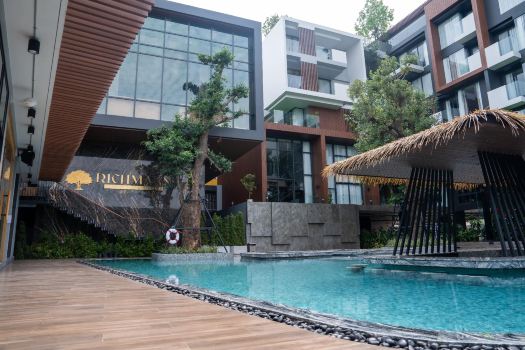
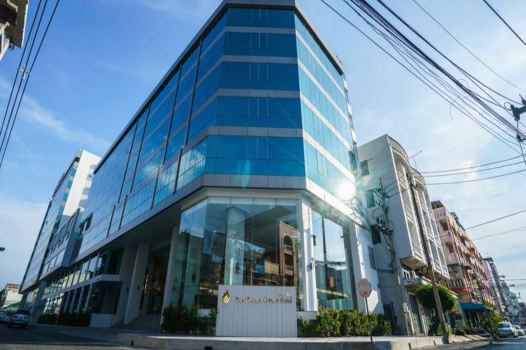
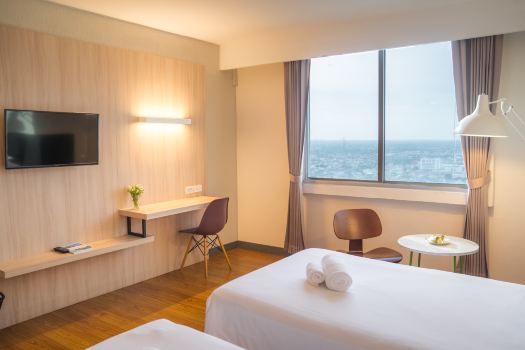
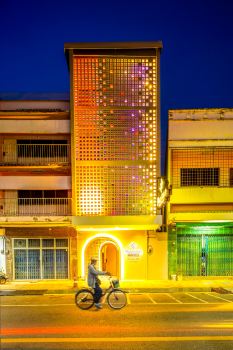
Explore More Hotels in Thailand
 NO.1
NO.1

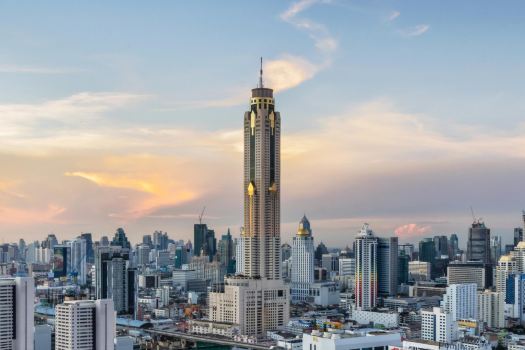





















Thailand Weather by Destination
Bangkok, Pattaya, and Central Thailand
Bangkok, Pattaya, and Hua Hin are hot and humid most of the year. Even during the cool season, the weather still feels warm, similar to a sunny day in the Philippines.
- November to February: Best for city tours and outdoor attractions
- March to May: Better for malls, cafes, and indoor plans
- June to October: Good for cheaper hotels and flexible trips
Travel Tip: Bangkok is easy to visit even during rainy season because many attractions are indoors. Malls, cafes, markets, restaurants, and spas are good backup plans when it rains.
Chiang Mai, Chiang Rai, and Northern Thailand
Northern Thailand is cooler than Bangkok, especially from November to February. Mountain areas can feel cold at night, so bring a light jacket if you plan to visit early morning viewpoints.
- November to February: Cooler weather
- April: Songkran Festival
- June to October: Green mountains and nature views
Important Note: Northern Thailand may have haze or smoky air during some months, especially around the hot season. Check air quality updates before booking outdoor tours.
Phuket, Krabi, and the Andaman Coast
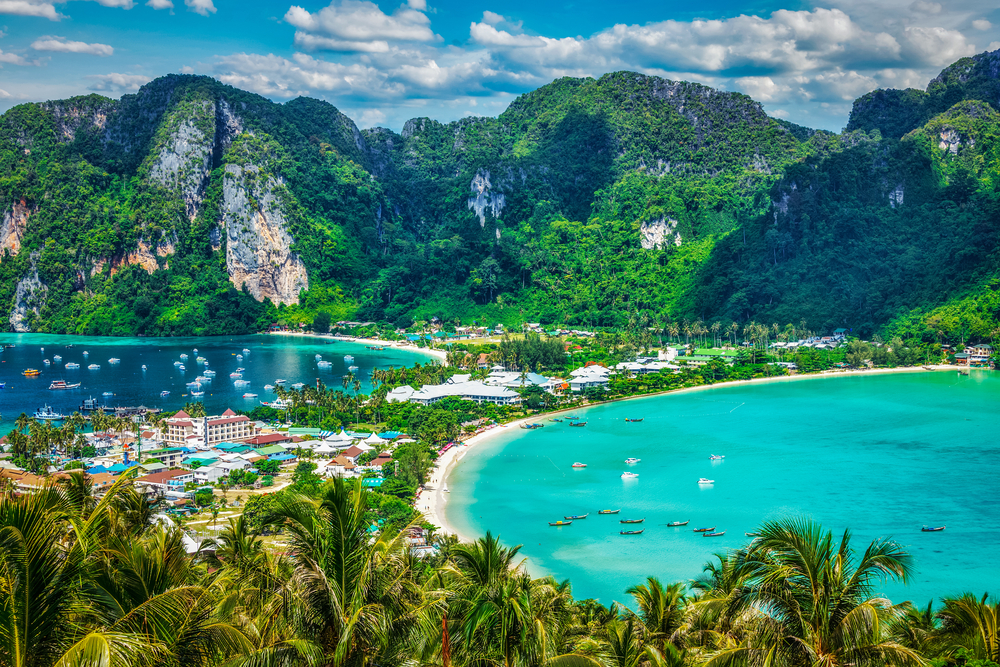
Phuket, Krabi, Phi Phi Islands, and Khao Lak are best for beaches and island hopping from November to April.
- November to April: Better beach trips and island tours
- May to October: Cheaper hotels, but expect more rain and rougher seas
Travel Tip: Avoid booking island hopping on your last day. Sudden rain or strong waves can cancel boat trips and may affect your flight schedule.
Koh Samui and the Gulf of Thailand
Koh Samui, Koh Phangan, and Koh Tao have a different rain pattern from Phuket and Krabi. This is useful for Filipino travelers planning a beach trip in the middle of the year.
- January to August: Better beach chances
- June to August: Good alternative when Phuket and Krabi are rainy
- September to December: More rain is possible around Gulf islands
Travel Tip: If you want a beach trip in July or August, Koh Samui can be a better choice than Phuket or Krabi. Still, check the latest forecast before booking tours.
Thailand Weather by Month
Month | Weather | Travel Notes |
|---|---|---|
January | Warm and mostly dry | Great for beaches, temples, and sightseeing |
February | Warm, dry, and sunny | Good for Bangkok, Phuket, Krabi, and Chiang Mai |
March | Hot and dry | Better for indoor plans and beach resorts |
April | Very hot | Songkran Festival happens this month |
May | Hot with more rain | Start of rainy season in many areas |
June | Warm with rain showers | Good for budget travelers |
July | Rainy and humid | Koh Samui can be a better beach option |
August | Rainy and cloudy in many areas | Good hotel deals may be available |
September | Often very wet | Expect more rain and possible travel delays |
October | Transition month | Rain eases in some areas, but Gulf islands may get wetter |
November | Drier in many areas | Great start of peak travel season |
December | Cool, dry, and busy | Best weather in many places, but prices are higher |
What to Pack for Thailand Weather
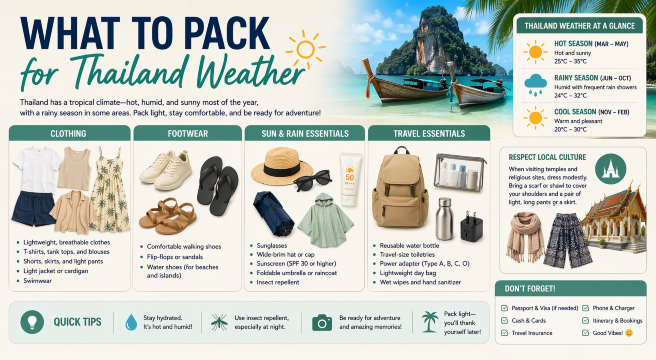
Pack light, comfortable clothes because Thailand is warm most of the year. Also bring items that can help with rain, sun, and temple visits.
Packing List
- Light cotton shirts
- Shorts or breathable pants
- Modest clothes for temples
- Comfortable walking shoes
- Sandals or slippers
- Sunscreen
- Sunglasses
- Cap or hat
- Small umbrella
- Rain poncho
- Waterproof phone pouch
- Power bank
- Refillable water bottle
- Basic medicine
- Travel insurance details
What to Wear in Thai Temples
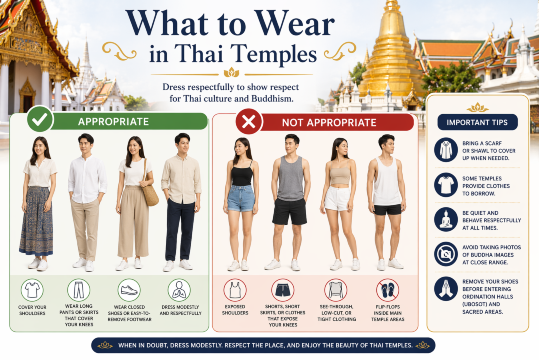
Thai temples have dress rules. Some places, such as the Grand Palace, can be strict.
Wear:
- Tops that cover your shoulders
- Skirts or pants that cover your knees
- Comfortable footwear that is easy to remove
- Light scarf or cover-up if needed
Avoid:
- Sleeveless tops
- Crop tops
- Short shorts
- See-through clothes
- Beachwear inside temple areas
Best Season Based on Your Travel Style
For First-Time Travelers: Visit Thailand from November to February. The weather is more comfortable for sightseeing, temple visits, food trips, and walking around Bangkok or Chiang Mai.
For Beach Lovers: Visit Phuket, Krabi, and Phi Phi Islands from November to April for better island-hopping weather. For Koh Samui, January to August is usually a better choice.
For Budget Travelers: Visit from June to October. Flights and hotels may be cheaper during rainy season, but expect sudden rain and keep your itinerary flexible.
For Festival Travelers: Visit in April for Songkran Festival. It is one of Thailand’s most famous celebrations, but prepare for very hot weather.
For Shoppers: Bangkok is good all year because many malls, cafes, markets, spas, and restaurants are indoors. Rainy season is still manageable for shopping and food trips.
Stay Ahead with a Weather App
Thailand weather can change quickly, especially during rainy season and island trips. These apps can help you plan around rain, heat, airport transfers, and tour changes.
- Thai Weather: The official weather app by the Thai Meteorological Department. It is useful for checking Thailand weather forecasts, storm updates, radar, warnings, and rain conditions before outdoor tours.
- AccuWeather: Helpful for checking RealFeel temperature, hourly forecast, rain chance, and outfit planning.
- Trip.com: Useful for flights, hotels, attractions, eSIMs, airport transfers, travel deals, and itinerary planning.
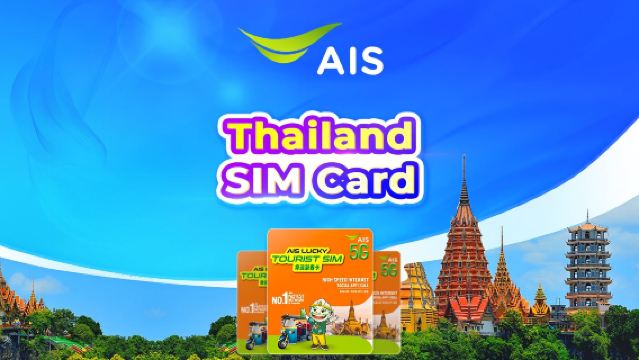
Recommended eSIMs Options for Thailand





Thailand Travel Tips Filipino Tourists Should Know
Before flying to Thailand, Filipino travelers should prepare travel documents, weather essentials, and backup plans.
- Thailand Digital Arrival Card: All non-Thai nationals must complete TDAC within 3 days before arrival in Thailand. The form is free, so use only the official Thailand Immigration website and avoid third-party sites asking for processing fees.
- eTravel Philippines: Register within 72 hours before your arrival into or departure from the Philippines. Save your QR code before going to the airport because you may need to show it before boarding.
- Travel Documents: Prepare your valid passport, return ticket, hotel booking, travel itinerary, and travel insurance details.
- Proof of Funds: Thai immigration may ask tourists to show cash. A commonly listed amount is 10,000 THB per person or 20,000 THB per family, so bring enough Thai Baht plus cards or e-wallets for backup.
- Island Tours: Do not schedule island hopping on your last day because boat trips may be delayed or cancelled due to rain, strong waves, or weather warnings.
- Rainy Season: Bring a small umbrella, rain poncho, waterproof bag, and easy-dry clothes.
- Hot Season: Bring sunscreen, sunglasses, a cap, and a refillable water bottle.
- Hotel Location: Choose hotels near BTS, MRT, malls, or main tourist areas for easier travel when it rains.
FAQs About Thailand Weather
-
What is the best month to visit Thailand?
-
Is Thailand hotter than the Philippines?
-
Is April a good time to visit Thailand?
-
What should Filipino travelers wear in Thailand?
-
Do Filipino travelers need TDAC before Thailand?
Trending Searches
-
Featured guides
-
Trip.com links
- Mothers Day Gifts
- eSIM
- Hong Kong International Airport
- International Driving Permit
- Toronto Pearson International Airport
- Universal Studios Singapore
- Great Wall of China
- UK ETA
- Narita International Airport
- China Currency
- Changi Airport
- Schengen Visa
- Singapore MRT Map
- France Visa
- Ninoy Aquino International Airport