

Japan Weather in March: Temperatures, Clothing & Travel Tips
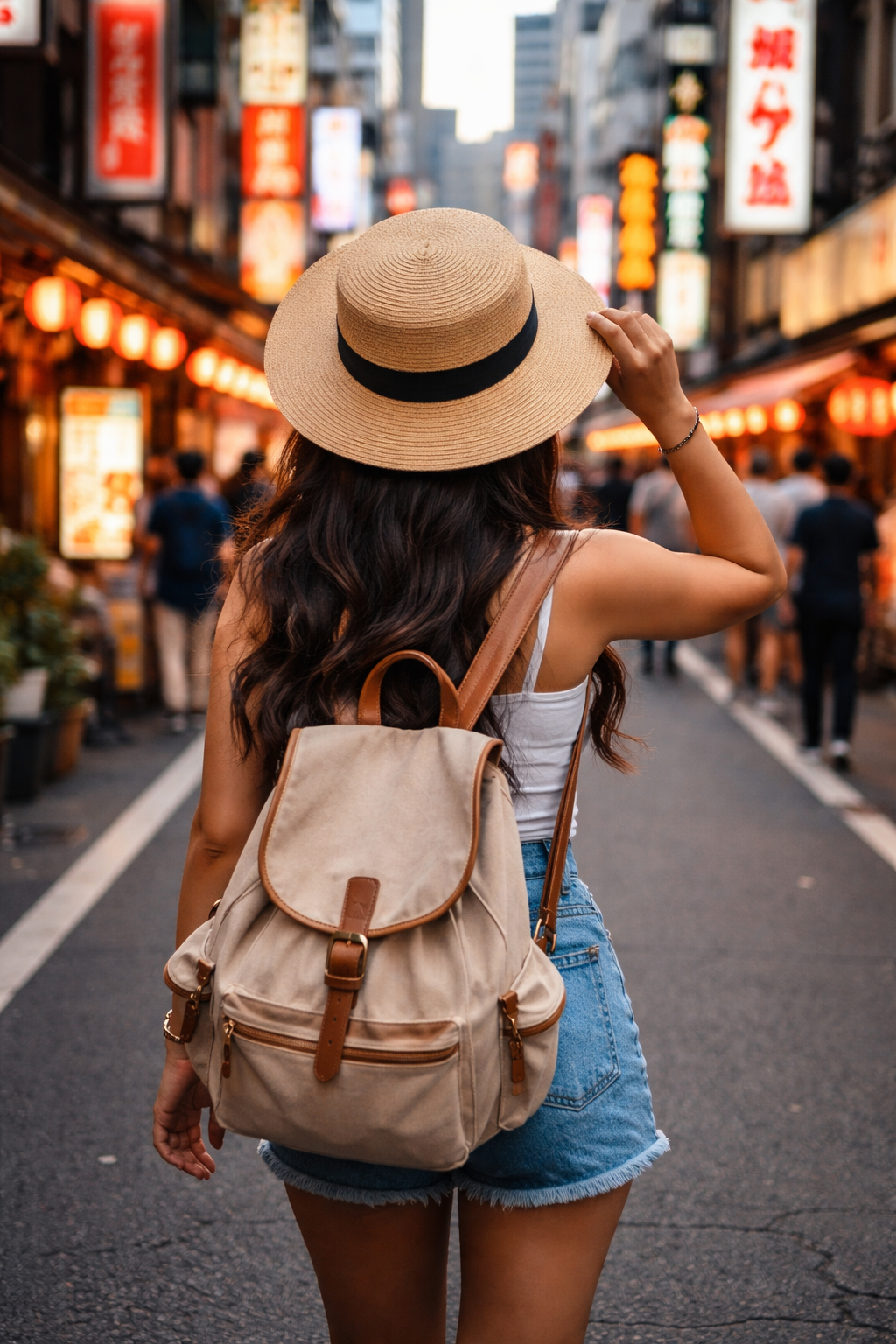
Japan stretches across a long chain of islands, so the weather changes a lot from north to south. You can experience cold, snowy winters in Hokkaido and warm, subtropical weather in Okinawa, all within the same country. For travelers from the Philippines, this means enjoying four clear seasons instead of a year-round tropical climate. Spring and autumn are often the most comfortable times to visit, with mild temperatures that make sightseeing easy and enjoyable.
Seasons in Japan
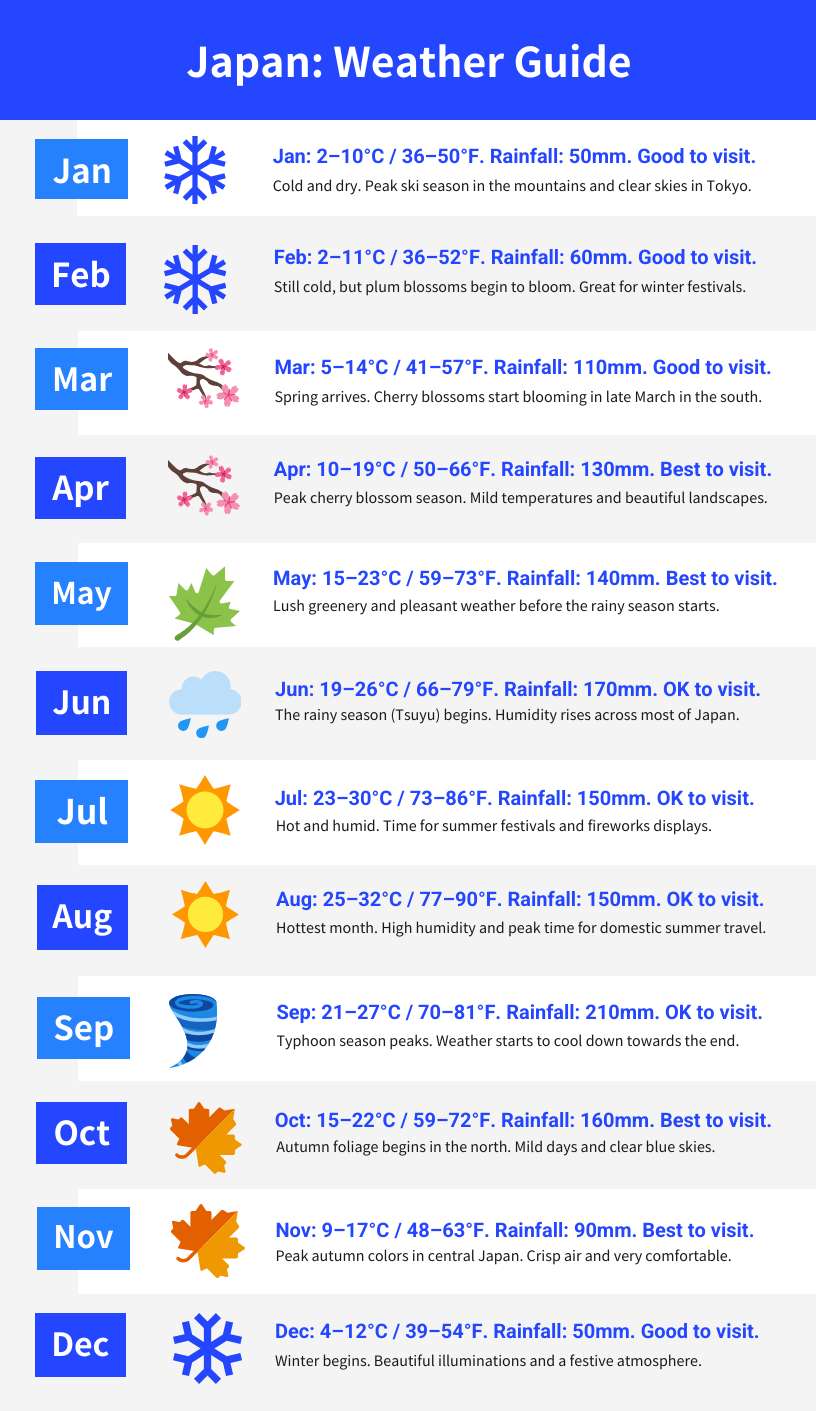
- Spring (March to May): This is a magical time as temperatures become mild and the country is painted in the delicate colours of cherry and plum blossoms. Expect cool mornings and pleasant afternoons, though weather can be unpredictable with occasional rain.
- Summer (June to August): Summers are typically hot and humid, especially in central and southern Japan. This is also the rainy season (tsuyu) for most of the country, leading to frequent downpours before the peak heat of August arrives.
- Autumn (September to November): Many consider this the best time to visit Japan. The air becomes crisp and cool, the humidity drops, and the landscapes transform with stunning red and gold foliage.
- Winter (December to February): Winters are cold and often snowy, particularly in the northern regions and mountains, making it a paradise for ski enthusiasts. Cities like Tokyo and Osaka are cold and dry, with temperatures often hovering just above freezing.
Unlock the Best Flights to Japan


Japan Weather in March: Cool, Crisp, Unpredictable
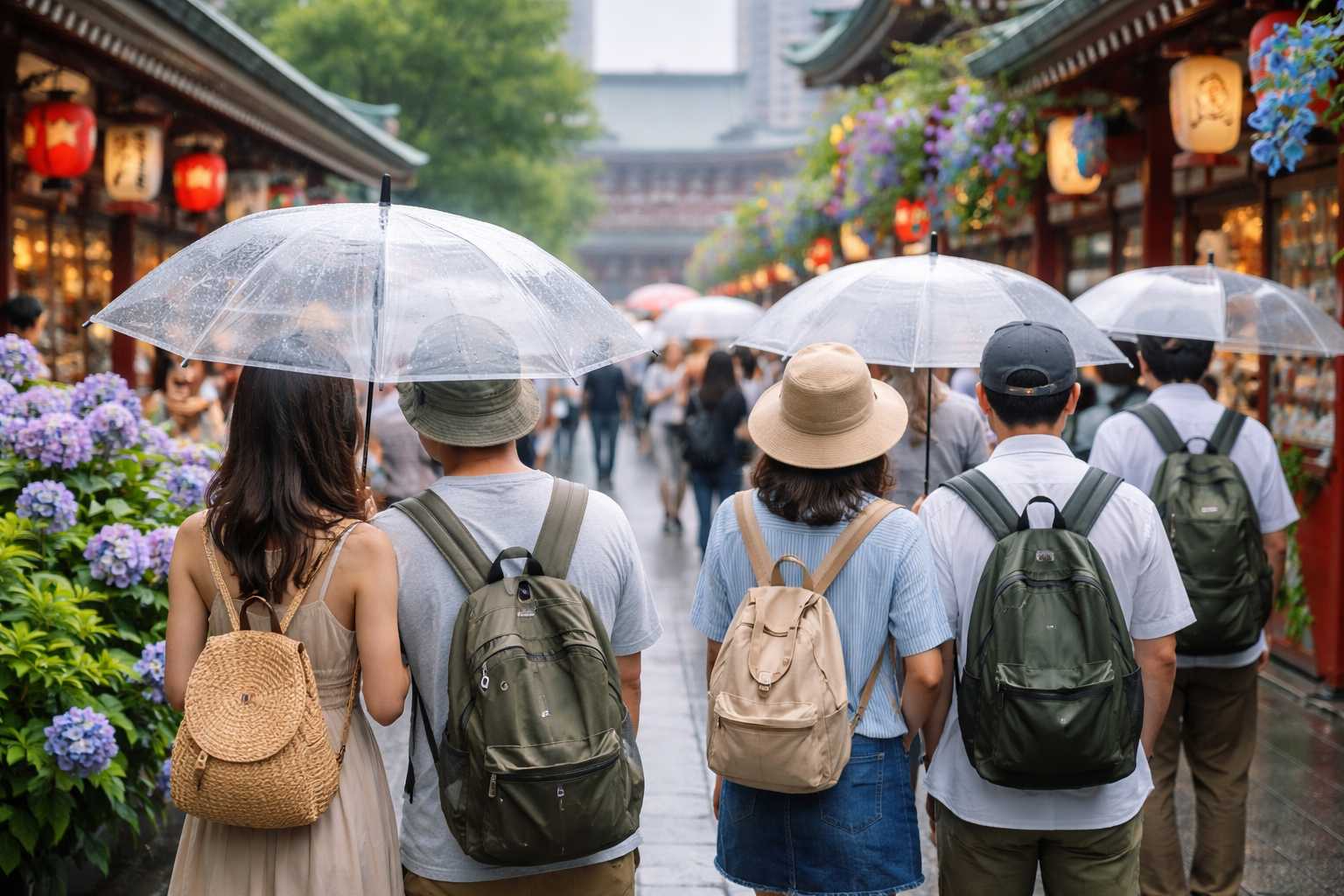
For Filipino travelers who want to escape the heat, Japan in March feels cool and refreshing. Winter is slowly ending, and the air is crisp without being too cold, which makes walking around cities and parks enjoyable. Cherry blossoms may start to appear toward the end of the month in places like Tokyo and Kyoto, but temperatures can still drop in the evening, so bringing light layers makes a big difference.
Travel Insights Table
Category | Details |
|---|---|
Season in March | Late Winter / Early Spring |
Temperature Range | 4°C–13°C / 39°F–55°F (in Tokyo/Kyoto) |
Rainfall | Low to moderate – average 117mm/month |
Humidity | Low (around 55-60%) – a dry cold |
Daylight Hours | Approximately 12 hours of daylight |
Best Things to Do | See early cherry blossoms, visit temples, enjoy hot springs (onsen) |
Festivals & Events | Early cherry blossom (sakura) festivals, Omizutori (Nara), AnimeJapan (Tokyo) |
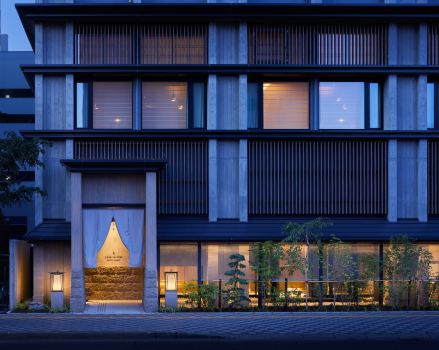
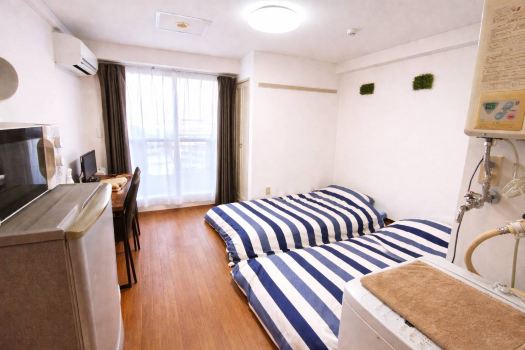
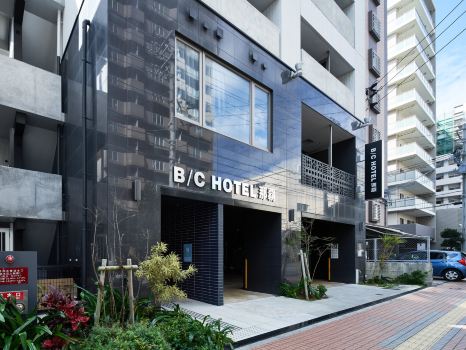
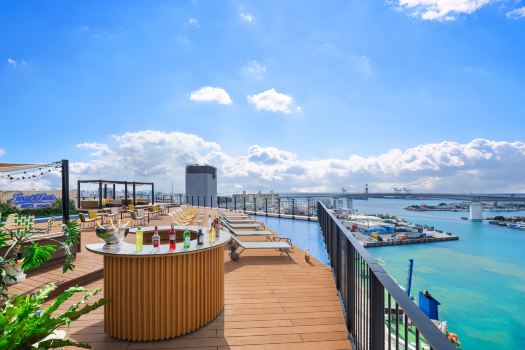
Find the Best Hotels in Japan
 NO.1
NO.1































What to Pack for a trip to Japan in March

Packing for the cool Japan temperature in March requires a different mindset than preparing for a local trip in the Philippines. The key is layering. Indoor spaces like malls, trains, and restaurants are well-heated, so you’ll want to be able to remove a layer or two to stay comfortable.
What to Pack for Japan in March
Clothing Essentials:
- Layering Pieces: Long-sleeved shirts, thermal wear (like Uniqlo's Heattech), and a few jumpers or fleece jackets.
- A Warm Outer Jacket: A medium-weight waterproof and windproof jacket is essential. It doesn’t need to be a heavy-duty winter coat, but it should protect you from wind and light rain.
- Comfortable Trousers: Jeans or thick cotton trousers are perfect.
- Comfortable Walking Shoes: You will be doing a lot of walking. Choose waterproof trainers or comfortable boots.
Weather Gear:
- Compact Umbrella: Sudden showers are common in spring.
- Scarf, Gloves, and Beanie: These are crucial for chilly mornings and evenings, especially if you get cold easily.
- Lip Balm and Moisturiser: The air is much drier than in the Philippines, so your skin will thank you.
Travel Accessories:
- Daypack: To carry your layers, water bottle, and any souvenirs you pick up.
- Power Bank: Essential for keeping your phone charged while using maps and taking photos.
- Reusable Water Bottle: Stay hydrated; tap water in Japan is safe to drink.
Pro Packing Tips:
- Pack an extra layer for the evenings. The temperature drops noticeably after the sun goes down.
- Bring easily removable shoes, as you’ll need to take them off when entering temples, some restaurants, and traditional inns (ryokans).
- Don’t overpack on toiletries; Japanese convenience stores and drugstores are famous for their high-quality products.
Recommended eSIMs Options for Japan
Planning Your March Trip to Japan

March in Japan offers a beautiful glimpse of spring, with cool, comfortable weather perfect for sightseeing. While you might catch the beginning of the iconic cherry blossom season, the best time to visit Japan truly depends on your priorities. For fewer crowds and crisp air, March is an excellent choice.
Must-Know Tips
- Weather Preparedness: Check the daily forecast before heading out. The weather can change quickly, so always carry an umbrella and an extra layer.
- Cultural & Safety Considerations: Japan is incredibly safe, but always be aware of your surroundings in crowded areas. When visiting temples and shrines, dress respectfully with shoulders and knees covered.
- Practical Planning Tips:
- Book accommodations and popular train tickets (like the Shinkansen) in advance, as travel starts to pick up for the sakura season.
- Check the cherry blossom forecast! It’s updated regularly and can help you plan which cities to visit for the best chance of seeing the blooms.
- The Japan Rail Pass can be a cost-effective option if you plan on travelling between multiple cities.
A trip to Japan in March is an unforgettable experience, offering a perfect blend of culture, nature, and pleasant weather. To find the ideal season for your travel style, you can explore our complete guide on the Best Time to Visit Japan. Whether you're searching for great hotels in Japan or the best flights to Japan, planning ahead ensures you can focus on enjoying the journey.
FAQs About Japan Weather in March
-
What should I wear in Japan in March?<br>
-
Is March a good time to visit Japan?<br>
-
Does it rain a lot in March?<br>
Trending Searches
-
Featured guides
-
Trip.com links
- Mothers Day Gifts
- eSIM
- Hong Kong International Airport
- International Driving Permit
- Toronto Pearson International Airport
- Universal Studios Singapore
- Great Wall of China
- UK ETA
- Narita International Airport
- China Currency
- Changi Airport
- Schengen Visa
- Singapore MRT Map
- France Visa
- Ninoy Aquino International Airport