Shinjuku Station Guide: Train Lines, Exits, Airport Transfers & Travel Tips
Shinjuku Station is one of Tokyo's busiest transportation hubs, connecting several railway and subway lines with major shopping districts, attractions, and nearby cities. Whether you're visiting Shibuya, catching a train to Hakone, or traveling between Tokyo and the airport, understanding Shinjuku Station can make your journey much easier.
For first-time visitors, the station can feel confusing because of its many platforms, ticket gates, and exits. This guide covers the Shinjuku Station map, train lines, airport transfers, ticket options, and useful travel tips for Filipino travelers.
Understanding the Shinjuku Station Map
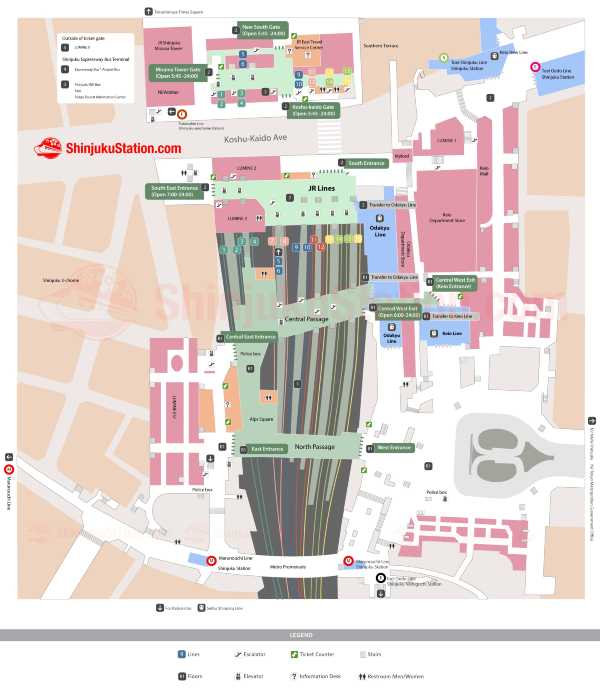
Shinjuku Station is a large railway complex served by multiple train companies. Each operator has its own platforms and ticket gates, so knowing which railway you need is more useful than simply following signs marked "Shinjuku Station."
The station connects several major transportation networks:
| Railway Operator | Main Lines | Best For |
|---|---|---|
JR East | Yamanote Line | Shibuya, Harajuku, Ikebukuro |
JR East | Chuo Rapid Line | Tokyo Station, Nakano, Tachikawa |
JR East | Chuo-Sobu Local Line | Yoyogi, Akihabara, Ochanomizu |
JR East | Saikyo Line | Ikebukuro, Shibuya, Saitama direction |
JR East | Shonan-Shinjuku Line | Yokohama and other regional destinations |
Tokyo Metro | Marunouchi Line | Tokyo Station, Ginza, Ikebukuro |
Toei Subway | Shinjuku Line | Jimbocho, Ichigaya and eastern Tokyo |
Toei Subway | Oedo Line | Roppongi, Tochomae, Yoyogi |
Odakyu Railway | Odakyu Odawara Line | Odawara, Hakone connections |
Keio Railway | Keio Line and Keio New Line | Chofu, Hachioji, Mount Takao connections |
Important: Seibu-Shinjuku Station is a separate railway station, not one of the main platforms inside the JR Shinjuku Station complex. Shinjuku-sanchome and Shinjuku-nishiguchi are also separate subway stations.
You can view the official JR East Shinjuku Station map to check platforms, ticket gates, elevators, and station facilities before traveling.


Main Train Lines at Shinjuku Station
JR Yamanote Line
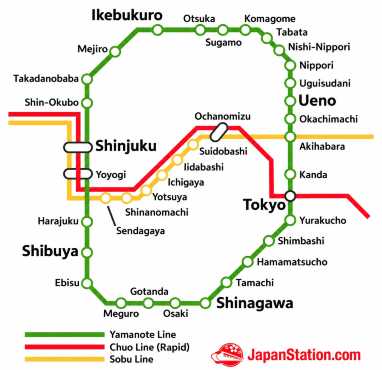
The JR Yamanote Line is one of the most useful train lines for sightseeing in Tokyo. It operates as a loop connecting major commercial and transportation districts.
Popular destinations from Shinjuku include:
- Shibuya: Shopping, restaurants, and Shibuya Crossing
- Harajuku: Takeshita Street and Meiji Jingu
- Ikebukuro: Shopping malls and entertainment
- Shinagawa: Transfers to the Tokaido Shinkansen and Haneda Airport connections
- Ueno: Museums, parks, and connections to other rail services
The Yamanote Line is especially convenient for travelers planning to visit several Tokyo neighborhoods in one day.
JR Chuo Rapid Line
The Chuo Rapid Line provides a convenient connection between Shinjuku Station and Tokyo Station.
A direct ride from Shinjuku to Tokyo Station takes approximately 14 minutes, making it one of the quickest ways to travel between the two major transport hubs.
The line is also useful for reaching areas west of central Tokyo, including Nakano, Kichijoji-area connections, and Tachikawa.
JR Chuo-Sobu Local Line
The Chuo-Sobu Local Line is helpful for reaching stations that may be skipped by rapid services.
It provides connections toward Yoyogi, Ochanomizu, and Akihabara, as well as westbound services toward Nakano and Mitaka.
Check the train's direction and destination before boarding because local and rapid services use different platforms.
JR Saikyo Line and Shonan-Shinjuku Line
These JR lines provide additional connections between Shinjuku and other parts of the greater Tokyo area.
The Saikyo Line is useful for reaching Shibuya, Ikebukuro, and destinations toward Saitama.
The Shonan-Shinjuku Line serves routes connecting the Tokyo metropolitan area with destinations such as Yokohama and stations farther north or south.
Some trains operate through-services, so always check the destination displayed on the platform.
Tokyo Metro Marunouchi Line
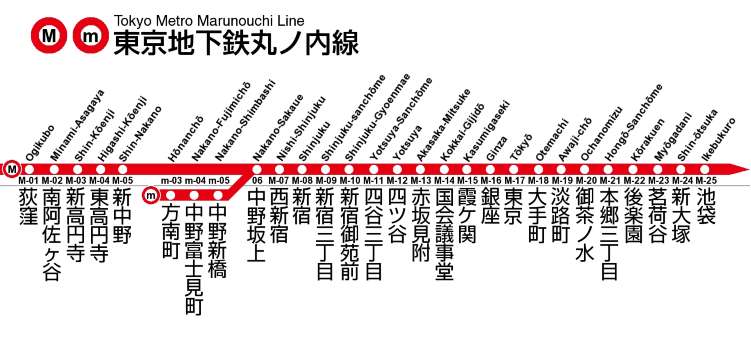
The Marunouchi Line is a subway option for traveling between Shinjuku and other central Tokyo areas.
Useful destinations include:
- Shinjuku-sanchome
- Akasaka-mitsuke
- Ginza
- Tokyo Station area
- Ikebukuro
Shinjuku Station is identified as M08 on the Tokyo Metro Marunouchi Line.
Toei Shinjuku Line and Oedo Line
Two Toei Subway lines also serve Shinjuku Station.
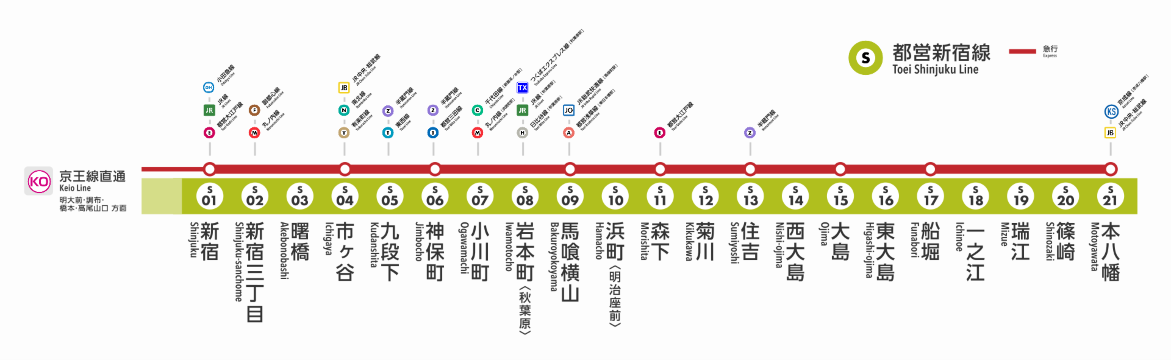
Toei Shinjuku Line (S01) connects Shinjuku with areas including Shinjuku-sanchome, Ichigaya, and Jimbocho.
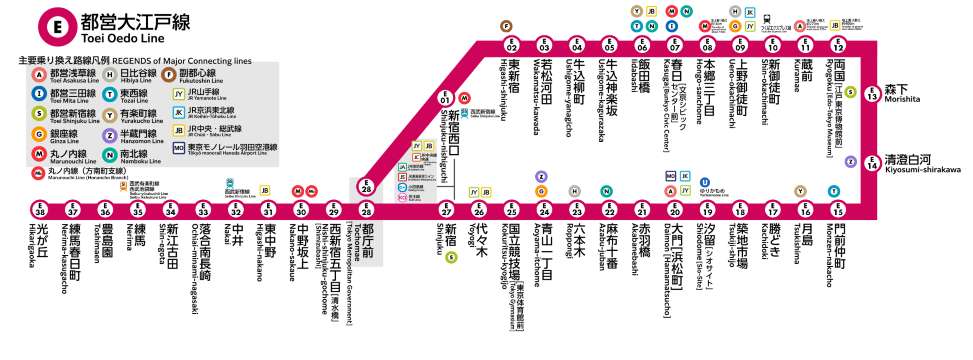
Toei Oedo Line (E27) is useful for reaching Yoyogi, Tochomae, Roppongi, and other Tokyo neighborhoods.
Follow the correct line symbols because the Toei platforms are separate from the main JR platforms.
Odakyu Railway
Odakyu Railway provides connections from Shinjuku toward western Kanagawa and the Hakone region.
One of its best-known services is the Limited Express Romancecar, which offers a direct train journey from Shinjuku to Hakone-Yumoto on selected departures.
The journey takes approximately 80 minutes, depending on the service.
Romancecar trains require a reserved limited express ticket in addition to the basic fare.
Keio Railway
Keio Railway connects Shinjuku with destinations west of Tokyo, including Chofu and the Mount Takao area.
For a Mount Takao trip, travel toward Takaosanguchi Station, using the appropriate Keio Line service and transferring when required.
This makes Shinjuku a practical starting point for a day trip outside central Tokyo.
Shinjuku Station Exit Guide
Choosing the correct Shinjuku Station exit can save considerable walking time. The station has multiple entrances, underground passages, and ticket gates, with different exits leading to different parts of the neighborhood.
Here are the main exit areas travelers should know.
| Station Exit | Best For |
|---|---|
East Exit | Kabukicho, shopping streets, entertainment |
West Exit | Skyscraper district, business hotels, Tokyo Metropolitan Government Building |
South Exit | Lumine shopping area, restaurants, south-side connections |
New South Gate | NEWoMan Shinjuku, Shinjuku Expressway Bus Terminal |
Southeast Exit | Shopping, restaurants, Shinjuku-sanchome direction |
East Exit
The East Exit is a convenient starting point for exploring Shinjuku's shopping and entertainment districts.
From this side, travelers can reach Kabukicho, department stores, restaurants, and busy streets filled with neon signs.
It is a good choice for visitors who want to experience Shinjuku's nightlife or explore its commercial areas.
West Exit
The West Exit leads toward Shinjuku's skyscraper district, where many offices, hotels, and major buildings are located.
It is useful for reaching:
- Tokyo Metropolitan Government Building
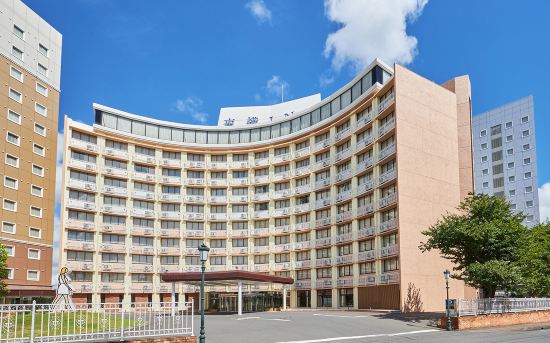
- Keio Plaza Hotel area
- Nishi-Shinjuku business district
- Electronics stores and shopping areas
Allow additional walking time if your destination is farther into the skyscraper district.
South Exit
The South Exit provides access to shopping complexes, restaurants, and streets connecting the southern side of Shinjuku.
It is also useful for travelers heading toward the Shinjuku Expressway Bus Terminal. However, the terminal is across Koshu Kaido from the main South Exit.
New South Gate
The New South Gate is especially convenient for travelers catching a highway bus.
It provides easy access to NEWoMan Shinjuku and the Shinjuku Expressway Bus Terminal, also known as Busta Shinjuku.
The bus departures area is on the fourth floor of the terminal building.
Station Tip: Shinjuku Station continues to undergo redevelopment, which can affect some walking routes and entrances. Follow the latest station signs and confirm your exit using an updated map.
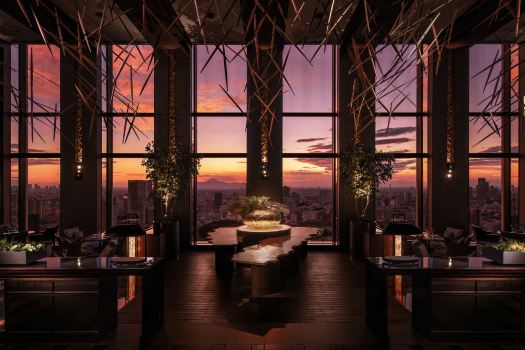
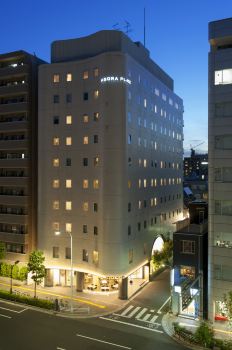
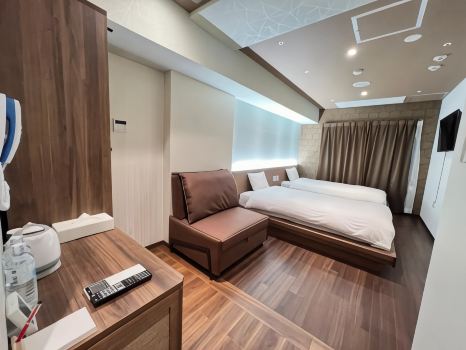
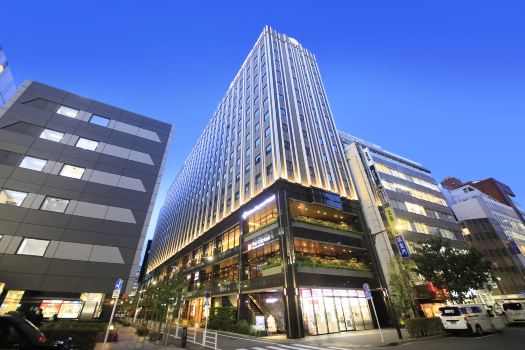
Explore the Top Places to Stay in Tokyo
 NO.1
NO.1

How to Get to Shinjuku Station
From Narita International Airport
The JR Narita Express, also called N'EX, is one of the most convenient ways to reach Shinjuku Station from Narita Airport.
It provides direct services to Shinjuku without requiring a train transfer.
Narita Express
- Travel time: Approximately 1 hour 35 minutes
- Transfers: None on direct Shinjuku services
- Departure: Narita Airport railway stations
- Arrival: JR Shinjuku Station
- Best for: Travelers with luggage who prefer a direct railway connection
Narita Express trains have luggage storage areas and reserved-seat options.
Check the official JR East Narita Express information for updated schedules and tickets.
Airport Limousine Bus
Another option is the airport limousine bus connecting Narita Airport with Shinjuku-area stops.
Travel generally takes around two hours, depending on the route and traffic conditions.
Buses can be convenient if their designated stop is close to your hotel.
✈️ Airport Tip: Check whether your flight arrives at Narita Terminal 1, 2, or 3. Allow additional time for immigration, baggage collection, and reaching the railway station or bus stop.
From Haneda Airport
Haneda Airport is closer to central Tokyo than Narita Airport and offers several convenient transport options.
Option 1: Keikyu Line and JR Yamanote Line
- Follow signs for the Keikyu Line at Haneda Airport.
- Take an appropriate Keikyu service toward Shinagawa Station.
- Transfer to the JR Yamanote Line at Shinagawa.
- Travel to Shinjuku Station.
Depending on train connections and waiting times, the journey generally takes around 45–60 minutes.
Option 2: Tokyo Monorail and JR Yamanote Line
- Board the Tokyo Monorail at Haneda Airport.
- Get off at Hamamatsucho Station.
- Transfer to the JR Yamanote Line.
- Continue to Shinjuku Station.
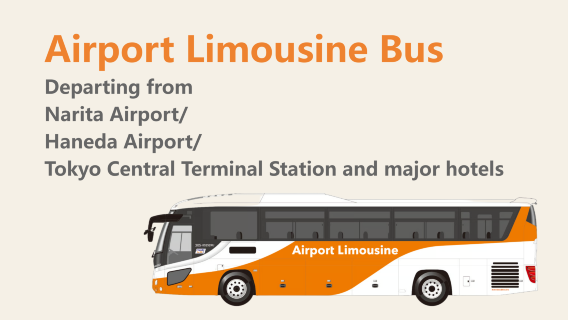
Option 3: Airport Limousine Bus
Airport limousine buses operate between Haneda Airport and selected stops in the Shinjuku area, including the expressway bus terminal on applicable services.
The official Tokyo tourism guide estimates around 55 minutes for a Haneda–Shinjuku journey, although actual bus travel times can vary with traffic.
From Tokyo Station
The JR Chuo Rapid Line offers a straightforward connection between Tokyo Station and Shinjuku Station.
- Train: JR Chuo Rapid Line
- Travel time: Approximately 14 minutes
- Transfers: None
This route is convenient for travelers arriving by Shinkansen or connecting from other railway lines at Tokyo Station.
From Shibuya Station
Take the JR Yamanote Line toward Shinjuku and Ikebukuro.
The journey typically takes around 7 minutes, making Shinjuku and Shibuya easy to visit on the same day.
Other JR services may also connect the two stations, depending on the timetable.
From Ikebukuro Station
The JR Yamanote Line connects Ikebukuro and Shinjuku directly.
The journey usually takes around 5–10 minutes.
Check the platform signs for the correct direction before boarding.

How to Transfer at Shinjuku Station
Shinjuku Station connects several railway networks, so transferring between lines may involve walking through underground passages or changing ticket gates. Here’s how to navigate the main transfers.
JR Line to Tokyo Metro
- Follow the signs: Look for Tokyo Metro or the Marunouchi Line (M08).
- Find the subway entrance: Head toward the underground Marunouchi Line platforms.
- Change ticket gates: Exit the JR gates and enter the Tokyo Metro gates using a valid ticket or IC card.
- Allow extra time: Underground passages can be busy, especially during rush hours.
JR Line to Odakyu Railway
- Follow the signs: Look for the Odakyu Line signs inside Shinjuku Station.
- Find the platforms: Follow the designated route to the Odakyu platforms and ticket gates.
- Check your tickets: Romancecar passengers need a reserved limited express ticket in addition to the basic fare.
- Confirm departure details: Check your train's platform, departure time, and reserved seat before boarding.
JR Line to Keio Railway
- Follow the signs: Look for the Keio Line directions from the JR station area.
- Locate the correct platforms: Keio services operate from separate platforms.
- Check ticket gates: Use the appropriate transfer gate or exit and re-enter when required.
- Confirm your train line: Check whether your service departs from the Keio Line or Keio New Line platforms.
JR Line to Narita Express
- Follow the signs: Look for Narita Express (N'EX) directions within the JR station.
- Check the platforms: Narita Express services generally use platforms 5 and 6 at Shinjuku Station.
- Prepare your ticket: Make sure you have the required limited express ticket or eligible rail pass.
- Confirm departure details: Check the station departure boards for the latest platform, train time, and destination.
🚆 Transfer Tip: Allow approximately 15–20 minutes for transfers between different railway operators, especially when carrying luggage. Follow the train company names and line symbols to avoid taking the wrong exit.
Shinjuku Expressway Bus Terminal
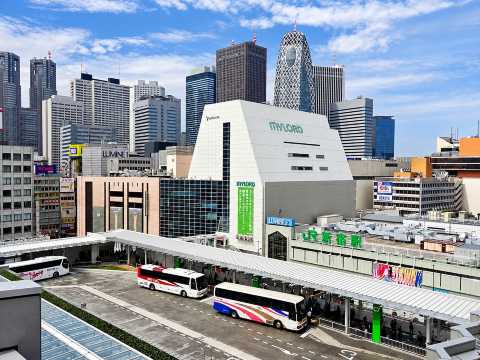
The Shinjuku Expressway Bus Terminal, commonly called Busta Shinjuku, is a major highway bus hub located on the south side of Shinjuku Station.
It serves long-distance bus routes connecting Tokyo with destinations in other regions of Japan.
Shinjuku Bus Terminal Floor Guide
| Floor | Main Facilities |
|---|---|
4F | Expressway bus departures, waiting room, ticket facilities |
3F | Expressway bus arrivals, taxi facilities |
2F | Pedestrian connections and station access |
The fourth-floor departures area includes waiting facilities, ticket services, vending machines, and other passenger amenities.
How to Reach Busta Shinjuku
From JR Shinjuku Station:
- Follow signs for the New South Gate.
- Leave through the appropriate ticket gate.
- Follow signs for the Shinjuku Expressway Bus Terminal.
- Take the escalator or elevator to the fourth-floor departures area.
- Check your bus ticket for the correct boarding point.
If you are using the South Exit, cross Koshu Kaido and follow signs toward the terminal.
Check the official Shinjuku Expressway Bus Terminal website for routes, departures, and facilities.
🚌 Bus Tip: Arrive early for highway buses, especially on weekends and public holidays. Confirm the exact boarding point and departure terminal shown on your ticket.
![Skyliner Keisei railway ticket (Tokyo airport express: Narita International Airport-Ueno/Nippori) [optional+Tokyo subway discount package]](https://ak-d.tripcdn.com/images//0580f12000qjpzexo5F36_C_568_320.jpg)
![Tokyo Metro 24/48/72-hour travel pass [Physical ticket/e-ticket/Skyliner Tokyo Airport Express/Tokyo Limousine Bus discount package available]](https://ak-d.tripcdn.com/images/0354t12000pj5wys8B52D_C_568_320.png)
![[Official Ticket] JR Tokyo Wide Area Pass 3-Day (Electronic Redemption Voucher)](https://ak-d.tripcdn.com/images//0586012000rry1wiqCBE8_C_568_320.jpg)
![Tokyo limousine bus [from Haneda Airport to various stops in the city]](https://ak-d.tripcdn.com/images/0352d12000tsu4myjF37B_C_568_320.png)
How to Buy Train Tickets at Shinjuku Station
Different train services at Shinjuku Station have different ticket requirements. For everyday sightseeing around Tokyo, rechargeable IC cards such as Suica and PASMO are among the easiest payment options.
Suica and PASMO Cards
Suica and PASMO are rechargeable IC cards accepted on most trains, subways, and buses across Tokyo.
- Check your balance: Make sure your card has sufficient funds before traveling.
- Tap to enter: Touch your card on the ticket gate reader when entering the station.
- Find your platform: Follow the signs for your train line and destination.
- Tap to exit: Touch your card again at the destination gate. The applicable fare is automatically deducted.
Single-Journey Tickets
- Find a ticket machine: Ticket machines are available near railway ticket gates.
- Select your destination: Choose the station or required fare on the machine.
- Pay for your ticket: Complete the payment using an accepted method.
- Keep your ticket: Insert it into the ticket gate when entering and again when exiting your destination station.
Limited Express Tickets
- Odakyu Romancecar: Requires a basic fare ticket or valid IC card, plus a reserved limited express ticket.
- Narita Express (N'EX): Requires the appropriate basic fare and limited express ticket, or an eligible rail pass.
- Check seat reservations: Confirm your departure time, carriage number, and seat before boarding.
- Book in advance: Reserve limited express tickets early during busy travel periods.
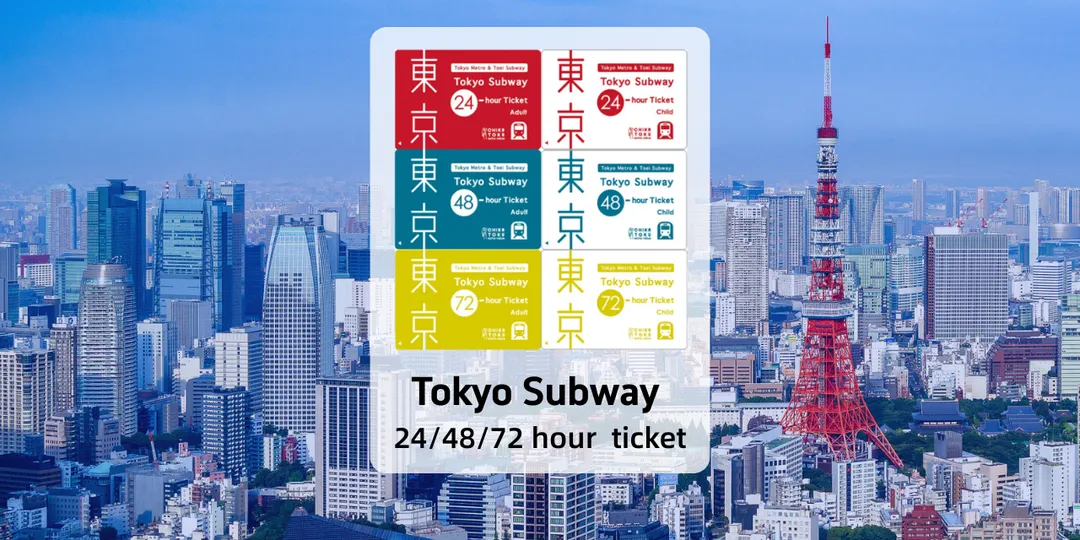
Tokyo Subway Tickets
- Choose your ticket: Tokyo Subway Tickets are available for 24, 48, or 72 consecutive hours.
- Unlimited eligible rides: Travel on Tokyo Metro and Toei Subway lines during the ticket's validity period.
- Check exclusions: These tickets do not cover JR services, including the Yamanote Line, or private railway services.
- Compare ticket options: Visit the official Tokyo Metro website for current prices, eligibility, and purchasing information.
🎫 Pro Tip: If you plan to use both JR trains and Tokyo's subway networks, a Suica or PASMO card is often more convenient than buying separate tickets. For multiple subway trips in one day, compare the Tokyo Subway Ticket with regular fares to see which option offers better value.
Luggage Storage at Shinjuku Station
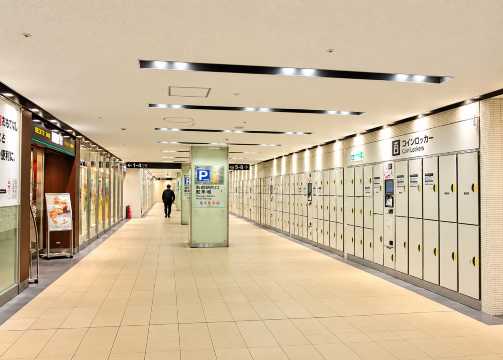
Luggage storage is useful if you arrive before hotel check-in or want to explore Shinjuku without carrying heavy bags.
Coin-operated lockers are available in different parts of the station complex.
Locker availability depends on location and luggage size. Large lockers may fill quickly during peak travel periods.
When using a locker:
- Check whether your suitcase fits before paying.
- Confirm the storage fee and payment method.
- Save the locker location or take a photo of the nearby signs.
- Note any access-hour restrictions.
- Collect your bags before the permitted storage period ends.
Some nearby businesses also offer luggage storage services.
🧳 Pro Tip: If you are staying overnight in Shinjuku, ask your hotel whether it can store your luggage before check-in or after check-out. This may be more convenient than searching for a large station locker.
Things to Do Near Shinjuku Station
Shinjuku is not just a railway hub. Its surrounding streets offer shopping, food, entertainment, gardens, and city views.
1. Tokyo Metropolitan Government Building
The Tokyo Metropolitan Government Building is a well-known landmark in Nishi-Shinjuku.
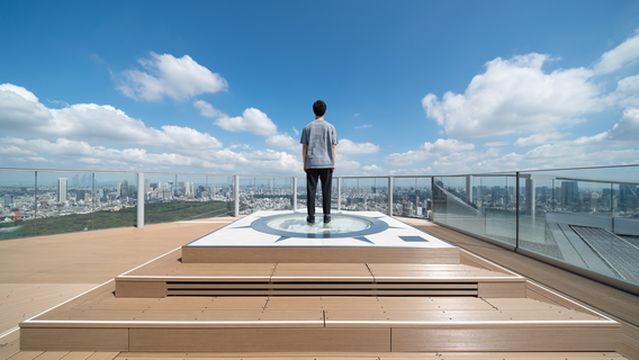
Its observation decks offer panoramic views over the city, subject to opening schedules and operational conditions.
Use the West Exit area and follow signs toward the government district.
2. Shinjuku Gyoen National Garden
Shinjuku Gyoen is a spacious garden known for landscaped grounds, seasonal flowers, and cherry blossoms.
It provides a quieter atmosphere compared with the busy streets surrounding the station.
The garden is within walking distance of Shinjuku Station, although walking time depends on your exit and the garden entrance you choose.
3. Kabukicho
Kabukicho is Shinjuku's famous entertainment district, featuring restaurants, hotels, illuminated streets, and nightlife venues.
The East Exit is a convenient starting point for reaching this area.
4. Omoide Yokocho
Omoide Yokocho is a collection of narrow lanes near the western side of Shinjuku Station.
The area is known for its small restaurants and traditional atmosphere.
It is an interesting stop for travelers who want to experience a different side of Tokyo's dining culture.
5. Shopping Around Shinjuku Station
Shopping complexes and department stores are located around several station exits.
Popular options include:
- Lumine shopping complexes
- NEWoMan Shinjuku
- Isetan Shinjuku
- Takashimaya Times Square
- Electronics and specialty stores around the station
You can easily combine shopping with sightseeing because many destinations are within walking distance.




Hotels Near Shinjuku Station
Staying near Shinjuku Station makes it easier to explore Tokyo, catch airport transfers, and take day trips to nearby destinations. Several hotels are within walking distance of the station, offering options for different budgets and travel styles.
| Hotel | Best For | Highlights |
|---|---|---|
First-time visitors | Near the South Exit, with convenient airport bus access, restaurants, and luggage storage | |
Couples and sightseeing | Near the South Exit, with Japanese-style dining and comfortable accommodation | |
Luxury and family trips | High-rise accommodation with multiple restaurants, fitness facilities, and city views | |
Shopping and nightlife | Connected to Seibu-Shinjuku Station and close to Kabukicho and shopping streets | |
Entertainment and sightseeing | Located in Kabukicho, famous for its Godzilla landmark and nearby restaurants |
When choosing a hotel, check its walking distance from the station entrance you plan to use. Shinjuku Station is large, and hotels on different sides of the complex may require longer walks than expected.
Secure Your Stay near Shinjuku Station
5 star
Family friendly
Hot spring
Gym
Swimming pool
Breakfast
Tips for Navigating Shinjuku Station
Shinjuku Station is much easier to navigate when you know your route in advance.
- Check your railway operator: Confirm whether your train uses JR East, Tokyo Metro, Toei, Odakyu, or Keio platforms.
- Choose the correct exit: The East, West, South, and New South areas lead to different neighborhoods.
- Avoid peak commuting hours: Trains and passageways can become crowded on weekday mornings and evenings.
- Allow additional transfer time: Large station corridors, escalators, and ticket gates may require more walking than expected.
- Use a transportation IC card: Suica or PASMO can simplify payment on many eligible railway and subway services.
- Check the last train: Most regular train services do not operate throughout the night.
- Follow updated station signs: Redevelopment work may change certain walking routes or entrances.
FAQs About Shinjuku Station
-
Is Shinjuku Station open 24 hours?
-
Can I walk from the East Exit to the West Exit without buying a train ticket?
-
What should I do if I lose something at Shinjuku Station?
-
Is Shinjuku Station wheelchair and stroller accessible?
-
Where can tourists get help at Shinjuku Station?