Japan Weather Guide: Best Time to Visit & Seasonal Overview
Japan weather changes a lot by season and destination, so Filipino travelers should plan clothes, routes, and activities carefully. Spring and autumn are comfortable for sightseeing, summer can be hot and rainy, and winter can bring snow in northern areas. This guide helps you choose the best time to visit Japan.
What Is the Weather Like in Japan?
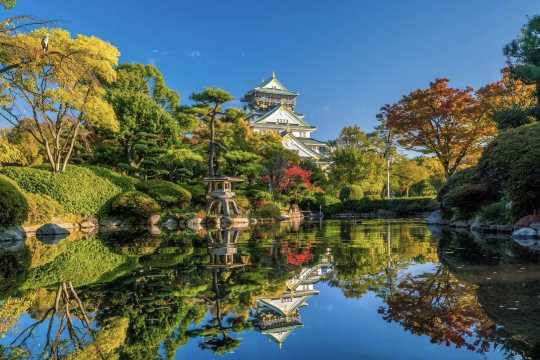
Japan has four clear seasons: spring, summer, autumn, and winter. The weather can feel very different depending on where you go. Tokyo, Osaka, and Kyoto usually have hot summers and cool winters, while Hokkaido has colder weather and heavy snow. Okinawa is warmer and feels more tropical.
For Filipino travelers, Japan can feel very different from the Philippines because the temperature changes a lot throughout the year. You may need a light jacket in spring, breathable clothes in summer, layered outfits in autumn, and a thick coat in winter.
| Season | Months | Weather Summary | Best For |
|---|---|---|---|
Spring | March to May | Mild weather, cherry blossoms, cool mornings | Sakura trips, parks, city tours |
Summer | June to August | Rainy season, hot days, humid weather | Festivals, Mount Fuji, family trips |
Autumn | September to November | Cooler weather, autumn leaves, possible typhoons early in the season | Foliage, food trips, sightseeing |
Winter | December to February | Cold weather, snow in northern and mountain areas | Ski trips, hot springs, winter lights |
Unlock the Best Flights to Japan


Japan Weather by Season
Spring in Japan: March to May
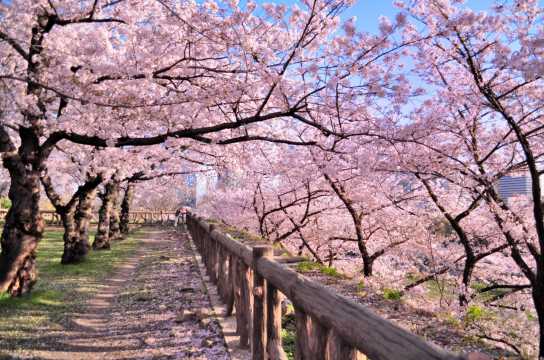
Spring is one of the best times to visit Japan. The weather is usually cool and comfortable, making it great for walking tours, parks, temples, and outdoor photos. Cherry blossoms are also the biggest highlight of this season.
What to expect:
- Cool mornings and evenings
- Mild daytime weather
- Cherry blossoms in many cities
- More tourists in popular spots
- Higher hotel and flight prices during sakura season
Best places to visit: Tokyo, Kyoto, Osaka, Nara, Fukuoka, Hiroshima, and Mount Fuji areas.
Cherry blossoms usually bloom earlier in southern Japan and later in northern Japan. In popular cities like Tokyo, Kyoto, and Osaka, sakura season is often around late March to early April. In Hokkaido, it can be around late April to May.
Rainy Season in Japan: Early June to Mid-July
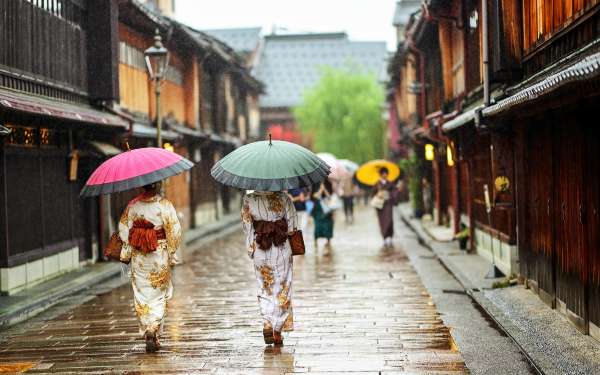
Japan’s rainy season is called tsuyu. It usually happens from early June to mid-July in many parts of Japan, especially Tokyo, Kyoto, Osaka, and Fukuoka. Hokkaido does not have the same strong rainy season as other areas.
Rainy season does not mean it rains the whole day every day. Some days may be cloudy, while others may have light or heavy rain. It is still possible to travel, but you should prepare indoor backup plans.
What to expect:
- Cloudy skies
- Light to heavy rain
- Humid weather
- Wet streets and slippery paths
- Fewer crowds compared to sakura season
- Cheaper hotels in some areas
Best things to do: Visit museums, shopping malls, cafes, indoor theme parks, aquariums, temples with covered areas, and onsen towns.
Travel tip: Bring a small umbrella, waterproof shoes, and a light jacket. Keep your itinerary flexible in case outdoor attractions are affected by rain.
Summer in Japan: June to August
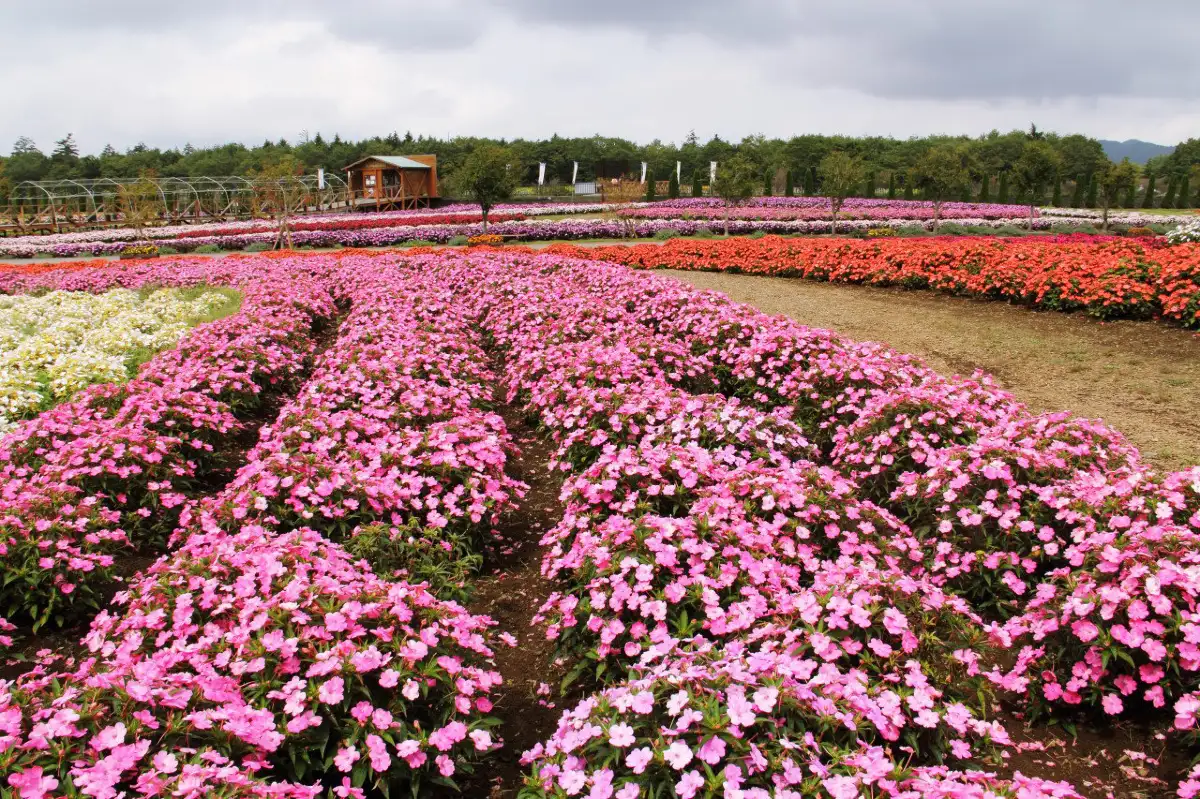
Summer in Japan can feel very hot and humid, especially in Tokyo, Osaka, Kyoto, Nagoya, and Fukuoka. For Filipino travelers, the heat may feel familiar, but Japan’s summer can still be tiring because city sightseeing usually involves a lot of walking.
July to early September is popular for festivals, fireworks, theme parks, and Mount Fuji climbing season, as the official Mount Fuji climbing season usually runs from July to around September 10.
What to expect:
- Hot afternoons
- High humidity
- Sudden rain showers
- Busy tourist spots during school holidays
- Festivals and fireworks events
- Possible typhoon effects later in summer
Best things to do: Visit summer festivals, enjoy fireworks, explore Hokkaido, go to theme parks early, visit aquariums, and plan indoor breaks during the hottest part of the day.
Travel tip: Drink water often, bring a portable fan, use sunscreen, and avoid long outdoor walks at noon.
Autumn in Japan: September to November
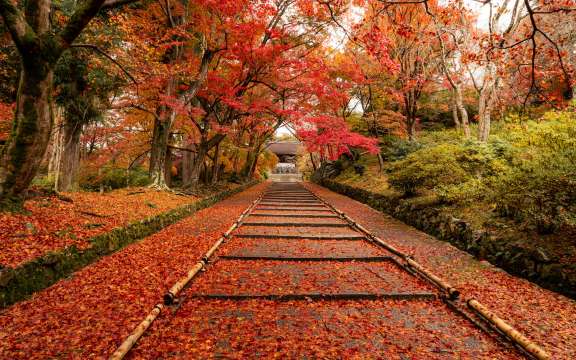
Autumn is another excellent time to visit Japan. The weather becomes cooler, and the autumn leaves make parks, temples, mountains, and gardens look beautiful. Many travelers visit Japan during this season for comfortable sightseeing and scenic photos.
September can still feel warm and may be affected by typhoons. October and November are usually better for cooler weather and autumn colors.
What to expect:
- Cooler weather from October onward
- Autumn leaves in many areas
- Comfortable walking conditions
- Possible typhoons in September
- Crowds in famous foliage spots
- Good weather for city tours and day trips
Best places to visit: Kyoto, Tokyo, Nikko, Hakone, Osaka, Nara, Kawaguchiko, Sapporo, and Takayama.
Travel tip: Bring a light jacket or cardigan. If visiting mountain areas, prepare warmer clothes because temperatures can drop quickly.
Winter in Japan: December to February
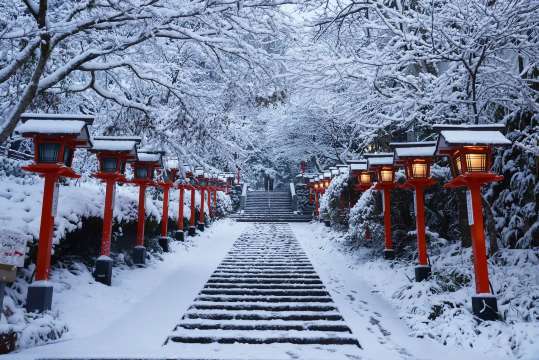
Winter in Japan can be very cold, especially for Filipino travelers who are not used to low temperatures. Tokyo, Osaka, and Kyoto are cold but often manageable with proper winter clothes. Hokkaido, Tohoku, Nagano, Niigata, and mountain areas can have heavy snow.
Winter is great for snow trips, skiing, hot springs, winter illuminations, and clear views of Mount Fuji. Okinawa is a good option if you prefer milder winter weather.
What to expect:
- Cold mornings and nights
- Snow in northern and mountain areas
- Dry weather in many Pacific-side cities
- Beautiful winter lights
- Great ski and onsen season
- Higher prices during Christmas, New Year, and ski season
Best places to visit: Sapporo, Niseko, Hakuba, Nagano, Shirakawa-go, Tokyo, Osaka, Kyoto, and Okinawa.
Travel tip: Bring thermal wear, a thick jacket, gloves, scarf, and comfortable shoes. If you are visiting snowy areas, choose shoes with good grip.
Japan Weather by Month
Month | Weather Guide | Travel Tip |
|---|---|---|
January | Very cold in many areas, snowy in Hokkaido and mountain regions | Best for skiing, snow festivals, and hot springs |
February | Cold weather continues, with snow in northern Japan | Great for winter trips and fewer crowds in some cities |
March | Weather starts to warm up, but mornings can still be cold | Bring layers and check cherry blossom forecasts |
April | Mild and comfortable, with cherry blossoms in many cities | Book hotels early because sakura season is busy |
May | Pleasant weather, warmer days, and less cold evenings | Good for parks, day trips, and outdoor sightseeing |
June | Rainy season begins in many parts of Japan | Bring an umbrella and plan indoor backup activities |
July | Hot, humid, and rainy early in the month, then summer heat increases | Drink water often and avoid long walks at noon |
August | Very hot and humid, with possible typhoons | Plan indoor breaks and check weather updates daily |
September | Still warm, with possible typhoons and rain | Keep your itinerary flexible, especially for flights and trains |
October | Cooler and more comfortable, autumn leaves start in some areas | Good for sightseeing, food trips, and outdoor photos |
November | Cool weather and beautiful autumn leaves in many cities | Bring a jacket and book popular foliage spots early |
December | Cold weather begins, with winter lights and snow in northern areas | Great for Christmas lights, onsen, and winter trips |
Japan Weather by Popular Destination
Destination | Weather Style | Best Time to Visit |
|---|---|---|
Tokyo | Hot summers, cool winters, mild spring and autumn | March to May, October to November |
Osaka | Similar to Tokyo but can feel hotter in summer | March to May, October to November |
Kyoto | Hot and humid in summer, cold in winter | March to April, October to November |
Sapporo | Cool summers and snowy winters | February for snow, July to August for mild weather |
Fukuoka | Mild winter, hot summer, rainy season in June | March to May, October to November |
Okinawa | Warm, tropical, and humid | March to May, October to November |
Mount Fuji Area | Cooler than Tokyo, cold in winter | April to May, October to November |
Nagano | Cool mountain weather and snowy winters | December to February for skiing, October for autumn colors |
Best Time to Visit Japan
The best time to visit Japan depends on what kind of trip you want. If this is your first time, spring and autumn are usually the easiest seasons because the weather is comfortable and sightseeing is more enjoyable.
Best for Cherry Blossoms: Late March to Early April
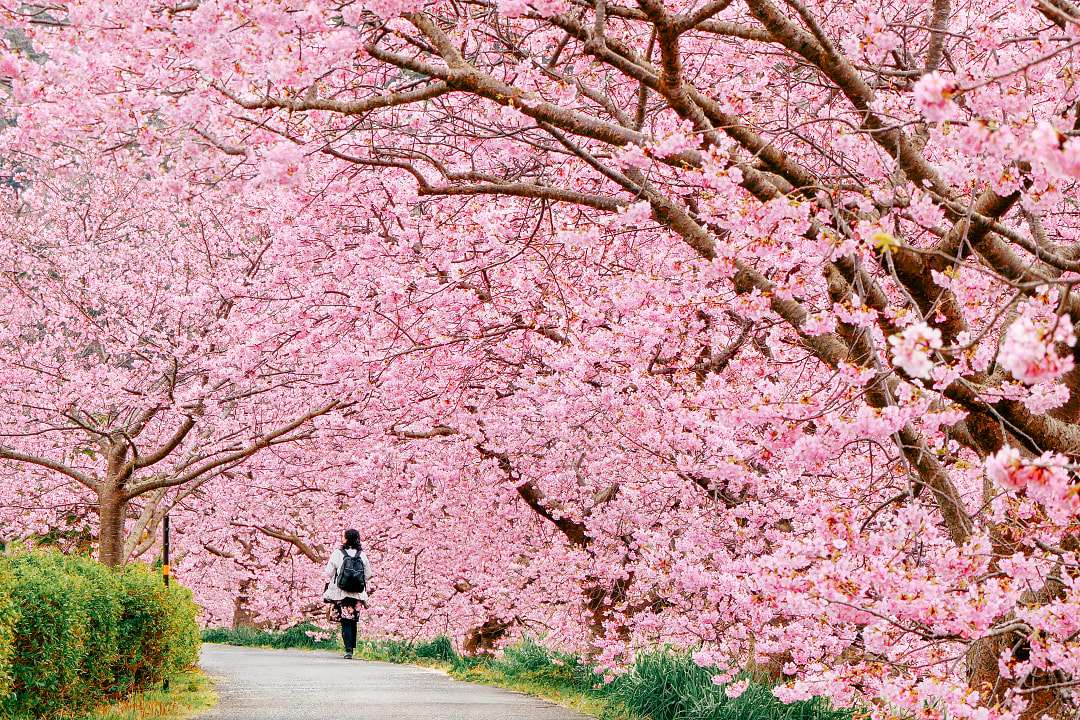
This is one of Japan’s most famous travel periods. Tokyo, Kyoto, Osaka, and Nara are popular during this time because parks, riversides, temples, and streets become full of sakura views.
Best for:
- First-time travelers
- Couples
- Family photos
- Parks and gardens
- Temple visits
- Walking tours
Travel tip: Flights and hotels can be expensive during sakura season, so book early.
Best for Autumn Leaves: October to November
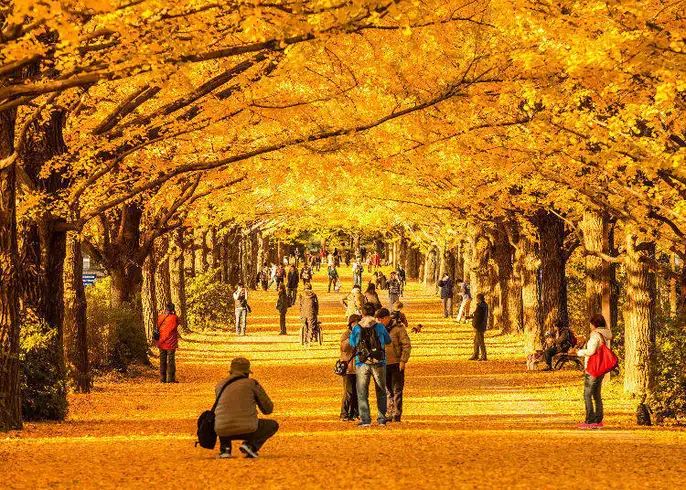
Autumn is a great season for Filipino travelers who want cooler weather without heavy winter clothes. The colors are beautiful, especially in Kyoto, Nikko, Hakone, Nara, and Mount Fuji areas.
Best for:
- Scenic photos
- Food trips
- Day tours
- Temple visits
- Nature parks
- Comfortable walking
Travel tip: Popular autumn spots can get crowded, especially on weekends.
Best for Snow and Winter Trips: December to February
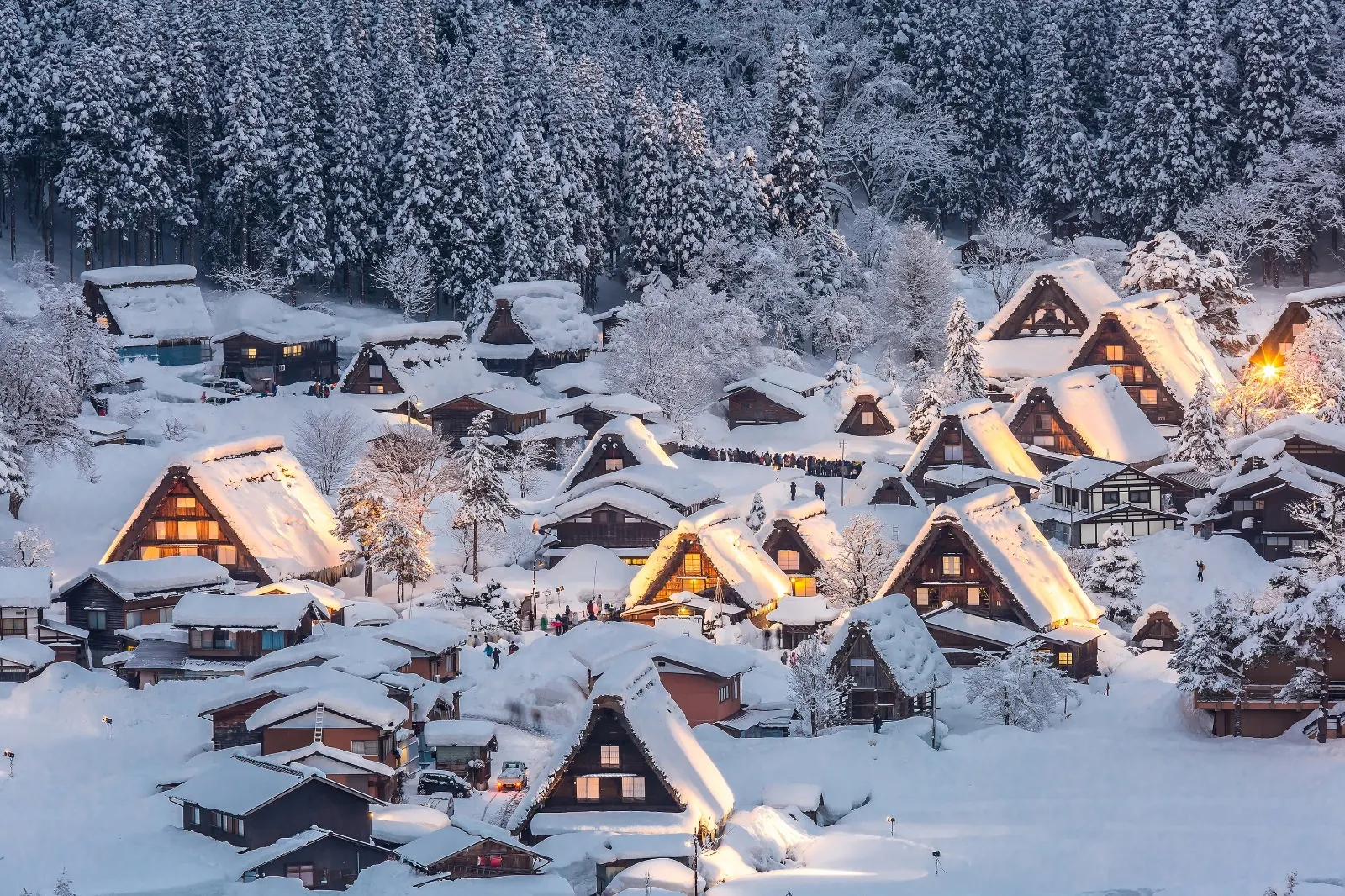
Winter is perfect if you want to see snow, try skiing, enjoy hot springs, or visit winter illuminations. Hokkaido, Nagano, Niigata, and Tohoku are some of the best areas for snow.
Best for:
- Skiing
- Snowboarding
- Onsen
- Winter lights
- Snow festivals
- Family winter trips
Travel tip: Bring proper winter clothes. Snowy areas can be slippery, so wear shoes with good grip.
Best for Budget Travelers: June and Early December
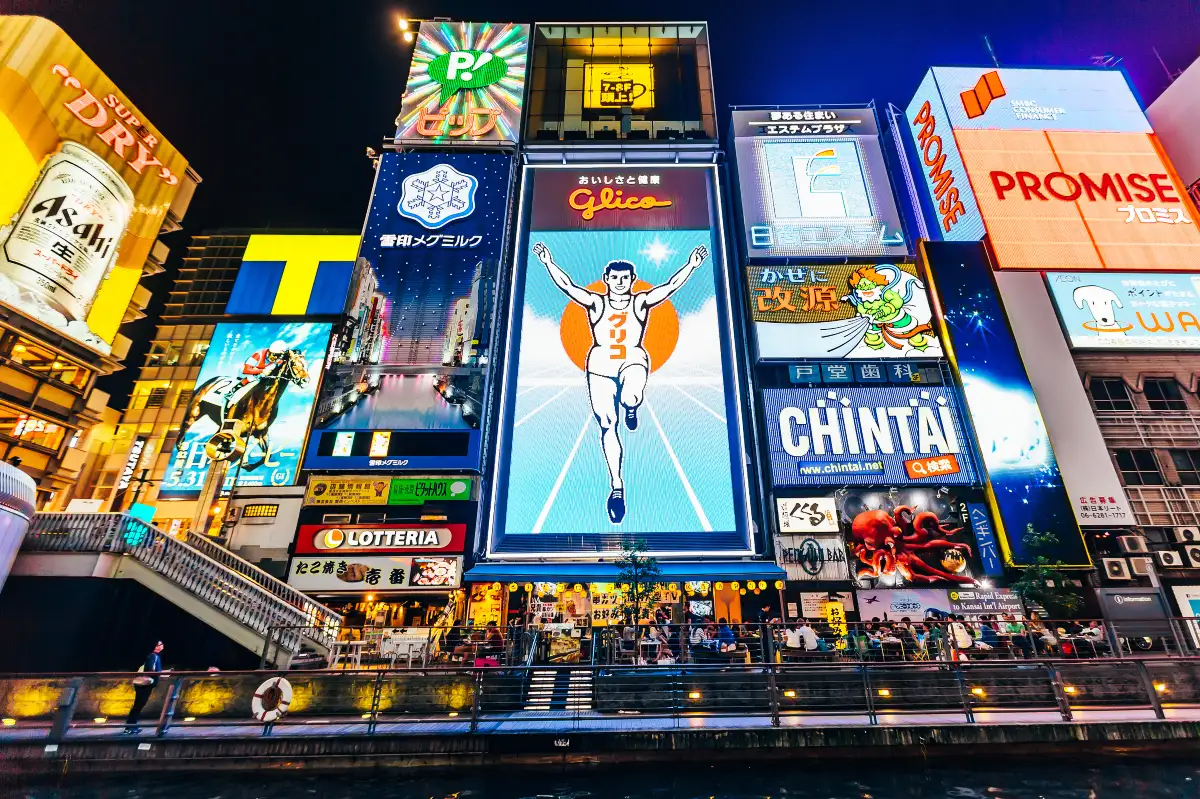
June is rainy in many areas, but hotel prices may be lower than peak spring and autumn periods. Early December can also be a good time because autumn crowds are lower, and winter holiday prices may not be at their highest yet.
Best for:
- Flexible travelers
- Indoor attractions
- Shopping
- Food trips
- Museums
- Lower hotel prices
Travel tip: Avoid booking too close to Christmas and New Year if you want lower prices.
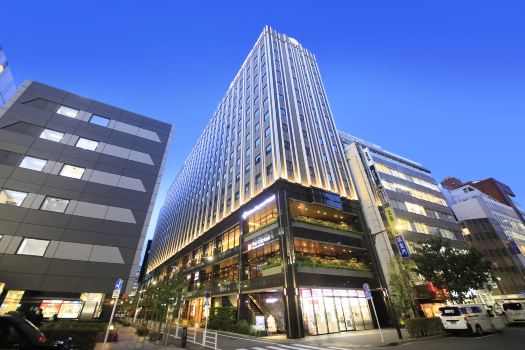
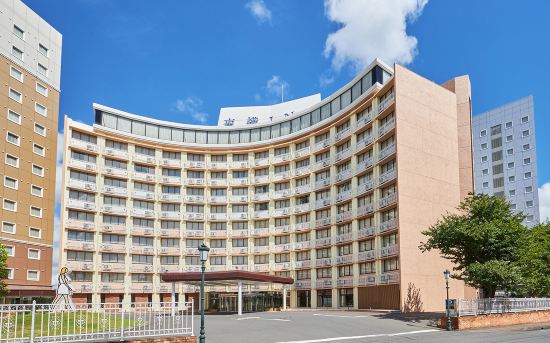
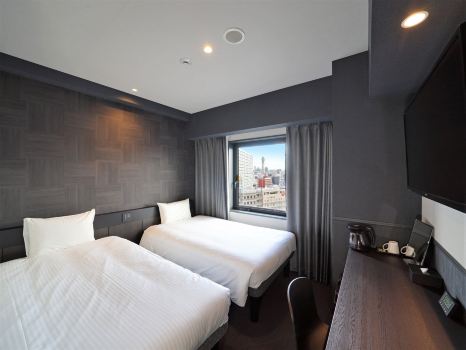
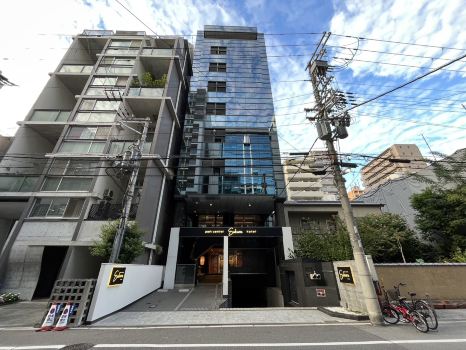
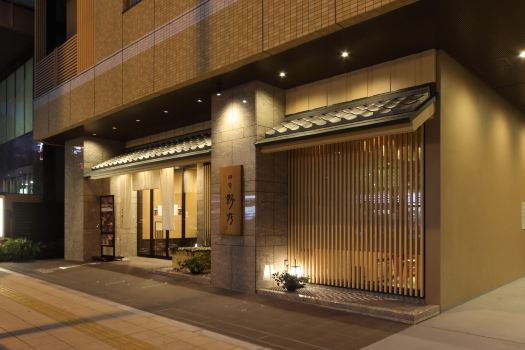
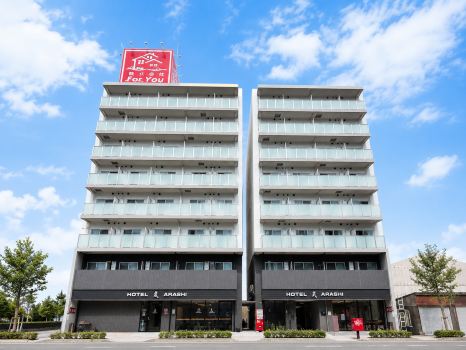
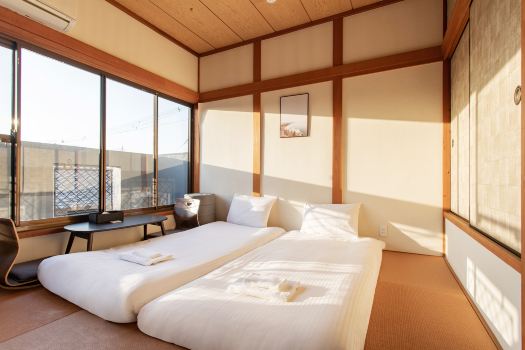
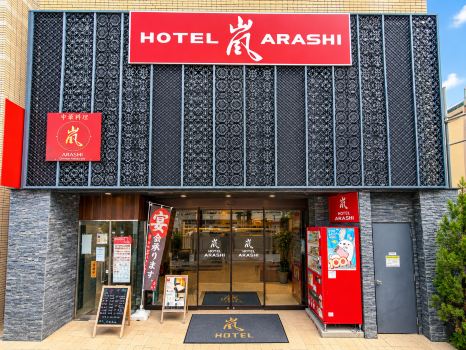
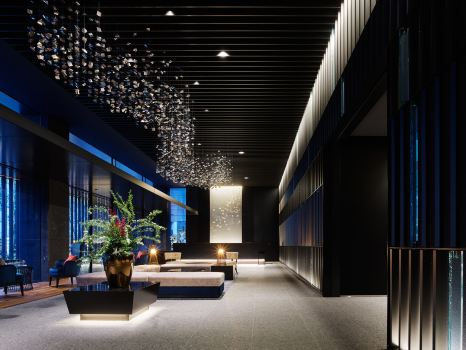
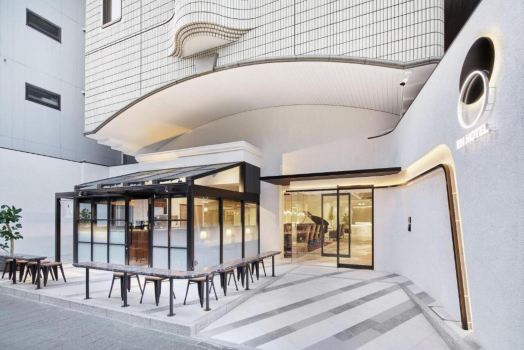
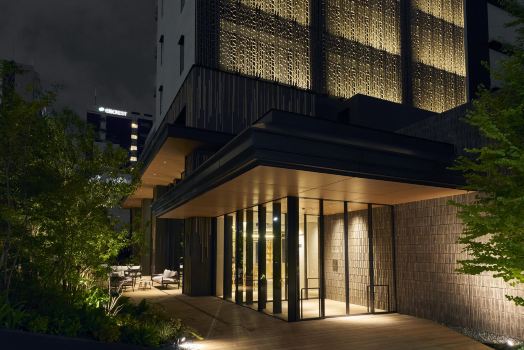
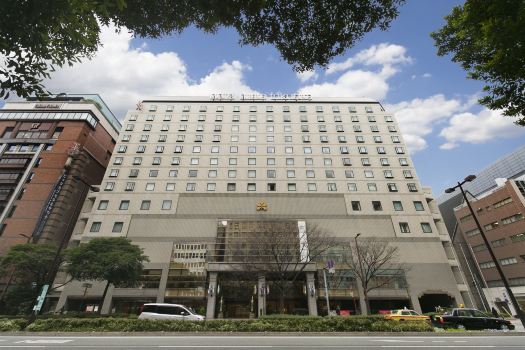
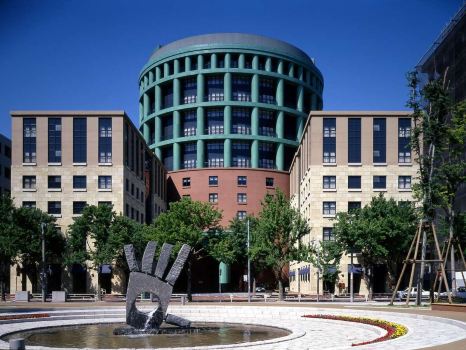
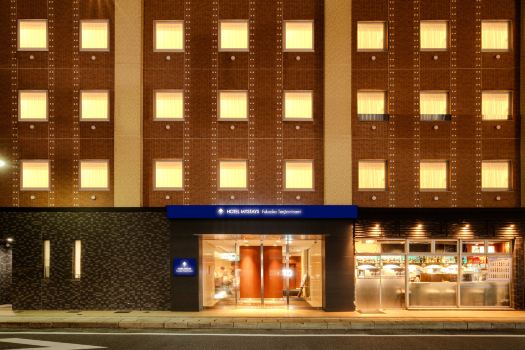
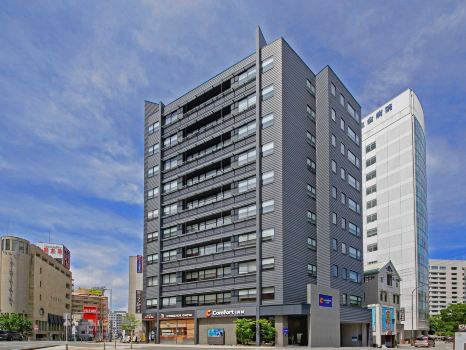
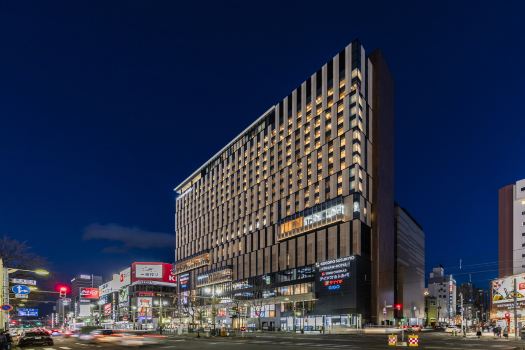
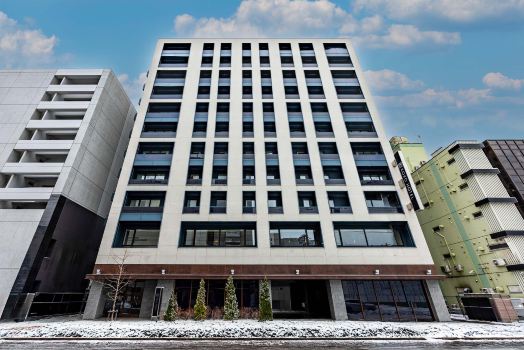
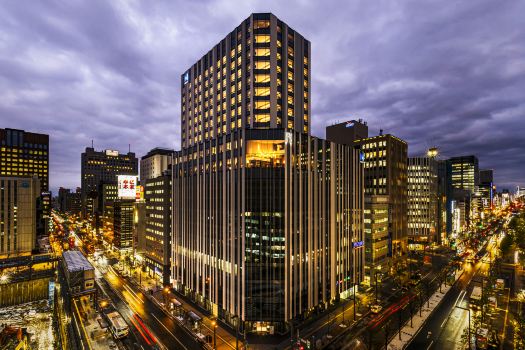
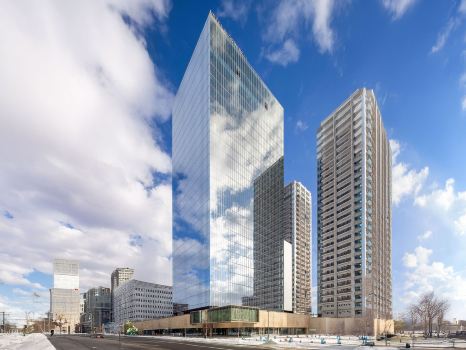
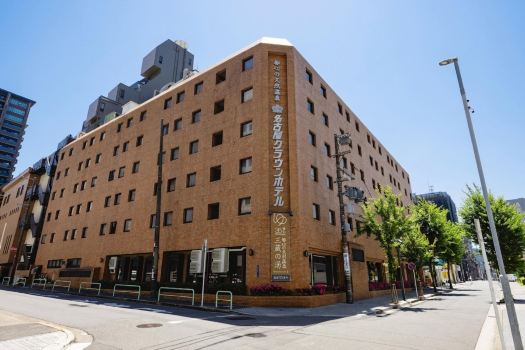
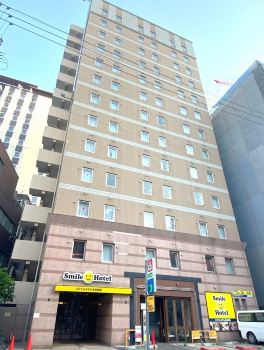
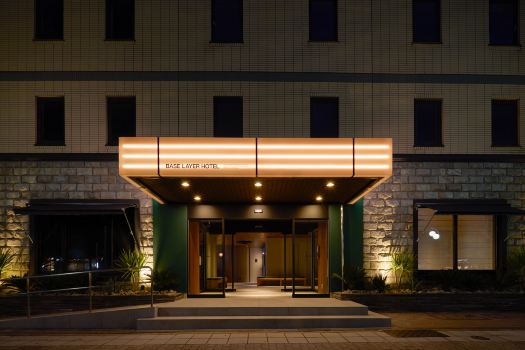
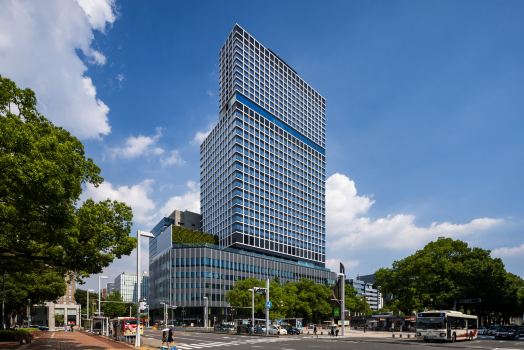
Find the Best Hotels in Japan
 NO.1
NO.1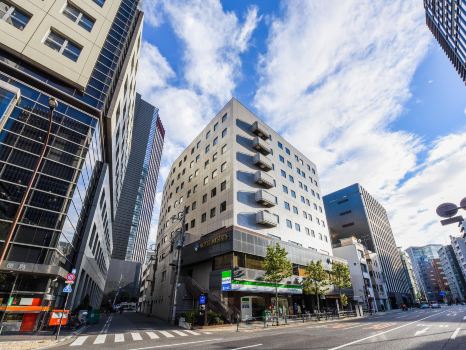

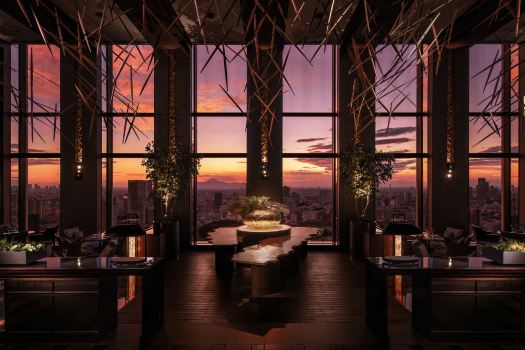
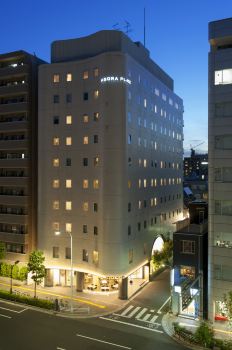
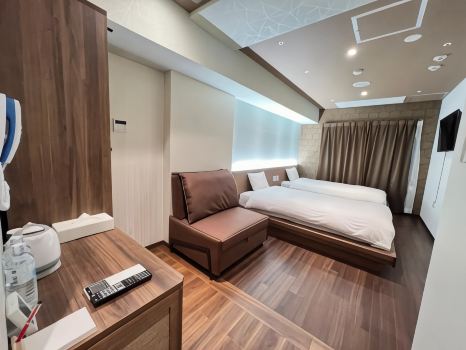








What to Wear in Japan
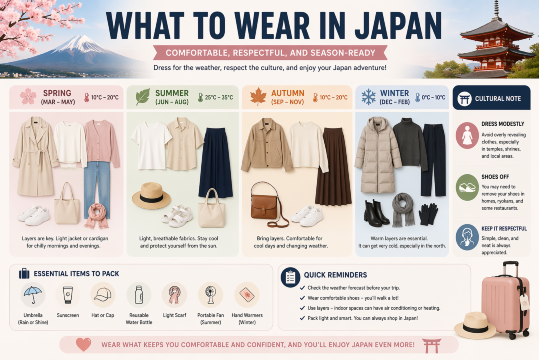
Japan outfits depend heavily on the season. Always check the weather forecast before your trip because temperatures can change quickly, especially in spring and autumn.
Spring Outfit Tips
Bring:
- Light jacket
- Cardigan or sweater
- Long pants or jeans
- Comfortable walking shoes
- Small umbrella
- Light scarf for cold mornings
Summer Outfit Tips
Bring:
- Light shirts
- Breathable clothes
- Shorts, skirts, or light pants
- Sunscreen
- Sunglasses
- Portable fan
- Refillable water bottle
- Umbrella or raincoat
Autumn Outfit Tips
Bring:
- Light jacket
- Sweater or hoodie
- Long pants
- Comfortable walking shoes
- Scarf for colder nights
- Small umbrella
Winter Outfit Tips
Bring:
- Thick coat
- Thermal innerwear
- Sweater
- Gloves
- Scarf
- Beanie
- Warm socks
- Shoes with good grip for snowy areas
Japan Rainy Season and Typhoon Tips
Japan’s rainy season usually happens from early June to mid-July in many areas. Typhoon season can affect travel from summer to early autumn, with August and September often needing extra attention.
Here are simple tips for Filipino travelers:
- Check the weather forecast every morning
- Bring a small umbrella or raincoat
- Use waterproof shoes during rainy days
- Avoid mountain hikes during heavy rain
- Keep indoor attractions as backup plans
- Allow extra time for train or flight delays
- Follow hotel, airport, and railway announcements
- Download safety and weather apps before your trip
Stay Ahead with a Weather App
Japan weather can change quickly, especially during rainy season, typhoon season, winter snow trips, and outdoor sightseeing. These apps can help Filipino travelers check weather alerts, emergency updates, flight changes, and travel plans more easily.
Safety Tips: Sends earthquake, tsunami, weather, and emergency warnings for travelers in Japan.
NHK WORLD-JAPAN: Helpful for English news, weather updates, disaster alerts, and emergency information.
Trip.com: Useful for checking flights, hotels, attractions, bookings, airport transfers, and travel plans in one app.
Recommended eSIMs Options for Japan
Best Things to Do in Japan by Weather
Weather | Best Things to Do |
|---|---|
Sunny and mild | Parks, temples, city tours, day trips, Mount Fuji views |
Rainy | Museums, malls, aquariums, cafes, indoor theme parks |
Hot and humid | Morning sightseeing, shopping, hotel breaks, evening food trips |
Cold and dry | Winter lights, city walks, hot drinks, indoor attractions |
Snowy | Ski resorts, snow festivals, onsen, winter photos |
Windy or typhoon weather | Stay indoors, follow local updates, avoid coastal and mountain areas |
Japan Travel Tips Filipinos Must Know
Before flying to Japan, Filipino travelers should prepare travel documents, weather essentials, and basic trip items. These can help make airport checks, train travel, sightseeing, and seasonal weather changes much smoother.
Must know before your trip:
- Check your Japan visa requirements early before booking your trip.
- Register your eTravel Philippines within 3 days or 72 hours before departure from or arrival in the Philippines.
- Make sure your passport is valid for the full duration of your stay in Japan. If you are applying for a Japan visa through an agency, check their passport validity rules because some may ask for at least 6 months validity.
- Prepare your return ticket, hotel booking, travel itinerary, and enough travel funds.
- Download the Safety tips app to receive earthquake, tsunami, weather, and emergency alerts in Japan.
- Check the weather daily, especially during rainy season, typhoon season, winter, and snow trips.
- Bring a small umbrella or raincoat if traveling from June to mid-July.
- Pack light clothes for summer, but bring a jacket for spring, autumn, and winter.
- Wear comfortable shoes because Japan trips usually involve a lot of walking.
- Bring Japanese yen cash for small shops, temples, lockers, buses, and local restaurants.
- Save your hotel address in English and Japanese before going out.
- Book hotels near train stations to save time, especially during rainy or cold weather.
- Prepare a travel adapter if your device plug does not fit Japan sockets.
- Keep indoor attractions as backup plans during heavy rain, snow, or strong winds.
- Buy travel insurance, especially if visiting during winter, typhoon season, or traveling with family.
FAQs: Japan Weather
-
What is the best month to visit Japan?
-
Is Japan very hot in summer?
-
When can I see snow in Japan?
-
Is autumn a good time to visit Japan?
-
Do Filipinos need a visa to visit Japan?