

Fuel Surcharge: What It Is and Why You Pay It

Ever book a flight and notice an extra fee added at checkout? That’s a fuel surcharge. Airlines add this when fuel prices go up, so your ticket becomes more expensive even if the base fare looks cheap. In this guide, you’ll understand why it happens and simple ways to reduce or avoid paying more.
What is Fuel Surcharge Exactly?
A fuel surcharge is an extra fee added to your flight ticket when fuel prices go up. It’s not part of the base fare or government taxes. In the Philippines, this charge is regulated by the Civil Aeronautics Board and can change every month depending on fuel prices, which is why your total ticket price may go higher or lower.
🚨 2026 Update: Why Fuel Surcharge Is Higher Now

If you’re booking a flight this 2026, especially starting April, you’ll notice prices are higher than before. In the Philippines, the Civil Aeronautics Board (CAB) raised the fuel surcharge from Level 4 to Level 8 for April 1–15, 2026. This means the extra fee you pay is now much higher compared to last month.
What changed in 2026?
- Higher fuel prices: Jet fuel costs increased globally
- Faster updates: CAB now reviews fuel surcharge every 15 days instead of monthly
- Higher charges:
- Domestic flights around ₱253 to ₱787
- International flights up to ₱6,209
Why this matters now
Prices can change every 2 weeks, so waiting too long may mean paying more for the same flight.
💡 Travel tip: If you find a price that feels okay already, don’t wait too long. Once your ticket is issued, the fuel surcharge is already fixed, so even if prices go up after that, you won’t need to pay extra.
Fuel Surcharge - Why It's Used & How it Works
Every time fuel prices go up, companies don’t change the base price right away. Instead, they add a fuel surcharge so they can adjust faster without confusing customers. In the Philippines, this is controlled by the Civil Aeronautics Board, and in 2026, it now updates every 15 days instead of monthly.
Why companies use it
- To avoid changing ticket prices all the time
- To keep base fares stable and easier to understand
- To cover higher fuel costs when prices increase
How it works now (2026)
- Based on current fuel prices and set by CAB levels
- Updated every 15 days, so prices can change faster
- Announced a few days before the new rate starts
- Added as a separate fee during checkout
- No fixed amount, depends on distance and fuel level
What it looks like today (Level 8 example)
- Domestic flights: around ₱253 to ₱787
- Nearby international: around ₱835 to ₱1,155
- Long-haul flights: up to ₱6,209
Real situation
You check a flight early in the month and it looks okay. You wait a few days, then the price suddenly increases. Most of the time, it’s because the fuel surcharge level changed, not the seat price.
💡 Travel tip: Check near cutoff dates like the 15th or end of the month. See a price you’re okay with? Book it. Your fuel surcharge is fixed once the ticket is issued.


Global Airline Fuel Surcharge Rules & Approx. Fees
Fuel surcharge varies by region, but in 2026, most countries are seeing higher fees. In the Philippines, the Civil Aeronautics Board (CAB) now plays a bigger role by setting fixed surcharge levels, making it easier to predict compared to other regions.
Global comparison (2026)
Region | Airline Examples | Short Flights | Long Flights | 2026 Trend |
|---|---|---|---|---|
North America | Delta, United | ~$20–35 | ~$50–90+ | Higher due to strong travel demand |
Europe | Lufthansa, Air France | ~€15–25 | ~€40–85+ | Higher due to eco fuel rules |
China | Air China, China Eastern | ~¥30–40 | ~¥60–90 | Increased in March 2026 |
Asia-Pacific | Singapore Airlines, ANA | ~S$25–40 | ~S$60–150+ | Prices change often |
Philippines | Cebu Pacific, PAL | ₱253–₱787 | ₱835–₱6,209 | Level-based, updated every 15 days |
What makes PH different now
- Uses a Level system, not free pricing by airlines
- Updated every 15 days, not monthly
- Price depends on distance and current level
Important things to know
- Distance matters most: Longer flights = higher surcharge
- Hidden in fees: Often included in “Taxes and Fees”
- Promo fares are misleading: Even ₱1 fares still include full surcharge
Government “Buffer” Measures
To help offset higher fuel surcharges, the Department of Transportation (DOTr) has ordered lower terminal fees and navigation charges at airports run by the Civil Aviation Authority of the Philippines.
This means while fuel surcharge is going up, some other fees are reduced to help keep total ticket prices from increasing too much.
 NO.1
NO.1













































How to Avoid Fuel Surcharge?
You can’t always skip it, but these tips help reduce or avoid fuel surcharges:
- Book when fuel prices are low. When fuel prices fall (for example, diesel prices in some areas are lower in winter), surcharges are relatively low.
- Choose airlines with no or low surcharges. Some smaller freight companies or budget airlines skip surcharges by including fuel costs in the base price.
- Loyal members of airlines or freight brokers under the Loyalty Program sometimes receive additional discounts.
- For truck transportation, consolidating goods can reduce the surcharge per unit.
What is a Fuel Surcharge Waiver?
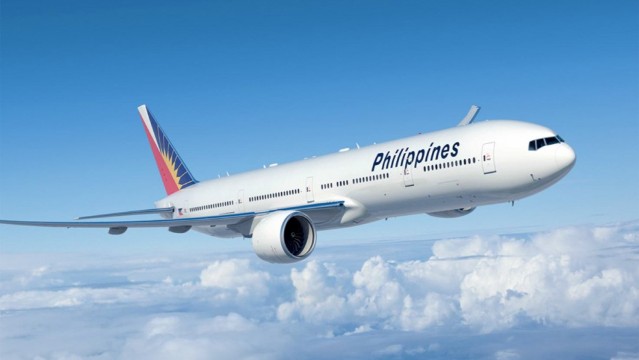
A fuel surcharge waiver lets you skip or reduce the extra fuel fee on your ticket. In the Philippines this 2026, it can save you up to ₱787 for domestic flights and up to ₱6,209 for long-haul trips.
How people get it
Type of Waiver | PH Example (2026) | How to Get It |
|---|---|---|
Loyalty Programs | Frequent flyer perks (like Mabuhay Miles elite tiers) | Earn elite status through frequent travel |
Credit Card Deals | Bank travel fairs (BDO, Metrobank, RCBC promos) | Use specific cards or join promo events |
Partner Booking | Some airline partners don’t pass fuel surcharge | Use miles on selected partner airlines |
Infant Exemption | Infants (below 2, no seat) usually don’t pay surcharge | Book as lap infant |
Important to know
- Not all “free tickets” are fully free. Fuel surcharge is often still included
- Some airlines charge higher surcharges than others
- Choosing the right airline or booking method can lower or remove this fee
FAQs about Fuel Surcharge
-
What is a fuel surcharge?
-
Is it included in the ticket price?
-
Why did my ticket suddenly become more expensive?
-
Does it change often?
-
Can I avoid paying it?
Trending Searches
-
Featured guides
-
Trip.com links
- Mothers Day Gifts
- eSIM
- Hong Kong International Airport
- International Driving Permit
- Toronto Pearson International Airport
- Universal Studios Singapore
- Great Wall of China
- UK ETA
- Narita International Airport
- China Currency
- Changi Airport
- Schengen Visa
- Singapore MRT Map
- France Visa
- Ninoy Aquino International Airport