Taiwan Power Plug & Voltage Guide: Do You Need an Adapter?
Heading to Taiwan soon? Don’t forget to check the power plug and voltage differences before you leave. Taiwan uses a different plug type and voltage than the Philippines, so your chargers might not fit or work properly. Bring a compatible adapter and make sure your devices can handle 110V—this simple step can save you a lot of trouble during your trip.
🔌 Power Plugs in Taiwan: What You Should Know
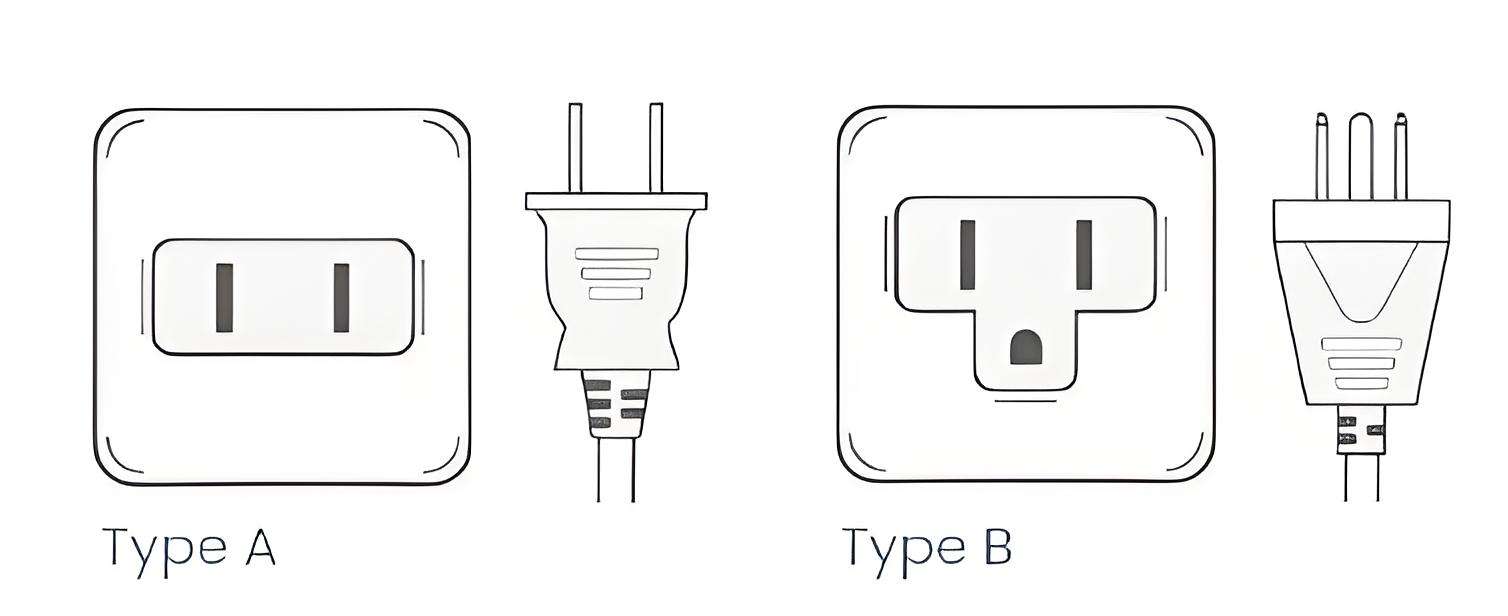
Source: world-power-plugs.com
Taiwan uses Type A and Type B power plugs with a standard voltage of 110V and a frequency of 60Hz. Make sure to bring a compatible adapter and check if your devices support this voltage to avoid any charging issues.
Plug Types in Taiwan
🔌 Type A
- Shape: Two flat, straight pins
- Used for: Phones, chargers, laptops
- Voltage: 110 volts
- Where: Common in Taiwan, Japan, and some parts of the U.S.
🔌 Type B
- Shape: Two flat pins + one round pin (ground)
- Used for: Bigger devices like laptops or hair dryers
- Voltage: 110 volts
- Where: Also found in Taiwan and the U.S.
What to Know:
Taiwan mainly uses Type A and B plugs. The good news is, these are similar to what we use in the Philippines—so some of your chargers will fit just fine.
BUT! Take note:
- Taiwan’s voltage is 110V, while in the Philippines it’s 220V.
- Many gadgets like phones and laptops are made to work with 100–240V, so they’ll be okay.
- Check your device label before plugging in. If it says “110V only,” it’s safe. If it says “220V only,” don’t plug it—you could damage it.
🔋Traveling to Taiwan: Do You Need a Plug Adapter?
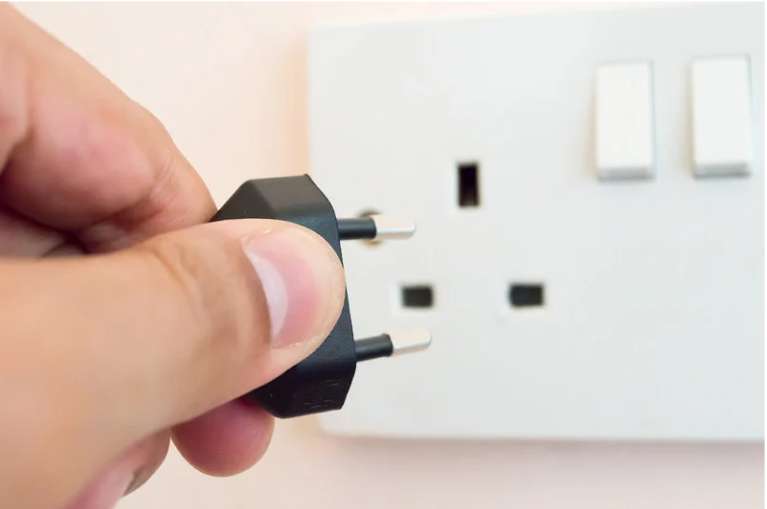
Before you fly to Taiwan, it’s smart to check if your charger or plug will fit the outlets there. Taiwan uses different plug types from the Philippines, so you might need a plug adapter to charge your phone, laptop, or other devices.
If your plug doesn’t match the socket, you won’t be able to charge—and that can be a big hassle when you're on the go.
Reminder: A plug adapter only changes the shape of the plug—it doesn’t change the voltage.
✅ What You Can Do:
- Bring a universal travel adapter.
It works with most plug types in Taiwan and other countries too. Super handy! - It’s small and easy to pack.
Just keep it in your backpack or carry-on. - Some hotels or airports may have adapters,
but it’s better to bring your own so you're ready anytime, anywhere.
⚡ Helpful Tip:
Taiwan uses 110 volts, while the Philippines uses 220 volts.
Most modern devices (like phones and laptops) can handle both, but just to be safe, check the label on your charger. Look for something like “100–240V” — if you see that, you’re good!
The Ultimate Taiwan To-Do List
 12090 booked
![Jiufen Old Street + Shifen Old Street + Shifen Waterfall 1-day tour [Depart from Taipei | Guaranteed departure]](https://ak-d.tripcdn.com/images//0584o12000nkigtod37D0_C_568_320.jpg)


![Yangmingshan + Xiaoyoukeng + Beitou geological culture 1-day tour [small group travel · guaranteed departure]](https://ak-d.tripcdn.com/images/0355z12000m5s3tkn0939_C_568_320.png)
![Golden Waterfall + Shifen Old Street + Jiufen Old Street Day Trip [Departure from Taipei | Guaranteed Departure]](https://ak-d.tripcdn.com/images/0350812000gdgemmh84EA_C_568_320.png)
🔌 Understanding Voltage When Traveling to Taiwan
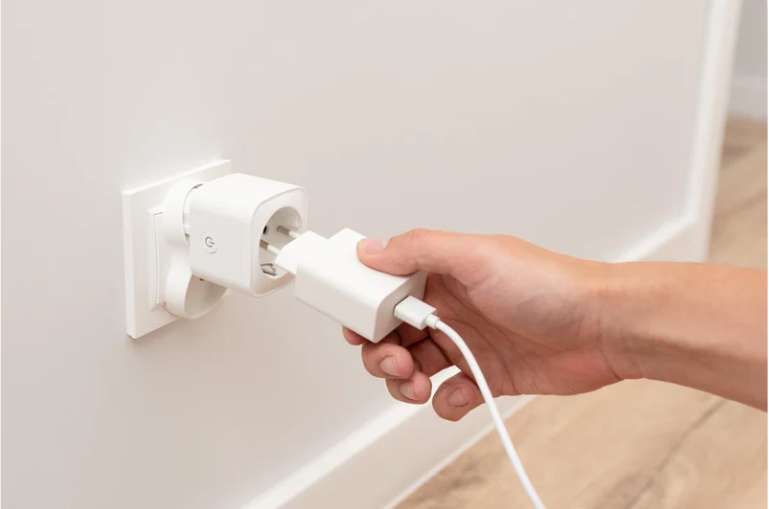
Taiwan’s standard voltage is 110V with a frequency of 60Hz, which is different from the 220V used in the Philippines. To avoid damaging your gadgets, check if your devices support 110V and bring a suitable adapter if needed.
⚡ Voltage in Taiwan: 110 volts
⚡ Voltage in the Philippines: 220 volts
So yes, Taiwan uses a different voltage from what we use back home.
🧐 What This Means for You
Most modern gadgets—like smartphones, tablets, and laptops—can handle different voltages (usually 100V to 240V). If your charger says this, you’re safe. You can plug it in directly in Taiwan.
BUT:
If your device is made for 220V only, and you plug it into a 110V outlet, it might not work, or it could get damaged.
🔍 How to Check Your Device
Look at the label on your charger or device. You’ll usually find something like this:
- ✅ Input: 100–240V → Safe to use in Taiwan
- ⚠️ Input: 220V only → You’ll need a voltage converter
Find the Best Hotels in Taiwan










































📱 Must-Have Charging Essentials for Taiwan (Adapters, Cables & More)
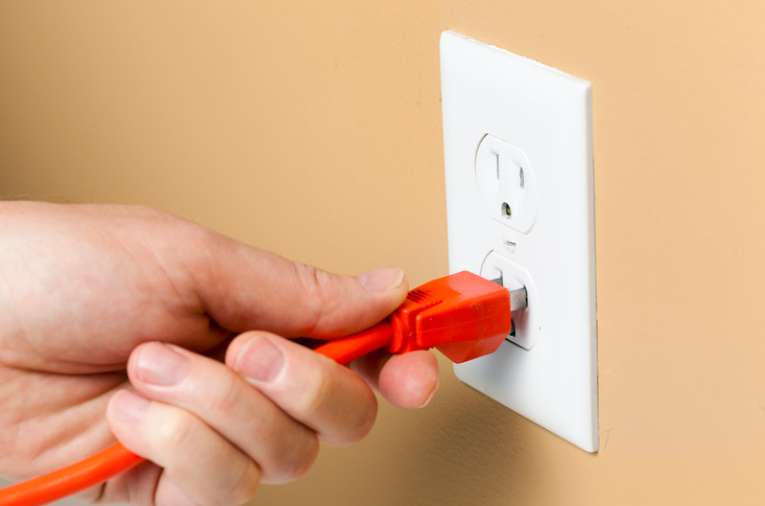
Don’t forget to pack the right charging gear for Taiwan—having a dead phone while navigating, booking rides, or snapping food pics can be a real hassle.
Here’s a simple guide to what you’ll need to keep your devices powered up while in Taiwan.
✅ 1. Universal Plug Adapter
- Taiwan uses Type A and Type B plugs (two flat pins, sometimes with a round one).
- In the Philippines, we also use Type A/B plugs—but not always the same shape.
- To be safe, bring a universal travel adapter.
- It's small, cheap, and super useful—not just in Taiwan, but in other countries too.
🔌 2. Extra Charging Cables
- Always bring an extra phone charging cable (USB or Type-C).
- You’ll use your phone a lot—Google Maps, translating, taking pictures.
- It’s easy to forget or lose a cable, so pack a spare just in case.
🔋 3. Power Bank
- Super useful when you're out all day.
- Look for something with at least 10,000mAh, so you can charge your phone more than once.
- Don’t forget to charge your power bank the night before!
⚡ 4. Check Your Voltage
- Taipei uses 110 volts.
- Most phones and laptops from the Philippines are 100–240V, so they’re safe.
- But don’t plug in 220V-only appliances (like hair dryers or water heaters) unless you have a voltage converter.
🧳 5. Multi-Port Charger
- A charger with 2 or more USB ports is super helpful if you have more than one device.
- You can charge your phone and power bank at the same time!
👍 Quick Reminder for Pinoy Travelers
- ✅ Universal adapter
- ✅ Extra cable
- ✅ Power bank
- ✅ Check voltage (100–240V = OK)
- ✅ Multi-port wall charger
Recommended eSIMs Options for Taiwan


🛍️ Where to Buy Plug Adapters in Taiwan (and Before You Go)
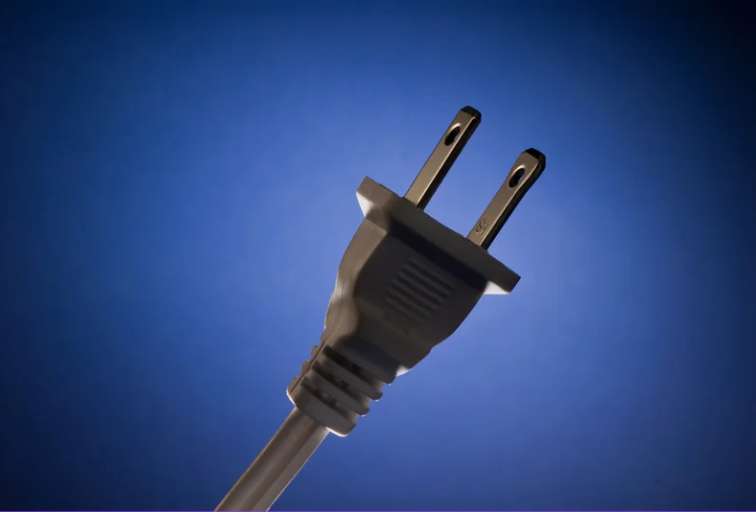
Bringing a plug adapter is a smart move, especially if your chargers don’t match Taiwan’s outlet types. It’ll keep your devices powered and ready to go.
Here’s where you can buy one before your trip or once you’re already in Taiwan.
✅ Before You Leave the Philippines
It’s better to buy a universal plug adapter before your flight, so you don’t have to worry when you land.
Where to buy:
- 📦Online Shop
- 🛒 Travel shops (like The Travel Club)
- 🏬 Hardware stores or electronics shops (Ace Hardware, True Value)
- ✈️ Airport shops (just in case you forget!)
💡 Tip: Get one that works in multiple countries so you can use it on your next trip too.
🛍️ If You're Already in Taiwan
No worries if you forgot! You can buy plug adapters easily in Taiwan.
Where to buy:
- 🛍️ Convenience stores like 7-Eleven or FamilyMart (some big branches have them)
- 🧰 Electronics stores (check Guang Hua Digital Plaza or local gadget shops)
- 🏨 Hotels and hostels – just ask the front desk! Some will lend or sell one to you
- 🛒 Supermarkets or department stores like Carrefour, Eslite, or even Daiso
Explore More Flights to Taiwan


Global electrical standards overview
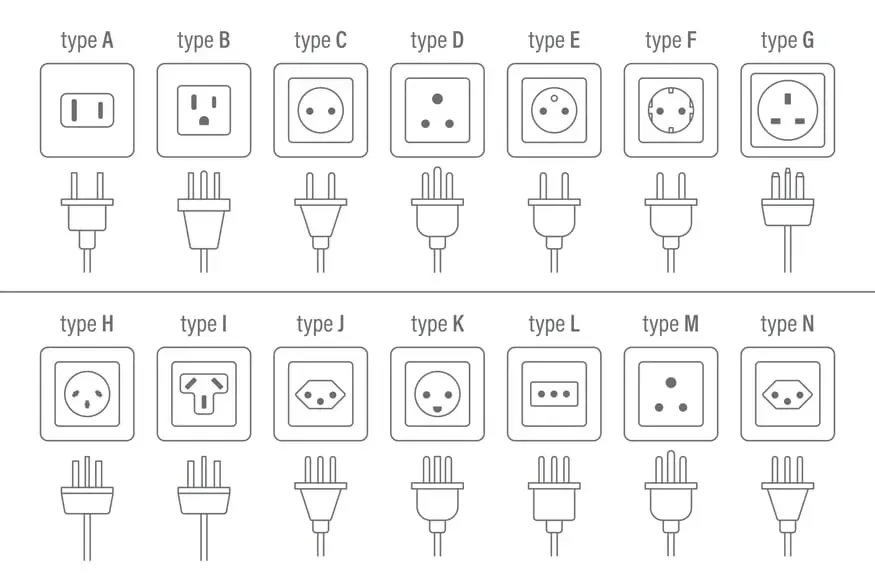
Here’s a simple guide to help you understand how plugs and electricity work in different countries. By knowing the voltage, plug shape, and frequency used in each place, you can bring the right adapter or voltage converter—so you can charge your phone, laptop, or other gadgets without any trouble.
Asia & Oceania Electrical Standards
Country | Voltage | Frequency | Common Plug Types |
China | 220V | 50Hz | A, C, I |
Hong Kong | 220V | 50Hz | G |
Japan | 100V | 50/60Hz | A, B |
South Korea | 220V | 60Hz | C, F |
Philippines | 220V | 60Hz | A, B, C |
Thailand | 220V | 50Hz | A, B, C |
Australia | 230V | 50Hz | I |
New Zealand | 230V | 50Hz | I |
North America & South America Electrical Standards
Country | Voltage | Frequency | Common Plug Types |
United States | 120V | 60Hz | A, B |
Canada | 120V | 60Hz | A, B |
Mexico | 127V | 60Hz | A, B |
Brazil | 127/220V | 60Hz | C, N |
Argentina | 220V | 50Hz | C, I |
Europe Electrical Standards
Country | Voltage | Frequency | Common Plug Types |
United Kingdom | 230V | 50Hz | G |
Germany | 230V | 50Hz | C, F |
France | 230V | 50Hz | C, E |
Italy | 230V | 50Hz | C, F, L |
Spain | 230V | 50Hz | C, F |
Netherlands | 230V | 50Hz | C, F |
Oceania Electrical Standards
Country | Voltage | Frequency | Common Plug Types |
Australia | 230V | 50Hz | I |
New Zealand | 230V | 50Hz | I |
Fiji | 240V | 50Hz | I |
Papua New Guinea | 240V | 50Hz | I |
What You Should Do:
- Bring a universal travel adapter to fit different outlets.
- Check if your device can handle different voltages—most modern devices can.
- If your device only works with 110V, you’ll need a voltage converter in places with 220V or more.
📱 Final Tips for Staying Powered While Traveling in Taiwan

Traveling is always exciting—and it’s even better when your phone, camera, and gadgets stay charged the whole time.
By knowing a few basics about Taiwan’s plugs, voltage, and adapters, you can avoid any charging problems during your trip.
Just remember:
- ✅ Check your device’s voltage (most phones and laptops are okay)
- ✅ Bring a good universal adapter
- ✅ Be ready for different plug shapes (Type A and B in Taiwan)
With these simple tips, you can keep your phone, laptop, and power bank fully charged—anytime, anywhere in Taiwan.
Ready for your adventure?
✈️ Don’t forget to book your flight from Manila to Taiwan,
🏨 Reserve your hotel in Taiwan, and
📶 Get a Taiwan eSIM or pocket Wi-Fi so you can stay connected while exploring!
❓FAQ: Taiwan Plug
-
Do I need a power adapter in Taiwan?
-
Do I need a voltage converter in Taiwan?
-
Is it easy to charge devices in public places?
-
Can I use power strips or extension cords from my home country?
-
Is it safe to use plug adapters in Taiwan?
Trending Searches
-
Featured guides
-
Trip.com links
- Mothers Day Gifts
- eSIM
- Hong Kong International Airport
- International Driving Permit
- Toronto Pearson International Airport
- Universal Studios Singapore
- Great Wall of China
- UK ETA
- Narita International Airport
- China Currency
- Changi Airport
- Schengen Visa
- Singapore MRT Map
- France Visa
- Ninoy Aquino International Airport