Macau Travel Guide 2026: Top Attractions, Local Food & Travel Tips | Trip.com
About Macau
Recommended trip: 1–3 day(s)
Recommended trip: 1–3 day(s)Current weather conditions
 26°C
Macau Local Experiences Map









Trending in Macau
Macau Local Travel Guide 2026
Macau Brief Guide
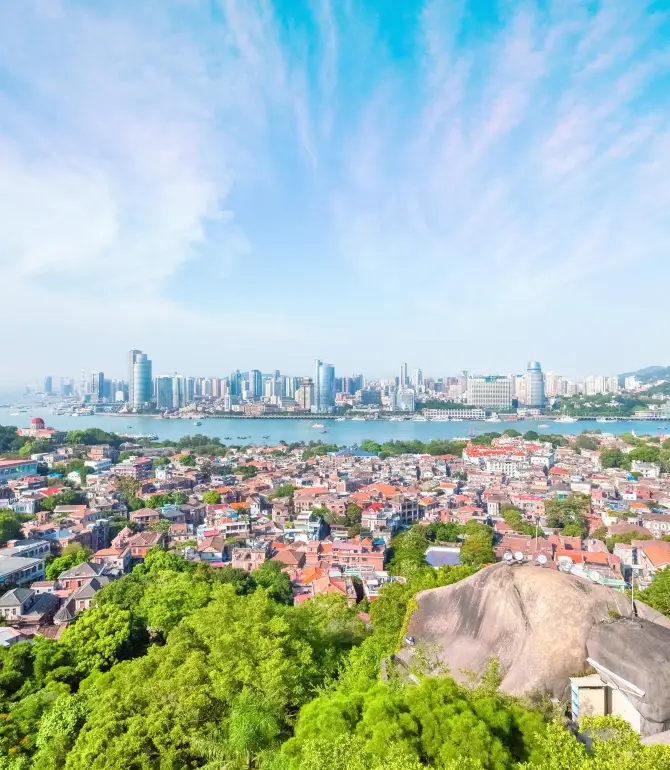
Macau blends Portuguese charm with Chinese energy in one dazzling hub. Stroll pastel-hued plazas and lantern-lit temples, then step into the glow of Asia's grandest casinos. Savor iconic street eats like egg tarts and pork buns while exploring UNESCO World Heritage sites and vibrant markets. Let our local guide craft your perfect trip—discover Macau with confidence!
Macau Must-try local experiences
1. Explore Historic Macau Explore Macau's UNESCO World Heritage Site, including the Ruins of St. Paul's, Senado Square, and A-Ma Temple, to experience its rich history and cultural fusion. 2. Experience the Thrill of Macau Tower Visit Macau Tower for breathtaking views and thrilling activities like the world's highest commercial bungee jump and the Skywalk. 3. Relax at Coloane Island Escape to Coloane Island for peace, Hac Sa Beach, and Coloane Park. Enjoy street food at Rua do Cunha in Taipa Village. 4. Savor the Flavors of Local Cuisine Enjoy cuisine with dishes like African Chicken, Minchi, and Portuguese Egg Tarts, reflecting Chinese and Portuguese influences. 5. Capture the Beauty of the Ruins of St. Paul's The Ruins of St. Paul's is an iconic landmark perfect for photography, with its stunning facade and historic surroundings. 6. Snap Photos at the Macau Fisherman's Wharf Macau Fisherman's Wharf, with its various architectural styles, is a great place for unique and vibrant photos. 7. Prayer Experience at A-Ma Temple Go to the A-Ma Temple and experience the sacred atmosphere of this ancient temple, as well as the religious culture of Macau.
Macau Must-see Attractions
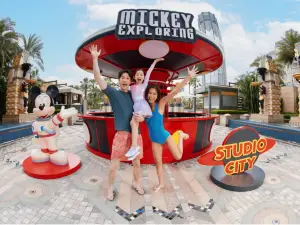
Macau is a vibrant city known for its iconic landmarks and luxurious resorts, such as the Macau Tower with the world's highest commercial bungee jump, the opulent Venetian Macau Resort with its Venetian-inspired ambiance, the British-themed Londoner Macau with its Palace of Westminster facade, the cinematically-themed Studio City Macau with the unique Golden Reel Ferris wheel, and a plethora of cultural and entertainment experiences that reflect its East-meets-West heritage. Macau Tower, officially known as Macau Tower Convention and Entertainment Center, stands as a significant landmark in Macau, soaring to 338 meters in height. This tower is not only a member of the World Federation of Great Towers but also holds the title for the world's highest commercial bungee jump at 233 meters, offering adrenaline-pumping experiences like the Skywalk and Tower Climb. Visitors can enjoy panoramic views of Macau and its surroundings from the Observation Deck or dine in the revolving restaurant for a scenic meal. The Venetian Macau Resort in Macau is renowned for its opulent interiors that replicate the beauty of Renaissance Venice, complete with architectural canals, gondolas, and singing gondoliers under a painted blue sky, creating an immersive Venetian experience. Visitors can marvel at the Italianate interiors, ornate moldings, and lavish decorations. The resort's 'East meets West' theme presents a harmonious blend of Italian and Chinese styles. The Londoner Macau, a reimagined British-themed integrated resort, stands as a beacon of British culture and design in the heart of Macau's Cotai Strip. With its exterior facade modeled on the iconic Houses of Parliament and a life-sized Elizabeth Tower. Inspired by the greatest in Victorian design, the Crystal Palace atrium serves as a spectacular welcome space for guests, leading them to explore the resort's numerous London-inspired restaurants, retail offerings, and entertainment. The resort's completion in May 2023 marked the addition of new attractions and facilities, including the Suites by David Beckham and Londoner Court. Studio City Macau is a cinematically themed integrated resort that offers an array of entertainment experiences, making it a standout attraction in Macau. The resort is renowned for its Hollywood-inspired Art Deco design and features the world's first and highest figure-8 Ferris wheel, the Golden Reel, which has become an iconic landmark of the city. For those seeking live entertainment, the Studio City Event Center hosts a variety of events, from concerts to sporting events. The resort's expansion includes the addition of the Studio City Water Park, offering novel family-oriented facilities and extreme waterslides for an unparalleled water entertainment experience. The Golden Reel in Macau is a marvel of modern engineering and a testament to the city's love for entertainment and grandeur. As the world's highest figure-eight Ferris wheel, it stands at 130 meters and offers an unparalleled view of the Macau skyline, including landmarks like the Macau Tower and the Cotai Strip. As the Ferris wheel traverses the track, riders will experience a series of inclines, declines, and curves.
Macau Food Guide
Macau's cuisine integrates the culinary essence of Portugal and Southeast Asia, known for its distinctive snacks such as African Chicken, Pork Chop Bun, Crab Congee, Portuguese Egg Tart, and Sawdust Pudding, presenting a unique authentic flavor and the fusion of multiculturalism. African Chicken is one of the classics in Macanese Portuguese cuisine, usually made with a thick sauce cooked with red chili, pepper powder, garlic, and other spicy seasonings, poured over the roasted chicken. Sometimes, the recipe for this dish also incorporates features of South Asian cuisine, using spicy curry sauce instead, making its taste even more unique. African Chicken is not only representative of Macau's Portuguese cuisine but also a perfect combination of Portuguese and Southeast Asian flavors that both locals and tourists love. The Macau Pork Chop Bun is a sandwich with a pan-fried or deep-fried pork chop, usually spread with butter, famous for its fresh and sweet meat quality and rich flavor without being greasy. The bread for the Pork Chop Bun varies, with some using crispy pork buns, others choosing soft French bread or pineapple buns, while the pork chop comes in different flavors such as marinated pan-fried, curry-seasoned, or breaded and fried. The Macau Pork Chop Bun is not only a gourmet choice for tourists but also a favorite daily food for locals, with many famous shops like Tai Lei Loi Kei offering this classic snack. Macau Crab Congee is an authentic delicacy that combines a smooth and sweet congee base and rich crab meat, making it a distinctive snack in Macau. This congee is not only delicious but also emphasizes the freshness of ingredients and meticulous preparation during cooking, ensuring that each bite offers the fresh sweetness of the crab. In Macau, many well-known restaurants such as Seng Cheong Restaurant and Luk Kei Noodle are famous for making Crab Congee, which has become a must-try delicacy for tourists and locals. The Macau Portuguese Egg Tart is a small cream puff pastry characterized by its caramelized surface, fragrant and soft, sweet but not cloying. It was improved by the British Andrew Stow in 1989 based on traditional Portuguese pastries, reducing the sugar content, and adding cream to make its texture even more delicate. Portuguese Egg Tarts can be eaten hot or cold, and when consumed, can be sprinkled with cinnamon or powdered sugar to enhance the flavor, becoming a popular dessert in Macau and the Asian region.
Macau Transportation
Macau is easily accessible by air, ferry, helicopter, or bus. By Air Macau International Airport (MFM): Located in Taipa, MFM serves regional flights from China and Southeast Asia. To City Center: Free Casino Shuttles: provided by Venetian, Galaxy, Wynn. Public Buses: AP1 (to Border Gate), MT4 (to Cotai casinos), 26A (to Peninsula). Pay in cash. Taxis: MOP 50–80 to Cotai or MOP 80-120 to the Peninsula (10–15 minutes). By Ferry Macau Outer Harbour Ferry Terminal: Located on the Macau Peninsula, it serves high-speed ferries from Hong Kong and Shenzhen. Taipa Ferry Terminal: In Cotai, it serves Hong Kong ferries. From Hong Kong: TurboJET: Sheung Wan → Outer Harbour: Economy, Super Class, or VIP cabins are available. Cotai Water Jet: Sheung Wan → Taipa: Pay in cash, credit card, or book online—book in advance for weekends or holidays. From Shenzhen (Shekou): TurboJET to Outer Harbour (~60 minutes). 4 daily sailings (check the schedule online) To City Center (Senado Square): From Outer Harbour: Free casino shuttles to Sands and Wynn. Taxi MOP 40-60. By Bus (via Hong Kong–Zhuhai–Macau Bridge, HZMB) HZMB Macau Port (near Taipa; primary entry) and Portas do Cerco (Peninsula; for Zhuhai border) serve cross-border buses from Hong Kong and Zhuhai. From Hong Kong: Golden Bus (HZMB Shuttle): Hong Kong Port → Macau Port: 40 min, 24/7, every 15–30 min. Pay in cash (MOP/HKD), Octopus (HK), or at ticket counters. From Zhuhai: Shuttle buses: Gongbei Border → HZMB Macau Port (15 min), then transfer to the city. To City Center: From Macau Port: Free casino shuttles (e.g., Venetian) to Cotai. Taxis: ~MOP 100–150 to the Peninsula. By Helicopter From Hong Kong: Hong Kong (Shun Tak) → Macau: 15 min Expensive but fast; ideal for luxury travelers or tight schedules. Macau’s compact layout and extensive bus network make public transport ideal for tourists, supplemented by free casino shuttles and taxis. Ride-hailing apps are not widely used, and driving is impractical due to congestion. Public Buses: Operated by TCM and Transmac, buses cover Macau Peninsula, Taipa, and Coloane, connecting key sites like Ruins of St. Paul’s, A-Ma Temple, and Venetian. Routes like 3A (Peninsula–Taipa Bridge), MT4 (Airport–Cotai), and 26 (Peninsula–Coloane) are popular routes for tourists, with English signage at major stops. Fares and Payment Options: MOP 6-10 per ride. Macau Pass: Rechargeable IC card (MOP 30 deposit, refundable) for buses and some shops (e.g., 7-Eleven). Cash: Exact MOP/HKD only (no change; HKD accepted 1:1 but not preferred). Buy a Macau Pass at MFM, ferry terminals, or 7-Eleven; use the Macau Bus Guide app for routes and stops. Avoid rush hours (7–9 AM, 5–7 PM). Light Rapid Transit (LRT): The LRT connects Taipa and Cotai (airport ↔ Cotai casinos ↔ Taipa Village). Useful for airport or casino access, but limited for historic sites. English announcements and signage. Fares: MOP 6–10 (distance-based). Pay via Macau Pass. Free Casino Shuttles: Major casinos (e.g., Venetian, Wynn, Galaxy) offer free shuttles from MFM, ferry terminals, and HZMB Macau Port to their properties in Cotai or Peninsula. Frequent, air-conditioned, and tourist-friendly, with routes covering key hotels. Use to reach Cotai casinos or nearby attractions (e.g., Taipa Village); no gambling required. Check casino websites for schedules. Taxis: Yellow or black taxis (with cream roofs) are metered, serving the Macau Peninsula, Taipa, and Coloane. Reliable but drivers may speak limited English; have addresses in Chinese ready. Hours: 24/7. Use taxis after midnight or for short hops; show Chinese addresses to avoid confusion. Avoid unofficial drivers at ferry terminals.
Macau Where to Stay
Macau is a vibrant city known for its unique blend of Portuguese and Chinese cultures, offering a wide array of accommodation options across its regions. From the bustling Macau Peninsula to the more serene islands of Taipa and Coloane, visitors can choose from luxurious resorts to budget-friendly lodgings, all within reach of Macau's rich heritage sites and modern attractions. Taipa, once a rural island, has transformed into a bustling area with an array of hotels, resorts, and shopping malls. It is well-connected to the Macau Peninsula by three bridges, making it easily accessible for travelers. The region boasts the Macau International Airport and is linked by the convenient Macau Light Rapid Transit (LRT) that connects to various hotspots, including the Taipa Ferry Terminal and Cotai district. Taipa is also home to the Macau Jockey Club and offers a mix of traditional charm in Taipa Village and modern luxury in its integrated resorts. The area is a cultural fusion, with both contemporary entertainment and historical sites within easy reach, providing a comprehensive experience for visitors. The Londoner Macau, situated in the heart of the Cotai Strip, offers a themed experience that encapsulates the essence of London. It is strategically located with easy access to other major attractions and hotels. Visitors can enjoy a range of amenities and dining options, reflecting the diverse culture of London. Accommodations in the vicinity cater to various budgets, and the area is well-served by transportation options, including complimentary shuttle services to and from the airport and ferry terminals. The Macau Peninsula is the historical heart of the city, densely packed with heritage sites, including UNESCO World Heritage attractions. It is the most urbanized area, offering plenty of dining and entertainment options. The peninsula is well-connected to Taipa and Coloane, with efficient public transportation options like buses and the Macau LRT. Visitors can explore a range of attractions on foot, experiencing the unique blend of Eastern and Western cultures. The region is ideal for those interested in Macau's rich history and vibrant city life, with accommodations ranging from luxury hotels to budget-friendly options.
Macau Best Time to Visit
October to February is the best time to visit Macau, offering mild temperatures, low humidity, and vibrant cultural events. Avoid summer’s typhoon risks and July–August’s peak crowds for comfortable exploration. Spring: Warm, humid 18–28°C (64–82°F); occasional drizzle. A-Ma Festival at A-Ma Temple (April); pastel azaleas bloom in Lou Lim Ieoc Garden. Summer: Hot, wet 26–32°C (79–90°F); typhoon alerts. Dragon Boat Festival races (June). Fall: Sunny, breezy 20–28°C (68–82°F); clear skies. Macau Grand Prix (November); Mid-Autumn Festival lanterns at Mount Fortress. Winter: Cool, dry 12–20°C (54–68°F); rare cold snaps. Chinese New Year celebrations (Jan/Feb); festive lights along Nam Van Lake; Christmas markets at St. Dominic’s Square.
Macau Useful Guide
Macau, a vibrant blend of Chinese and Portuguese cultures, recognizes Chinese and Portuguese as its official languages, with Cantonese being the most widely spoken dialect. English, while not as prevalent, is increasingly used in trade, tourism, and commerce. Bus Traveling System (search for 巴士報站): Developed by Macau’s Transport Bureau (DSAT), this app is the go-to for public bus navigation, covering routes across the Macau Peninsula, Taipa, and Coloane. Provides real-time bus arrivals, routes, stops, and traffic updates. English, Chinese, and Portuguese interfaces; offline route maps available. Experience Macao (感受澳門): Created by the Macao Government Tourism Office (MGTO), this all-in-one app offers a comprehensive guide to attractions, events, restaurants, and hotels. MPay: Macau’s leading mobile payment app, developed by Macau Pass, used for buses and some convenience stores. Supports QR code payments for public transport. International cards are not supported, but tourists can top up with cash at 7-Eleven, Circle K, or Macau Pass counters (daily cap at MOP 1000). English interface available. OpenRice: A Hong Kong-based dining app widely used in Macau for finding restaurants, from Michelin-starred spots to local places serving minchi or Portuguese egg tarts. Offers reviews, menus, photos, and reservation options. Google Maps: Essential for navigation in Macau’s compact historic center and planning bus or walking routes to Cotai casinos. MaasPlus: Official app for Macau Radio Taxi Service, allowing bookings for pickups across the Macau Peninsula, Taipa, and Coloane. WhatsApp: Widely used for messaging hotels, tour operators, or casino staff in Macau. Staying connected in Macau is crucial for navigation, payments, and communication. eSIMs: eSIMs provide a convenient option for instant connectivity upon landing at Macau International Airport (MFM) or ferry terminals (Outer Harbour, Taipa). Providers like Airalo, Nomad, and Holafly offer tourist-friendly plans with 4G/5G coverage across Macau. Purchase online before travel to avoid airport queues. Ensure your device supports eSIM. Local SIM Card: Physical SIM cards from providers like CTM (Companhia de Telecomunicações de Macau) and SmarTone offer reliable 4G/5G coverage across Macau. Available at the airport (Arrivals, Level 1), ferry terminals, 7-Eleven, Circle K, or CTM shops. Present your passport at the time of purchase for registration. Staff at the airport counters (near the Arrivals exit) and CTM shops will assist you in setting up. Wi-Fi: Free Wi-Fi is abundant in Macau’s tourist areas, including hotels, casinos, cafes, malls, and public spaces. Public networks like “WiFi GO” and “CTM Wi-Fi” require email or local number registration. The official currency is the Macanese Pataca (MOP, M$). Hong Kong Dollar (HKD) is accepted at 1:1 parity in most places, though change is given in MOP. Digital Payments: Macau is moderately cashless, with mobile apps and Apple/Google Pay accepted in tourist hubs, particularly at casinos, hotels, and malls. MPay, Macau’s local payment app, is used for buses and some shops, while international cards dominate in upscale venues. Cash: Cash is essential for Macau's daily life (for small restaurants, street vendors, markets, and transportation). Carry ~MOP 100–300 in small denominations for markets, street food, or taxis. HKD is interchangeable but less practical for small vendors. Credit/Debit Cards: Visa and Mastercard are widely accepted at hotels, casinos, upscale restaurants, and malls. American Express is less common, accepted at luxury venues, but may incur surcharges (~2–4%). Notify your bank of your travel to avoid card blocks. Select MOP at terminals to avoid Dynamic Currency Conversion (DCC) fees. ATMs and Cash Withdrawals: Most ATMs accept foreign cards (Visa, Mastercard, and some American Express). Find them at the airport, ferry terminals, casinos, 7-Eleven, and banks. Look for PLUS (Visa) or Cirrus (Mastercard) logos.
Trip.Best: Macau




Plan Your Macau Trip
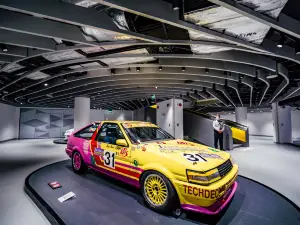
What to do





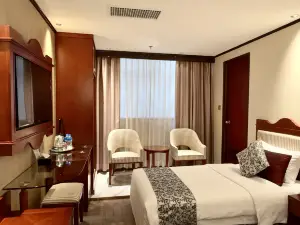
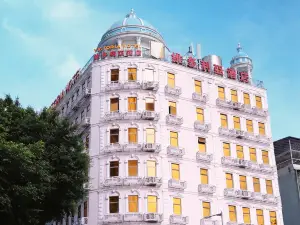
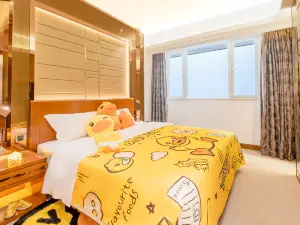
Where to stay





What to eat


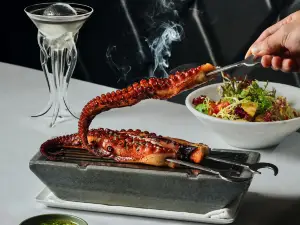
Macau Moments: Through Travelers' Eyes
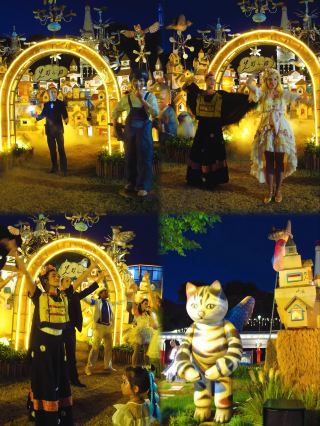
Shenzhen family fun | Window of the World transforms into a fairytale kingdom ✨ a fun-filled day

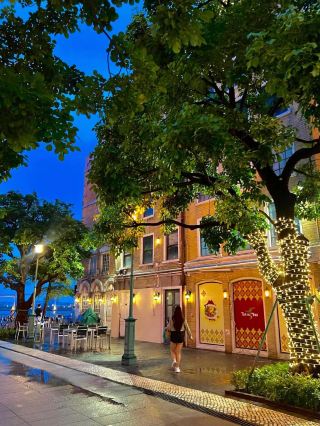
Macau! This place is so beautiful it leaves you speechless!!

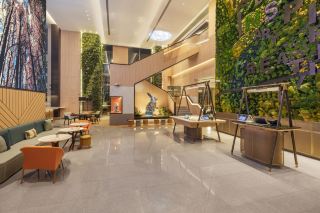
Is This One of China's Best Hotel Brands?

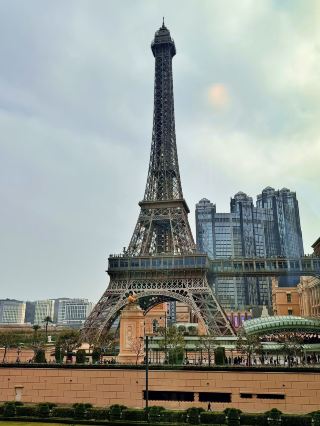
Macau 🇲🇴: Minimal-walking route for The Venetian, The Londoner, and The Parisian
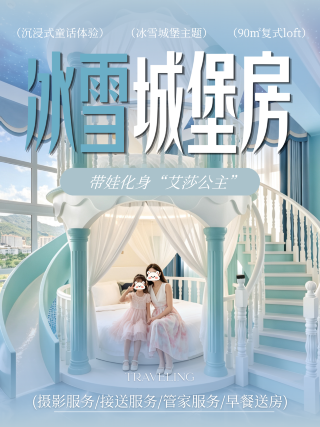
Zhuhai Family Trip | Stay at the Ice and Snow Castle and enjoy Chimelong and Macau – super convenient! ❄️🏰

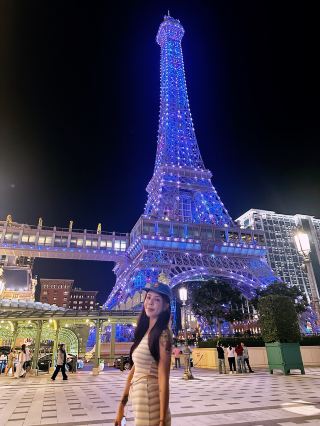
Macau | Exploring the Old Town by Day, Witnessing a Different Kind of Splendor by Night.

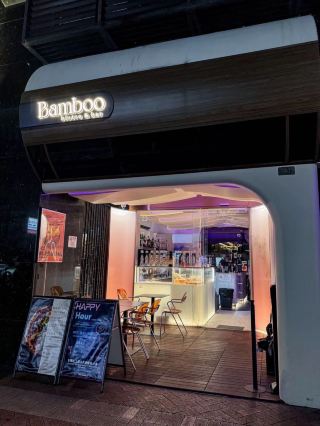
This Macau Restaurant’s Vibe is Next-Level 🌟🍽️
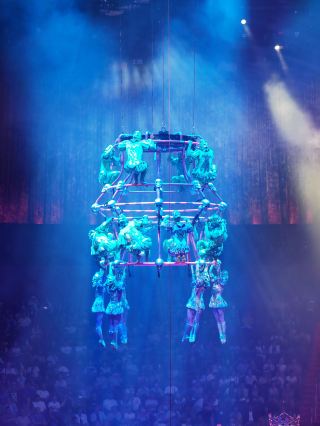
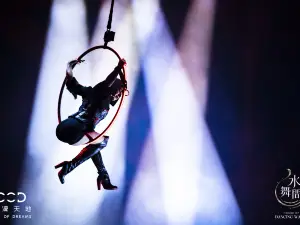
"The House of Dancing Water" at City of Dreams Macau: Breathtaking Stunts and Incredible Value!
Best of Macau
Top 20 Instagrammable Hotels in Macau


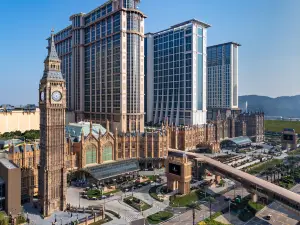


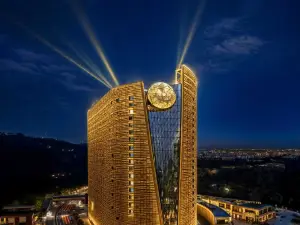


Top 50 Gourmet Hotels in Macau


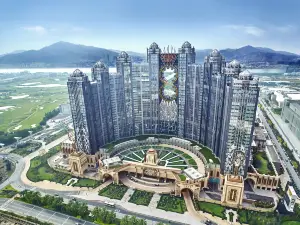


Top 20 Premium Hotels in Macau
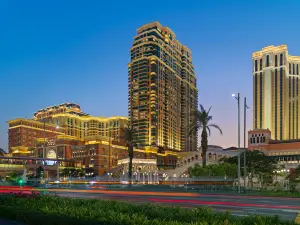


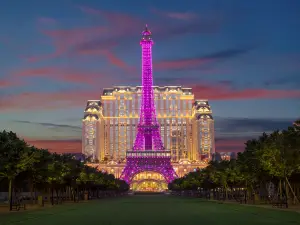
Popular Luxury Hotels Near Macau
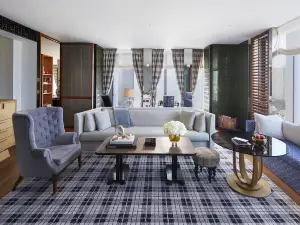
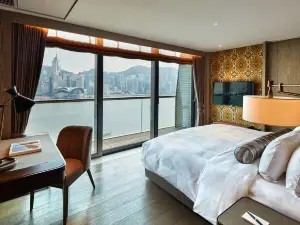
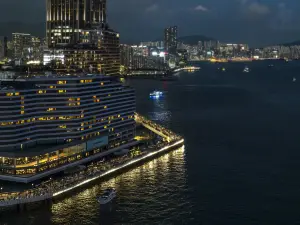
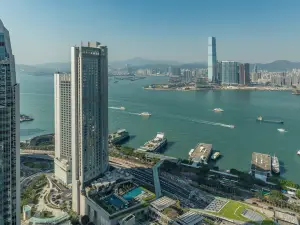


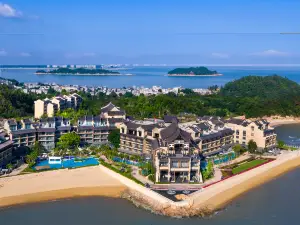
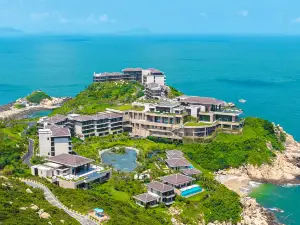



Popular Family Hotels Near Macau
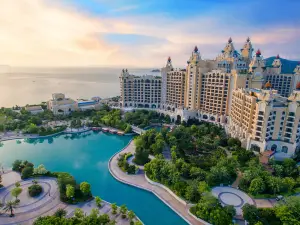
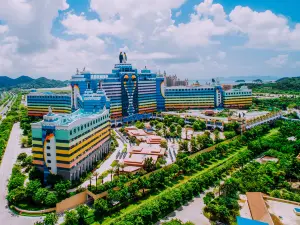
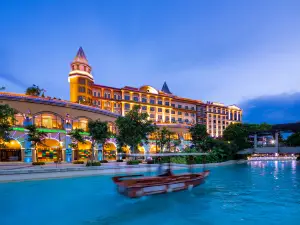
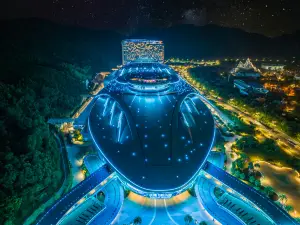
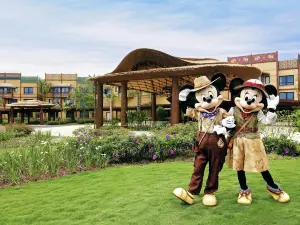


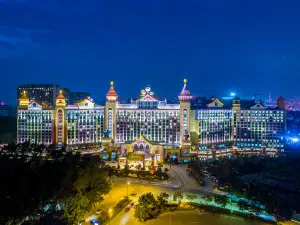
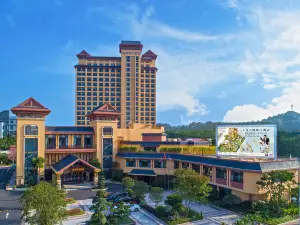
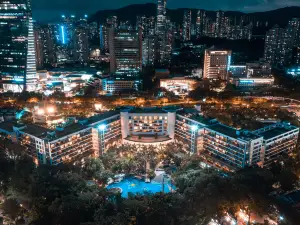
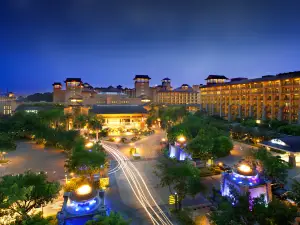
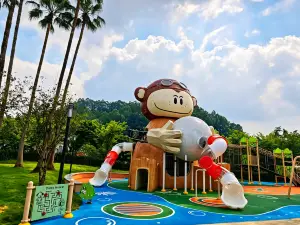
Popular Scenic Hotels Near Macau


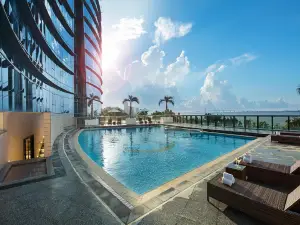
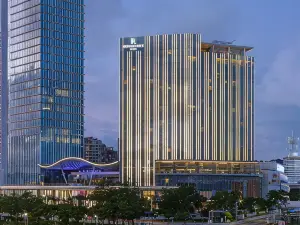


Popular Cultural Hotels Near Macau

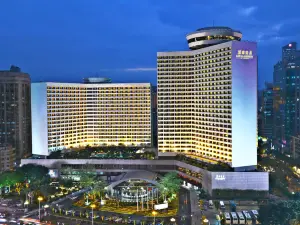

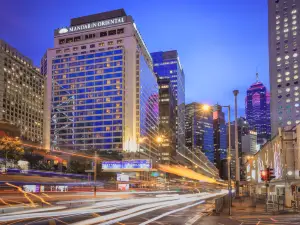
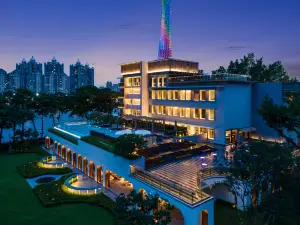
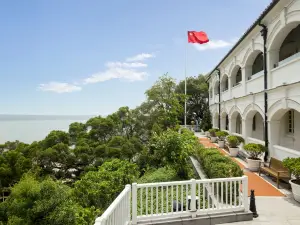
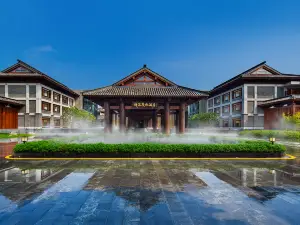
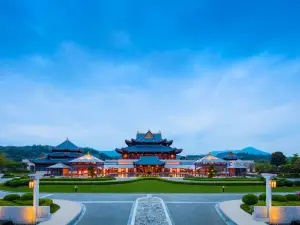
Popular Instagrammable Hotels Near Macau


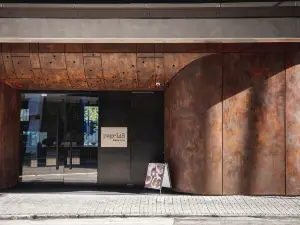
Popular Vacation Homes Near Macau
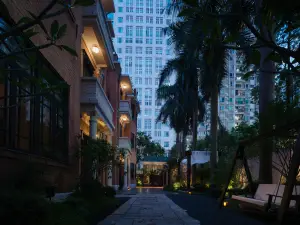








Popular Hot Spring Hotels Near Macau



Other recommended cities
Hangzhou
Shanghai
Chengdu