

Best Time to Visit Philippines: When to Experience the Island's True Beauty
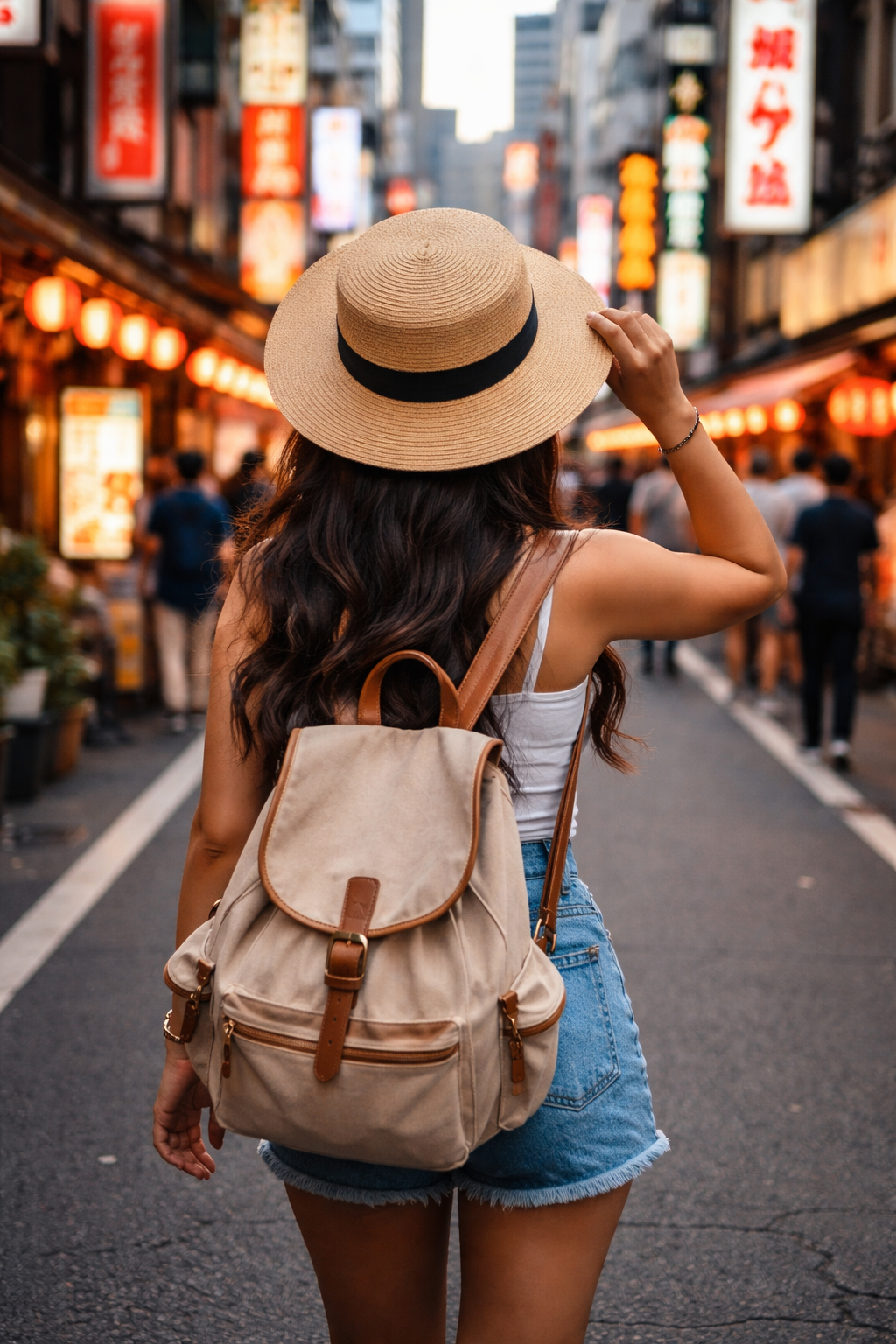

An archipelago of over 7,000 islands in Southeast Asia, the Philippines is known for its postcard-perfect beaches, vibrant festivals, warm hospitality, and stunning natural landscapes. Whether you're diving in crystal-clear waters, exploring lush rice terraces, or savoring local delicacies, the country’s tropical climate plays a big role in shaping your travel experience.
Knowing the best time to visit the Philippines will help you plan the perfect getaway across its diverse islands!
Weather & Seasons in the Philippines
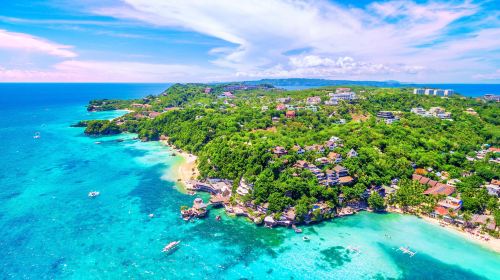
The Philippines is a tropical archipelago in Southeast Asia, made up of over 7,000 islands scattered between the South China Sea and the Pacific Ocean. Its location near the equator gives it a tropical climate—hot, humid, and influenced by monsoons. Expect year-round warmth (averaging 25-32°C / 77-90°F) with two main seasons: dry (November-April) and wet (May-October). Typhoons are common from June to November, especially in the eastern regions.
Dry Season (November - April)

Weather: Hot and sunny, with temperatures peaking at 33°C (91°F) in April. Humidity is high, but coastal breezes help.
What to Wear: Light, breathable clothing, hats, sunglasses, and sunscreen. Pack a light jacket for cooler nights in mountainous areas.
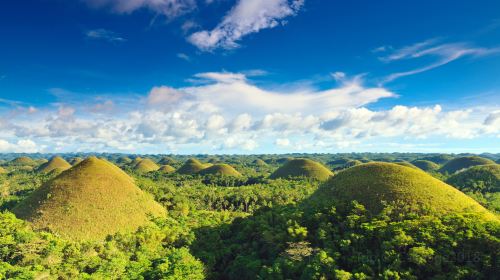
Best Activities: Island hopping (Palawan, Boracay, Siargao), beach trips, hiking (Chocolate Hills, Mayon Volcano), and diving (Tubbataha Reef).
Festivals:
- Sinulog (January, Cebu) – A vibrant religious and cultural festival.
- Ati-Atihan (January, Kalibo) – Colorful street dancing and tribal costumes.
- Panagbenga (February, Baguio) – A flower festival with grand parades.
Wet Season (May - October)
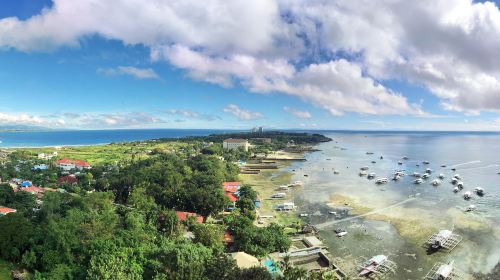
Weather: Frequent rain showers, high humidity, and occasional typhoons. Temperatures hover around 28-31°C (82-88°F).
What to Wear: Quick-dry clothes, waterproof shoes, and a compact umbrella or rain jacket.
Best Activities: Indoor attractions (Intramuros, museums in Manila), surfing in Siargao (best swells from August to November), and enjoying lush green landscapes.
Festivals:
- Pahiyas Festival (May, Lucban) – Houses decorated with colorful rice and produce.
- Kadayawan (August, Davao) – A harvest festival with street dances and fruit displays.
Travel Tips:
- April is the hottest month—stay hydrated and avoid midday sun.
- September is the rainiest—check typhoon forecasts before traveling.
- Shoulder months (November & May) offer a balance of good weather and fewer crowds.
Flights to Philippines


Best Time to Visit the Philippines – Month-by-Month Guide
The Philippines offers different experiences depending on the month—whether you want sunny beach days, cultural festivals, or budget-friendly travel. Here’s what to expect:
Month | Temperature Range (°C/°F) | Rainfall (mm/inches) | Traveler Insights |
January | 24-30°C (75-86°F) | Low (10-30mm / 0.4-1.2in) | Peak tourist season—book flights early. The Sinulog Festival in Cebu is a must-see. |
February | 24-31°C (75-88°F) | Low (10-40mm / 0.4-1.6in) | Ideal for beach trips. The Panagbenga Flower Festival in Baguio is stunning. |
March | 25-32°C (77-90°F) | Low (20-50mm / 0.8-2in) | Great for island hopping. Hot but less crowded than January-February. |
April | 26-34°C (79-93°F) | Low (30-60mm / 1.2-2.4in) | Hottest month—best for diving and late-night beach parties. |
May | 26-33°C (79-91°F) | Moderate (70-120mm / 2.8-4.7in) | Start of the wet season. Pahiyas Festival in Lucban is a hidden gem. |
June | 26-32°C (79-90°F) | High (150-250 mm / 5.9-9.8in) | Rainy but fewer tourists. Surfing in Siargao starts to pick up. |
July | 25-31°C (77-88°F) | High (200-300mm / 7.9-11.8in) | Heavy rains, but Manila’s indoor attractions are still great. |
August | 25-31°C (77-88°F) | Very High (250-350mm / 9.8-13.8in) | The Kadayawan Festival in Davao is worth the rain. |
September | 25-30°C (77-86°F) | Very High (300-400mm / 11.8-15.7in) | Typhoon season—avoid eastern islands. |
October | 25-31°C (77-88°F) | High (200-300mm / 7.9-11.8in) | Surfing season peaks in Siargao. |
November | 24-30°C (75-86°F) | Moderate (100-200mm / 3.9-7.9in) | Transition to dry season—great for early holiday travel. |
December | 23-29°C (73-84°F) | Low (50-100mm / 2-3.9in) | Christmas festivities make Manila lively. Cooler nights in the north. |
Crowds, Costs & Festivals: Choosing the Right Time to Visit Philippines
1️⃣ Peak Season (Busiest & Most Popular Months)
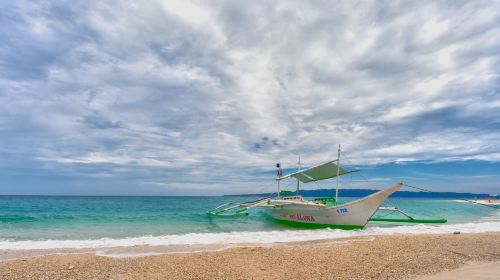
📅 December to April
I always tell friends that the best time to visit the Philippines weather-wise is between December and April. It’s our dry season, which means sunny skies, calm seas, and perfect beach days — especially if you’re planning to hit Boracay, Palawan, or Siargao. This is also when major festivals like Sinulog and Panagbenga take place, so there's a lot of energy in the air!
Crowds & Costs: Expect everything to be more expensive — from flights to hotels. Tourist spots are packed, especially over Christmas, New Year, and Holy Week.
✅ Pros:
- Best weather across most islands
- Colorful festivals and events
- Perfect for beach hopping and sightseeing
❌ Cons:
- Flights and hotels are pricey
- Long queues at famous spots
- Resorts get fully booked fast
💡 Smart Travel Hacks:
- Book flights 3–6 months ahead
- Travel on weekdays to avoid weekend surges
- Skip touristy islands and explore less popular gems like Romblon or Camiguin
2️⃣ Shoulder Season (Balanced Months for Weather & Crowds)
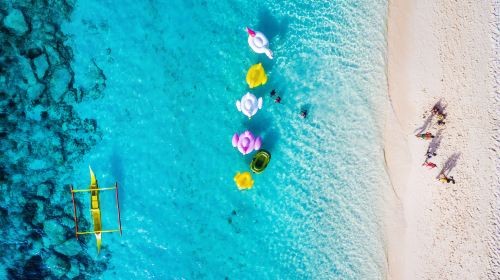
📅 May and November
If you want the best of both worlds — decent weather and fewer crowds — I always recommend traveling in May or November. The rains haven't fully kicked in yet (or are just tapering off), but prices drop slightly, and the crowds thin out.
Why It’s Great:
- More affordable than peak months
- Most attractions still open and enjoyable
- Ideal for relaxed trips without planning too far ahead
Perfect for:
- Couples or solo travelers on a mid-range budget
- Culture lovers who want to skip the festival rush
- Travelers who want good weather without chaos
3️⃣ Off-Peak Season (Least Crowded & Most Budget-Friendly Time)
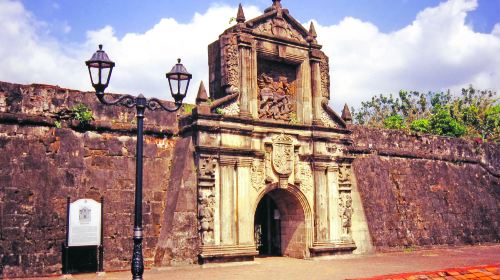
📅 June to October
This is the rainy season, and to be honest, it’s not for everyone. But if you're on a tight budget and don’t mind a little rain (or a lot, depending on the day), this is the cheapest time to visit the Philippines.
Cost & Crowd Levels: You'll find some of the lowest prices for flights and accommodations. Tourist spots are nearly empty.
✅ Advantages:
- Best hotel and flight deals
- Lush landscapes, especially in the provinces
- Great waves for surfers in Siargao or La Union
❌ Downsides:
- Rain can disrupt beach plans
- Possibility of typhoons, especially in August and September
- Some tours or boat trips may be cancelled due to weather
Who Should Travel Now:
- Backpackers or long-term travelers
- Photographers who love moody, green landscapes
- Locals and returning OFWs who’ve seen the country before and just want to chill
4️⃣ Major Festivals & Events That Impact Travel
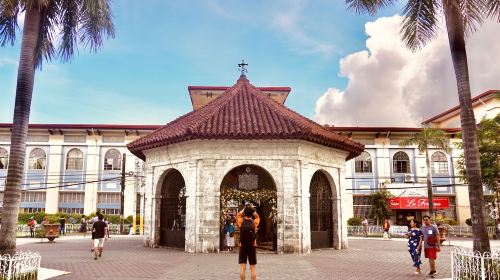
- Sinulog (January, Cebu): Wild street parties, religious processions, and a festive vibe. Hotels sell out fast — book early!
- Ati-Atihan (January, Kalibo): Like Sinulog but more grassroots — it’s a tribal celebration that’s one of my personal faves.
- Panagbenga (February, Baguio): A flower festival with floats and parades. Cooler weather, but expect crowds.
- Holy Week (March/April): Very busy domestically. Beaches and bus terminals are full — plan ahead.
- Kadayawan (August, Davao): Celebrates the city's cultural heritage and harvest. Hotels in Davao can fill up fast around this time.
Tip: If you want to experience the culture, plan your trip around one of these festivals. But if you prefer quiet travel, avoid these dates — everything’s pricier and packed.
Best Time to Visit Philippines Based on Your Travel Style
1️⃣ Budget Travelers
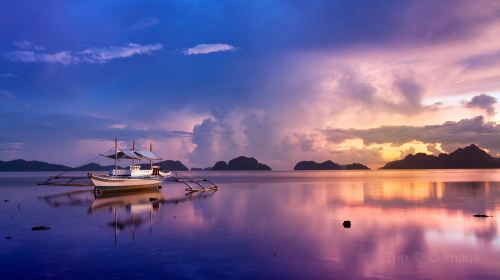
📅 Cheapest Months: June to October
For those traveling on a tight budget, this is your sweet spot. Rainy season means huge markdowns on hotels, especially in places like Cebu and Bohol.
Money Tips:
- Book domestic flights on weekdays — they’re often cheaper
- Travel with local buses or ferries instead of private transfers
- Eat at carinderias (local eateries) — delicious and cheap!
2️⃣ Luxury Travelers
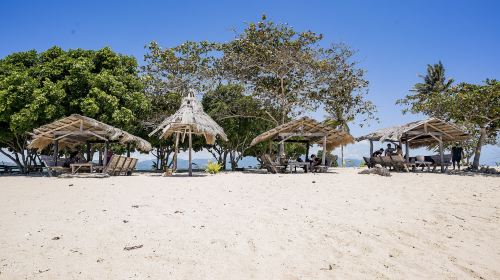
📅 Best Months: December to February
I always recommend this window for luxury travelers. You’ll get the best weather for sailing trips, fine dining, and staying at five-star beachfront resorts.
Luxury Musts:
- Private island stays in Palawan or Amanpulo
- Yacht tours around El Nido
- Fine dining in BGC or Makati’s top restaurants
Tip: Book at least 3 months ahead for top resorts during holidays.
3️⃣ Adventure Seekers
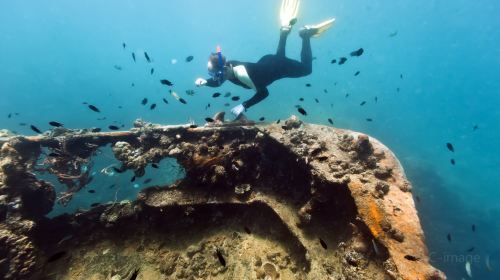
📅 Best Months: March to May (dry) or August to October (surf season)
Whether it’s cliff diving in Siquijor, spelunking in Sagada, or surfing in Siargao, there’s something for every adventurer.
What to Know:
- Summer (March–May) is perfect for hiking and water sports
- August–October is best for surfers chasing the best waves
- Some activities depend heavily on the weather — always check local updates
4️⃣ Cultural Enthusiasts
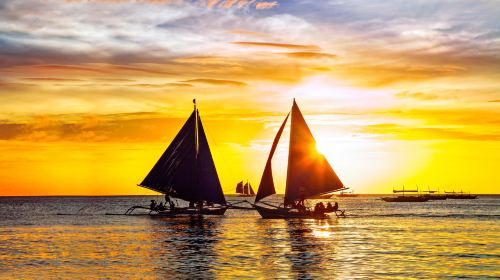
📅 Best Months: January to March
This is when you’ll catch some of the Philippines’ biggest cultural events. If you're into traditions, festivals, and heritage, it’s the best time to dive deep.
Must-See:
- Sinulog, Panagbenga, and Pahiyas
- Holy Week observances in Pampanga or Marinduque
- Heritage walks in Vigan and Intramuros
Insider Tip: Visit major churches early in the morning to avoid the tourist rush.
5️⃣ Family Travelers
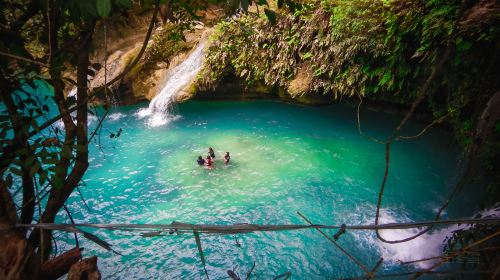
📅 Best Months: April, May, or late October
I always recommend school break months for family travel — just be ready for crowds. If you want quieter family trips, consider the last week of October before Halloween.
Family Travel Tips:
- Book resorts with kid-friendly pools and activities
- Avoid long road trips if traveling with toddlers — opt for direct flights
- Theme parks like Enchanted Kingdom or Ocean Adventure are best on weekdays
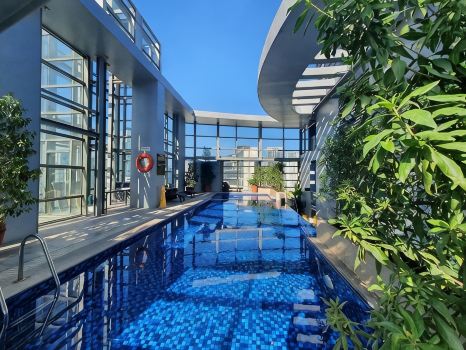
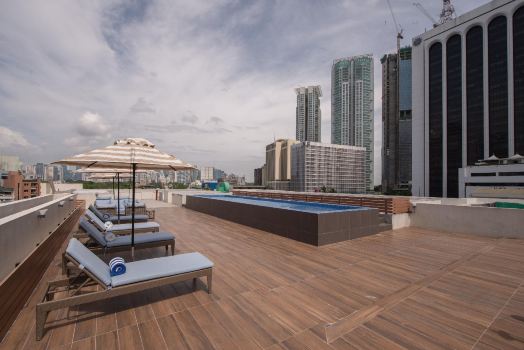
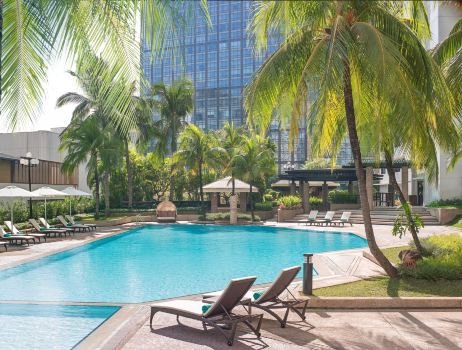
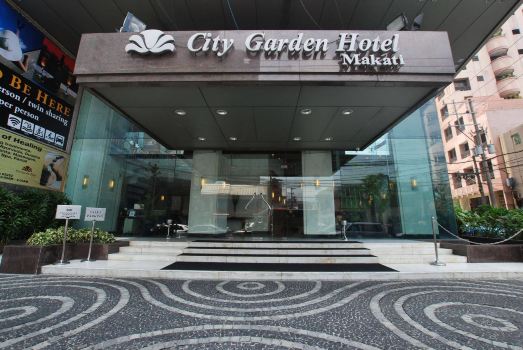
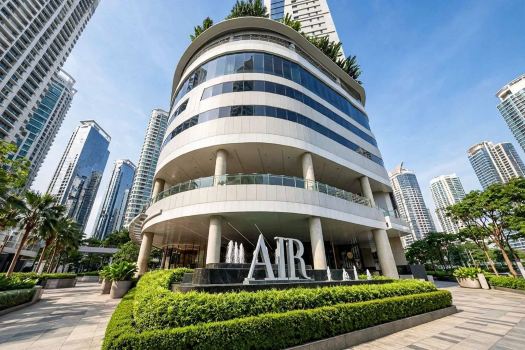
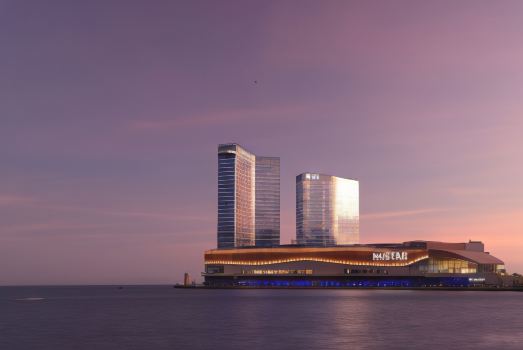
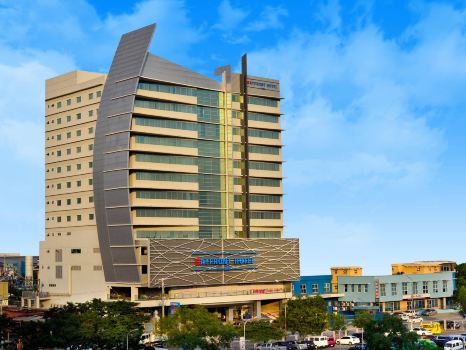
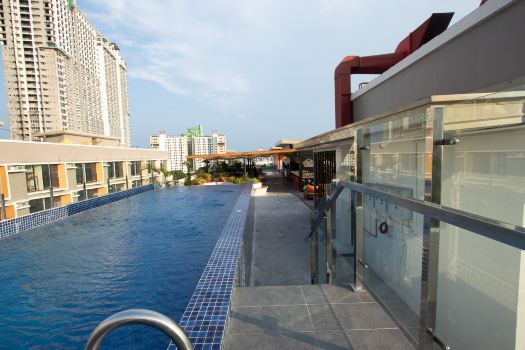
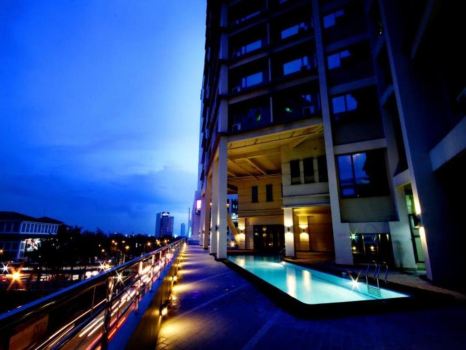
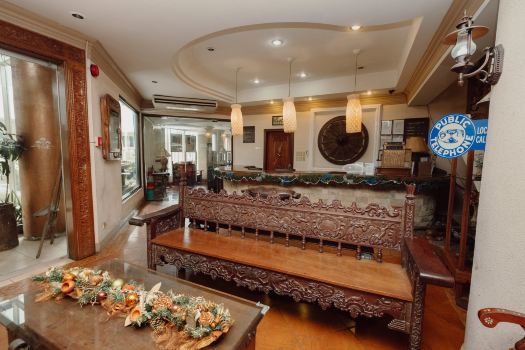
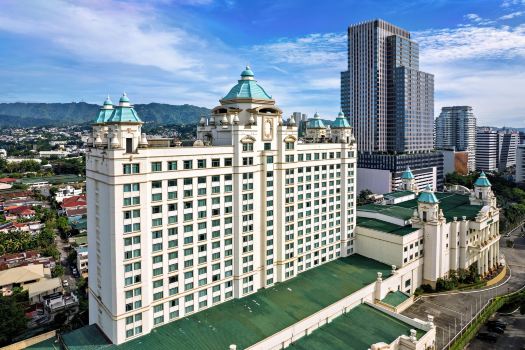
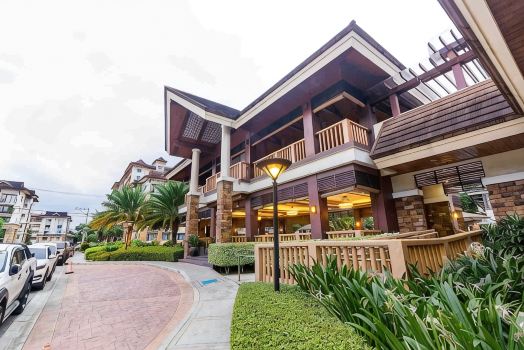
Recommended Hotels in Philippines
 NO.1
NO.1







✈️ Final Tips for Planning Your Trip to the Philippines
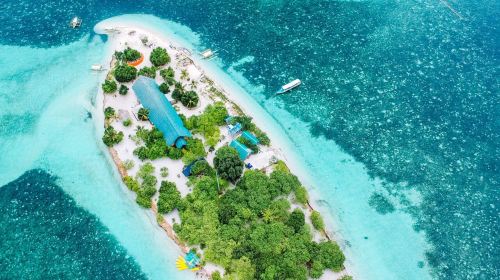
If you’re dreaming of your perfect trip to the Philippines, I always say the sweet spot is between December and February—cool breezes, sunny skies, and tons of exciting festivals. 🌤️ Want fewer crowds and lower prices? Aim for June to September—just pack a light raincoat and a flexible attitude, and you’re golden!
Now that you know the best time to visit the Philippines, it’s time to start turning that dream into reality. ✈️ Book your flights to Philippines, book your hotels in Philippines, and get ready for island-hopping, beach-lounging, and some of the best food you'll ever taste. 🍛🏝️
With your timing locked in, all that’s left is to start planning, start packing, and get ready to fall in love with every island, every smile, and every adventure the Philippines has to offer. ✨
FAQs: Common Questions About Visiting the Philippines
-
How much should I budget per day?
-
Is the Philippines safe for tourists?
-
What’s the best local food to try?
-
What’s a common tourist mistake in the Philippines?
Trending Researches
-
Featured guides
-
Trip.com links
- Mothers Day Gifts
- eSIM
- Hong Kong International Airport
- International Driving Permit
- Toronto Pearson International Airport
- Universal Studios Singapore
- Great Wall of China
- UK ETA
- Narita International Airport
- China Currency
- Changi Airport
- Schengen Visa
- Singapore MRT Map
- France Visa
- Ninoy Aquino International Airport