Jupiter's Temple
 Based on 473 reviews
 No. 4 of Best Things to Do in Split
Open Opening hours of Jupiter's Temple
Jupiter's Temple attraction highlights
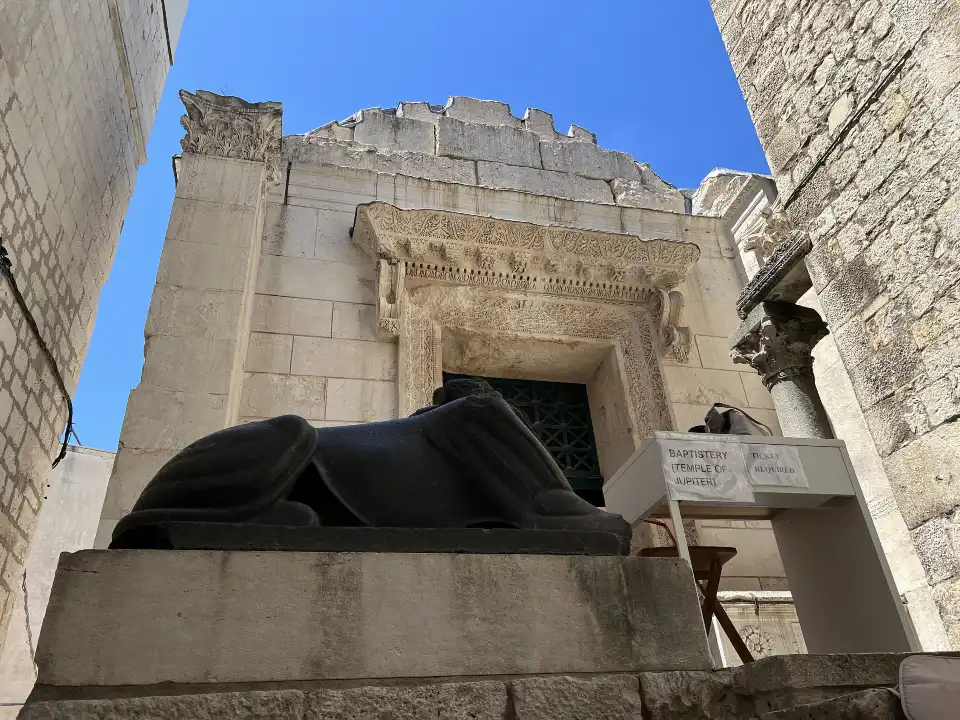
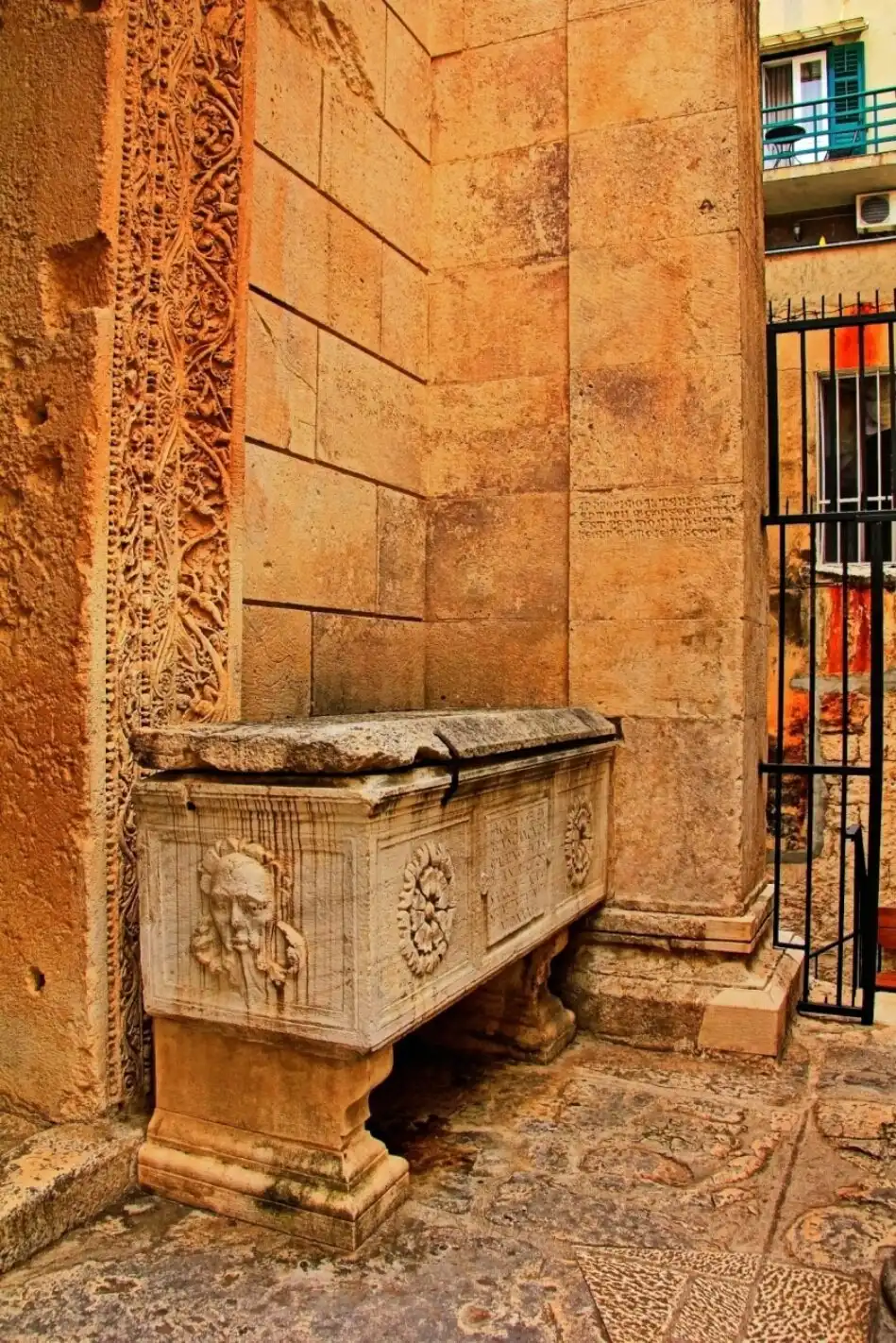
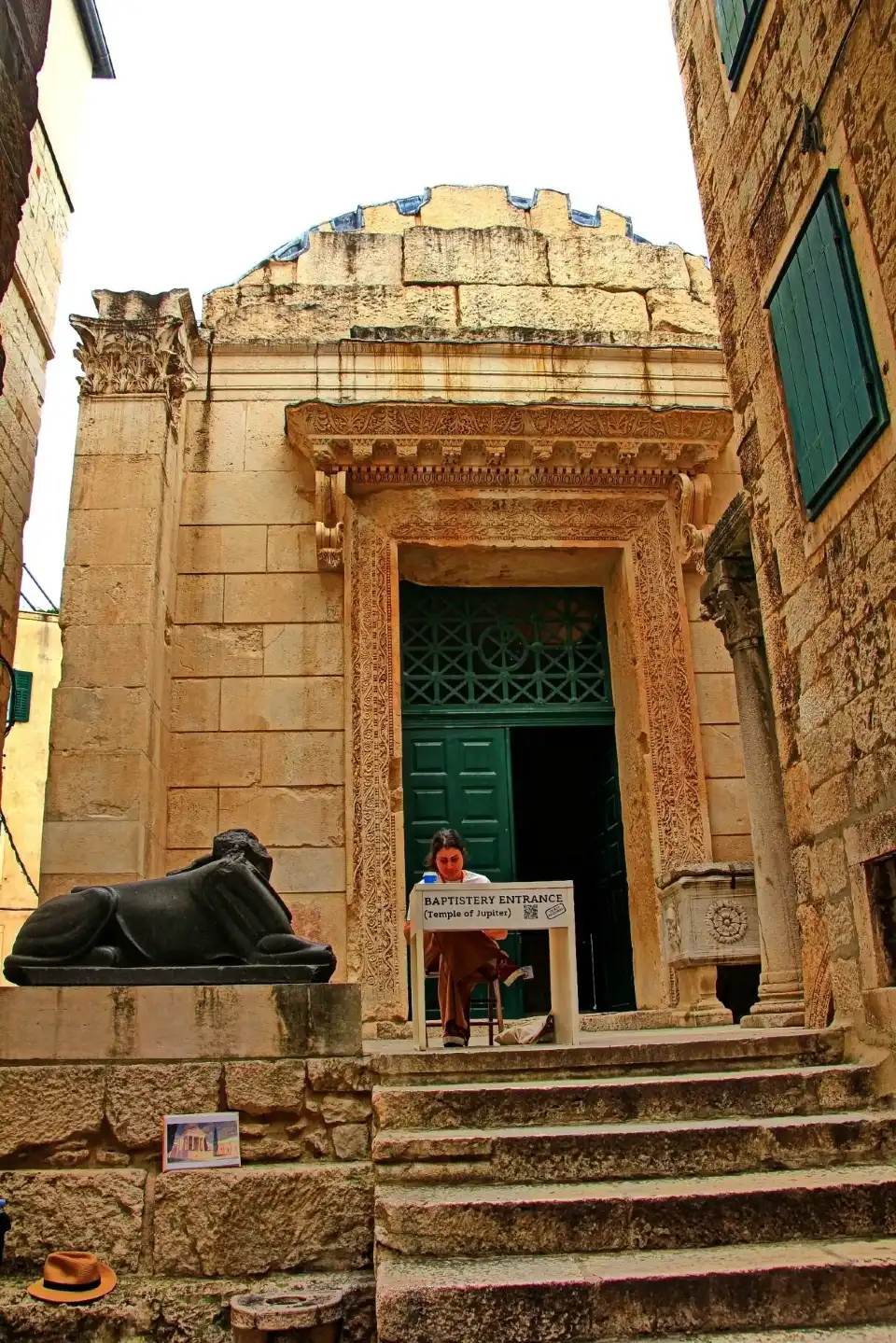
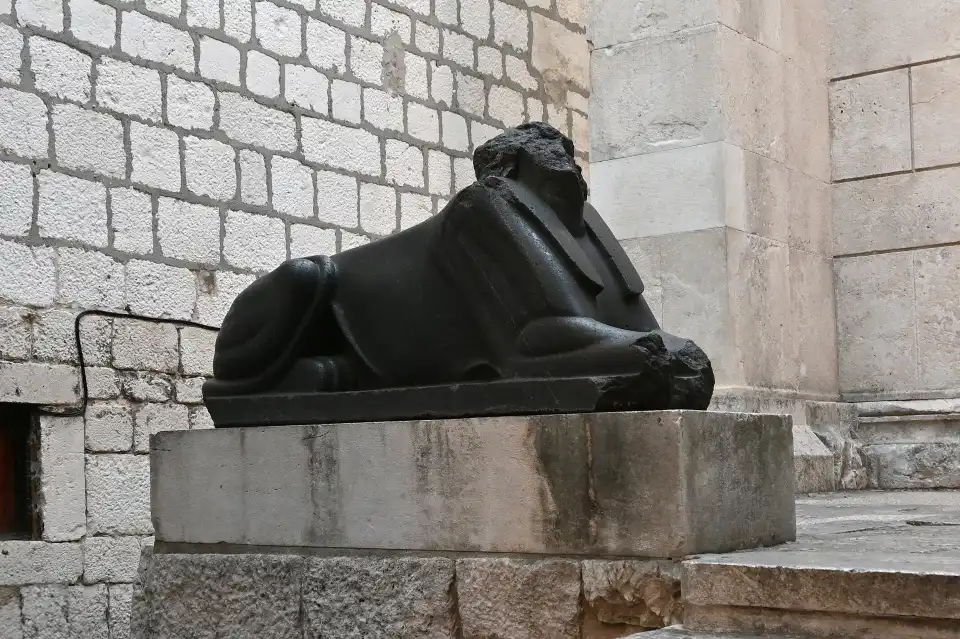
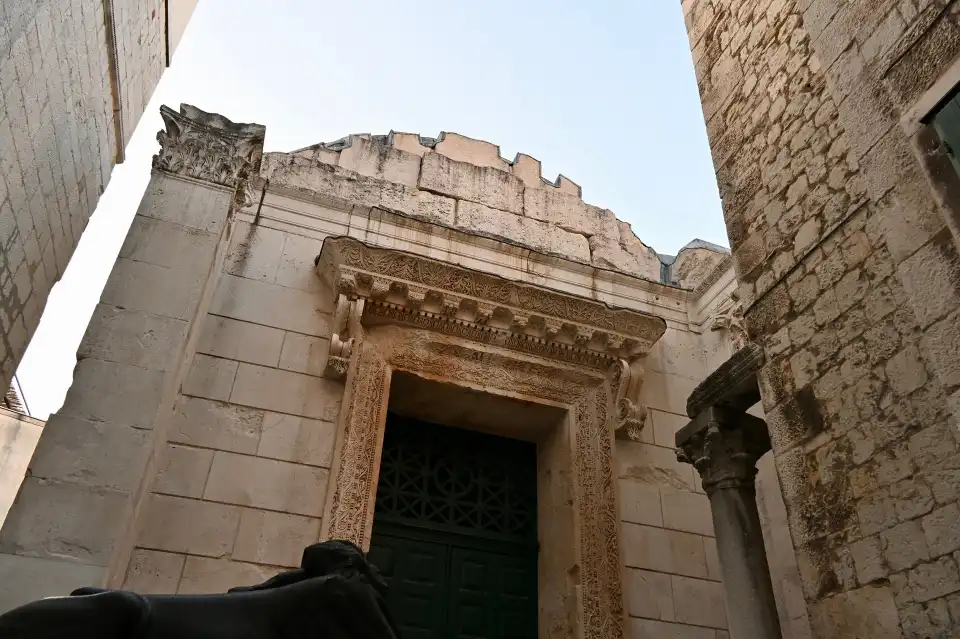
The Jupiter's Temple stands on the west side of Diocletian's Palace in Split, Croatia, next to the Peristyle. Built by the Roman emperor Diocletian when he constructed the palace between the late 3rd and early 4th centuries AD, it was dedicated to Jupiter, the chief Roman god, whose son Diocletian considered himself to be. Though small, the temple is one of the best-preserved ancient Roman religious buildings in the palace. The relief on the lintel above the entrance depicts deities including Jupiter, Victoria, Triton, Helios, Hercules, and Apollo, while a headless sphinx crouches in front of the entrance. It is one of the 12 sphinxes Diocletian brought back from Egypt and is now a particularly eye-catching photo spot. The interior is compact, with a coffered barrel vault visible overhead. Around the 6th century AD, it was converted into the Baptistery of St. John. Today, the temple houses a bronze statue of St. John the Baptist by sculptor Ivan Meštrović and the stone sarcophagi of two medieval archbishops of Split. The stone relief panels around the baptismal font are carved with images of Croatian kings and their subjects and provide important evidence of how early Croatian rulers were depicted. In this small hall, more than a thousand years of change from ancient Roman polytheism to Christianity are layered together, revealing far more on close inspection than its exterior suggests. It can be reached by walking west from the Peristyle through a narrow alley. A visit does not take long, and it is recommended that you include it in your overall tour of Diocletian's Palace.


Other visitors' reviews of Jupiter's Temple
Show More ReviewsSplit, Temple of Jupiter, the black marble Egyptian sphinx at the entrance is 3,500 years old, but unfortunately it has been "beheaded". In contrast, the sphinx on the right side of the cathedral bell tower is well preserved.