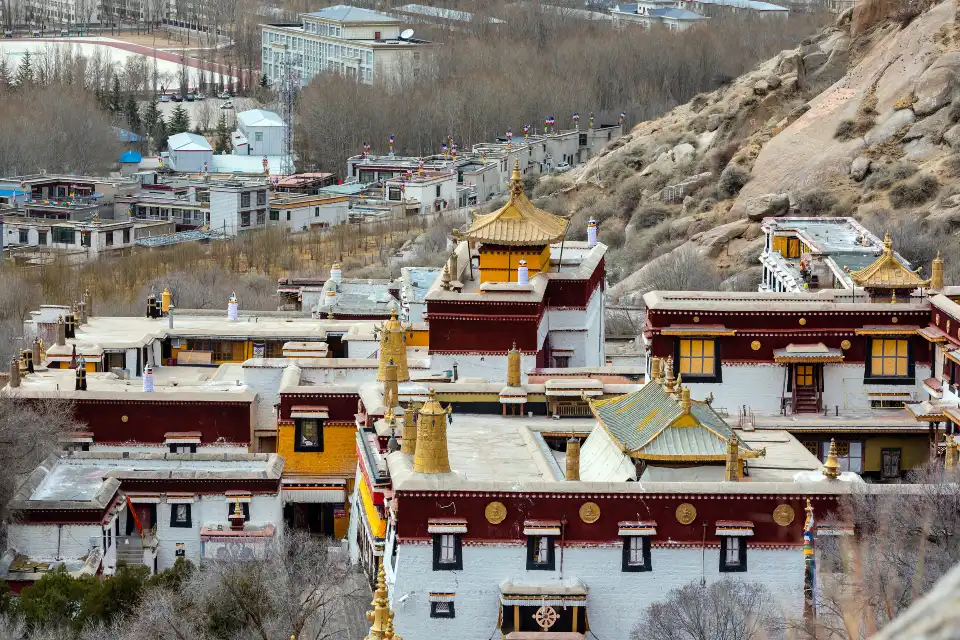
Sera Monastery
色拉寺 Based on 717 reviews
 No. 15 of Best Things to Do in Tibet
Opening hours of Sera Monastery
Sera Monastery attraction highlights
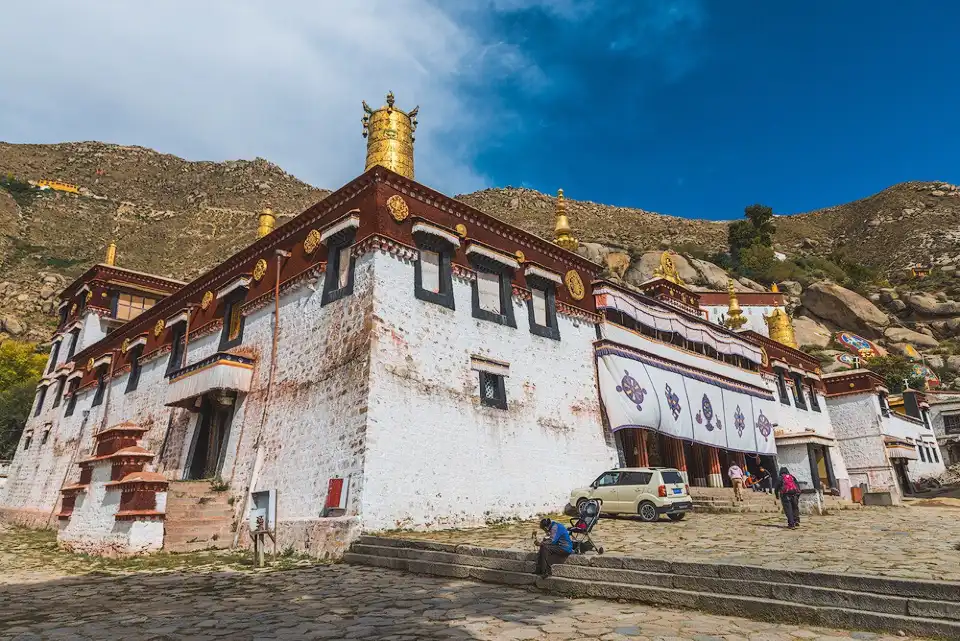
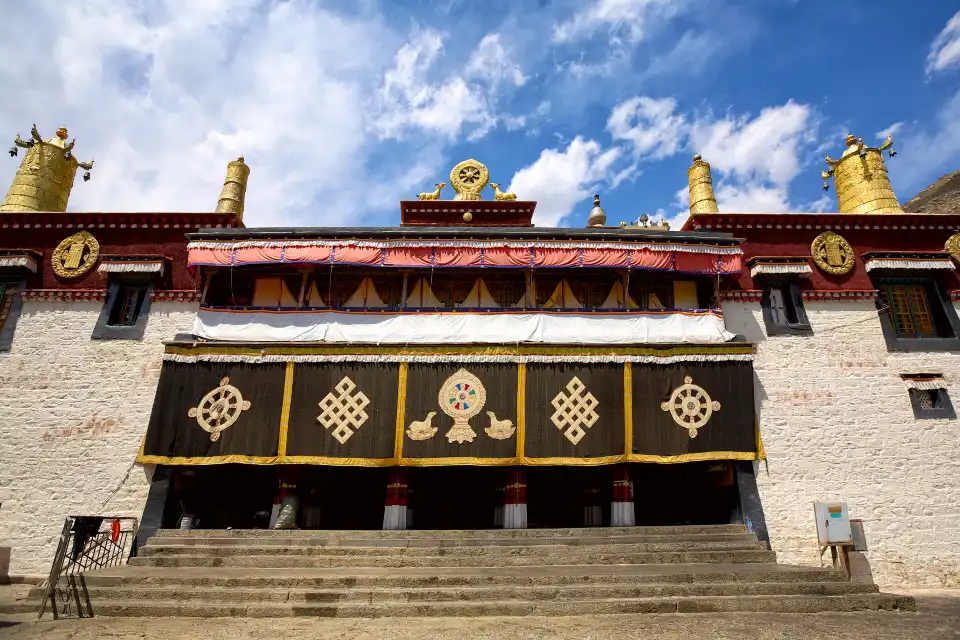
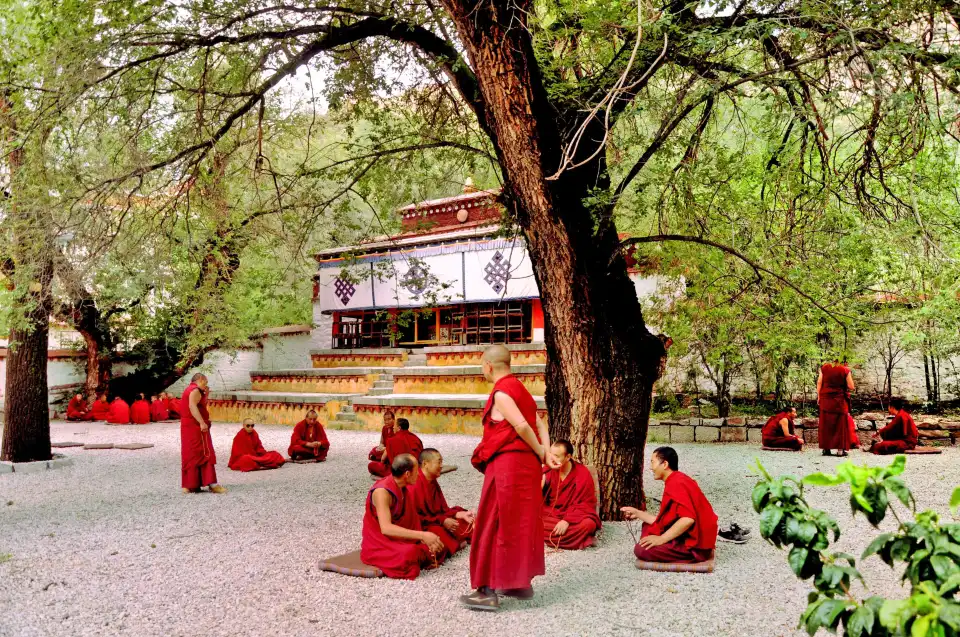
Sera Monastery is located at the foot of Sera Utsé Mountain in the northern suburbs of Lhasa, one of the three great monasteries of Lhasa and the second largest monastery in Tibet. The architecture within the monastery is of Tibetan style, with the main hall being resplendent and grand. The monastery houses numerous Buddha statues, as well as a vast collection of precious artistic treasures such as scriptures, exquisite thangkas, appliqué thangkas, and murals, making it an excellent place for worship or sightseeing. Famous debate: The debate at Sera Monastery has long been renowned in Tibet and is a highlight for visitors. The debate ceremony takes place in the debate courtyard north of the monastery, starting daily at 3 p.m. and lasting until 5 p.m., except on Sundays and special holidays. During the debate, monks sit on the ground while another stands opposite, engaging in exaggerated motions to argue scriptures, which is quite fascinating. Exploring Sera Monastery's architecture: Visitors can walk around to admire the monastery's halls. The entire monastery has a perimeter of approx. 1.5 km, with its layout centered around the Tsokchen Hall, surrounded by numerous buildings of various colleges. Unlike Han Chinese Buddhist architecture, Sera Monastery is not symmetrically arranged but scattered across the mountainside. Notable halls include the Hayagriva Chapel and the Tsokchen Hall, which are must-sees. The Hayagriva Chapel enshrines the famous statue of Hayagriva, a powerful guardian deity in Tibetan Vajrayana Buddhism believed to ward off evil and resolve difficulties. Legend has it that this statue was unearthed by Tsongkhapa, founder of the Gelug school, after he heard a horse's neigh during a walk. Thus, it is said to possess strong exorcising powers in Tibetan Buddhist lore. This is also a focal point for devotees visiting Sera Monastery, where one can join the faithful in prayers for blessings and protection. The central Tsokchen Hall is the largest structure in Sera Monastery, supported by 108 pillars and capable of accommodating over 8,000 monks during religious ceremonies. Inside, a statue of the monastery's founder, Shakya Yeshe, features a unique hat inscribed with Sanskrit, gifted by the Yongle Emperor of the Ming Dynasty during his preaching in inland China—a detail worth discovering firsthand. Hiking the back mountain for a panoramic view of Lhasa: The back mountain of Sera Monastery offers a high vantage point, with the summit providing a full view of Lhasa, making it a favorite spot for hiking enthusiasts. The mountain has a relative height of approx. 500 m, and the hike takes around 4 hrs, requiring moderate physical fitness. However, even a slight ascent along the trail rewards hikers with expansive views of Lhasa, so travelers with limited stamina or those prone to altitude sickness are advised not to push to the summit.
Sera Monastery Reviews: Insider Insights and Visitor Experiences
Sera Monastery Photos: Trip Moments
- travel2026
- travel
- thingstodo
- myitinerary
- citydaytours
- china
- seramonastery
- lhasa
- tibet
- tibettravel
- tibetanculture
- luxurytravel
- tripmoments
- travelphotography
- buddhistculture
- wanderlust
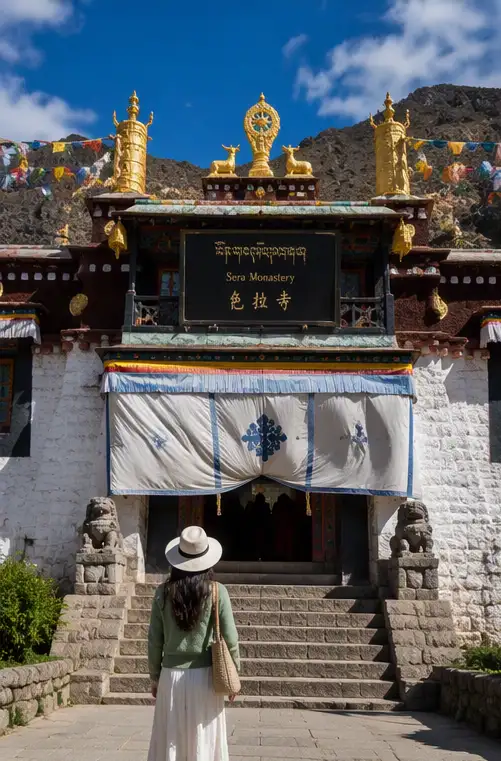
Welcome to Sera Monastery, one of the great monastic institutions of LhasaImagine walking through ancient monastery courtyards while the sound of debate echoes around you. 🏔️✨ Welcome to Sera Monastery, one of the great monastic institutions of Lhasa and a fascinating place to experience Tibetan Buddhist culture. Founded in 1419, Sera was historically one of Tibet’s major centres of Buddhist learning. Today, its whitewashed buildings, golden details, narrow paths and peaceful courtyards create an unforgettable setting just outside central Lhasa. But the real highlight? The famous monks’ debate sessions. In the monastery courtyards, monks traditionally debate Buddhist philosophy through energetic exchanges of questions and answers, often punctuated by dramatic hand gestures and claps. It is fascinating to watch — part scholarship, part ritual and completely captivating. 📸 For an Instagram-worthy moment: capture the colourful details of the monastery, prayer wheels and mountain light, but don't forget to experience the debate itself. The movement, expressions and atmosphere make it one of the most memorable cultural experiences in Lhasa. ✨ A few tips: Visit earlier in the day and check the current debate schedule before going. Dress respectfully and follow monastery photography rules. Keep your voice low around prayer and worship areas. Ask permission before photographing monks or visitors. Give yourself time to explore the courtyards rather than simply stopping for photos. Remember that Sera is a living religious institution, not just a historic attraction. There is something incredibly powerful about seeing an ancient intellectual tradition still taking place in front of you. Come for the architecture. Stay for the atmosphere. Leave with a glimpse into a culture that has shaped Tibet for centuries. 🤍 #SeraMonastery #Lhasa #Tibet #TibetTravel #TibetanCulture #LuxuryTravel #TripMoments #TravelPhotography #BuddhistCulture #Wanderlust #travel2026#travel#thingstodo#myitinerary#citydaytours#chinas7an Atlas2
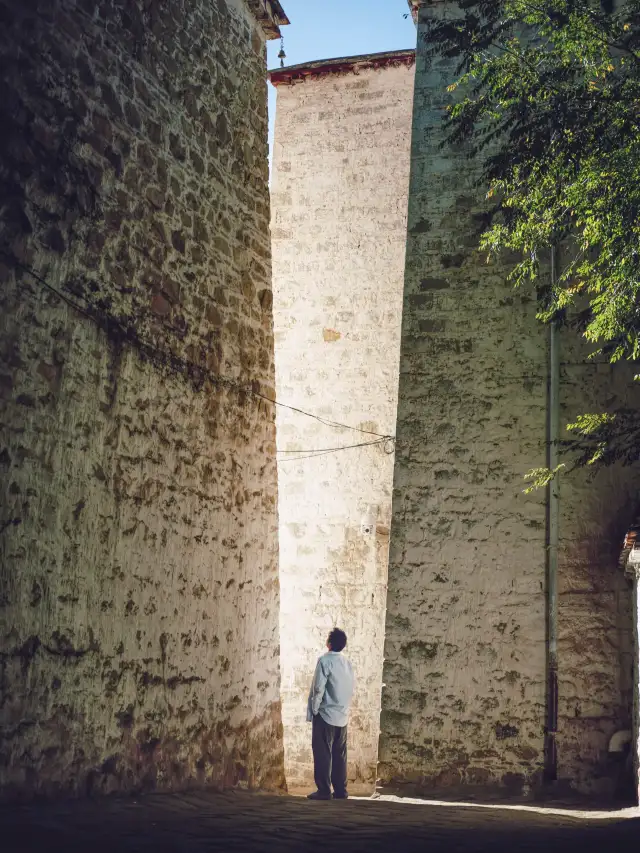 Tibet|On my first day in Lhasa, I saw the photo of a lifetime· 📍: Tibet On my first day in Lhasa, I knew some scenes would be etched into my life. When the red walls of Sera Monastery meet the film-like sunlight at four in the afternoon, when the blue of Yamdrok Lake suddenly crashes into my eyes like a melting gem—I stand in the wind and hear something distant, something belonging to the soul, gently blooming with a "pop." It turns out there really is a place where the sky can be so deeply blue, and every flutter of the prayer flags feels like a chant; it turns out there really is a lake whose colors cannot be contained by names, only entrusted to the eyes and memory. 📸 Moments captured on my camera these days: · Outside the debate courtyard of Sera Monastery, a ray of light just passing through the pillars · By the shore of Yamdrok Lake, layers of blue from the water and clouds · The silhouette of an old pilgrim seen on the mountain at Tashilhunpo Monastery · Chongba Yongcuo reflecting the snow-capped mountains, quiet like the world’s original state Standing here, I realize Tibet never offers just scenery, but a visual pilgrimage. Every frame reshapes your imagination of heaven and earth. ❗️The photo of a lifetime is probably that moment when, without warning, you look through the viewfinder and suddenly see another version of yourself. 🎬【Shooting locations】 1️⃣-3️⃣ Sera Monastery 2️⃣ Tashilhunpo Monastery 4️⃣ Chongba Yongcuo 5️⃣ Yamdrok Lake 6️⃣ Xingkong Zhongxi Bridge 7️⃣ Suosong Village 8️⃣ Gangga Town Guandi Temple 9️⃣-1️⃣0️⃣ Peiku Lake 1️⃣1️⃣ Hundred Thousand Sand Dunes 📷 The moment the shutter clicks, the journey is not over, but just beginning 🧳AAN. Patricia 37211

 Lhasa Sera Monastery | The most photogenic monastery guide in LhasaSera Monastery in the afternoon Half is the sound of faith and debate, half is the gentle light and shadow of Tibet · I came here on my last afternoon in Lhasa. Compared to Drepung Monastery, which requires a lot of climbing, this place is a bit more relaxed. With white and red walls paired with the afternoon light and shadows, every corner is perfect for a great shot. It is truly perfect for photography lovers! 🚌 Super convenient transportation Many buses from the city center go directly to the foot of the mountain. After getting off, it is a 500-meter walk to the main gate. Just buy a ticket and enter; no need to bother with a taxi 📖 About the debate | Important tips to avoid a wasted trip The debate at Sera Monastery is a must-experience cultural activity in Lhasa! It is not an argument; it is a Buddhist academic debate among monks. The clapping, stomping, and tossing of prayer beads create an incredible atmosphere. ▫️ Regular hours: Monday–Saturday 3:00 PM – 5:00 PM (Outdoor debate field on the north side). It is recommended to arrive by 2:30 PM: Visit the main hall first, then go to the debate field to secure a front-row spot ▫️ Closed: No outdoor debate on Sundays or major religious holidays; temporarily canceled on rainy days ▫️ My special experience: I visited on a Sunday. There was no outdoor debate, but there was one inside the main hall. The atmosphere was more solemn and respectful, with stricter rules, lacking the relaxed vibe of the outdoor one ⚠️ Strict photography rules (Must read to avoid pitfalls) The monastery is strictly managed. Taking photos of monks is prohibited; you can only photograph the architecture, alleys, and light and shadows. If you are just watching the debate, you can finish in 1 hour; for pure photography, reserve 3+ hours ✅ 4 top-tier photo spots | Niche + classic coverage The light is best between 2:00 PM and 3:00 PM, with soft wall textures, suitable for both portraits and architecture 1️⃣ Tsokchen Hall: The front and side walls are great for photos. The iconic chair spot on the left is a must-visit, with Tibetan-style white walls and wooden windows creating a great atmosphere 2️⃣ Path in front of the debate field (Jezha Dratsang): A long Tibetan-style alley where light and shadows extend vertically. Both empty shots and portraits look sophisticated 3️⃣ Niche viewing platform on the back hill (Highly recommended, few people): Hike up a short mountain path; there are murals and stone carvings along the way. Reach the top to overlook the entire city of Lhasa. On sunny days, you can see snow-capped mountains in the distance. The view is amazing, and it is a hidden gem away from the crowds 4️⃣ Around Aré Khangtsen (Popular spot for travel photography): The area with the densest photo spots in the entire monastery. If you want niche shots, head to the back hill. The first half is full of tourists taking photosDavidLux

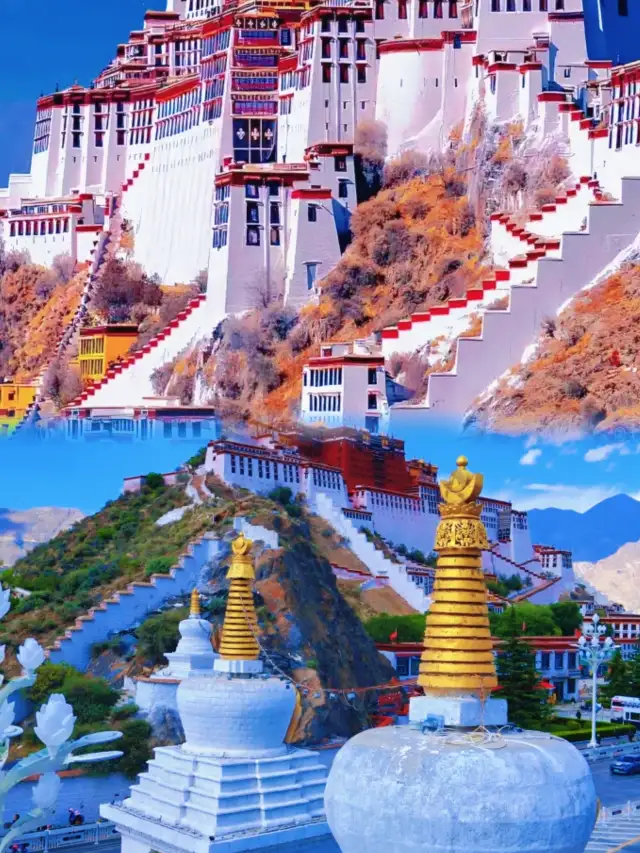 The four must-visit core attractions in Lhasa|First time in Tibet? Follow this guide to avoid mistakes📍Destination: Tibet · Lhasa 📅 Duration: 2 days in the city + 1 day round trip to Yamdrok Lake 💡 Suitable for: first-time visitors to Lhasa who want to experience both culture and scenery 🏯 NO.1 Potala Palace (the soul landmark of Lhasa) · Address: 35 Beijing Middle Road, Chengguan District · Ticket: 200 CNY. Must book 7 days in advance via the official mini program. No on-site tickets during peak season · Highlights: Featured on the 50 CNY banknote, the highest palace complex in the world by altitude, with the red and white palaces standing against the mountain. Inside are the tombs of past Dalai Lamas, millennium-old murals, and precious thangkas. The summit offers panoramic views of Lhasa city. · Tips: Many stairs and high altitude, walk slowly to avoid altitude sickness; strongly recommend official guided tours to understand the history; photography is prohibited inside, but the square outside and the Medicine King Mountain viewing platform offer the best panoramic shots. 🛕 NO.2 Jokhang Temple (the spiritual center of Tibetan Buddhism) · Address: Barkhor West Street, Chengguan District, adjacent to Barkhor Street · Ticket: 85 CNY. Book 1 day in advance · Highlights: "Jokhang Temple existed before Lhasa city." The temple houses a life-size golden statue of the 12-year-old Shakyamuni and is the final destination for countless pilgrims. The golden roof offers excellent views of Potala Palace. Devotees prostrating on the square create a deeply spiritual atmosphere. · Tips: Visit clockwise, remove hats inside, and no photography; after visiting, walk along Barkhor Street to experience authentic local life. 🪨 NO.3 Yamdrok Lake (Yamdrok | one of the three sacred lakes) · Location: Langkazi County, Shannan City. Day trip by private car or shared ride from Lhasa city · Ticket: 95 CNY · Highlights: Known as the "turquoise earring" of Tibet, the winding lake changes shades of blue with the light, surrounded by snow-capped mountains. The scenic mountain road viewing platforms are perfect for photos. It is the closest top-tier sacred lake to Lhasa. · Tips: The wind by the lake is very strong, so bring a thick jacket even in summer; avoid the steep rocky slopes near the shore; do not run vigorously at the 4,998-meter viewing platform. 🧘 NO.4 Sera Monastery (watch a Tibetan Buddhist debate) · Address: 1 Sera Road, northern suburb of Lhasa · Ticket: 55 CNY · Highlights: One of Lhasa’s three major Gelugpa monasteries, quieter than Potala Palace and Jokhang Temple. The monks’ debate around 3 PM is the main attraction, featuring clapping, shouting, and questioning, offering a direct experience of Tibetan Buddhist learning culture. · Tips: Photography is allowed during the debate, but avoid loud noises and entering the debate area casually; after visiting, head to the monastery’s back hill for a less crowded spot to photograph panoramic views of Lhasa. ✅ Simple itinerary reference Day 1: Potala Palace square → Potala Palace → Medicine King Mountain photo stop → evening Barkhor Street circumambulation Day 2: Jokhang Temple → Sera Monastery debate → Guangming Sweet Tea House for local life experience Day 3: Yamdrok Lake day trip, return to Lhasa in the evening to rest ⚠️ Tibet travel reminders 1. Avoid showering or washing hair for the first 2 days after arriving in Lhasa to help acclimate to the altitude 2. Respect local customs at all temples: do not step on thresholds or take photos of locals without permission 3. Always carry sunscreen, sunglasses, lip balm, and an oxygen bottle. UV rays are very strong at high altitudeMAGGIE WEBSTER

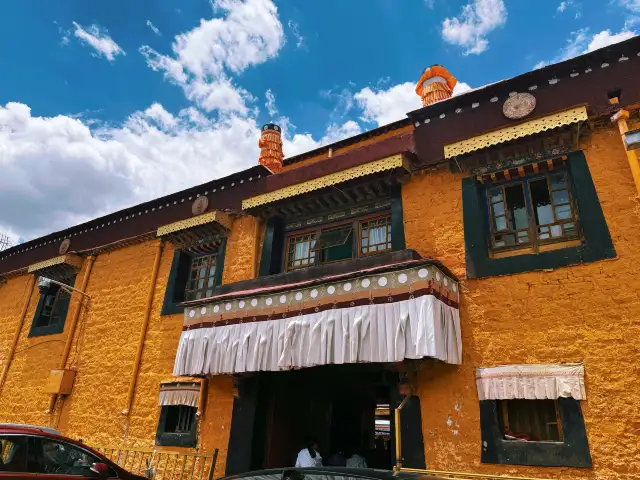 Zhaji Temple | The last temple visited before leaving Tibet, free and no reservation requiredThe last temple we visited on this Tibet trip was Zhaji Temple—free, no reservation required, yet very popular. Before setting off, I checked the guides and learned that there is no admission ticket fee and no reservation is required; you can just show up. Upon arriving, I found long queues at the entrance, with a steady stream of believers clutching baijiu and hada. 🙏 About Zhaji Temple It is located in the northern suburbs of Lhasa and is a branch temple of Sera Monastery. Its Tibetan name is said to originate from the only four monks present when the temple was first built. It is small in scale, yet it is one of the most popular temples in Lhasa for incense offerings. 🙏 Main deity worshipped: Zhaji Lhamo This temple enshrines a very special female deity of wealth—Zhaji Lhamo. Legend has it that she originally came from the Han regions, arrived in the Snow Land by fate, and was eventually invited to Zhaji Temple. Her image is very recognizable: chicken feet, a black tongue, and wide, angry eyes, which is very different from the usual benevolent-looking Bodhisattvas. Because of her unique background, believers feel she is exceptionally responsive, especially when praying for wealth. 🍶 How to buy offerings? We bought a set of the "classic three" at the entrance: baijiu, a yellow hada, and Tibetan incense. The baijiu is an offering for Zhaji Lhamo (she loves alcohol the most), while the hada and Tibetan incense are used for prayers. I heard that Wednesday mornings are the most auspicious time. 💭 Standing in this small temple, listening to the legend of Zhaji Lhamo traveling from the Han regions to the Snow Land, I was suddenly filled with emotion. She left her homeland, yet has been worshipped here for thousands of years, becoming the deity of wealth in the hearts of countless people. This faith that transcends geography is inexplicably moving. Unlike the solemn and quiet atmosphere of Tashilhunpo Monastery, which we visited earlier, Zhaji Temple has an extra touch of worldly liveliness and intimacy. 📌 Tips · Opening hours: Generally 7:00 AM–6:00 PM, but it is said that entry may stop around 4:00 PM, so it is recommended to go a bit earlier · Transportation: Taking a taxi or bus is very convenient; just search for "Zhaji Temple" On the way back, I kept thinking about that goddess who came from afar from the Han regions and found her home here for thousands of years. And we, travelers who also came from afar, walking into this small temple, perhaps what we are seeking is not just wealth, but also an indescribable sense of belonging.Evangeline_Moonshroud+94

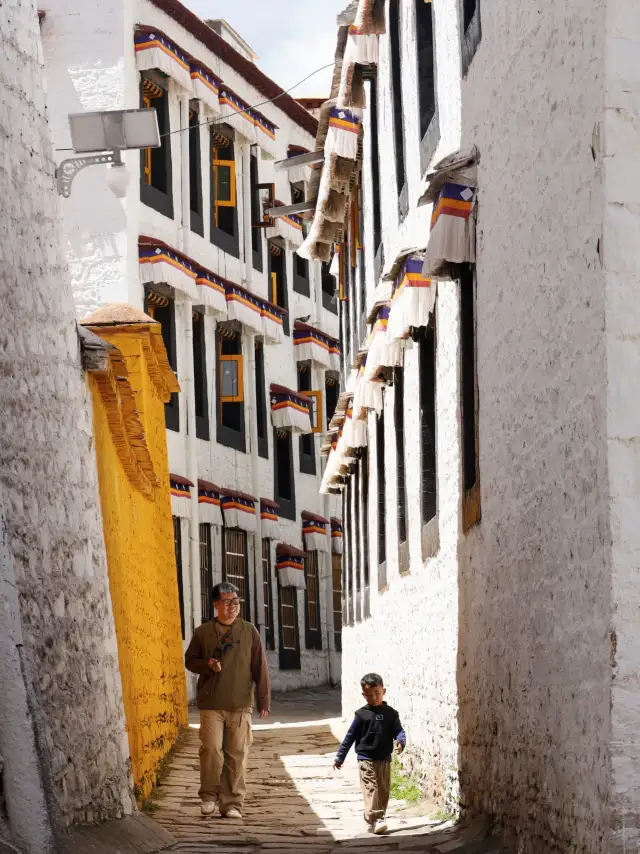
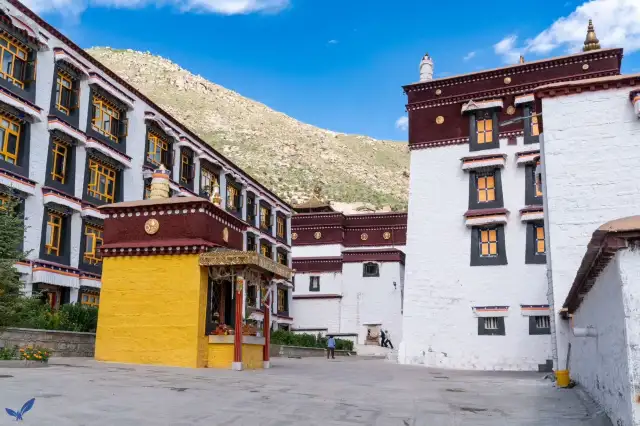 Sera Monastery Part 3 | Encounter In the courtyard of Sera Monastery, a father walked toward me with his two children. Big hand holding small hand, small hand holding small hand.Sera Monastery Part 3 | Encounter 🌿 In the courtyard of Sera Monastery, A father walked toward me with his two children. Big hand holding small hand, small hand holding small hand. We looked at each other and smiled. I crouched down, "Where is Mom?" "She took Grandma to see the doctor." A simple answer, hiding the hustle and responsibility of a family. In this land of faith, what touches the heart the most, Is never the scenery, but the people living their lives with sincerity. 📍Lhasa · Sera Monastery ExpeditionSeeker

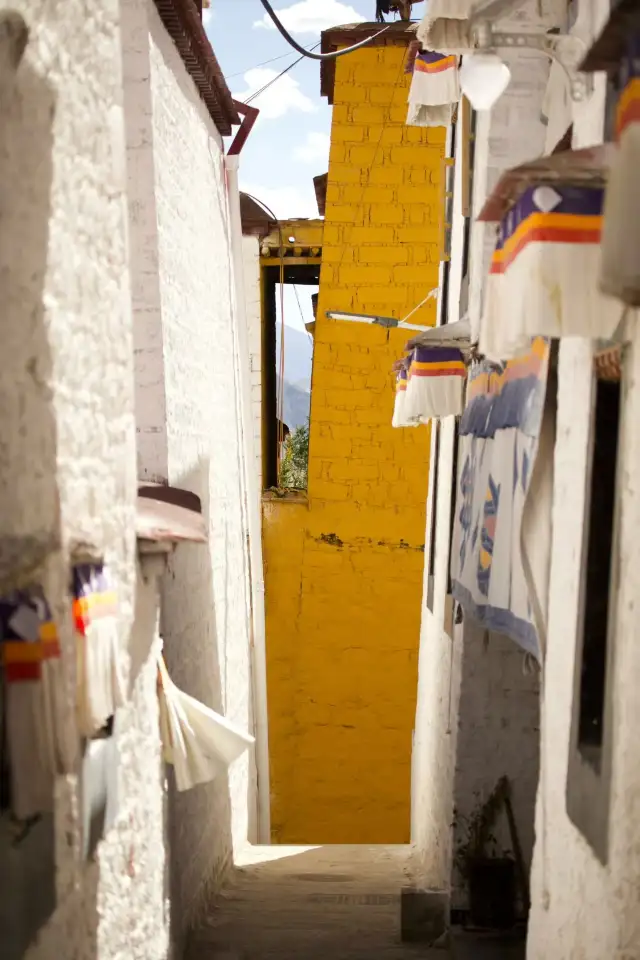 Sera Monastery Travel Guide | A Must-Visit Hidden Gem in LhasaI fell in love with Sera Monastery at first sight 🤩 The white walls and red tiles under the blue sky and white clouds Every photo looks like a masterpiece 📸 📍Location: Sera Road, Chengguan District, Lhasa It's not far from the city center Very convenient to reach by bus or taxi~ 🏛️Travel Guide: I recommend going in the afternoon The lighting is just right for photos ✨ Walk along the small paths in the monastery You can see the stunning white-walled architecture The white walls against the blue sky are absolutely incredible Every shot feels like a magazine cover 📸 I must mention the debate courtyard! This is the most unique part of Sera Monastery The monks' debates are incredibly captivating Even though I couldn't understand the Tibetan language The atmosphere was truly breathtaking! 💡Practical Tips: · I recommend wearing light-colored clothing; it goes perfectly with the white walls · Don't forget sun protection! The UV rays on the plateau are no joke ☀️ · Plan for 2-3 hours to explore at a leisurely pace · Respect local culture; please remove your hat when entering the monastery 🏔️Surrounding Scenery: The mountain scenery around the monastery is also beautiful Looking at the rolling mountains during the day Paired with the blue sky and white clouds It really feels like a hidden paradise~ Don't miss this hidden gem when you come to Lhasa! It's less crowded than the Potala Palace And offers a more tranquil beauty Highly recommended‼️Ethan Smith_2

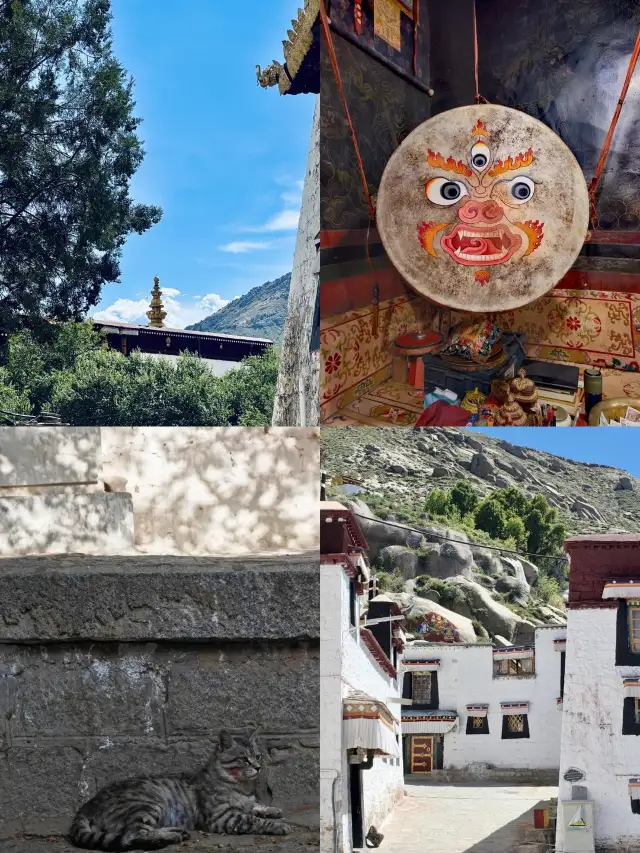 3-day first-time trip to Sera Monastery in Lhasa: Stay in the Old Town or near the monastery?For a first-time trip to Sera Monastery in Lhasa, a 3-day short itinerary is best suited for staying in the Old Town: it is more convenient for dining and exploring Barkhor Street, and you can dedicate a separate day to visiting Sera Monastery to see the temple architecture and the debating courtyard. If your itinerary focuses almost entirely on Sera Monastery and you find suitable accommodation, you can also consider staying near the monastery; confirm the location, oxygen supply, and check-in requirements when booking. Day 1 | Stay in the Old Town, leisurely explore Barkhor Street After arrival, stay in the Barkhor Street or Jokhang Temple area, as it is easier for first-time visitors to combine dining and walking tours of the Old Town. First, get familiar with the alleys along Barkhor Street, then head to the area around Jokhang Temple to see the Old Town's landscape; do not rush to cross-district attractions on the same day, and have dinner in the Old Town, looking for local food like Tibetan noodles and sweet tea. Day 2 | Visit Sera Monastery for architecture and monk debates Dedicate a full day to Sera Monastery. The monastery is located at the foot of Sera Utse Mountain. You can first visit the Coqen Hall, then explore the various Dratsangs, and afterwards go to the debating courtyard to experience the atmosphere of monks debating; whether the debates are held and the specific arrangements may change depending on the day's situation. Information on bus stop signs near Sera Monastery has been incorrect in the past, so check the routes and directions through official Lhasa bus channels before setting off; Tickets for the monastery can be purchased on-site, but policies may change, so double-check official information before you leave. Day 3 | Wrap up around Ramoche Temple and depart If you are still staying in the Old Town before your return trip, you can do a light wrap-up around Ramoche Temple before returning to your accommodation to pick up your luggage and head to the station or airport; if your luggage is stored at your accommodation, allow enough time to return and pick it up. Spend the remaining time having a meal near Barkhor Street or buying souvenirs, and do not schedule any attractions that require cross-district travel. When booking, prioritize comparing accommodation locations within walking distance of the Old Town with actual check-in conditions; if you choose to stay near Sera Monastery, confirm whether the surrounding dining options and transportation to the Old Town are suitable. Lhasa is at a high altitude, so keep activities light on the first day and pay attention to your physical reaction.AuroraMystic7890

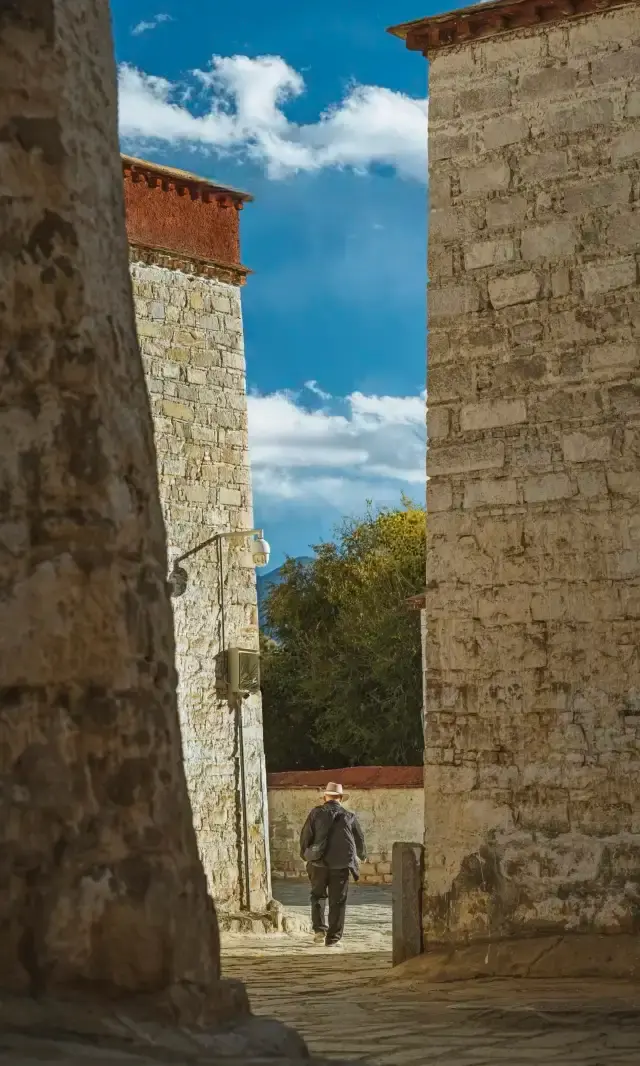 Later, I told everyone how wonderful Sera Monastery in Lhasa is- 📍: Lhasa · Sera Monastery When I stepped into Sera Monastery, time seemed to slow down: Sunlight filtered through the treetops, casting scattered golden specks, and the spinning of prayer wheels traced gentle, lingering paths. The raised arms during the debate carried a sense of power, and the chanting, wrapped in the wind, brushed past my ears. Every moment felt like an immersive movie scene; the most amazing surprise of this Tibet trip was none other than this! 🧳【Travel Tips】 Opening hours: 08:30-17:00 🎫: 50 RMB/person (10 RMB after 17:00) Best time to visit: 15:00 in the afternoon (to watch the debate + soft lighting) Debate time: Monday to Saturday 15:00-17:00 (closed on Sunday) 📷【Photography Equipment】 Hasselblad X2D + 55VWard Charlotte 351

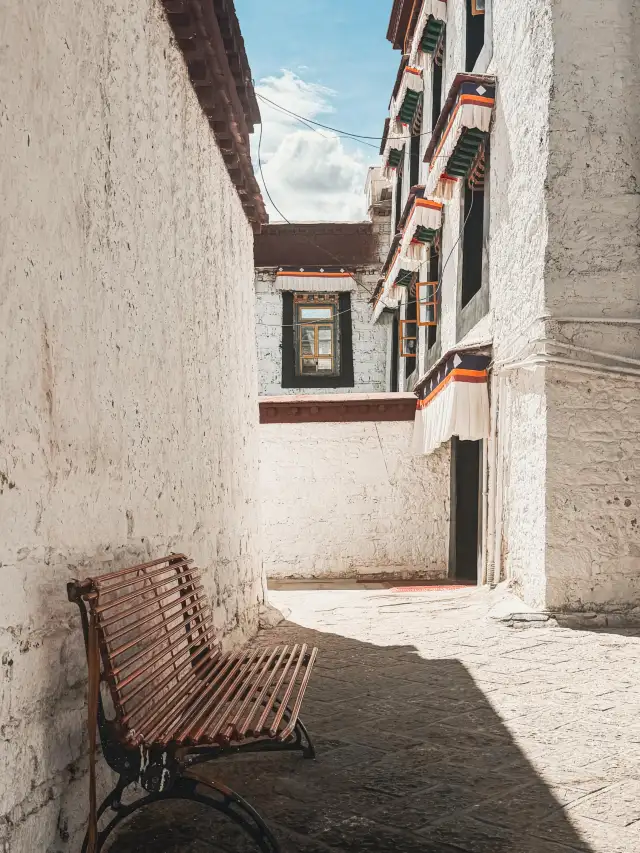 Tibet's Hidden Gem for Stunning Photos! Complete Guide to Visiting Sera MonasteryTravel | Sera Monastery, a lesser-known yet photogenic spot✨ 📍 Sera Monastery, a sacred site of Tibetan Buddhism, offers you a unique Tibet experience! 🌟 Highlights of the Monastery: 1️⃣ The debating ceremony at 3 PM daily is absolutely breathtaking! The monks' debate is a unique spectacle, a must-visit for photography enthusiasts📸 2️⃣ Tibetan-style architecture in red, white, and yellow—every shot looks like a masterpiece📍 3️⃣ A quiet and beautiful lesser-known monastery, perfect to avoid the crowds at the Potala Palace~ 📸 Photo Tips: ✔ Recommended to enter after 2 PM for soft, flattering light ✔ The steps outside the debate area offer the best viewing spots ✔ Use the monastery’s red walls and prayer wheels as backgrounds ✔ Wearing bright-colored clothes makes your photos pop~ 💡 Travel Tips: 🔸 Please keep quiet during your visit🤫 🔸 Walking and spinning prayer wheels clockwise is basic etiquette 🔸 Remember to take off hats and sunglassesEmma Johnson 123~

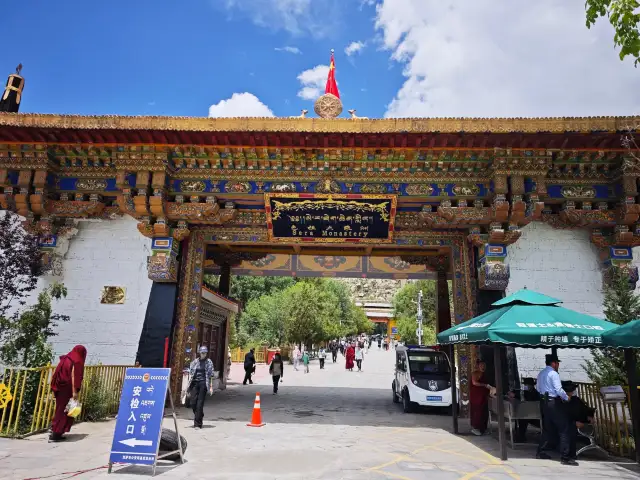 Sera Monastery📍Sera Monastery Address: No. 1 Sera Road, Chengguan District, Lhasa Opening hours: Open year-round, 9:00 AM–5:00 PM (last admission at 4:00 PM) 🔮This is one of the most distinctive Buddhist holy sites in Lhasa! The monk debates at Sera Monastery are a unique spectacle in Tibet! They start promptly at 3:00 PM every day, and the scene of monks debating is truly awe-inspiring~👏 ✨Must-see experiences: · Century-old debate tradition: Experience the unique culture of Tibetan Buddhism · A popular spot for international travelers · Exquisite Buddhist murals and sculptures inside the monastery 💡Travel tips: 1️⃣ Arrive before 3:00 PM to secure a spot, as it gets crowded easily 2️⃣ Stay quiet when taking photos and respect local religious customs 3️⃣ Consider hiring a guide to better understand the meaning behind the debates Here, you can not only feel the power of religious faith but also experience the unique charm of Tibetan culture! Don't miss this when you come to Lhasa~🏔️AntonKuosma

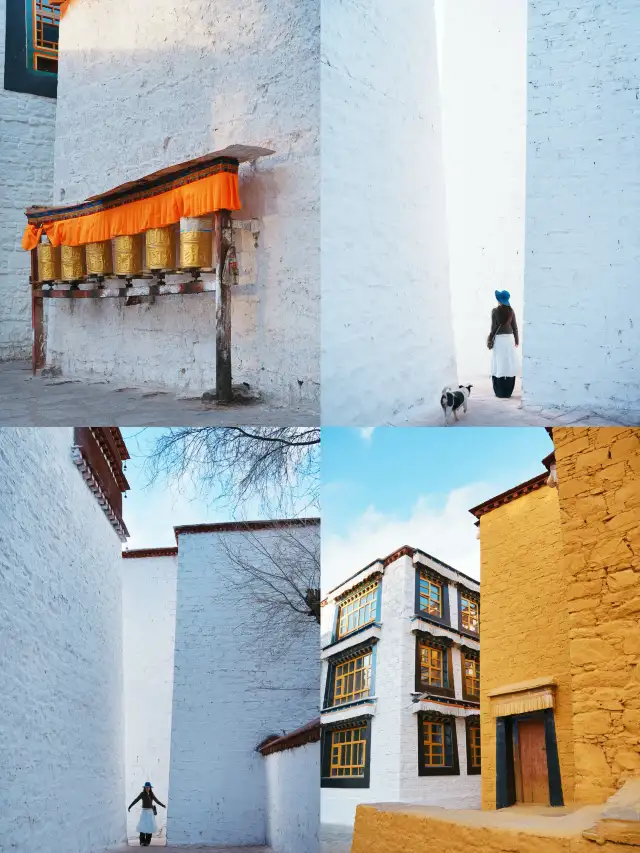 Lhasa Sera Monastery: One Frame of Light and Shadow, One Glance and Forever CaptivatedOne of the three major monasteries in Lhasa, Sera Monastery has withstood six centuries of wind and frost within its white walls and red eaves. A rendezvous with light and shadow made me travel here specially. 📍Lhasa Sera Monastery is easy to reach by taxi from the city, and it's also convenient to get a taxi back in the evening. 🎫 Money-saving tip: Don’t spend 50 yuan if you’re not watching the debate! After 5 PM, it’s rumored to be 10 yuan online, but I arrived at 5:30 PM and there was no charge. The main hall is closed, but you can still explore outside, and it’s very comfortable with fewer people. ⏰ Best time for photos: 4-6 PM offers the most stunning light and shadow. The popular white walls are great for photos, but the yellow walls are also very photogenic! There are many stray dogs in the monastery, so it’s best not to tease them. 📸 Photo spot: Walk straight from the main gate → about 50 meters, then turn left 👈 The white wall and blue trash bin are in the alley where the photo spot is located. 📿 Debate sessions: Monday to Saturday from 3:00 PM to 5:00 PM, closed on Sundays / 2025 marks the grand finale! Continuing the journey to mountains and seas in 2026.VeikkaValkonen

