Yong'an

Things to do in Yong'an

Search attractions or local attractions & tours
Search

Explore top experiences

Top 10 attractions in Yong'an
View all Attractions
Anzhen Fort

Anzhen Fort

3.9
4.3/5
76 reviews

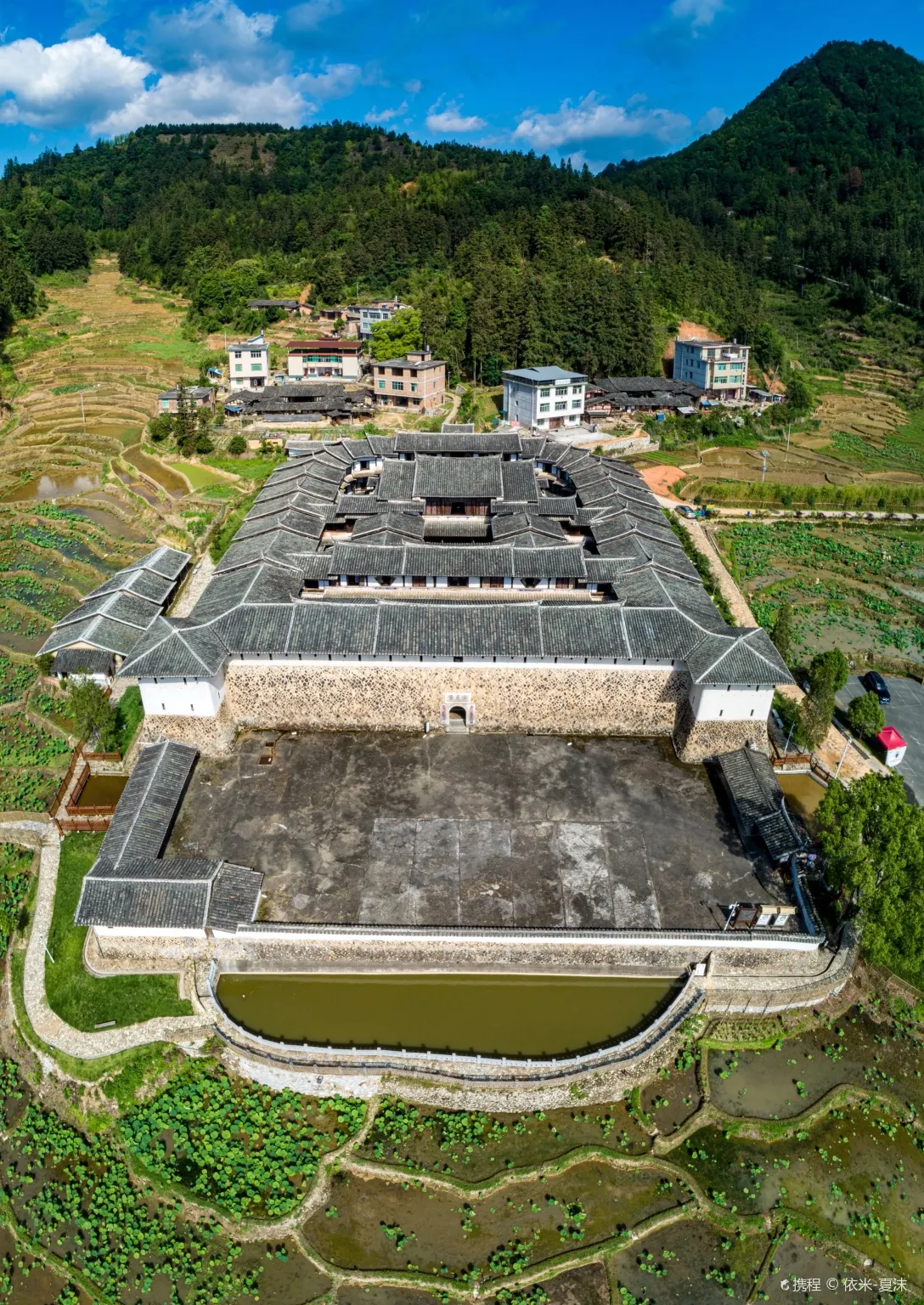
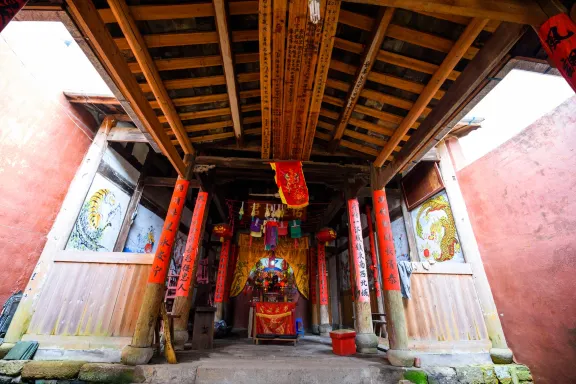
Anzhen Fort was built during the reign of Emperor Guangxu in the late Qing Dynasty. At that time, banditry was rampant. The local gentry Chi Jia and his son built this earthen fort to resist bandits. It took fourteen years to complete. It is said that before building the fort, Chi Jia and his son went to Beijing many times to observe the architectural style of the imperial city. After returning, they learned from it and designed this Hakka enclosure personally. This fort faces east from west, with a square front and a semicircular back. It is built against the mountain and gradually rises. From a distance, it has distinct layers and extraordinary momentum. It is no exaggeration to call it a castle. The walls of Anzhen Fort are thick and deep. The outer walls are made of thick stones and rammed earth. There is an open-air training ground in front of the fort that can accommodate thousands of people. There are 5-meter-high corner towers on both sides of the front of the fort, and the inner walls are covered with 180 shooting holes and 90 viewing windows. The main gate has two layers of wooden doors and iron doors, and there are two water holes on the top to prevent fire attacks. The nearly perfect defense design made the building impregnable at the time. No wonder it has successfully resisted the siege of bandits many times in history. The main entrance of the fort is an arched gate made of huge stones, more than ten feet high, with three large characters "Anzhen Fort" on it, and couplets on both sides: "Be content with preparing for a rainy day, and be calm and peaceful in the wind of Zhenguan." The internal building is two-entry, symmetrical on both sides, rising gradually with the terrain. From a distance, the roofs are stacked in layers and staggered. The house is divided into upper and lower floors, each with an inner corridor, hall, bedroom, study, granary, kitchen, toilet, well and sewer, which can accommodate more than a thousand people. The fort is gorgeously decorated, with carvings, paintings, clay sculptures and murals everywhere. The stone steps in the castle are all odd in number, which is regarded as a yang number; the number of stairs and window lattices must be a multiple of "nine"; the front patio is large and the back patio is small, and the two together resemble the Chinese character "Chang", symbolizing "prosperity"; at the water outlet in the middle of the patio of the main building, there is a crab-shaped water filter ornament, which symbolizes the protection of the "wealth" of the house... There are many details in the castle that conform to the traditional layout, which is a little fun during the visit.

Yong'an · 40.3 km from downtown
Kulangsu
No. 1 of Best Things to Do in Fujian

Kulangsu

8.7
4.5/5
54.7k reviews

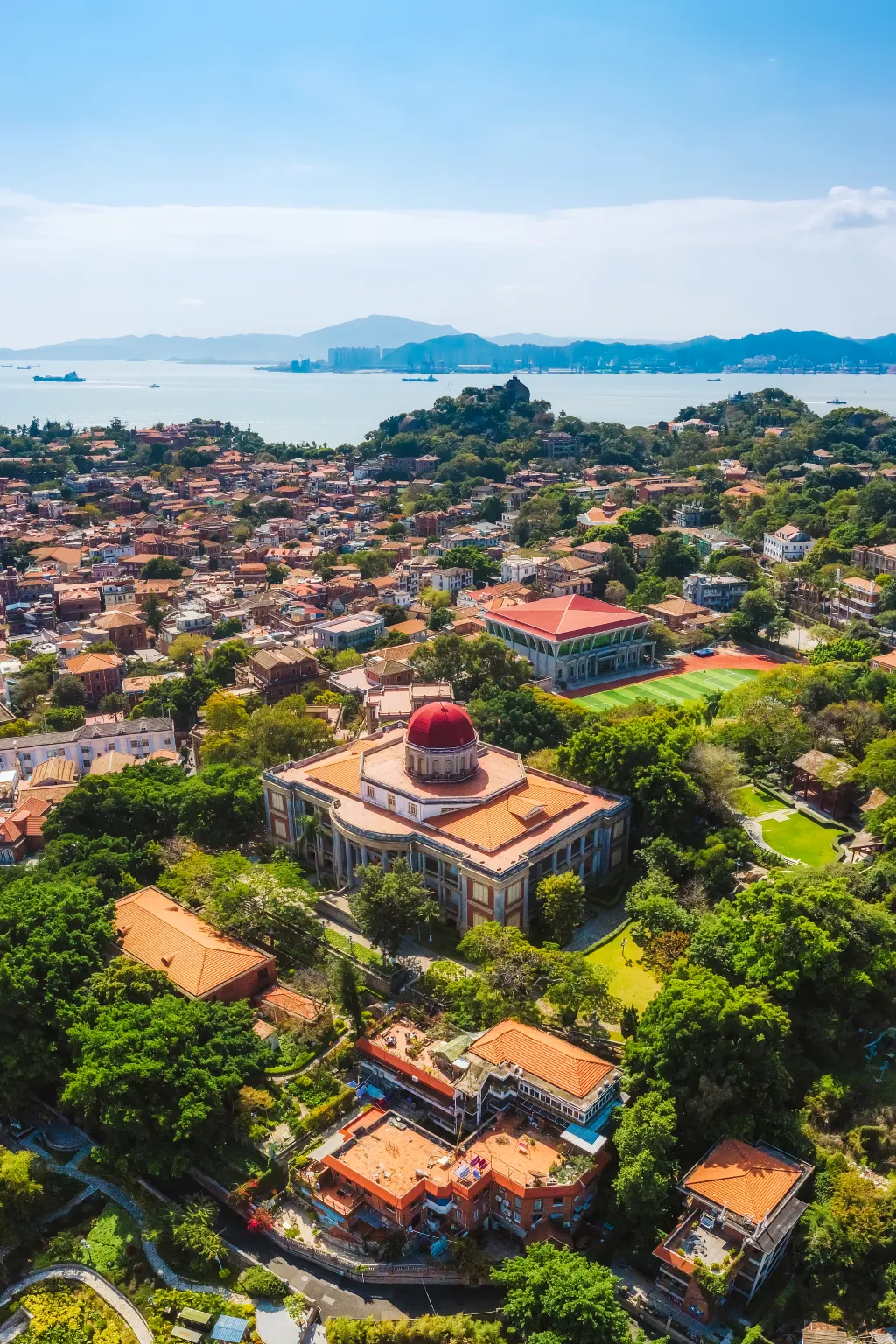
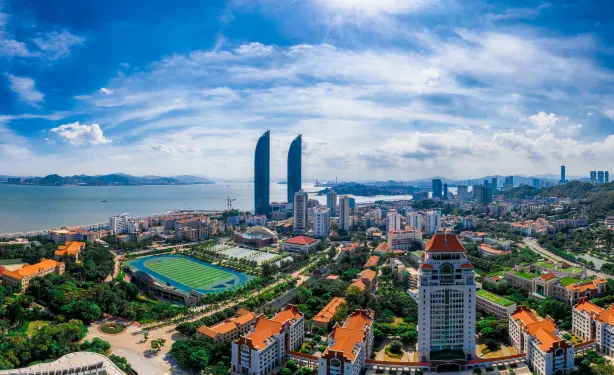
Kulangsu is located in the southwest corner of Xiamen, Fujian Province, facing Xiamen Island across the Lujiang Strait. The island covers an area of about 1.88 km² and is a "garden on the sea, island of pianos, and exhibition of architecture from around the world" that blends nature with culture. In 2017, it was inscribed on the World Cultural Heritage List as "Kulangsu, a Historic International Settlement." The island is a bedrock island with a winding coastline and many natural harbors and reefs; its terrain is mainly hilly, with the highest peak, Sunlight Rock, at 92.7 m above sea level. It has a subtropical maritime monsoon climate, warm and humid, with spring-like weather all year round, making it suitable for visiting throughout the year. Motor vehicles are prohibited on the island, so there is no noise of traffic—only birdsong, flowers, waves, and piano music. Hundreds of historic buildings from the late 19th century to the mid-20th century still stand, spanning Gothic, Victorian, Baroque, Nanyang arcade, and traditional Minnan courtyard styles, and are acclaimed as a "World Architecture Expo" and a living specimen of a modern East Asian international community. Representative buildings include the Bagua Mansion (Organ Museum), Shuzhuang Garden, Haoyue Garden, the former site of the HSBC Mansion, Trinity Church, and the former residence of Lin Yutang. The island has a profound musical cultural heritage. Since the late Qing Dynasty, Western music was introduced through missionary schools. The density of pianos on the island has long ranked among the highest in the country, and musical masters such as Yin Chengzong and Xu Feiping were born here, earning it the reputation of "Island of Pianos" and "Island of Music." The Piano Museum houses century-old antique pianos, and the Organ Museum holds a giant pipe organ. Piano music is often heard among the streets and alleys, and the tradition of family concerts continues to this day. The core attractions on the island each have their own distinctive features. Sunlight Rock is the highest point on the island; from the summit, visitors can enjoy a 360° panoramic view of the entire island, Xiamen main island, and the Taiwan Strait, and there is a saying that "you haven't truly visited Xiamen until you've climbed Sunlight Rock." Shuzhuang Garden was the private residence of the wealthy Taiwanese merchant Lin Erjia, designed to "hide the sea within the garden and embrace the mountains as scenery," blending Jiangnan garden aesthetics with mountain and sea views; the garden's Piano Museum houses nearly a hundred antique pianos. Haoyue Garden features a 15.7 m tall granite statue of Zheng Chenggong facing the sea, built to commemorate the national hero who recovered Taiwan. Bagua Tower is a landmark building on the island, blending Chinese and Western architectural aesthetics, and houses hundreds of antique organs. Yuyuan Garden, Gulang Stone, Yanwei Mountain Ecological Park, and other cultural and natural attractions are scattered across the island, linking together a century of charm and the poetry of mountains and sea. Tour tips Island access: You need to take a ferry from the ferry terminal on Xiamen Island to get there. There is no general admission ticket; core attractions require separate tickets or a combo ticket. Mode of travel: Walking tours across the island; paid sightseeing electric carts are available; motor vehicles are prohibited. Recommended season: suitable all year round; spring and fall (April-May, October-November) offer comfortable weather and blooming bougainvillea, making the scenery especially beautiful.

China · Xiamen
Wuyishan National Park
2027 Global 50 - Cool Escape Attractions

Wuyishan National Park

8.6
4.6/5
13.5k reviews

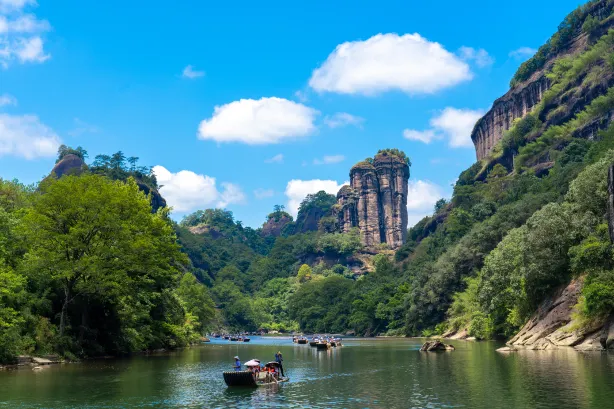
Wuyishan National Park is located in the northern section of the Wuyishan mountain range in northwestern Fujian, stretching across the border area between Fujian and Jiangxi provinces. It is one of China's first established national parks, and Wuyishan itself was inscribed as a UNESCO World Heritage Site for both culture and nature as early as 1999. The park was formed by integrating the former Wuyishan National Nature Reserve and Wuyishan Scenic Area: the Tongmu area in the north focuses on ecological conservation and scientific research, preserving a rare intact mid-subtropical forest ecosystem at this latitude. The main peak of the Wuyishan range, Mount Huanggang, is also located here, and this core area does not offer regular tourism activities. Sightseeing activities are concentrated in the scenic areas along both banks of the Nine-bend Stream, namely the four major sections: Tianyou Peak to Taoyuan Cave, Nine-bend Stream to Wuyi Palace, One-line Sky to Tiger Roaring Rock, and Dahongpao to Water Curtain Cave. The attractions in the scenic area are relatively scattered with considerable distance between them. A leisurely visit typically requires two to three days. If you only have one day, start by ascending Tianyou Peak for a panoramic view of the emerald waters and crimson mountains along the Nine-bend Stream, then take a bamboo raft downstream from Xingcun Wharf. Along the way, you'll pass landmarks like Jade Maiden Peak, Great King Peak, cliff inscriptions, and suspended boat coffins. The rafting journey ends at Wuyi Palace, making it an ideal classic route. Tea enthusiasts may prefer spending time on the leisurely Rock Bone Floral Trail between Dahongpao and Water Curtain Cave. This gentle path connects core Wuyi rock tea production areas like Liuxiangjian and Huiyuankeng, offering a uniquely fragrant experience. With two days, you can cover all four major sections. For more time, consider visiting the ancient tea merchants' residences in Xiamei Village, the starting point of the ancient Tea Horse Road, or exploring the ruins of the Minyue King's City near Chengcun Village—the latter also being part of Wuyishan's world heritage site. Bamboo rafting is very popular, so please make arrangements in advance during peak season. To get close to the ecological heart of the park, you can take the Wuyishan National Park No. 1 scenic route. Places like Moon Bay and Qinglong Waterfall are suitable for self-drive or private charter. As for food, street snacks like flat meat dumplings and Vietnamese noodles are common, while Langu smoked goose and local dishes cooked with alpine bamboo shoots and mushrooms are also worth trying.

China · Wuyishan
Ge's Fairy Village
2027 Asia 100 - Night Attractions

Ge's Fairy Village

8.5
4.8/5
12.6k reviews

Ge's fairy village is located in Yanshan County, Shangrao City, Jiangxi Province. It was invested and constructed by Xinbang Group in June 2016, with a total investment exceeding 1.569 billion yuan. Backed by the thousand-year-old Taoist mountain Ge's Fairy Mountain, it aims to become "a new landmark of Jiangxi tourism." The project is divided into two phases, with a planned construction area of approx. 300,000 square meters. The core attraction area covers 650 mu, including three main sections: the distribution center area, Ge's Fairy Village resort, and the Tianjing Terrace attraction. Future development will continue to expand outward along the valley. Ge's fairy village is developed around the Ge's fairy mountain attraction, inspired by the cultivation stories of immortal Ge Xuan on the mountain. It integrates the cultural essence of Taoism with classical landscape painting aesthetics, recreating the mountain village scene where Ge Xuan lived and practiced during the late Han dynasty. Using water, bamboo, and village as creative elements, it aims to create a natural sanctuary and fairy village combining eco-tourism, leisure vacations, business conferences, and Taoist cultural experiences. Introduction to attractions in Ge's fairy village Yuánfāng - Heaven and earth hidden in the mountains and forests The name "Elements" is derived from the Taoist concept of "the sky is round and the earth is square." The bronze compass within Elements, meticulously crafted by renowned artists, embodies the Taoist understanding and profound mastery of the universe's principles. The overall design follows the concept of a "vanishing building," featuring a facade of glass mirrors and bamboo. From a distance, the glass mirrors reflect the natural scenery of the mountains, making the structure appear hidden within the forest. Without careful observation, one might easily overlook the building and the hidden paradise behind it. Zhongmiao pavilion - profound and mysterious, both real and illusory Zhongmiao pavilion is the highest point of the attraction, featuring an ancient architectural structure. The main building stands 26 m tall with a three-story, four-pillar pure wood design. Pavilions are typically used for storing books or enshrining deities, which adds more cultural significance to this structure. In the evening, the solemn and magnificent Zhongmiao Pavilion show takes place here, where the combination of modern technological lighting and ancient architecture creates a dreamlike and visually stunning experience. Culture has a long history The ancestral hall square mainly consists of the jiao altar at the center and the Ge Weng ancestral hall. The jiao altar is a place for capping, wedding, and sacrificial ceremonies. It served as the venue for ancient capping rites, wedding ceremonies, and rituals praying to deities. Traditional folk cultural performances are staged in the central area of the ancestral hall square. Dust-washing gate·Emerald pool - Wash away the mundane Under the moonlight, seekers perform the traditional Taoist greeting, embracing the path of Taoism. The "gate of purification," crafted with mist curtain installations, presents a mesmerizing interplay of light and shadow amidst ethereal fog, cleansing worldly dust from those who journey from afar. Water curtain film - magnificent and breathtaking The water stage at Zhongmiao Pavilion presents a grand live-action water screen movie every evening, where the fusion of water screens and light creates a dazzling visual feast. Performers dance to the rhythm of alternately intense and soothing music, bringing to life a series of dramatic legendary tales from a flourishing era. China town artifact culture museum - A long history of town artifact culture The China town artifact culture museum is located at the entrance of Lingbao Fairy Street, featuring horse-head walls that showcase the distinctive Huizhou architectural style. Inside, visitors can explore China's ancient town artifact culture through exhibition areas, retail zones, and workshop sections, gaining a deeper understanding of this cultural heritage while admiring historical artifacts.

China · Yanshan
Yong'an Today's weatherOvercast 10-16℃
Yong'an weather for the next 2 days11/24: 8-17℃, 11/25: 8-14℃

Free things to do in Yong'an
What travelers say about Yong'an

user-avatar
随波随缘随便November 7, 2026
4.0
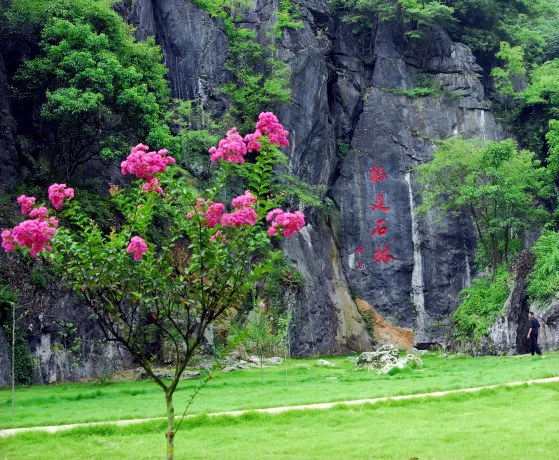
This is a very off-the-beaten-path attraction; there were practically no people inside. I spent half a day there and encountered fewer than ten tourists. However, Baizhangyan itself is actually very beautiful, incredibly secluded and tranquil, perfect for a leisurely stroll alone. It's definitely worth a visit. But the service at the attraction is terrible, and the staff will strongly discourage you from going to Baizhangyan, which is incomprehensible.

Tao Yuan Cave

user-avatar
_We***73March 28, 2024
4.0
Completely different geological environment. When I arrived at the entrance of the scenic spot, I was a little confused about whether there would be a stone forest. After entering the scenic spot, I felt that the mountain was man-made. What was shocking was that it had evolved over hundreds of millions of years. You can feel and imagine this karst landform yourself. What does it look like?

Fujian Linyin Stone Forest

user-avatar
Anonymous userMay 2, 2024
5.0
It was built more than 100 years ago and took 14 years to build. It covers an area of ​​15 acres and has a construction area of ​​6,000+ square meters. There are more than 360 rooms. It is ancient and has carved dragons and phoenixes. It is very unique.

Anzhen Fort

user-avatar
M32***46August 4, 2019
5.0
The dilapidated and weathered city wall is now full of vigor and vitality. This gurgling sand stream has nurtured several generations of people. The old bridge in front of us is still the same, and the people on Gongbao are still the same.

Gongchuan Ancient Town

user-avatar
M51***36October 4, 2023
5.0
It's great to take the kids there, there are no hidden charges.

Lianhua Hill Park

user-avatar
E03***93July 18, 2021
4.0
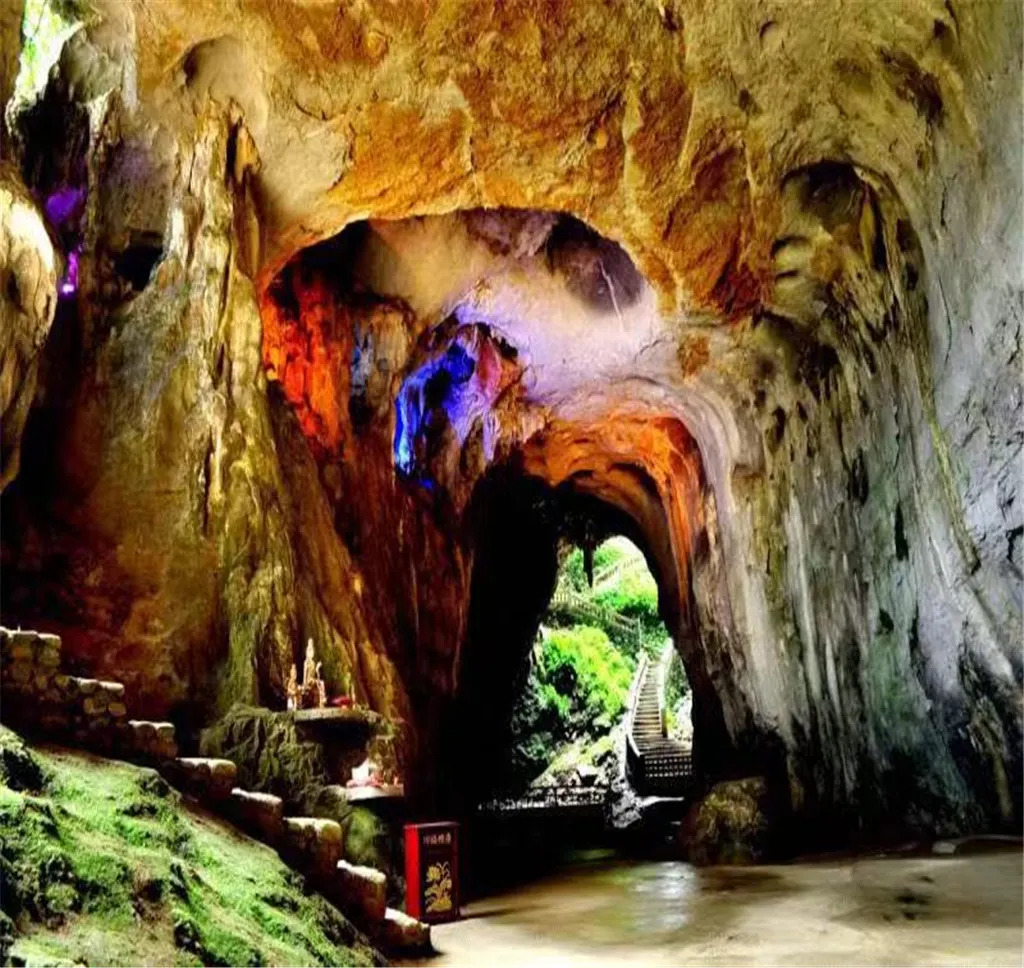
The whole family went out together and it felt good overall. The children brought long sleeves when they went out to play (the temperature inside the cave was relatively low).

Ganshuyan Scenic Area
user-avatar
Sing YingNovember 22, 2026
4.0
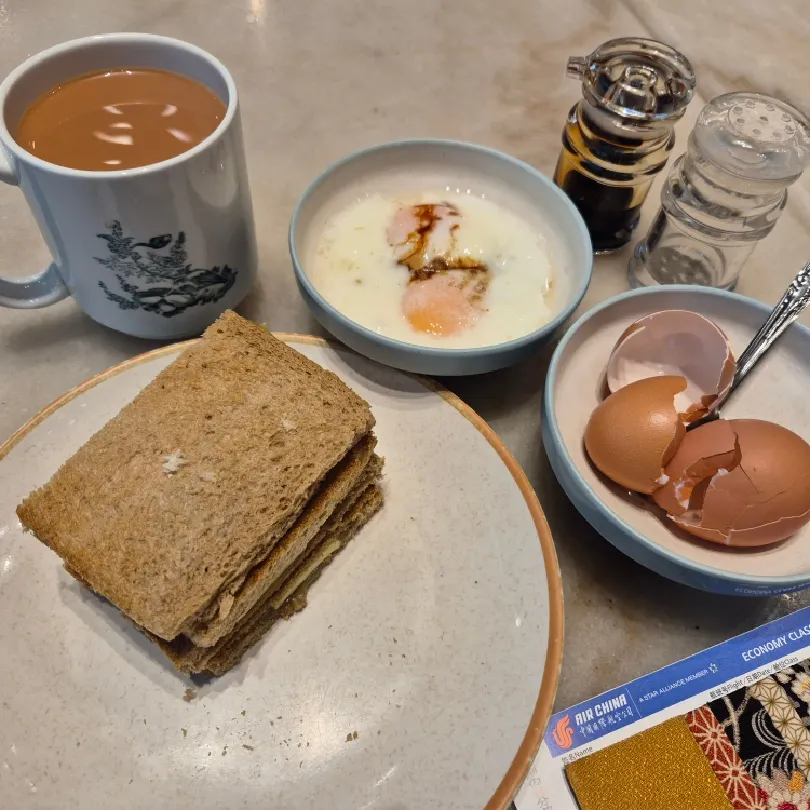
Need walking & my mum isn't interested to visit some museums. She's happy eating & getting souvenirs. A relaxing free & easy trip with a 20mins bus tour.

Kulangsu

user-avatar
M29***38November 22, 2026
5.0
My long-planned trip to Wuyishan finally came true this weekend. Wuyishan is definitely worth a visit; the Da Hong Pao tea and smoked goose were delicious. One day was spent exploring the North Scenic Area, and we stayed overnight there. The next day, we explored the South Scenic Area – two days was just right.

Wuyishan National Park

user-avatar
M39***54November 20, 2026
5.0
After arriving in Shangrao from Tangshan, Gexian Village was the most fun attraction. It's a small village nestled in the mountains, quite beautiful. There are quite a few NPCs there, and you can interact with them to get silver coins. I lost all my silver coins at the casino 😂. The only downside was that it was autumn break, so it was quite crowded, mostly with families with children. What should have been the off-season suddenly became peak season.

Ge's Fairy Village
user-avatar
周贰二貮November 10, 2026
5.0
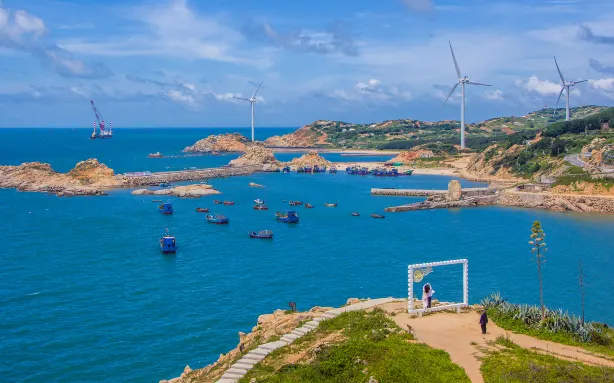
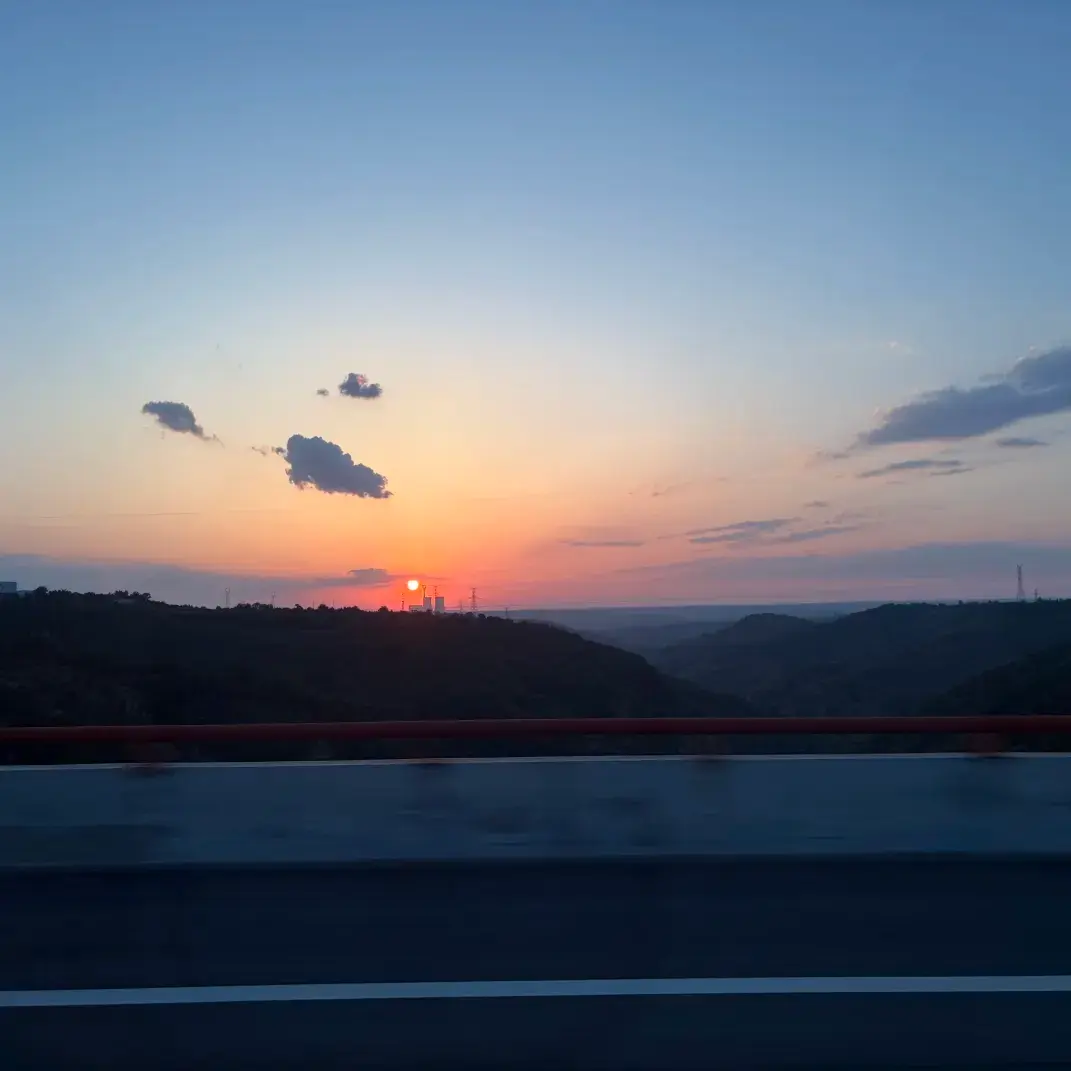
Cycling the Beibu Gulf route in Pingtan is truly addictive. The wind whistles past your ears, the sea shines brightly before your eyes, and rows of windmills stand along the coast, like a rhythmic beat for the cyclists. When your legs are about to give out, all you want is a hot meal and a rest. The Seafood Restaurant was an unexpected delightful surprise on this trip. It's the only one in the Beibu Gulf, run by three veterans. They're reliable, and the portions are generous. The owner is incredibly welcoming, reminding us not to order too much. The seafood is fresh, and the taste is authentically seaside. After a ride, a meal there made me feel completely refreshed. For accommodation, I chose the Beibu Gulf Innovation and Entrepreneurship Cluster Youth Hostel. It was conveniently located, clean, and provided a quiet night's rest, making it less tiring to continue cycling the next day. For cycling enthusiasts, Pingtan offers more than just scenery; it also has these charming little shops that make you want to stop. The wind is free, the food is hot, and the road is worth continuing to ride.

Pingtan Island

Trip Moments in Yong'an
Popular cities near Yong'an

Frequently asked questions

How can I contact Trip.com customer support?

Get help anytime, anywhere within 30 secondsContact customer support

Change and cancellation policies vary by attractions and tours. Please check the product details page for more information.

Ticket prices may vary between weekdays and weekends, as well as during peak and off-peak seasons. When booking with Trip.com, you can also use Trip Coins to get extra savings. For more tips on booking discounted tickets, please visit Trip.com for the latest information.