


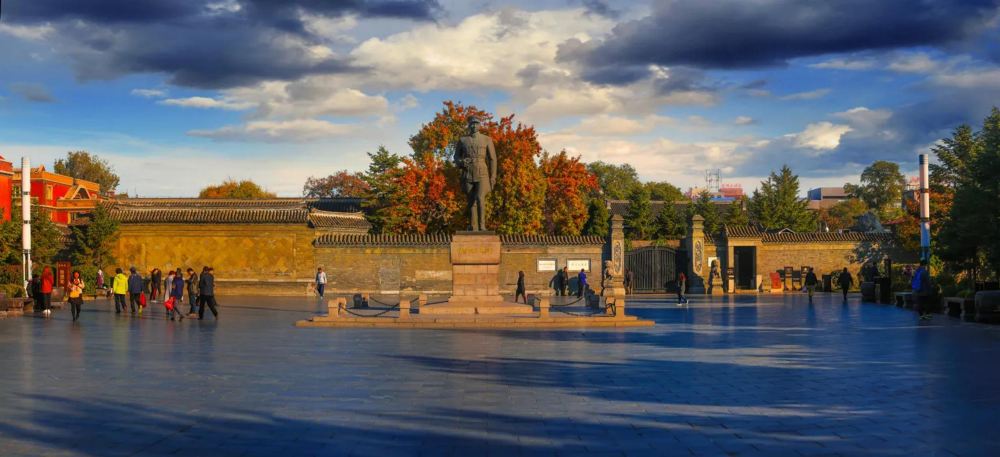
▲ The exhibition area of the Marshal Zhang's mansion museum includes a three-section courtyard house, Marshal Zhang's mansion museum - the grand blue building, small blue building, Marshal Zhang's mansion museum exhibition hall - Guandi temple, and Zhao Yidi former residence.
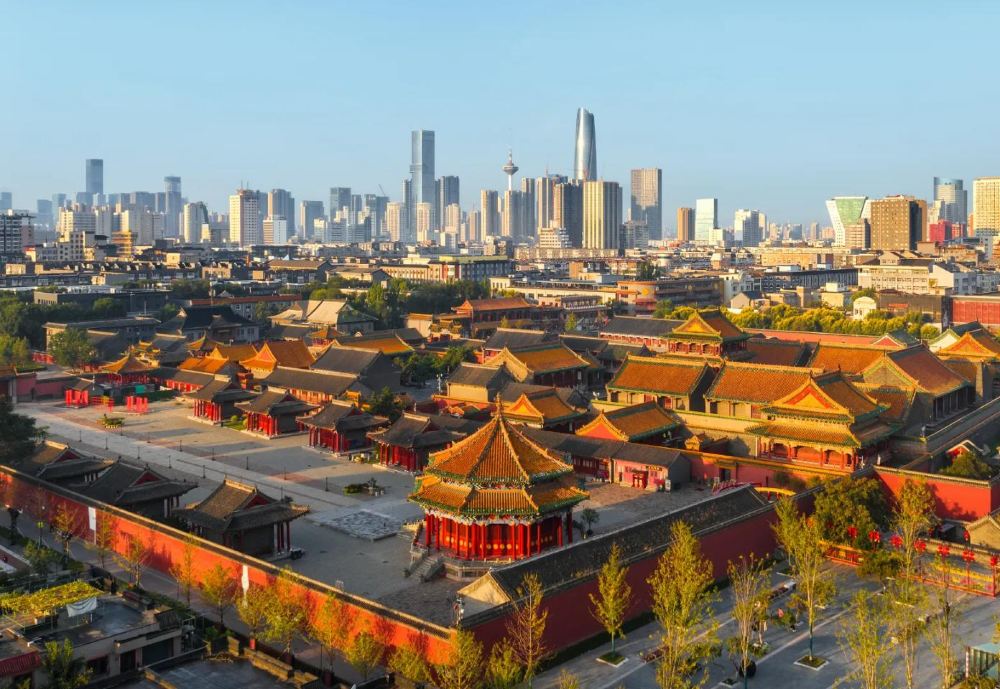
▲ The Shenyang imperial palace is located in Shenhe district, Shenyang, and is one of the two existing complete palace complexes in China. It served as the imperial palace before the Later Jin dynasty entered the Great Wall and became the Shengjing temporary palace (also known as the Fengtian temporary palace) after the Qing dynasty moved its capital to Beijing. This site features not only exquisite ancient palace architecture but is also renowned worldwide for its rich collection of treasures. The palace houses numerous imperial artifacts preserved from the old palace, and visitors can admire these precious treasures in various exhibition halls throughout the complex.
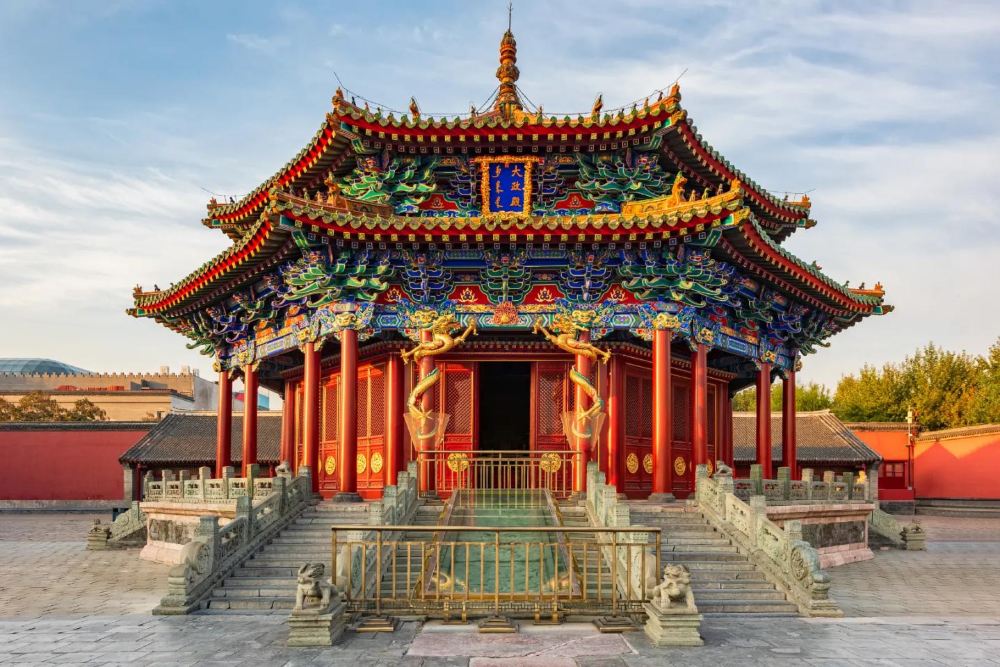
▲ The great Qing gate is the main entrance of the Shenyang imperial palace, commonly known as the meridian gate. It is a five-bay gable-roofed structure with a roof fully covered in glazed tiles and adorned with green trimmed edges. The decorative patterns feature raised sea waves, clouds, dragons, and various auspicious animals, all exquisitely crafted and vividly lifelike. The great Qing gate is majestic and splendid, harmoniously integrated with the entire palace complex.

▲ The Shenyang imperial palace is divided into three sections based on architectural layout and construction chronology: the eastern section features the Shenyang imperial palace - Dazheng hall and Shenyang imperial palace museum - Ten princes pavilions built during Nurhaci's reign; the central section includes the expanded Da Zhong Que complex from Emperor Taizong's era, comprising the Daqing gate, Chongzheng hall, Phoenix tower, as well as Qingning palace, Guansu palace, Yanqing palace and Yongfu palace; the western section contains later additions like the Wensu pavilion built during Emperor Qianlong's reign. The entire palace complex presents a magnificent spectacle with numerous towers, majestic halls, and exquisitely carved beams and painted rafters.

▲ The Shenyang imperial palace museum - Manchu Qing street are two major historical and cultural landmarks in Shenyang, Liaoning province, jointly showcasing the unique charm of early Qing dynasty history and Manchu culture. Historical significance: The Shenyang imperial palace (also known as the Shengjing imperial palace) served as the royal palace before the Qing dynasty entered the Great Wall. Construction began in 1625 (the 10th year of Later Jin's Tianming era) and served as the residence for Qing founder Nurhaci and his successor Hong Taiji. It was inscribed on the world heritage list in 2004 and is one of China's two major imperial palace complexes (the other being the Beijing imperial palace).

▲ Marshal Zhang's mansion museum was established in 1914, covering an area of 53,000 m². It includes multiple heritage buildings such as a three-section courtyard house, Marshal Zhang's mansion museum - the grand blue building, small blue building, Marshal Zhang's mansion museum exhibition hall - Guandi temple, red buildings complex, Zhao Yidi former residence, and the former sites of Frontier bank and its office. It is designated as a national key cultural relics protection unit.
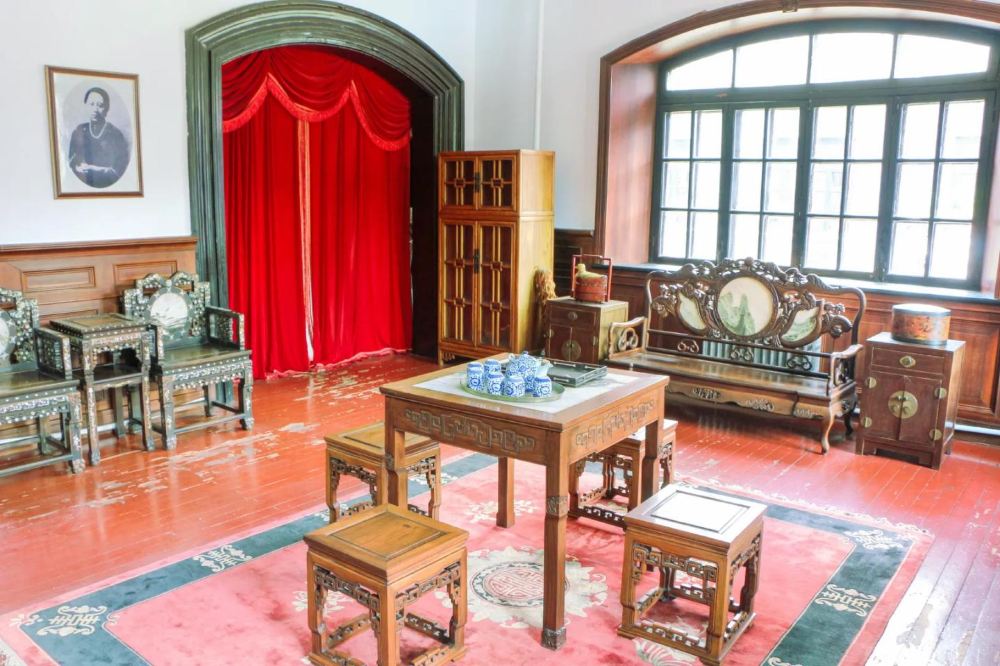
▲ The Marshal Zhang's mansion museum complex houses the Marshal Zhang's mansion museum exhibition hall and the Shenyang finance museum.
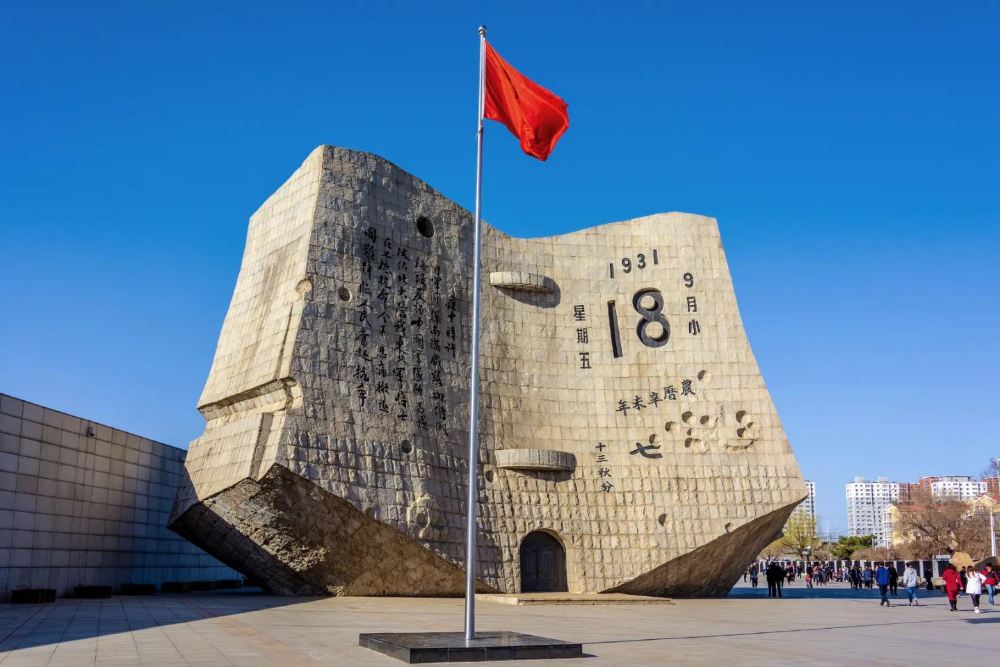
▲ The main building of the museum is highly distinctive, featuring a massive stone sculpture shaped like a broken calendar monument. The monument resembles a calendar page flipped to the date of the incident, covered with bullet holes and skulls, symbolizing the cries of millions of innocent souls who fell under gunfire. The broken calendar monument is inscribed with the date and time of the "September 18th Incident," along with a brief introduction to the event.
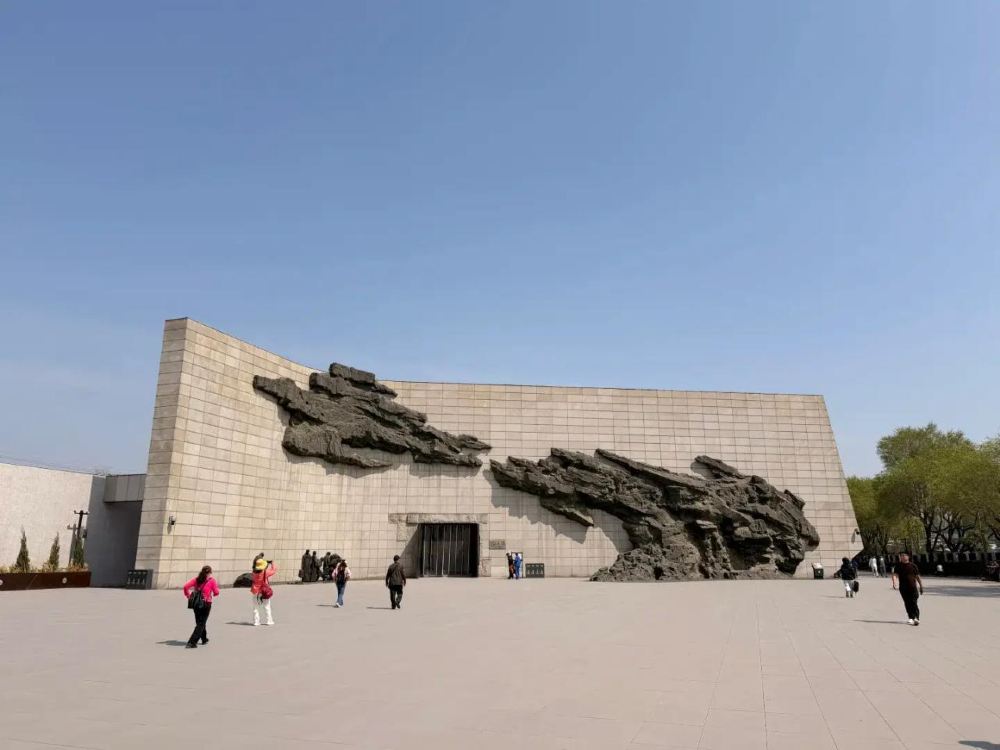
▲ Located in the northeast corner of Shenyang, the "9.18" historical museum was built to commemorate the victims of the "9.18" incident and to remind people not to forget the national humiliation.

▲ The museum displays a large number of historical photos, archives, as well as various exhibits including evidence of Japanese invasion crimes and relics of anti-Japanese martyrs. It comprehensively presents the historical evidence of Japanese invaders' crimes and showcases the suffering lives and indomitable struggles of people in occupied areas. This is a highly meaningful educational venue, perfect for bringing children to learn about history and experience the baptism of patriotic ideology.
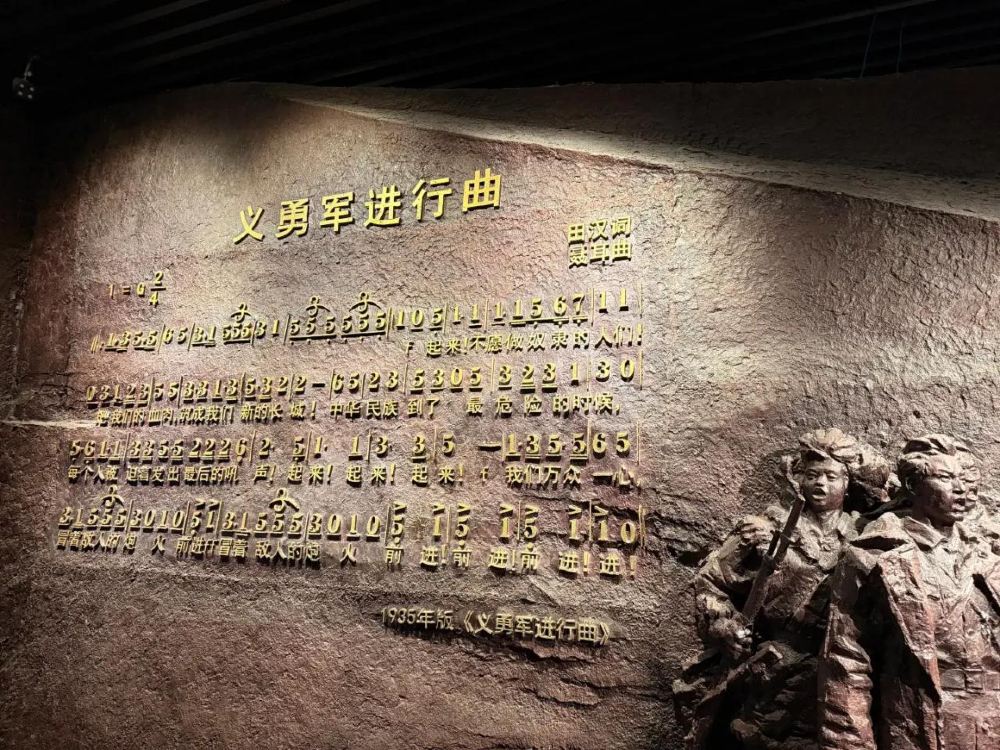
▲ This is a meaningful educational venue, perfect for bringing children to learn about history and experience the baptism of patriotic ideology.

▲ Lao Bei Shi opened in 1921 and gained high domestic recognition for its unique multi-ethnic cultures—Manchu, Mongolian, Xibo, Tibetan, and Han—along with thriving commerce, dense artistic entertainment venues, and diverse local delicacies. It was once ranked among China's "top ten bustling streets," alongside Beijing's Tianqiao, Tianjin's Quanye Market, Nanjing's Confucius Temple, and Shanghai's City God Temple.

▲ On October 1, 2020, the upgrade was completed and unveiled to the public. The renovated Lao Bei Shi blends "history" with "modernity," creating an enchanting experience. In 2023, leveraging the two tangible cultural heritages of Xibo Ancestral Temple and Huang Temple, Lao Bei Shi embarked on a journey to explore themed, IP-driven, and story-based commercial formats, diversified immersive performances, and interactive experiences through renovations, commercial restructuring, enhanced immersive experiences, curated viral IPs, and merchant-friendly promotions. The cultural essence here lies in its profound history and rich cultural connotations, where five cultural elements—folk culture, ethnic culture, blessing culture, red culture, and family-nation culture—diversely thrive and intertwine, ultimately painting a vivid picture of Shenyang's indigenous life.