


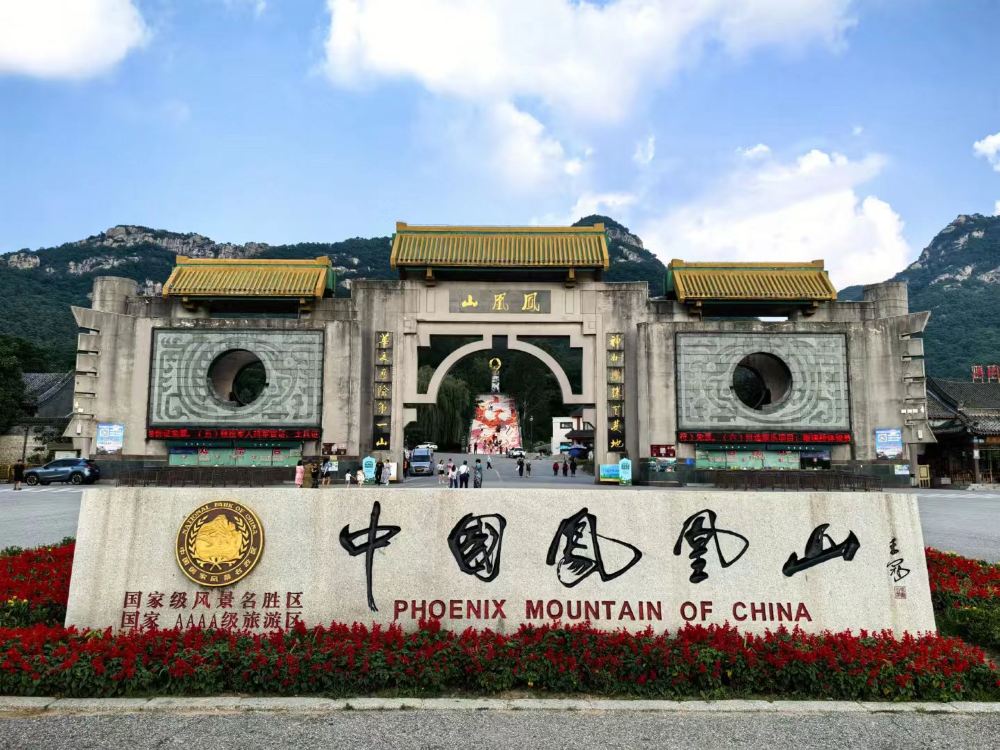
▲ Phoenix Mountain of China, located in the southeast of Fengcheng City, Dandong, Liaoning Province, is 40 km away from Dandong City and faces the Myohyangsan Mountain of North Korea across the river. It was called "Wugu Mountain" during the Northern and Southern Dynasties period.
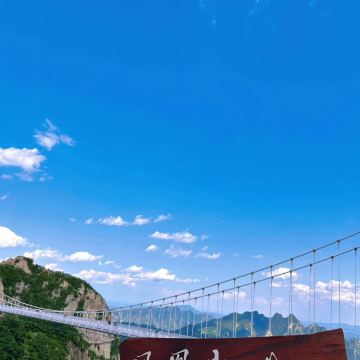

▲ Phoenix Mountain of China is part of the Changbai Mountain range, with Canyun Peak being its highest peak at an elevation of 836.4 m.
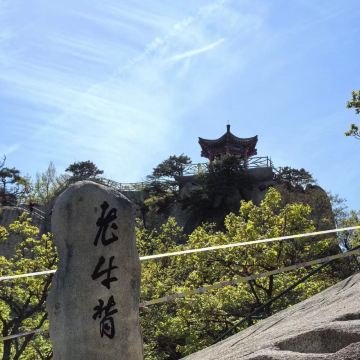

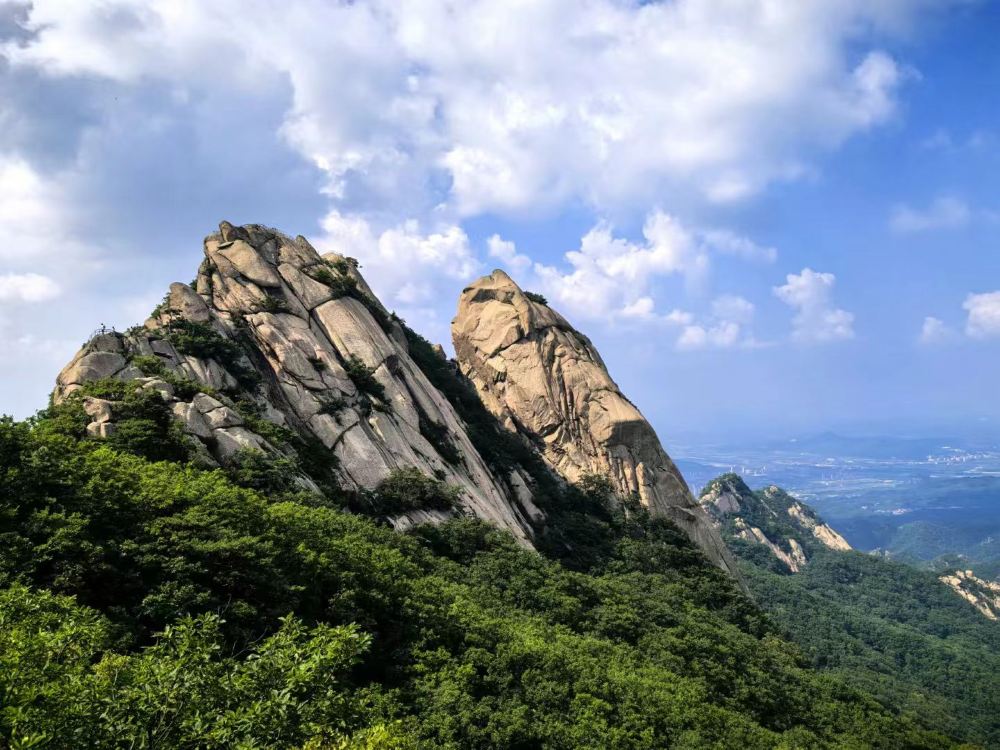
▲ Jianyan Peak is the second highest peak of Phoenix Mountain of China in Dandong, with an elevation of 822m, standing opposite Shenma Peak. Between the two peaks lies a large hole, approx. 5m high and 4m wide, formed by several arched stones, resembling an "arrow hole" pierced by a giant arrow. Legend has it that the "arrow hole" was shot by the Tang Dynasty general Xue Rengui with his arrow.
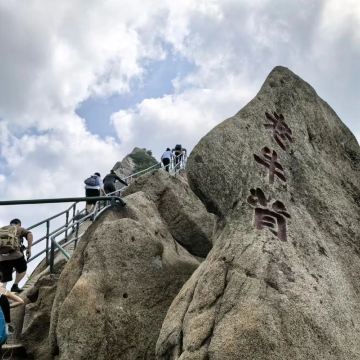

▲ Shenma Peak is the third highest peak of Fenghuang Mountain, with an elevation of over 820 m. On the summit lies a horseshoe-shaped depression as large as a round table, said to be imprinted by the warhorse of General Xue Rengui, hence named "Horseshoe Hollow." The peak trodden by this legendary steed was thus called "Divine Horse Peak."
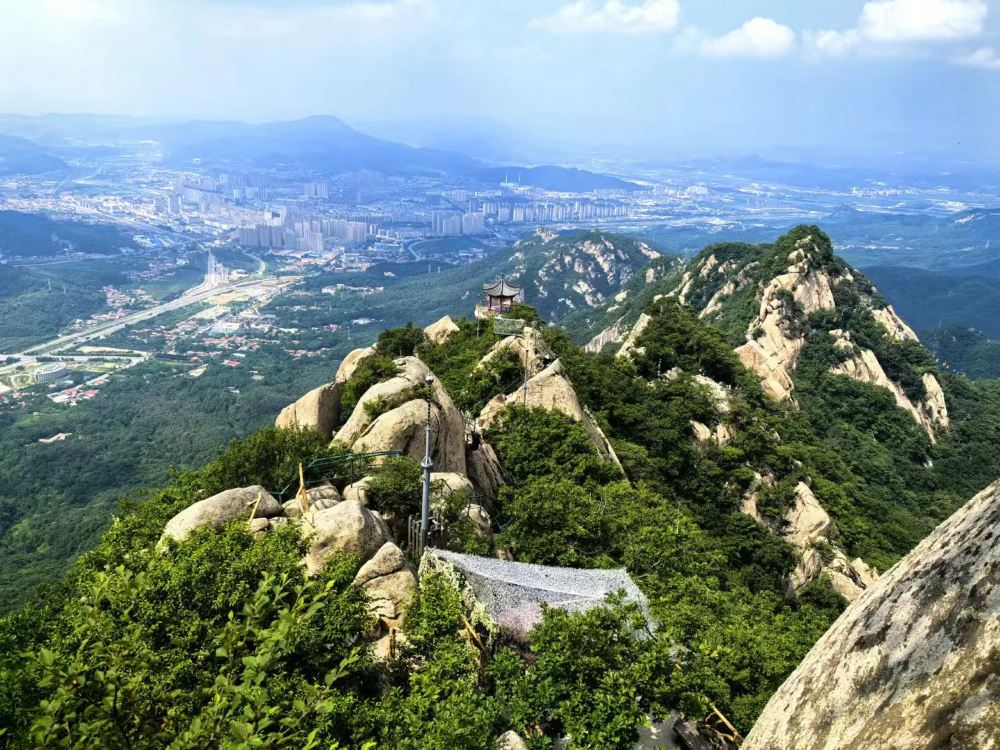
▲ Legend has it that during the Zhenguan era of the Tang Dynasty, Emperor Taizong Li Shimin toured this mountain during his eastern inspection. Witnessing the mythical scene of "a phoenix paying homage to its ancestors," he bestowed upon the mountain the name "Phoenix Mountain."
▲ Phoenix Mountain of China in Dandong features a temperate continental monsoon climate, with an average annual temperature of 7.8°C. The highest temperature reaches 36.7°C, while the lowest drops to -32.6°C. The average annual precipitation is approx. 1100 mm, with a mean relative humidity of 69%. The frost-free period lasts 142 to 183 days per year.