Anxi

Things to do in Anxi

Search attractions or local attractions & tours
Search

Explore top experiences

Top 10 attractions in Anxi

View all Attractions
Qingshuiyan Hot Spring Resort

Qingshuiyan Hot Spring Resort

3.9
5.0/5
3 reviews
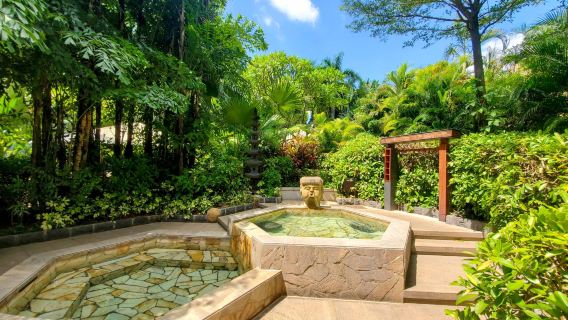
Qingshuiyan Hot Spring Resort is located at the foot of Penglai Mountain in the central-eastern part of Anxi County, Fujian Province, adjacent to the national AAAA-level tourist attraction Qingshuiyan. Spanning over 200 acres, it boasts breathtaking views of rolling mountain ranges. The resort enhances its local character by blending contemporary design techniques to recreate a settlement space with the distinctive essence of Anxi, as if shaped by time, fostering a mountain retreat lifestyle in harmony with nature. The resort features a hot spring park with over 40 soaking pools, 192 hotel suites equipped with private hot spring pools, along with various restaurants, meeting rooms, KTV, family-friendly spaces, go-karting, and wellness workshops. It is a comprehensive tourism and leisure complex integrating hot spring therapy, recreational spa services, business meetings, and family entertainment. Qingshuiyan Hot Spring Park is designed as a full mountain landscape, featuring various zones including the Xijuelong wave pool, jet ski performance area, family water play zone, secret bird's nest area, five-element energy houses, SPA center, mountain-view stone slab springs, Half Cloud tea brewing area, hot spring restaurant, and dining leisure spaces. With over 40 outdoor soaking pools and a daily hot spring output of 2,400 cubic meters at temperatures up to 60°C, it offers fluoride-rich springs (7.94–9.75mg/L) and metasilicic acid springs (77.82–91.26mg/L). Nestled amidst rolling mountain views, visitors can fully enjoy these nourishing natural hot springs for body and mind.Anxi · 10.1 km from downtown
Quanzhou Kaiyuan Temple
No. 1 of Global Traveller-Picked Attractions in Quanzhou

Quanzhou Kaiyuan Temple

7.7
4.7/5
2.4k reviews
Kaiyuan Temple is located in QuanzhouWest Street, Licheng DistrictBuilt in the second year of the Chuigong era during the reign of Empress Wu Zetian of the Tang Dynasty, it has a history of over 1,300 years. It is an important cultural relic along the southeastern coast of China and one of the larger-scale Buddhist temples in Fujian Province. The attractions of the monastery are arranged along the central axisWorship pavilion, the Baiting, the main hall of Kaiyuan Temple, the Sangpeng historic site, the Kaiyuan Temple's Sweet Dew Ordination Platform, the scripture depository, etc.Also,, as well as the stone pagodas on the east and west sides and the east and west corridors. Quanzhou Kaiyuan Temple - The heavenly king hall, also the mountain gate of the temple, was built in 1925. The stone pillars are slightly thinner at the top and bottom, thicker in the middle, shaped like a shuttle, reflecting the Tang dynasty stone pillar style. A wooden couplet hangs on the stone pillars, reading "This place is called the land of Buddha, where every street is filled with saints." It was composed by Zhu Xi, a great Neo-Confucian scholar of the Southern Song dynasty, and written by the modern eminent monk Hongyi. Crossing the mountain gate brings you toWorship pavilionStanding here, you can see the east and west pagodas rising from the ground and the spacious, bright east and west corridors symmetrically arranged on both sides. The east and west pagodas are among the more famous attractions in the area. The east pagoda is called "Zhenguo Pagoda (East Pagoda)," while the west pagoda is named "Renshou Pagoda." Standing over 40 m tall, they are one of the tallest pairs of stone pagodas in China and serve as landmarks and symbols of the ancient city of Quanzhou. Worship pavilionIn front, there is a large stone courtyard where officials and commoners from ancient and modern times gather for activities, becoming particularly lively during events. On both sides of the stone courtyard stand eight large banyan trees, beneath which are arranged 11 ancient sutra pillars and small stupas from the Tang, Song, and Ming dynasties in various styles, as well as two stone tortoises. Then there is the main structure, the Mahavira Hall of Kaiyuan Temple. The Mahavira Hall of Kaiyuan Temple also has an elegant name, "Hundred-Pillar Hall." Originally, the hall was planned to have one hundred pillars, but later, to accommodate the placement of Buddha statues and create space for Buddhist activities, the beams were extended, and the number of pillars was reduced, resulting in the "Hundred-Pillar Hall" with 86 pillars.Quanzhou · 43.2 km from Anxi
South Shaolin Temple
No. 6 of Family-friendly Attractions in Fujian

South Shaolin Temple

7.6
4.7/5
675 reviews
First built during the Longshuo era and abandoned in the Tianyou era. According to Cai Yongjian's "Xishan magazine" from the Qing Dynasty, which cited the Tang Dynasty's "Minzhong records," before the first year of Longshuo in the Tang Dynasty (661 AD), "Zhikong entered Minzhong and built the Shaolin Temple at the foot of Qingyuan Mountain, consisting of thirteen courtyards." "The Shaolin Temple had thirteen sections, surrounded by walls three zhang high, with vast fields and lush forests." "Beside the celestial altar stood the Shaolin Temple, where Zen master Zhikong met with Governor Wang at the celestial altar." Zhikong (styled Daoguang) was one of the thirteen staff-wielding monks from the Songshan Shaolin Temple renowned for saving the Tang emperor. His arrival in Min marked the beginning of martial monks in Fujian, and he trained twelve disciples—some capable of capturing tigers or lifting massive cauldrons, others skilled in wielding heavy crossbows, mastering chain hammers, or moving with extraordinary speed... The "Minzhong records" also states: In the first year of the Tang Tianyou era (907), "the Shaolin Temple rebelled against Wang Shenzhi's allegiance to the Liang Dynasty and was destroyed." Shi Mengshuo of the Southern Song Dynasty wrote in his "Donglu poetry collection": "The Shaolin Temple was built in Qingyuan, with ten grand gates and towering walls; a hundred acres of fields across three ridges, where a thousand monks practiced martial arts to rebel against the Wang regime." The "Wang regime" refers to the Min King Wang Shenzhi. Wang Shenzhi's destruction of the South Shaolin Temple in Quanzhou marks its first destruction. Prospered during the Taiping Xingguo era and declined during the Zhiyuan era The "Xishan magazine" records that in the sixth year of the Taiping Xingguo era of the Northern Song Dynasty (981 AD), an imperial decree was issued to rebuild the South Shaolin Temple in Quanzhou. This marked the second revival of the South Shaolin Temple in Quanzhou. Liu Changyan of the Northern Song Dynasty wrote in his poem: "The legacy of Qingyuan was built during the Xingguo era, the Shaolin spirit pervades throughout southern Quanzhou." "Xingguo" refers to the reign era of Emperor Taizong of Song, Taiping Xingguo (976–983). A copy of the Zhang family genealogy preserved in Donghu village, Dongqiao town, Hui'an county, states: "Shizhi, styled Fayi, renowned for stone carving, his craftsmanship was unparalleled, such as the stone lions in front of the Shaolin Temple in Quanzhou..." Zhang Shizhi was the younger brother of Zhang Shixun, a figure from the Song Dynasty, indicating his involvement in carving the stone lions at the entrance of the Shaolin Temple in Quanzhou during the Song Dynasty. Northern Song Dynasty records document that the South Shaolin Temple originally comprised a mountain gate, Mahavira Hall, dharma hall, Bodhidharma ancestral hall, thirteen halls, arhat hall, xuannü hall, scripture repository, heavenly king hall, Guanyin hall, Ksitigarbha hall and other supporting facilities, covering 400 mu of land. During the 2002 reconstruction of the heavenly king hall, over 40 stone temple components were excavated underground, including 1 pagoda base, 1 pagoda cover, 7 finials resembling those of Yinggeng Pagoda at Chengtian Temple, 4 stone caps, 4 column bases, 6 stone pillars, and notably 20 intact mortise stones measuring 1 m in diameter - all testifying to the temple's grand architectural scale. Numerous roof tiles and covers were also unearthed. Experts speculate these components likely belonged to the Quanzhou South Shaolin Temple's structures during the Tang and Song dynasties. During the peak periods of the Tang and Song dynasties, the temple housed thousands of martial monks. The "Xishan magazine · general records" also records: "In the first year of the Song Jingyan era (Yuan Dynasty's Zhiyuan 13th year, 1276), a thousand monks from the Qingyuan Shaolin Temple rebelled against Pu Shougeng's surrender to the Yuan Dynasty. The abbot of the Shaolin Temple, Yuan Miao... commonly known as Zhao Mengliang... (Yuan troops) pursued them to the Shaolin Temple... The vanguard, Qi Wotunsi, known for his cruelty, ordered an assault on the Shaolin Temple, provoking the fury of the thousand monks. Amidst the clash of swords, each monk fought like ten, leaving Yuan soldiers' corpses strewn across the east of Qingyuan city, with bones littering the fields. When Suodu arrived, he ordered arrows to be shot, killing most of the thousand monks, with only a hundred surviving... The survivors fled to Dehua (Daiyun Temple)." This marks the second destruction of the South Shaolin Temple in Quanzhou. In the mid-Ming dynasty, Li Sen (born in 1398), a wealthy philanthropist from Anxi, funded the purchase of large tracts of wasteland on Dongyue Mountain to establish charitable burial grounds for the free interment of remains by Quanzhou residents. These burial sites appear to have been the same wastelands where the Shaolin Temple was destroyed after its thousand monks resisted the Yuan dynasty in the late Southern Song period. Prospered during the Hongwu era and declined during the Qianlong era The "Xishan magazine" records: In the tenth year of the Hongwu era of the Ming Dynasty (1377 AD), Faben of the Xuanmiao Temple (a Shaolin monk who fled to Dehua after the resistance of a thousand monks against the Yuan Dynasty in the late Song period, aged 135) persuaded the local official Huang Zhongli to "petition the court for imperial approval to rebuild the Shaolin Temple." The monks then spread martial arts throughout southern Quanzhou. This marked the third revival of the South Shaolin Temple in Quanzhou. The Annals of Jinjiang County, Volume 69, from the Daoguang era of the Qing Dynasty records: "The South Shaolin Temple is located by the East Lake outside Renfeng... It was rebuilt in the 10th year of the Xuande era (1435) during the Ming Dynasty, but later fell into disrepair. Monks restored one-tenth of its original site and also enshrined County Magistrate Peng Guoguang, as Peng had helped monks reclaim temple lands." In the book "Records of Shaolin warrior monks" by master Deqian of the Shaolin Temple on Mount Song (published by Beijing Sports University Press, 1988), it is stated: "According to the 'Internal Chronicles of Shaolin Temple,' monk Yuanran possessed extraordinary martial arts skills and was commended by Emperor Jiajing of the Ming Dynasty (reigned 1522-1566). His eminent disciple, master Yuekong, was ordered to lead over 30 warrior monks who had proven their skills to Quanzhou, Fujian, to suppress Japanese pirates and establish merits. There, they built the South Shaolin Temple, where he became the abbot." This confirms that the "Internal Chronicles of Shaolin Temple" from the northern Shaolin Temple clearly records the existence of a South Shaolin Temple in Quanzhou during the Ming Dynasty, while the claim of it being newly built is a misconception. To this day, southern Fujian still circulates stories of northern Shaolin warrior monks suppressing Japanese pirates. During the Qianlong era of the Qing Dynasty, Emperor Qianlong toured southern China and feared that the warrior monks of the South Shaolin Temple might collude with the remnants of Zheng Chenggong (see "Quanzhou biographical records: Zheng Chenggong"). "In the fall of the 28th year of Qianlong's reign (1763), an imperial decree ordered the burning of the Shaolin Temple... From then on, no one dared to rebuild it." Some temple monks took refuge at Yipian Temple in Nan'an. This marks the third destruction of the South Shaolin Temple in Quanzhou. After the burning of Shaolin Temple, the monk Zhishan sought refuge among the people, continuing to recruit Shaolin disciples to oppose the Qing dynasty and restore the Ming. Zhishan, Hong Xiguan, and their disciples spread to Guangdong, further developing Southern Shaolin boxing, which produced the Southern Shaolin boxing champion Wong Fei-hung. Later, Wong Fei-hung's disciples brought the art to Hong Kong and spread it as far as the United States.Quanzhou · 45.7 km from Anxi
Kulangsu
2026 Asia 100 - Best Things to Do

Kulangsu

8.7
4.5/5
54.6k reviews
Kulangsu is located in the southwest corner of Xiamen, Fujian Province, facing Xiamen Island across the Lujiang Strait. The island covers an area of about 1.88 km² and is a "garden on the sea, island of pianos, and exhibition of architecture from around the world" that blends nature with culture. In 2017, it was inscribed on the World Cultural Heritage List as "Kulangsu, a Historic International Settlement." The island is a bedrock island with a winding coastline and many natural harbors and reefs; its terrain is mainly hilly, with the highest peak, Sunlight Rock, at 92.7 m above sea level. It has a subtropical maritime monsoon climate, warm and humid, with spring-like weather all year round, making it suitable for visiting throughout the year. Motor vehicles are prohibited on the island, so there is no noise of traffic—only birdsong, flowers, waves, and piano music. Hundreds of historic buildings from the late 19th century to the mid-20th century still stand, spanning Gothic, Victorian, Baroque, Nanyang arcade, and traditional Minnan courtyard styles, and are acclaimed as a "World Architecture Expo" and a living specimen of a modern East Asian international community. Representative buildings include the Bagua Mansion (Organ Museum), Shuzhuang Garden, Haoyue Garden, the former site of the HSBC Mansion, Trinity Church, and the former residence of Lin Yutang. The island has a profound musical cultural heritage. Since the late Qing Dynasty, Western music was introduced through missionary schools. The density of pianos on the island has long ranked among the highest in the country, and musical masters such as Yin Chengzong and Xu Feiping were born here, earning it the reputation of "Island of Pianos" and "Island of Music." The Piano Museum houses century-old antique pianos, and the Organ Museum holds a giant pipe organ. Piano music is often heard among the streets and alleys, and the tradition of family concerts continues to this day. The core attractions on the island each have their own distinctive features. Sunlight Rock is the highest point on the island; from the summit, visitors can enjoy a 360° panoramic view of the entire island, Xiamen main island, and the Taiwan Strait, and there is a saying that "you haven't truly visited Xiamen until you've climbed Sunlight Rock." Shuzhuang Garden was the private residence of the wealthy Taiwanese merchant Lin Erjia, designed to "hide the sea within the garden and embrace the mountains as scenery," blending Jiangnan garden aesthetics with mountain and sea views; the garden's Piano Museum houses nearly a hundred antique pianos. Haoyue Garden features a 15.7 m tall granite statue of Zheng Chenggong facing the sea, built to commemorate the national hero who recovered Taiwan. Bagua Tower is a landmark building on the island, blending Chinese and Western architectural aesthetics, and houses hundreds of antique organs. Yuyuan Garden, Gulang Stone, Yanwei Mountain Ecological Park, and other cultural and natural attractions are scattered across the island, linking together a century of charm and the poetry of mountains and sea. Tour tips Island access: You need to take a ferry from the ferry terminal on Xiamen Island to get there. There is no general admission ticket; core attractions require separate tickets or a combo ticket. Mode of travel: Walking tours across the island; paid sightseeing electric carts are available; motor vehicles are prohibited. Recommended season: suitable all year round; spring and fall (April-May, October-November) offer comfortable weather and blooming bougainvillea, making the scenery especially beautiful.Xiamen · 69 km from Anxi

Experiences you can't miss in Anxi

Featured Food & drink in Anxi

View all Food & drink
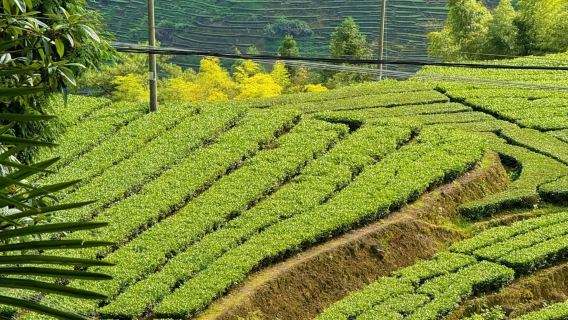
Anxi Tieguanyin origin 1-day tour | Overlooking tea fields and sea of clouds at Qingshui Rock | Handmade tea experience at Yunling Manor
󱌍
10% off
Limited-time sale
From€156.15€173.5
Kulangsu private tour 1-day tour [Shuzhuang Garden + VIP afternoon tea in Republic of China style + 1-hour travel photo shoot]
󱌍
5.0/5
· 11 reviews· 33 booked
Duration: 8.3 hrs
English
Free cancellation
Instant confirmation
Book now for tomorrow
9% off
Limited-time sale
From€190.39€211.54
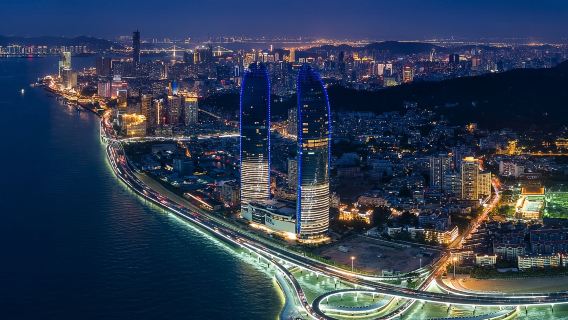
Lujiang Yujian 77: Xiamen Night Magic-Luxury Cruise+Breathtaking Harbor Views & Cuisine
󱌍
5.0/5
· 4 reviews· 93 booked
Duration: 1.5 hrs
English
Free cancellation
Instant confirmation
Book now for tomorrow
From€22.54

Xiamen Night Cruise: Luxury Sea Tour Ticket for Yu Jian 77 - Maritime Music Dining Show (Including Buffet)
󱌍
4.5/5
· 4 reviews· 63 booked
Duration: 2 hrs
English
Free cancellation
Instant confirmation
Book now for tomorrow
From€31.85
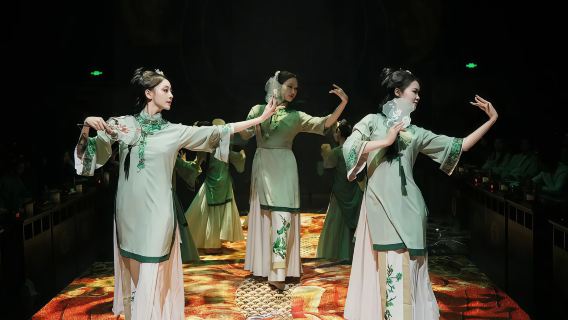
Xiamen Royal Banquet: 360° Maritime Silk Road Tang Immersive Dinner Show
󱌍
Duration: 1.7 hrs
English
Free cancellation
Instant confirmation
Book now for tomorrow
From€20.02
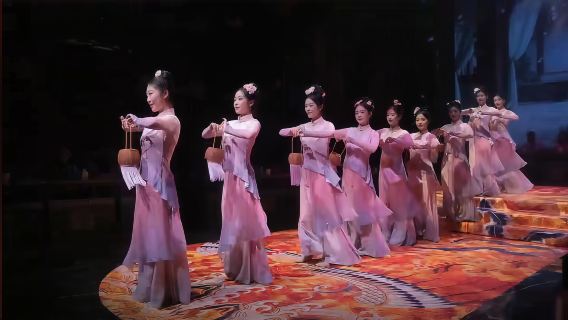
Xiamen Huangdu Royal Feast: Ancient Costume Styling, 360° Dinner Show & Min Cuisine
󱌍
Duration: 1.7 hrs
English
Free cancellation
Instant confirmation
Book now for tomorrow
From€74.07
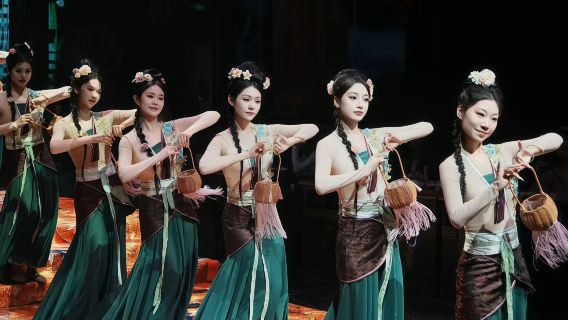
Xiamen Royal Banquet: Immersive Imperial Feast with Hanfu Makeover & Live Stage Shows
󱌍
Duration: 1.7 hrs
English
Instant confirmation
Book now for today
From€66.60
Quanzhou Ancient City 1-day tour | Stroll through West Street alleys | Taste runbing vegetables, manjian cake, and shihua jelly
󱌍
9% off
Limited-time sale
From€240.23€266.92

Featured Day tours in Anxi

View all Day tours
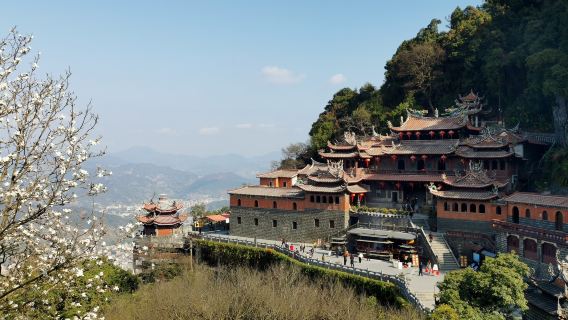
Private Day Tour from Xiamen to Anxi County's Qingshuiyan and Tea Capital in Quanzhou
󱌍
Duration: 4 hrs
English
Free cancellation
Instant confirmation
Book now for tomorrow
From€60.45
Anxi + Huqiu Hongenyan Chartered tour (Departing from Xiamen)
󱌍
Duration: 5 hrs
English
Free cancellation
Instant confirmation
9% off
Limited-time sale
From€22.23€24.69
Xiamen to Anxi Tea Tour: Huaxiangyuan Tea Plantation - Ecological Tea Fields Exploration & Tea Tasting Day Trip
󱌍
Duration: 4 hrs
English
Free cancellation
Instant confirmation
Book now for tomorrow
From€56.53
Quanzhou world heritage 1-day tour | South Shaolin Temple + Luoyang Bridge + Kaiyuan Temple + Xunpu flower hairpin | In-depth guide
Trip.Select
󱌍
4.6/5
· 46 reviews· 362 booked
Duration: 8.1 hrs
English
Free cancellation
Instant confirmation
Book now for tomorrow
299 travelers saved
9% off
Limited-time sale
From€95.98€106.64
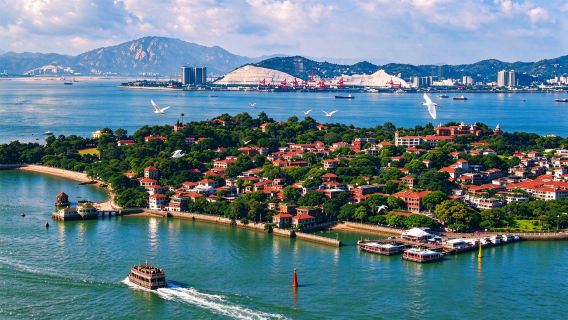
Gulangyu Island Ferry Tickets + One-Way Car Transfer Door-to-Door Xiamen Travel Essentials
󱌍
5.0/5
· 2 reviews· 93 booked
Duration: 5.7 hrs
English
Free cancellation
Instant confirmation
From€14.92
Fujian Xiamen · Zhonggu Cableway + Xiamen University guide + Shapowei + Nanputuo | pure play 1-day tour
Trip.Select
󱌍
4.9/5
· 175 reviews· 737 booked
Duration: 10 hrs
English
Free cancellation
Instant confirmation
Book now for tomorrow
46 consecutive positive reviews
10% off
Limited-time sale
From€95.97€106.64
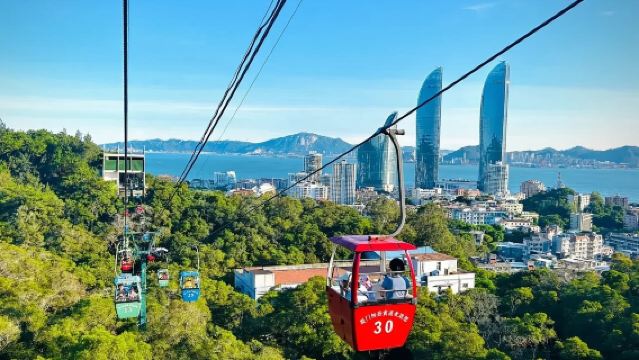
Xiamen City One-Day Tour (Zhonggu Cableway + Lunch at Xiamen University + Optional Mountain and Sea Views)
󱌍
4.9/5
· 296 reviews· 1.6k booked
Duration: 8.6 hrs
English
Free cancellation
Instant confirmation
Book now for tomorrow
87 consecutive positive reviews
10% off
Limited-time sale
From€94.65€105.17

Featured Spa & wellness in Anxi

View all Spa & wellness
[Spa + buffet] Xiamen Huangjia Water Resort: Massage + spa + star-rated buffet
󱌍
4.5/5
· 2 reviews
Duration: 6 hrs
English
Free cancellation
Instant confirmation
Book now for tomorrow
From€38.56
[Foot therapy + buffet] Xiamen Shoujia health club: Foot massage + star-rated buffet
󱌍
5.0/5
· 1 review
Duration: 8 hrs
English
Free cancellation
Instant confirmation
Book now for tomorrow
From€57.54
Xiamen Leisure SPA + Private Car Day Tour (Includes Admission Tickets + Optional Airport Transfer)
󱌍
From€40.36
Relaxing hot spring experience at Tangli hot spring in Xiamen | Featuring private bathing rooms and Japanese zen-style spaces
󱌍
From€18.39
Xiamen Riyuegu Hot Springs Ticket with Private Transfer | Perfect Relaxation Getaway!
󱌍
Duration: 2.5 hrs
English
Free cancellation
Instant confirmation
Book now for tomorrow
From€53.55
Relaxing massage: Xiamen Shoutian shoulder and neck spa massage for professional shoulder and neck relief
󱌍
Duration: 1 hr
English
Free cancellation
Instant confirmation
Book now for tomorrow
From€37.08
[Hot spring getaway] Xiamen Shengzhixiang hot spring resort: A leisure experience of nature and hot springs
󱌍
Duration: 3 hrs
English
Free cancellation
Instant confirmation
Book now for tomorrow
From€24.03
Xiamen Tangli hot spring resort half-day tour: Experience unique Japanese-style bathing rooms [Private car + tickets]
󱌍
Duration: 3 hrs
English
Free cancellation
Instant confirmation
Book now for tomorrow
From€53.07
Anxi Today's weatherFoggy 21-29℃
Anxi weather for the next 2 days11/5: 21-31℃, 11/6: 20-23℃

Free things to do in Anxi

What travelers say about Anxi

user-avatar
M19***94March 25, 2025
5.0
It's nice to go for a walk in your spare time. The scenery is nice when the weather is good, and it feels different when it rains. Just don't go during holidays, because there are many cars on the one-way road and it takes a long time to get into the parking lot. It will feel better on weekends when there are fewer people. Recommended

Anxi Qingshui Rock

user-avatar
宝宝看天下May 19, 2026
5.0
The environment is quite nice, I like it a lot, I'll come again next time.

Qingshuiyan Hot Spring Resort

user-avatar
M55***24July 17, 2023
5.0
Anxi Xiheshan Tieguanyin Cultural Park is a tourist and cultural town with tea culture as its theme. It has a large space and is surrounded by mountains and rivers. There is also an ancient house in southern Fujian built in 1876, which retains the traditional ancient house architecture with southern Fujian characteristics and is transformed into a homestay. There is a tea garden behind the ancient house, which is rich in Tieguanyin. Here you can experience the 8 steps of ancient tea making. May Day and National Day are better seasons, and the tea buds are relatively tender. In the busy city life, enjoy the comfort outside the hustle and bustle of the city!

Xihe Mountain Tieguanyin Cultural Park

user-avatar
菁菁 者莪July 23, 2026
5.0
Kaiyuan Temple, a thousand-year-old temple, boasts imposing twin pagodas and towering banyan trees, offering a tranquil escape from the bustling city. Just a wall away lies West Street, a vibrant hub of activity, with its exquisitely carved ancient buildings that blend the diverse cultures of the Maritime Silk Road, making it a worthwhile destination to savor and appreciate the rich heritage of Quanzhou.

Quanzhou Kaiyuan Temple

user-avatar
雷山龙腾September 3, 2023
5.0
At first I thought the water quality and environment were average, but after getting on the rafting boat I really experienced what excitement was. The scenery along the river was nice, and the rescuers provided very good service at each rapids point. Really, it was worth the money!!!

Zhimin Drifting

user-avatar
M31***92October 18, 2026
5.0
It was quite a show. Even though the performance conflicted with my schedule, I still made time to see it. Chinese martial arts, starting from a young age, has a long history and is very meaningful. Quanzhou is truly a wonderful place, blessed with beautiful scenery and talented people. Due to time constraints, I didn't have a chance to properly see the other sights of Shaolin Temple. I'll definitely visit again next time.

South Shaolin Temple

user-avatar
ncyygoOctober 28, 2026
4.0
Quanzhou's 5A-level scenic area is very close to the city center; there's a direct bus to the scenic area. Take the scenic area shuttle bus up the mountain; the driver will take you all the way to the last stop, so you might miss a few attractions. Hiking down the mountain allows you to see some nice spots. It takes about two hours to see the highlights.

Qingyuan Mountain

user-avatar
好鹏友工作室August 1, 2021
5.0
There are several well-preserved Confucian temples in Fujian, such as the Fuwen Temple in Quanzhou City, the Confucian Temple in Fuzhou City, the Changting Tingzhou Confucian Temple, the Tongan Confucius Temple, and the Zhangzhou Confucian Temple. The Anxi Confucian Temple is also quite good. It is also quite large. It is free and has the Anxi Museum inside.

Anxi Confucian Temple

user-avatar
M45***95October 25, 2026
4.0
The main attractions included in the package ticket are Shuzhuang, Sunlight Rock, and the Palace Museum. There's also an organ performance in the Bagua Building. Otherwise, you can skip the rest. The price is similar to snowboarding, but one yard saves some time.

Kulangsu

user-avatar
一直在路上的猫March 31, 2026
4.0
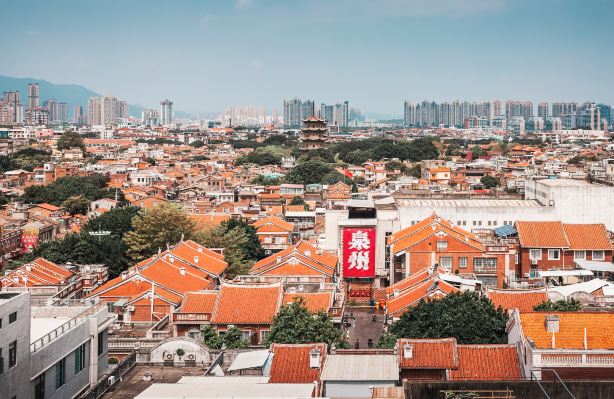
Quanzhou Ancient City. Quanzhou is a place with a profound cultural heritage, reaching its peak during the Song and Yuan dynasties. It was the "largest port in the East" and the starting point of the "Maritime Silk Road." Designated one of the first batch of National Historical and Cultural Cities in 1982, and in 2021, "Quanzhou: A World Maritime Trade Center of Song and Yuan China" was inscribed on the World Heritage List, with eight World Heritage sites within the ancient city. The core urban area covers approximately 6.41 square kilometers, and the city's outline resembles a carp. The most central areas of the ancient city include: West Street (a thousand-year-old street), Kaiyuan Temple + East and West Pagodas, the Bell Tower, the arcade buildings along Zhongshan Road, Qingjing Mosque, the Confucian Temple, and the Tonghuai Guanyue Temple. Religious diversity coexists here, earning it the title of "World Religious Museum." Here, you can find traditional Minnan red-brick houses, Western-style buildings, and arcade buildings coexisting; intangible cultural heritage such as Nanyin music, Liyuan opera, and puppet shows are vibrant; Minnan delicacies such as tusu jelly, rice noodle soup, and runbing are abundant; the night view is dazzling, making it an excellent place for a walking tour. Don't bother eating at the food stalls on the pedestrian street; most of them are popular tourist spots, the taste is average, and they don't really represent the quality of Quanzhou snacks.

Quanzhou Ancient City

Trip Moments in Anxi

Popular cities near Anxi

Frequently asked questions

You can give Anxi Tieguanyin origin 1-day tour | Overlooking tea fields and sea of clouds at Qingshui Rock | Handmade tea experience at Yunling Manor and Kulangsu private tour 1-day tour [Shuzhuang Garden + VIP afternoon tea in Republic of China style + 1-hour travel photo shoot] a try. Before you go, please check their opening hours and menus online. Reservations are recommended, especially during peak hours.

When choosing a tour, start with how much time you have and the kind of experience you're looking for. Trending options right now include Private Day Tour from Xiamen to Anxi County's Qingshuiyan and Tea Capital in Quanzhou, Anxi + Huqiu Hongenyan Chartered tour (Departing from Xiamen), and Xiamen to Anxi Tea Tour: Huaxiangyuan Tea Plantation - Ecological Tea Fields Exploration & Tea Tasting Day Trip. Check the real-time availability and itinerary before you book.

As of November 5, 2026, the reference price for day tours and activities in Anxi is around EUR 14.92 – EUR 95.98. Rates vary by duration, group size, transportation, tickets, meals, and any special admission requirements. Before you book, please confirm the billing currency and whether the price is quoted per person or per group.

Get help anytime, anywhere within 30 secondsContact customer support

Change and cancellation policies vary by attractions and tours. Please check the product details page for more information.

Ticket prices may vary between weekdays and weekends, as well as during peak and off-peak seasons. When booking with Trip.com, you can also use Trip Coins to get extra savings. For more tips on booking discounted tickets, please visit Trip.com for the latest information.