Recent Searches
Popular Attractions
Guiyang
Southwest of China,China,Eastern Asia
Latest Events in Cologne(June Updated)
Are you interested in Tropical Palm Tree Paint Night?
245 people have participated in this
poll
Yes
No


50%


50%
Type
Location
Date
Popularity
New Arrivals

Gamescom 2026 | Cologne
Gamescom is an annual gaming trade show held in Cologne, Germany. The show is organized by the Bundesverband Interaktive Unterhaltungssoftware. Many game developers use the show to showcase their upcoming video games and related hardware. In terms of exhibition space and visitor numbers, Gamescom is one of the largest gaming events in Europe.

Cologne | Regard 2026 Tour | Club Bahnhof Ehrenfeld

Cologne | Peter Bence Concert | Musical Dome
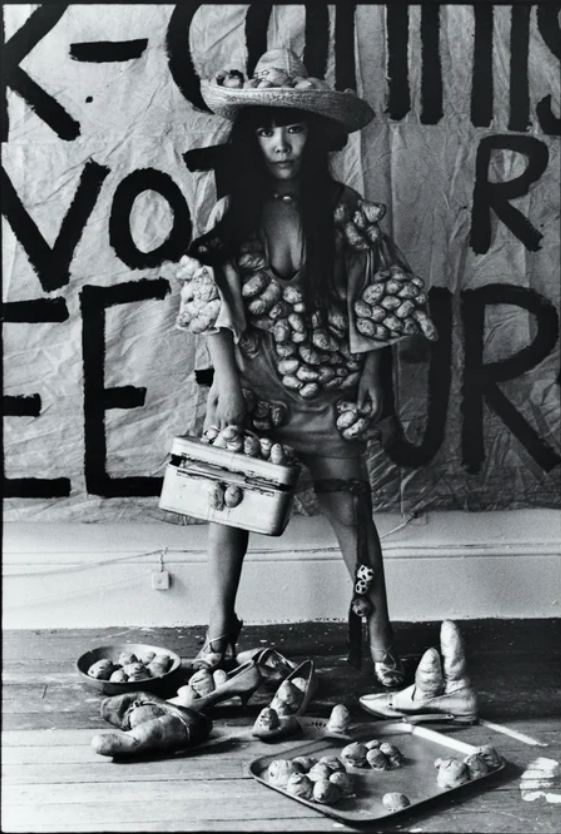
Yayoi Kusama | Museum Ludwig
Kusama (born 1929 in Matsumoto) is one of the most renowned artists of our time. Her iconic polka dots, pumpkin sculptures, and mirrored infinity rooms have become a kind of trademark, appearing millions of times on social media. The exhibition takes visitors on a fascinating journey through Kusama's entire oeuvre, featuring over 300 works, from his first drawing around 1934 to the present day, and encompassing a wide range of artistic media, including painting, drawing, sculpture, installation, fashion, performance, and literature.Beyond the entire temporary exhibition space of the Museum Ludwig, the large-scale exhibition will also utilize other areas of the building, such as the rooftop terrace with its view of the cathedral. A new, immersive spatial installation, conceived specifically for the exhibition and featuring an integrated Infinity Mirror Room, will fill the museum's largest hall. In addition, early iconic works, such as Kusama's first installation, Aggregation: One Thousand Boats Show, created in 1963 , will be on display.At the heart of Kusama's work lies nature in its constant change, becoming and passing away, as well as the infinity of the universe in which all that exists ultimately dissolves. The polka dot patterns with which the artist covers objects and people are as much an expression of this worldview as her infinity mirrored rooms.Experiences from her childhood, including hallucinations in which she perceived her own body and surroundings as overgrown with dots, blossoms, and other repetitive patterns, permeate Kusama's entire oeuvre. Fragility and annihilation are as much a part of these experiences as participation in and merging with a greater whole. For Kusama, her art is a vital necessity; each of her works is also an exploration of herself.After a childhood and adolescence in rural, patriarchal postwar Japan, Kusama escaped the confines of her homeland and moved to New York in the late 1950s, a time of the Flower Power movement and the Vietnam War. There, she took a political stance and made headlines with provocative happenings. In 1973, Kusama returned to Japan and processed her existential anxieties in often unflinching novels and poems. In her powerful later work, she once again created vibrant and richly colored series of paintings.Kusama describes her guiding principle when she says: “In my more than seventy years as an artist, I have always had awe of the miracle of life. More than anything else, this strong sense of life force has supported me in artistic expression and given me the strength to overcome feelings of depression, hopelessness, and sadness. I have allowed myself to be guided by my belief in this power.”Yayoi Kusama is organized by the Museum Ludwig in collaboration with the Fondation Beyeler, Riehen/Basel (October 12, 2025 – January 25, 2026) and the Stedelijk Museum Amsterdam (September 12, 2026 – January 17, 2027).The Cologne leg of the exhibition will feature several large installation works that are not part of the Basel exhibition, such as Kusama's first installation, Aggregation: One Thousand Boats Show, created in 1963; the environment I'm Here but Nothing (2000/2026), a living room bathed in black light with countless fluorescent adhesive dots ; and the imposing, colorfully painted bronze flowers Flowers That Speak All about My Heart Given to the Sky , which will be installed on the roof terrace of the Museum Ludwig.
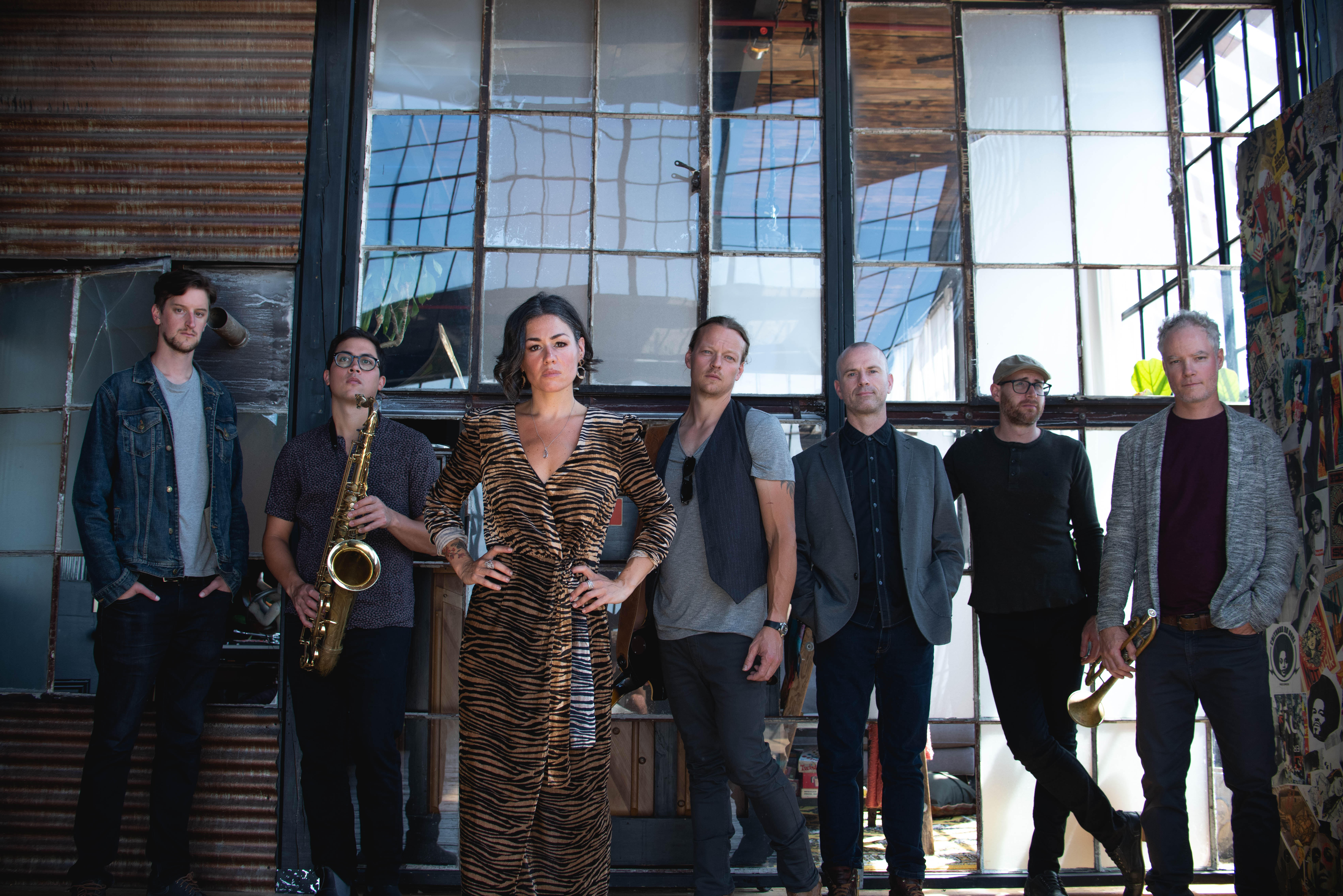
Cologne | Bywater Call 2026 Tour | Die Kantine
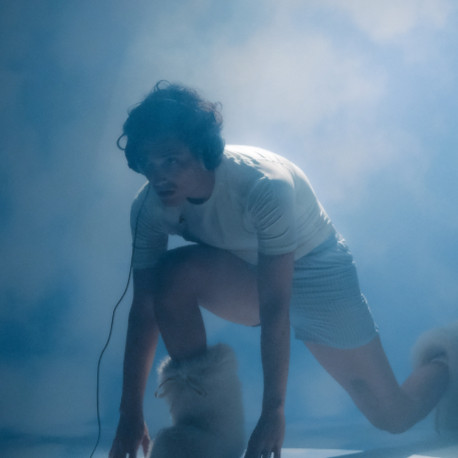
Köln | Humbe《Dueno Del Cielo》Tour | Die Kantine

Köln | SVDDEN DEATH 2026 TOUR | Bootshaus

Köln | Father John Misty Tour | Carlswerk Victoria

Cologne | Tom Jones《Come Gather Round》2026 Tour | Lanxess Arena

Cologne | Hollywood Vampires Tour | Lanxess Arena
...
More Popular Topics

Latest Events in Munich(June Updated)
274 event
Latest Events in Berlin(June Updated)
4055 event
Latest Events in Hamburg(June Updated)
544 event
Latest Events in Frankfurt(June Updated)
158 event
Latest Events in Hannover(June Updated)
215 eventMore Popular Events

BTS WORLD TOUR ‘ARIRANG’ IN KUALA LUMPUR 2026 | TM Stadium Nasional
Dec 12–Dec 13, 2026 (UTC+8)
Kuala Lumpur

BTS WORLD TOUR ‘ARIRANG’ IN BANGKOK 2026 | Rajamangala Stadium
Dec 3–Dec 6, 2026 (UTC+7)
Bangkok

BTS WORLD TOUR ‘ARIRANG’ IN HONG KONG 2027 | Kai Tak Stadium
Mar 4–Mar 7, 2027 (UTC+8)
Hong Kong

BTS WORLD TOUR IN BUSAN 2026 | Busan
Jun 12–Jun 13, 2026 (UTC+9)
Busan

BTS WORLD TOUR IN SINGAPORE 2026 | Singapore
Dec 17–Dec 22, 2026 (UTC+8)
Singapore
Hotels near Cologne
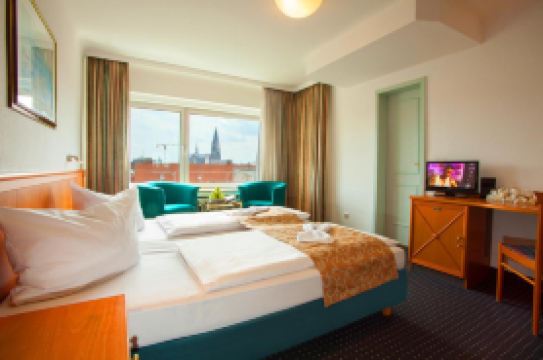
7.7
/10
91 Reviews
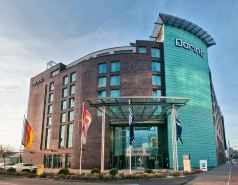
Hansadom Hotel Köln


PKR 18,280
9
/10
63 Reviews
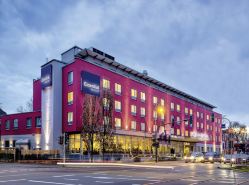
Dorint An der Messe Köln
PKR 23,632
7.7
/10
88 Reviews
Essential by Dorint Köln-Junkersdorf
Junkersdorf
PKR 20,174

8.6
/10
102 Reviews
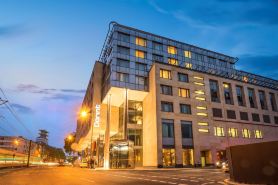
Urban Loft Cologne
PKR 27,996
9.1
/10
106 Reviews
Dorint Hotel am Heumarkt Köln
Cologne City Center
PKR 34,954

7.8
/10
114 Reviews
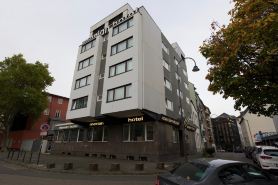
Ibis Budget Koeln Messe
PKR 15,027
8.5
/10
89 Reviews
Hotel Merian
PKR 18,980
9.1
/10
313 Reviews
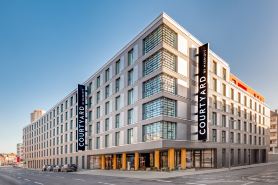
Courtyard by Marriott Cologne
PKR 25,197
8.3
/10
102 Reviews
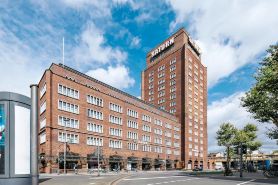
Premier Inn Köln City Mediapark
PKR 19,309
8.1
/10
50 Reviews
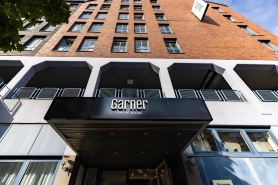
Garner Hotel Cologne Porz - Airport by IHG
Porz
PKR 12,434
Latest Flight Deals to Cologne
These are the best offers on flights to Cologne you’ll find over the next 60 days, with savings of up to PKR 188,192. Don’t miss out!
65
%

Manila
Cologne
 Air China
Economy
One way

Tue, Jun 16
PKR 99,511
PKR 287,703
70
%
Istanbul
Cologne
 Pegasus Airlines
Economy
One way
Thu, Jul 9
PKR 22,397
PKR 73,553
91
%
Vienna
Cologne
 Ryanair
Economy
One way
Mon, Jul 20
PKR 8,029
PKR 91,438