




 4.8/5
4.8/5 llw68
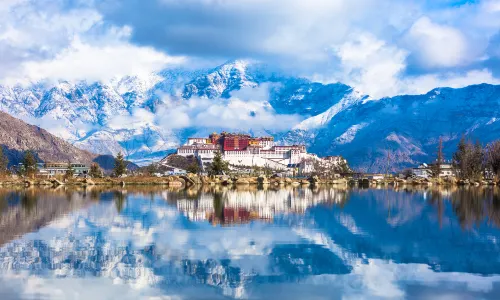
llw68A truly breathtaking performance, a must-see every time I visit Tibet. The actresses playing Princess Wencheng have changed many times, but my sincerity remains constant, haha 😃 I always bring a 50 RMB note with me when I go to Tibet. The "Line 1 and Line 2" part is a major drawback; this trip to the Potala Palace was the worst experience I've ever had.
 4.5/5
4.5/5 喜悦的帽子姐姐
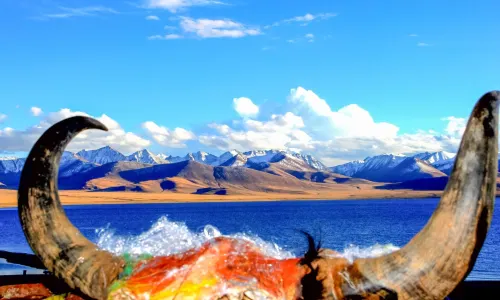
April 19, 2024, Road Trip to Tibet with Parents Day 11: Lhasa - Namtso Lake - Nagqu (367 km, 5 hours driving time) Key Attractions: Namtso Lake, one of the three holy lakes of Tibet, is the highest lake in the world, and the clearest and most beautiful teardrop on Earth. 🌹Trip Itinerary: Depart from the hotel in the morning, first heading to the Namtso scenic area. Along the way, you'll see the Nyainqêntanglha Mountains. If the weather is good, the highest peak you can see is Nyainqêntanglha Peak, at 7162 meters. If you need to get out of the car to view it, be sure to move slowly. I bent over a little too much and immediately experienced altitude sickness, rushing back to the car for oxygen. After arriving at the scenic area entrance and buying tickets, you can drive over the Nagqu La Pass. After descending the mountain and arriving at the distribution center, you need to take the scenic area shuttle bus to Tashi Peninsula. There are many seagulls here, not afraid of people at all, and they even eat directly from people's hands. The Namtso Lake I encountered upon getting off the bus was a vibrant, bright blue, with a touch of icy clarity. As the sightseeing bus ventured deeper into the lake, the blue transformed, becoming a deep, rich, and melancholic hue, breathtakingly beautiful. The scenic area is at a relatively high altitude, so after taking photos, it was time to return to Damxung County as quickly as possible. From Damxung, the journey to Nagqu is a fast one via highway.
 4.5/5
4.5/5 行走在民间的艺术家
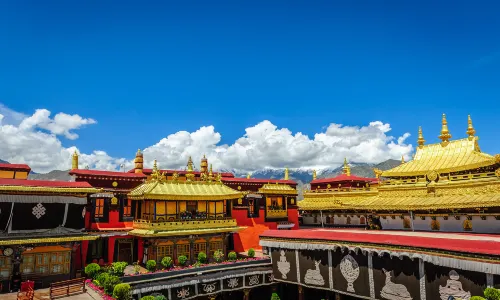
First came the Jokhang Temple, then Lhasa! This pilgrimage of faith is well worth all the anticipation! ✨ "A trip to Lhasa without visiting the Jokhang Temple is like not having been to Tibet at all"—this statement is absolutely true! This sacred temple, nestled in the heart of the old city, was built by Songtsen Gampo to welcome Princess Wencheng. Its 1300-year history means every stone slab holds a story. Arriving at 8 am to avoid the crowds, after security checks, stepping into the temple, you're instantly enveloped in the warm glow of butter lamps and the lingering fragrance of incense. The deep chanting of devotees fills the air, instantly calming your soul. The must-see highlights are truly undeniable! The core of the temple, the life-size statue of the 12-year-old Shakyamuni Buddha, brought to Tibet by Princess Wencheng, is adorned with gold and silver jewels that gleam under the lights. Long lines of devotees prostrate themselves in prayer; their pure devotion is deeply moving. The architecture blends Tibetan, Tang, Nepalese, and Indian styles, with white walls and golden roofs complemented by exquisite ancient murals. The "Princess Wencheng's Journey to Tibet" mural is incredibly detailed; a guided tour is highly recommended to fully understand its cultural significance. The golden roof platform on the third floor is a must-see. With a wide-angle lens, you can simultaneously capture the gilded roof of the Jokhang Temple, the pilgrims circumambulating Barkhor Street, and the Potala Palace in the distance. The light at 3 pm on a sunny day is absolutely stunning! Important tips: The entire tour must be clockwise. Turn the prayer wheels with your right hand at a steady pace, ideally 3 or 9 rotations (odd numbers are considered auspicious). Dress neatly and appropriately; shorts and tank tops are absolutely forbidden. Remove your hat and sunglasses before entering the temples. Never point directly at Buddha statues or touch the murals. During peak season, make sure to book in advance through the official WeChat account; the queues on-site are comparable to rush hour subway lines. Renting headphones is not essential; many guides' explanations are clear even without headphones, so avoid wasting money. The Jokhang Temple has many butter lamps, making the ground slippery. Walk slowly, respect the worshippers' rituals, and refrain from taking photos or disturbing them. After leaving the Jokhang Temple, stroll along Barkhor Street with the pilgrims. The Tibetan-style shops and elderly people turning prayer wheels offer a glimpse into the authentic atmosphere of Lhasa. This is more than just a temple; it's a center of faith, and the power it embodies, transcending millennia, can only be truly understood through personal experience. When visiting Lhasa, making the Jokhang Temple a top priority in your itinerary is an unforgettable spiritual experience.
 44.5/5
 实在不可爱
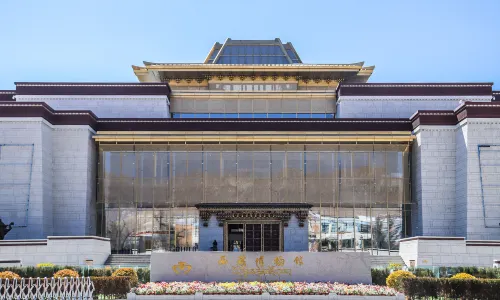
实在不可爱Last September, I traveled to Tibet and made an advance reservation for a visit to the Tibet Museum. On the third day after arriving in Lhasa, I visited the museum, which is located in downtown Lhasa. From the upper terrace, you can overlook the Potala Palace. The museum has a rich collection, many of which are rich in local characteristics, and many of the pieces are not available elsewhere. It's a truly worthwhile museum to visit.
 54.4/5
 Anonymous user
While Norbulingka lacked the stunning blue skies and white clouds, the moist air made mainland tourists feel more relaxed. Our Tibetan guide, Jiazhen, provided a very detailed explanation, which was a welcome change from a cursory visit. There's also a small zoo within the park, which was a delight for the children.
 64.5/5
 黑豹A
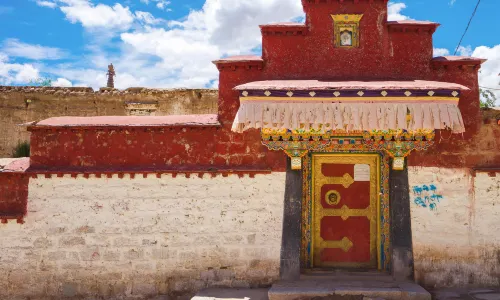
黑豹ASera Monastery, officially known as "Sera Mahayana Monastery," is located at the foot of Sera Utse Mountain in the northern suburbs of Lhasa. It is one of the six principal monasteries of the Gelug school of Tibetan Buddhism, and along with Drepung Monastery and Ganden Monastery, is considered one of the three great monasteries of Lhasa. Construction began in the 17th year of the Yongle reign of the Ming Dynasty by Tsongkhapa's disciple Shakya Yeshe and was completed in 1434. The monastery houses the Tsokchen Hall, three large datsangs, and other buildings, housing tens of thousands of Buddha statues and numerous murals. Its unique Buddhist debates make it a vital venue for understanding Tibetan Buddhist culture.
 74.7/5
 妙珍88
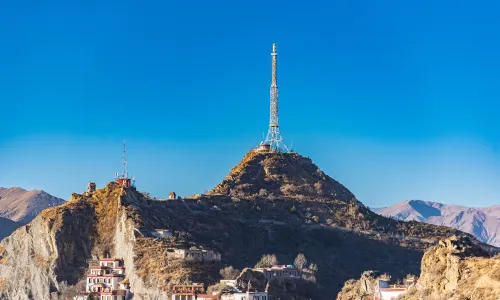
妙珍88Yaowang Mountain and its surrounding areas have now been transformed into Tuanjie Park, which is very large with a quiet environment, lush vegetation and beautiful scenery. Visitors can climb the mountain along the wooden plank road and overlook the entire Lhasa city.
 84.3/5
 云端5341
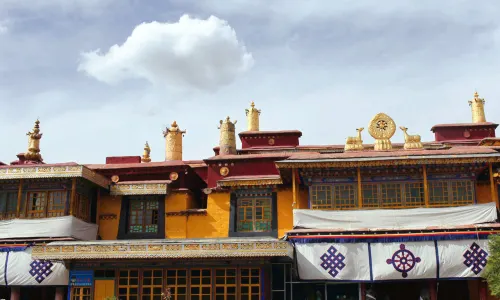
This temple is where locals pray for wealth and make wishes. Every Wednesday, lines form early in the morning, stretching out into the street. Hours: Every Wednesday. (It's also open on weekdays, but less crowded.) Tips: 1. Bring two bottles of wine from the small shop near the temple. 2. Bring some one-yuan coins; if you don't have any, you can exchange them at the entrance for a small difference.
 94.2/5
 M19***50
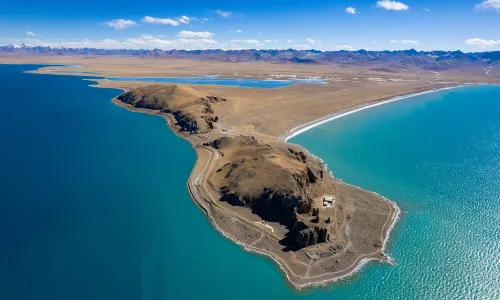
Namtso Lake is also very beautiful in winter. It looks like a huge sapphire from a distance. It is worth the trip. The itinerary is not tight and very relaxing. This is the meaning of going out for a walk, embracing nature, embracing a relaxed mood, and seeing the beautiful mountains and rivers of the motherland. The tour guide is very good at taking pictures! He also brought a folding chair with him, which is thoughtful! The music in the car is also nice! It is worth choosing!
 104.8/5
 whlyh
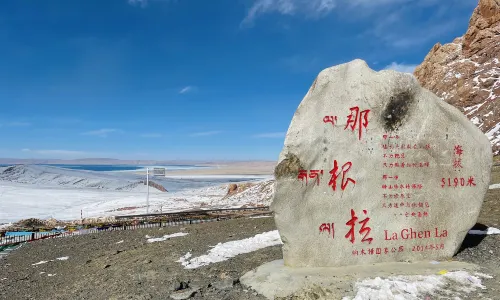
whlyh[Scenery] The Nara Mountain Pass Observation Deck is 5,190 meters above sea level. You can burn incense and pray. The blue sky and white clouds set off the majestic mountain scenery. [Fun] A popular check-in spot [Value for money] Free
 Winter in Lhasa: Unlock a Blissful Experience with Warm Sunshine and Hot Springs | Dec 2025-Jan 2026
 Achieved a 3-year streak on the annual lists
