Yangqu

Things to do in Yangqu

Search attractions or local attractions & tours
Search

Explore top experiences

Top 10 attractions in Yangqu

View all Attractions
Dou Dafu Temple
No. 14 of Fall Viewing Attractions in Taiyuan

Dou Dafu Temple

4.6
4.5/5
45 reviews

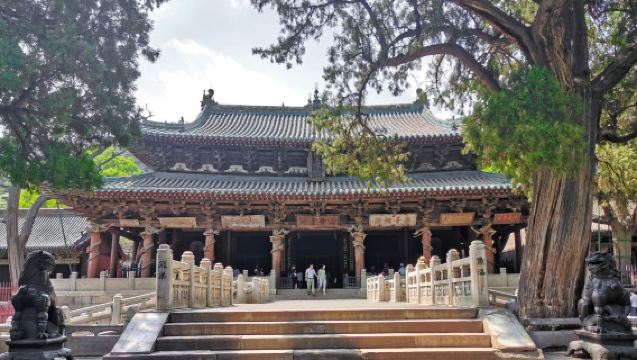
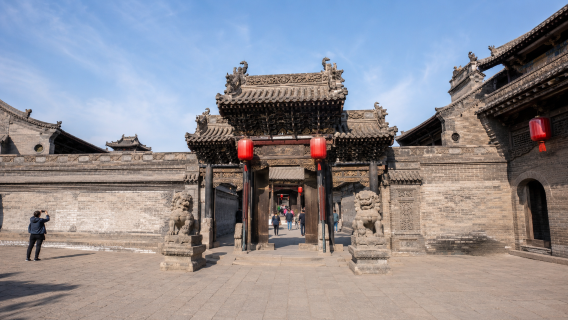
Dou Dafu Temple is located in Shanglan Village, 20 kilometers northwest of Taiyuan City, on the west side of the gate of North China University. It is a temple dedicated to Dou Dun, a minister of the State of Jin during the Spring and Autumn Period. He was commemorated by later generations for his efforts to open a canal in Langmeng (now Huangzhai, Yangqu) and was named Yingji Marquis by Emperor Shenzong of the Song Dynasty in the eighth year of Yuanfeng (1085). Therefore, the temple is also called Yingji Temple. The founding date of Dou Temple is unknown, but in the poem “You Lie Shi” written by Li Pin in the Tang Dynasty,Visit the place where you once stayed" proves that this temple already existed in the Tang Dynasty. Among the existing buildings, the mountain gate, offering hall, and main hall were rebuilt in the third year of Zhizheng in the Yuan Dynasty (1343), and some parts still have the architectural style of the Song and Jin Dynasties; its offering pavilion is relatively large, and the rear eaves columns are replaced by the corridor columns of the main hall, with a rigorous and unique structure. The temple building is majestic, ancient and profound; there is a statue of Dou Xun sitting in the main hall, with a calm demeanor. A clear spring gurgles out from the cliffs of Lieshi Mountain, and the water is so clear that you can see the bottom and count the fish swimming in it. The spring water is relatively low in temperature and is called "Cold Spring". It complements the ancient temple with green cypresses, which is quaint and interesting. There is a stele with the words "Lingquan" in front of the small temple next to the cold spring, which is said to be written by Song Huizong Zhao Ji.

Taiyuan · 21.1 km from Yangqu
Chunyang Palace
No. 13 of Fall Viewing Attractions in Taiyuan

Chunyang Palace

4.9
4.6/5
398 reviews

Chunyang PalaceCommonly called the Lüzu Temple, it is the Taoist sanctuary dedicated to the immortal Lü Dongbin — his Taoist name, Chunyangzi, is where the palace name comes from. Hidden in the bustling old city of Taiyuan, with red walls and cypress trees offering quiet amid the noise, it was first built at the end of the Song and the beginning of the Yuan dynasties, and was expanded and restored several times during the Ming and Qing dynasties. Today more than 70 halls remain, arranged in 5 successive courtyards from south to north. Combining temple layout with garden charm, it is one of the more substantial complexes of Taoist palace buildings preserved in Taiyuan's old city. The palace's highlights are often summed up as three must-sees. The first is the Jiugong Bagua courtyard in the fourth enclosure: laid out according to the eight trigram orientations with chamfered corners, four pavilions and four corner kiosks enclose a central square, two-story pavilion, echoing the "nine palaces" system. The octagonal brick-vaulted cave rooms are commonly called the "nine kilns and eighteen caves." The other two highlights are Tang-dynasty stone carvings brought from around Shanxi for protection: a Changyang Tianzun statue carved from white marble that dates to the Kaiyuan period of the Tang dynasty, calm in expression; and the nirvana transformation stele carved during the Tianshou era of Wu Zhou, which depicts six groups of scenes from before and after the Buddha's nirvana with compact composition and delicate carving. Both stone works are listed among the first batch of cultural relics prohibited from being exhibited abroad. The carved inscriptions "Lü Tianxian shrine" and "Penglai wonderland" on the wooden arch at the entrance, the Ming-era Lüzu Hall's green glazed tiles and the "Eight Immortals crossing the sea" murals, the rockery to the east, and the stele gallery to the west are all worth a close look.

Taiyuan · 23.5 km from Yangqu
Xiling Ski Field

Xiling Ski Field

3.6
4.3/5
45 reviews

Shanxi Taiyuan Xiling International Ski Resort is a tourist and leisure sports venue that integrates skiing, Dining, accommodation and entertainment. Taiyuan Xiling International Ski Resort is located in the eastern Dazhong Mountain of Zhangzitou Village, Zhongjianhe Township, Xinghualing, Taiyuan City. It is the closest ski resort to Taiyuan City and can be reached in 20 minutes by car. Taiyuan Xiling International Ski Resort is planned and designed by the authority of the International Ski Association, with a total investment of more than 30 million yuan. There are 6 primary, intermediate and advanced ski slopes with a total length of more than 6,000 meters and a drop of 129 meters. It has introduced advanced foreign snowmaking systems and has a W-shaped ski slope with international design level. It is one of the international ski resorts with wide ski slopes and professional technology in Shanxi. The ski resort has a 480-meter-long international standard primary slope with an average slope of 15 degrees, which is suitable for beginners. In addition to skiing, Taiyuan Xiling International Ski Resort also prepares snowmobiles, snow saucers, dog sleds, horse-drawn sleds, skating, ice hockey and other entertainment projects to meet your needs. There are more than a thousand sets of professional imported ski equipment, ski clothes of different colors, and hundreds of sets of children's ski equipment, which can be used by more than a thousand people at the same time.

Taiyuan · 15.2 km from Yangqu
Chongshan Temple
No. 15 of Fall Viewing Attractions in Taiyuan

Chongshan Temple

4.4
4.6/5
147 reviews

Chongshan Temple is located in Shangguan Lane in the east of Taiyuan, just across the road from the Shanxi Folk Museum, and in front of the door is a rather quiet alley. The temple was first built in the late Sui and early Tang dynasties. It was originally the palace of Emperor Yang Guang of the Sui Dynasty. In the 14th year of Hongwu in the Ming Dynasty (1381 AD), Zhu Yuanzhang, the third son of Emperor Taizu of the Ming Dynasty, expanded the original temple in memory of his mother, Empress Ma. The expanded temple is quite large in scale and has a very impressive appearance. In the third year of Tongzhi in the Qing Dynasty (1864 AD), Chongshan Temple was destroyed by a fire. Now only the Great Compassion Hall, the mountain gate, the bell tower and the east and west wing rooms remain. Chongshan Temple is now the seat of the Shanxi Buddhist Association. The whole temple is simple and elegant with red walls and green tiles. The pair of bronze lions in front of the temple gate were cast in the Ming Dynasty. The Great Compassion Hall is the main building in the temple. It is a typical Ming Dynasty style building. The three statues in the hall are more famous, namely the Thousand-armed and Thousand-eyed 11-faced Guanyin, the Thousand-bowl Manjusri Bodhisattva and the Samantabhadra Bodhisattva. These three statues are unique in shape, colorful, and have smooth lines in their clothes. They are rare Ming Dynasty art treasures. Chongshan Temple also has a large collection of Song, Yuan and Ming editions of Tibetan Buddhist scriptures, which are very valuable.

Taiyuan · 22.8 km from Yangqu
Shanxi Bronze Museum
No. 19 of Best Things to Do in Taiyuan

Shanxi Bronze Museum

5.4
4.7/5
51 reviews

Shanxi Bronze Museum is a branch of Shanxi Museum, located on the scenic Changfeng Cultural Business District Cultural Island. It shares five connected and independent red oval inverted cone buildings with Taiyuan Museum, and is one of the landmark buildings in Taiyuan. The museum is a provincial bronze museum in China, exhibiting more than 2,000 cultural relics, mainly from archaeological excavations over the years and precious cultural relics recovered by public security organs in recent years to combat cultural relic crimes, gathering the essence of Jin bronze cultural relics. The Shanxi Bronze Museum has an exhibition area of ​​11,000 square meters. The basic display is themed "Jijin Guanghua" and is divided into three parts: "Huaxia Imprint", "Ritual Music Spring and Autumn", and "Technology Model". It shows the development process and brilliant achievements of China's Bronze Age. "Huaxia Imprint" tells the special status of Jin culture in the inheritance and development of Chinese civilization; "Ritual Music Spring and Autumn" explains the distinctive characteristics of Chinese bronzes as ritual vessels and the spiritual connotation of ritual and music civilization; "Technology Model" shows the wisdom of the ancients in casting bronze. In addition, the "Digital Bronze" and "Exploring the Mysterious" exhibition areas deeply experience the mysteries behind the bronze culture through digital display and educational interaction. Telling the Chinese bronze civilization with Shanxi cultural relics, through the multi-dimensional perspectives of cultural relics, the country, the system and the skills, reflects the important role of bronze civilization in the Chinese civilization system.

Taiyuan · 30.7 km from Yangqu

Experiences you can't miss in Yangqu

Yangqu Today's weatherClear 0-16℃
Yangqu weather for the next 2 days11/14: 0-11℃, 11/15: -1-4℃

Free things to do in Yangqu

What travelers say about Yangqu

user-avatar
davidsnowOctober 8, 2026
5.0
Breathtaking view, amazing hike to the top, unreal experience and genuine atmosphere. Highly recommend

Mengshan Grand Buddha

user-avatar
M37***45October 5, 2026
4.0
Few people come here specifically. Without the hustle and bustle of Jinci, the wind of Erlong Mountain whispers through the eaves of the Yuan Dynasty wooden structure, creating an exceptionally quiet atmosphere. This place enshrines Dou Chou, a high-ranking official of the Jin State during the Spring and Autumn Period. During his tenure, he undertook water conservancy projects, benefiting the local people. It is also home to the famous story of "Confucius Turning Back": Confucius, having heard of Dou Chou's reputation, came to visit, only to learn of his murder. He turned back at the riverbank, demonstrating the profound virtue he possessed. The most stunning feature is the eight-coffered ceiling of the Offering Hall, constructed without a single nail, its mortise and tenon joints nested layer upon layer, a testament to the wisdom of ancient builders. A close look reveals its awe-inspiring grandeur.

Dou Dafu Temple

user-avatar
86338633July 13, 2025
5.0
Taiyuan·Buer Temple First built in the 9th year of Qianyou in the Northern Han Dynasty, rebuilt in the 6th year of Mingchang in the Jin Dynasty, and rebuilt in all dynasties, the State ⑥ Located at No. 74, Shouyi West Road, Shouyi Road Community, Huangzhai Town, Yangqu County, Taiyuan City, the existing Sansheng Temple was built in the Jin Dynasty, with a construction area of 184.19 square meters, a width of three rooms, a depth of six rafters, a single-eaved hanging mountain top, and a thorough upper Ming structure. The temple enshrines 9 statues of the Huayan Three Saints in the center of the Buddha platform in the temple, which is a legacy of the Jin Dynasty. The east and west walls of the temple are painted with murals, covering an area of 137 square meters. The east wall is painted with the Three Saints of the East, the middle is painted with the God of Music, and the lower part is painted with the Twelve Yaksha Generals. The west wall is painted with the Three Saints of the West, the middle is painted with the Buddha worship picture, and the lower part is painted with the Sixteen Arhats Buer Temple was originally located in Xiaozhiyu Village, Huangzhai Town. There is still a Yuan Dynasty ancestor tower on the original site. It was moved to the current site in 1987. It is an important representative of Jin Dynasty architecture and statues in Taiyuan area and has important cultural relics value

Bu'er Temple

user-avatar
从来都没有神July 1, 2026
5.0
Chunyang Palace, Taiyuan Located in the northwest corner of Wuyi Square in Taiyuan City, Chunyang Palace is a Taoist temple originally built in the late Song and early Yuan dynasties. It is now the Shanxi Ancient Architecture Museum and a national key cultural relics protection unit (seventh batch). The palace currently has five courtyards and over 70 rooms, covering an area of ​​over 10,000 square meters, mainly dating from the Ming and Qing dynasties. Chunyang Palace is grand in scale and has a rigorous and orderly layout, quite different from traditional northern official architecture. It features a southern garden-style architectural style and possesses high historical and artistic value. The palace houses two cultural relics prohibited from being exhibited abroad (first batch): a Tang Dynasty Nirvana Transformation Stele and a statue of Changyang Tianzun. It also boasts the only Nine Palaces and Eight Trigrams courtyard building in the country, making it an excellent place to understand Shanxi's history, culture, and religious art.

Chunyang Palace

user-avatar
dajunmaJanuary 10, 2026
5.0
High cost-performance ratio. The locker costs 20 yuan, and insurance is 5 yuan. A taxi from the city center costs about 12-13 yuan, and you can easily get a taxi back. The beginner's course is quite wide, suitable for beginners. The staff are very polite. The instructor's hourly rate is 240 yuan, but he will also give you free pointers if you need help later.

Xiling Ski Field

user-avatar
zzzq61316October 3, 2025
5.0
It's worth a visit. Located in the heart of Taiyuan, the park is large, with a vast lake. The surrounding natural scenery and greenery are also beautiful, with towering trees and numerous exotic flowers and plants, creating a natural oxygen bar. The park management deserves praise, as it's the best-managed city park I've ever seen. Besides its scenic beauty, the park also boasts a rich cultural heritage, with numerous cultural attractions and impressive architecture. The recreational and exercise areas are comfortable, bright, and transportation is very convenient.

Yingze Park

user-avatar
咖啡领地January 28, 2026
5.0
The temple is very popular with worshippers, and the architecture is beautiful. The lions sitting on lotus pedestals at the entrance are a rare sight. It's worth a visit. Unfortunately, the main hall was under renovation and closed to the public, so I didn't get to see the Ming Dynasty bronze statue of the Thousand-Hand Guanyin.

Chongshan Temple

user-avatar
Milky-wayMarch 29, 2023
4.0
Xuanquan Temple is located on the bank of Guanshan Fen River in Qianfuke Village, Xilingjing Township, Yangqu County, Taiyuan City, Shanxi Province. The whole building is built on a cliff, divided into three floors: upper, middle and lower. Entering the mountain gate, there is a "safety trench" with small wooden sticks of different lengths, followed by the Galan Hall, the Great Hall, the Ksitigarbha Hall, the Guanyin Hall, the Sutra Pavilion, the Seven Buddha Caves, the Immortal Cave, the Dal Cave, the Water Curtain Cave, the Dragon King Hall and other landscapes.

Xuanquan Temple

user-avatar
谁家陌上少年May 15, 2026
5.0
It's connected to the Taiyuan City Museum; you can enter directly by swiping your ID card. It has four floors, with a huge number of exhibition halls. The layout is very reasonable, clean, and beautiful. Each artifact has its own space, so it's not crowded. The text descriptions are detailed, and you can also scan a QR code for a free guided tour. Following the signs, you won't get lost or backtrack. It's not crowded, making for an excellent viewing experience. There's also a reading and rest area on the first floor. Across the street from the museum is MixC shopping mall, which has a wide variety of affordable food and drinks. I visited twice to see everything; it's a very beautiful and atmospheric museum.

Shanxi Bronze Museum

user-avatar
Anonymous userNovember 12, 2026
5.0
This was my second visit. As a World Intangible Cultural Heritage site and a traditional 5A scenic spot in China, each visit brings a different kind of awe. I am deeply impressed by the craftsmanship of the ancients and the great spirit of Buddhism.

Yungang Grottoes

Trip Moments in Yangqu

Popular cities near Yangqu

Frequently asked questions

What are the recommended tours and excursions in Yangqu?

When choosing a tour, start with how much time you have and the kind of experience you're looking for. Trending options right now include One-day private charter to Pingyao Ancient Town and Qiao Family Courtyard from Taiyuan, Taiyuan Zhenguo Temple + Shuanglin Temple + Pingyao Ancient City Day Tour: Immersive Experience of Jinzhong's Cultural Essence, and Taiyuan Ancient County + Mengshan Grand Buddha + Jinci Museum private charter 1-day tour with Chinese and English services. Check the real-time availability and itinerary before you book.

As of November 14, 2026, the reference price for day tours and activities in Yangqu is around JPY 6,534 – JPY 27,225. Rates vary by duration, group size, transportation, tickets, meals, and any special admission requirements. Before you book, please confirm the billing currency and whether the price is quoted per person or per group.

Get help anytime, anywhere within 30 secondsContact customer support

Change and cancellation policies vary by attractions and tours. Please check the product details page for more information.

Ticket prices may vary between weekdays and weekends, as well as during peak and off-peak seasons. When booking with Trip.com, you can also use Trip Coins to get extra savings. For more tips on booking discounted tickets, please visit Trip.com for the latest information.