Thiruvananthapuram

Things to do in Thiruvananthapuram

Search attractions or local attractions & tours
Search

Explore top experiences

Top 10 attractions in Thiruvananthapuram

View all Attractions
Sree Padmanabhaswamy Temple

Sree Padmanabhaswamy Temple

4.4
4.0/5
2 reviews

Sree Padmanabhaswamy Temple is located in Thiruvananthapuram, Kerala, and is an important pilgrimage site for Vaishnavite Hindus, listed among the 108 Divya Desam holy abodes. The temple's main deity is Anantha Padmanabhaswamy—Vishnu reclining in a yogic sleep posture on the giant serpent Shesha, with Brahma emerging from the lotus in his navel; "Padmanabha" means "lotus-navelled." The main idol is composed of over 10,000 Saligrama stones from the Kali Gandaki River in Nepal, covered with a special Ayurvedic medicinal plaster coating, a practice rarely seen in Indian temples. Devotees must pass through 3 stone doors to view the idol in sequence: the first door reveals the upper body of the reclining idol and the Shiva Lingam beneath Vishnu's hand, the second door reveals the gold and silver ceremonial idols, and the third door allows a view of the idol's feet. The temple architecture blends local Kerala style with Tamil Dravidian style, featuring a 7-story gopuram entrance tower approx. 30 m high, with a base dating back to the 16th century. The corridor surrounding the sanctum is supported by over 300 intricately carved granite pillars, with complex and delicate reliefs on the shafts, representing a concentration of stone carving craftsmanship. A flagpole approx. 24 m high stands in front of the hall, and a lotus pond named Padma Theertham is located beside the temple. The temple also houses separate shrines dedicated to Ugra Narasimha and Krishna, each with its own altar and flagpole. This temple is widely known for the astonishing treasures in its underground vaults. After some of the vaults were opened in 2011, a large quantity of gold items, gemstones, and ancient coins were inventoried, including pure gold idols inlaid with hundreds of diamonds and rubies, pure gold crowns, pure gold thrones, and a collection of gold coins dating back to the 2nd century BC, a scale rarely seen in known collections of this kind. Vault B, which is believed to contain a volume far exceeding that of the other chambers, has yet to be opened. These treasures have been accumulated through offerings from dynasties and devotees over thousands of years. Please note that the temple only allows entry to Hindus; men must wear a white dhoti and shawl, and women must wear a sari, with strict dress code requirements.

Thiruvananthapuram · 762m from downtown
Attukal Bhagavathy Temple

Attukal Bhagavathy Temple

4.2

Located in Thiruvananthapuram, the capital of Kerala, this Hindu goddess temple is one of the most revered in South India. The temple's presiding deity, the goddess Bhagavathy, is known to devotees as "Attukal Amma" (Mother Attukal) and is believed to be the incarnation of Kannaki, the heroine of an ancient Tamil epic. The ritual songs sung during the festival and the sculptures on the gopuram tell her story. Because it draws large numbers of female devotees year-round, the temple is often called the "women's Sabarimala," meaning a pilgrimage site almost entirely sustained by female pilgrims. The temple's architecture blends Kerala and Tamil styles. The tiers of carvings on the gopuram include images such as Durga subduing the buffalo demon, the goddess Kali, and Parvati with Shiva, while the south gopuram depicts the myth of Daksha's sacrifice. Inside the sanctum, the idol of the goddess, decorated with gold and gems, is the temple's prized treasure. What made the temple famous is the annual Pongala festival, held in February–March. This is a women-only festival, said to originate from an old local legend in which women cooked food by hand to honor the goddess's incarnation. On the day of the festival, millions of women devotees bring earthen pots, rice, and jaggery, set up stoves along streets stretching for kilometers around the temple, and cook the sweet offering Pongala outdoors, turning the whole of Thiruvananthapuram into one vast open-air sanctuary. If you want to witness it, plan ahead for extreme crowds and limited accommodation and transport. On regular days, the temple is a quiet community shrine where you can admire the carvings and experience the ritual atmosphere. Dress modestly and follow the temple's entry rules.

Thiruvananthapuram · 2.1 km from downtown
Thiruvananthapuram Zoo
No. 6 of Family-friendly Attractions in Kerala

Thiruvananthapuram Zoo

4.1

Located in Thiruvananthapuram, the capital of the Indian state of Kerala, it was established in the 1850s, making it one of the earliest zoos in India. It shares the same grounds as the Napier Museum and other museums, as well as a botanical garden, allowing you to easily visit the exhibits while seeing the animals—perfect for a half-day itinerary. The park is densely wooded with interspersed lakes and lawns, offering a rare green oasis in the bustling city. It houses over 80 species of animals. In addition to native species such as Bengal tigers, white tigers, Asiatic lions, Indian rhinoceroses, sloth bears, and Indian gaurs, it also features hippos, zebras, and Cape buffalo from Africa. Endangered lion-tailed macaques and Nilgiri langurs are both endemic to the Western Ghats and are highlights that showcase the local wildlife. In the bird area, you can see flamingos, emus, and painted storks, whose vibrant plumage makes them perfect for photos. The reptile house is very popular, exhibiting snakes such as king cobras, Indian cobras, reticulated pythons, and green anacondas. You can also see gharials and Travancore tortoises—the latter being a species endemic to the Western Ghats. Spending time here with children identifying the various snakes and tortoises can easily take up a good portion of your visit. Beyond animal viewing, this zoo also plays a role in wildlife breeding and rescue. Each exhibit area features educational information, allowing you to learn about the wildlife of Kerala during your visit. It is a rewarding experience for families with children and animal enthusiasts alike.

Thiruvananthapuram · 2.7 km from downtown
Kanakakkunnu Palace

Kanakakkunnu Palace

4.1

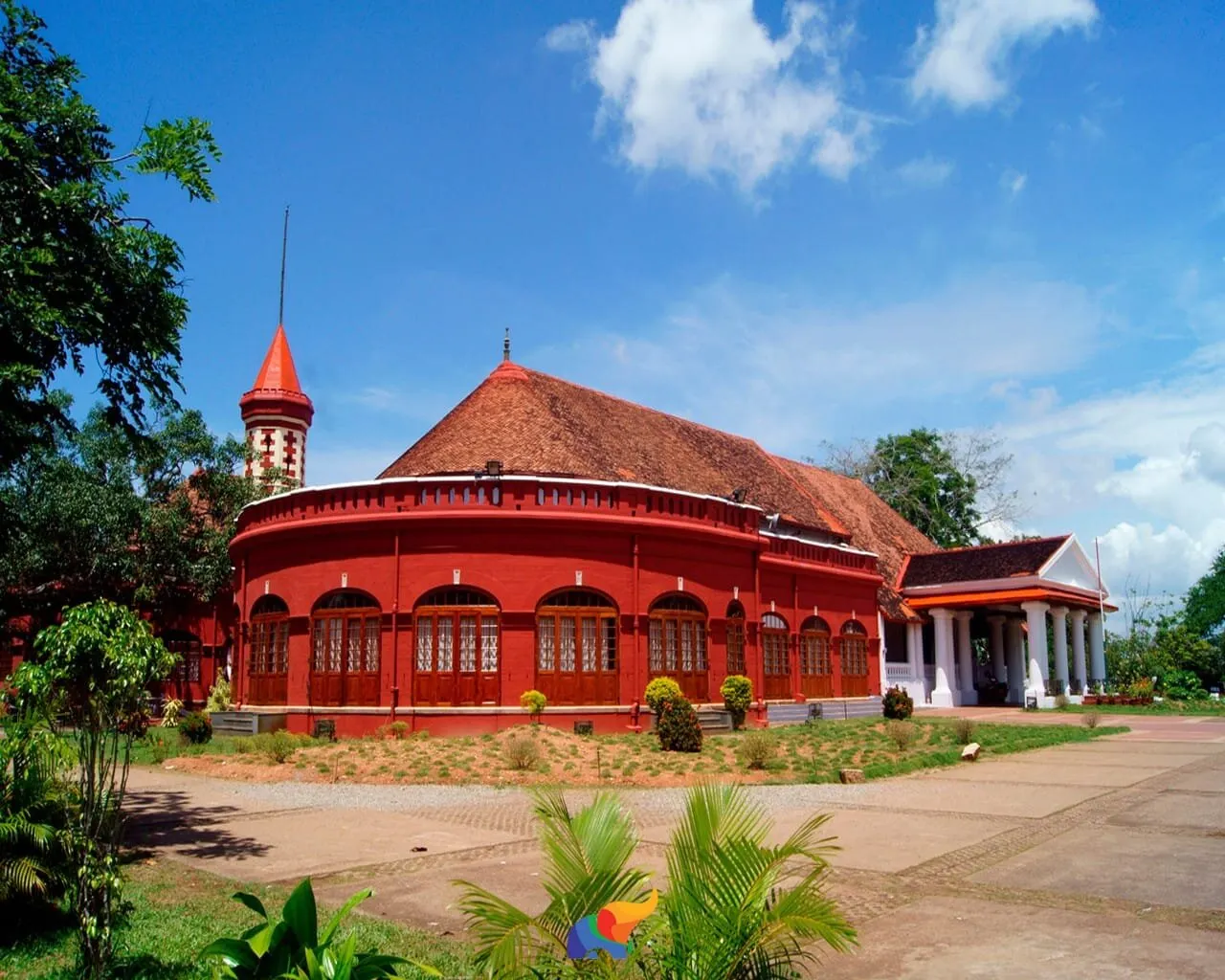
Located on a small hill in the heart of Thiruvananthapuram, the capital of the Indian state of Kerala, the name "Kanakakunnu" means "golden hill" in Malayalam. The palace is said to have been built during the 19th-century reign of the Travancore King Sree Moolam Thirunal. Originally used by the royal family to receive guests and host banquets, it is now managed by the Kerala government and stands as one of the representative colonial-era buildings remaining in Thiruvananthapuram. The entire palace is constructed of red brick with white stone accents, blending local Kerala style with Gothic and Victorian influences. The entrance features a grand neoclassical porch, while the interior rotunda is adorned with crystal chandeliers and displays exquisite royal furniture, offering a glimpse into the grandeur of the former kingdom. The palace is surrounded by open lawns, groves, and flowering plants. A "digital garden" has been established in the grounds, with QR code plaques placed next to many of the plants. You can scan them to learn about their scientific names, origins, and distribution. The grounds feature the Nishagandhi Open Air Auditorium and the Sooryakanthi Auditorium. The state tourism department hosts the All India Dance Festival here annually, where classical dance masters from across India perform on the open-air stage. On weekday evenings, locals often bring their families to the lawn for a stroll and relaxation. The adjacent Napier Museum and zoo can be visited on the same trip. The Malayalam film "Lucifer" and its sequel were also filmed here.

Thiruvananthapuram · 2.8 km from downtown
Napier Museum
No. 8 of Family-friendly Attractions in Kerala

Napier Museum

4.1

The museum is an art and archaeology museum in Thiruvananthapuram, the capital of Kerala, India. Its predecessor was a museum established by the Travancore royal family in the mid-19th century, which opened to the public in 1857. The current building was completed and opened in 1880 and was named after Lord Napier, a former Governor of Madras. The building was designed by British advisor and architect Robert Chisholm and is a masterpiece of Indo-Saracenic style: a Gothic roof paired with minaret-style towers, with decorative details blending traditional Kerala woodwork with Mughal and Chinese elements. With its bright colors and intricate carvings, it is a city landmark worth stopping to admire. The collection features hundreds of artworks and artifacts: stone and bronze statues cover South Indian sculptural styles from the 8th to the 18th centuries, with statues of deities such as Shiva, Vishnu, and Parvati following traditional canons; the wood and ivory carving section displays large items such as temple chariots, royal dressing tables, and multi-layered jewelry boxes; Kathakali dance character models, traditional musical instruments, lamps, and textiles piece together a picture of life in old Kerala; and the coin collection extends from local dynasties like the Chera, Chola, and Pandya to ancient coins from Rome, Persia, the Netherlands, and China. Two exhibits are particularly noteworthy: an 8th-century bronze statue of Vishnu from the Ambalapuzha Temple, which bears the hallmarks of the Pallava style; and a sword displayed in the central hall that belonged to Velu Thampi Dalawa, the Prime Minister of the Kingdom of Travancore and an early figure in the Indian independence movement. Javanese shadow puppets based on the Mahabharata and the Ramayana are also a distinctive part of the collection. The museum shares a large compound with a zoo and a botanical garden, featuring spacious courtyards and dense shade, including an old rubber tree introduced from Ceylon in 1876. After viewing the exhibits, you can take a walk in the courtyard or visit the zoo in the same compound, making it a suitable itinerary for a family trip. The colorful decorations and tower silhouettes of the building's exterior make for an ideal photo backdrop. Visitors interested in South Indian sculpture, coins, or colonial architecture may want to set aside extra time for the central hall and the various thematic exhibition areas.

Thiruvananthapuram · 2.5 km from downtown
Thiruvananthapuram Today's weatherRain 24-31℃
Thiruvananthapuram weather for the next 2 days11/30: 24-33℃, 12/1: 25-34℃

What travelers say about Thiruvananthapuram

user-avatar
Vishnu Vinod GeethaJanuary 17, 2022
5.0
shanghumukam beach in Trivandrum .awesome place to visit

Shangumugham Beach

Trip Moments in Thiruvananthapuram

Popular cities near Thiruvananthapuram

Frequently asked questions

How can I contact Trip.com customer support?

Get help anytime, anywhere within 30 secondsContact customer support

Change and cancellation policies vary by attractions and tours. Please check the product details page for more information.

Ticket prices may vary between weekdays and weekends, as well as during peak and off-peak seasons. When booking with Trip.com, you can also use Trip Coins to get extra savings. For more tips on booking discounted tickets, please visit Trip.com for the latest information.