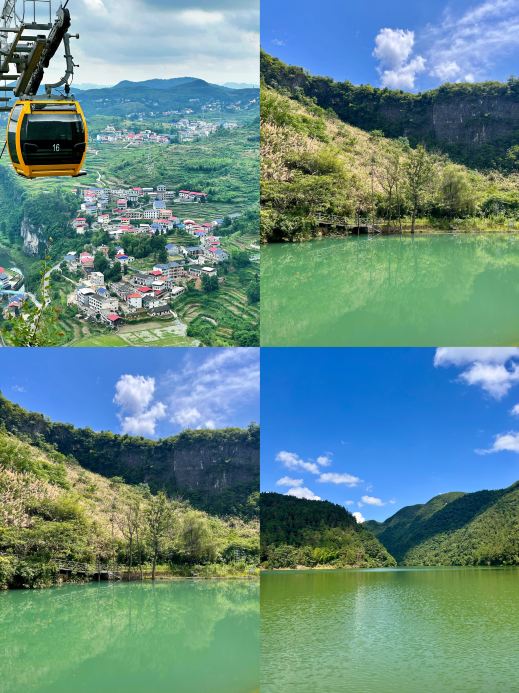
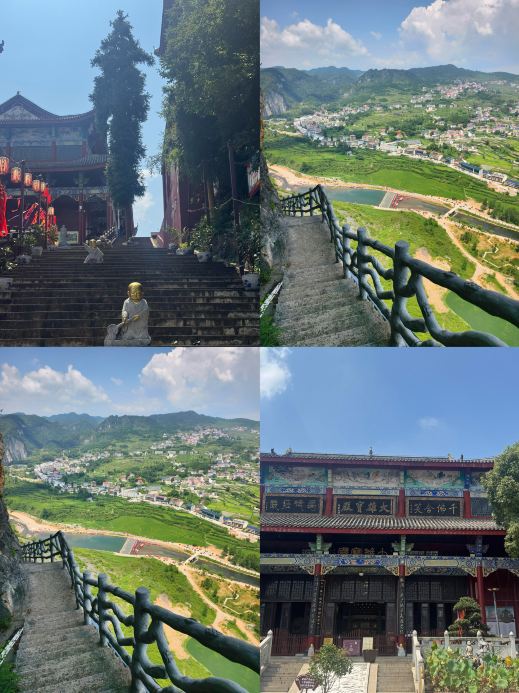
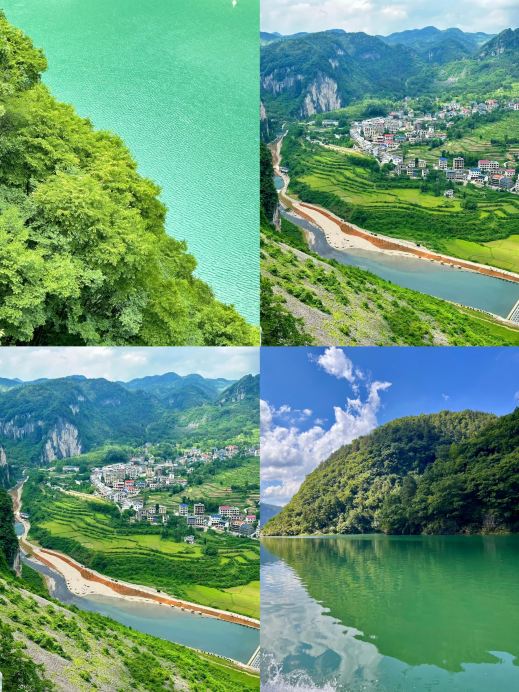
Shuangfeng

Things to do in Shuangfeng

Search attractions or local attractions & tours
Search

Explore top experiences

Top 10 attractions in Shuangfeng

View all Attractions
Zeng Guofan's Former Residence
No. 1 of Family-friendly Attractions in Loudi

Zeng Guofan's Former Residence

5
4.6/5
389 reviews

Zeng Guofan's Former Residence is located in Heye Town.The existing core building complex is Fu Hou Tang, also known as Yi Yong Hou Di. It is a marquis mansion built after Zeng Guofan was ennobled, with construction overseen by his younger brothers, Zeng Guohuang and Zeng Guoquan. The entire mansion covers an area of over 40,000 square meters, with a building area of nearly 10,000 square meters. It features a structure of earth, stone, brick, and wood, connected by corridors and symmetrically laid out along the central axis. Although built to the scale of a marquis's mansion, it was not located in a bustling city center but hidden in the countryside, with "mountains behind the house and a pond in front of the hall," and is known as a well-preserved rural marquis mansion. Behind the residence, Aoyu Mountain curves around the mansion in a half-moon shape, with towering ancient trees. In front of the hall, the Half-Moon Pond is filled with lotus leaves, and the vertical plaque on the gate tower, inscribed with "Yi Yong Hou Di" in gold characters on a red background, is particularly striking. The essence of the residence is concentrated inBaben Halland several libraries. The main hall,Baben Hall, is named after Zeng Guofan's "Eight Fundamentals" family motto, with dozens of characters condensing his insights on scholarship, family management, official duties, and military leadership. Libraries such as Qiuque Study, Guipu Study, and Yifang Hall house the books of Zeng Guofan and his eldest son, Zeng Jize, and second son, Zeng Jihong, respectively, with about 300,000 volumes of various books, making it one of the larger private libraries in modern China. To the south of the residence is Siyun Hall, a small building that Zeng Guofan personally supervised and named when he returned home to observe mourning in the 7th year of the Xianfeng reign. Jiyuan is the garden within the residence, which, along with the pavilions on the hill behind, adds a touch of garden scenery to this scholarly mansion.

Shuangfeng · 28.9 km from downtown
Mount Hengshan
No. 8 of Night Attractions in Hunan

Mount Hengshan

8
4.5/5
6.7k reviews

Mount Hengshan is located in Nanyue district, Hengyang. Its highest peak is Zhurong peak, at an elevation of approx. 1300 m. Among the "Five Great Mountains", Mount Heng is located furthest south. Its relatively favorable climate means the mountain is verdant all year round, with lush trees, earning it the reputation of being the "most beautiful of the Five Great Mountains". Mount Hengshan is mainly composed of the central attraction and a few other small attractions. When most visitors refer to "Hengshan," they mean the central attraction. The "Nanyue Grand Temple" in Nanyue Town at the foot of Mount Hengshan is an important attraction besides the central attraction, and it is a massive ancient palace-style architectural complex in southern China. Mount Heng is a sacred site of Chinese Buddhism, where the "Nanyue school" of the Southern Chan tradition was founded, and its dharma lineage gave rise to the Weiyang and Linji schools, which spread throughout China and overseas. In addition, this is also a sacred site of the War of Resistance in southern China. At the foot of Xianglu Peak, the "Nanyue Martyrs' Shrine" commemorates and buries Chinese soldiers who died on the frontal battlefields of the War of Resistance. When visiting the central attraction, you can choose to walk the entire way, or combine walking with the eco-friendly bus (including the cableway). For most ordinary visitors, the latter is recommended, as it will leave you with more energy to appreciate the beautiful scenery in the mountains and experience the cultural connotations of Nanyue. Route recommendations If you choose to travel on foot and by eco-friendly bus (including the cableway), then visiting Mount Heng in one day is not a particularly strenuous task. You can first visit the "Nanyue Grand Temple" in Nanyue Town, and then enter the central attraction. The basic route is:Martyr's Shrine-Hengyang Mount Hengshan Tourist Area-Banshan Pavilion-Magu Wonderland-Mojing Terrace-Hengyang Mount Hengshan-Hengyang Mount Hengshan Tourist Area-Nantianmen-Zhurong Peak. If you have more time, then spending two days touring Mount Hengshan will yield more rewards. The general route is similar to the "1-day tour" above; since you have ample time, after visiting the Fuyan Temple in Mount Hengshan in Hengyang, you can then go to the Sutra Library Hall in the Mount Hengshan tourist area in Hengyang and stay for a while—it is extremely tranquil there. In the early morning of the second day, you can also head to the "Sun-Watching Terrace" to watch the sunrise.

Hengyang · 57.3 km from Shuangfeng
Tianmen Mountain National Forest Park
2026 Global 100 - Best Things to Do

Tianmen Mountain National Forest Park

9.3
4.6/5
54.8k reviews

Tianmen Mountain National Forest Park is named after the natural wonder "Tianmen Mountain National Forest Park - Tianmen Cave." When visiting the attraction, you can enjoy a bird's-eye view of the winding Heaven-Linking Avenue and the stunning mountain scenery from the cable car. The brave can also walk along the cliff-hugging glass skywalk for an exhilarating aerial experience. Tianmen Mountain National Forest Park is located close to Zhangjiajie city. The Tianmen Cave in the park is a natural karst cave, and locals believe it leads directly to heaven. For ordinary travelers, Tianmen Cave is not open year-round. During winter each year, due to snow and icy roads, both Tianmen Cave and the Avenue toward Heaven (a winding mountain road with 99 turns) leading to it are closed. The lower station of the attraction's cableway is located in Guanliping, Yongding District, and the upper station isTianmen MountainTop. In 2020, the attraction opened the express cableway. The lower station of the express cableway is near the entrance to Tianmen Mountain, and the upper station is atTianmen CaveNear the parking lot. Tianmen Mountain National Forest Park is filled with ancient towering trees and intertwined vines. The attraction is divided into several main areas, including Tianmen Mountain National Forest Park - Tianmen Cave, central route, eastern route and western route. Travelers can choose different routes and areas to explore based on their preferences and physical condition. The core attraction along the central route is Tianmen Mountain Temple. Nearby lies the "Child-seeking cave," where folk legends claim Guanyin, the child-giving bodhisattva, manifested her divine power—devout prayers here are believed to grant offspring. The western route's highlight is a 60 m-long glass walkway clinging to sheer cliffs, with fully transparent flooring that induces both vertigo and exhilaration as visitors tread above abysses. Currently, the eastern route and Panlong Cliff each feature their own approx. 60 m glass walkways. No stay is allowed in the attraction, so it can only be visited within one day. There is a "Cherry Bay Restaurant" near Tianmen Mountain Temple, which offers snacks and fast food. Near the lower station of Tianmen Mountain cableway, there is transportation to the "Grand Canyon Theater", where you can watch the live show and magical musical "Tianmen Fox Fairy". Adapted from the mythological tale "Liu Hai cuts firewood", it tells a touching love story between a human and a fox. With live music, lighting effects, and captivating scenes like a giant moon, fox spirit transformations, snowflakes filling the sky, and high-altitude flying bridges, this legendary romance is vividly brought to life.

China · Zhangjiajie
Zhangjiajie National Forest Park
2026 Global 100 - Best Things to Do

Zhangjiajie National Forest Park

9.1
4.6/5
39.9k reviews

Zhangjiajie National Forest Park is where Zhangjiajie tourism starts. "The world knows Zhangjiajie, but who knows Wulingyuan?" Many travelers cannot distinguish the relationship between Zhangjiajie and Wulingyuan. Generally, Zhangjiajie has two concepts: Zhangjiajie City and Zhangjiajie Scenic Area. Zhangjiajie Scenic Area refers to Zhangjiajie National Forest Park, which together with Tianzi Mountain, Suoxiyu, and Yangjiajie forms the Wulingyuan attraction. Because Zhangjiajie National Forest Park was developed early and is well-known, even Zhangjiajie City was renamed after it, and people are accustomed to using Zhangjiajie National Forest Park or Zhangjiajie Scenic Area to refer to the Wulingyuan attraction. "Three thousand exotic peaks and eight hundred beautiful waters." The three thousand exotic peaks, in particular, are renowned worldwide. The mountains of Wulingyuan are entirely different from famous mountains around the world. Within its 398-square-kilometer area, more than 3,000 dense and intact sandstone peak pillars are scattered throughout, including 243 peak pillars over 1,000 meters tall. When the sea of clouds surges, these peak pillars appear to have no base, rising abruptly from the ground and piercing straight into the sky. Together with the redwood forests of North America and the glacial landscapes of Greenland, they constitute one of the world's four major natural geological wonders. Wulingyuan has a low elevation and is located in the subtropical zone. The area features lush forests and abundant water sources, and is home to a large number of endangered animal and plant species. Every peak pillar is full of vitality. Peak pillars, natural bridges, gorges, waterfalls, streams, pools, caves, and dense broad-leaved forests are often shrouded in mist and clouds on site, enhancing the beauty of the view. Together with the unique landforms, they form a distinctive view characterized by "steep mountains, elegant waters, wondrous peaks, secluded gorges, and beautiful caves," and are hailed as "an enlarged bonsai and a miniature fairyland." On December 14, 1992, the UNESCO World Heritage Committee unanimously approved the inclusion of Wulingyuan in the World Heritage List, filling the gap of China having no World Natural Heritage sites. The recognized outstanding universal value is: the quartz sandstone peak forest landform is rare in the world and has extremely high aesthetic value. UNESCO points out: "In terms of scenery, Wulingyuan can be compared with several national parks and monuments in the United States, such as the Grand Canyon, and can also be compared with the prominent sandstone peak areas of the Kimberley in Western Australia. However, because Wulingyuan has a lower elevation and is located in the subtropics, it has lush forests and abundant water sources. It also possesses a large number of peaks, displaying a more vertical profile than the heritage sites of the United States and Australia." At the end of 2009, the mesmerizing planet Pandora in the globally popular movie "Avatar" attracted countless viewers, and the prototype of its floating mountains originated from Wulingyuan. Meanwhile, Wulingyuan is also a live-action filming location for the Chinese classics "Dream of the Red Chamber" and "Journey to the West," as well as for films and TV dramas such as "Zhong Kui: Snow Girl and the Dark Crystal" and "Monster Hunt." In 2010, the unique landform of Wulingyuan was named "Zhangjiajie landform," becoming a globally recognized term and a rare landform type in the world named after a region. Attraction highlights Yuanjiajie: Landing on Pandora, the planet of Avatar Yuanjiajie is the filming location for the "Hallelujah Mountain" in the movie "Avatar," where you can explore the magical world of floating and scattered mountains from the film. If you happen to encounter a light rain in the mountains, or wait until the sky clears after the rain, you can enjoy the beautiful scenery of misty fog and layered peaks even more. The Mihun Platform is an ideal viewing spot; standing on it, you are surrounded by hundreds of towering stone peaks with magnificent momentum. Tianzi Mountain: once you've seen Tianzi, no other mountain will do When visiting Tianzi Mountain, you will see various uniquely shaped geological views and oddly formed peaks, such as Yubi Peak, Fairy Presenting Flowers, Dianjiang Terrace, Hanging Garden, and Immortal Bridge. There is no need to worry too much about whether these natural formations resemble what they are named after, because "the primitive scenery and natural beauty" are what make Tianzi Mountain so captivating. Especially in the hazy fog after a fresh rain, it feels as if you are in a fairyland. By winter, when the mountain is covered in silvery white, the scenery becomes even more enchanting. Huangshizhai: see all the other mountains as small from the summit "If you don't climb Huangshizhai, your trip to Zhangjiajie is in vain." Huangshizhai is a viewing platform in Zhangjiajie National Forest Park, surrounded by sheer cliffs and lush trees, and the top of the village is often shrouded in mist and clouds. Standing atop Huangshizhai and looking around, you can experience the lofty sentiment of "seeing all the other mountains as small." Yangjiajie: Thrills found in danger Yangjiajie is primarily known for its pristine natural beauty. With high mountains and narrow paths, it is famous for being "perilous" and is deeply favored by backpackers and adventurers. Wulong Village within the attraction is a very magical place in Zhangjiajie. It was once inhabited by bandits from western Hunan, and was later renamed after the TV series "Tales of Suppressing Bandits in Wulong Mountain." The village is built along the mountain, and there is a path up and down the mountain that requires using both hands and feet to climb to the summit. Suoxiyu: A natural ink wash landscape painting Suoxiyu is also called Suoxi, named because the stream within the attraction is shaped like a rope. Unlike other parts of the forest park, which are so steep and rugged, this place is shrouded in mist and clouds year-round, with clear streams flowing continuously through all four seasons and graceful peaks visible everywhere. Ten-Mile Gallery is the highlight attraction of Suoxiyu; within the 5 km-long gorge, wildflowers fragrance the air and fantastic peaks and unusual rocks abound. Walking through it is like stepping into a natural landscape painting. Golden Whip Stream: filming location of Journey to the West Jinbian Stream Gorge is the earliest developed area in the attraction. A clear stream runs through the valley, with towering peaks on both sides and lush greenery as far as the eye can see. This is also one of the filming locations for the classic version of Journey to the West, where fans can come and see iconic scenes such as the Water Curtain Cave and Cleaving the Mountain to Save the Mother.

China · Zhangjiajie
Orange Isle Scenic Area
No. 3 of Best Things to Do in Hunan Jiangxi Fujian Region

Orange Isle Scenic Area

9
4.6/5
13.7k reviews

Orange Isle Scenic Area is a narrow sandbar lying across the heart of the Xiang River in Changsha, stretching approx. five km. It faces Yuelu Mountain to the west and borders Changsha's old city to the east, surrounded by water on all sides. Named after the abundant orange trees planted on the isle, it was historically called Shuiluzhou. Formed by river alluvium, this sandbar has existed for over a millennium, where the "River and sky in evening snow" scenery was once among the Eight Views of Xiaoxiang. In 1925, the poem "Spring in a pleasure garden - Changsha" was composed here, with its iconic line "Alone I stand in the biting fall, watching the Xiang River flow north past Orange Isle's head," which made this riverine landmark widely renowned. The highlights of the visit are concentrated at the islet's head: A granite art sculpture over 30 m tall, modeled after the 1925 youth image, stands facing the river as Changsha's highly recognizable landmark. Nearby, the Questioning Heaven Platform extends toward the river center, where leaning on the railing reveals the mighty Xiang River flowing northward, with Yuelu Mountain and the city skylines on both banks facing each other across the water. The Songju Pavilion, white marble poetry stele, and the 200-year-old ancient phoenix tree at the islet head are all in this area. Heading north from the islet head, a hundred-acre orange orchard bears golden fruits in fall, while bamboo groves, peach orchards, plum gardens, and osmanthus groves take turns showcasing seasonal flora. The historic Zhuzhang Ferry (where Zhu Xi and Zhang Shi once crossed the Xiang River for lectures) and the Huxiang Culture Exhibition Hall are scattered along the way. At the islet's tail, the reconstructed Jiangshen Temple and Gongji Tower area was precisely where ancients admired the "River and sky in evening snow" scenery. The island is long and narrow, making round-trip walks quite tiring. A sightseeing train is available for transportation, with multiple stops along the way for hopping on and off. Travelers with limited time are advised to head straight to the island's tip to see the sculpture and river views, then stroll leisurely along the riverside path. At dusk, watching the sunset over the Xiang River and seeing the lights gradually illuminate both shores from the island's tip is especially worth setting aside time for.

China · Changsha
Hunan Museum
2026 Asia 100 - Best Things to Do

Hunan Museum

8.8
4.8/5
16.3k reviews

Hunan Museum is a relatively large history and culture museum in Hunan Province, and among its collections, the artifacts unearthed from the Mawangdui Han Tombs are particularly representative. "The Changsha Mawangdui Han Tombs Exhibition" is the museum's permanent exhibition, presenting in a concentrated way the precious artifacts unearthed from three Western Han tombs. One of the most striking exhibits in the exhibition is the plain silk unlined robe with straight-cut front, as thin as cicada wings and weighing less than 50 grams, whose weaving technique is astonishing. In addition, visitors can see well-preserved printed silk padded robes, fine and elegant embroidery, brightly glossy painted lacquerware, and an exquisite T-shaped painted silk painting. More than 100,000 characters of silk manuscripts were unearthed from Tomb No. 3, among which are many lost texts long since gone from circulation, covering fields such as philosophy, history, astronomy, and medicine. The "Topographic Map of the Southern Part of the Changsha Kingdom," also from Tomb No. 3, was drawn using techniques broadly similar to those of modern maps and holds important value in the study of ancient maps. The well-preserved body of Lady Xin Zhui unearthed from Tomb No. 1 has survived intact for more than two thousand years and is another major highlight of the exhibition. The museum also features permanent exhibitions such as "Hunan People: A Historical and Cultural Exhibition of the Three Xiang Regions," displaying collections including Shang and Zhou bronzes, ceramics from famous Hunan kilns, and Ming and Qing calligraphy and paintings, presenting the historical and cultural threads of Hunan from different dimensions. The Mawangdui Han Tomb Exhibition and the Three Xiang Historical and Cultural Exhibition together form the museum's two core exhibitions, and are well worth setting aside ample time to view in detail.

China · Changsha
Mount Yuelu
No. 1 of Fall Viewing Attractions in Hunan

Mount Yuelu

8.3
4.6/5
5.5k reviews

Mount Yuelu stands on the west bank of the Xiang River and is a landmark mountain in Changsha. At its foot lies the Yuelu Academy, founded during the Northern Song Dynasty, a millennium-old institution sharing the mountain's name. Ascending from here leads to Qingfeng Gorge, where the Aiwan Pavilion, named after Du Mu's poetic line "I stop my carriage to admire the maple woods at dusk," is surrounded by maple trees. Midway up the mountain, the ancient Lushan Temple, established in the Western Jin Dynasty over 1,700 years ago, features a lush six-dynasty-era podocarpus tree in front of its sutra repository. At the summit stands the Yunlu Palace, a Taoist temple built during the Ming Dynasty, offering panoramic views of the Xiang River and Changsha's urban area. The mountain's historical sites extend further, with the Yu King Stele, Python Cave, and Changsha Battle Memorial Stele scattered along its trails. Modern figures such as Huang Xing, Cai E, and Chen Tianhua are also buried here, making the mountain a condensed repository of profound modern history. Most cultural attractions are concentrated near the south gate, where you can visit major historic sites in sequence from Yuelu Academy to Aiwan Pavilion. For those preferring not to hike, a cableway station near the east gate allows easy ascent, eliminating most uphill climbing. With an elevation of about 300 m and well-developed trails, reaching the summit on foot is manageable. Ancient trees like Jin dynasty podocarps, Tang dynasty ginkgos, Song-Yuan era camphor trees, and Ming-Qing maple-chestnuts line the paths, making the entire mountain resemble a natural botanical museum. In late fall when maple leaves turn red across the slopes, it becomes an ideal time for hiking. Allocate half a day to leisurely photograph Aiwan Pavilion and the mountaintop viewpoints.

China · Changsha
Du Fu Pavilion
2026 Global 100 - Night Attractions

Du Fu Pavilion

8.2
4.6/5
10.9k reviews

Du Fu Pavilion is a Tang-style garden architecture built to commemorate the great Tang dynasty poet Du Fu. It stands on the Xiang River scenic belt in Changsha, gazing across the river at Orange Isle and Yuelu Mountain. In his later years, Du Fu lived in Changsha twice, renting a simple building by the Xiang River; because the house faced the river, he named it "River Pavilion," where he spent the final years of his life and wrote a large number of poems. The present pavilion was completed and opened to the public in 2005. Its main structure has four stories and stands approx. 18 m tall, with vermilion columns paired with antique lattice windows and a roof covered in dark blue-green glazed tiles, making it a highly recognizable landmark on the east bank of the Xiang River. The pavilion houses a Du Fu memorial hall, with a statue of Du Fu standing in the center. The poet's life is depicted on the walls in the form of paintings, and works by renowned calligraphers and painters such as Zhang Daqian and Lin Sanzhi are also displayed in the hall. The exhibitions on each floor follow Du Fu's travels and poetic works in Hunan as the main thread, presenting the wandering trajectory of the Poet Sage in his later years and the poems he composed during his time in Hunan through steles, calligraphy and paintings, and multimedia means. The pavilion also features a tea room where visitors can sip tea while gazing at the scenery on both banks of the Xiang River in the distance. After nightfall, the pavilion lights up, and the warm yellow glow reflects on the surface of the Xiang River, making it a popular night-view photo spot along the river. The pavilion also offers an immersive night tour experience, based on Du Fu's life experiences wandering in Xiaoxiang in his later years. With the help of digital light-and-shadow technology, the artistic conception of Du Fu's poems is transformed into real-life scenes. As visitors stroll through the corridors, they may unexpectedly encounter "people in the poems" dressed in ancient-style costumes, experiencing a thousand years of poetic charm among the corridors and pillars of the pavilion.

China · Changsha

Experiences you can't miss in Shuangfeng

Shuangfeng Today's weatherLight rain 14-19℃
Shuangfeng weather for the next 2 days11/6: 14-18℃, 11/7: 14-19℃

Free things to do in Shuangfeng

What travelers say about Shuangfeng

user-avatar
Anonymous userAugust 7, 2023
4.0
The scenic spot is relatively remote, about 20 minutes drive from the highway. The supporting facilities are average, and the government has not developed and protected it well. But when I entered the house, I felt quite shocked. A long strip of building over 150 meters appeared in front of me, which was completely different from the Jiangnan courtyard or the Beijing courtyard layout. The birthplace Baiyutang is still a 15-minute drive from the main scenic spot, and it feels like it has just been developed. The road to the scenic spot is narrow, and the parking lot is paved with stones.

Zeng Guofan's Former Residence

user-avatar
我还是meMay 15, 2026
3.0
No need to come, even though it only costs 20, the buildings are almost identical.

Baiyutang Scenic Area

user-avatar
Anonymous userNovember 4, 2026
5.0
The scenic area boasts beautiful scenery, with breathtaking views at every turn, fresh air, and lush greenery. The trails are well-planned, clearly marked, and equipped with restrooms and rest areas. The scenery is even more stunning than photos, making for photogenic shots from every angle. Visitor services are attentive, and the commercialization is moderate, avoiding excessive noise. A stroll through the area is relaxing, a true escape from the city's hustle and bustle, making it a truly therapeutic trip and well worth a special trip.

Mount Hengshan

user-avatar
Anonymous userNovember 4, 2026
4.0
Check the weather before visiting as cannot see the Tianmen and scenery when it is overcast. There is private guide service at the entrance. Do not hire as it is not worth it. The guide did not walk with us up the 999 steps Stairway to Heaven Tianmen and around the moutain top or help in reducing the long queues. We went back on another evening when weather was better to see the Tianmen and watched the Tianmen Fox Fairy Show. Tickets can be purchased at a better discount through the hotel. Show was interesting and held at outdoor stage at foot of the mountain.

Tianmen Mountain National Forest Park

user-avatar
M52***80March 1, 2023
3.0
The scenery inside is average, and the sanitation of some areas near the restaurant is not in place. The overall feeling is average

Jiufeng Mountain Forest Park of Shuangfeng

user-avatar
SimashanNovember 5, 2026
5.0
It was amazing, unfortunately it was cloudy, but it is well-known that it could be like that.

Zhangjiajie National Forest Park

user-avatar
YazonDinAltOctober 23, 2026
4.0
Orange Island is a bit of a mixed experience, and I'm honestly not entirely sure whether I'd consider it a must-visit in Changsha.It's a large, green, and pleasant park, with beautiful riverside views and plenty of space for walking. If you enjoy places with historical significance or simply want to experience a different side of the city, it's definitely worth considering.Most visitors seem to take the sightseeing train to the southern end of the island, where the famous Mao Zedong statue is located. That's also where you'll find plenty of people taking photos, so don't expect a particularly quiet experience.The main downside is that visiting the island takes quite a bit of time, especially if you want to explore it properly. And while it's certainly a nice place, I'm not sure the experience justifies spending several hours here if you have a limited amount of time in Changsha and other places you'd like to see.On the other hand, if you're simply looking for a relaxing walk through a green park, with opportunities to stop by the river and enjoy the scenery, it's a lovely option.Overall, I'd say it's worth visiting if you have some extra time or are particularly interested in Chinese history. Otherwise, I wouldn't necessarily put it at the very top of your Changsha itinerary.

Orange Isle Scenic Area

user-avatar
圣奥莫波诺伊马加张宪October 31, 2026
5.0
For cultural attractions, a guided tour is definitely worthwhile. Our guide, Xiao Xiao, provided an excellent, insightful, and engaging explanation, leading us through the most essential parts of the museum. Highly recommended!

Hunan Museum

user-avatar
118***58October 5, 2026
5.0
During the National Day holiday, the crowds were immense. Our tour guide, Xiao Xiang, led us along the way, providing lively and engaging explanations that saved us from taking unnecessary detours and greatly improved efficiency. He also clearly outlined the key locations.

Mount Yuelu

user-avatar
Anonymous userOctober 25, 2026
5.0
I have visited Orange Isle multiple times and always had a positive experience. The scenic area boasts beautiful natural scenery, a magnificent view of the Xiang River and the head of Orange Isle, and a rich cultural heritage. Historical sites such as the Mao Zedong statue are well-preserved. The management is orderly, the tour routes are clear, and the supporting facilities are comprehensive. Overall assessment: As a core cultural landmark of Changsha, it possesses both natural and cultural value, and I highly recommend it as a priority visit for tourists to experience the charm of Hunan culture.

Du Fu Pavilion

Trip Moments in Shuangfeng

Popular cities near Shuangfeng

Frequently asked questions

What are the recommended tours and excursions in Shuangfeng?

When choosing a tour, start with how much time you have and the kind of experience you're looking for. Trending options right now include 1-day tour to Tianlai temple + Guanyin cave ice springs scenic area + Zeng Guofan's former residence in Loudi, Hunan (Chinese/English bilingual service), One-Day Tour to Mount Heng (Nanyue), Grand Temple, and Zhurong Peak from Changsha, and Changsha: 1-day private tour to Former Residence of Mao Zedong in Shaoshan. Check the real-time availability and itinerary before you book.

As of November 5, 2026, the reference price for day tours and activities in Shuangfeng is around MYR 216.6 – MYR 1,398.67. Rates vary by duration, group size, transportation, tickets, meals, and any special admission requirements. Before you book, please confirm the billing currency and whether the price is quoted per person or per group.

Get help anytime, anywhere within 30 secondsContact customer support

Change and cancellation policies vary by attractions and tours. Please check the product details page for more information.

Ticket prices may vary between weekdays and weekends, as well as during peak and off-peak seasons. When booking with Trip.com, you can also use Trip Coins to get extra savings. For more tips on booking discounted tickets, please visit Trip.com for the latest information.