
Things to do in Shakotan
Explore top experiences
Top 10 attractions in Shakotan

Shimamui Coast
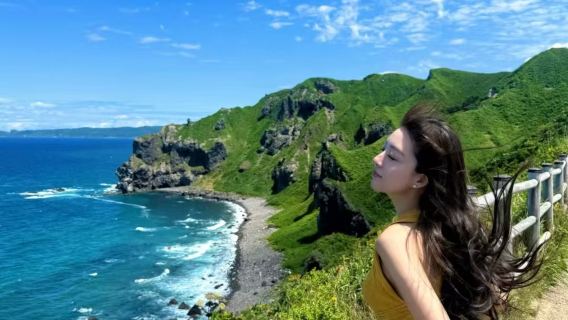
Shimamui Coast gets its name from Ainu Suma Mui (rocky bay). Located about 1 kilometer east of the summit of Cape Shakotan, the beach is surrounded by cliffs. A tunnel leads to an observation deck. It is renowned for its exceptionally high water clarity and has been selected as one of Japan's top 100 seas..Shakotan · 12.8 km from downtown


Shiroi Koibito Park
Welcome to the blissful dessert park themed around sightseeing, educational activities, tasting, and hands-on experiences! Shiroi Koibito Park not only allows you to observe the production line of [Shiroi Koibito] and other products, There is also a sensory interactive project to learn about the history of chocolate, enjoyISHIYACoffee shop with original desserts, And an experiential space for making your own white lover. A blissful dessert park integrating sightseeing, educational activities, tasting, and hands-on experiences! ▲Capture memories in the English garden where roses bloom in summer and lights sparkle in winter, adding sweet colors to your recollections. ▲Learn about chocolate and the history of shiroi koibito at the chocolate cottage, learning base - cocoa pod, and shiroi koibito factory! ▲Dessert workshop · dream experience studio, learning base · cocoa pod, Gulliver town · outdoor playground, magical space to create unique desserts! ▲Chocolate leisure tea restaurant · Oxford original desserts only available hereSapporo · 59.4 km from Shakotan

Nikka Whisky Yoichi Distillery
Also known as Yoichi Distillery, it is a famous whisky distillery in Japan, producing the famous "NIKKAWHISKY" liquor by "coal direct fire distillation". Tourists who like whisky may wish to taste the fine wine and choose the one they like to buy back. The whisky brands produced by the distillery are: "21 Years of Bamboo Crane", "17 Years of Bamboo Crane", "20 Years of Yoichi" and "15 Years of Yoichi".Yoichi · 20 km from Shakotan

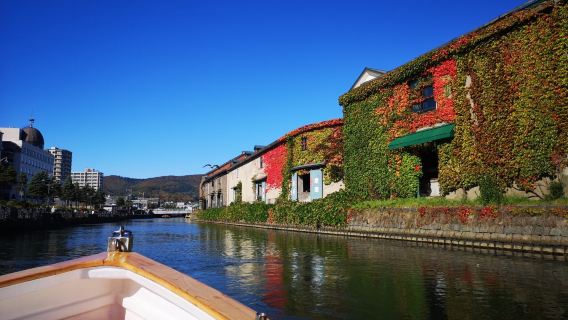
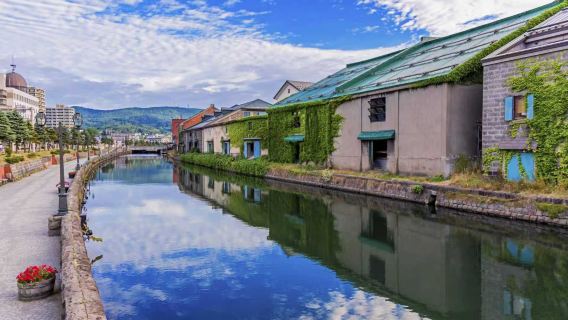
Otaru Canal
The Otaru Canal is a popular tourist attraction representing Otaru City and Hokkaido. Along the canal, brick warehouses stand in rows, now repurposed as unique shops such as glass craft stores and cafes. On the opposite side, oil lamp-style streetlights line the path, creating a charming retro and romantic atmosphere. Especially on winter nights, the scenery becomes even more magical and beautiful. The canal opened in 1923 and once supported the prosperity of this area, which was called "Wall Street of the North," by being used for loading and unloading cargo. Today, part of the canal has been reclaimed and is used as a road. A stroll along the canal Taking a walk along the canal during the daytime is a very pleasant experience. One side features a long promenade lined with Victorian-style street lamps, creating a somewhat nostalgic atmosphere. Along the path, you can often see artists painting. On the other side, rows of brick warehouses create a picturesque spot perfect for photography, complemented by the blue sky and its reflection on the water surface. Gourmet and Shopping You can enjoy Otaru souvenirs and local cuisine at shops and restaurants converted from warehouses. The particularly popular "Otaru Canal Dining Hall" features retro interiors recreating the streetscapes of the Showa era, gathering famous ramen shops, Genghis Khan (Daruma) grilled lamb, crab dishes, and conveyor belt sushi. During meal times, there may be waiting periods. Popular photo spots The "Asakusa Bridge" at the southern end of the canal is a classic photo spot. The view extending from the bridge to Chuo Bridge is known as a representative landscape of the Otaru Canal. There is a tourist information center near the bridge where you can obtain maps and sightseeing information. Benches are also available, making it convenient for taking breaks. Rickshaw Experience You can also ride a rickshaw near Asakusabashi. A traditional-costumed rickshaw driver will guide you in Japanese, allowing you to enjoy the retro streetscape more deeply. Estimated price: · Approx. 10 minutes: ¥2,000 per person / ¥3,000 for 2 people Canal cruise Sightseeing by boat on the Otaru Canal is also popular. The departure and arrival point is Chuo Bridge, and the tour takes approximately 40 minutes to navigate the canal. Estimated price: · Daytime: ¥1,500 (Children ¥500) · Evening: ¥1,800 (Children ¥500) Nighttime Charm At night, the streetlights illuminate, creating a magical atmosphere as their reflections dance on the warehouse walls and canal waters. Especially on snowy winter evenings, the quiet and romantic scenery captivates many visitors. Nearby Tourist Spots Around the Otaru Canal, there are also the following attractions: · Taisho Glass Museum (Glass Craft Shop) · Otaru City Museum Canal Branch Summary The Otaru Canal is a captivating tourist destination that blends history, cuisine, and scenery, offering different charms during both day and night. It's one of the must-visit spots when sightseeing in Hokkaido.Otaru · 34.3 km from Shakotan

Shakotan Peninsula
The Shakotan Peninsula is located in the western part of Hokkaido, and you can enjoy the endless sea view, which is especially beautiful in summer. There are three main scenic spots for viewing the sea: Yoichi, Kamui Cape and Island Wuyi Coast. The green grass, the blue ocean, and the boundless in the past, are really very beautiful. Another reason to come here in summer is to eat the sea urchins that are abundant in July and August. When you come to Shakotan Peninsula, you must remember to taste the famous dish - sea urchin bowl.Kamoenai · 13.7 km from Shakotan

Funamizaka
Funamizaka is a slope hidden in a corner of Otaru City, and it is also one of the filming locations of the movie "Love Letter". Not only is this place far away from the hustle and bustle of tourists, but standing on a high ground can also overlook the beautiful sea in the distance, just like a beautiful scene in a movie. There is a scene in the movie "Love Letter" where, amid the melodious sound of the engine, the postman rides his motorcycle up the slope to deliver the letter, which is Funamizaka. Due to the popularity of "Love Letter", it has also become the location of many TV commercials. Aside from the influence of the movie, the scenery of this ramp itself is also very good. Not only can you photograph the railway passing by the train, but you can also photograph the street scene with snow on the roof on a sunny day after the snow.Otaru · 33.7 km from Shakotan

Odori Park
Odori Park is located in the heart of Sapporo, Hokkaido. It stretches from east to west and is home to lilacs and various other trees. Decorated with flowers all year round, and featuring ever-changing fountains, the scenery found here is truly captivating. In good weather, visitors can take a walk in the park, watch the occasional street performance, as well as enjoy the avant-garde sculptures that are scattered around.Sapporo · 66.8 km from Shakotan

Otaru Music Box Museum
Otaru Music Box Hall is not only a popular souvenir shop in Hokkaido, but also a music box museum with several branches. Music boxes are one of Otaru's famous products. Here you can not only enjoy precious antique music boxes, but you can also buy one as a souvenir if you like. There are many styles and different prices. The retro appearance of the main hall From the outside, the main hall of the Music Box Hall itself is very distinctive. It is a rare European-style brick building in Otaru, and the inside is a wooden frame structure. There is a 5.5-meter-high steam clock in front of the main building, which uses steam to play a melody every 15 minutes, which is a very popular photo spot. There are more than 3,000 kinds of music boxes from all over the world, including doll music boxes with high collection value and automatic playing music boxes, etc. There are many music boxes that are almost invisible on the market. Traditional music box, very ornamental. Music boxes of various styles enter the Music Box Hall. Various music boxes are placed in the spacious and elegant space. They are made of Otaru specialty glass, as well as wooden, ceramic, metal, etc. The shapes are also very diverse, such as tricks Caimao, HelloKitty, sushi, Ferris wheel, merry-go-round, etc. are really attractive. Wander around casually to the melodious sound of music boxes, intoxicating. Featured branch recommendations In addition to the main hall, Otaru Music Box Hall also has branch halls and derivative stores such as Hall 2 (Antique Museum), Sakaimachi Store, Yugongfang, etc., all of which are very close and can be visited for free. It is recommended to visit Hall 2, which collects and displays antique music boxes such as the Aeolian pipe organ with a history of more than 100 years, which is very precious. This pipe organ can be played automatically, 10:00-12:00, 14:00-16:00 every hour for 15 minutes. Music box DIY experience If you don't think it's fun enough to watch, you can go to the game studio not far away to experience a music box DIY, and combine different parts into a unique music box by yourself. There are different price points for buying music boxes sold by Otaru Music Box Hall or your own DIY music boxes, you can choose the one that suits you. When the tax-included price of the purchased product exceeds 10,800 yen, tax-free (currently 8% consumption tax in Japan) is available. For details, please contact the store staff.Otaru · 35.3 km from Shakotan

Cape Syakotan
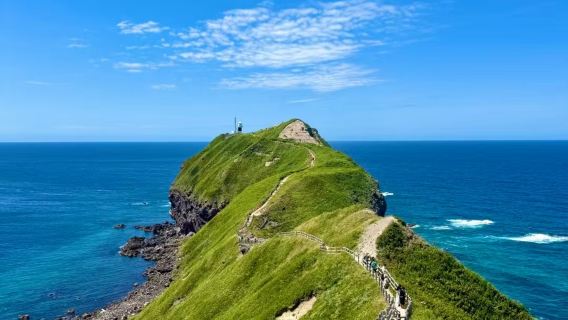
Cape Shakotan is located in western Hokkaido, at the northern end of the Shakotan Peninsula. The cliff with a height of more than 100 meters stretches out to the Sea of Japan, and the turbulent waves beat the agglomerate violently for many years. It is designated in the Niseko Shakotan Otaru Kaigan Quasi-National Park. Here you can see strange rocks, cliffs with a rich and varied coastline, and the girl's rock that stands here. Cape Kamui is a cape located in Cape Kamui, a large character of Shakotan in Shakotan County, Hokkaido. Protruding from the Sea of Japan from the northwest of the Shakotan Peninsula. It belongs to Niseko Shakotan Otaru Kaigan Quasi-National Park. From the parking lot at the base of the cape to the tip of the cape, there is a trail that takes about 20 to 30 minutes to walk.Shakotan · 13.7 km from downtown

Tanukikoji Shopping Street
Tanukikoji Shopping Street is a historic covered shopping street that spans from 1-chome to 7-chome, with a total length of approx. 900m and approx. 200 shops along the street. The arched roof running through the district makes the street bright and airy, while also providing shelter for shopping and walking. You can also see lily-of-the-valley-shaped streetlights, which continue the traditional character of the shopping street. The shops in each block are diverse, ranging from drugstores, clothing stores, souvenir shops, and handicraft stores to old shops selling antiques and daily necessities. Some areas are clustered with video game arcades and specialty shops, while to the west, there are izakayas, restaurants, and bars, presenting different atmospheres in each block. Tanuki elements are also a major feature here; you can see related decorations along the streets, and some areas even have Tanuki-shaped shrines and stone statues, adding a touch of fun to the shopping street. This place retains traditional shops and local food culture while also incorporating modern shopping and leisure businesses. The district features many restaurants where you can enjoy Hokkaido specialties such as Genghis Khan, as well as a selection of izakayas and cafes. New and old shops are interspersed, showcasing the development and changes of this Sapporo shopping street while preserving the daily scenes of local residents shopping, dining, and relaxing.Sapporo · 66.8 km from Shakotan
Experiences you can't miss in Shakotan
Featured Food & drink in Shakotan
View all Food & drink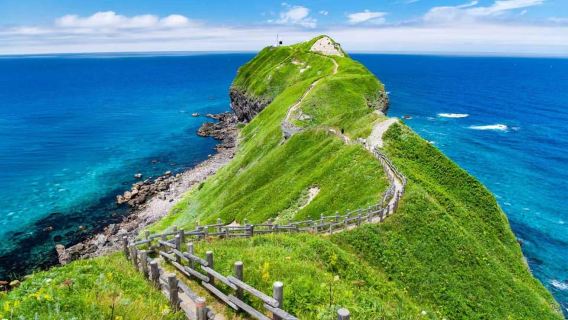
4.0/5
· 3 reviewsFree cancellation
Book now for tomorrow
5% off
Limited-time sale
From€40.12€42.24
5.0/5
· 1 reviewFree cancellation
From€47.65
5.0/5
· 2 reviewsFree cancellation
Instant confirmation
From€39.42
![[Sapporo Kanikan Sapporo Main Store] Delicious Crab Package - Choose One of Three Dining Vouchers](https://ak-d.tripcdn.com/images/0352p12000qkk09j946C5_C_568_320.jpg?_fr=wc)
From€95.73
From€74.33

From€67.42
From€101.36

From€101.36
Featured Day tours in Shakotan
View all Day tours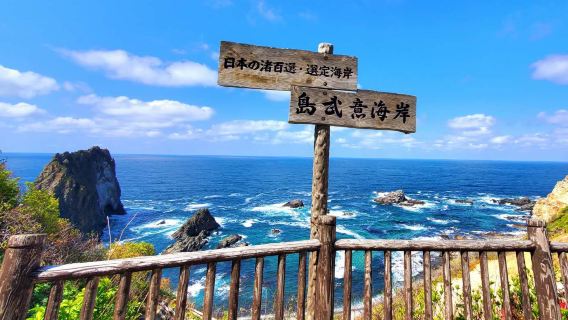
4.9/5
· 20 reviews· 120 bookedFree cancellation
Book now for tomorrow
72 travelers saved
From€23.69
5.0/5
· 13 reviews· 185 bookedFree cancellation
Instant confirmation
Book now for tomorrow
97 travelers saved
From€39.42

Free cancellation
Instant confirmation
Book now for tomorrow
From€39.42
4.8/5
· 448 reviews· 3.9k bookedFree cancellation
Instant confirmation
Book now for tomorrow
96% of travelers recommend
From€44.11
4.8/5
· 80 reviews· 1.1k bookedFree cancellation
Book now for tomorrow
98.8% of travelers recommend
50% off
Limited-time sale
From€47.86€95.73
Featured Cultural experiences in Shakotan
View all Cultural experiences
Free cancellation
Instant confirmation
Book now for tomorrow
From€44.37


5.0/5
· 10 reviewsFree cancellation
Book now for tomorrow
From€26.49
5.0/5
· 1 reviewFree cancellation
Book now for tomorrow
5% off
Limited-time sale
From€50.71€53.38
Featured Spa & wellness in Shakotan
View all Spa & wellness
4.8/5
· 938 reviews· 960 bookedFree cancellation
Instant confirmation
96.9% of travelers recommend
40% off
Limited-time sale
From€47.86€79.78
4.7/5
· 21 reviews· 283 bookedFree cancellation
Instant confirmation
Book now for tomorrow
112 travelers saved
From€63.07
4.8/5
· 24 reviews· 209 bookedFree cancellation
Instant confirmation
Book now for tomorrow
173 travelers saved
From€53.35
4.8/5
· 9 reviews· 176 bookedFree cancellation
Book now for tomorrow
262 travelers saved
From€46.05
5.0/5
· 3 reviews· 50 bookedFree cancellation
Instant confirmation
Book now for tomorrow
30% off
Limited-time sale
From€44.14€63.07

4.8/5
· 13 reviews· 55 bookedFree cancellation
171 travelers saved
From€48.98
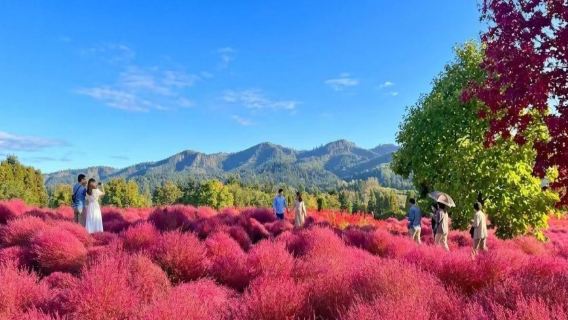
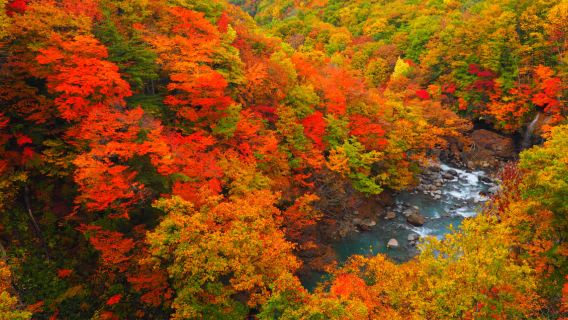
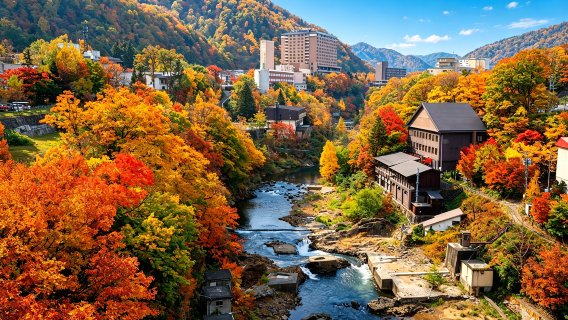
Depart from Sapporo: Hokkaido fall maple leaves · Jozankei Onsen · Hōheikyō · Yuni Garden 1-day tour
Free cancellation
Book now for tomorrow
From€55.19
Free things to do in Shakotan
Shimamui Coast
Shakotan · 12.8 km from downtownShiroi Koibito Park
Sapporo · 59.4 km from ShakotanImmediate access, Book now for todayNikka Whisky Yoichi Distillery
Yoichi · 20 km from ShakotanOtaru Canal
Otaru · 34.3 km from ShakotanShakotan Peninsula
Kamoenai · 13.7 km from ShakotanFunamizaka
Otaru · 33.7 km from ShakotanOdori Park
Sapporo · 66.8 km from ShakotanOtaru Music Box Museum
Otaru · 35.3 km from ShakotanCape Syakotan
Shakotan · 13.7 km from downtownTanukikoji Shopping Street
Sapporo · 66.8 km from Shakotan
More ways to travel from Shakotan
What travelers say about Shakotan

快乐时光November 8, 2019
4.0
On the Western Line of Hokkaido, Shakotan Town, there is Japan's top 100 scenic spot "Shimabuchi Coast". Walking through a narrow tunnel, you can see the beautiful "Shimabuchi Coast" with blue water! There are few people, quiet and very comfortable!
Shimamui Coast

Anonymous userOctober 14, 2026
5.0
Never thought we would enjoy a chocolate factory so much even though we didn’t try any chocolate during the visit! It was very sighftul and yet full of surprises we walked till they close! Don’t forget to get the parking coupon vouchers from them to get discount off the carpark. We bought our tickets from trip.com and could use them instantly, offsetting coins! Best deal ever! The 6-years old daughter even tried a simple 10mins snack making course for 900yen!
Shiroi Koibito Park

FANCHIHJune 4, 2023
5.0
You must make an appointment online in advance to attend the school, but it is not required at the store. The guard at the entrance will give you a map of the store behind you.
From the main entrance, go around to the left and enter from the Yoichi River side. There is a paid tasting at the Whiskey History Information Center in the other area. If you like whiskey, don’t miss it. I don’t drink too strong. I bought the new gold reward in the current period at the store. The wine is next to the Yoichi River embankment and the cherry blossom season is beautiful. In front of the station, the Kakizaki store on the second floor has CP meals that you shouldn’t miss.
Nikka Whisky Yoichi Distillery

_TI***j0May 20, 2025
4.0
So nice to go and wander around the city famous scenic spot, it is always nice to come back there for a chill afternoon
Otaru Canal

南瓜-少校June 5, 2021
5.0
The Shakotan Peninsula is located in the western part of Hokkaido, about 2 hours by car from Sapporo. The name comes from the Ainu language, which means "summer village". The Shakotan Peninsula has a 30km coastline, and the surrounding area is designated as the [Niseko Shakotan Otaru Coast National Park], which is also the only designated marine park in Hokkaido. There are many fishing villages along the coastline of the Shakotan Peninsula. The earliest was from the Edo period to the end of the Taisho period. Like Rumoi and Hiyama near Hakodate, herring fishing developed. Later, with the depletion of fishery resources, Shakotan also gradually declined. In addition to the beautiful coastal scenery, there are also rich hot spring resources, but due to inconvenient transportation and sparse population, the tourism industry has not developed. It is for this reason that this place can become an excellent scenic spot with beautiful scenery but not crowded with tourists. There are two capes on the peninsula that extend into the sea, namely Shakotan Cape and Kamui Cape. Among them, Cape Kamui is often visited by tourists. Cape Kamui is also an Ainu word, meaning the place where the gods live. There is a 770-meter-long walking trail that stretches out to the sea. Because there are cliffs on both sides of the road, it is forbidden to enter in strong winds. At the end of the road, a huge rock 41 meters high stands far away in the sea - Kamui Rock.
In ancient times, women were prohibited from entering Kamui Cape. There is still a sign at the entrance of Kamui Cape that says "Women are forbidden to enter", but of course it is open now. It is said that when Minamoto no Yoshitsune came to Hokkaido, the daughter of the leader of the Ainu tribe in Hidaka fell in love with Minamoto no Yoshitsune and followed him all the way here. However, when he heard that Minamoto no Yoshitsune had left by boat, he jumped into the sea in despair and turned into Kamui Rock, and there was a curse: any ship carrying women passing by here will sink. Another saying is that there are many reefs in the waters of Kamui Cape, and ships often suffer shipwrecks here, which is called the Devil's Sea. The Shakotan History Book records that when Japanese women pass by here, the sea god will be angry, causing the ship to sink and the fishing industry to slump. Therefore, in 1691, the Matsumae Domain, which was responsible for managing the Hokkaido region during the Edo period, prohibited Yamato women from entering Cape Shakotan. This rule lasted until 1855, at the end of the shogunate, when it was lifted. However, even though the idea of lifting the ban had already been deeply rooted in people's minds, the shogun Tokugawa Iesada later sent his men to bombard Cape Kamui with cannons to break this superstition.
Shakotan Peninsula

婉儿婉儿September 29, 2020
5.0
A must-visit in Hokkaido: Funamizaka in Otaru
The popularity of Otaru in the travel circle is largely inseparable from the movie "Love Letter". Funamizaka is actually very close to Otaru Station, but it requires climbing a slope, so it still takes some effort to walk.
Funamizaka

uztzuzSeptember 19, 2025
5.0
Odori Park, located near Sapporo Station in downtown Sapporo, isn't particularly large, resembling a typical garden or green space in Japan. However, the famous Sapporo TV Tower is right next to the park, attracting numerous tourists from all over the world. The area is packed with people eager to take photos.
Odori Park

일본여행고수자March 24, 2023
5.0
Otaru Music Box Museum is a famous tourist attraction in Otaru and a shop where you can touch and buy music boxes! If you visit Otaru, be sure to stop by~
Otaru Music Box Museum

翱翔的大鲨鱼September 6, 2022
4.0
Cape Kamui is a forbidden place for women. The sky is blue and the sea is blue, so clear and cool. Before leaving Cape Kamui, have a mint-flavored Shakotan Blue soft serve ice cream and a Shakotan Blue marble soda! Finally, have a bowl of solid sea urchin three-color donburi at the seafood restaurant to make this summer perfect!
Cape Syakotan

不停去旅行April 5, 2023
5.0
Tanukikoji is a shopping street that you must visit when visiting Sapporo. The entire Tanukikoji consists of 7 sections. There are everything from daily life stores to drugstores on both sides. There are also many specialty restaurants, many of which are popular stores.
Tanukikoji Shopping Street


