
Things to do in Easter Island
Explore top experiences
Top 10 attractions in Easter Island


Easter Island
Easter Island is located in the South Pacific Ocean,locally known as "Rapa Nui". The island is dotted with nearly 1,000 Moai statues. These giant figures, carved from volcanic tuff, are a cultural heritage left by the ancient Rapa Nui people over hundreds of years, and their transportation methods and symbolic meanings remain an unsolved mystery. The statues on the island are concentrated in various locations, with each site offering unique features. A quarry in the east is the main carving site for the Moai statues, where a large number of statues still lie scattered on the volcanic slopes in standing, semi-finished, or half-buried states. Along the coast, rows of statues stand facing inland, their silhouettes particularly stunning at sunrise. On a beach in the north, the statues are accompanied by palm trees, presenting a tropical island landscape. A village site in the southwest bears witness to the "Birdman" cult culture that followed the Moai era—tribes would send people to climb down cliffs and swim to nearby reefs to compete for the first sooty tern egg, with the winner gaining special status for the coming year.Easter Island · 1.9 km from downtown

Ahu Tongariki
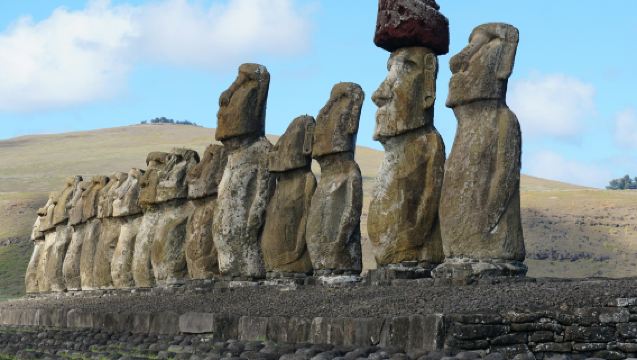
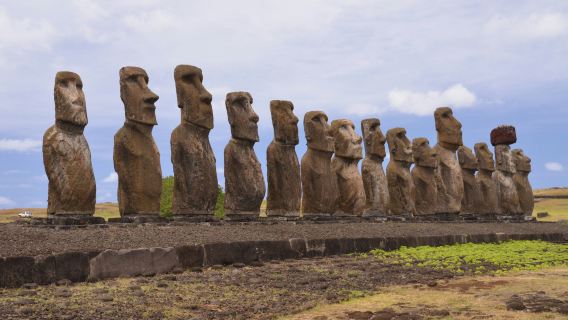
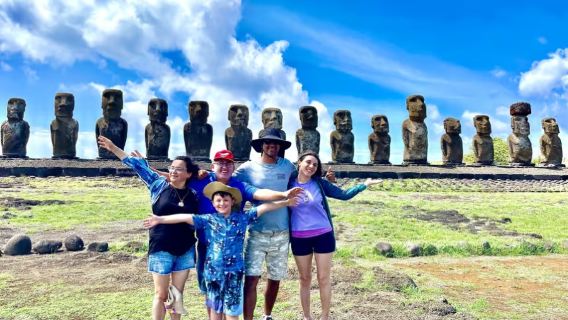
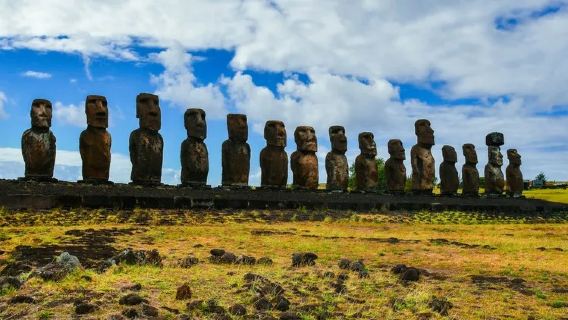
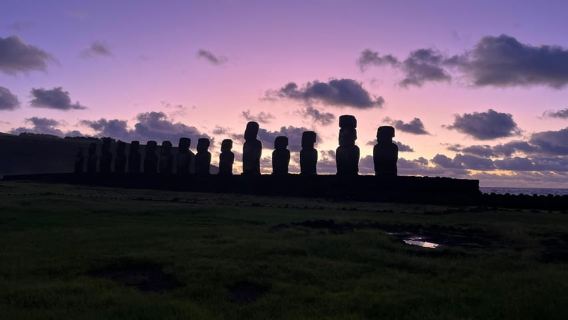
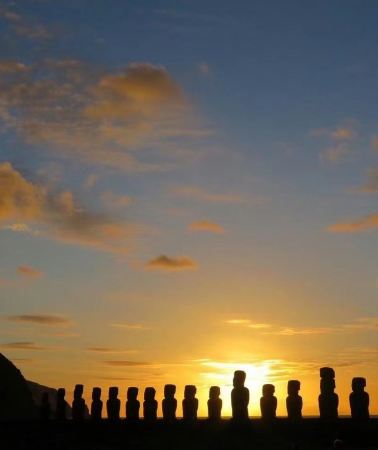
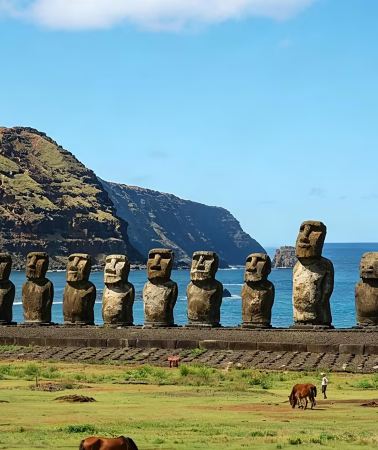
Ahu Tongariki is located on the east coast of Easter Island, about 1 km from the Rano Raraku quarry, the birthplace of the moai statues, and is one of the most prominent ahu platforms on the island. 15 moai are lined up on the long stone platform, facing inland with their backs to the sea, and framed against the green slopes and the ocean, creating the iconic image of Easter Island for many people. It is not only an important site for studying the history, religious beliefs, and stone carving art of the Rapa Nui people, but also a popular destination for visitors to learn about the civilization of Easter Island. In the early morning, the sun rises from behind the statues, and the light reflecting between the silhouettes of the statues and the coastal landscape creates a highly recognizable view. It blends ancient civilization ruins with the magnificent marine environment, showcasing the unique historical charm of Easter Island.Easter Island · 8.9 km from downtown

Orongo Village
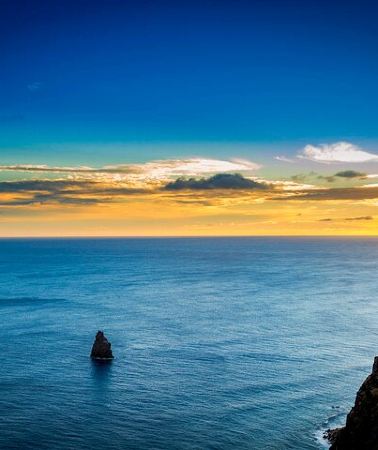
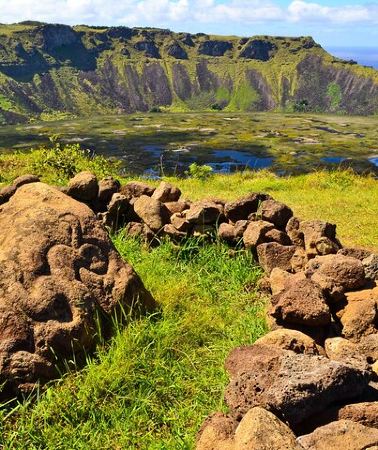
Orongo Village is located on the edge of the Rano Kau crater at the southwestern tip of Easter Island, Chile, and is the core ceremonial site of the Birdman culture on Easter Island. The village consists of more than 50 stone houses built with local flat stones that are windowless with low doorways, requiring people to stoop to enter to withstand the constant sea winds on the cliff top. These houses were restored by archaeologists in the 1970s and still maintain their original form today. The site is scattered with numerous petroglyphs. Standing on the cliff top and looking around, on one side is a freshwater lake filled with reeds inside the crater, and on the other is the vast Pacific Ocean and 3 rocky islets, including Motu Nui.Easter Island · 10.7 km from downtown

Rano Raraku
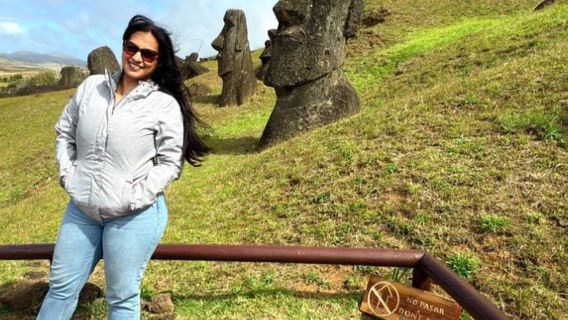
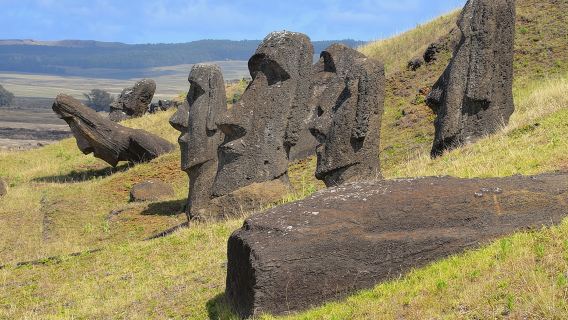
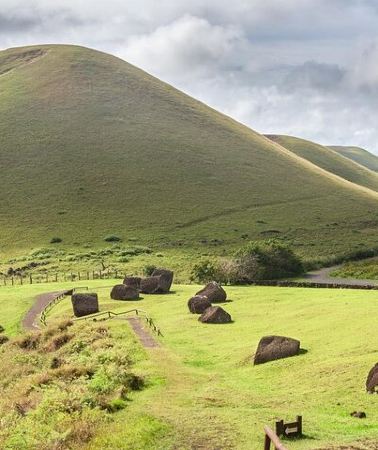
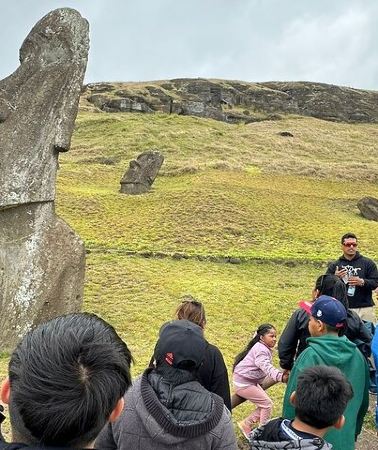
Rano Raraku is located on the east side of Easter Island and is an important moai statue production site on the island, as well as a key location for understanding the ancient civilization and stone carving craftsmanship of the Rapa Nui people. It is a tuff mountain formed by volcanic activity, with relatively soft rock that allowed ancient craftsmen to carve using stone tools, making it the primary site for producing moai statues. The surrounding area also features a crater and a natural lake view, blending the natural environment with cultural heritage. Today, visitors can follow the trails to observe the moai statues and their carving environment, and experience the unique cultural imprint left by the Rapa Nui people.Easter Island · 7.7 km from downtown

Ahu Te Pito Kura
Ahu Te Pito Kura is a small archaeological site on the north coast of Easter Island, located right next to the Ahu Te Pito Kura platform with the fallen moai, and you will pass it on the way to Ovahe Beach. The main feature here is a stone formation: a large, smooth, round stone with a diameter of approx. 1m in the center, surrounded by four smaller round stones. The stone formation is now protected by a fence, so you can simply view and photograph it from behind the barrier. This attraction is quite small and easy to miss if you are not careful, so you might want to slow down, watch the round stones framed against the grass and the coastline, and feel the unique mysterious atmosphere of this remote island.Easter Island · 7.6 km from downtown

Rapa Nui National Park
Rapa Nui National Park is located on Easter Island, Chile, and is an important area for protecting the local unique natural scenery, archaeological sites, and the traditional culture of the Rapa Nui people. It covers numerous sites of historical and cultural value on the island, showcasing the development of Polynesian civilization on this remote island. It also preserves a large number of petroglyphs, caves, ancient residential ruins, and traditional agricultural facilities, reflecting the daily life and spiritual beliefs of the islanders. It is not only an important base for archaeological research but also a place for passing down the local language, traditional rituals, and cultural memory.Easter Island · 5.7 km from downtown

Rano Kau
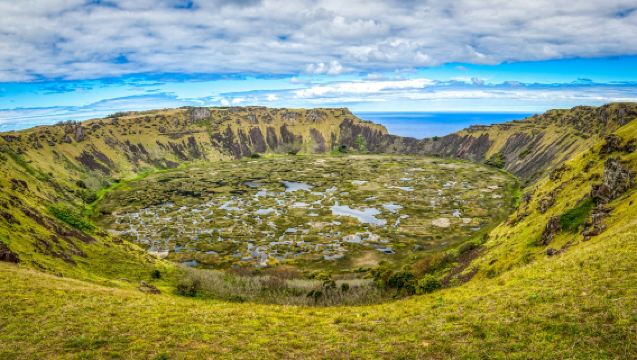
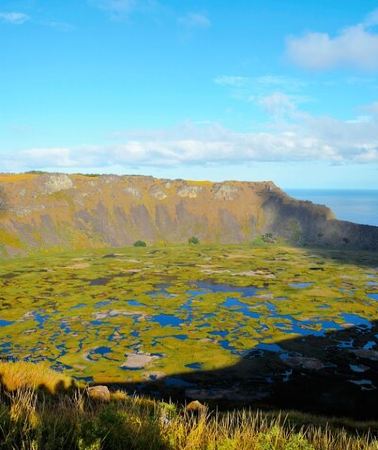
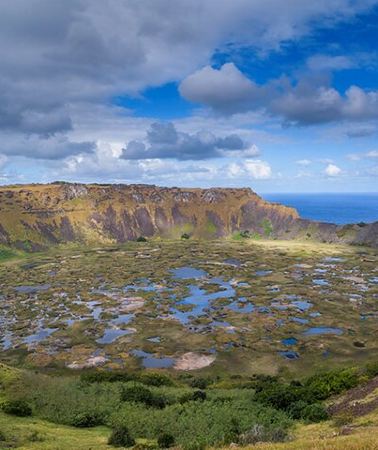
Rano Kau is a dormant volcano at the southwestern tip of Easter Island, adjacent to the town of Hanga Roa, featuring a massive crater with a diameter of approx. 1.5 km, with crater walls rising more than 200 m above the lake surface. The freshwater lake at the bottom of the crater was once an important water source on the island. The lake surface is covered with reeds all year round, swaying in the wind, forming a sharp contrast with the ochre-red volcanic rock walls. The crater walls block the wind and retain moisture, making the interior of the crater like a natural greenhouse, where fruit trees such as bananas and figs still grow today. It is an important destination for visitors to explore the local natural landscapes and historical culture. When visiting, you can follow the scenic trail to enjoy panoramic views of the crater lake and the coastline, and experience the unique natural environment and cultural heritage of this Pacific island.Easter Island · 9.6 km from downtown

Anakena Beach
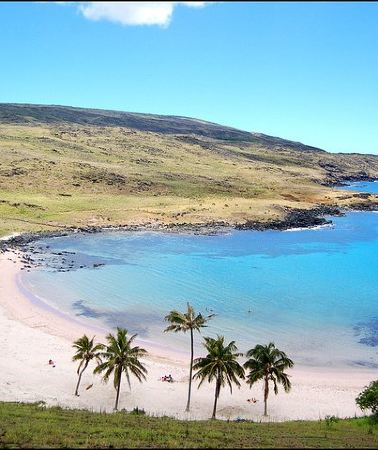
Anakena Beach is located on the northern coast of Easter Island and is one of the few natural beaches on the island: fine white coral sand stretches along the bay, rows of coconut palms sway in the breeze, and the nearshore water is clear and turquoise. On a coastline dominated by black volcanic rock, this tropical beach is especially rare. It features soft sand and tropical coastal scenery, creating a distinctive view. The bay is surrounded by green grass, palm trees, and natural rocks, with the blue water and light-colored sand complementing each other, presenting a tranquil and beautiful South Pacific island scene.Easter Island · 6.8 km from downtown

Ahu Nau Nau
Ahu Nau Nau is an ancient ceremonial platform featuring seven moai, and it is one of the best-preserved groups of statues on the island. These moai were toppled during tribal conflicts and subsequently buried for a long time by fine coral sand brought in by the waves, which protected them from erosion by wind, rain, and sun. As a result, their facial contours, collarbones, arms, and even the carvings on their backs remain clear today, allowing many details that have long been worn away elsewhere to be seen clearly here. The statues face inland with the blue sea as a backdrop, perfectly framing the statues, beach, and palm trees in a single shot. In the morning, the front lighting makes the layers of the statues' faces and their red topknots particularly distinct.Easter Island · 6.8 km from downtown

Ahu Tahai
Ahu Tahai is a complex of moai ceremonial sites located on the coast north of the town of Hanga Roa, just a short walk from the town center. It mainly includes Ahu Tahai, Ahu Vai Uri, and Ahu Ko Te Riku. Among them, the moai at Ahu Ko Te Riku is particularly striking. It is one of the few moai with restored white eyes and wears a cylindrical headdress made of red scoria. Other statues showcase the unique carving traditions of the Rapa Nui people with their simple yet solemn facial contours, prominent brow ridges, and elongated torsos. The site offers an expansive view, especially at sunset, when the sun shines on the Pacific Ocean, creating a distinctive coastal view.Hanga Roa · 1.3 km from downtown
Experiences you can't miss in Easter Island
Featured Day tours in Easter Island
View all Day tours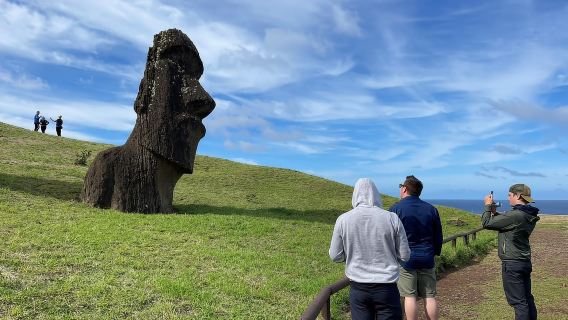
FromINR 12,149.33
FromINR 10,729.28
FromINR 31,556.70

Featured Outdoor experiences in Easter Island
View all Outdoor experiences
4.8/5
· 31 reviewsFree cancellation
96.8% of travelers recommend
FromINR 55,951.85

5.0/5
· 1 reviewFree cancellation
Book now for tomorrow
5% off
Limited-time sale
FromINR 17,948.79INR 18,893.47
Free cancellation
Book now for tomorrow
5% off
Limited-time sale
FromINR 13,371.89INR 14,075.68
FromINR 53,287.48
Free things to do in Easter Island
Easter Island
Easter Island · 1.9 km from downtownAhu Tongariki
Easter Island · 8.9 km from downtownOrongo Village
Easter Island · 10.7 km from downtownRano Raraku
Easter Island · 7.7 km from downtownAhu Te Pito Kura
Easter Island · 7.6 km from downtownRapa Nui National Park
Easter Island · 5.7 km from downtownRano Kau
Easter Island · 9.6 km from downtownAnakena Beach
Easter Island · 6.8 km from downtownAhu Nau Nau
Easter Island · 6.8 km from downtownAhu Tahai
Hanga Roa · 1.3 km from downtown
More ways to travel from Easter Island
Easter Island cruises
See all cruises








Private Tours in Easter Island
View More Private Tours in Easter Island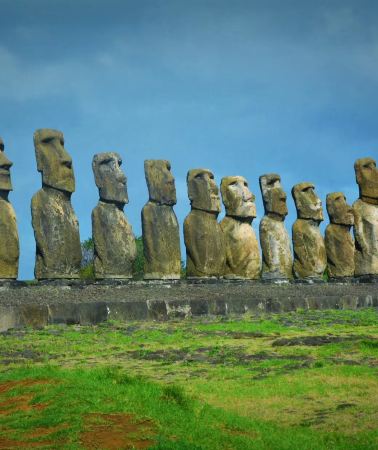


Group Tours in Easter Island
View More Group Tours in Easter Island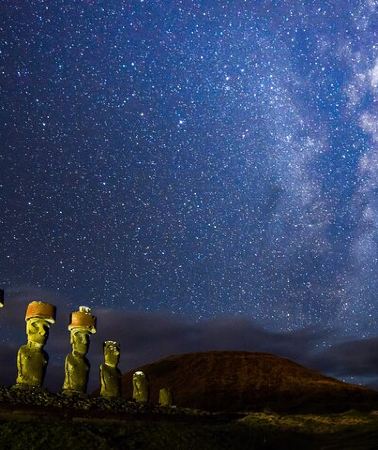
What travelers say about Easter Island

YoYo_1I8Q7O5OOctober 1, 2025
5.0
When I set foot on Easter Island, the sea breeze, wrapped in an ancient sense of loneliness, hit me. Looking down at the scattered Moai statues in the Rano Kau crater, those half-finished statues still maintained the posture of struggling out of the rock wall, as if time had suddenly frozen. At four in the morning, I squatted on Ahu Tongariki waiting for the sunrise. When the silhouettes of the fifteen Moai were dyed golden red by the morning glow, someone behind me sobbed softly - it was a sacredness that words cannot describe. The guide pointed to the mottled rock paintings behind the statues and said: "We call it the 'Cannibal Cave', but our ancestors didn't eat flesh, but memories." Finally, I stepped barefoot on the pink coral sand at Anakena Beach. The waves rolled the fragments of the statues over my ankles. Suddenly, I understood why the islanders said: "The Moai are not relics. They are just heading towards their hometown, always returning home."
Easter Island

HGysulanMarch 28, 2023
5.0
This place is so magical. I had a chance to travel here because the ship I am working on had been here. It was a great opportunity since not a lot of people can go here since it’s very remote in the Pacific Ocean. The locals did a great job in maintaining the untouched beauty of the place
Ahu Tongariki

乖小咪September 19, 2019
5.0
The Birdman Village site is the living site of the aborigines on Easter Island. These mysterious tribes are the creators of the mysterious stone statues on the island. In the living site, there are the foundations of the houses they built, as well as caves, and many archaeological discoveries of their daily necessities and tools at that time, which are very valuable for research and worth visiting.
Orongo Village

royal_tian01August 22, 2019
4.0
Easter Island is undoubtedly the most attractive area in Chile. It is more than 3,000 kilometers away from Chile. On such a seemingly isolated island, there are many large stone statues. One cannot help but wonder who created these statues.
Rano Raraku

coo***anApril 14, 2020
5.0
To get to Ahu Te Pito Kura it is a 1.5 hour walk from where you park your vehicle, it is a very quiet spot with great views of Rapa Nui, it was a bit cloudy when you got to the top so wear clothing for drizzle or cover up from heavy clouds although it is hot. Horses are available for hire if you don't want to walk.
Ahu Te Pito Kura

武汉老龙October 8, 2019
5.0
Looking at the giant stone statues everywhere, the blue layers of the sea here are very rich, which is pleasing to the eye. The mobile phone can't take pictures... Although this place is not big, although there are only these fifteen stone statues, it feels very good
Rapa Nui National Park

juki235January 29, 2018
5.0
Ranogo volcano is actually a dormant active volcano. The crater here has formed a volcanic lake. There are all kinds of strange plants growing in the lake. You can walk along the volcanic lake and feel the magical power of nature. It is this volcano that created Easter Island and created the world-famous cultural heritage.
Rano Kau

