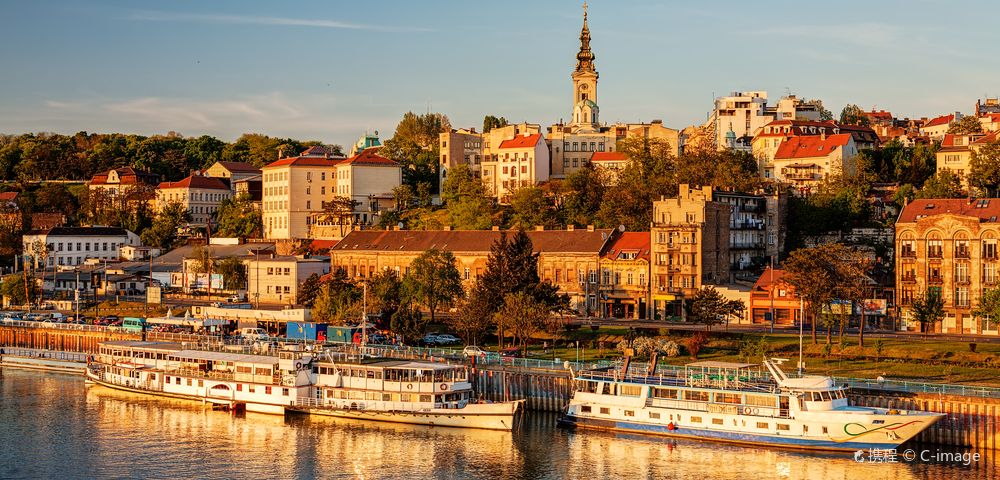
Top picks for Belgrade Day tours
Discover 56 Day tours in Belgrade on Trip.com, updated February 15, 2026, with experiences lasting from 1 to 12 hours. Find the perfect adventure for your day!
From SEK 152.00 per person, with an average total of SEK 1,245.61. Choose the option that suits your plan.
With 819 verified reviews, Day tours Belgrade boast an average rating of 4.9.
This week's most popular Day tours: "Day Trip from Belgrade: Gems of Eastern Serbia", with 182 reviews and a 4.9 rating.
Now on Trip.com: "Half-Day Sightseeing and Walking Tour of Belgrade City", a 3-hour adventure in Belgrade!
The next available day tour departs on February 16, 2026. Book now to secure your spot!
Belgrade Day tours usually take about 3 hours — perfect for a relaxed, immersive experience!
100% of Belgrade Day tours now offer English-speaking guides
February is perfect for visiting Belgrade! Choose from Day tours available day tours, including seasonal hits like Day Trip from Belgrade: Gems of Eastern Serbia.
Your trip, worry-free! All day tours are run by licensed suppliers with verified reviews, and many include free cancellation before departure.
56 results for Belgrade Day tours
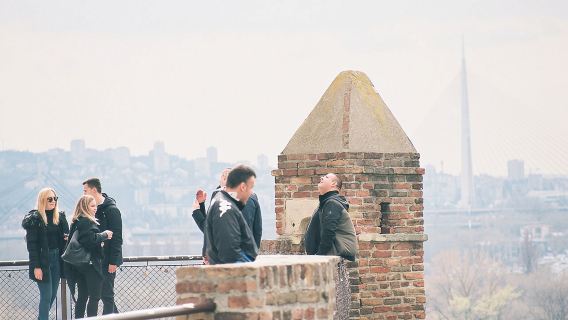 Free cancellationBook now for todayDuration: 2–3 hrs5.0/5Excellent· 3 reviewsFromSEK 347.00
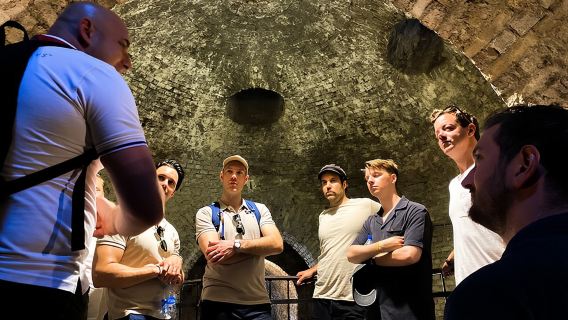 95.1% of travelers recommendFree cancellationDuration: 150 mins4.8/5Very good· 61 reviewsFromSEK 314.00
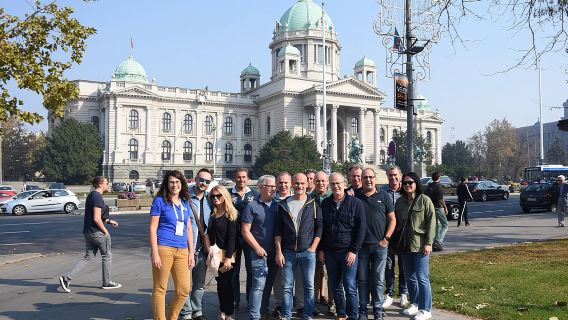 28 consecutive positive reviewsFree cancellationDuration: 7–8 hrs4.8/5Very good· 91 reviewsFromSEK 648.00
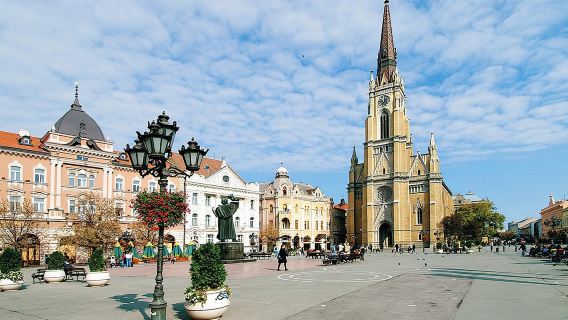 Free cancellationDuration: 8 hrsFromSEK 810.00
 FromSEK 853.00
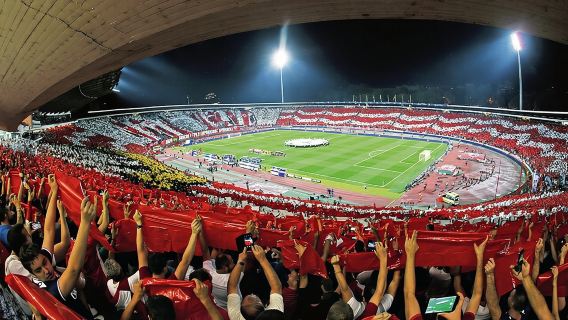 37 consecutive positive reviewsFree cancellationBook now for todayDuration: 195 mins5.0/5Excellent· 37 reviewsFromSEK 705.00
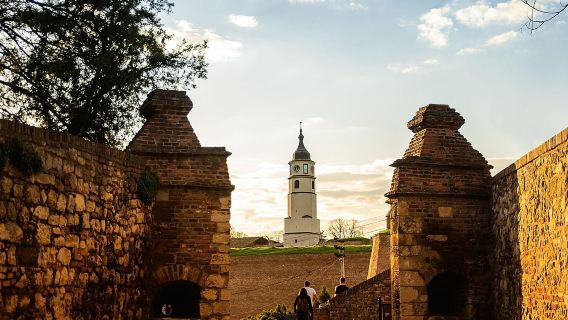 Professional English-speaking guideDuration: 4.2 hrsFromSEK 736.00
 Experience Belgrade from a whole new perspective on the waterFree cancellationDuration: 2 hrs5.0/5Excellent· 9 reviews5% offLimited-time saleFromSEK 896.00SEK 944
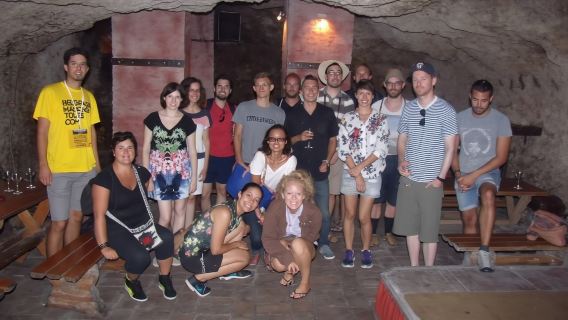 40 consecutive positive reviewsFree cancellationBook now for todayDuration: 3 hrs4.8/5Very good· 69 reviews5% offLimited-time saleFromSEK 202.00SEK 213
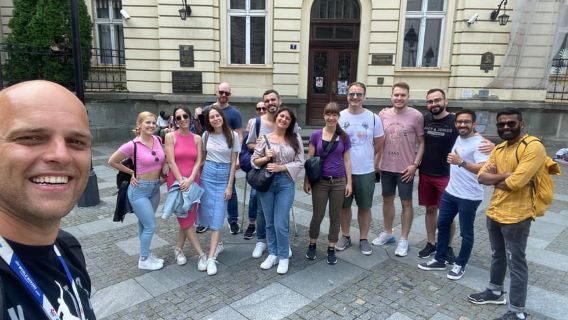 Discover the most important sights in the old town of BelgradeFree cancellationDuration: 2.5 hrs5% offLimited-time saleFromSEK 152.00SEK 160
 21 consecutive positive reviewsFree cancellationDuration: 210 mins5.0/5Excellent· 21 reviewsFromSEK 594.00
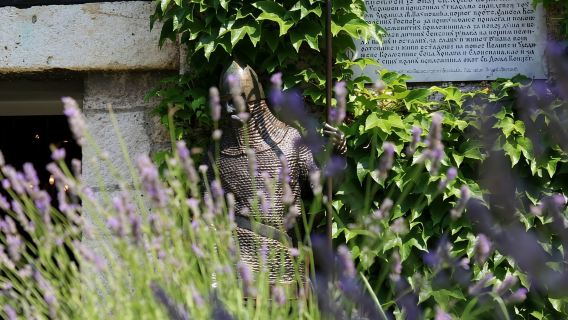 Discover and decode heritage of various powers holding the fortressFree cancellationDuration: 1.5 hrs5% offLimited-time saleFromSEK 459.00SEK 484
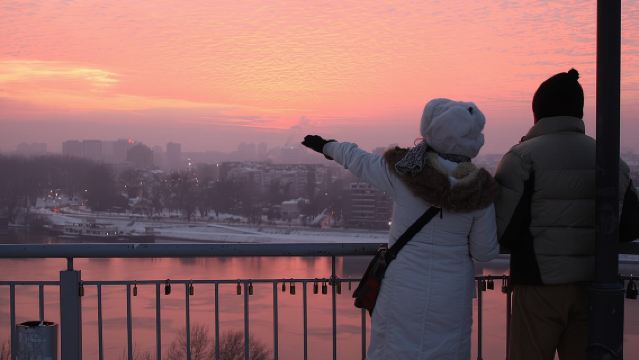 Free cancellationDuration: 7–8 hrs4.9/5Excellent· 22 reviewsFromSEK 1,555.00
![Novi Sad and Sremski [Includes Krusedol Admission Ticket + Free Wine Tasting + Hotel Pickup]](https://ak-d.tripcdn.com/images/0353812000og80f1mE560_C_568_320.jpg?_fr=wc) @Explore Novi Sad, Petrovaradin Fortress Underground TunnelsFree cancellationDuration: 4.1 hrsFromSEK 794.00
@Explore Novi Sad, Petrovaradin Fortress Underground TunnelsFree cancellationDuration: 4.1 hrsFromSEK 794.00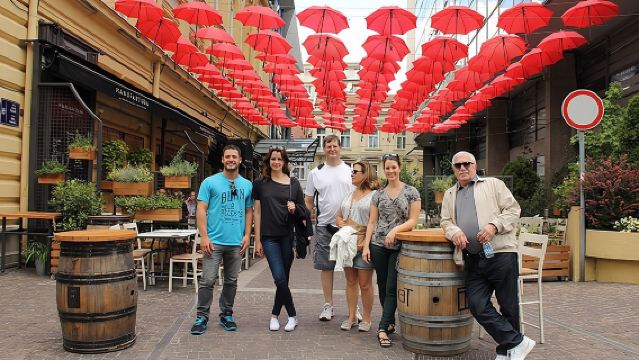 FromSEK 1,085.00
![Serbia Tara Park Bosnia and Herzegovina Cross-Border Day Tour [Round Trip Available from Belgrade to Sarajevo]](https://ak-d.tripcdn.com/images/0356s12000fv88u3x69A8_C_568_320.jpg?_fr=wc) Guaranteed departure for 2 or more travelersDuration: 10 hrs5.0/5Excellent· 2 reviews· 25 bookedFromSEK 2,584.00
Guaranteed departure for 2 or more travelersDuration: 10 hrs5.0/5Excellent· 2 reviews· 25 bookedFromSEK 2,584.00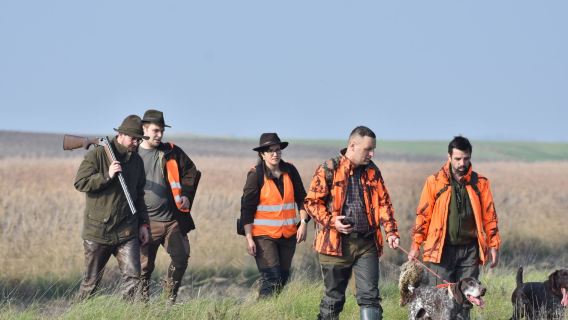 Live ammunition shootingDuration: 11 hrsFromSEK 2,583.00
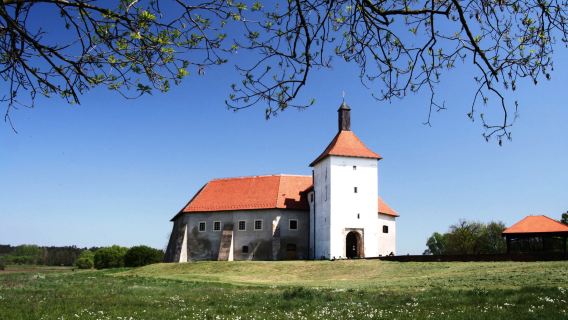 Premium private charter, exclusive space, door-to-door service, effortless travelFree cancellationDuration: 8.5 hrsFromSEK 7,290.00
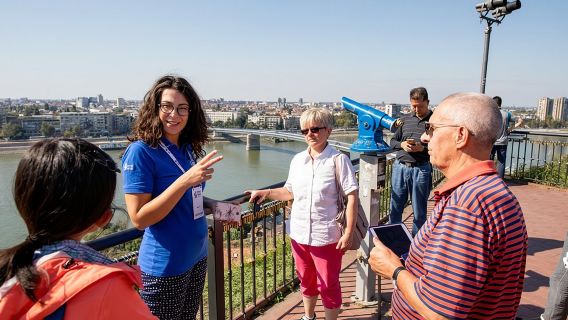 23 consecutive positive reviewsFree cancellationDuration: 8–9 hrs4.7/5Very good· 114 reviewsFromSEK 702.00
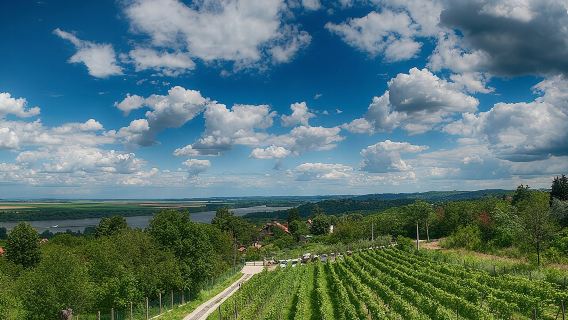 Free cancellationBook now for todayDuration: 2 hrsFromSEK 540.00
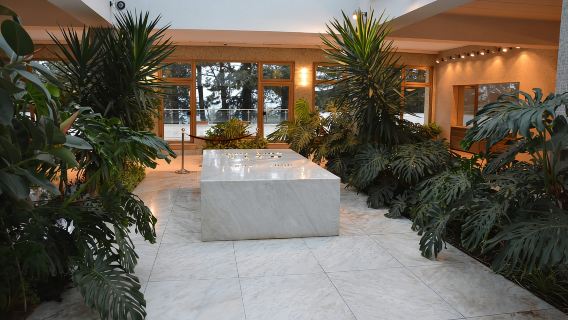 22 consecutive positive reviewsFree cancellationDuration: 3 hrs4.9/5Excellent· 23 reviews5% offLimited-time saleFromSEK 202.00SEK 213
 96.8% of travelers recommendFree cancellationDuration: 8 hrs4.7/5Very good· 31 reviewsFromSEK 699.00
 FromSEK 1,303.00
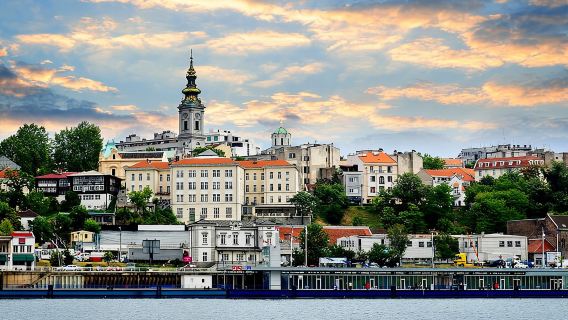 Free cancellationDuration: 3 hrs4.8/5Very good· 4 reviewsFromSEK 2,644.00
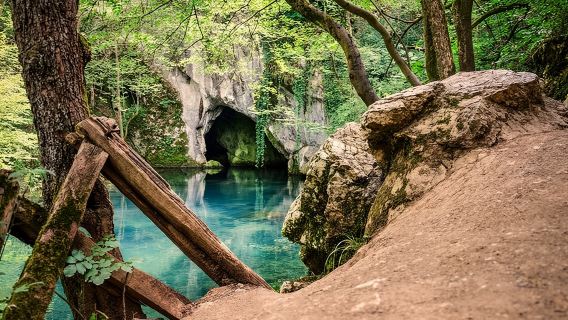 58 consecutive positive reviewsFree cancellationDuration: 9–10 hrs4.9/5Excellent· 182 reviewsFromSEK 1,134.00
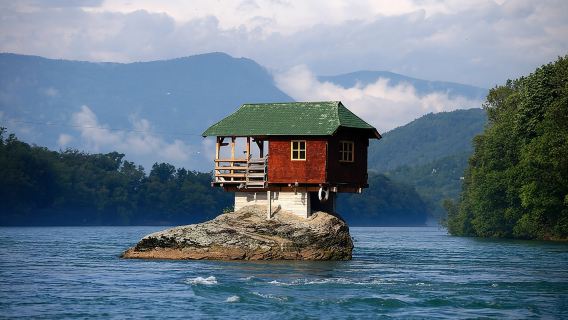 97.2% of travelers recommendFree cancellationDuration: 10 hrs4.8/5Very good· 36 reviewsFromSEK 1,188.00
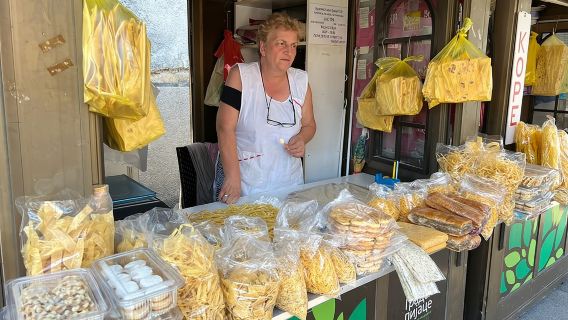 29 consecutive positive reviewsFree cancellationDuration: 210 mins4.9/5Excellent· 64 reviewsFromSEK 619.00
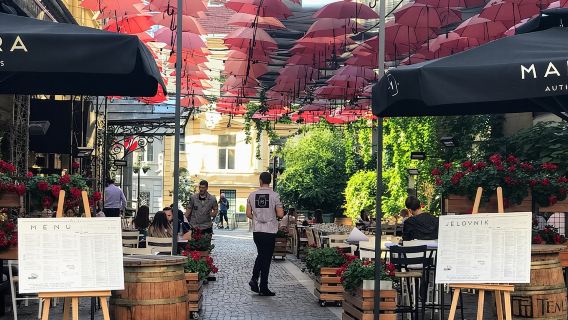
Explore top experiences
See what other travelers love, based on ratings and bookings
Frequently asked questions about Belgrade Day tours
How many Day tours are available in Belgrade on Trip.com?
What are the best Day tours in Belgrade?
What are the top-rated Day tours in Belgrade?
What are the recommended itineraries in Belgrade?
How can I contact Trip.com customer support?
Can I change or cancel my booking?
How can I get discounted prices?
Reviews/Trip Moments
Trip.com Picks
Popular Products
Popular Activities
More Popular Destinations
About






of the year 2025



Site Operator: Trip.com Travel Singapore Pte. Ltd.