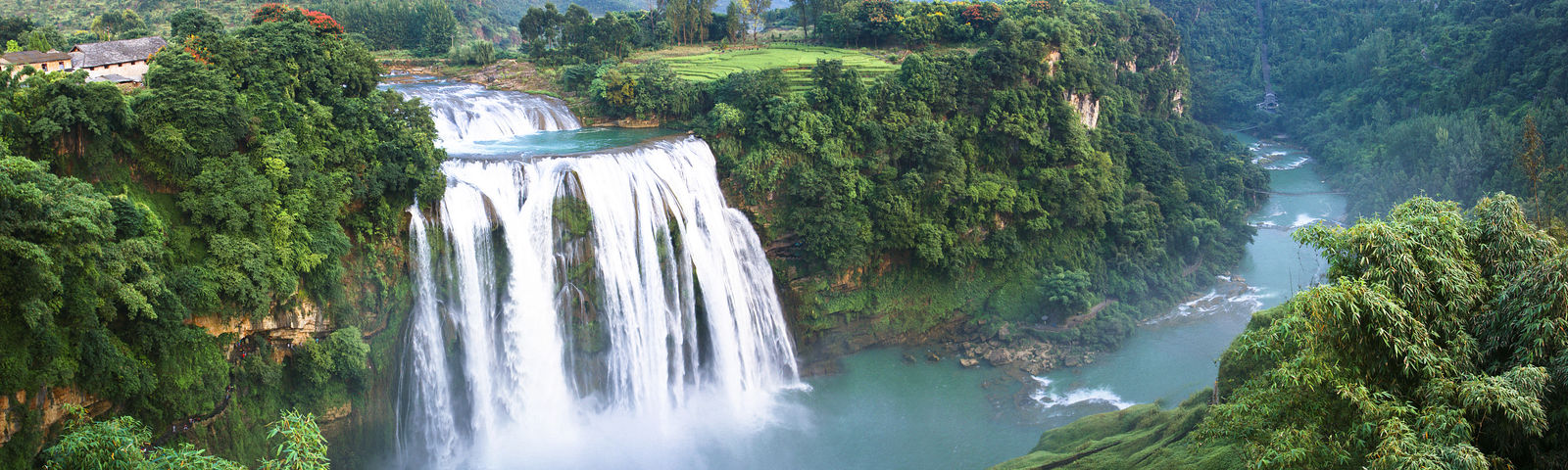
Top picks for Anshun Day tours
Discover 17 Day tours in Anshun on Trip.com, updated February 16, 2026, with experiences lasting from 1 to 10 hours. Find the perfect adventure for your day!
From EUR 13.70 per person, with an average total of EUR 145.81. Choose the option that suits your plan.
With 10 verified reviews, Day tours Anshun boast an average rating of 5.0.
This week's most popular Day tours: "Guiyang 1-Day Highlights : Qianlingshan Park + Qingyan Ancient Town", with 10 reviews and a 5 rating.
Now on Trip.com: "Guiyang Must-Visit : Huangguoshu Waterfall, Loong Palace Private Day Tour", a 6-hour adventure in Anshun!
The next available day tour departs on February 17, 2026. Book now to secure your spot!
Anshun Day tours usually take about 6 hours — perfect for a relaxed, immersive experience!
86% of Anshun Day tours now offer English-speaking guides
February is perfect for visiting Anshun! Choose from Day tours available day tours, including seasonal hits like Guiyang 1-Day Highlights : Qianlingshan Park + Qingyan Ancient Town.
Your trip, worry-free! All day tours are run by licensed suppliers with verified reviews, and many include free cancellation before departure.
17 results for Anshun Day tours
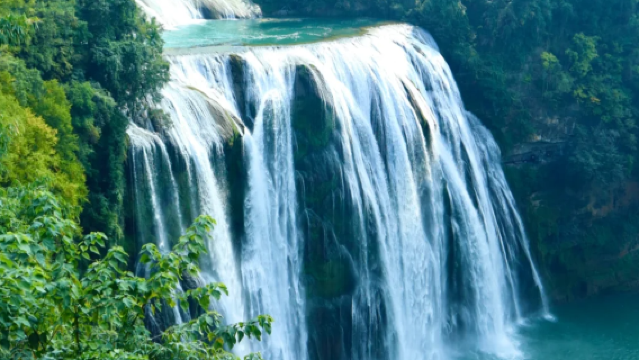 Flexible pace on the private tour, deeply exploring two natural scenic spots and unlocking the original karst scenery of Guizhou.Free cancellationInstant confirmationDuration: 6.8 hrsFrom€103.04
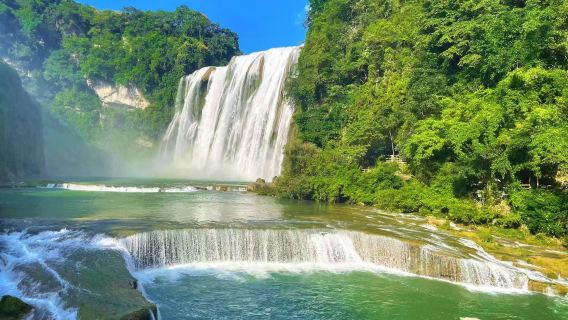 Witness the grandeur of Huangguoshu Waterfall and explore the underground river of Dragon Palace, experiencing the wonders of water in just one day.Duration: 8 hrsFrom€193.88
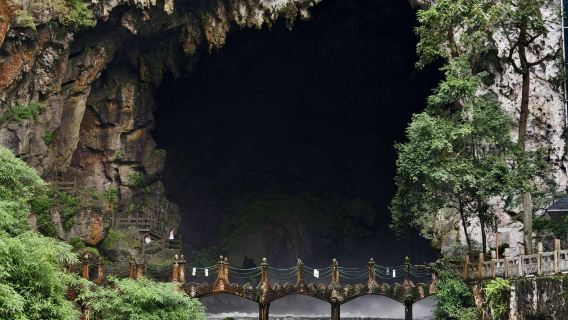 Witness the grandeur of Huangguoshu Waterfall and explore the underground river of Dragon Palace, experiencing the wonders of water in just one day.Duration: 7.5 hrsFrom€138.49
![[Departing from Guiyang] Huangguoshu Scenic Area and Doupotang Waterfall Day Trip (Crossing the Thousand-Year-Old Water Curtain Cave)](https://ak-d.tripcdn.com/images/0356j12000p7d0lmx9D7A_C_568_320.jpg?_fr=wc) Stroll along 365 stepping stones on the water, pass through the vine stone forest, explore the wonders of Tianxing Cave stalactites, and admire the unique posture of the Silver Chain Falling Pond Waterfall.Free cancellationInstant confirmationDuration: 10 hrsFrom€41.55
Stroll along 365 stepping stones on the water, pass through the vine stone forest, explore the wonders of Tianxing Cave stalactites, and admire the unique posture of the Silver Chain Falling Pond Waterfall.Free cancellationInstant confirmationDuration: 10 hrsFrom€41.55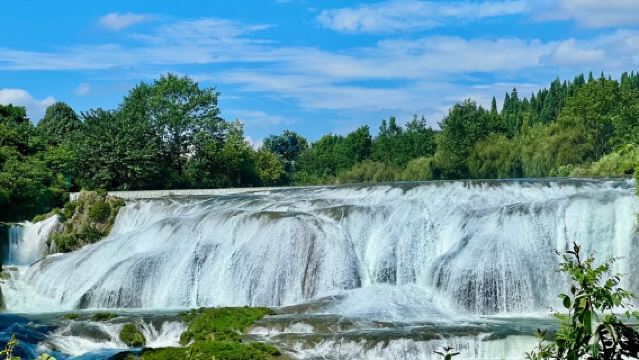 Flexible private tour throughout, round trip from downtown Guiyang, fully unlock the full view experience of Huangguoshu Waterfall ClusterFree cancellationInstant confirmationDuration: 7.6 hrsFrom€76.45
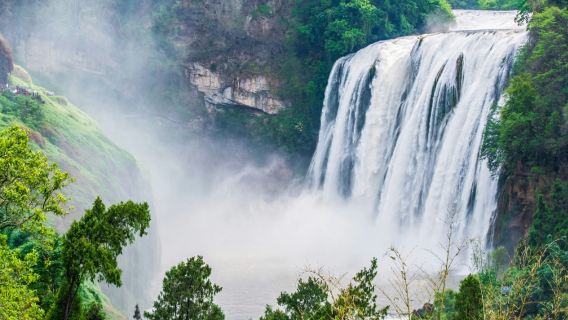 Pick-up/drop-off available, small group toursDuration: 8 hrsFrom€86.56
![Anshun Trip Moments[Wedding Photography/Aerial Photography/Street Photography/Candid Shoots/Portrait Sessions/Bridal Portraits/Commercial Photography & Videography/Translation Services]](https://ak-d.tripcdn.com/images/0352p12000e9rjrec1CC2_C_568_320.jpg?_fr=wc) Global Shooting · Multilingual CompanionInstant confirmationBook now for todayEnglishFrom€13.70
Global Shooting · Multilingual CompanionInstant confirmationBook now for todayEnglishFrom€13.70![Anshun Travel Photography[Driver and director + aerial microfilm + makeup and clothing + itinerary customization + free negatives + unlimited number of people]](https://ak-d.tripcdn.com/images/0352m12000ivf95hkE236_C_568_320.jpg?_fr=wc) Director and Travel PhotographerInstant confirmationBook now for todayEnglishFrom€13.70
Director and Travel PhotographerInstant confirmationBook now for todayEnglishFrom€13.70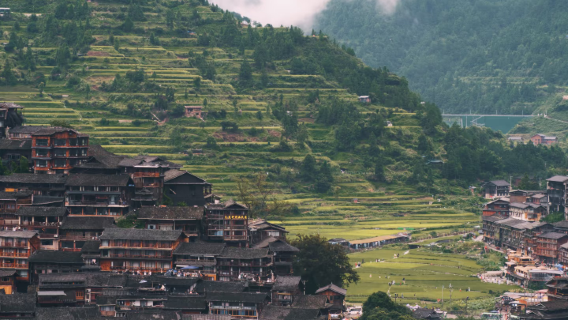 Whether it's foreign travelers sightseeing, business professionals attending exhibitions and negotiations, or non-English speakers exploring the city in depth, avoid missing out on travel experiences or business opportunities due to language barriers.From€214.65
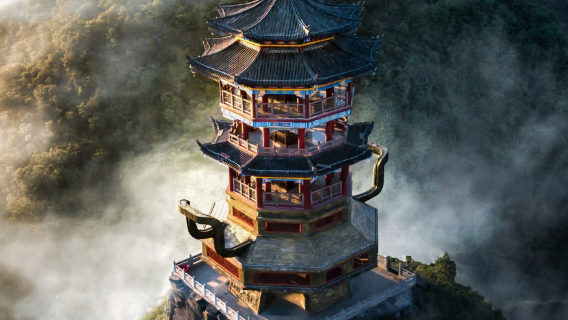 Comprehensive multilingual coverage breaks communication barriers: Offering services in Chinese, English, French, Russian and more, whether for international travelers visiting Shanxi's historic sites, business professionals attending trade fairs, or minority language users exploring cities in depth - ensuring no travel experience or business opportunity is missed due to language barriers.From€206.07
![[Guizhou, China] Zunyi/Tongren|Chinese/English/French/Korean/Language-Specific/Professional Guides/Translation/Local Guides/Attractions & Tours/City Walk/Business & Exhibition Translation](https://ak-d.tripcdn.com/images/0353312000r4b0ymkA56A_C_568_320.png?_fr=wc) Whether it's foreign travelers sightseeing, business professionals attending exhibitions and negotiations, or non-English speakers exploring the city in depth, avoid missing out on travel experiences or business opportunities due to language barriers.From€229.61
Whether it's foreign travelers sightseeing, business professionals attending exhibitions and negotiations, or non-English speakers exploring the city in depth, avoid missing out on travel experiences or business opportunities due to language barriers.From€229.61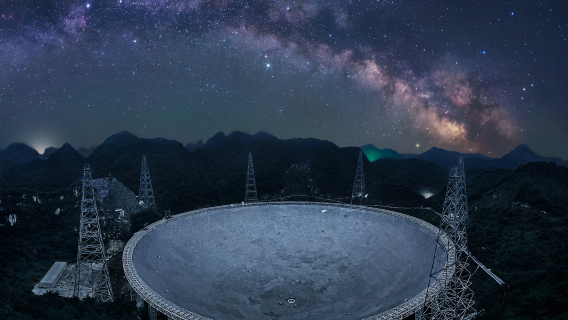 Whether it's foreign travelers sightseeing, business professionals attending exhibitions and negotiations, or non-English speakers exploring the city in depth, avoid missing out on travel experiences or business opportunities due to language barriers.From€230.72
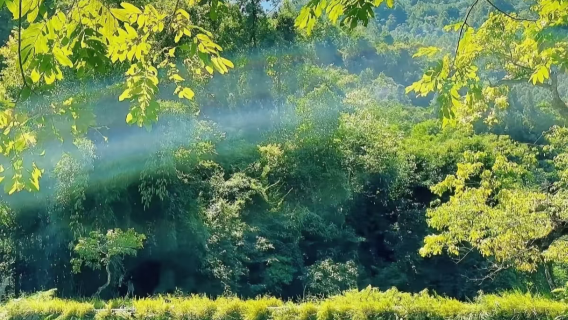 Whether it's foreign travelers sightseeing, business professionals attending exhibitions and negotiations, or non-English speakers exploring the city in depth, avoid missing out on travel experiences or business opportunities due to language barriers.From€221.58
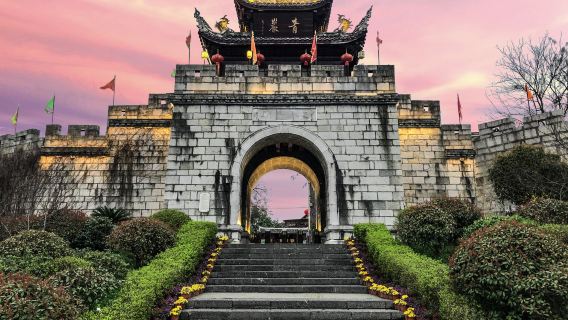 Explore the fantastical Yelang Valley art world created by artists.Free cancellationInstant confirmationDuration: 7 hrs5% offLimited-time saleFrom€91.94€96.78
 Flexible pace on the private tour, round trip from downtown Guiyang, easily explore the blend of nature and culture.Free cancellationInstant confirmationDuration: 8 hrsFrom€33.79
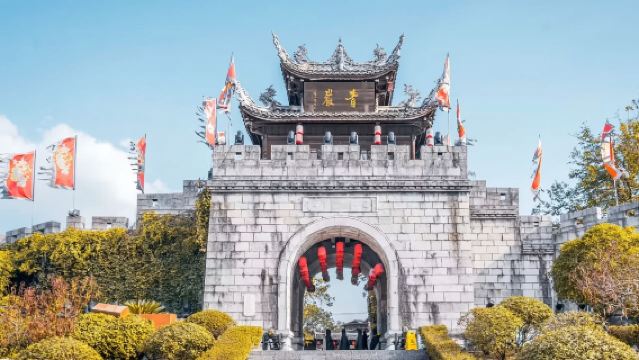 Round trip from downtown Guiyang, a short trip without tiring travel, discover the unique and niche cultural tourism experience of the Forest CityFree cancellationInstant confirmationDuration: 6.6 hrsFrom€36.70
 Full Chinese/English/Russian services for seamless communication with adjustable attractionsFree cancellationDuration: 8 hrsFrom€174.27
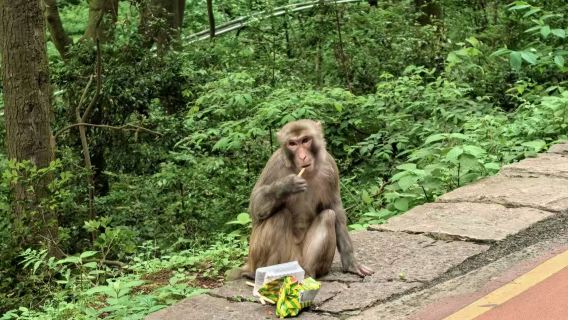 Magnificent natural scenery, unique culinary experiences, and the slow-paced charm of local life.Duration: 10 hrsFrom€166.18
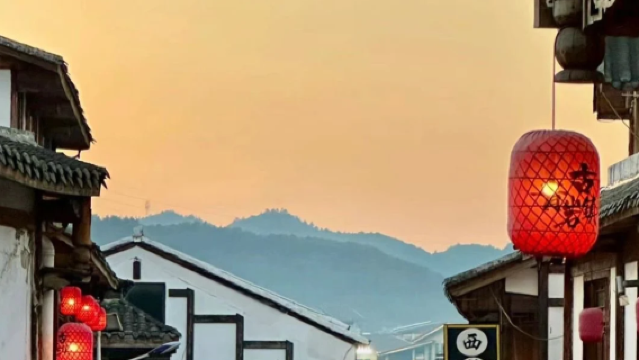 Wander through Ming-era streets, iconic bluestone houses, and taste authentic local snacks like braised pork knuckles.Free cancellationInstant confirmationDuration: 6.6 hrsFrom€45.57
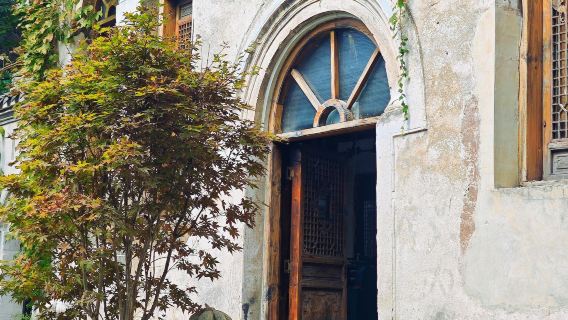 Stroll through Qingyan Ancient Town, explore the wonders of Yelang Valley, cruise the Tianhe River's scenic landscapes, and experience the unique charm of central Guizhou in a single day.Duration: 8.1 hrsFrom€138.49
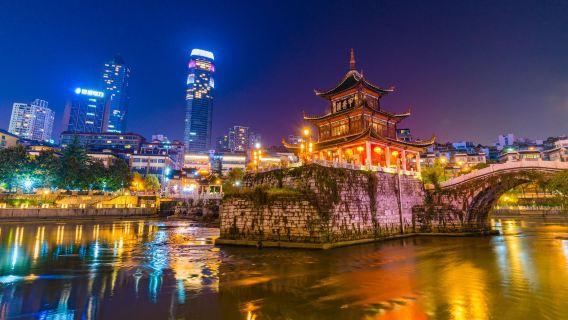
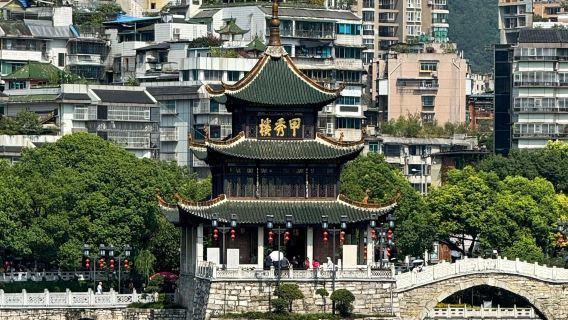 Visit the famous Jiaxiu Tower, admire the sunset at East Mountain, explore the cultural heritage of the Provincial Museum, and overlook the new cityscape of Huaguoyuan.Duration: 7.5 hrsFrom€138.49
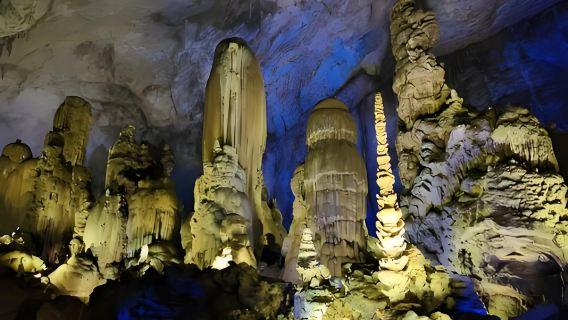 Visit the Zhijin Cave, known as the "King of Caves," explore the World Geopark, admire the natural underground palace formed 250 million years ago, and witness the wonders of nature.Free cancellationInstant confirmationDuration: 5.5 hrsFrom€53.74
 Full Chinese/English/Russian services for seamless communication with adjustable attractionsFree cancellationDuration: 8 hrsFrom€174.27
 Explore the wonders of Zhijindong Cave and traverse the grand canyon fissuresDuration: 6 hrsFrom€166.18
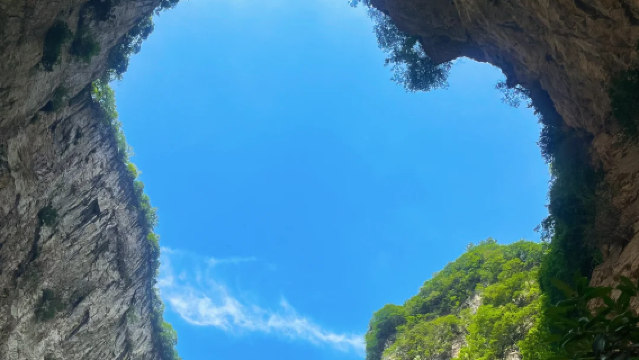 Enjoy a private and flexible itinerary, deeply explore the core attractions of the canyon, and savor the charm of hundreds of millions of years of karst geology.Free cancellationInstant confirmationDuration: 5 hrsFrom€67.03
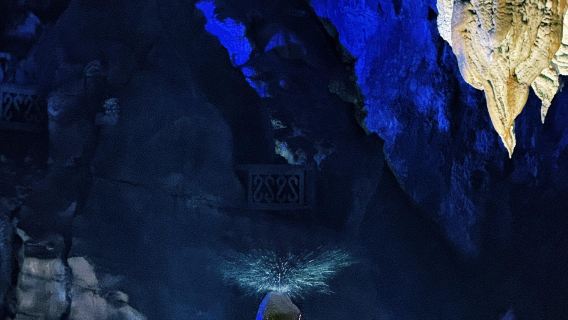 Explore the wonders of Zhijindong Cave and traverse the grand canyon fissuresDuration: 7 hrsFrom€193.88
 Freely choose attractions to suit different interests.Free cancellationInstant confirmationDuration: 7.5 hrs5% offLimited-time saleFrom€86.83€91.4
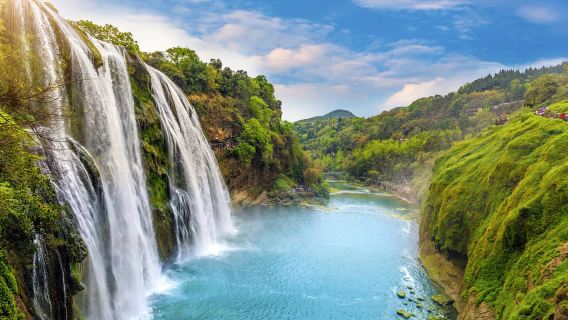 Admire the diverse stalactitesFree cancellationDuration: 4 hrsFrom€105.32
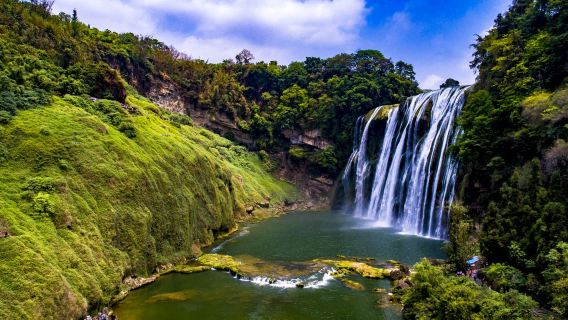 The stunning experience of Huangguoshu Waterfall, Asia's most spectacular waterfall, is not to be missed.Free cancellationDuration: 6.6 hrsFrom€429.02
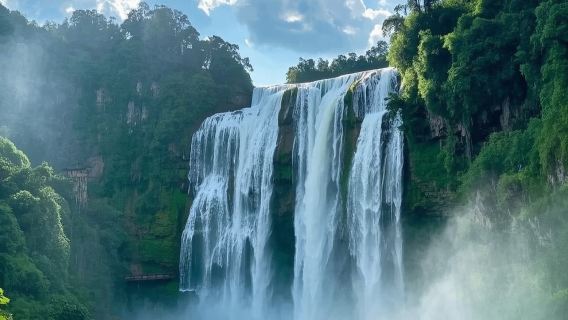 A stunning trip to Huangguoshu Waterfall, the ultimate waterfall in Asia, with magnificent views.Free cancellationDuration: 6.1 hrsFrom€429.02
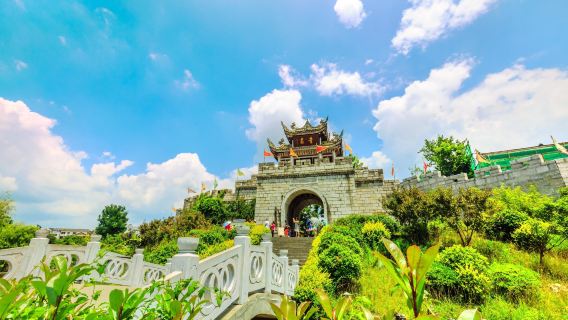 Venture to Qingyan Ancient Town to discover the region's centuries-old landmarks before enjoying a hearty local lunchFree cancellationDuration: 4 hrs5.0/5Excellent· 10 reviews· 191 bookedFrom€46.50
![Guiyang: Customized Multilingual Day private charter |Attractions can be adjusted [Chinese, English, Russian, French, German, Italian and Spanish]#](https://ak-d.tripcdn.com/images//0584c12000n2zqj6631B7_C_568_320.jpg?_fr=wc) [Quality and Pure Play] Refuse to take a quick tour, and let the experienced driver and guide take you all the way to the endFree cancellationDuration: 8.5 hrsFrom€304.47
[Quality and Pure Play] Refuse to take a quick tour, and let the experienced driver and guide take you all the way to the endFree cancellationDuration: 8.5 hrsFrom€304.47 Visit the Zhijin Cave, known as the "King of Caves," explore the World Geopark, admire the natural underground palace formed 250 million years ago, and witness the wonders of nature.Free cancellationInstant confirmationDuration: 4 hrsFrom€35.71
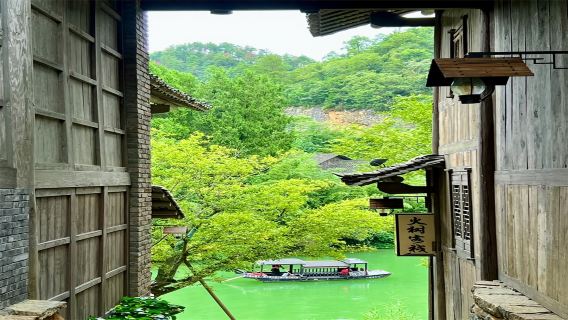 Chinese/Mandarin/English/Russian services throughout the trip, barrier-free communication, adjustable attractionsFree cancellationDuration: 8 hrsFrom€174.16
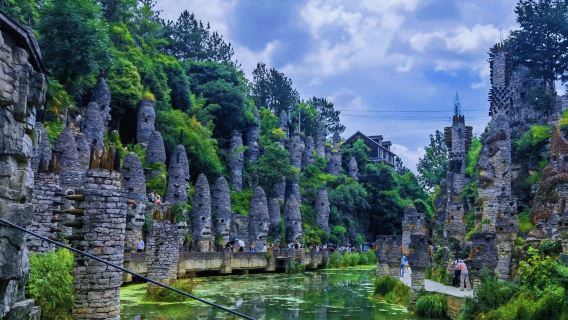 Chinese/Mandarin/English/Russian/French/German/Spanish/Italian/Korean/multiple minority languages guide service, professional explanation.Free cancellationDuration: 6 hrsFrom€193.75
![Guiyang: guide and local guide - multilingual customized day tour |Attractions can be adjusted [Chinese, English, Russian, French, German and Spanish]#](https://ak-d.tripcdn.com/images//0583j12000nypl6j7720B_C_568_320.jpg?_fr=wc) [Quality and Pure Play] Refuse to take a quick tour, and let the experienced guide take you all the way to the endFree cancellationDuration: 8 hrsFrom€193.75
[Quality and Pure Play] Refuse to take a quick tour, and let the experienced guide take you all the way to the endFree cancellationDuration: 8 hrsFrom€193.75
Explore top experiences
See what other travelers love, based on ratings and bookings
Frequently asked questions about Anshun Day tours
How many Day tours are available in Anshun on Trip.com?
What are the best Day tours in Anshun?
What are the top-rated Day tours in Anshun?
What are the recommended itineraries in Anshun?
How can I contact Trip.com customer support?
Can I change or cancel my booking?
How can I get discounted prices?
Trip.com Picks
Popular Products
Popular Activities
More Popular Destinations
About






of the year 2025



Site Operator: Trip.com Travel Singapore Pte. Ltd.