





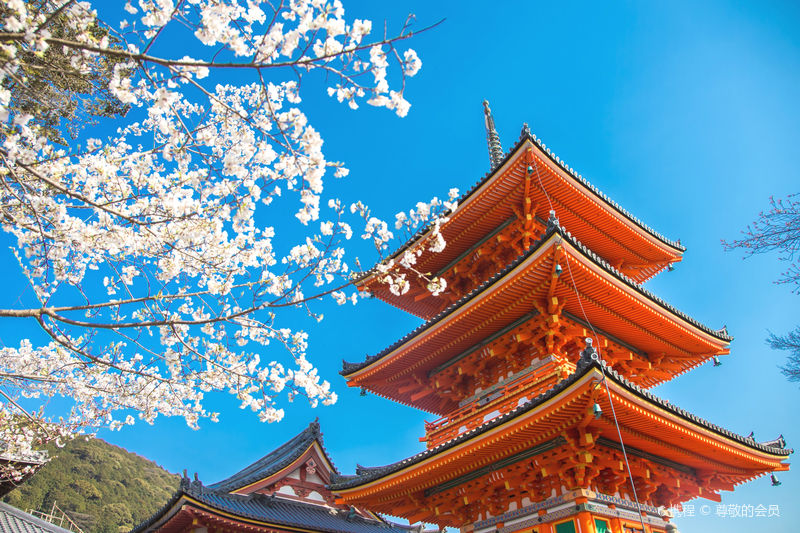
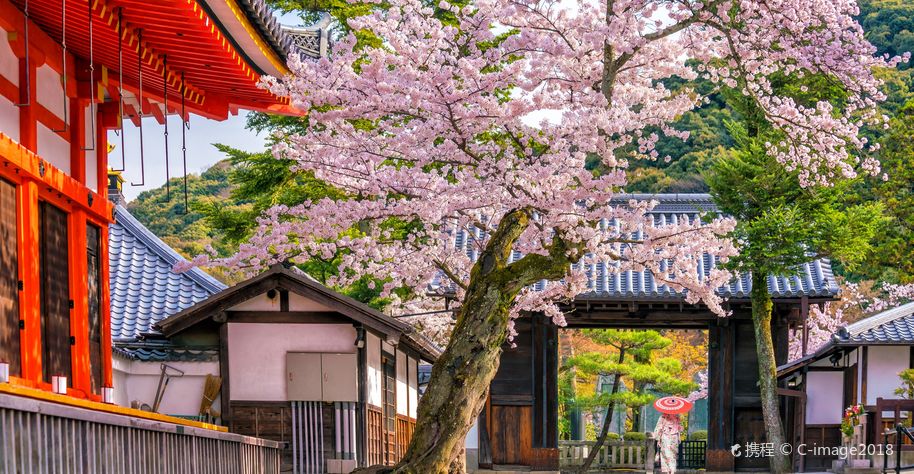
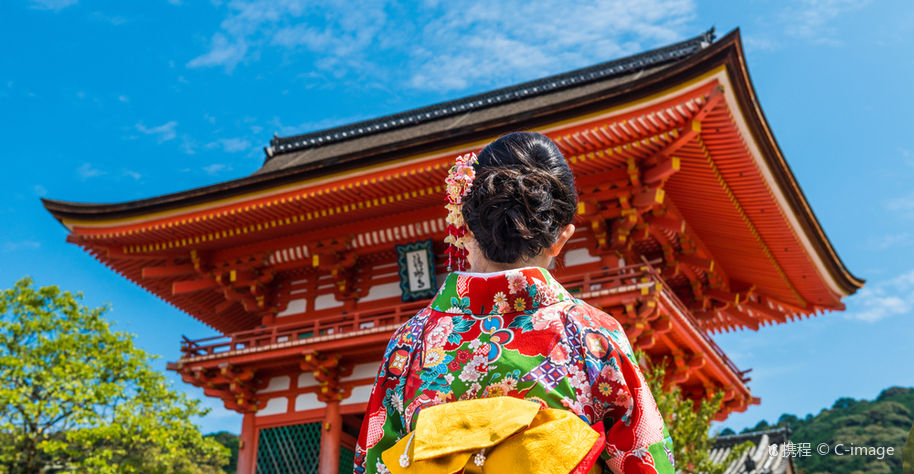

▲ Kiyomizu-dera Temple Kiyomizu-dera Temple is a UNESCO World Heritage Site and also a popular tourist attraction in Kyoto. Founded in 778, it is one of Kyoto's oldest temples and a National Treasure of Japan. From here, visitors can enjoy a panoramic view of Kyoto; the scenery features distinct charm in each of the four seasons, offering beautiful views to appreciate throughout the year.

▲ Ninenzaka & Sannenzaka There are two streets leading to Kiyomizu-dera Temple in Gion, named Ninenzaka and Sannenzaka respectively. These two streets have been designated as a "Important Preservation District for Groups of Traditional Buildings" in Japan. Lined with various shops on both sides, many of these stores sell local specialty products or snacks.

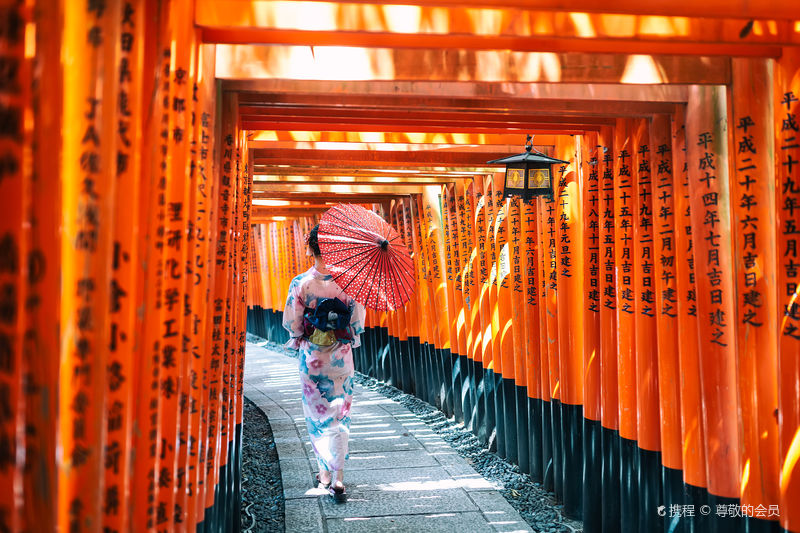
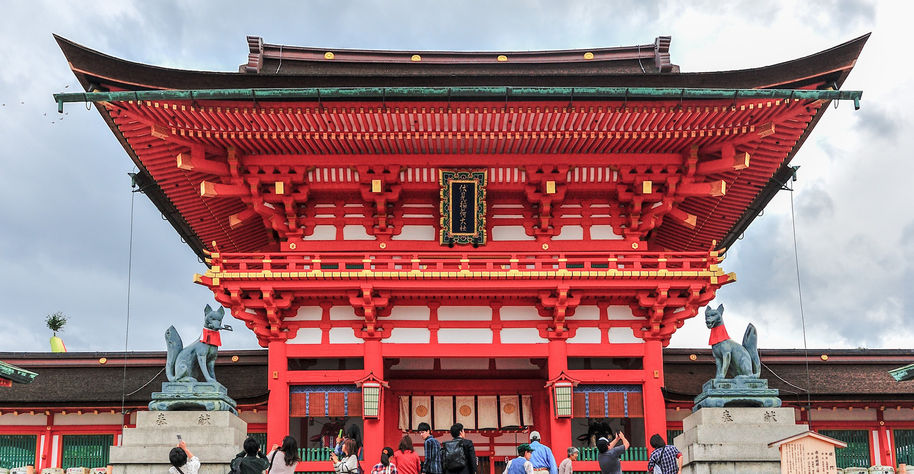
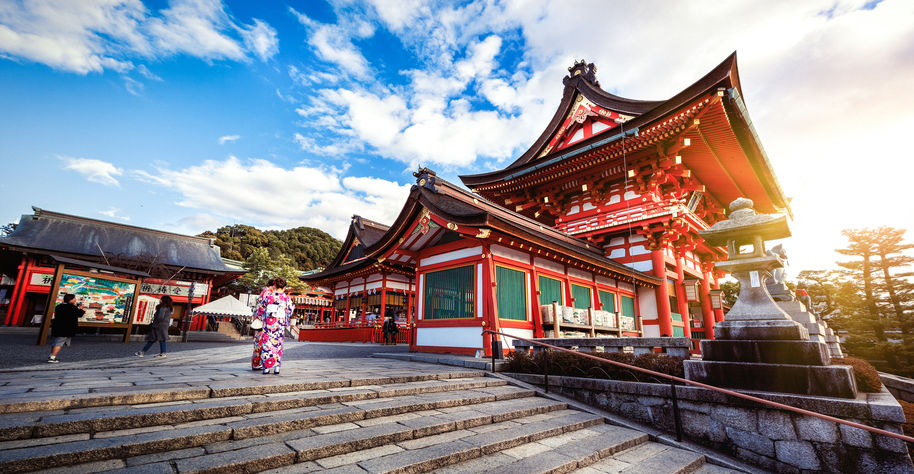
▲ Fushimi Inari Taisha Fushimi Inari Taisha was founded in 711. As the head shrine of all Inari shrines in Japan, it enshrines the Inari Okami—a deity worshipped for blessings of bountiful harvests and prosperous businesses. Along the path leading up to Mount Inari stand approximately 10,000 vermilion torii gates, creating a spectacular and breathtaking sight.

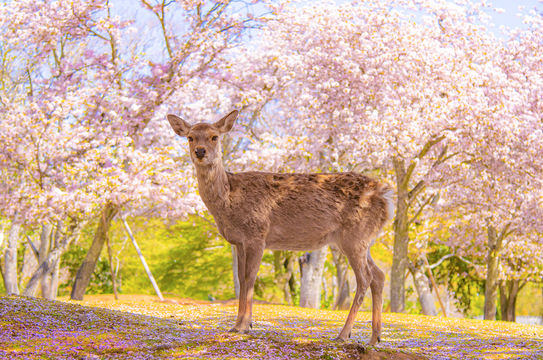
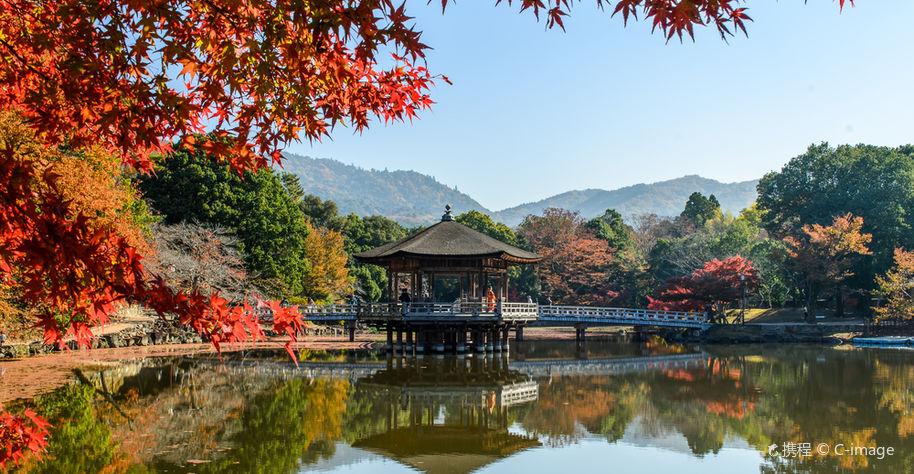
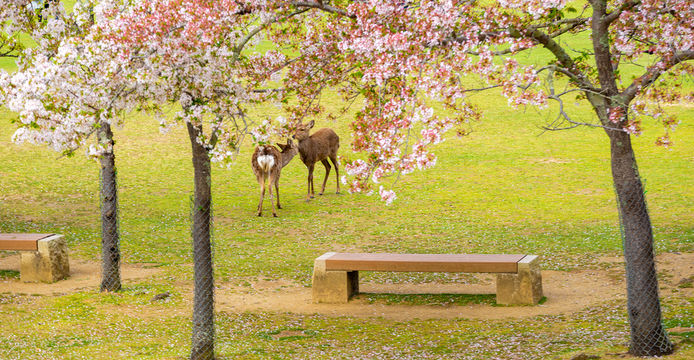
▲ Nara Park is not only a vast green space but also a cluster of key cultural attractions in Nara. Among its included sites, Todai-ji Temple is famous for its giant Buddha statue and status as a UNESCO World Heritage Site; Wakakusa Hill is a popular spot for cherry blossom viewing in spring and offers panoramic views of Nara; and Kasuga Taisha is renowned for its thousands of stone and bronze lanterns, a iconic feature of traditional Japanese shrines.

▲ Todai-ji Temple is located near Nara Park. It was first built during the Nara Period (710-784), when the city of Nara was the capital of Japan. The temple has been designated as part of the "Historic Monuments of Ancient Nara" under UNESCO's World Heritage Convention.