Embark on a captivating walking tour through Södermalm's Katarinaberget, where history intertwines with culture and scenic vistas. This journey offers a glimpse into Stockholm's resilient past and vibrant present, highlighting landmarks that have shaped the city's unique character.
Near the Katarina Elevator, learn about the history of the elevator and how it connected the heights of Södermalm with the bustling streets below, offering both practical transit and panoramic city views. The current structure, dating from 1936, stands as a historical landmark, reflecting the city's commitment to blending functionality with aesthetic appeal.
Stroll towards Mosebacke Torg, one of Stockholm's most enchanting squares. Established in the 1850s, this area transformed into a cultural hub following a significant fire in 1857. Today, it boasts lush greenery and historic architecture. At its northern edge stands Södra Teatern, Stockholm's oldest private theater, inaugurated in 1859. This venue has hosted a myriad of performances, contributing richly to the city's artistic tapestry.
In the heart of Mosebacke Torg, find the evocative sculpture "Systrarna" ("The Sisters") by Nils Sjögren. Installed in 1945, this artwork is believed to represent two lovers and serves as a poignant reminder of past societal challenges and the enduring human spirit.
Dominating Mosebacke Torg is Södra Teatern, Stockholm's oldest private theater, established in 1859. This historic venue has been a cornerstone of the city's cultural scene, hosting a diverse array of performances that have enriched Stockholm's artistic heritage.
Adjacent to the theater lies Mosebacke Terrace, a beloved spot offering breathtaking views of Stockholm's skyline. This open-air venue is a favorite among locals and visitors alike, providing a serene setting to enjoy the city's beauty.
End your tour at the iconic Katarina Church, perched atop Katarinaberget. Established between 1656 and 1695, this Baroque masterpiece has withstood the trials of time, including two devastating fires. The first, in 1723, ravaged the church and much of the surrounding area, sparing only a few structures. The community's unwavering spirit led to its reconstruction, symbolizing resilience and unity.


View all 8 photos
Stockholm: Södermalm Walking Tour with Katarinaberget Views
From
US$0.00
Sold out
Highlights
Admire the panoramic views of the city from Mosebacke Terrace
Discover the rich history of Södermalm and Katarinaberget on a walking tour
Learn the history of the Katarina Church and its resilience after two fires

Itinerary
Product details
Embark on a walking tour of Södermalm's Katarinaberget and discover the history of the area. Visit the Katarina Elevator, Mosebacke Torg, and the Katarina Church.
Show less
What's included
Access to Mosebacke Terrace
Exploration of Mosebacke Torg
Guided walking tour of Katarinaberget
Listen to the history of the Katarina Elevator
Tour of Katarina Church
Viewing of 'The Sisters' sculpture
Meals and beverages
Personal expenses
Transportation to/from the starting point
Eligibility
Adult: 1–64 years old
Change & cancellation policies
If a cancellation request is submitted before 2:30 PM, 1 day(s) prior to the date of use, no cancellation fee will be charged.
If a cancellation request is submitted after 2:30 PM 1 day(s) before the date of use, a fee of 100% will be charged.
If a discount is applied, the cancellation fee will be calculated based on the original price before the discount and will not exceed the amount paid.
Partial refund is not available.
Important note
Wear comfortable walking shoes
Check weather conditions and dress appropriately
The tour involves walking on uneven surfaces; not suitable for those with mobility impairments
Photography is allowed, but respect the privacy of any individuals you may capture
Items recommended to bring:
Camera
Sun hat
Sunglasses
Not allowed items:
Alcohol and drugs
Audio recording
Not suitable for:
People with heart problems
People with mobility impairments
People with recent surgeries
People with respiratory issues
Wheelchair users
Good to know:
Check weather conditions and dress appropriately
Photography is allowed, but respect the privacy of any individuals you may capture
The tour involves walking on uneven surfaces; not suitable for those with mobility impairments
Wear comfortable walking shoes
You may also like
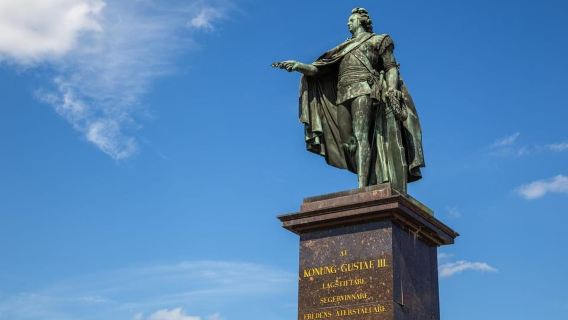
Day tours
Stockholm: Archipelago Boat Tour
4.5/5
(1k reviews) | 7 bookedDuration: 2 hrs | English
Depart from Stockholm
5% off
USD 39.01
FromUSD 37.05

Day tours
1-day tour to Drottningholm Palace + Stockholm, Sweden + Royal Swedish Opera + Nordiska Museet
Duration: 7.8 hrs | English
Depart from Stockholm
FromUSD 791.10

Day tours
Stockholm Small Group Food Tour with 7 Classic Food Tastings
4.7/5
(22 reviews)Duration: 3 hrs | English
Depart from Stockholm
FromUSD 136.62

Day tours
Stockholm: The Viking Museum Exhibition and Viking Ride
4.7/5
(87 reviews)English
Depart from Stockholm
5% off
USD 21.63
FromUSD 20.54
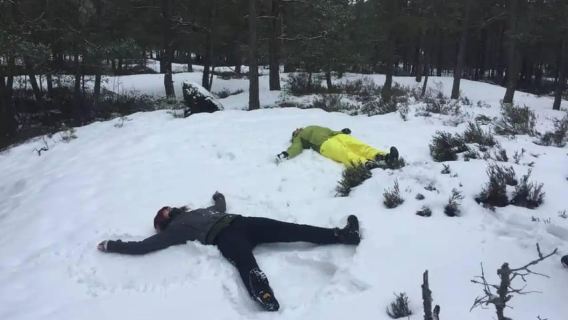
Day tours
Stockholm: Nature Reserve Hiking Tour with Campfire Lunch
4.9/5
(18 reviews)Duration: 5 hrs | English
Depart from Stockholm
5% off
USD 135.81
FromUSD 129.01
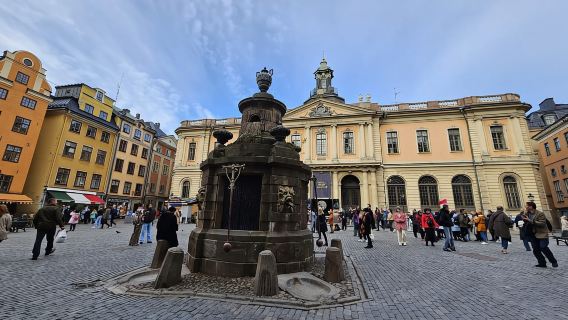
Day tours
Stockholm: Old Town Walking Tour, stories and secrets
4.9/5
(186 reviews) | 4 bookedDuration: 2 hrs | English
Depart from Stockholm
5% off
USD 16.31
FromUSD 15.49
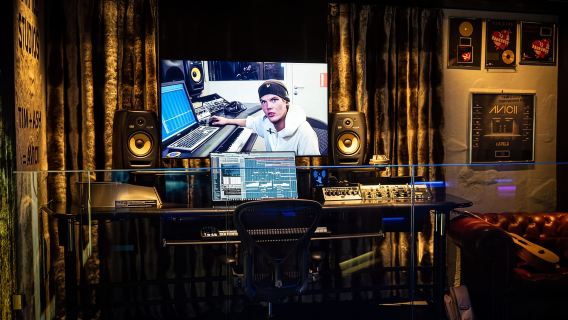
Day tours
Stockholm: Avicii Experience Skip-the-Line Entrance Ticket
4.8/5
(137 reviews) | 2 bookedEnglish
Depart from Stockholm
5% off
USD 22.71
FromUSD 21.57
Day tours
Stockholm Pass: Save up to 50% - Includes Vasa Museum Ticket
4.5/5
(197 reviews)English
Depart from Stockholm
5% off
USD 93.97
FromUSD 89.27
Day tours
Walking Tour of Stockholm Old Town
4.9/5
(661 reviews) | 3 bookedDuration: 150 mins | English
Depart from Stockholm
FromUSD 23.58

Day tours
Modern Art Museum (Moderna Museet) + Prins Eugens Waldemarsudde + Magasin III Museum for Contemporary Art day tour
Duration: 7.5 hrs | English
Depart from Stockholm
FromUSD 791.10
FAQ
Popular Day tours in Stockholm
Can I change or cancel my booking?
Please confirm the details on the product details page, as cancellation and change policies depend on the specific product
How can I get discounts?
We suggest keeping an eye on price changes, as prices can vary between working days and weekends as well as during peak and off-peak seasons. We also recommend using Trip Coins and Trip discounts for your purchases. For the latest discounts, visit Trip.com.
Trip.com Picks
Popular Stockholm Tours
Best Stockholm Experiences
Popular Products
Popular Activities
Stockholm: Vasa Museum Guided TourEntrance Ticket to Skansen Open-Air Museum in StockholmSnowshoe winter hike near StockholmStockholm Small Group Food Tour with 7 Classic Food TastingsStockholm: Royal Bridges & Canal Boat Tour with Audio GuideSödermalm malmgård and Långholmen prison tour from StockholmStockholm: Archipelago Islands Kayak Tour and Outdoor PicnicPrins Eugens Waldemarsudde: Entry Ticket to The Art MuseumStockholm 3-hour private walking tourStockholm Metro TourStockholm: Royal Djurgården Boat TourStockholm: Skansen Open-Air Museum Admission TicketPrivate guided Östermalm city walkSkansen + Junibacken + Nobel Prize Museum + National MuseumStockholm Private Golf Cart Tours
in StockholmStockholm Walking ToursStockholm Day ToursStockholm Spa & MassageStockholm Local Tour GuidesStockholm City PassFood & Drink in StockholmStockholm SurfingStockholm Visa Application ServicesStockholm SIM CardCultural Experiences in StockholmStockholm Airport ServicesStockholm Boat TicketsStockholm Bus TicketsGuangzhou Spa & MassageHainan SIM CardVietnam SIM CardSri Lanka SIM CardPhu Quoc Island SIM CardShanghai Spa & MassageChina Bus TicketsChongqing Spa & MassageTaiwan SIM CardJapan SIM CardTerracotta Army TicketsPrivate Forbidden City Tour with English Speaking GuideBus Shared Tranfer From Huanglongjiuzhai Railway Station to Jiuzhaigou|Tikect is availableThe Wake Up Club Adult Show Ticket Phuket Chongqing Day Tour: Wulong Tiankeng Three Bridges & Longshuixia FissureMutianyu Great Wall With English Speaking Driver Service Gulong Gorge Skywalk Glass Bridge and Waterfall View Private TourPrivate tour from Lijiang: Jade Dragon Snow Mountain + Glacier Park Cableway + Blue Moon Valley 2026 Wisteria Story - Ashikaga Flower Park + Ibaraki Nemophila Fields 1-day Tour Including Admission TicketHalong Bay Overnight Trip with 5 Star Arcady Boutique Cruise, All inclusive