



▲ ▼ Kinkaku-ji Temple (approximately 40 minutes) Please pay for your own expenses Kinkaku-ji Temple, originally known as Rokuon-ji Temple, is nicknamed "Golden Pavilion Temple" because the exterior walls of its core building, the Shariden, are entirely adorned with gold leaf. Founded in 1397, the temple was originally the mountain retreat of Shogun Ashikaga Yoshimitsu (the inspiration for Shogun Yoshimitsu in the anime "Clever Ikkyu") and later converted into a Zen temple called "Bodhisattva." If you visit Kinkakuji Temple during the autumn leaf season, the golden pavilion and the red leaves all over the mountains will create a magnificent sight. (admission ticket: Adults: 400 yen, Elementary and junior high school students: 300 yen)

▲ Kiyomizu-dera Temple area (approximately 3 hours, including time for lunch and free time) Recommended itinerary: Kiyomizu-dera Temple (adult admission ticket fee: 500 yen, cash required) - Ni- and Sannenzaka-zaka - Ishibe-koji - Gion and Hanami-koji - Yasaka Shrine. Guests can choose to visit some attractions based on their preferences and physical fitness. Recommendation 2: Kimono experience. Interested guests can put on a kimono, stroll through the ancient streets, visit Kiyomizu-dera Temple, and capture a beautiful moment (there are many kimono shops in Kiyomizu-dera Temple and Fushimi Kataisha Shrine. Please pay the fee yourself)
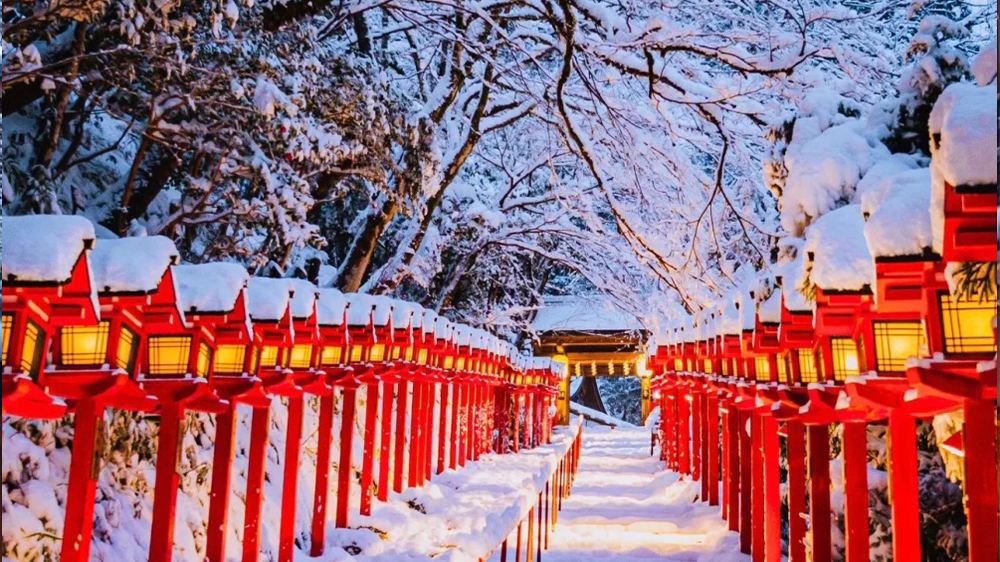
▲ ▼Fushimi Inari Taisha Shrine (approximately 70 minutes) Fushimi Inari Taisha, renowned for its thousand torii gates, attracts countless visitors from both Japan and abroad each year. For three consecutive years, it has been ranked the top destination for foreigners in Japan by a major global travel website. Let's pray for ourselves and our loved ones here. In addition, the ema at Fushimi Inari Taisha Shrine is also unique. It is in the shape of a white fox and you can use your imagination to doodle various expressions.

▲ Ninenzaka and Sannenzaka, located just outside Kiyomizu-dera Temple, are uniquely Kyoto-style slopes designated as an Important Traditional Buildings Preservation Area. Flanking the slopes are charming, ancient Japanese buildings, offering a rich and vibrant atmosphere. The area is also home to a dazzling array of delicious food, paper fans, dolls, chopsticks, and other handicrafts.
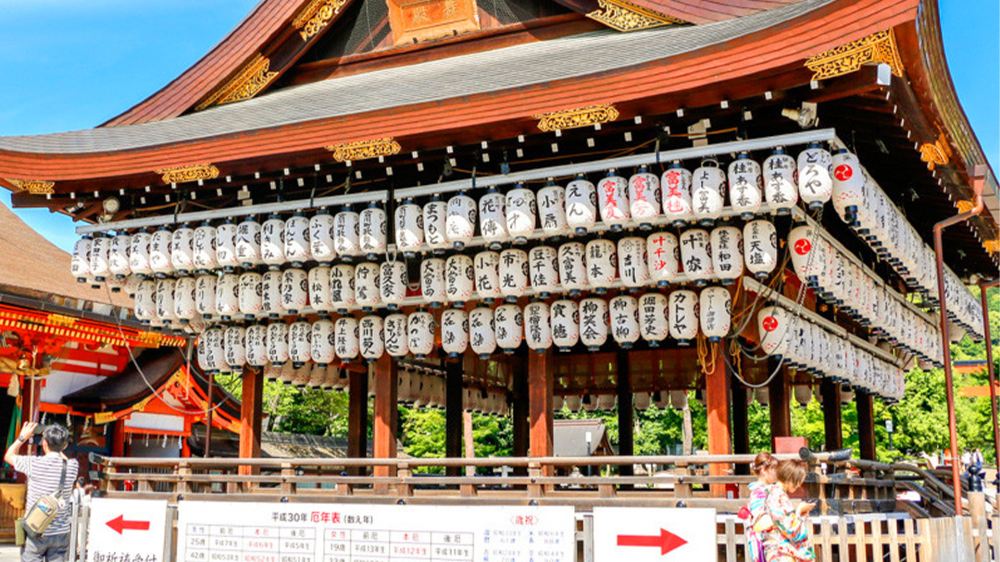
▲ Yasaka Shrine, located in Higashiyama District, Kyoto, is one of the most famous and historic shrines in the Kansai region. There are dedicated areas for fortune-telling, writing ema (card game), and obtaining amulets. The ema designs are diverse, and heart-shaped ema (card game) for love are particularly popular.