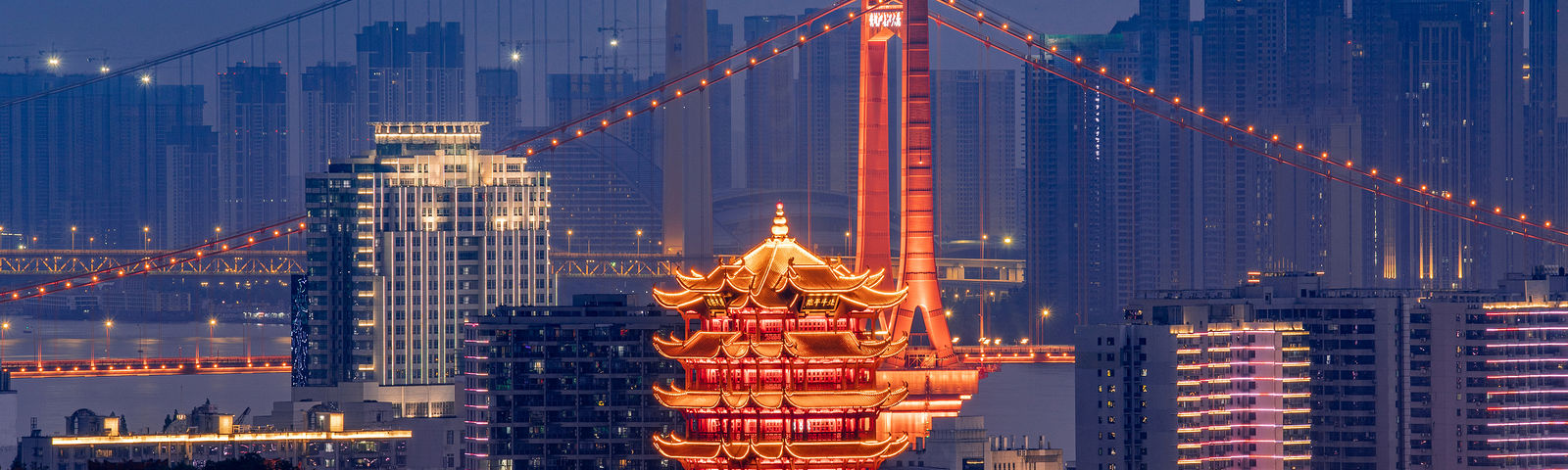
Top picks for Wuhan Day tours
Discover 47 Day tours in Wuhan on Trip.com, updated February 14, 2026, with experiences lasting from 1 to 9 hours. Find the perfect adventure for your day!
From RUB 2,232.78 per person, with an average total of RUB 8,346.53. Choose the option that suits your plan.
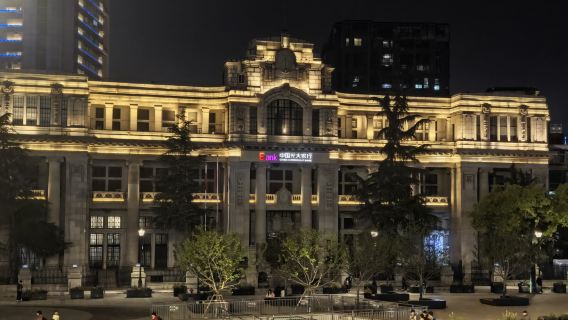
Now on Trip.com: "Wuhan Night Walking Tour: Night Expedition in Wuhan's "Oriental Chicago"", a 1-hour adventure in Wuhan!
The next available day tour departs on February 15, 2026. Book now to secure your spot!
Wuhan Day tours usually take about 1 hours — perfect for a relaxed, immersive experience!
100% of Wuhan Day tours now offer English-speaking guides
February is perfect for visiting Wuhan! Choose from Day tours available day tours, including seasonal hits like Wuhan Night Walking Tour: Night Expedition in Wuhan's "Oriental Chicago".
Your trip, worry-free! All day tours are run by licensed suppliers with verified reviews, and many include free cancellation before departure.
47 results for Wuhan Day tours
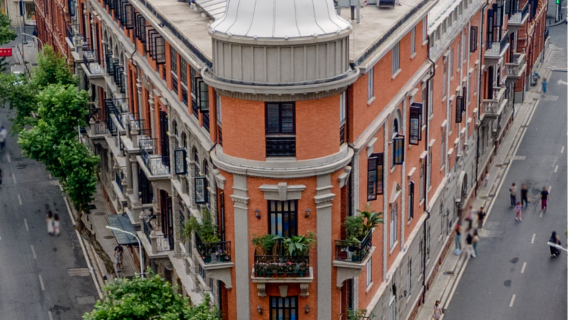
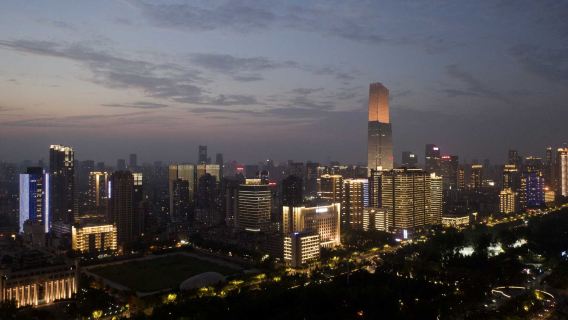 Wuhan's "Chabazi (talkaholic) " shares time-honored tales of old streets, alleys, and houses with youFree cancellationDuration: 1.9 hrsFromRUB 3,445.80
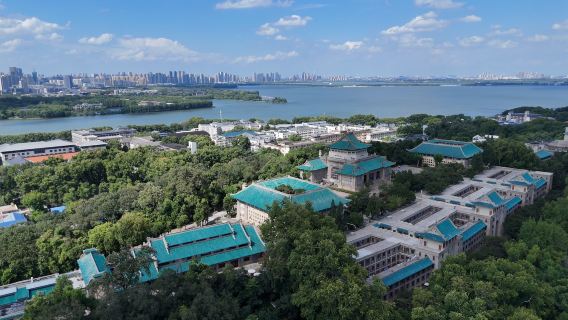
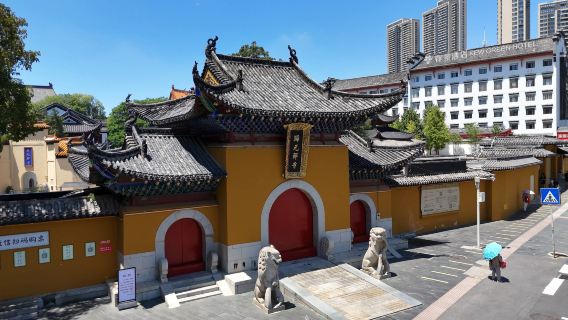 Licensed English guides lead visits to Qingchuan Pavilion (Yangtze views, Chu-style architecture) & Guiyuan Temple (Buddhist art, 500 arhats).Free cancellationDuration: 5.3 hrsFromRUB 7,039.92
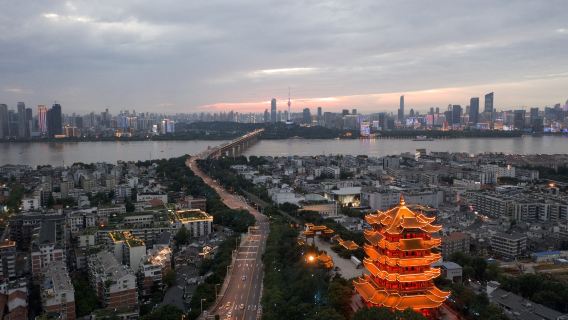
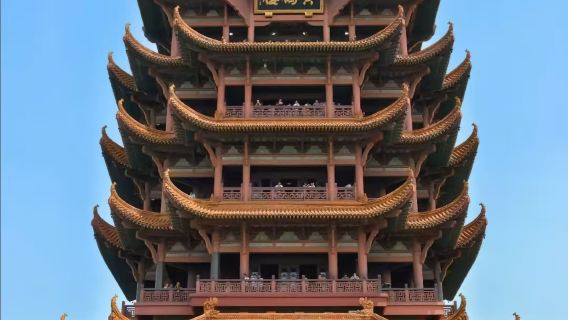 Visit the Yellow Crane Tower and experience ancient charm amidst its upturned eaves and bracket sets.Free cancellationDuration: 8 hrsFromRUB 12,743.08
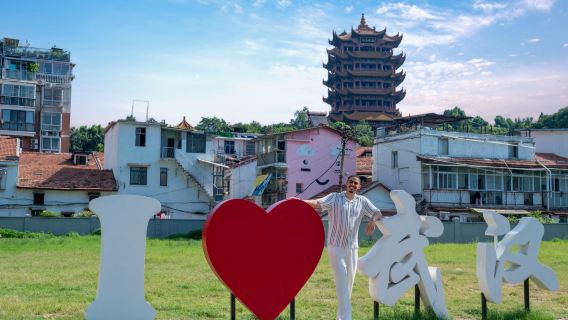 Direct transfer from the airport to the Yellow Crane Tower: Saves time, hassle-free, and won't make you miss your connection.Free cancellationDuration: 2 hrsFromRUB 6,943.52
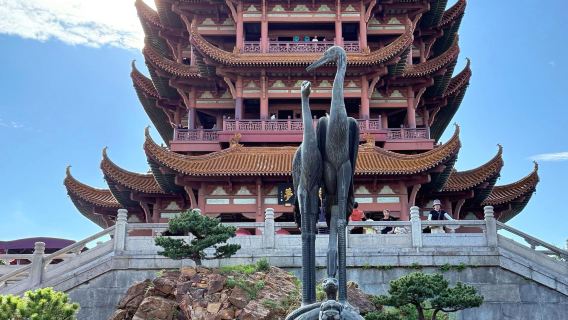 Chinese, English, and other language guide services available - round-trip transfers - optional tour guideDuration: 7 hrsFromRUB 12,743.08
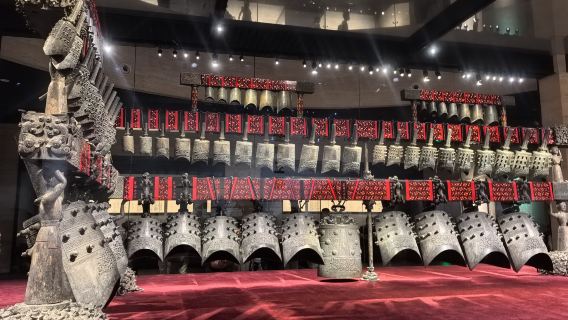 Guided Convenience: Licensed English-speaking guides curate a seamless journey.Free cancellationDuration: 7 hrsFromRUB 18,292.69
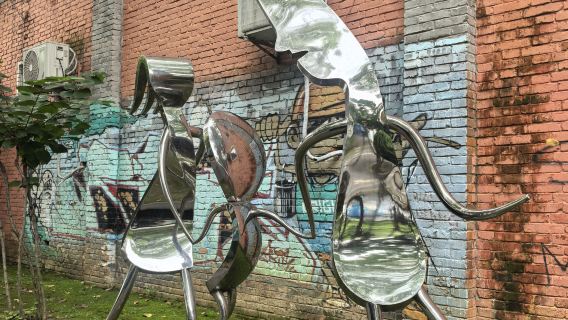 Unique night route: air-raid shelter stories, Yangtze Bridge views, Hanyangzao Art District (industrial history + photo spots).Free cancellationDuration: 2 hrsFromRUB 5,543.24
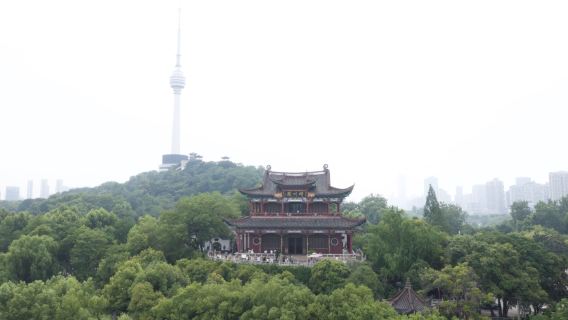 Certified English guides fully escort: Explore Yellow Crane Tower , Yangtze River Bridge , & Qingchuan Pavilion with legend-unveiling commentaryFree cancellationDuration: 3.8 hrsFromRUB 5,853.66
 [Premium Service] Thoughtful 24-hour customer support, dedicated to serving every client with prompt issue resolution for a worry-free tripFree cancellationDuration: 2 hrsFromRUB 8,847.01
 Licensed English guides lead 11h trips, weaving 3,000-yr Chu culture through Yellow Crane Tower, East Lake & Hankow.Free cancellationDuration: 9.7 hrsFromRUB 24,390.25
 FromRUB 4,036.29
 FromRUB 8,163.27
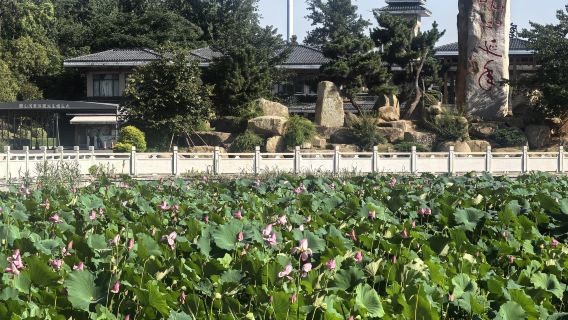 Duration: 3.5 hrsFromRUB 7,925.18
 FromRUB 9,637.19





Frequently asked questions about Wuhan Day tours
How many Day tours are available in Wuhan on Trip.com?
What are the best Day tours in Wuhan?
What are the top-rated Day tours in Wuhan?
What are the recommended itineraries in Wuhan?
How can I contact Trip.com customer support?
Can I change or cancel my booking?
How can I get discounted prices?
Trip.com Picks
Popular Products
Popular Activities
More Popular Destinations
About






of the year 2025



Site Operator: Trip.com Travel Singapore Pte. Ltd.