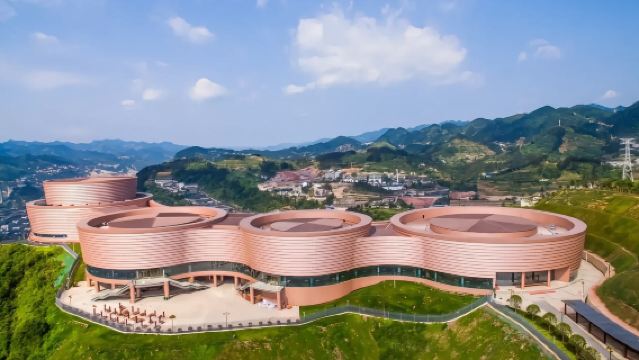
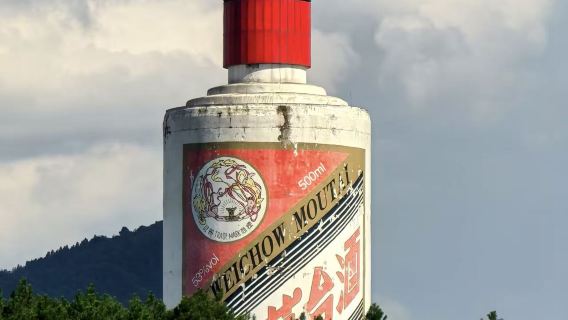
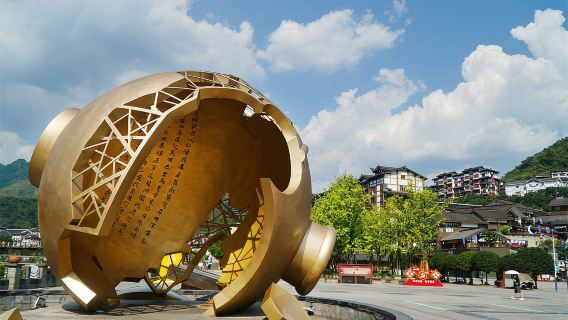
▲ The core production area of Chinese sauce-flavored liquor, where the air is filled with the aroma of wine, nurturing the millennia-old liquor town of Moutai. Leveraging the brewing advantages of the Chishui River, it is the heart of the "Chinese Liquor Capital," integrating liquor-making history, wine culture, and ancient town charm. With the sauce-flavored liquor industry at its soul, this distinctive cultural ancient town offers visits to distilleries and hands-on experiences of traditional brewing techniques.
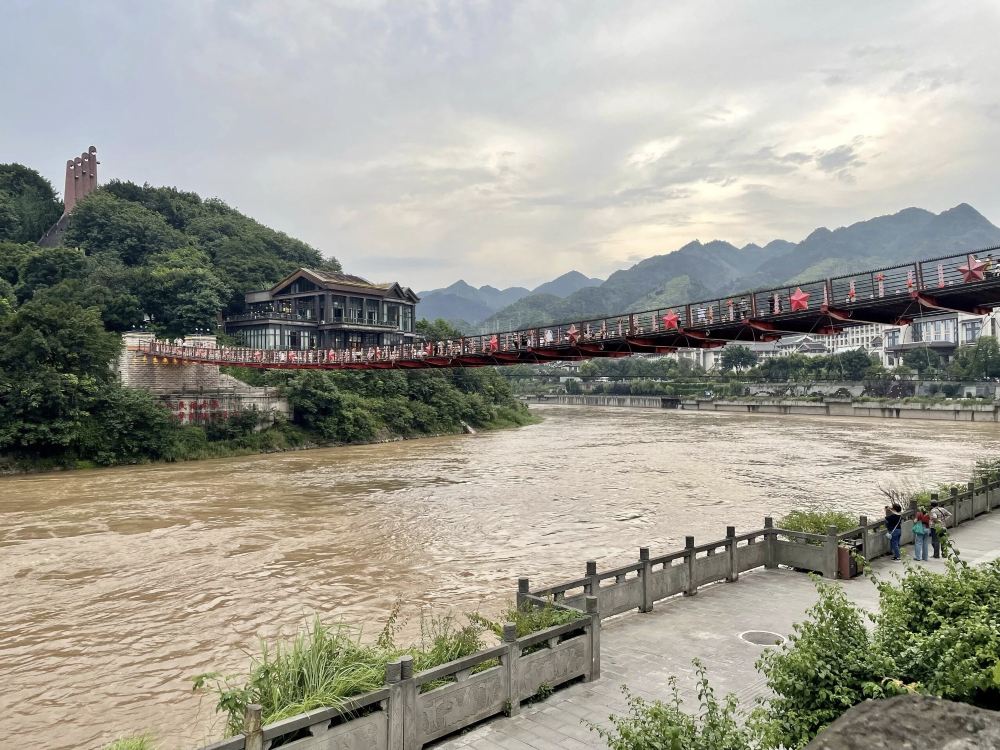
▲ ["Tracing the Red Footsteps, Reliving the Glorious Years"] Along the meandering Chishui River lies a small town where the aroma of liquor has lingered for millennia, and the spirit of revolution once stained its paths—this is Maotai Town. Not only is it the birthplace of the renowned soy-sauce aroma liquor, but also a red land tempered by the flames of revolution. Here, history is never distant, and the echoes of heroes still whisper along the bridges and riverbanks. Stepping into Maotai Town is like embarking on a timeless journey through the red legacy.
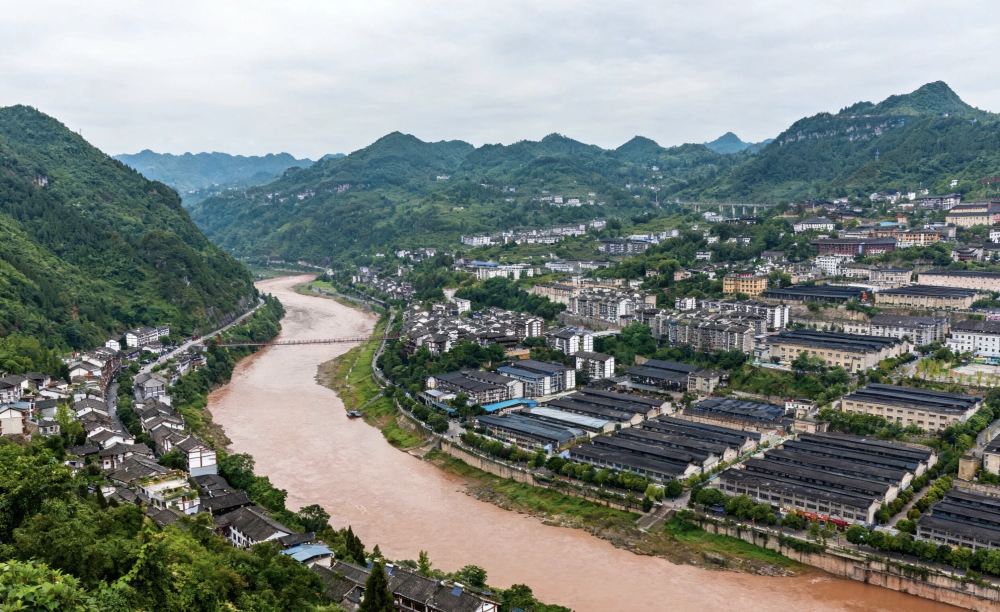
▲ ["Prospering in the Tang and Song Dynasties · A Hub of Merchants and Sichuan Salt Trade"] Since the Tang and Song dynasties, Guizhou lacked salt, leading to the import of Sichuan salt via the Chishui River, which became a golden waterway. During the Qianlong era of the Qing Dynasty, with the dredging of the river, Maotai Town emerged as one of the four major ports for Sichuan salt entering Guizhou. "Sichuan salt flowed into Guizhou, and Shaanxi merchants gathered in Maotai," with merchant groups converging, boats coming and going, and taverns lining the streets. Liquor was not only a fine drink to ward off cold and dampness but also a "liquid currency" for trading goods. Amid the bustling commerce, the aroma of liquor mingled with that of salt, quietly brewing Maotai Town's legend of "liquor thriving through trade, and trade flourishing through liquor."