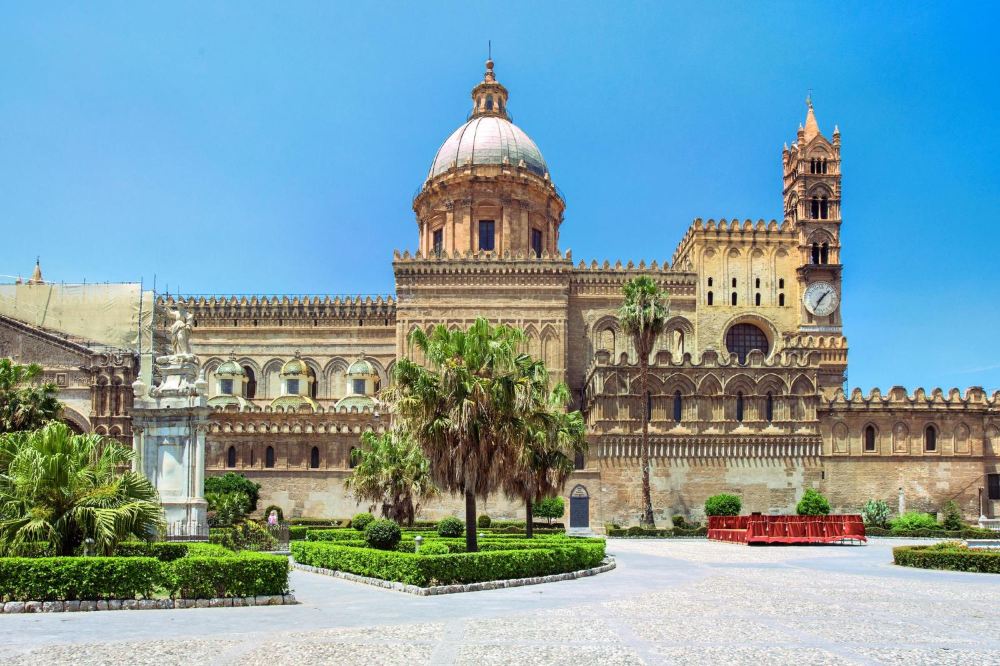
▲ Palermo Cathedral, construction of which began in 1184, combines various architectural styles including Gothic and Spanish influences, and was not completed until after the 18th century. Visitors can admire the Gothic double-layered pointed arch windows and doorways, along with the Catalan-style porticos and columns, all harmoniously integrated. The underground treasury displays an array of exquisite jewelry pieces.
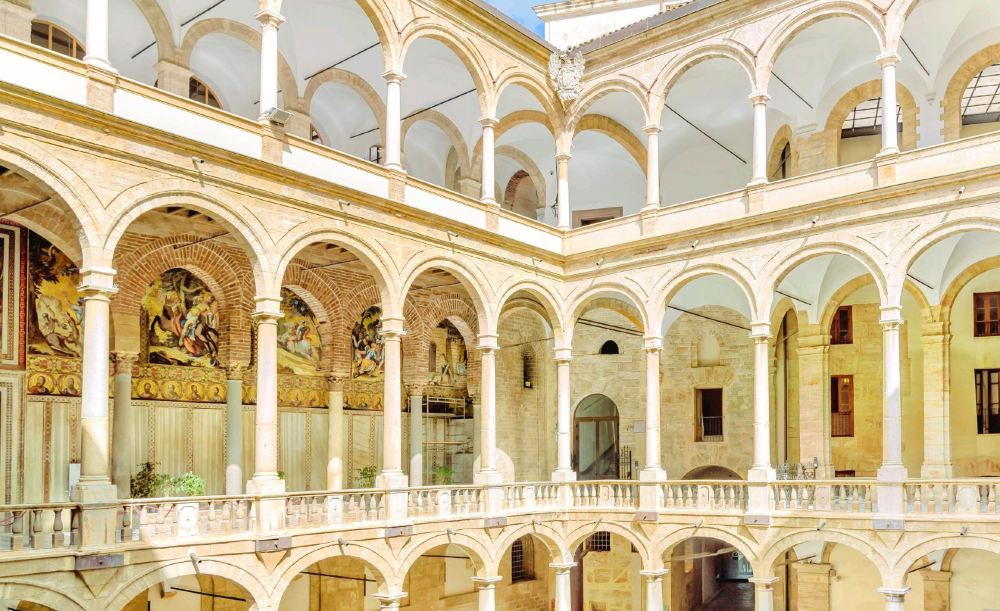
▲ The Norman Palace was built in the 11th century as a modest structure constructed by the Normans on the ruins of ancient Carthaginian and Roman settlements. It later served as the official residence for successive rulers of Sicily. On the second floor of the palace lies the Palatine Chapel, built in 1130 in Byzantine style. Adorned with gold-leaf mosaics and stained glass, the chapel dazzles with golden splendor while depicting biblical stories through rare artistic elements seldom seen in Italy. The wooden muqarnas on the ceiling represent a masterpiece of honeycomb carving.
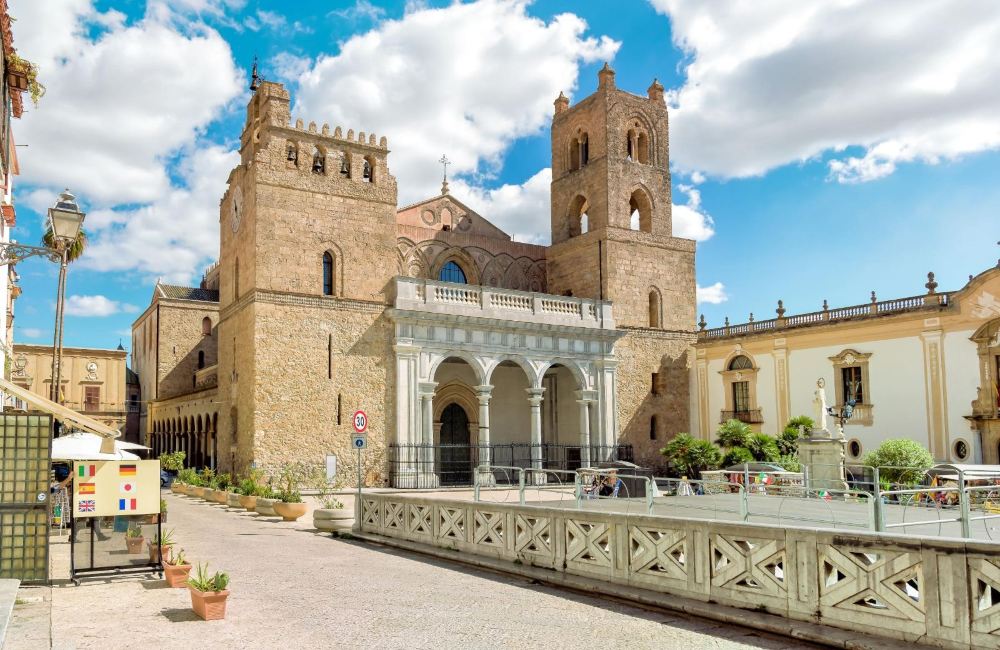
▲ Located in the town of Monreale near Palermo, Sicily, Italy, the Cattedrale di Monreale is a UNESCO World Heritage Site and an outstanding representative of medieval architectural art. Its architectural style blends Byzantine, Arab, and Norman elements, featuring a Byzantine-style cruciform layout with a solemn and rustic exterior built from pale yellow limestone. Four massive towers stand at the corners of the cathedral, exuding an imposing grandeur. Inside the cathedral, visitors are awestruck by the golden mosaic artworks covering the entire dome and walls, spanning a total area of 6,300 square meters. These mosaics depict biblical stories, from Genesis to the Last Judgment, with lifelike figures and a radiant golden background that creates a sacred and solemn atmosphere under the light.
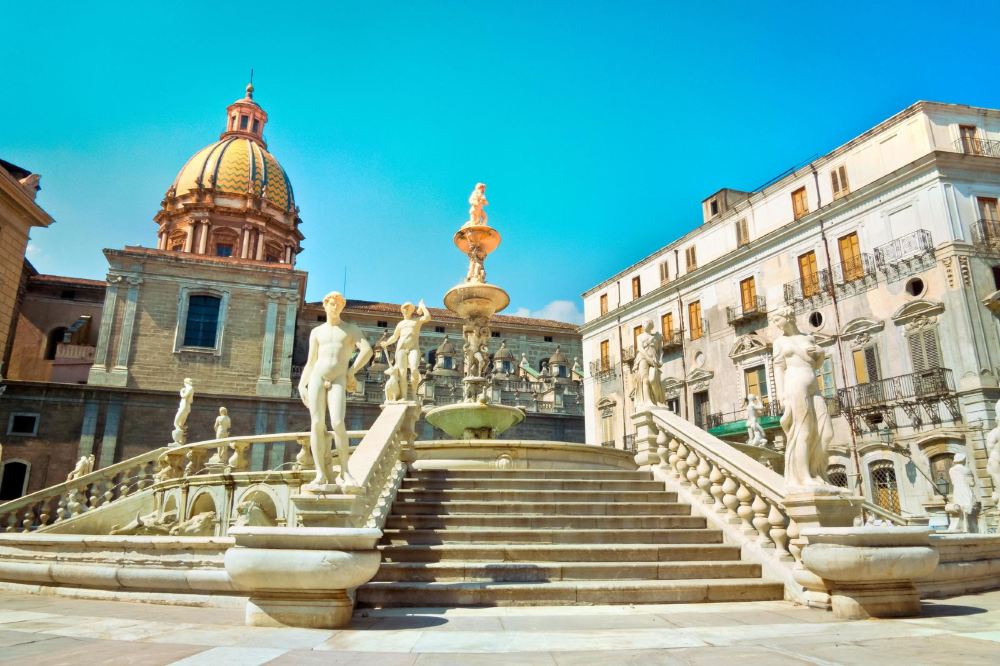
▲ Piazza Pretoria is located in the heart of Palermo, Sicily, Italy, and is a site brimming with historical and artistic charm. The square is renowned for its centerpiece, The Praetorian Fountain, designed by sculptor Francesco Camilliani in the 16th century. This fountain features numerous exquisite marble statues, including mythological figures and animals, with remarkably lifelike details. Surrounding the square are several significant buildings, such as Palermo City Hall and the Church of San Cataldo, where visitors can immerse themselves in a rich historical atmosphere. Piazza Pretoria is also known as the "Square of Shame," a nickname derived from the nude figures in the fountain's statues, adding a unique allure to the site. The square boasts an excellent location, within walking distance of attractions like Palermo Cathedral and Quattro Canti.
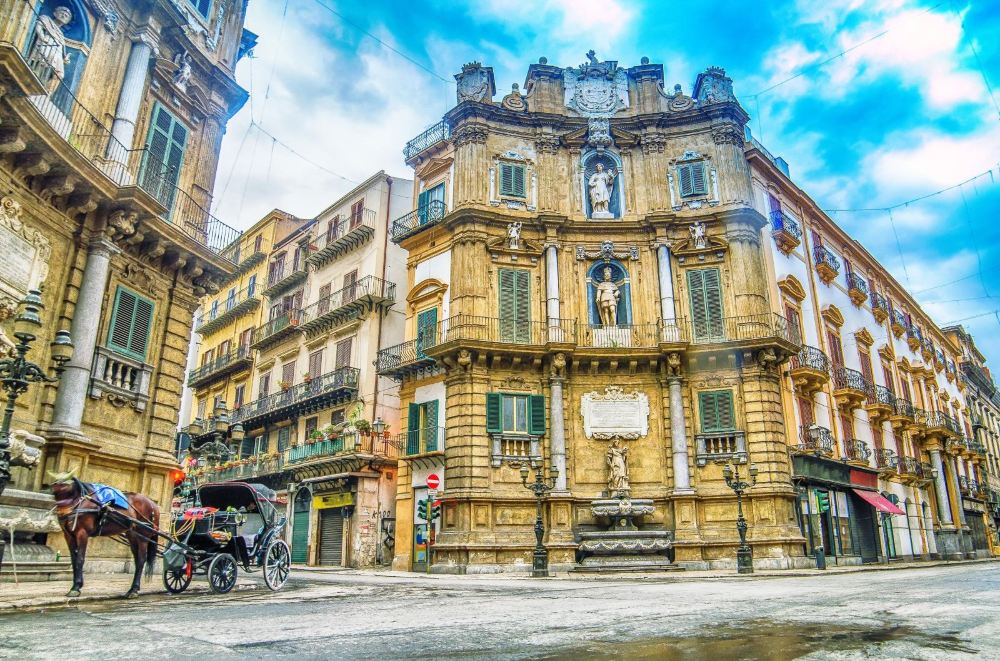
▲ Quattro Canti is the center of Palermo's old town, located at the intersection of Via Emanuele and Via Maqueda, dividing the historic landmarks of the old town into four districts. The four corners of the intersection feature semicircular Baroque facades, each with three levels: from bottom to top, they display fountain sculptures representing the four seasons, the four Spanish kings of Sicily, and the four patron saints of Palermo.