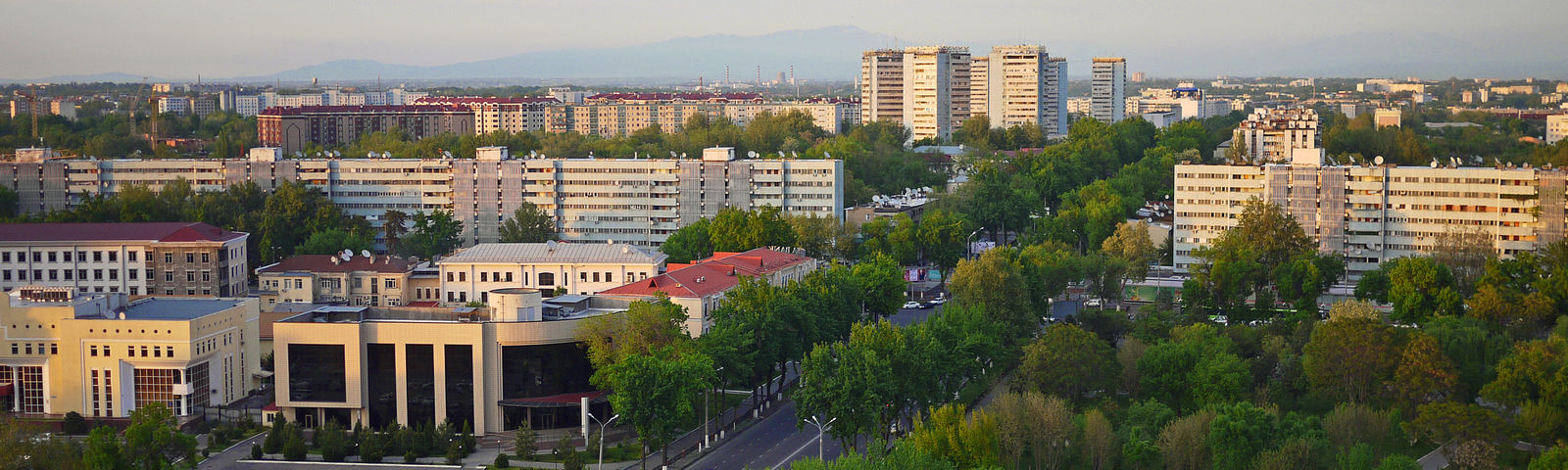
Top picks for Tashkent
Search attractions or local attractions & tours
Attractions & Tours category
Top Picks
Book now for today
Book now for tomorrow
3919 results for Tashkent
Sort by
Recommended


 5.0/5· 2 reviews
 5.0/5· 3 reviews
 5.0/5· 1 review
 FromPKR 4,269.28
 5.0/5· 1 review

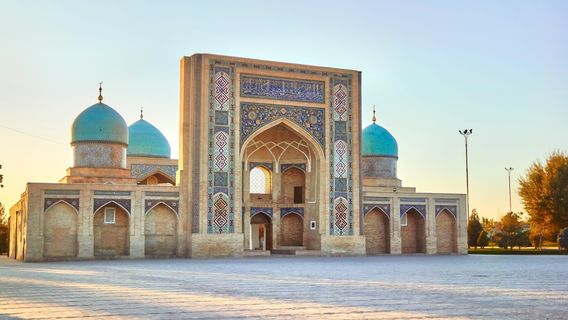
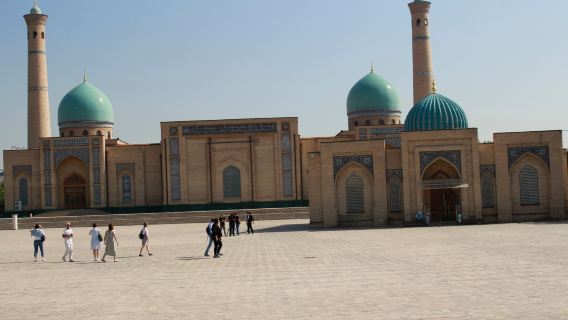
Minor Mosque
3.7 5.0/5· 1 review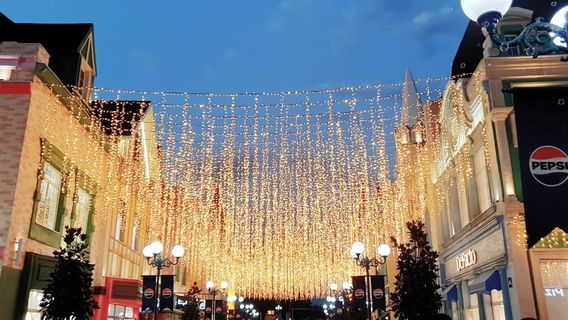
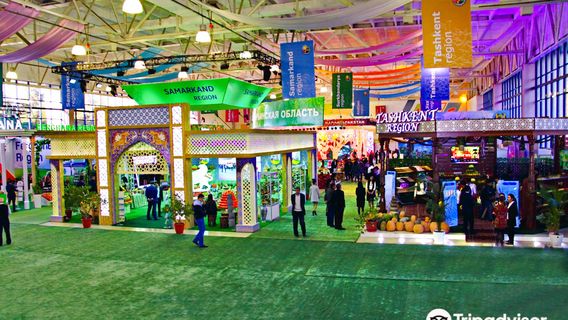
Uzexpocentre
3.24.0/5· 7 reviews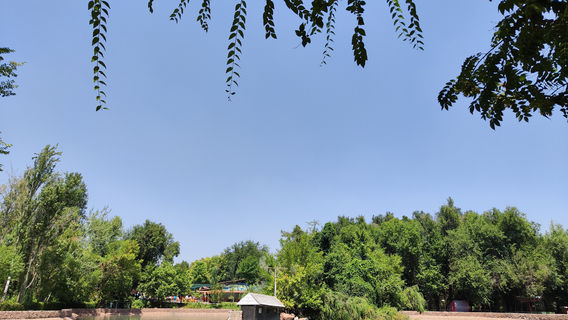
Tashkent Zoo
3.23.0/5· 2 reviews




1
2
3
4
5
6
196
Frequently asked questions about Tashkent
How many are available in Tashkent on Trip.com?
What are the best in Tashkent?
What are the top-rated in Tashkent?
What are the recommended itineraries in Tashkent?
How can I contact Trip.com customer support?
Can I change or cancel my booking?
How can I get discounted prices?
Reviews/Trip Moments
★
★
★
★
★
Reviews:
Guest User2024-08-03
Maksad is an amazing guide, very knowledgable and skilled and made Bukhara come alive for us. She was also accommodating when we needed a break and we enjoyed our day with her. Highly recommend for tourists to get the most out of your trip. Once you have a sense of history, you can always go back to to some of these sites and explore them. ★
★
★
★
★
Reviews: All in One Day Tour of Samarkand from Tashkent
Guest User2025-11-23
Exceptional experience with a top notch tour company, guide and driver. We really had an amazing time in Samarkand!!!!★
★
★
★
★
Reviews: Best of Bukhara: All Day Private Old Town Tour
Guest User2024-09-24
This was a nice walking tour with the knowledgeable and pleasant tour guide “Sunny”. I can certainly highly recommend.Trip.com Picks
Popular Products
Popular activities
More Popular Destinations
Tawau Division ClassesSapa JR PassHa Long Cultural ExperienceNha Trang DivingPhu Quoc Island ClassesTottori Prefecture JR PassHakone ClassesHakone JR PassMiyazu Costume ExperienceSeville Cultural Experience
Kunming Yunnan Ethnic Village Half Day Private Tour Lunar New Year availability for RealNZ Milford Sound / Piopiotahi 1-day tour cruise · Round-trip from Queenstown to Te AnauPrivate Dongchuan Red Land Adventure from Kunming – Witness Nature's MasterpieceAppenzell Day Tour in Switzerland|Chocolate factory and cheese workshop tour with tasting1-day tour to Rhine Falls and Appenzell in Switzerland|Chocolate factory and cheese workshop tour with tastingMunich private charter day tour: Olympiapark München + BMW Museum + New Town HallFrom Tbilisi Kakheti Region Signaghi Bodbe Group Guided TourHalong Bay Luxury Cruise With Buffet Lunch Full-day Tour From HanoiNanjing Day Tour/Guide/Chinese/English/Russian Itinerary Adjustable 4-Hour Guide ServiceBatu Caves & Genting Highlands Day Tour – A Journey of Wonders & Hidden EscapesThings to do in JilinThings to do in SeogwipoThings to do in AtlantaThings to do in SapaThings to do in Hoa Lu DistrictThings to do in Palma de MallorcaThings to do in GoremeThings to do in HurghadaThings to do in GuangzhouThings to do in JohorThings to do in GuilinThings to do in IndonesiaThings to do in DalatThings to do in Da NangThings to do in ChinaAbout
Payment methods


Our partners




Contact Center
of the year 2025
of the year 2025



Trip.com is part of Trip.com Group Limited, one of the world's leading providers of travel services.
Copyright © 2025 Trip.com Travel Singapore Pte. Ltd. All rights reserved
Site Operator: Trip.com Travel Singapore Pte. Ltd.
Site Operator: Trip.com Travel Singapore Pte. Ltd.