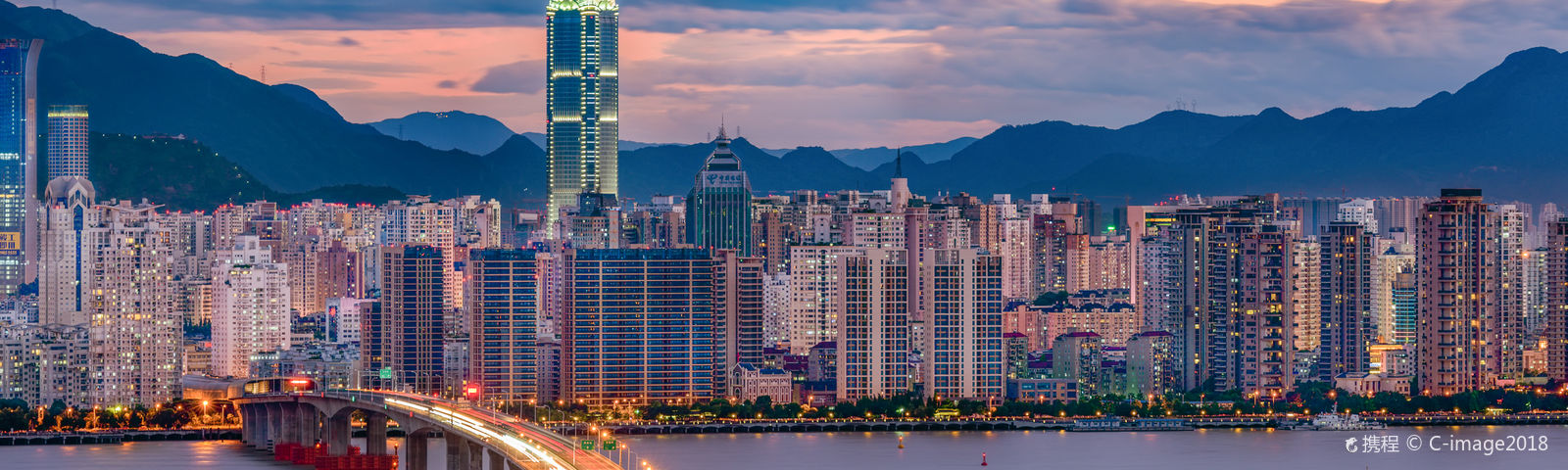
Top picks for Wenzhou Experiences
Discover 5 Experiences in Wenzhou on Trip.com, updated February 19, 2026, with experiences lasting from 1 to 9 hours. Find the perfect adventure for your day!
From NZD 24.20 per person, with an average total of NZD 296.54. Choose the option that suits your plan.
With 159 verified reviews, Experiences Wenzhou boast an average rating of 4.9.
This week's most popular Experiences: "Panoramic Helicopter Flight over Iguassu Falls", with 64 reviews and a 4.5 rating.
Now on Trip.com: "Cairns Sunlover Reef Cruises 1-day tour [double reef + Ferris wheel/variety show same style/glass bottom boat/diving and snorkeling/buffet lunch/semi-submarine/helicopter sightseeing]", a 4-hour adventure in Wenzhou!
The next available day tour departs on February 20, 2026. Book now to secure your spot!
Wenzhou Experiences usually take about 4 hours — perfect for a relaxed, immersive experience!
79% of Wenzhou Experiences now offer English-speaking guides
February is perfect for visiting Wenzhou! Choose from Experiences available day tours, including seasonal hits like Panoramic Helicopter Flight over Iguassu Falls.
Your trip, worry-free! All day tours are run by licensed suppliers with verified reviews, and many include free cancellation before departure.
5 results for Wenzhou Experiences
 The Amazing Sunbird International Circus guarantees family fun! Thrilling high-altitude stunts will have you screaming with excitement, adorable animal interactions will melt your heart, plus enjoy parent-child activities like circus face painting and magic balloon art.Free cancellationDuration: 1 hrFromNZD 43.56
![[Hangzhou Details] Urgent Guide Requests for Hangzhou - In-depth Live Guide Services for West Lake, Leifeng Tower, Lingyin Temple, Songcheng and Surrounding Areas](https://ak-d.tripcdn.com/images/0353s12000kxav4em6FB3_C_568_320.jpg?_fr=wc) In-depth 1-3 hr guided tourBook now for today8% offLimited-time saleFromNZD 204.91NZD 222.73
In-depth 1-3 hr guided tourBook now for today8% offLimited-time saleFromNZD 204.91NZD 222.73![Wenzhou Travel Photography[Driver and guide + travel photography + wedding photos, aerial photography, micro-film + makeup and clothing + itinerary customization ]](https://ak-d.tripcdn.com/images/0351n12000n6ud41y784E_C_568_320.jpg?_fr=wc) Director and Travel PhotographerInstant confirmationBook now for todayEnglish5.0/5Excellent· 2 reviewsFromNZD 322.64
Director and Travel PhotographerInstant confirmationBook now for todayEnglish5.0/5Excellent· 2 reviewsFromNZD 322.64![[Urgent Guide Service in Lishui] Last-minute guide requests welcome for in-depth live guide services at Xiandu, Guyuan Painting Village, Yunhe Terraces, Songyang, and surrounding areas.](https://ak-d.tripcdn.com/images/0356z12000kxf1jitE27E_C_568_320.jpg?_fr=wc) 8% offLimited-time saleFromNZD 204.91NZD 222.73
8% offLimited-time saleFromNZD 204.91NZD 222.73![Cairns Reef Magic 1-day tour [Reef Magic/Helicopter/Scuba Diving/Includes Buffet Lunch/Unlimited Snorkeling]](https://ak-d.tripcdn.com/images//0583g12000nfvu0ky1E25_C_568_320.jpg?_fr=wc) 166 travelers savedFree cancellationEnglish4.7/5Very good· 25 reviews· 578 bookedFromNZD 314.57
166 travelers savedFree cancellationEnglish4.7/5Very good· 25 reviews· 578 bookedFromNZD 314.57![Cairns Sunlover Reef Cruises 1-day tour [double reef + Ferris wheel/variety show same style/glass bottom boat/diving and snorkeling/buffet lunch/semi-submarine/helicopter sightseeing]](https://ak-d.tripcdn.com/images/0353l12000pbtagkyB4CA_C_568_320.jpg?_fr=wc) 86 travelers savedFree cancellationDuration: 4 hrs4.8/5Very good· 16 reviews· 339 bookedFromNZD 302.23
86 travelers savedFree cancellationDuration: 4 hrs4.8/5Very good· 16 reviews· 339 bookedFromNZD 302.23![[Current Ou Details] Wenzhou city guide available for urgent requests. In-depth guide services for Yandang Mountain, Jiangxin Islet, Baizhangji Waterfall, and Nanxi River surrounding areas.](https://ak-d.tripcdn.com/images/0351l12000lncgqs24F9A_C_568_320.jpg?_fr=wc) In-depth guided tour lasting 1-3 hoursBook now for today8% offLimited-time saleFromNZD 182.14NZD 197.98
In-depth guided tour lasting 1-3 hoursBook now for today8% offLimited-time saleFromNZD 182.14NZD 197.98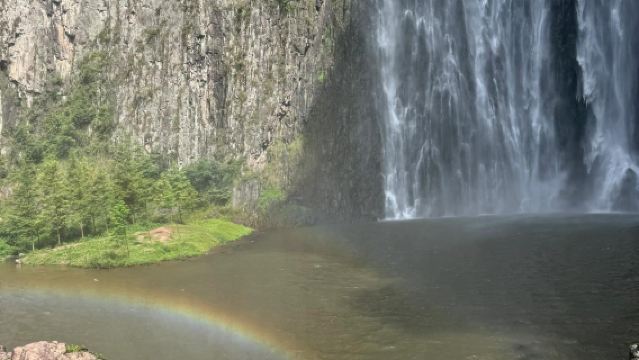 English and other language guide services available - round-trip transfers - optional tour guideDuration: 9 hrsFromNZD 450.19
![Wenzhou Travel Photography[Wedding photo micro-movie aerial photography/wedding follow-up photography/makeup and clothing/charter tour guide customization]](https://ak-d.tripcdn.com/images/0352112000ijzllewFB30_C_568_320.jpg?_fr=wc) Driver and guide, aerial photography + itinerary customizationInstant confirmationBook now for todayEnglishFromNZD 53.78
Driver and guide, aerial photography + itinerary customizationInstant confirmationBook now for todayEnglishFromNZD 53.78![Cairns Silver Swift Great Barrier Reef Luxury Cruise [Agincourt Reef/Snorkeling/Semi-submarine/Onboard Lunch/Optional Scuba Diving/Seawalker/Helicopter/Hotel Transfer]](https://ak-d.tripcdn.com/images/0356w12000p8ke40o5B27_C_568_320.jpg?_fr=wc) SpongeBob Collaboration · Great Barrier Reef Luxury Cruise · Optional TransfersFree cancellationDuration: 6 hrs5.0/5Excellent· 2 reviews· 151 bookedFromNZD 338.77
SpongeBob Collaboration · Great Barrier Reef Luxury Cruise · Optional TransfersFree cancellationDuration: 6 hrs5.0/5Excellent· 2 reviews· 151 bookedFromNZD 338.77![New Zealand Mount Cook Tasman Glacier/Fox Glacier/Franz Josef Glacier Helicopter Tour + Glacier Hike [Professional equipment provided, blue ice cave experience]](https://ak-d.tripcdn.com/images//0586p12000n184j7s11FF_C_568_320.jpg?_fr=wc) Trip.Select
Trip.Select 168 travelers savedFree cancellationDuration: 3–4 hrs5.0/5Excellent· 5 reviews· 304 bookedFromNZD 728.27
 89 travelers savedFree cancellationDuration: 4 hrs4.7/5Very good· 7 reviews· 245 bookedFromNZD 717.40
![Sydney helicopter sightseeing tour [city meeting point transfers/fly over Harbour Bridge and Sydney Opera House + professional commentary + optional shared/private charter]](https://ak-d.tripcdn.com/images//0582u12000n1idfe3377E_C_568_320.jpg?_fr=wc) [Downtown transfers] Free bus service is available from Sydney city meeting points, or you can go to the departure point on your own.Free cancellationEnglish5.0/5Excellent· 7 reviews· 180 bookedFromNZD 256.50
[Downtown transfers] Free bus service is available from Sydney city meeting points, or you can go to the departure point on your own.Free cancellationEnglish5.0/5Excellent· 7 reviews· 180 bookedFromNZD 256.50 Helicopter over the Fox Glacier, overlooking the beautiful scenery of the glacier, ice hiking to look for blue ice and glacier cavesFree cancellationDuration: 4 hrs5.0/5Excellent· 3 reviews· 91 bookedFromNZD 717.40
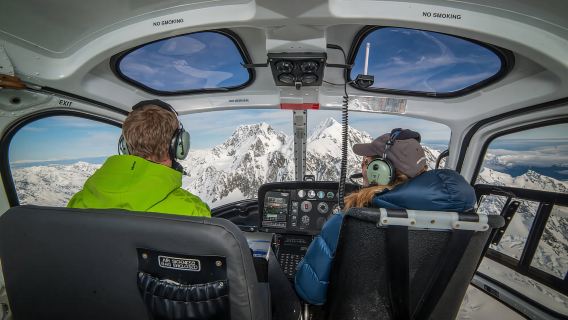 132 travelers savedFree cancellationDuration: 0.5–1 hrs5.0/5Excellent· 2 reviews· 203 bookedFromNZD 367.70
![Helicopter sightseeing at Warner Bros. Movie World on the Gold Coast [5/10/15 min experience + multiple time slots available + scenic coastal/multi-attraction routes]](https://ak-d.tripcdn.com/images//0582k12000p0q61id1644_C_568_320.jpg?_fr=wc) Rich views - Gold Coast boasts stunning coastline scenery, offering breathtaking views of the Gold Coast.English5.0/5Excellent· 3 reviews· 116 bookedFromNZD 111.31
Rich views - Gold Coast boasts stunning coastline scenery, offering breathtaking views of the Gold Coast.English5.0/5Excellent· 3 reviews· 116 bookedFromNZD 111.31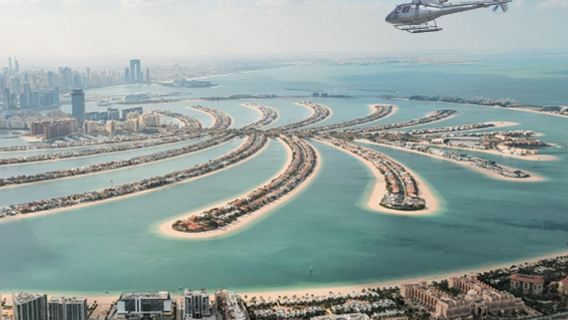 See Dubai from a helicopter, 360-degree views of the Burj Khalifa and more, plus full city panoramas.Free cancellationDuration: 6 hrs4.7/5Very good· 3 reviews· 41 bookedFromNZD 315.97
 62 travelers savedEnglish5.0/5Excellent· 1 review· 119 bookedFromNZD 235.38
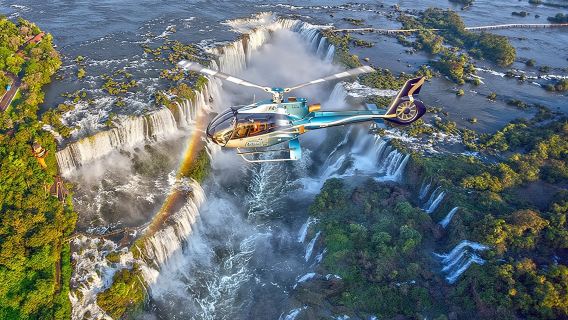 Free cancellationDuration: 10 mins4.5/5Satisfied· 64 reviewsFromNZD 246.23
![Sanya Helicopter Low-Altitude Flight Experience/Haitang Bay Helicopter [Aerial View of Wuzhizhou Island/Atlantis/Haitang Plaza Base]](https://ak-d.tripcdn.com/images/0352w12000j5o9o6nC87D_C_568_320.jpg?_fr=wc) [Unique Experience] Low-altitude helicopter sightseeing tour offering panoramic views of tropical island landscapes;Free cancellationBook now for todayDuration: 1–15 mins5.0/5Excellent· 2 reviews· 44 bookedFromNZD 69.69
[Unique Experience] Low-altitude helicopter sightseeing tour offering panoramic views of tropical island landscapes;Free cancellationBook now for todayDuration: 1–15 mins5.0/5Excellent· 2 reviews· 44 bookedFromNZD 69.69![Cairns Great Barrier Reef Helicopter Sightseeing Tour [30 min/40 min/60 min flight experience + minimum 2 travelers]](https://ak-d.tripcdn.com/images//0583b12000n2jh9w43434_C_568_320.jpg?_fr=wc) Soar above the Great Barrier Reef in a luxury helicopter, enjoying an aerial view of vibrant coral reefs and marine life.Free cancellationDuration: 30 mins5.0/5Excellent· 1 review· 59 bookedFromNZD 499.73
Soar above the Great Barrier Reef in a luxury helicopter, enjoying an aerial view of vibrant coral reefs and marine life.Free cancellationDuration: 30 mins5.0/5Excellent· 1 review· 59 bookedFromNZD 499.73 Certified pilots + rigorously inspected helicopters, detailed safety briefing and operation instructions before boarding, staff assistance throughout the flight, ensuring even beginners can enjoy flying with peace of mindFree cancellationEnglish5.0/5Excellent· 2 reviewsFromNZD 108.65
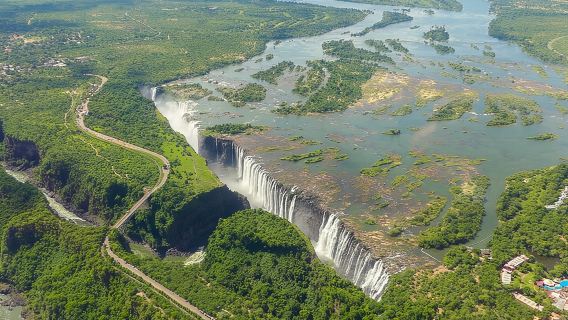 FromNZD 300.74
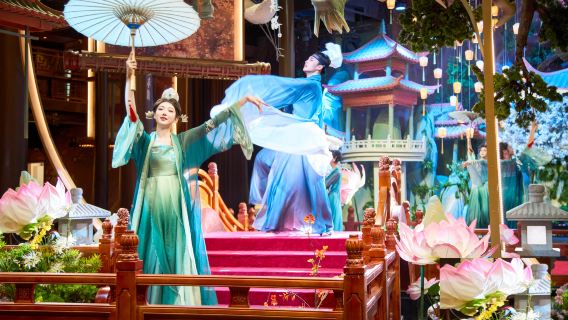 Immersive Ancient-Style Experience: Taizhou Xuyan recreates a Song Dynasty imperial palace inspired by the Northern Song capital Bianjing and Taizhou's history, where guests feel like attending an emperor's grand banquet.Free cancellationBook now for todayDuration: 4 hrsFromNZD 24.20
Explore top experiences
See what other travelers love, based on ratings and bookings
Frequently asked questions about Wenzhou Experiences
How many Experiences are available in Wenzhou on Trip.com?
What are the best Experiences in Wenzhou?
What are the top-rated Experiences in Wenzhou?
How can I contact Trip.com customer support?
Can I change or cancel my booking?
How can I get discounted prices?
Reviews/Trip Moments
Trip.com Picks
Popular Products
Popular Activities
More Popular Destinations
About






of the year 2025



Site Operator: Trip.com Travel Singapore Pte. Ltd.