China is a mountainous country.
The most famous ones are the "Three Mountains" - Huangshan City in Anhui Province, Lushan Mountain in Jiangxi Province, and Yandang Mountain in Zhejiang Province, as well as the "Five Great Mountains" - Mount Tai (Eastern Great Mountain), Mount Heng (Southern Great Mountain), Mount Hua (Western Great Mountain), Mount Heng (Northern Great Mountain), and Mount Song (Central Great Mountain).
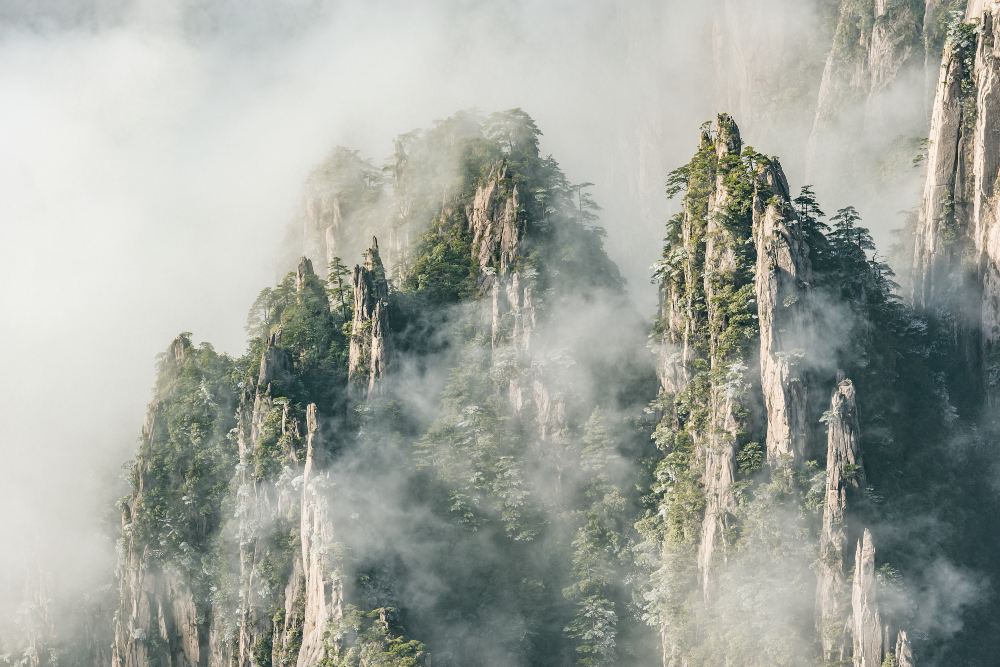
Huangshan City is one of the "Three Mountains," a famous peak towering in southern Anhui Province.
It consists of 72 peaks, with the highest being Lianhua Peak at an elevation of 1,860 meters.
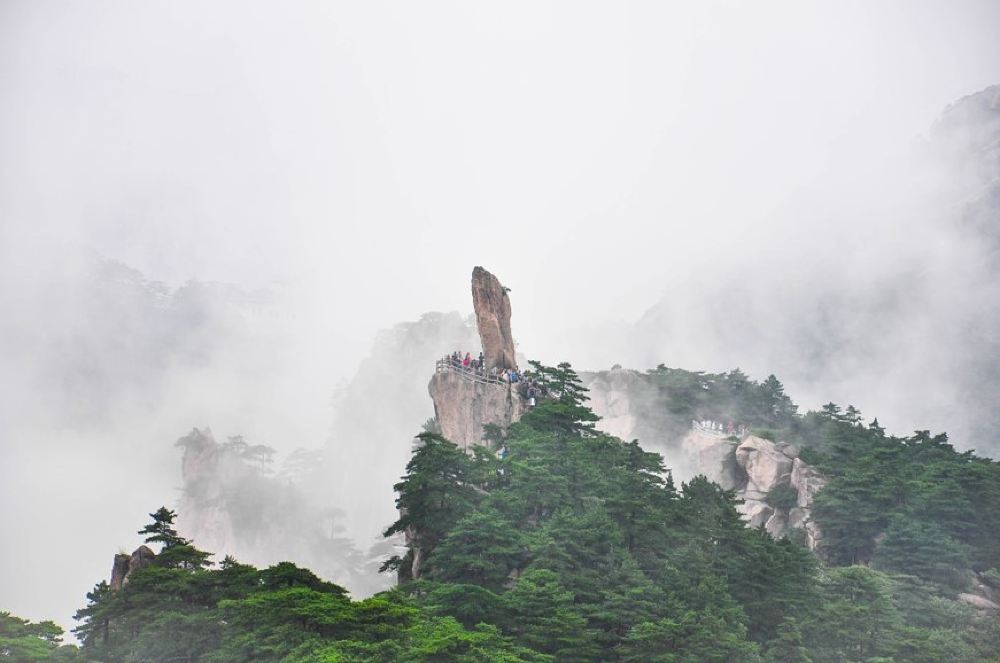
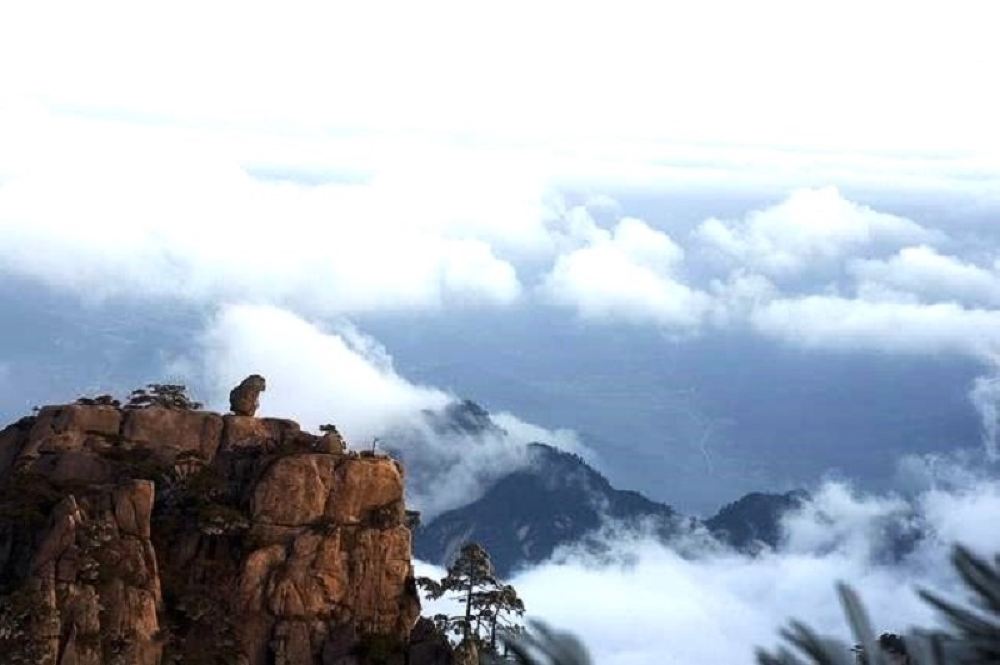
Towering peaks stand in rows, with pine trees growing on their rugged surfaces, all enveloped by a sea of clouds, creating a truly fantastical landscape.
The Ming Dynasty traveler Xu Xiake's famous saying, "After returning from the Five Great Mountains, no other mountains are worth seeing; after returning from Huangshan City, even the Five Great Mountains are not worth seeing," is still frequently quoted today.
The most outstanding features of Huangshan City are collectively known as the "Four Wonders of Huangshan": the uniquely shaped pines, the bizarre rocks, the sea of clouds, and the hot springs. The scenery transforms beautifully with the changing seasons.
It was registered as a "World Cultural and Natural Heritage" site in 1990.

Tunxi (Tonkei)
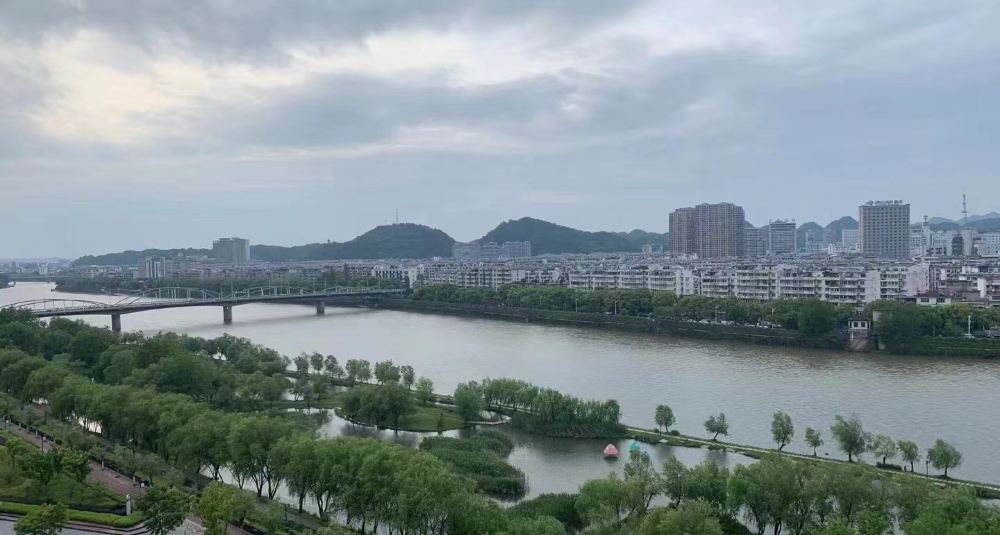
A town at the southern foot of Huangshan City.
The mountainous area has limited farmland but flourished through the tea trade in Huangshan City. It is famous for Maofeng tea, with high-quality leaves harvested at elevations around 800 meters.
Moreover, due to the scarcity of farmland, many people left to work elsewhere as migrant laborers, and merchants who achieved success through Yangzhou's salt trade also emerged.
With the economic power developed through these factors as a backdrop, many scholars gathered, and combined with Anhui Province's long-standing reputation as a famous production area for the Four Treasures of the Study, a unique culture was created.
Old Street (Rōgai)
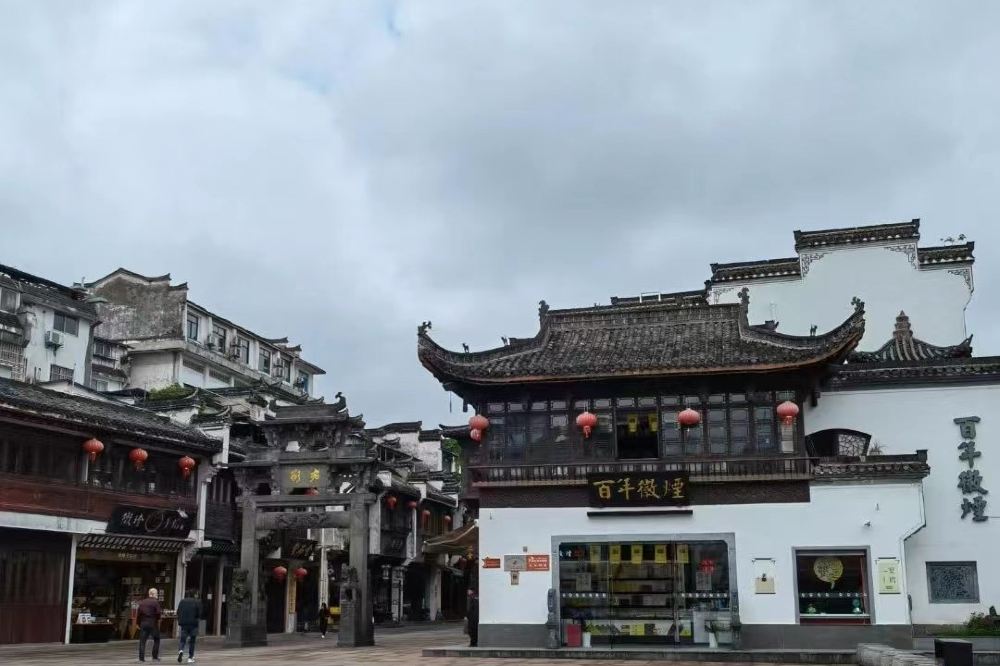
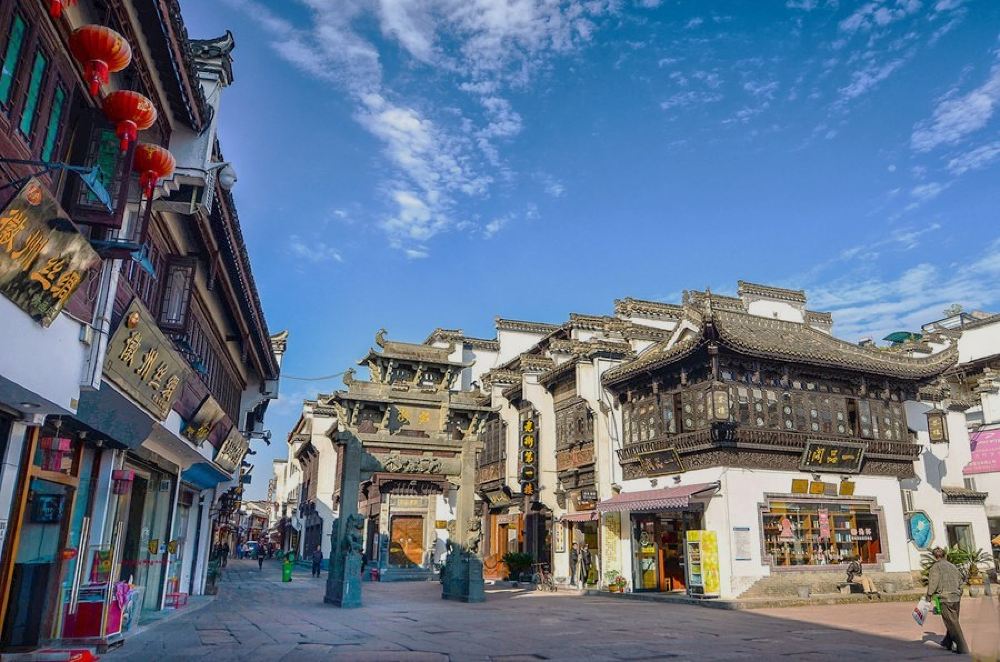
Located in the heart of Tunxi District, the road stretches 1,272 meters in length with a width ranging from 5 to 8 meters.
The stone-paved path is lined with old traditional houses on both sides, featuring white walls and black tiles.
The townhouses have shops on the first floor and residences on the second floor, with approximately 300 of them in total.
Most of the buildings date back to the Ming and Qing dynasties, but they were constructed imitating the architectural style of the much earlier Song Dynasty, hence the area is also called "Song Street." Some original Song Dynasty structures still remain as well.
The items commonly sold in stores include ink sticks, inkstones, and paper from She County, as well as traditional Chinese medicines, dried bamboo shoots and chrysanthemums, and tea.
A place where you can feel the fragrance of culture and the essence of daily life, offering plenty of enjoyment just by looking around.