


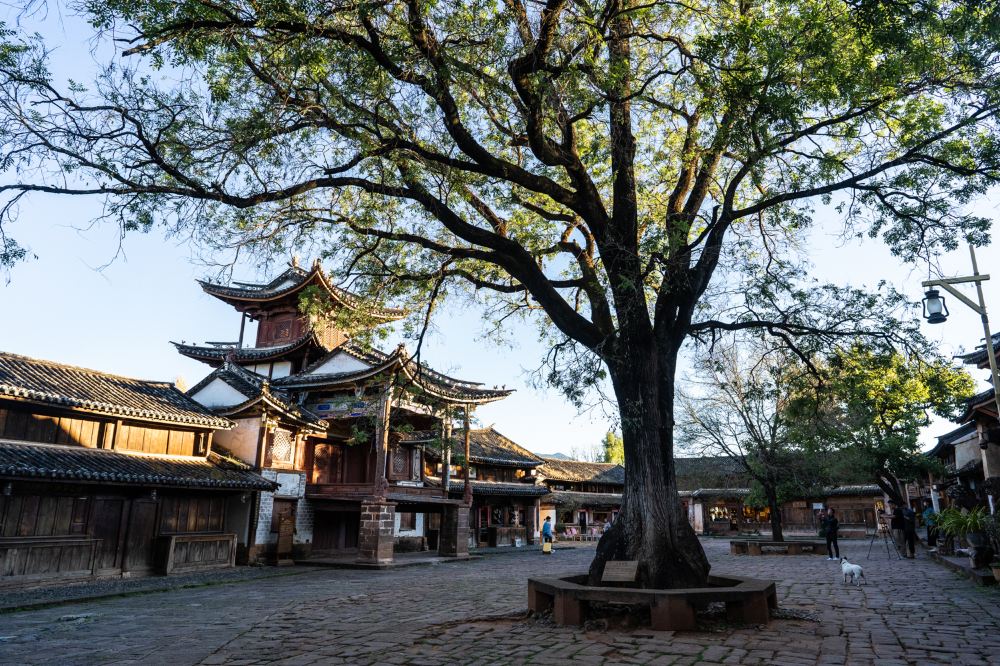
▲ Dali's Shaxi ancient town is a place where you can truly "slow down." Known as "the surviving ancient market on the Tea Horse Road," its charm lies in an unpolished, living antiquity that lets you genuinely touch history and savor moments of tranquil time.
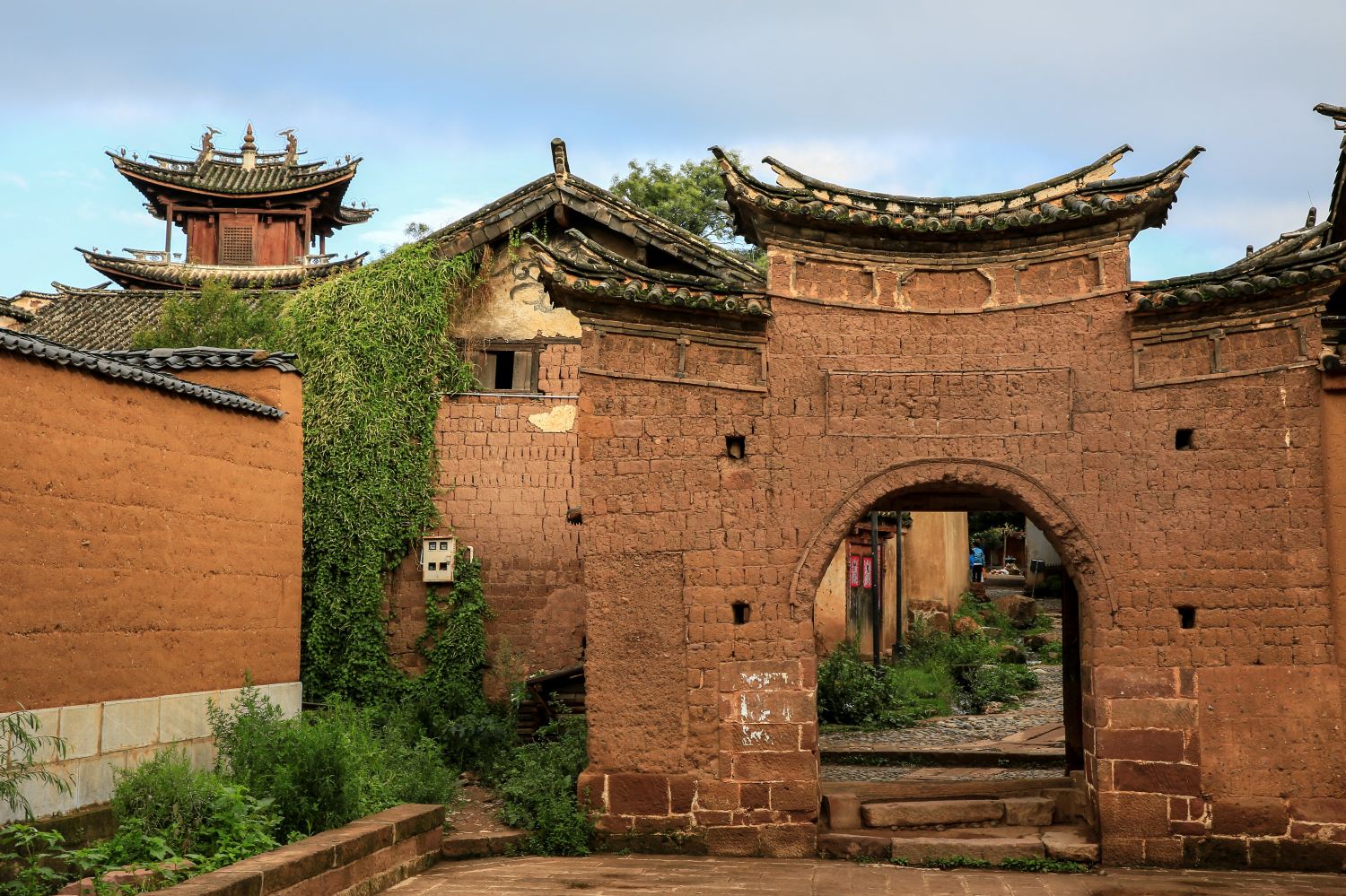
▲ Village gates: the three ancient gates in the east, south, and north were once the entrances and exits, passing through them is like stepping into a time tunnel.
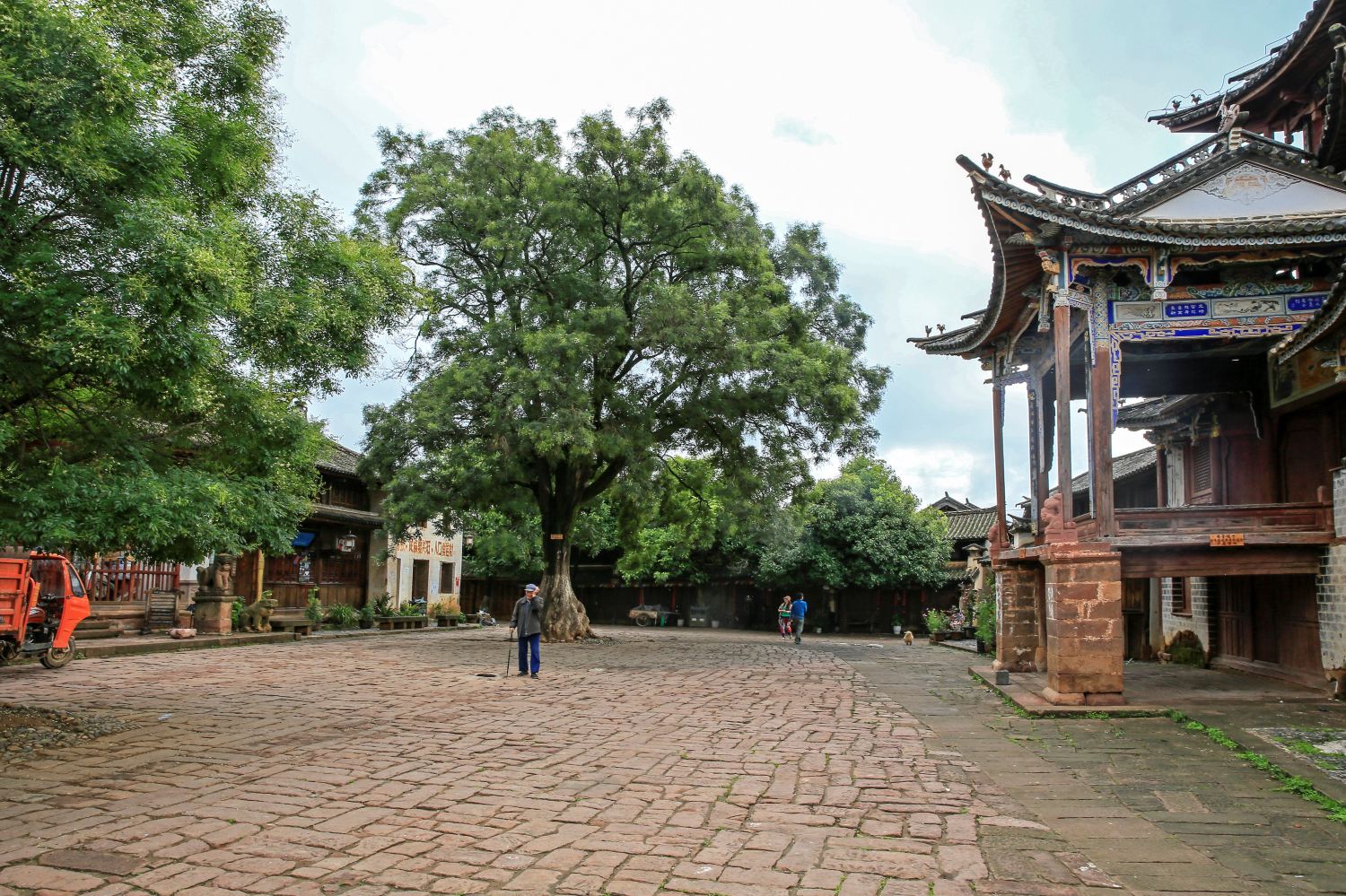
▲ Temple deng street area is the heart of Shaxi, and Sifang street is the center of the heart. The ancient stage on Sifang street, paved with red sandstone slabs, was built during the Qing dynasty and is a landmark of Shaxi. The unique three-story Kuixing pavilion was an important cultural and entertainment center in the past.
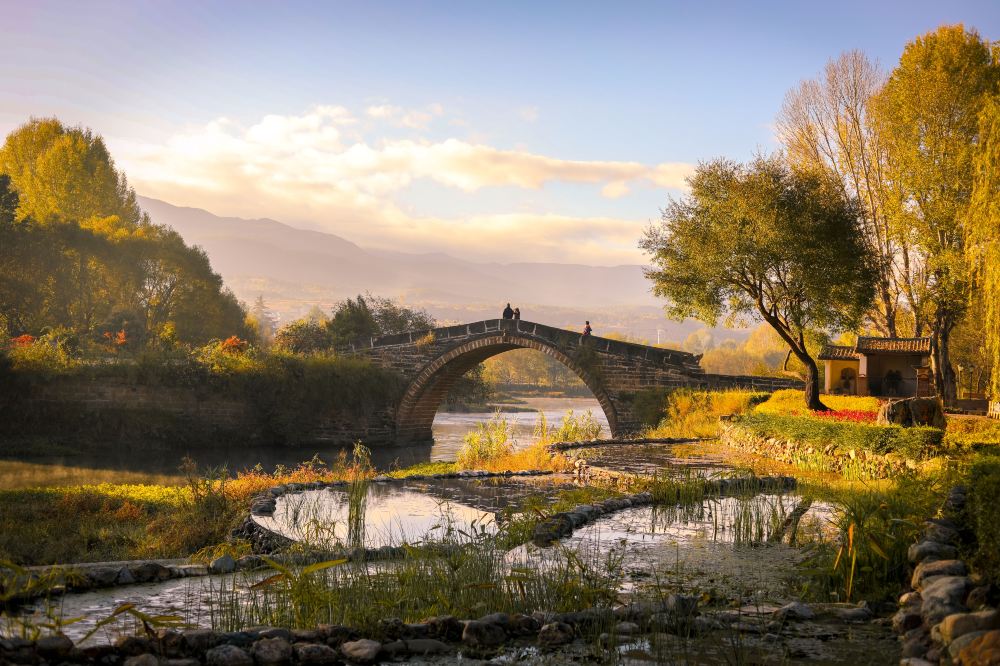
▲ A Qing dynasty ancient bridge spanning the Heihui River, where the hoof prints on its bluestone pavement bear witness to the history of the ancient tea-horse road, also serving as an excellent viewpoint for sunrise and sunset.
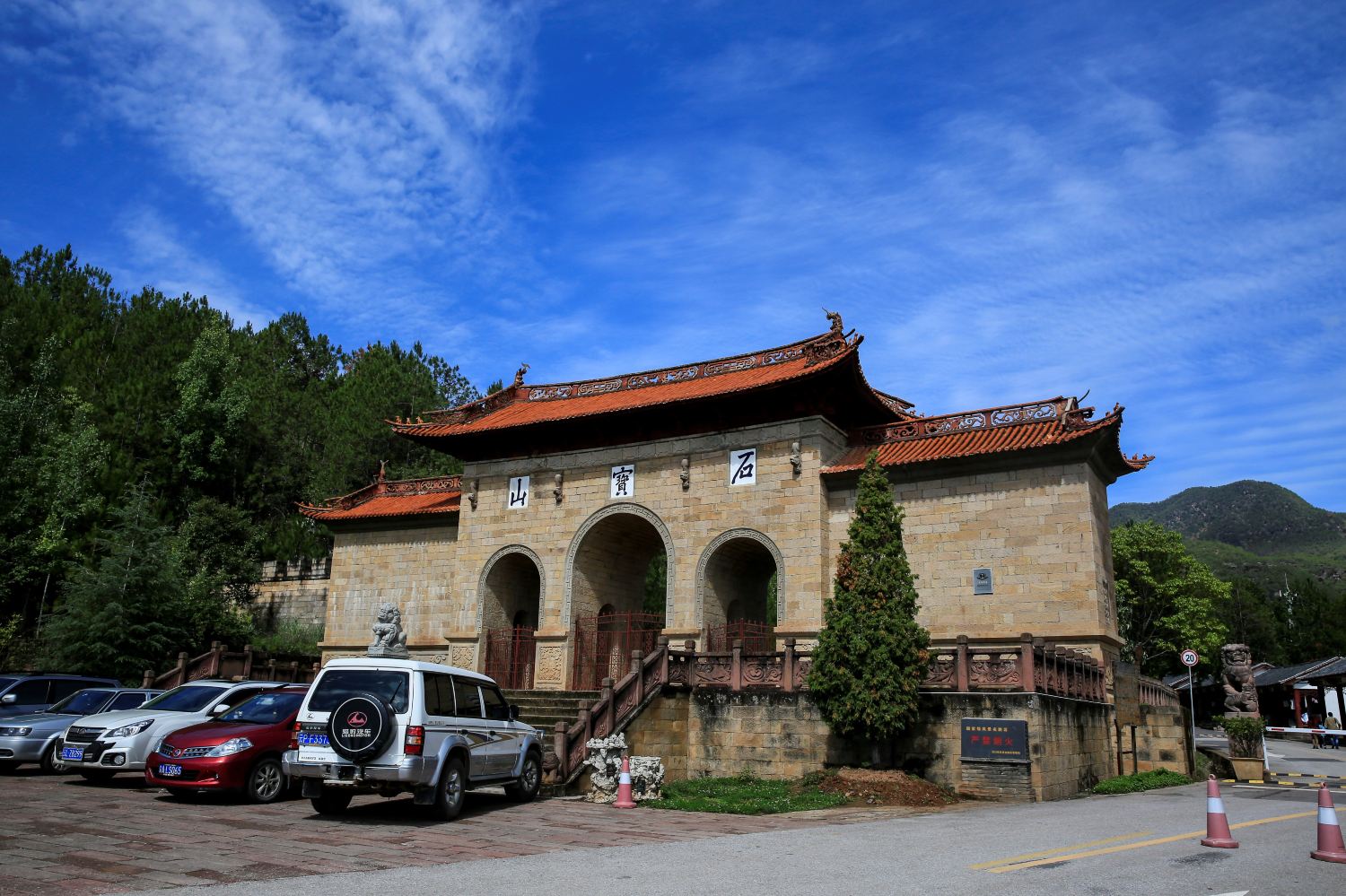
▲ If Shaxi is a "living" ancient market, then Shibaoshan is a history book of the Nanzhao and Dali kingdoms carved into red sandstone. Its charm can be summarized in one phrase: "an epic carved in stone," with its core essence reflected in four unique experiences: "one grotto, one temple, one wonder, and one festival."
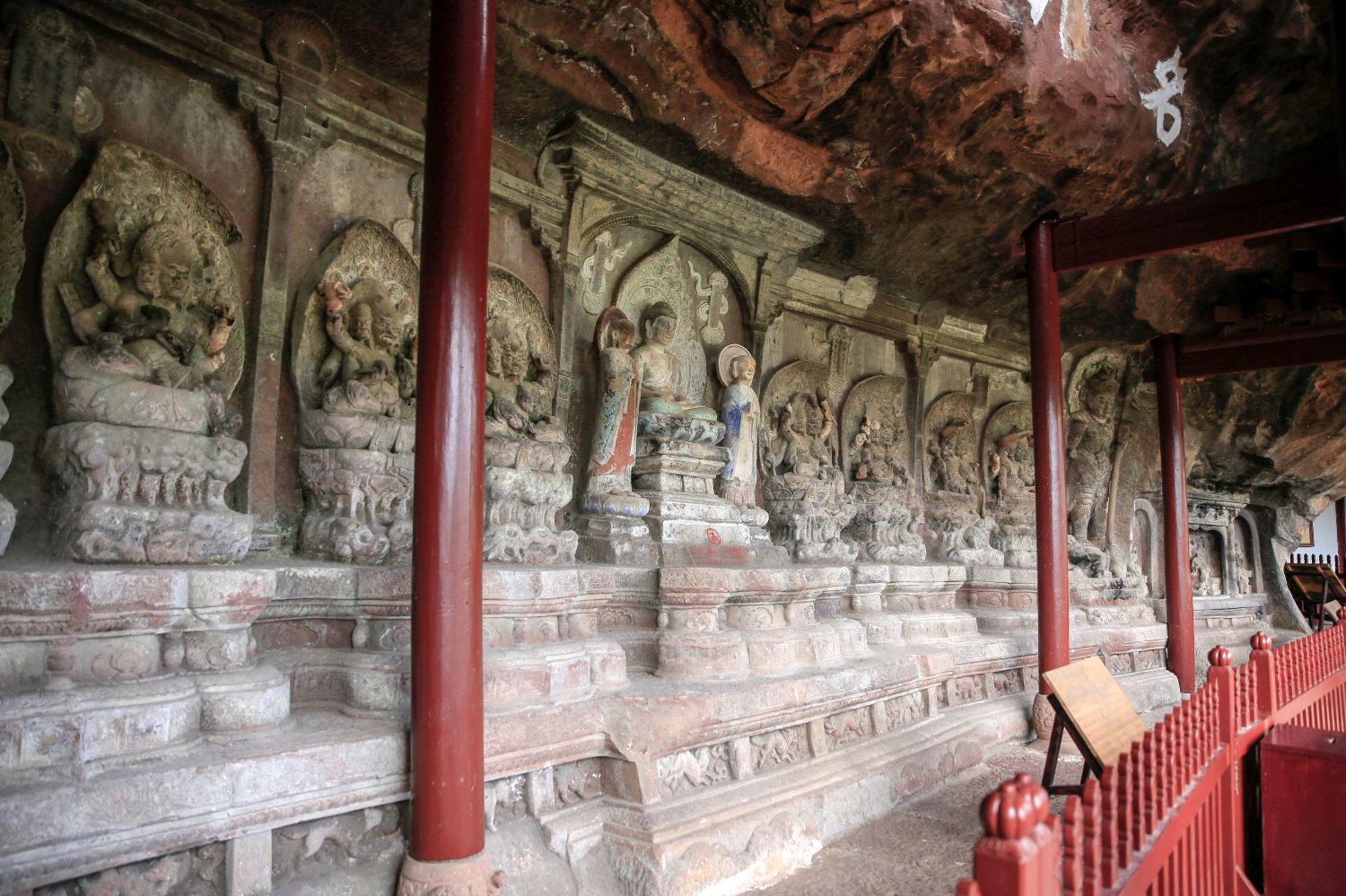
▲ The Shizhongshan Grottoes represent the soul of Shibao mountain, housing numerous statues that are truly unique treasures. Highlights include: the assembly sculptures depicting monarchs' political activities; the nationally exclusive "slender-waist barefoot" style Guanyin, locally called "slender-waist Guanyin", featuring the delicate and graceful Acuoye Guanyin; the distinctive Bai ethnic primitive fertility worship represented by the extremely rare "Ayangbai"; the tantric "living fossil" - China's most complete collection of "Eight Great Wisdom Kings" sculptures; China's Bai ethnic "Azha li religion" grotto complex, documenting tantric Buddhism's unique evolution in Yunnan; and evidence of multicultural integration, with statues blending Han, South Asian and Southeast Asian artistic styles, including carvings of "Persians" and "Indian monks", serving as ironclad proof of the ancient Southern Silk Road civilization.
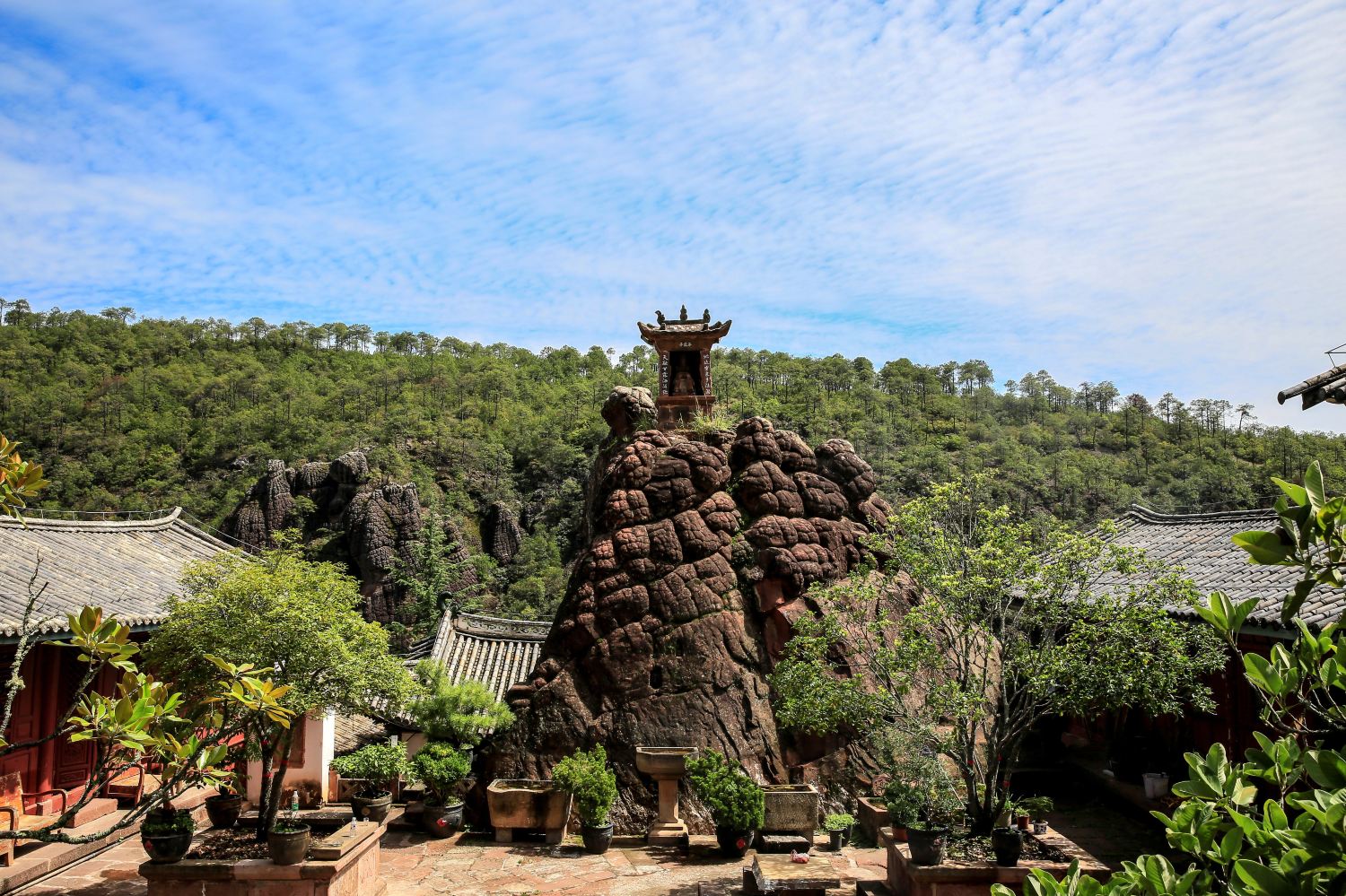
▲ "Stone blossoms" is how locals vividly describe the Danxia landforms here. The purplish-red sandstone, weathered into spherical shapes, naturally forms reclining lions, giant turtles, stone bells, and other diverse formations.