


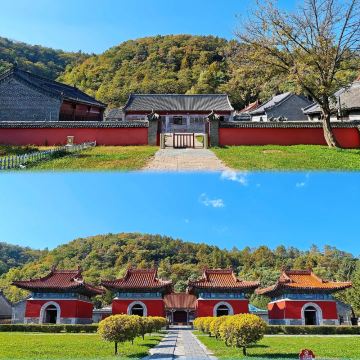

▲ Located at the foot of Qiyun Mountain, a World Cultural Heritage site and the foremost of the Three Imperial Tombs of Shengjing, it enshrines four generations of ancestors of Nurhaci—his sixth-generation ancestor, great-grandfather, grandfather, and father—and is the earliest royal mausoleum built in the Qing Dynasty
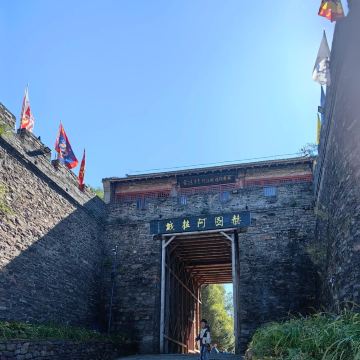

▲ Located in Yongling Town, Xinbin, Fushun, it means "horizontal ridge" in Manchu, **a national AAAA attraction and a Major Historical and Cultural Site Protected at the National Level, the first of the three capitals outside the pass of the Qing Dynasty (He Tu Ala City)**, and the birthplace of the Qing Dynasty
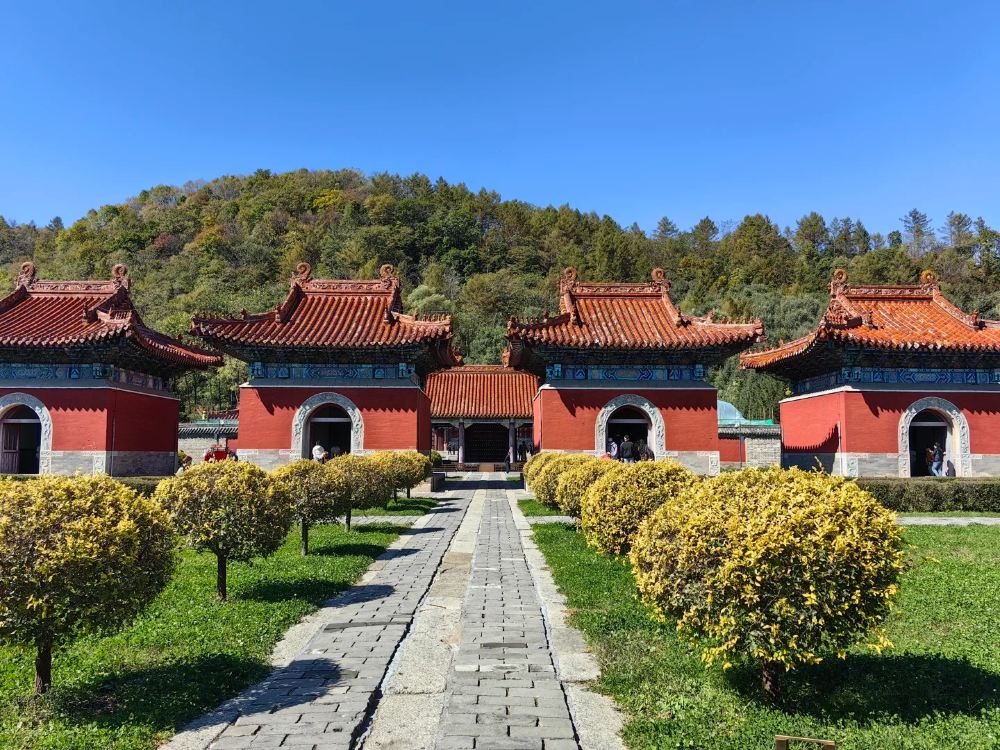
▲ The ancient city is divided into an inner city and an outer city, with 33 extant sites: the Khan's Palace Grand Yamen (Jinluan Hall), the former residence of Taksi (the place of birth of Nurhaci), the Khan King Well, the Plain White Banner Yamen, the Guandi Temple, the Xianyou Palace, the Manchu Old Street, the Qiyun Academy, and more.
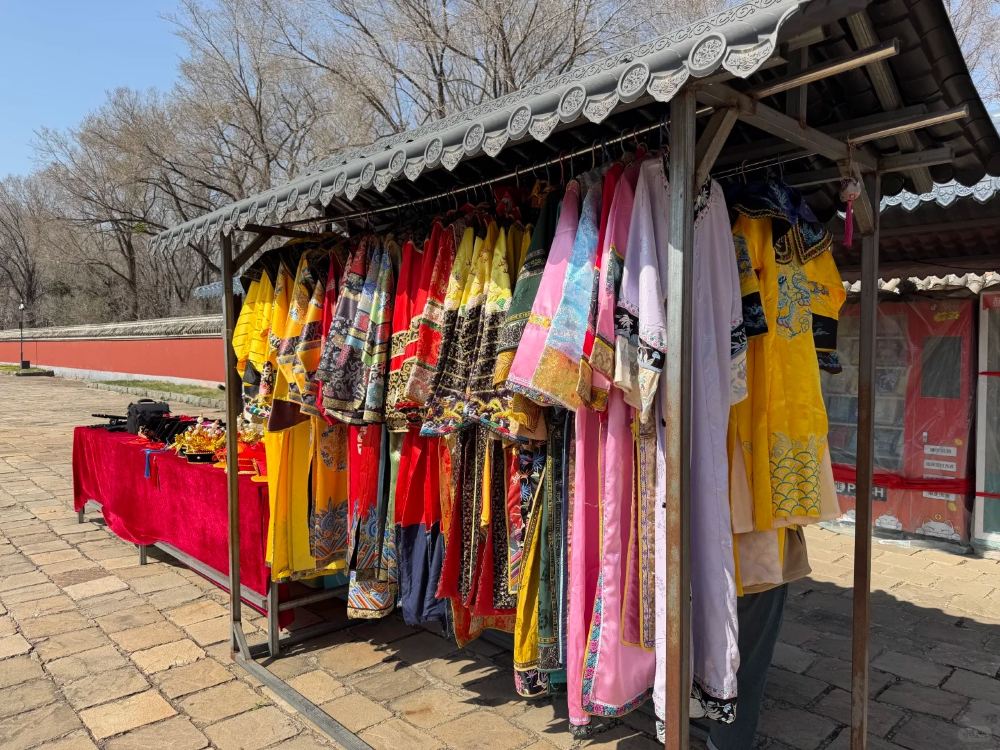
▲ The city interior restores the layout of an early Jurchen mountain fortress, with thatched huts, wooden walls, and bluestone-paved roads, combining a historical site with Manchu folk customs displays, and often featuring Manchu song and dance performances and reenactments of enthronement ceremonies.
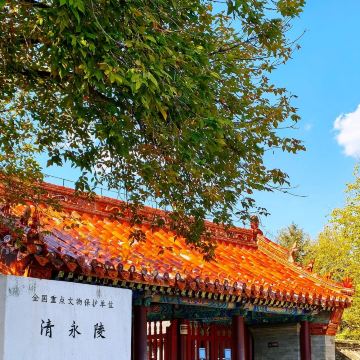

▲ The mausoleum's design is simple and unadorned, lacking the grandeur of Shenyang's Zhaoling and Fuling, yet its layout was revered by the imperial family as the "auspicious land of rising fortune."
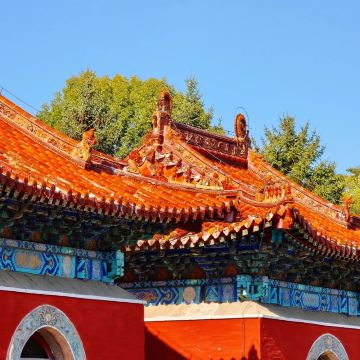

▲ There are core structures such as the spirit way, the stele pavilions of the four ancestors, the Qiyun Gate, the Qiyun Hall, and the Treasure City, with steles, stone statues, and ancient pines well preserved; red walls and gray tiles create a solemn and tranquil atmosphere; Emperors Kangxi and Qianlong made multiple eastern tours here to pay respects to their ancestors.