


- Tokyo Sky Hop Bus is a highly popular local double-decker open-top sightseeing bus, featuring a hop-on hop-off flexible travel model. It is the best way for travelers to check in at Tokyo's major landmarks in one stop and easily explore the city, and is deeply loved by independent travelers and family-friendly families.
- This sightseeing bus features a classic double-decker open-top design, with an unobstructed panoramic view from the upper deck. Along the ride, you can immerse yourself in Tokyo's city streets, skyscrapers, and famous landmarks—enjoying the bustling urban scenery by day and the city's sunset and night views in the evening, perfect for photos. The bus is equipped with a professional multilingual audio guide, including Chinese commentary. Just put on your headphones and listen along to the history and cultural stories behind each attraction—no need for a travel guide to appreciate the charm of Tokyo.
- Buses depart on a fixed daily schedule with moderate intervals between departure time slots, and operating hours cover the prime daytime sightseeing period, so you won't need to wait long. All buses are equipped with free Wi-Fi, making it easy for travelers to navigate online and share scenic moments anytime. Tickets come in 1-day and 2-day options, with separate fares for adults and children, offering great value. Tickets can be purchased through multiple channels including online platforms, offline stops, and hotel front desks. E-tickets can be scanned directly to board, making the process simple and convenient.
- For first-time visitors to Tokyo with tight itineraries, or travelers who don't want to transfer between subway lines or bother planning transportation routes, the Sky Hop Bus perfectly combines both transportation and sightseeing functions, eliminating the need for the bus offers three sightseeing routes covering major attractions across Tokyo. With a hop-on hop-off model, one ticket works across all routes with free transfers, allowing travelers to explore at their own pace with highly flexible and free movement
- Route reference:
- Red line (Asakusa, Tokyo Skytree): Marunouchi Mitsubishi Building — Kodemmacho Station — Edo-Tokyo Museum, Ryogoku — Tokyo Skytree Station — Asakusa Hanakawado — Asakusa Tawaramachi — Ueno Station — Ueno Matsuzakaya — Akihabara (Suehirocho) — Shin-Nihombashi Station — Marunouchi Mitsubishi Building
- Blue line (Tokyo Tower, Tsukiji, Ginza): Marunouchi Mitsubishi Building — Tokyo Tower — Tokyo Prince Hotel/Zojoji Temple — Telecom Center Station/Venus Fort — Tsukiji Ginza — Marunouchi Mitsubishi Building
- Green line (Shinjuku, Shibuya): Marunouchi Mitsubishi Building — Shinjuku Gyoenmae — Shinjuku Station South Exit — Shinjuku Station West Exit — Shibuya City Office — Marunouchi Mitsubishi Building
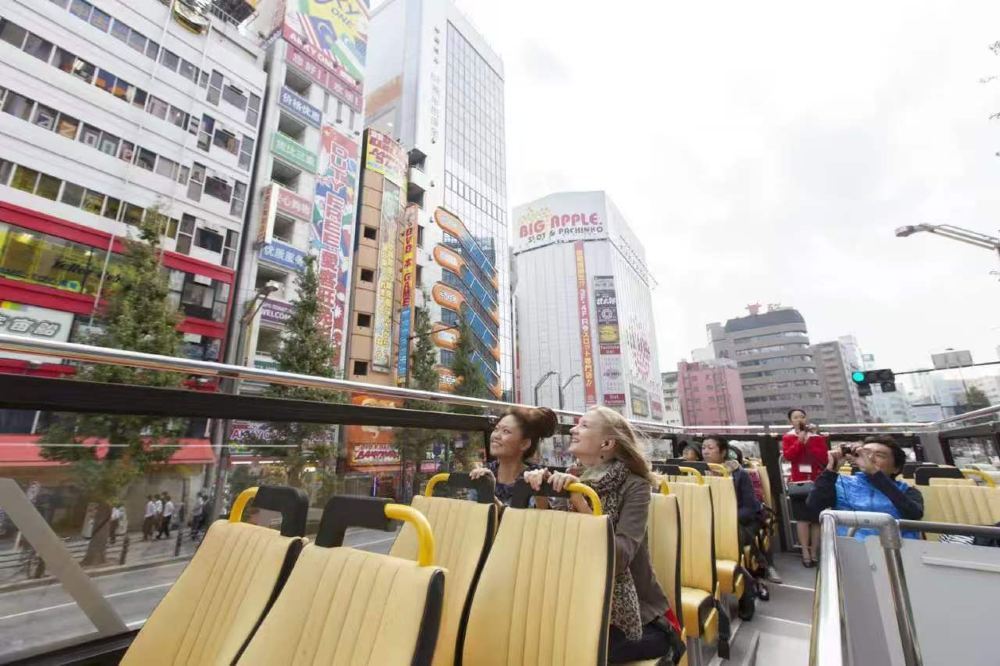
- On the streets of Akihabara, colorful anime signs and storefronts complement each other, and pedestrians come and go, filling the air with the vibrant energy of ACG culture
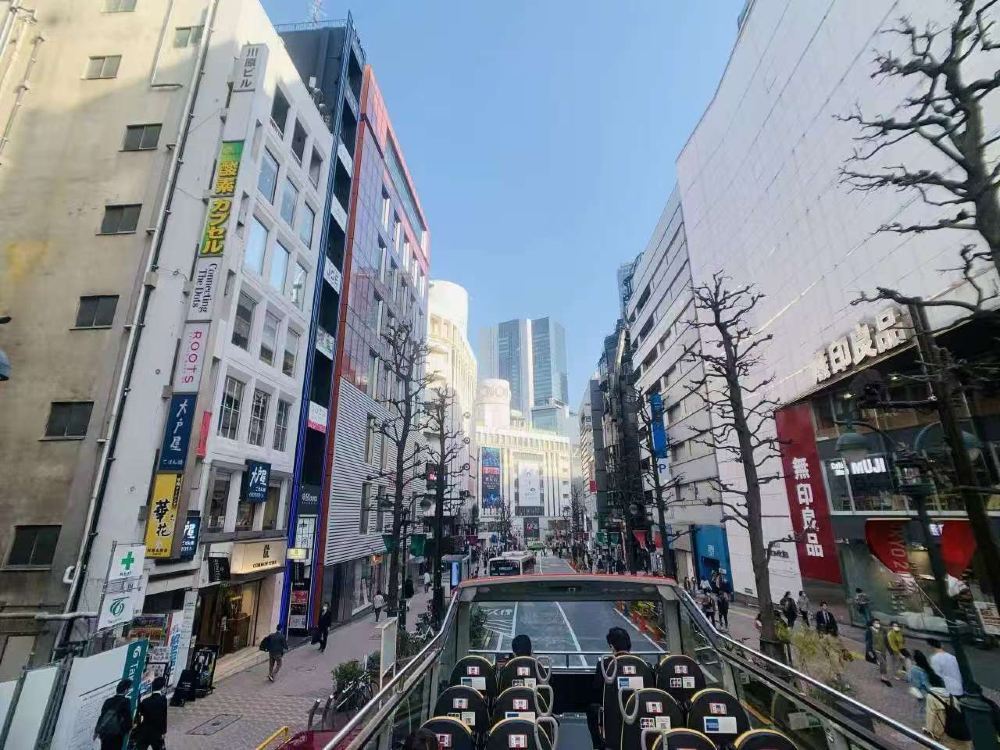
- High-rise buildings line both sides of Ginza's streets, with brand signs arranged in dense rows. Sunlight pours down, fully showcasing the refined urban atmosphere of this bustling commercial street.
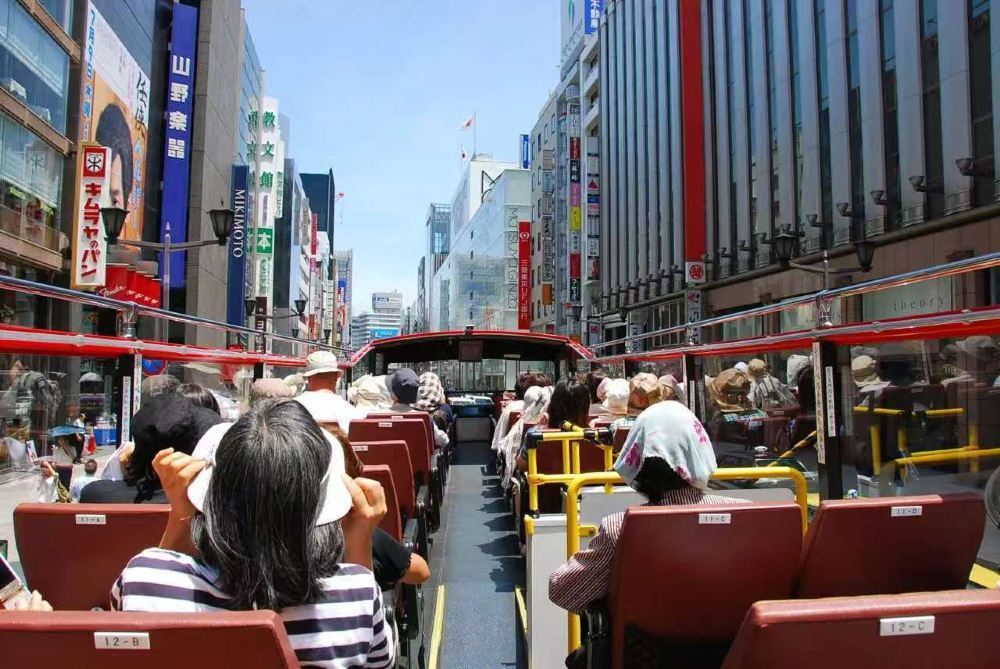
- Shops line both sides of the streets in Shibuya, with a MUJI store clearly visible; pedestrians come and go, and the trendy vibe of Tokyo fills the air everywhere
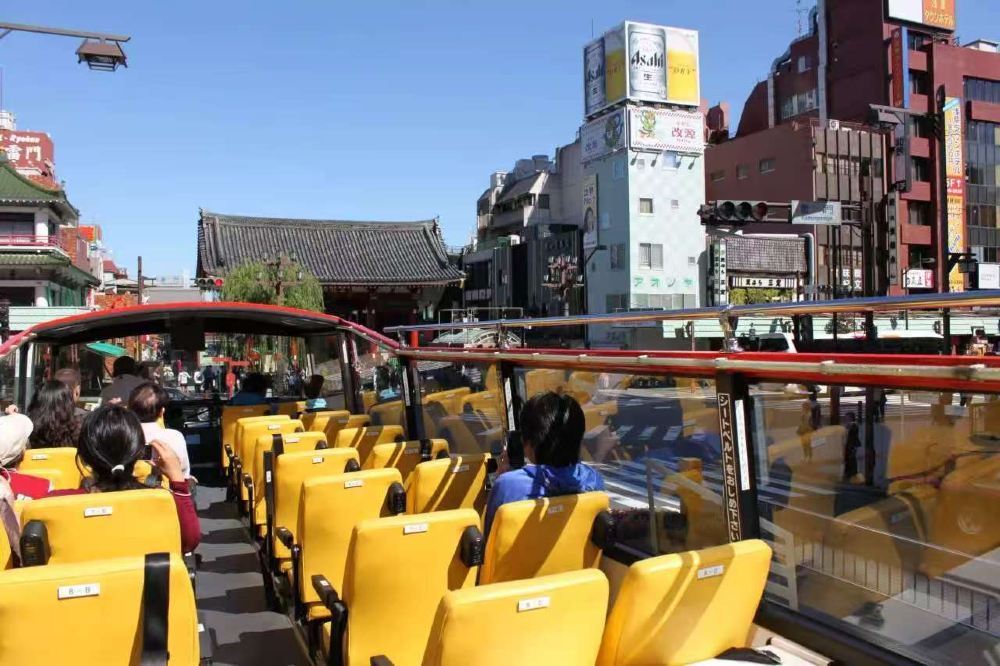
- The traditional Japanese-style roofs of Sensō-ji Temple come into view, surrounded by modern buildings, where old and new blend together to outline a unique Tokyo charm.
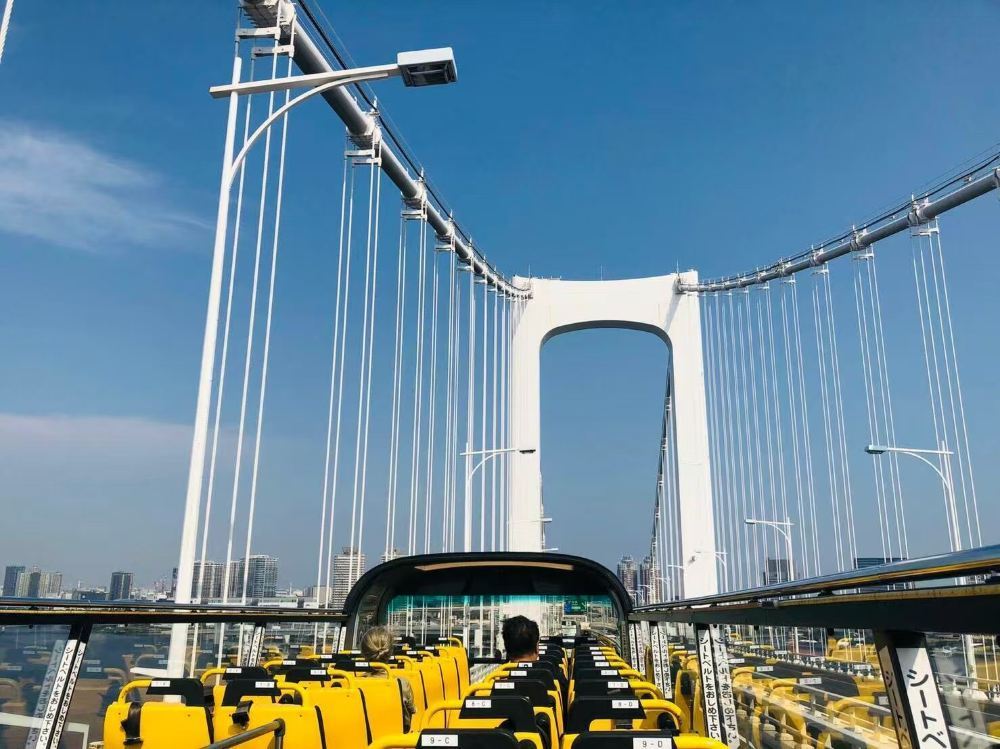
- On the Rainbow Bridge, the white bridge towers and steel cables stand out strikingly against the blue sky, while the sea surface and the distant city skyline set each other off beautifully
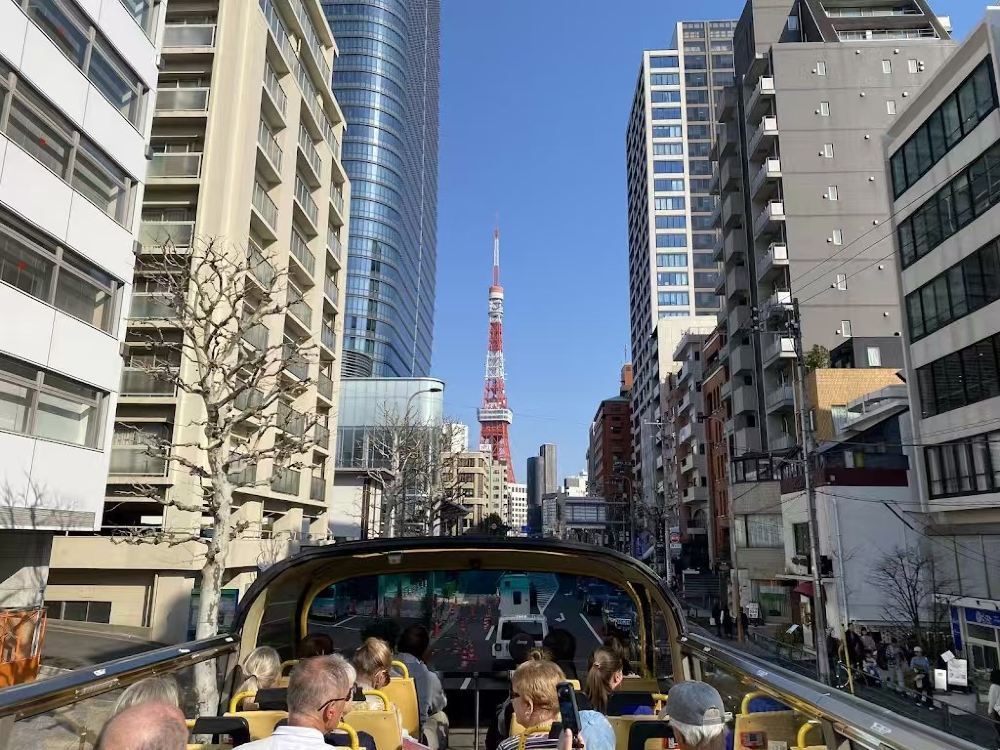
- At the end of the street, the red-and-white Tokyo Tower stands out strikingly against the blue sky, with high-rises lining both sides, fully showcasing the romantic charm of the city
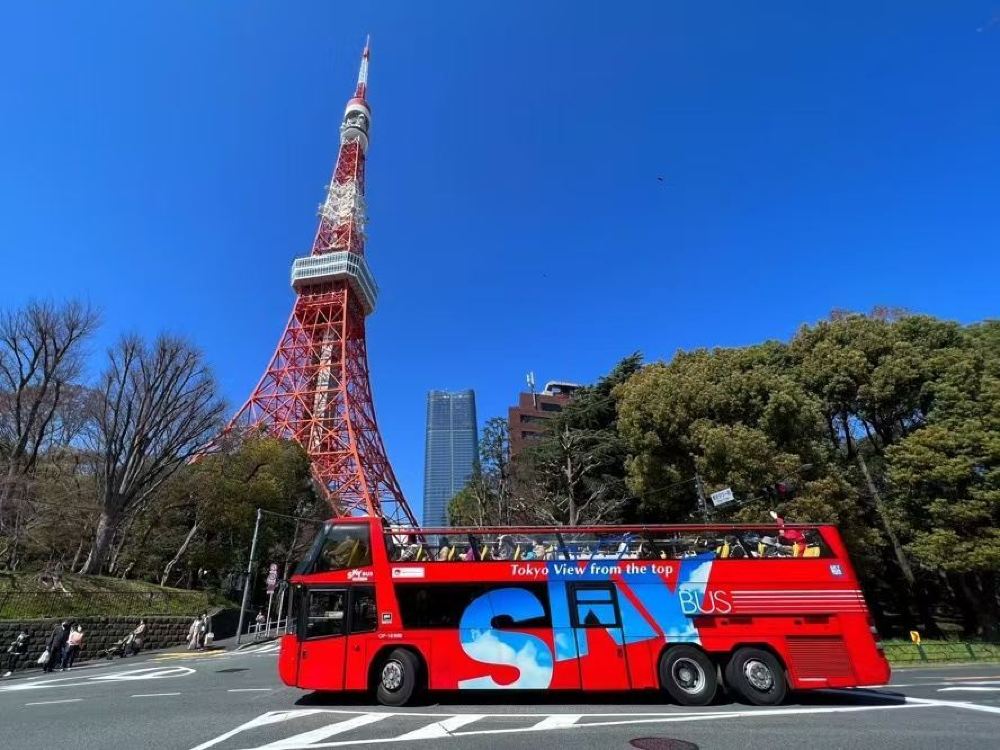
- Under the clear blue sky, the red-and-white Tokyo Tower stands at the end of the road, surrounded by green trees, outlining the classic Tokyo cityscape