


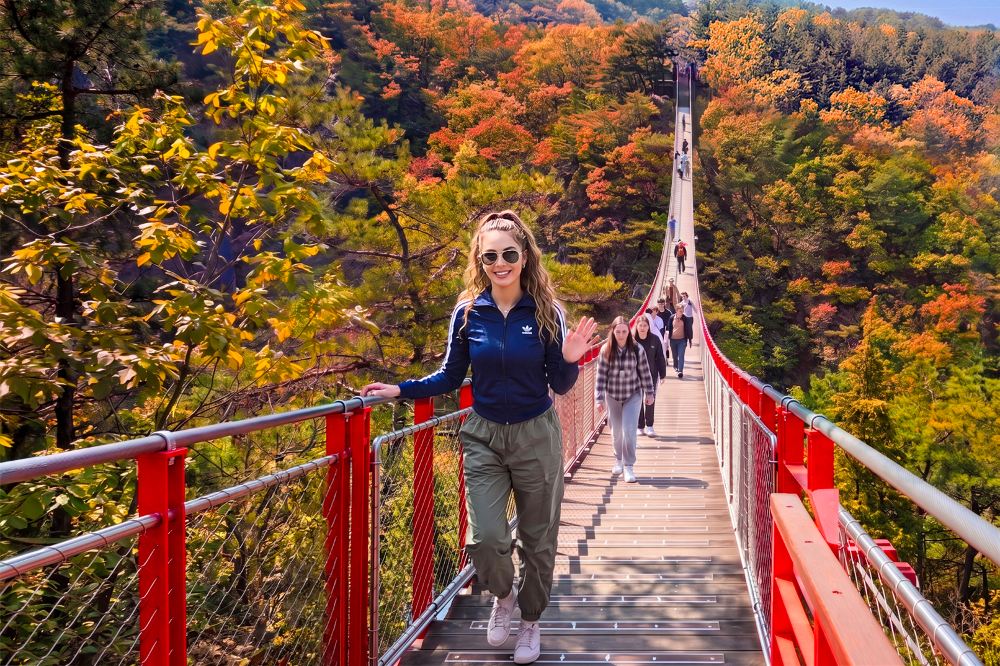
▲ The famous Gamaksan Suspension Bridge on Gamaksan Mountain is very long, and walking on it feels like swinging on a swing.
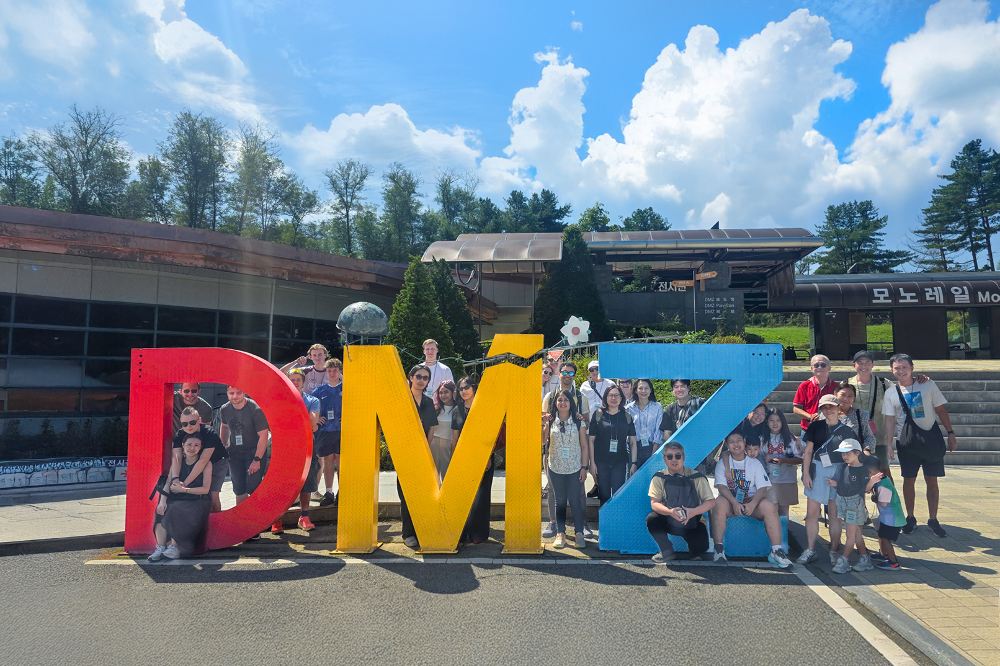
▲ DMZ demilitarized zone, the name originates from the provisions of the 1953 Korean Armistice Agreement, which established the DMZ as a buffer zone approx. 4 km wide and 248 km long. Because there has been almost no human development for over 70 years, the DMZ has unexpectedly become one of the relatively well-preserved natural ecological reserves in East Asia, hailed as an "ecological paradise created by war," and is home to many rare wild animals such as red-crowned cranes and endangered red-crowned cranes.
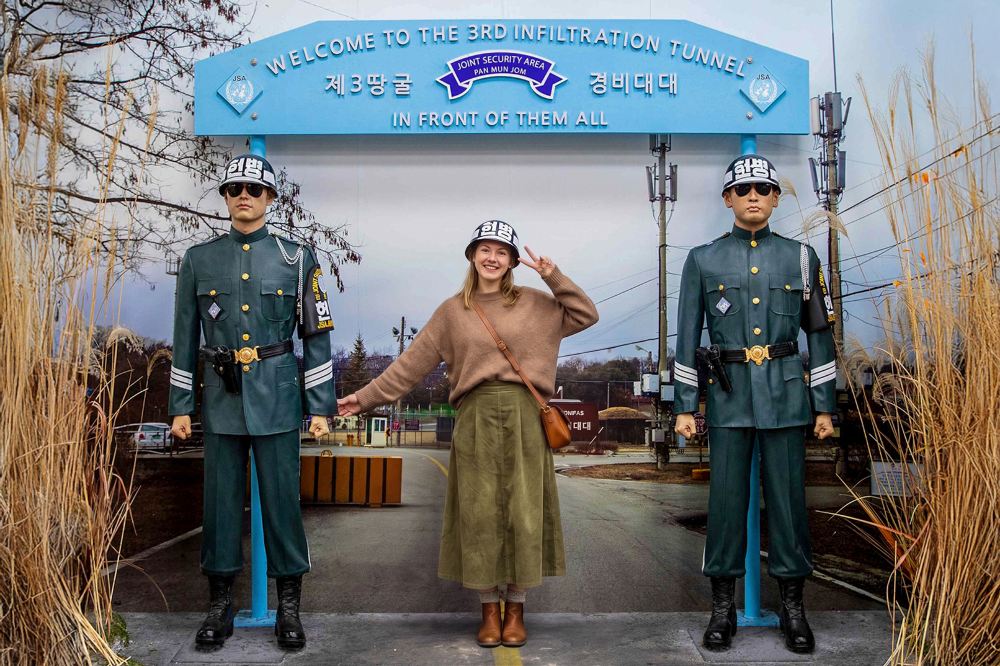
▲ Discovered in 1978, this tunnel is one of four invasion tunnels secretly dug by North Korea, believed to have been intended for rapidly transporting soldiers and equipment to South Korea during wartime. The tunnel is approx. 1.6 km long, with approx. 435 m open to visitors. The tunnel is narrow and low, requiring a hard hat, and you must walk bent over almost the entire way, touching the cold, damp rock walls—you can truly feel that tension ready to erupt at any moment. At the end, looking through the glass, the other side belongs to North Korea.
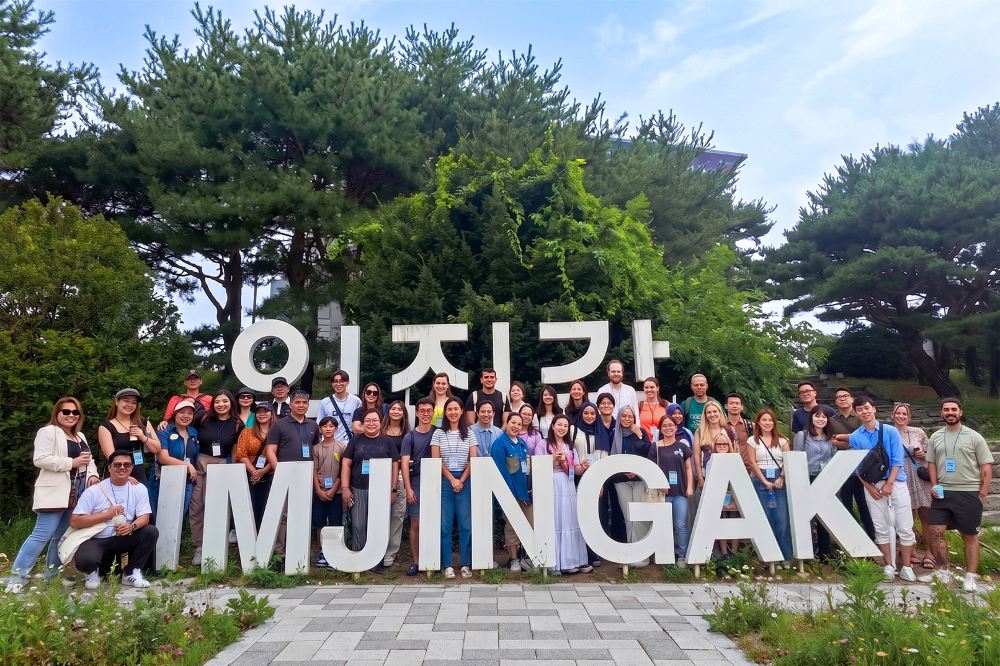
▲ This place is filled with symbols and wishes. The trees are covered with ribbons bearing messages of longing. There is also a locomotive riddled with bullet holes from wartime bombings, silently testifying to the scars of war. Standing at the Mangbae Altar, one can gaze at the mountains of the North in the distance.
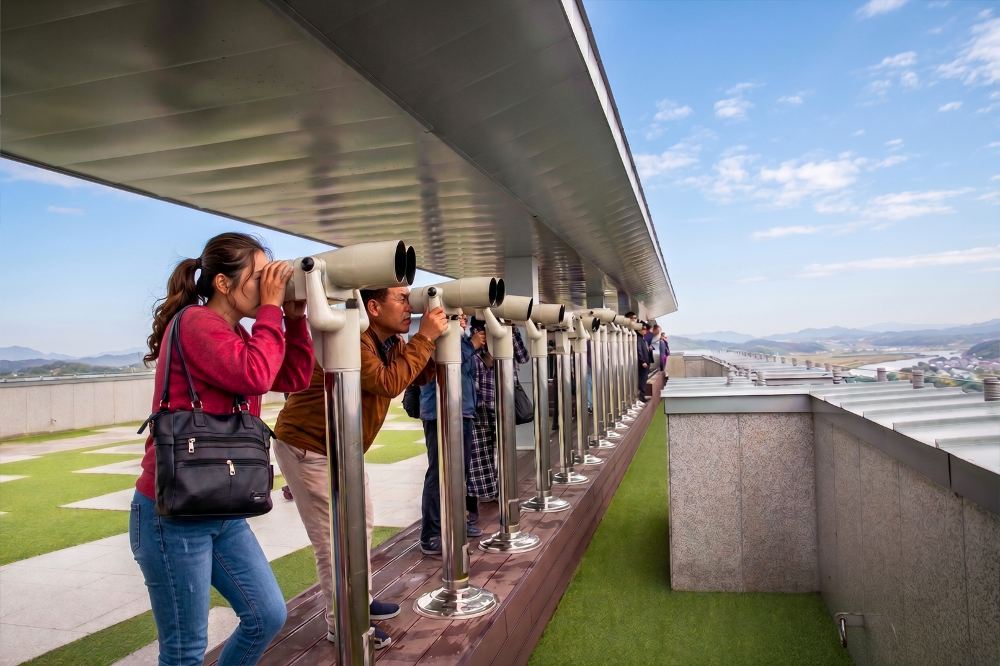
▲ If the weather is clear, through the telescopes at the Dorasan observation deck, you can clearly see the Kaesong Industrial Complex and the propaganda village to the north.

▲ At the survivor meet-and-greet, you will hear them share their real experiences, gaining a more multidimensional understanding of this period of history.