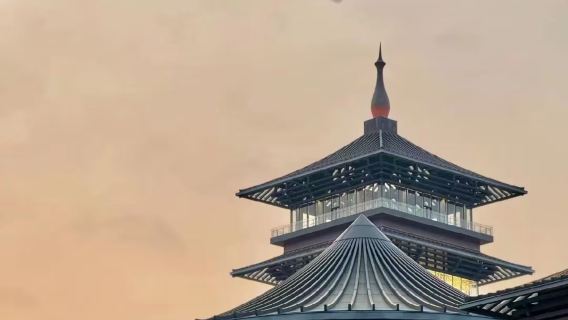
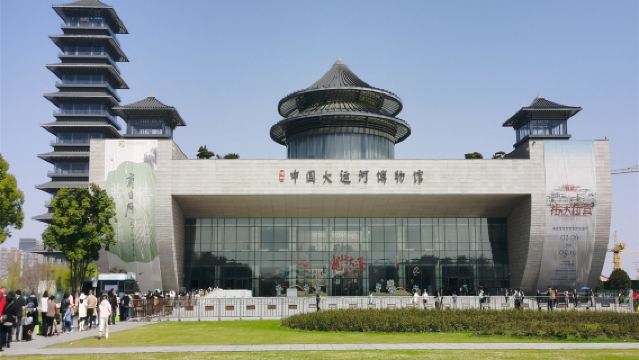
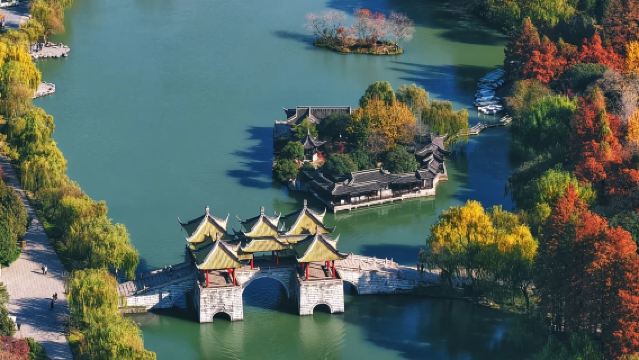
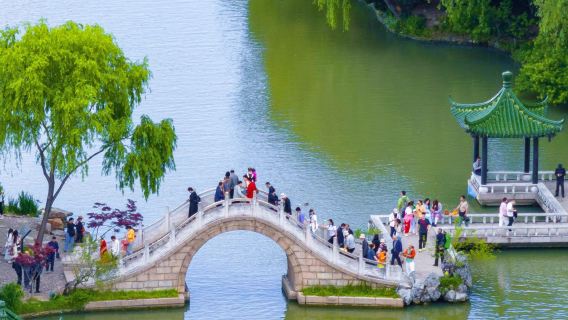
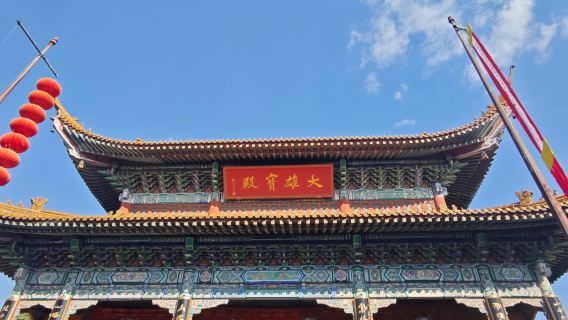
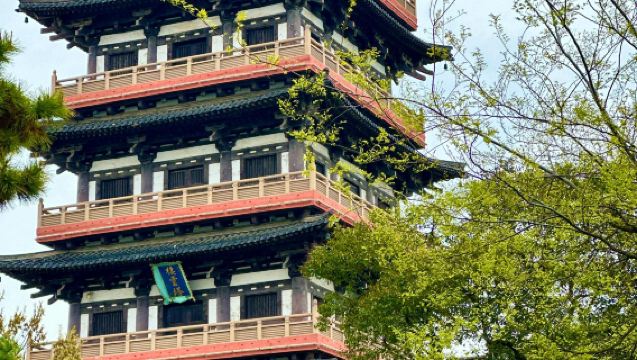
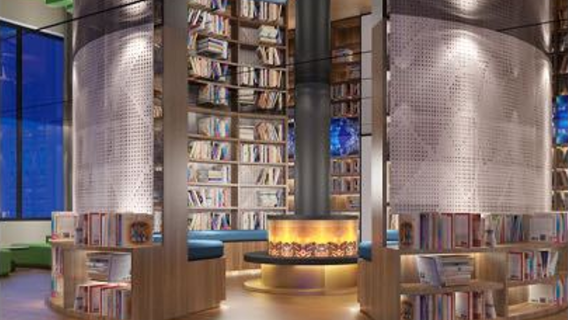
▲ The China Grand Canal Museum in Yangzhou is located in the Sanwan Scenic Area of the canal and is a landmark venue of the Grand Canal National Cultural Park. The venue's design incorporates the imagery of canal boats and oars, blending seamlessly with the surrounding river scenery. Inside, the theme of "the countless prosperity brought by the canal" connects over two thousand years of canal development history. This is not merely a space for displaying artifacts; a large collection of grain transport tools, ancient books and stone inscriptions, and ceramic remains quietly tell the canal's past, bearing witness to the long process of excavation, dredging, and navigation, and demonstrating the canal's historical value as a major north-south transportation artery that drove trade and cultural exchange, giving visitors their first glimpse of the grand outline of this World Heritage site.

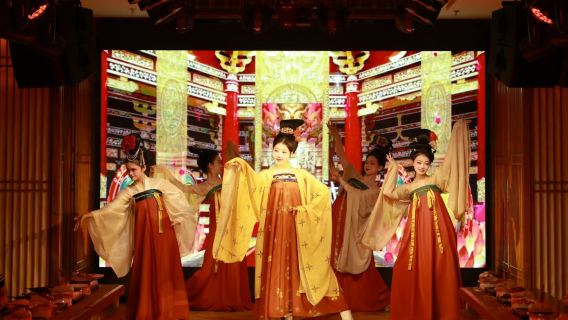
▲ The immersive experience is a standout feature of the Grand Canal Museum. Multiple distinctive exhibition halls use digital light and shadow technology and life-size reconstruction techniques to create highly engaging scenes. The wraparound film in the "Love of the River" exhibition hall dynamically portrays the canal's four seasons in motion; the reconstructed ancient Bian River cross-section and the canal's old market street recreate the scenes of grain boats coming and going and the bustling streets of ancient times. Visitors feel as if they have traveled back a thousand years, directly experiencing the daily life of the era when water transport flourished. The ingenious combination of traditional artifacts and modern technology breaks the limitations of static museum viewing, making profound history vivid and tangible.

▲ Museums carry the mission of passing on canal culture, balancing historical education with humanistic storytelling. The exhibitions do not focus solely on water conservancy and shipping; they also unfold a panorama of folk customs, food, and art along the canal, showcasing the canal's unique role in connecting the regional cultures of north and south. Beyond the permanent galleries, the museum regularly presents special temporary exhibitions and educational activities, spreading knowledge of World Heritage to diverse audiences. It is both a cultural treasure trove documenting the canal's transformations and a window through which the public can approach the Grand Canal and understand its spirit, continuously safeguarding and disseminating a canal civilization that has flowed for thousands of years.