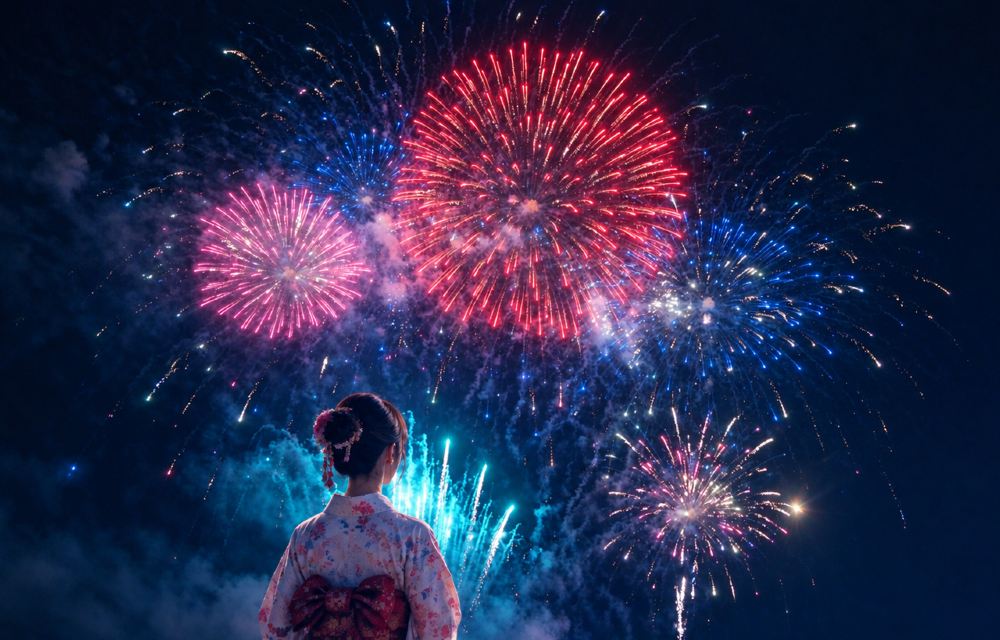
▲ Kashihara sky palette · Manyo fireworks & "Asuka-Fujiwara palace sites" world heritage registration commemorative activity (Kashihara Sports Park, approx. 3 hrs, free time available) Special project for the 70th anniversary of Kashihara city! Arrive early to secure your spot and explore the bustling food and merchandise area first. | 17:00-17:30 / Opening remarks · JO1 Junki Kono Special Live performance | 17:30-18:00 / Manyo fireworks (30-min synchronized performance of music and fireworks)
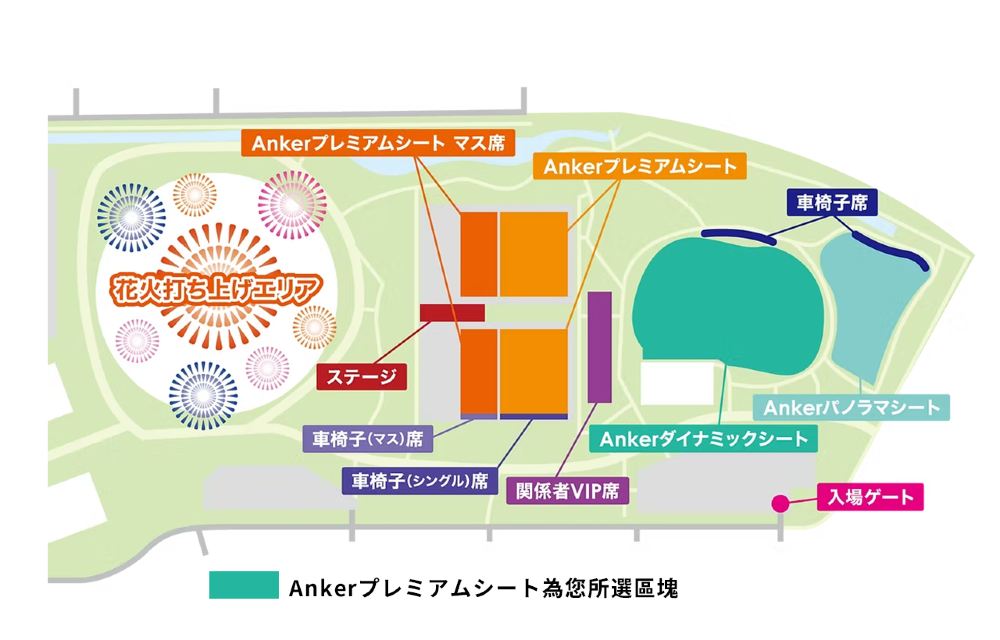
▲ Includes seat: [Each person has a spacious independent seat measuring 0.8 m × 0.8 m.]
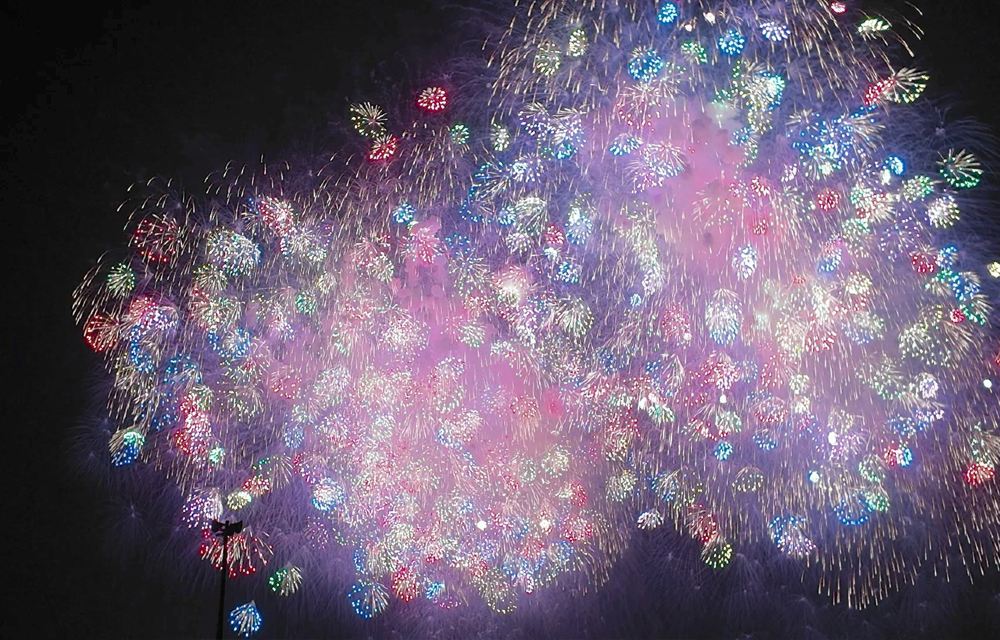
▲ Experience the shock and immersion of fireworks blooming right before your eyes! Whether you come alone or sit side by side with friends and family, you can fully enjoy this spectacular audio-visual feast. Each traveler enjoys relatively spacious personal space without crowding, allowing them to comfortably and freely admire the breathtaking fireworks display.
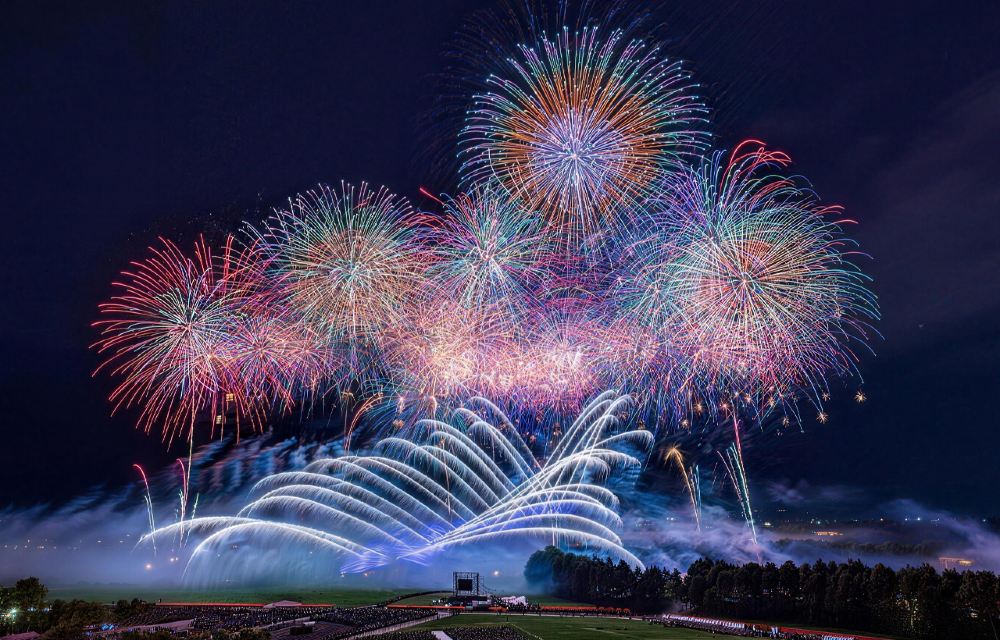
▲ ※ Notes - This seat is a single seat with a free seat selection system. - Please bring your own picnic mat (recommended size: 80cm×80cm). - According to the venue regulations, visitors with "Anker Premium Seat" tickets are prohibited from the following: wearing spiked shoes or high heels, bringing items such as strollers, and smoking in the venue, including e-cigarettes and traditional cigarettes. ※Depending on the actual viewing position, some areas may have limited visibility of the stage or performance effects. ※After the fireworks, the food and merchandise area is open until 7:00 pm ※Manyo fireworks is an activity that requires an admission ticket to participate, and the admission ticket fee for this itinerary is already included.
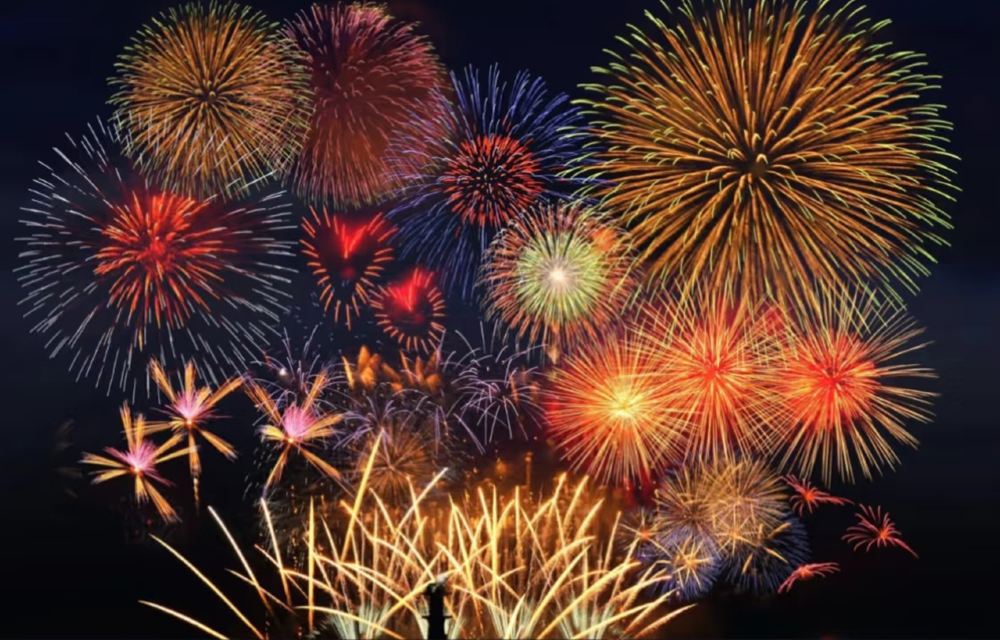
▲ ※In case of severe weather such as typhoons, heavy rain, or strong winds, the activity may be canceled. Please refer to the official announcement for details. ※Roads around the venue will be under transportation control on the day, and the parking lot in the park will be unavailable. Please follow the guide's arrangements. JO1 member Junki Kono will appear as the official ambassador at the "Kashihara sky palette Manyo fireworks supported by Anker" (commemorating the 70th anniversary of Kashihara city and the world heritage registration of the ancient capitals of Asuka and Fujiwara) held in his hometown Nara Prefecture on Sunday, November 22, 2026, delivering a special live performance.
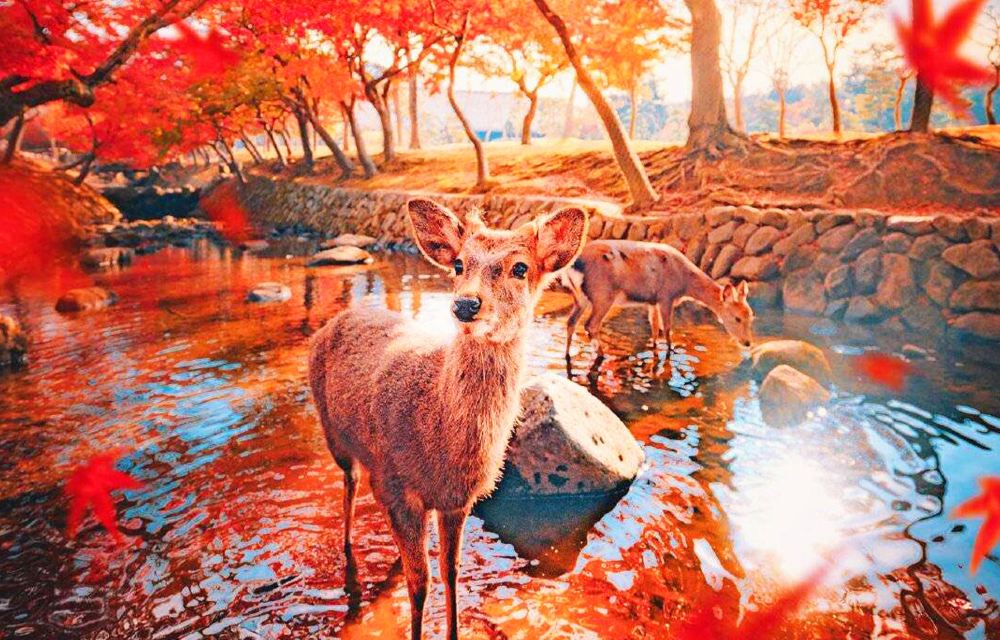
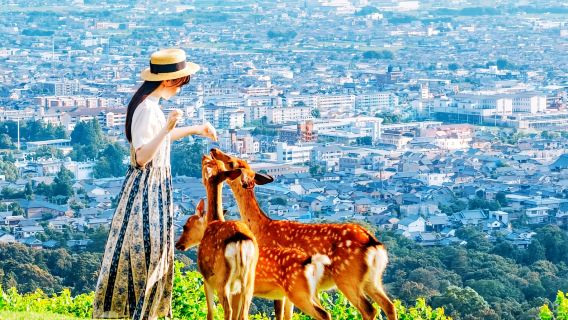
▲ Nara Park (approx. 2.5 hours, free time, including lunch on your own) is an urban park located at the foot of Mount Wakakusa in Nara City. It houses famous historical sites such as Tōdai-ji and Kasuga Taisha Shrine, making it a must-visit destination in Nara.
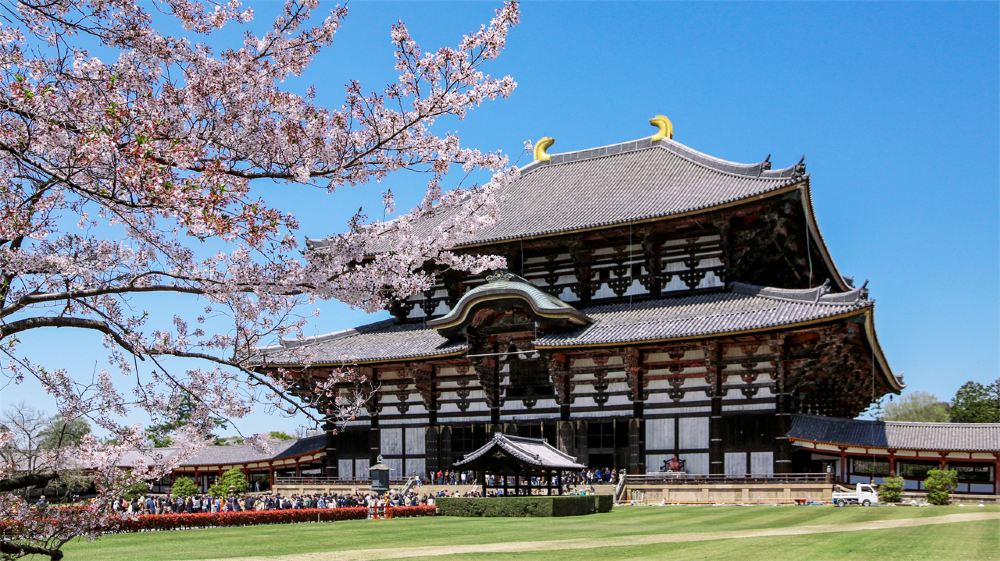
▲ [Tōdai-ji] (Fee at your own expense), also known as Daikaku-ji, was built in 752 by Emperor Shōmu to enshrine the great Buddha and serve as the head temple of Japanese Buddhism. It is the head temple of the Kegon sect. The original structure was destroyed by fire twice, and the current building, reconstructed in 1692, is two-thirds the size of the original. The great Buddha hall of Tōdai-ji has a front width of 57 m and a depth of 50 m, making it one of the largest wooden structures in the world. Inside the hall stands the 15-meter-tall Great Buddha Vairocana. The temple grounds also include the Nandaimon gate, Nigatsu-dō, and Sangatsu-dō. (Reference admission ticket fees: Tōdai-ji main hall adults 800 JPY, children 400 JPY (elementary school students); Tōdai-ji main hall + museum adults 1,200 JPY, children 600 JPY (elementary school students))
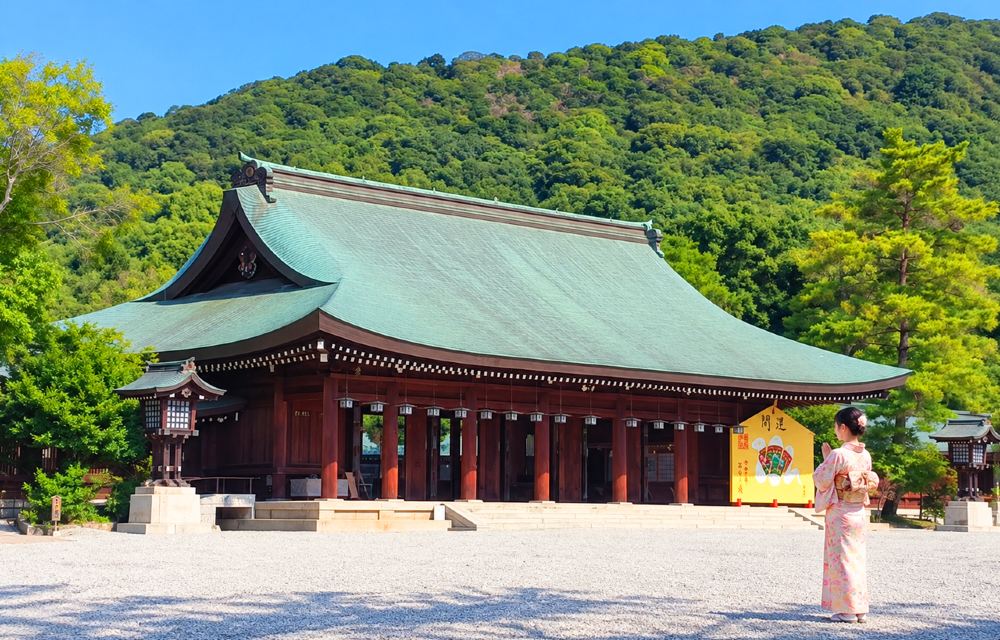
▲ [Kashihara Jingu] (approx. 1 hr, free time available) Kashihara Jingu, located in Kashihara, Nara Prefecture, Japan, is one of the country's representative shrines. With its serene environment, majestic torii gate, spacious approach, and lush forest, it is an excellent place to learn about Japanese mythology, imperial culture, and traditional shrine architecture.
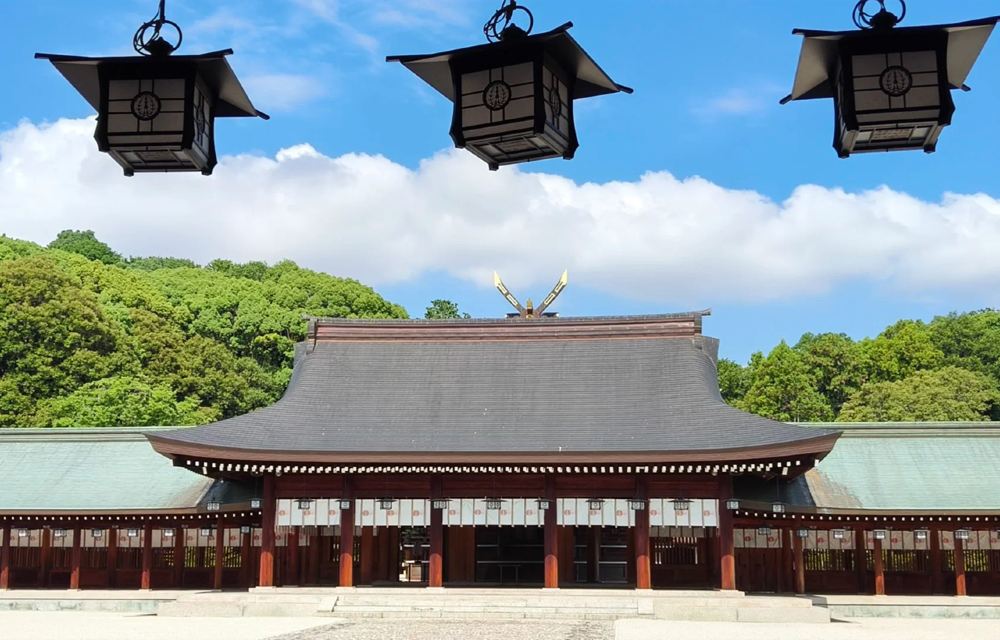
▲ The shrine stands on the site of the ancient Kashihara Palace, where Emperor Jimmu is said to have established the capital. With its vast sacred grounds and towering ancient trees, it is revered as the "sacred land of nation-building." As one of Japan's most representative shrines, it serves as an important symbol for the Japanese people to trace their national origins and historical culture.