




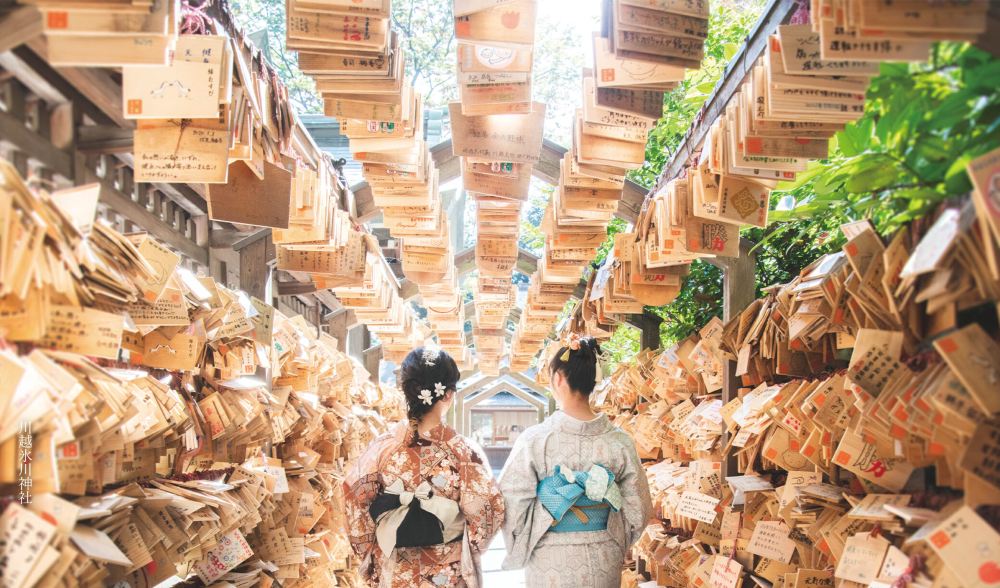
▲ Kawagoe Hikawa Shrine was established around 1500 years ago in the 2nd year of Emperor Kinmei's reign (541 AD) during the Kofun period. In the 1st year of the Chōroku era (1457 AD) during the Muromachi period, after Ōta Dōshin and his son Dōkan built Kawagoe Castle, Kawagoe Hikawa Shrine became the guardian deity of the castle town and the general protector of the domain, receiving devout worship from the people. During the Edo period, it continued to be specially revered and honored by successive lords of Kawagoe Domain. The shrine enshrines five deities who are all family-related, including two married couples, making it historically renowned as a shrine for praying for good marital bonds and widely worshipped by devotees.
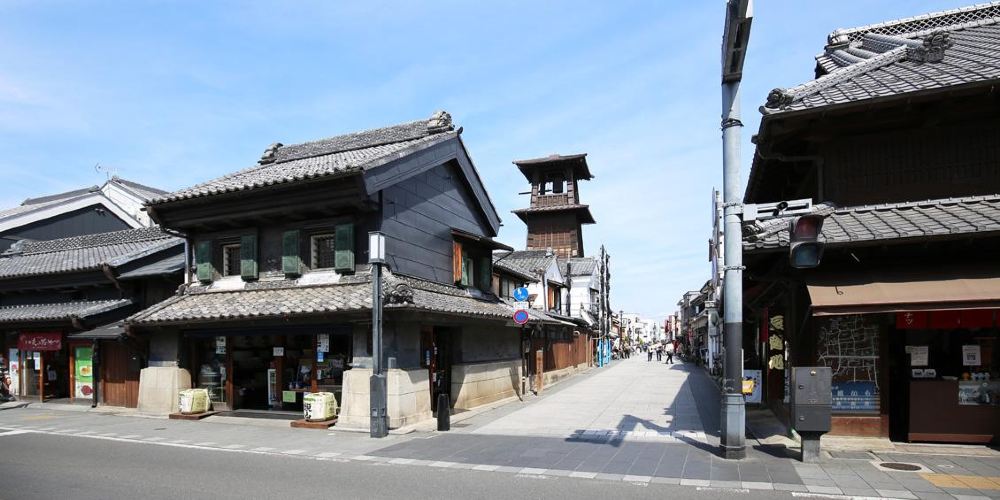
▲ Kawagoe is known as "Little Edo" due to its rich history and unique streetscape. During the Edo period, Kawagoe flourished as a castle town, becoming a vital center of commerce and culture, resulting in a cityscape that still retains a strong Edo atmosphere. Among its many streets, the numerous traditional Tibetan-style buildings (kuzo-zukuri) still bear witness to the prosperity of that era, making a stroll through them feel like stepping back in time. These kuzo-zukuri buildings were originally designed for fire protection, characterized by thick walls and small windows, showcasing the ingenuity of merchants in protecting their property and preventing fires. Furthermore, Kawagoe preserves historical buildings and cultural attractions dating back to the Edo period, such as the "Time Clock" and the "Hikari Shrine." These attractions collectively contribute to the city's immersive Edo-era ambiance.
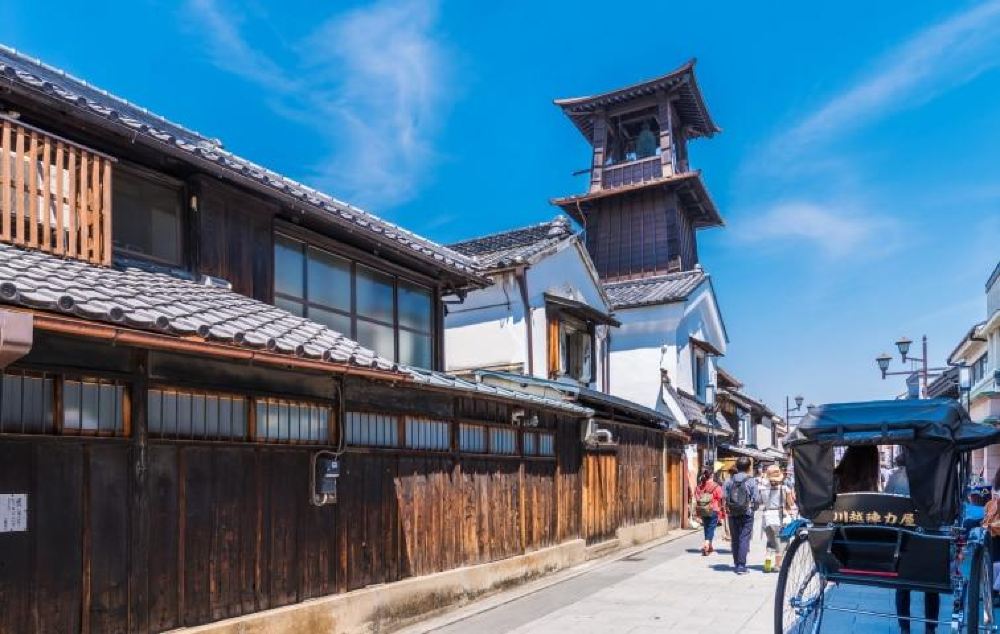
▲ Kawagoe is known as "Little Edo" due to its rich history and unique streetscape. During the Edo period, Kawagoe flourished as a castle town, becoming a vital center of commerce and culture, resulting in a cityscape that still retains a strong Edo atmosphere. Among its many streets, the numerous traditional Tibetan-style buildings (kuzo-zukuri) still bear witness to the prosperity of that era, making a stroll through them feel like stepping back in time. These kuzo-zukuri buildings were originally designed for fire protection, characterized by thick walls and small windows, showcasing the ingenuity of merchants in protecting their property and preventing fires. Furthermore, Kawagoe preserves historical buildings and cultural attractions dating back to the Edo period, such as the "Time Clock" and the "Hikari Shrine." These attractions collectively contribute to the city's immersive Edo-era ambiance.
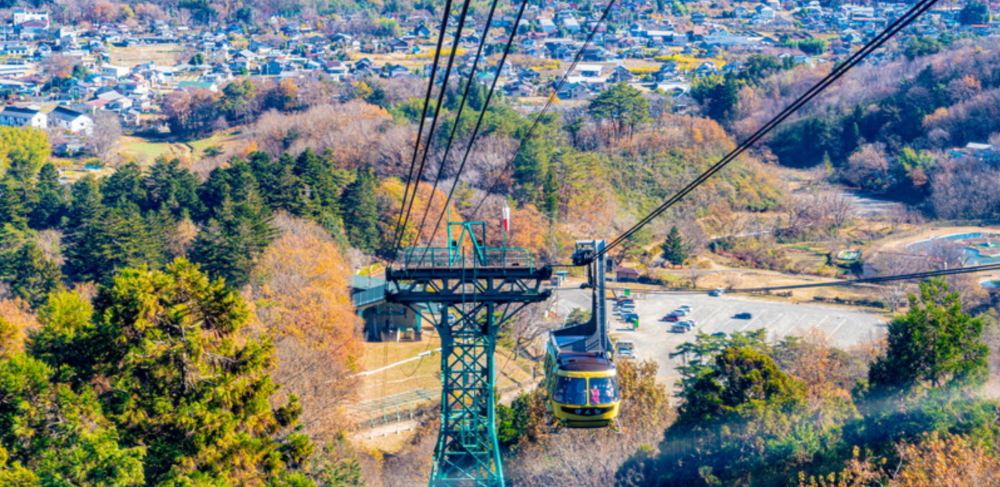
▲ The Hōdō Ropeway connects the summit of Hōdō Mountain to its foothills. A 5-minute aerial ride offers breathtaking views of the beautiful natural scenery of the Nagatoro region. From the summit, you can not only admire the magnificent landscape of the Chichibu Mountains but also experience the changing charm of each season. Spring brings blooming plum and wintersweet blossoms, summer offers lush greenery, and autumn showcases vibrant red leaves – each season presents a unique spectacle.
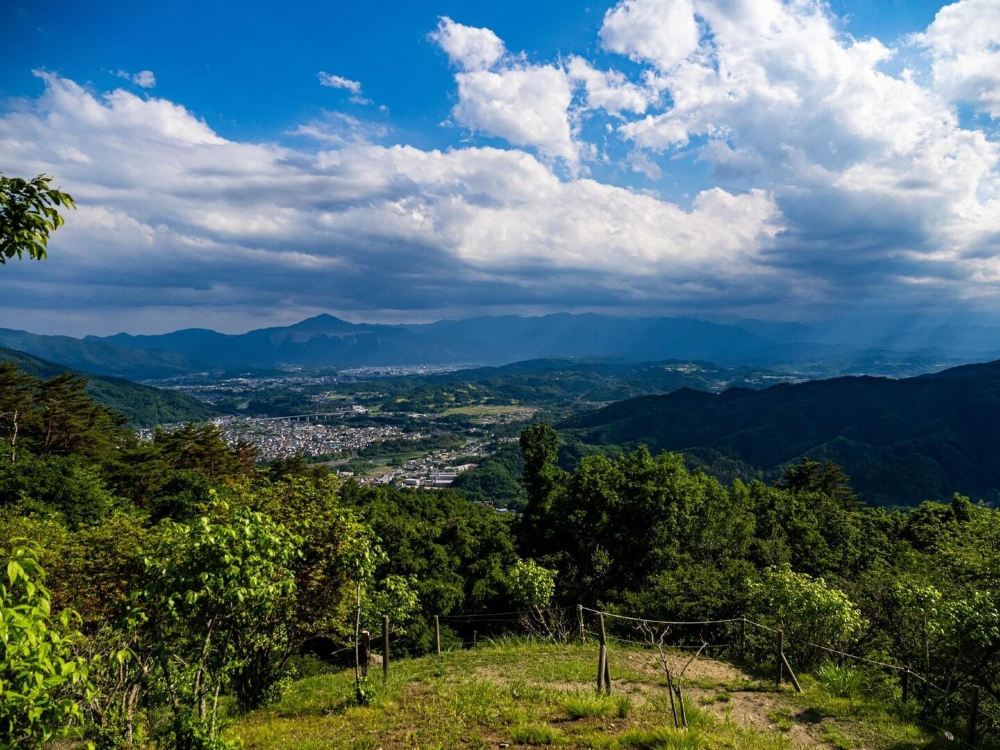
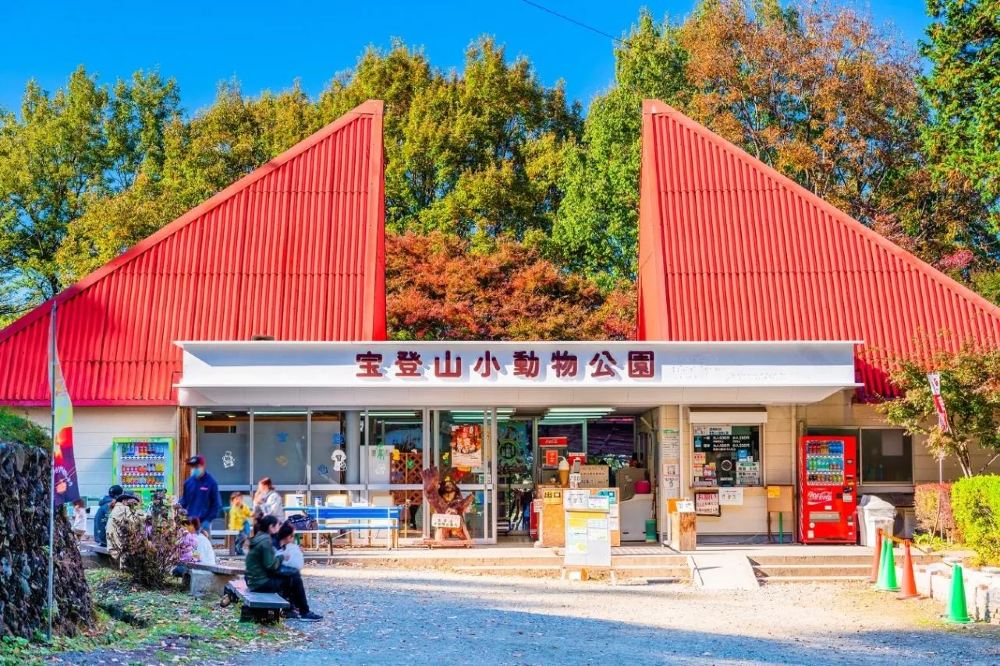
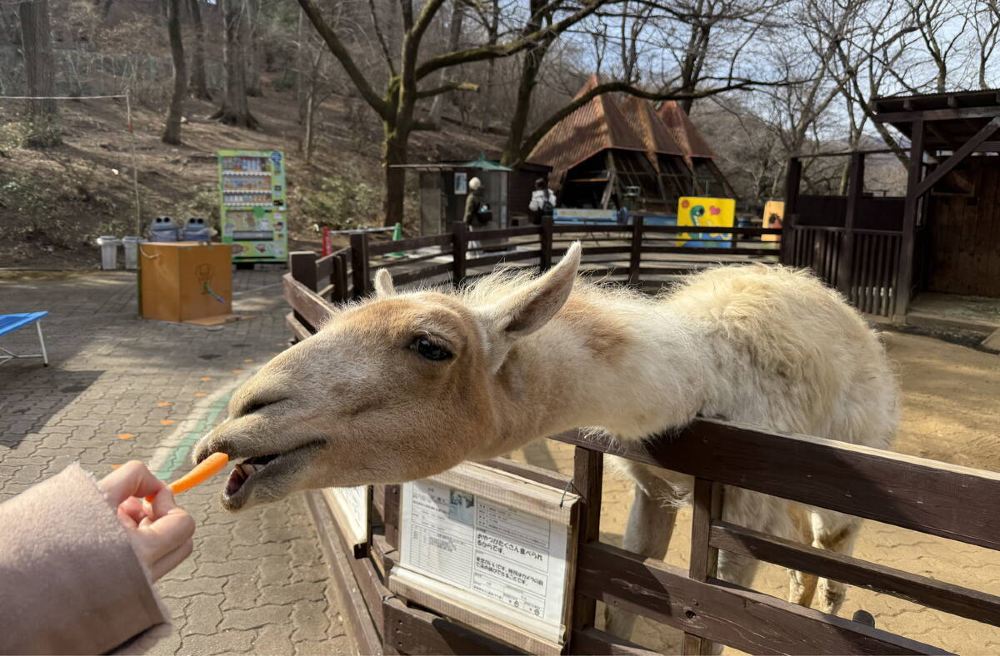
▲ Mount Hodo is located in Nagatoro, Saitama Prefecture, and is an excellent spot for viewing the Chichibu mountain range and natural scenery. Climbing to the summit at about 497 meters offers an open vista, where on clear days you can see the majestic Mount Buko, the Chichibu mountain range, and the changing seasonal landscapes. The summit has unique charms in each season: in spring, plum and cherry blossoms paint the mountains in soft hues; summer brings lush greenery and refreshing breezes, perfect for escaping the heat; autumn covers the slopes in vibrant foliage like a painting; while winter offers clear, expansive mountain views and a serene atmosphere. Near the summit, you'll find attractions like the inner shrine of Hodosan Shrine, a small animal park, and gardens, making it a popular destination combining nature, culture, and leisure. From the summit, gazing at the mountains and the streets of Nagatoro, you can feel the grandeur and tranquility of Chichibu's nature.
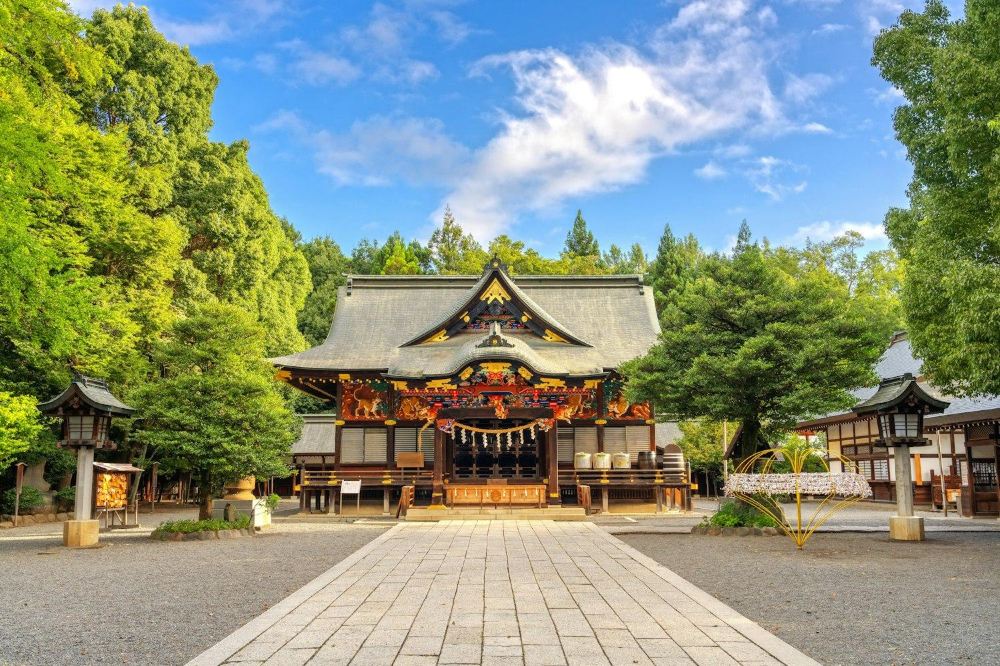
▲ Chichibu Shrine is located in the oak forest in the center of Chichibu and serves as the general guardian shrine of the Chichibu region, with a history of over two thousand years. The shrine enshrines four deities, including Yagokoro Omoikane no Mikoto, who is regarded as the god of wisdom. Its main hall is designated as an important cultural property of Saitama Prefecture. The shrine's mikoshi is one of the oldest in Saitama Prefecture and is designated as a prefectural cultural property.