Note:
1. You will receive a confirmation email after you book. Please make sure the email address you provided is correct and can receive emails normally!!!
2. Please check in 10 minutes before the tour starts.
3. You may bring your own food and beverages. Just make sure to use plastic cups instead of glass ones, and be considerate of fellow travelers' feelings during join-in tours to avoid affecting others' experience.
4. Smoking is not allowed during the hike, and participants should have moderate physical fitness
5. This tour/activity plus guide accommodates up to 20 people, from 2 people, minimum 4 people to form a group.
6. The public restroom is located near the meeting point. There are no restrooms during the journey, so please use the restroom in advance.
7. All tours operate on fixed departure times and will depart as scheduled regardless of the number of participants.
Inclusions
90-minute Chinese guide fee
Exclusions
1. Any expenses outside this product
2. Gratuities
3. Transportation fee to the destination
4 Insurance
Meeting point and reference travel routes:

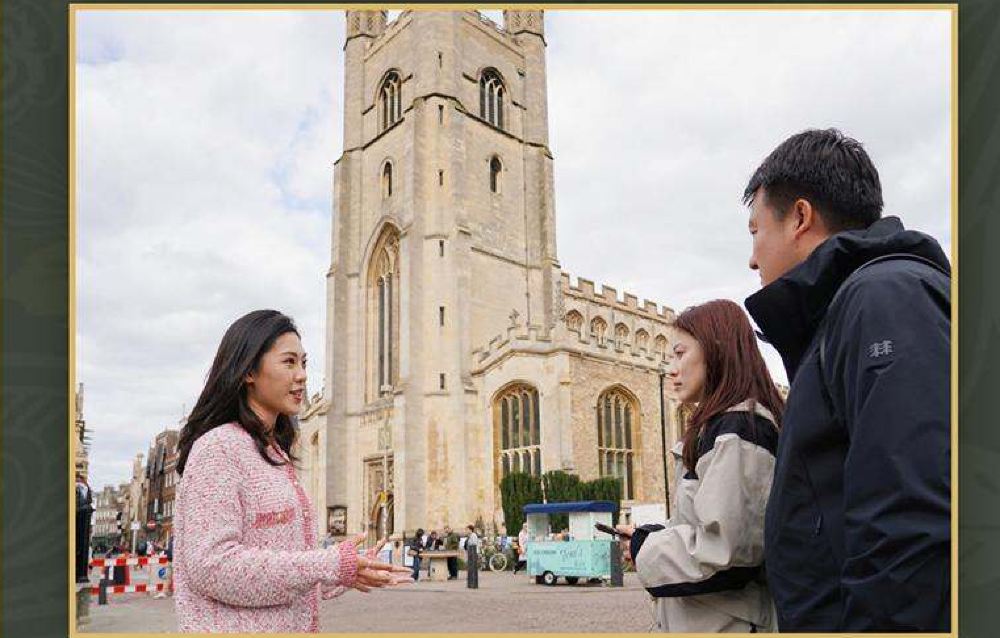
1. Great St Mary's Church
As the official church of the University of Cambridge, Great St Mary's was used for graduation ceremonies, sermons, and academic debates. Ascend the bell tower to overlook the ancient college rooftops and streets — this is the vantage point for understanding the relationship between the city of Cambridge and the university.
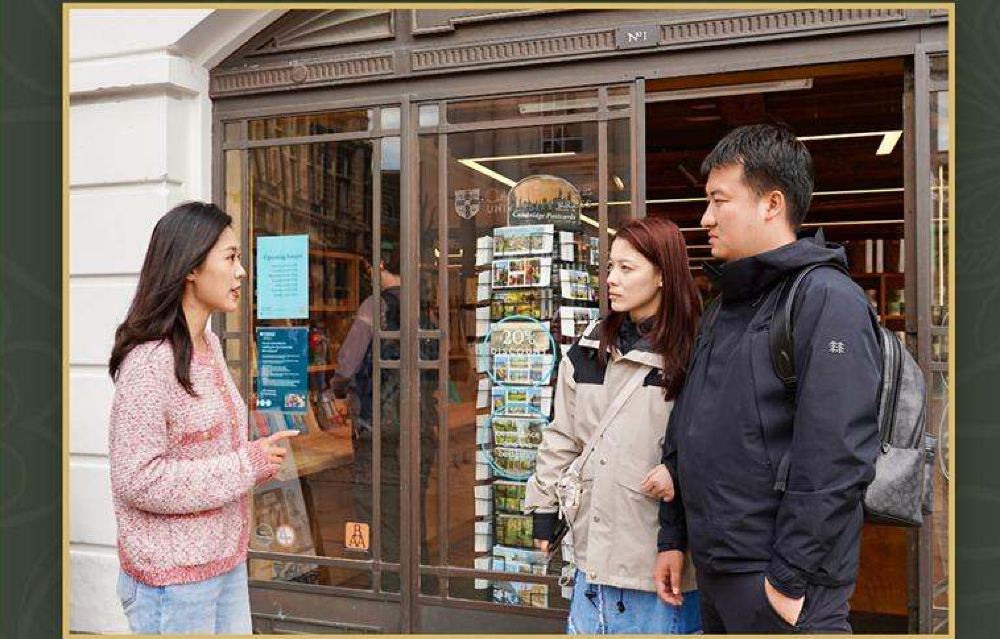
2 Cambridge University Press Bookshop
Cambridge University Press, founded in 1534, is one of the world's oldest publishers. Its bookshop displays a vast spectrum of knowledge, from academic monographs to popular readings, where ideas never cease to be printed under its lintel.
3 Senate House
The Senate Building is the venue for degree conferral ceremonies. Every year, countless students clad in robes march in procession to receive formal recognition from the academic community. Its neoclassical facade bears witness to the transformation of individual intellect into collective honor.

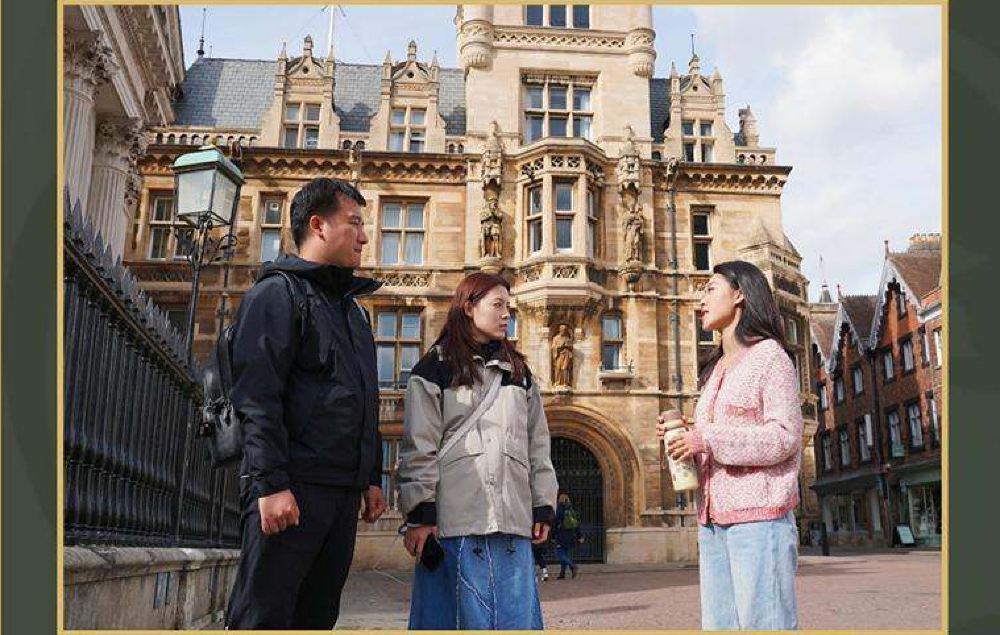
4 Gonville & Caius College
The college was extensively renovated with funding from John Case, hence its full name "Gonville and Case". Stephen Hawking spent most of his academic career here, and many of the ideas in "A Brief History of Time" were conceived in the tranquil depths of these courtyards.
5 Clare College
Clare College boasts one of the oldest college bridges over the River Cam. The three-arched bridge features stone balustrades carved with spheres. Countless students have leaned on these railings in contemplation, watching waterweeds sway with the current like wavering arguments in an unfinished thesis.
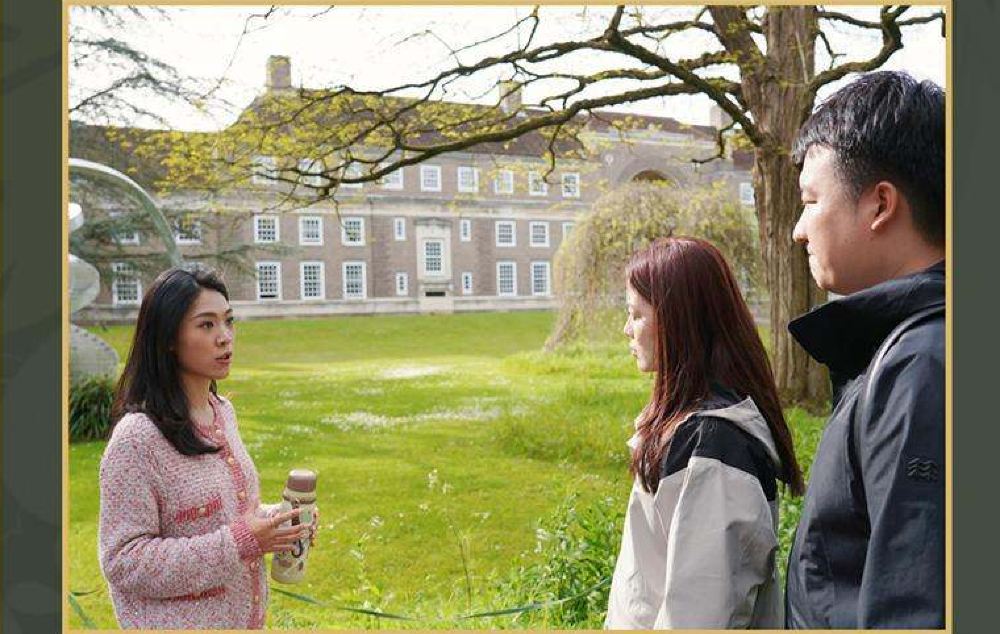
6 Wren Library, Trinity College
This library, designed by architect Christopher Wren, houses manuscripts by Newton, Byron, and others. Sunlight streams through the high windows, where knowledge is quietly preserved and passed down.
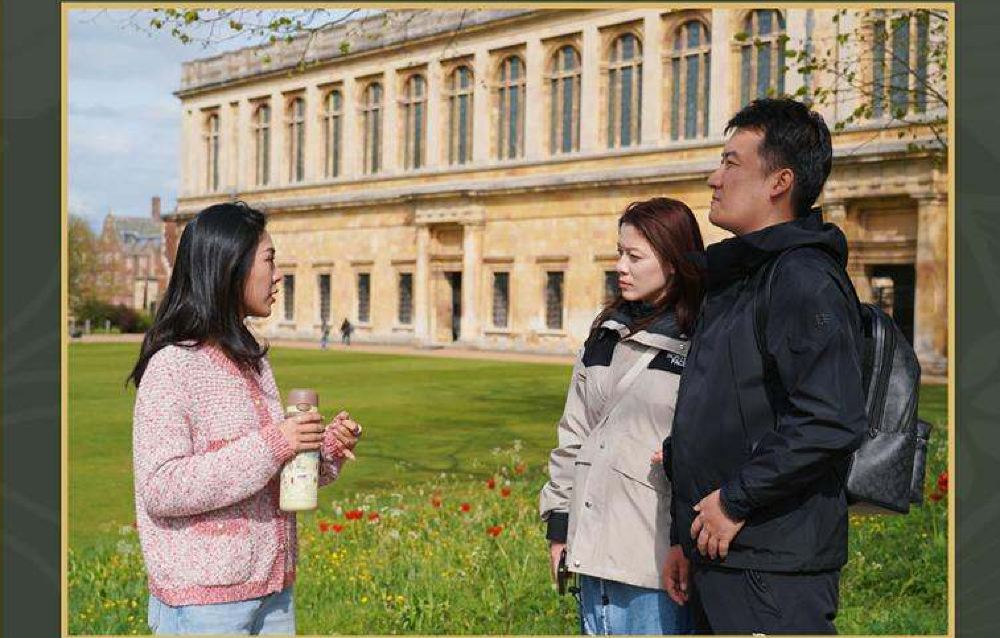
7 Trinity Hall
Hawking pursued his PhD here. This Victorian-style building, solemn and understated, witnessed cosmology's journey from dispute to breakthrough in the 1960s. The origin of the universe was once deduced behind this window.
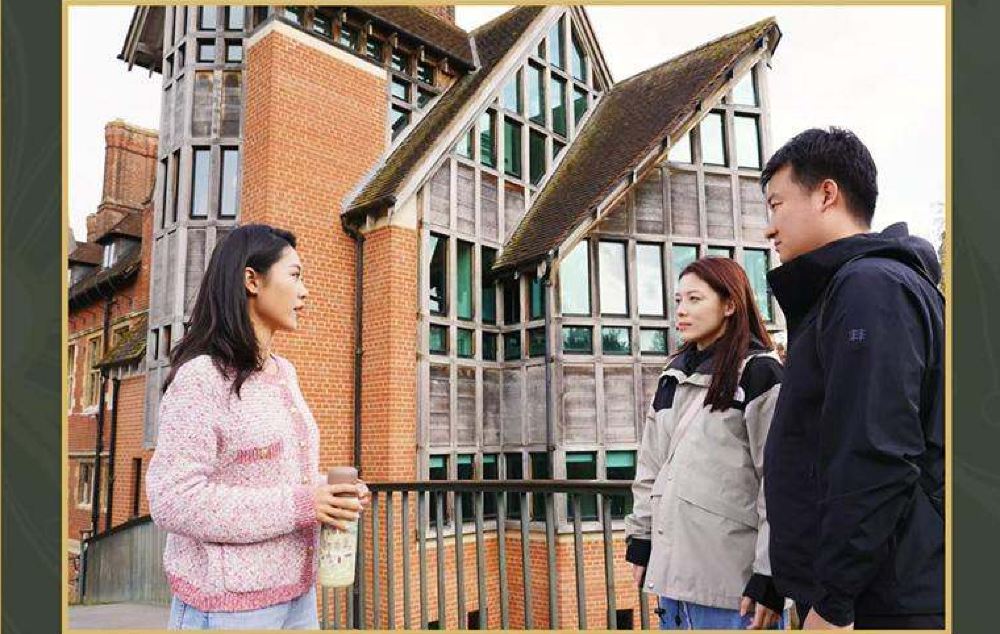
8 Trinity College
Trinity College has produced 34 Nobel laureates, including Newton, Byron, Maxwell, and Russell. The statue of Henry VIII on the college gate holds a table leg — a famous detail about power and humor.
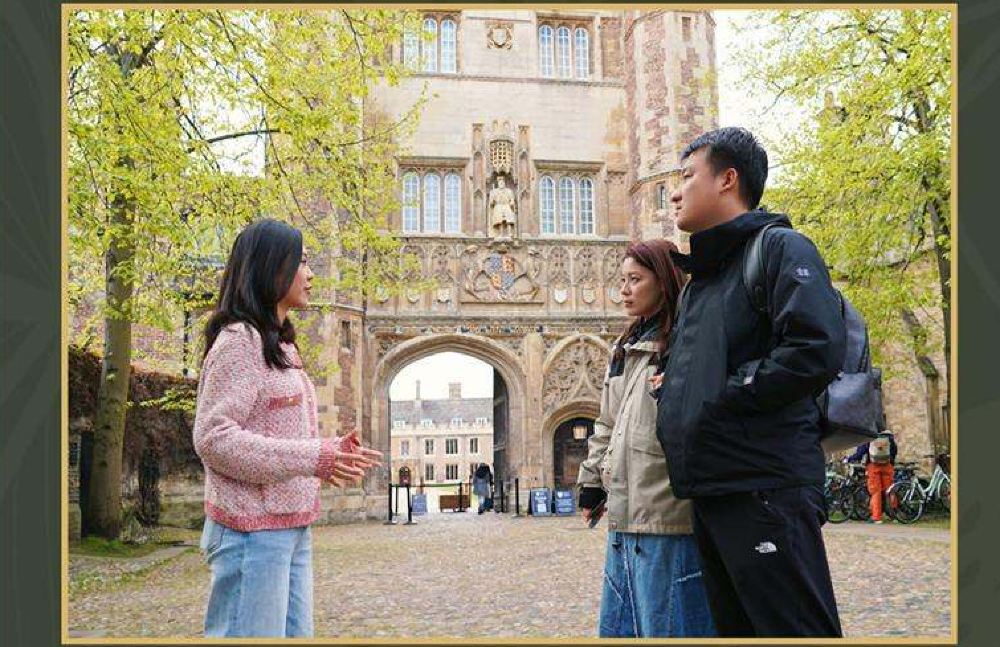
9 Newton's Apple Tree Newton's Apple Tree
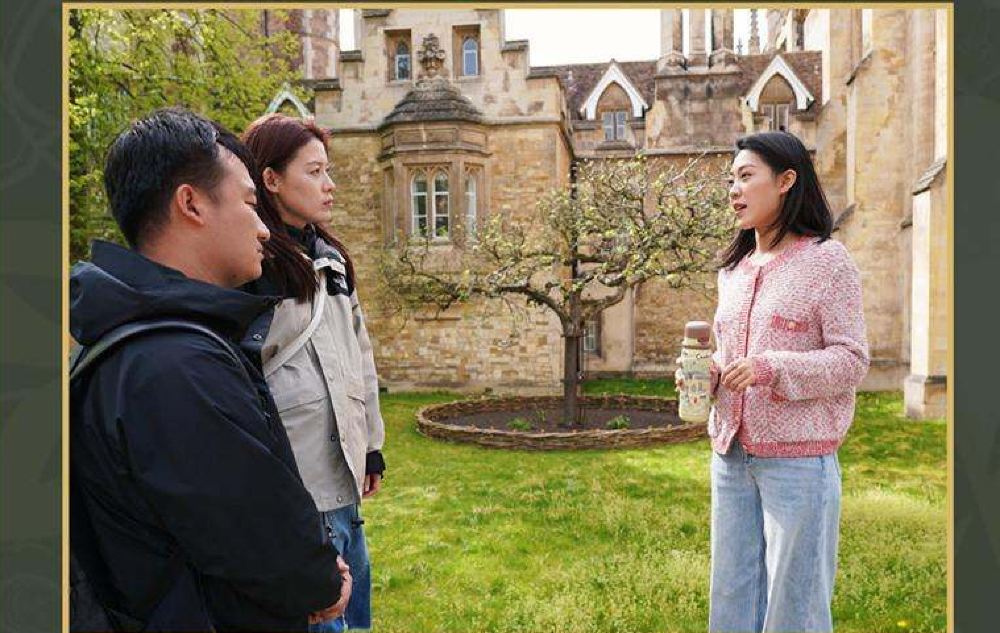
10 St John's College
St. John's College is renowned for its spectacular courtyards and the "Bridge of Sighs." Jin Yong once studied here, and the college erected a monument in his honor. Here, martial arts and academia are united under the silence of the same stone.
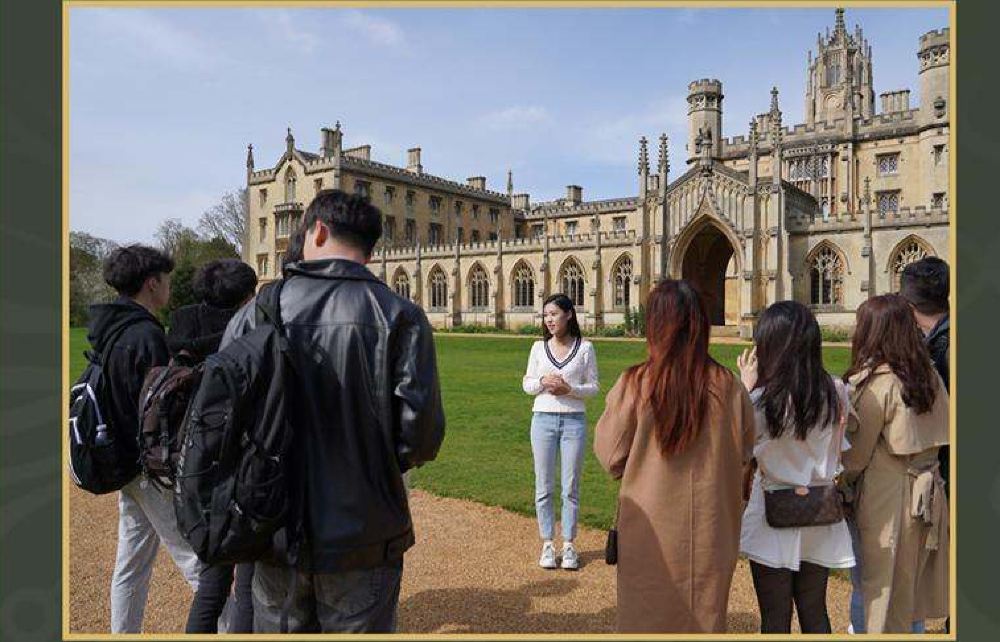
11 Trinity Street
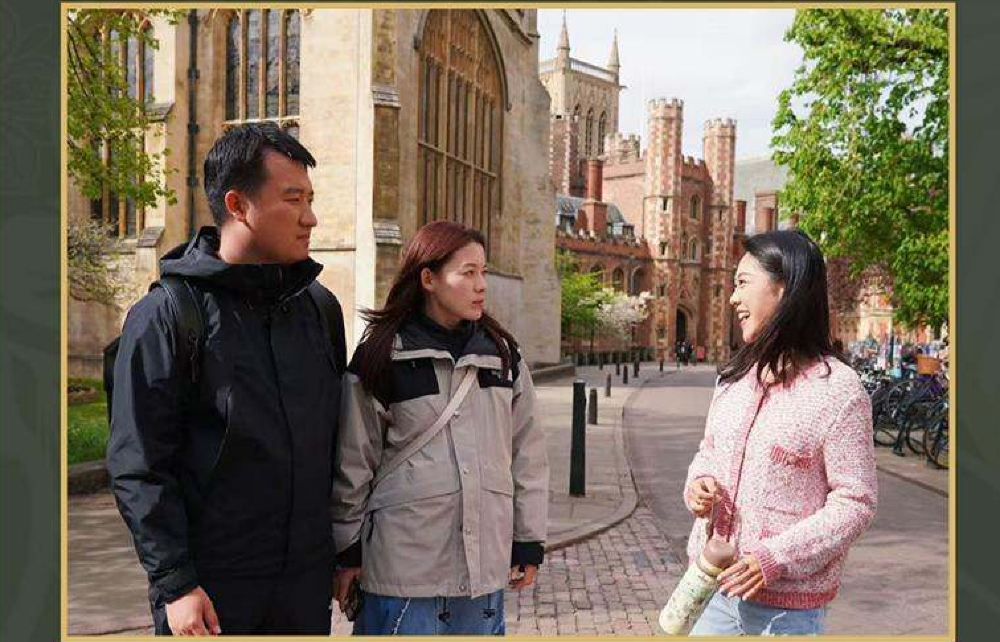
12 King's College
King's College Chapel is a masterpiece of late Gothic architecture. Xu Zhimo once studied here, and his poem "Saying goodbye to Cambridge again" became a tender string connecting the Chinese-speaking world with Cambridge.

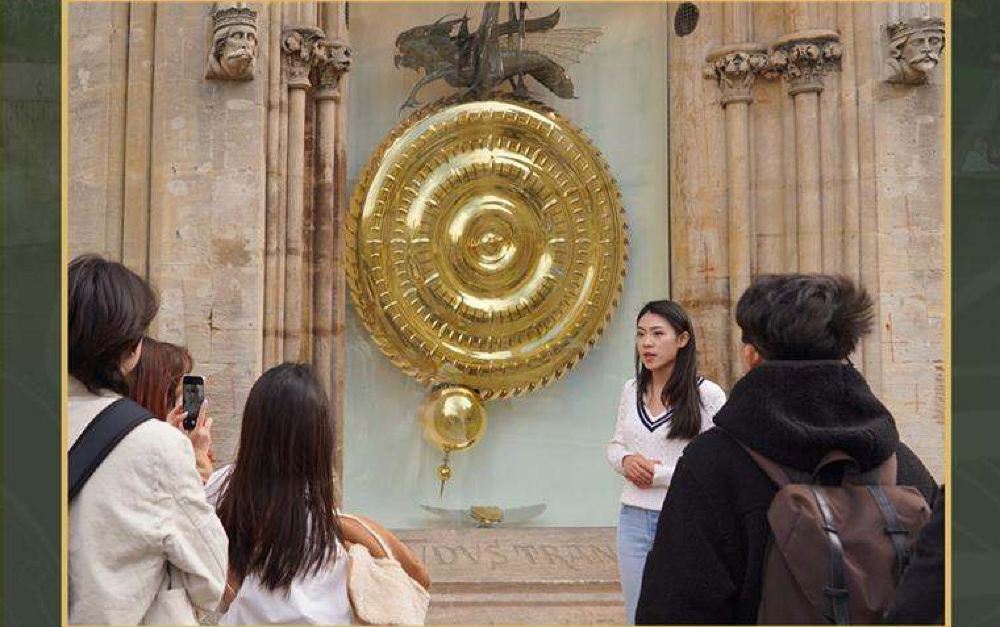
13 The Corpus Clock Corpus clock
The Corpus Clock is marked by a metal grasshopper that devours time, jumping forward every minute. This modern public artwork strongly reminds viewers that the essence of academia is the endless questioning of finite time.
14 St. Benedict's Church St Bene't's Church
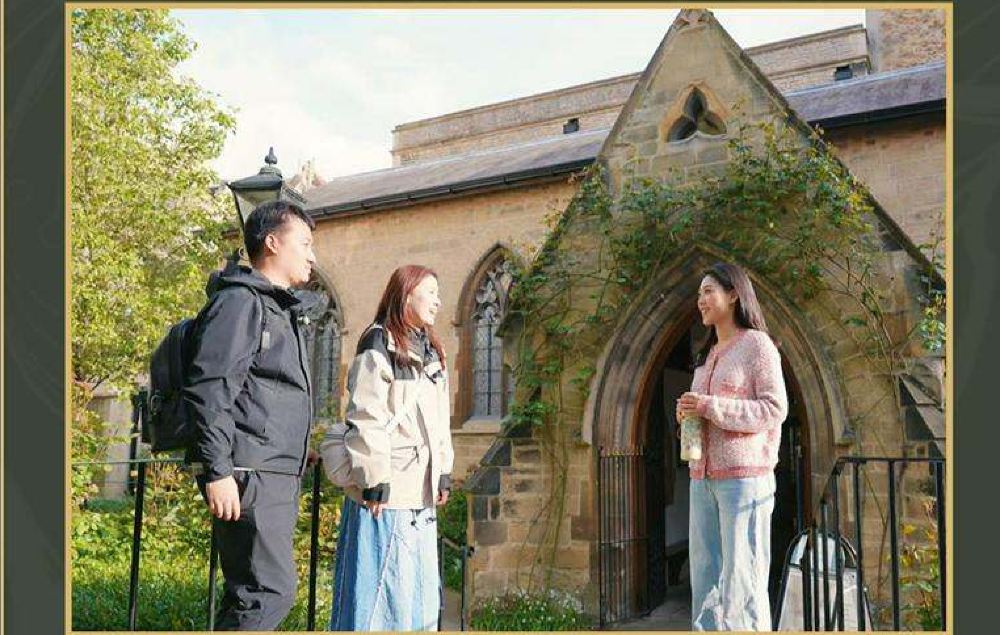
St Benedict's church is one of the ancient parish churches in Cambridge, with its tower retaining traces of Anglo-Saxon and Norman architecture. Surrounded by colleges, it quietly guards an even older faith.
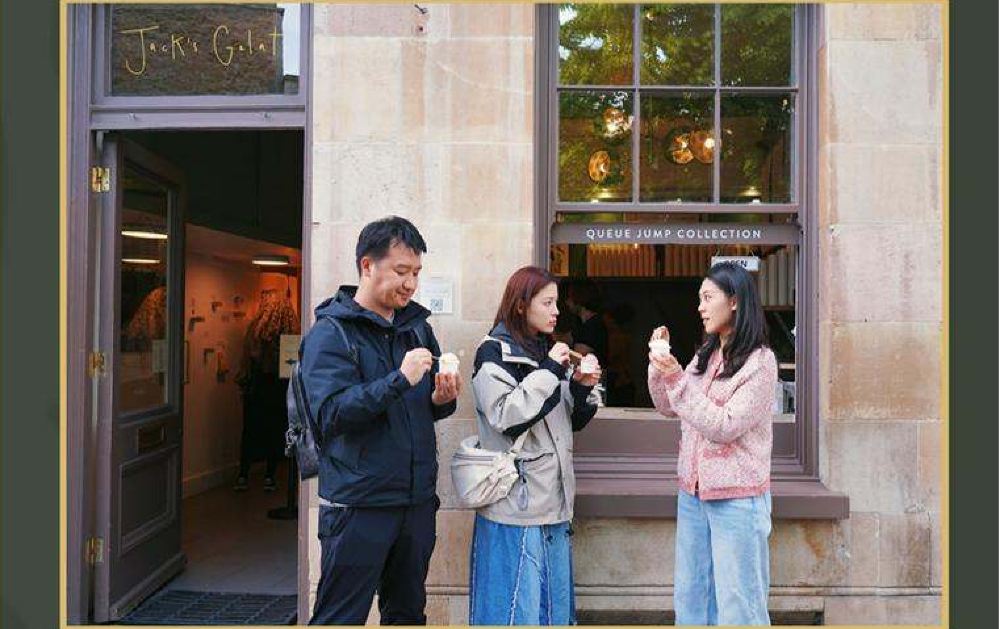
15 Jack's Gelato
This ice cream shop may seem casual, but it has become a flavorful footnote in the daily life of Cambridge. It reminds us that even a city of academia needs moments of sweetness and pause — contemplation and delight are never at odds.
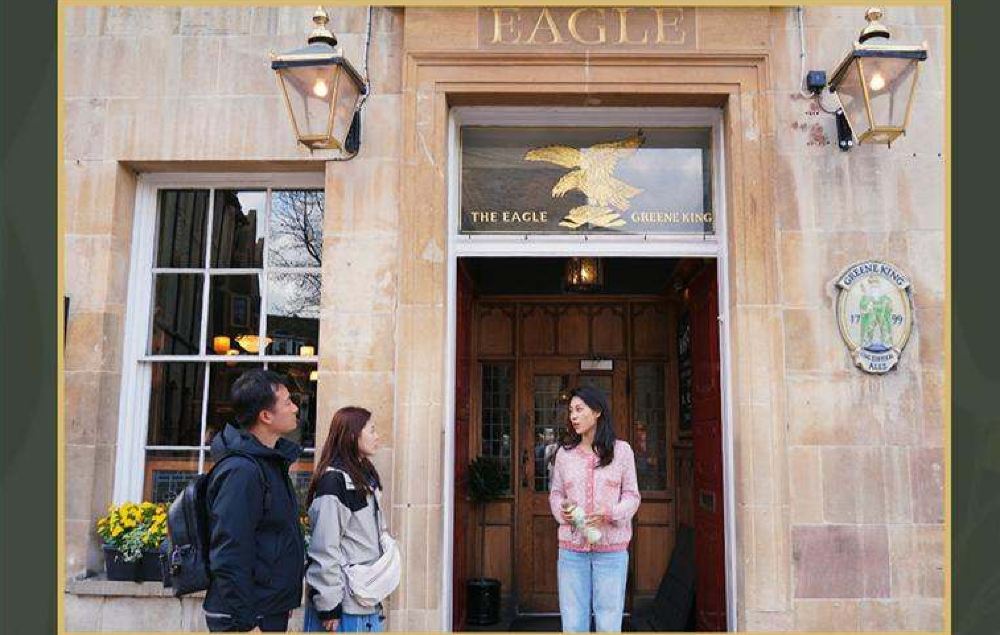
16 The Eagle Pub
In 1953, Watson and Crick announced the discovery of the DNA double helix structure here. The wine stains on the bar have long been wiped clean, but that historic declaration in the annals of science—"We have discovered the secret of life"—still lingers beneath the oak ceiling.
17 Old Cavendish Laboratory
This was once the holy land of physics. Maxwell, Thomson, and Rutherford established electromagnetism, discovered electrons, and revealed atomic structure here. Every brick and tile has been steeped in the hum of laboratory instruments.

18 Free School Lane
The lane's name originates from a free school established for underprivileged children in the 16th century. Narrow and winding, it resembles a fold in time — the ideal of educational equity has never been absent in Cambridge.
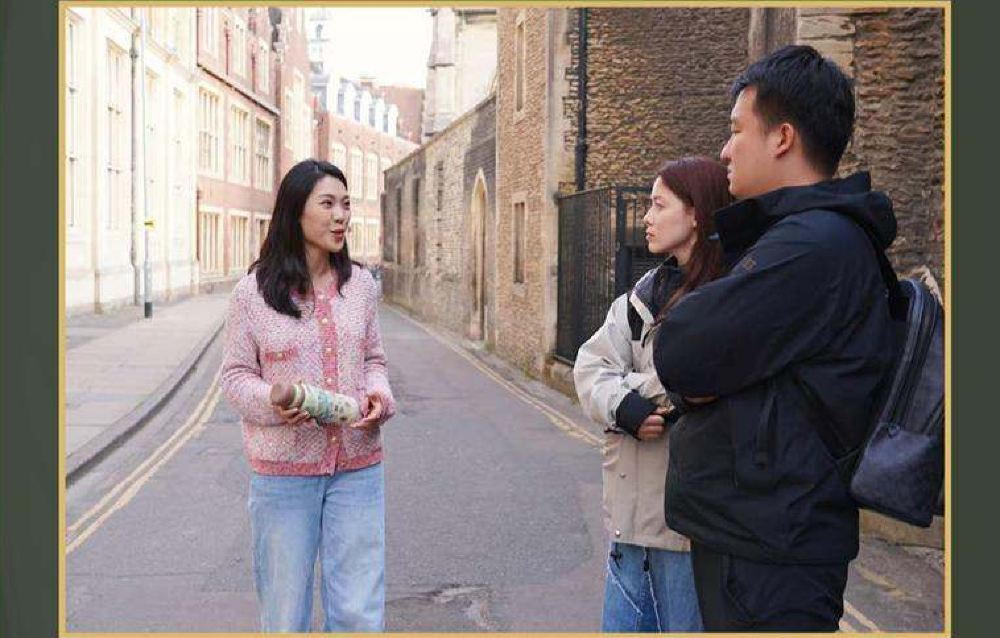
19 academic gown specialist store Ede & Ravenscroft
This tailor shop has been making academic gowns for Cambridge students and faculty from 1689. The black robes, hoods, and sashes are meticulously stitched here to create a sense of ceremony — wearing them means joining an academic tradition that has lasted for centuries.
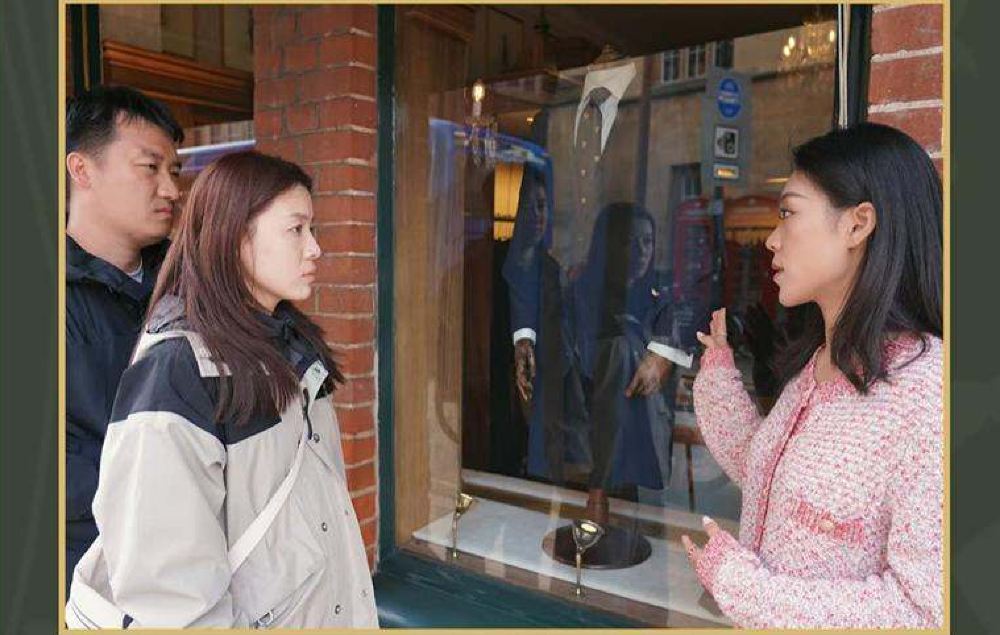
20 St Catharine's College
St Catharine's College is renowned for its simple brick facade, devoid of excessive ornamentation. It embodies an intrinsic ethos of Cambridge: not seeking to flaunt, but striving to grow solidly upon the foundation of knowledge.
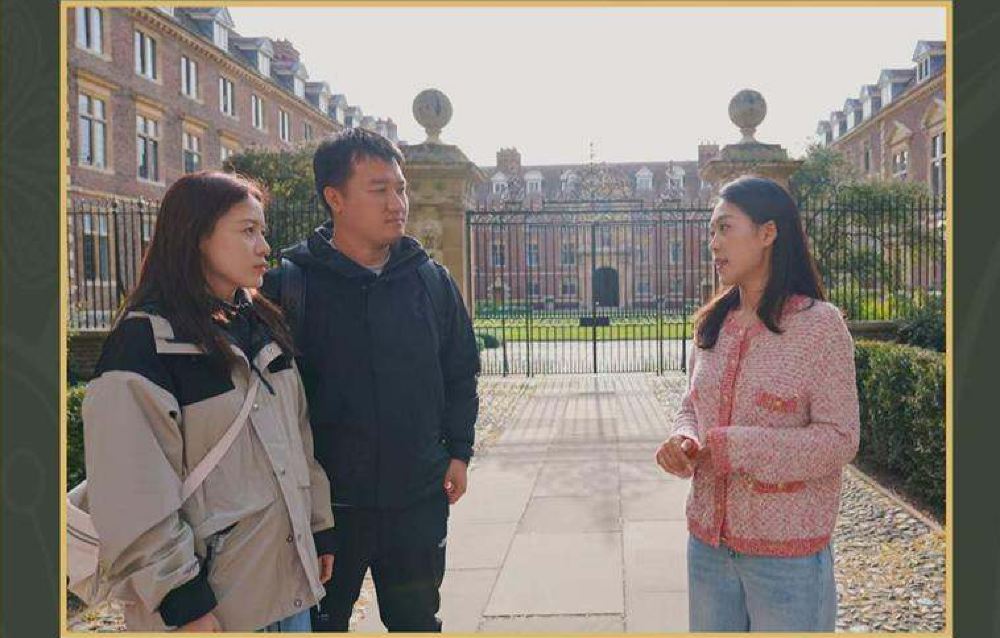
21 Queen's College
Queen's college spans both banks of the river cam, connected by the Mathematical Bridge. The humanist scholar erasmus once taught here, and his ideas laid the groundwork for europe's religious reformation — a college that also serves as a ferry of ideas.
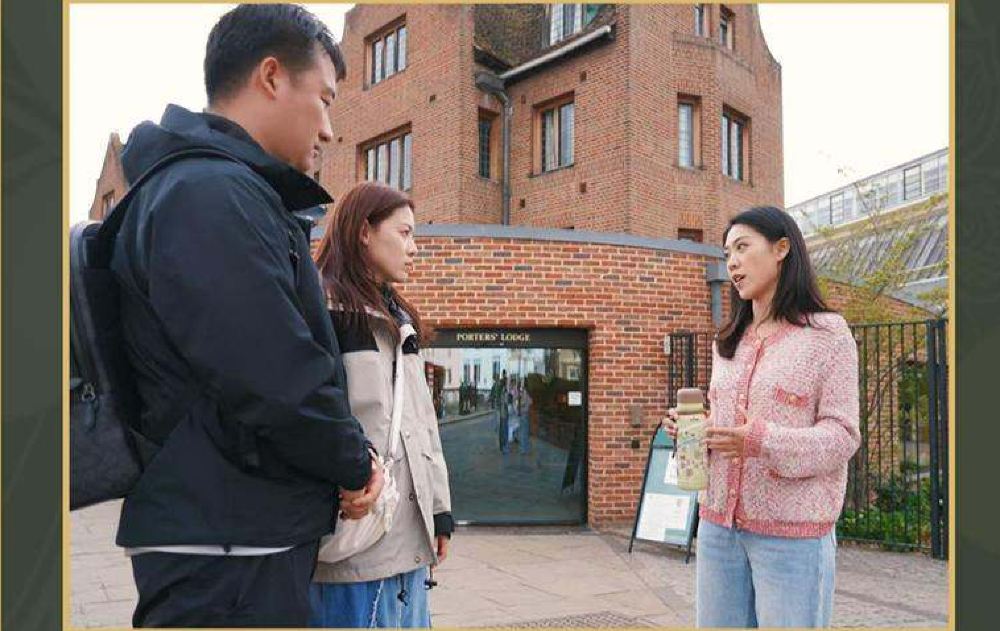
22 Mathematical Bridge
Folklore claims it was built by Newton without nails, but in reality, it has no connection to Newton and uses many nails. However, this "misconception" itself has become an interesting case in academic history: both legend and fact require careful scrutiny.
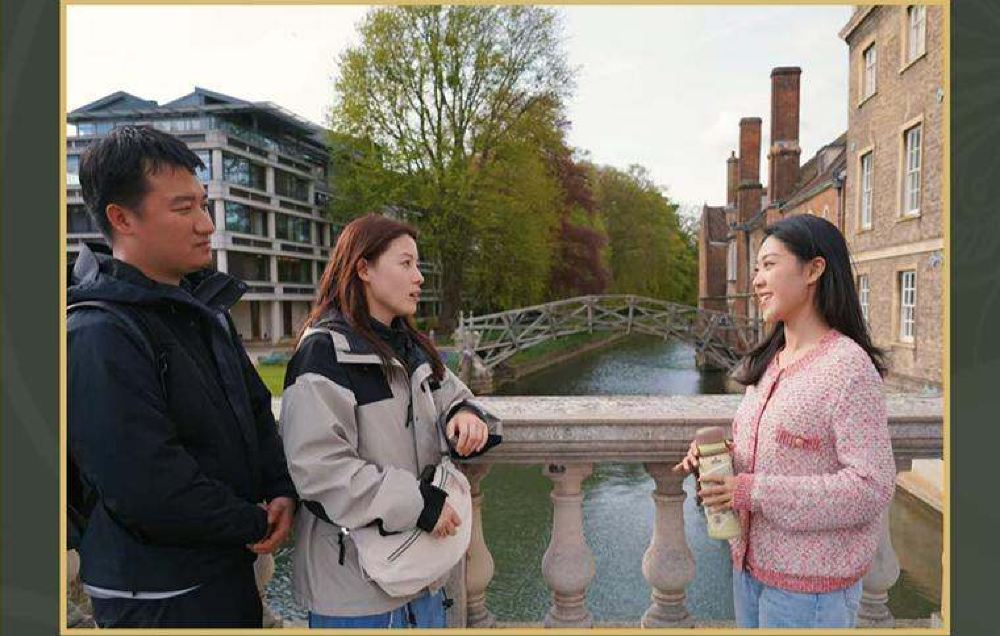
23 Darwin College
Darwin college is named after the family of the founder of evolutionary theory, relatively young yet full of vitality. It reminds us that academic traditions are not static, but living entities constantly differentiating and adapting.