


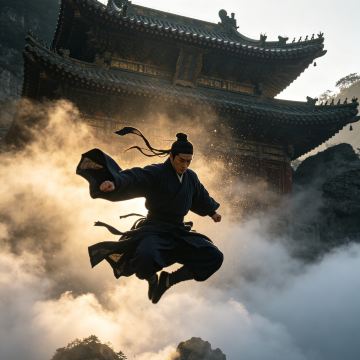

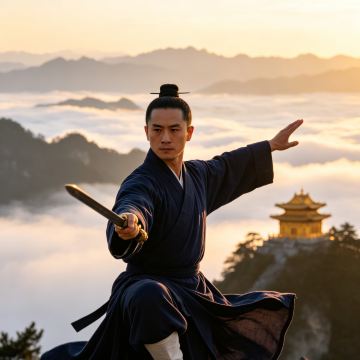
▲ Mount Wudang, located in Shiyan, Hubei Province, is the foremost sacred mountain of Taoism in China. Emperor Yongle of the Ming Dynasty extensively renovated Mount Wudang and conferred upon it the title of "Great Mountain," elevating its status above the Five Great Mountains. In 1994, the ancient architectural complex of Mount Wudang was inscribed on the UNESCO World Heritage List. Wudang martial arts, founded by Zhang Sanfeng, is renowned worldwide for its internal styles such as Tai Chi, Xingyi Quan, and Baguazhang. Emphasizing "overcoming hardness with softness and stillness controlling movement," it is collectively known with Shaolin martial arts as the "two gems of Chinese martial arts."

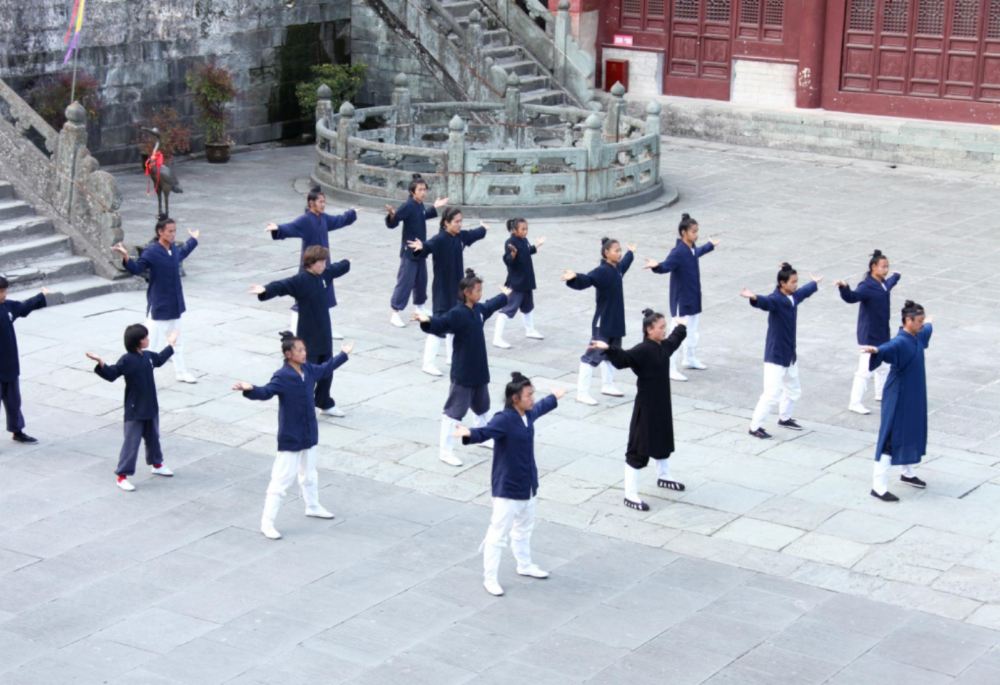
▲ At 08:30 in the morning, the private car will pick you up from the designated location in Wudangshan Town (hotel or Wudangshan West Station) and head to the attraction entrance. Enter the mountain at 09:00, then transfer to the eco-friendly shuttle bus. Wind up the mountain road with lush peaks and misty clouds along the way, arriving at Zixiao Palace around 10:00. Built during the Ming Yongle era (1413), Zixiao Palace is a well-preserved imperial palace complex in Wudangshan, featuring majestic halls and grand architecture. If martial arts school coaches are practicing tai chi on the square in front of the palace, you may observe and experience the harmony between tai chi and the Taoist temple environment.
▲ 11:30 Lunch time to experience Wudang Taoist vegetarian cuisine. Wudang vegetarian dishes are based on natural mountain ingredients, emphasizing "simplicity, lightness, clarity, and freshness." They incorporate Taoist health-preserving concepts, using tofu, mushrooms, and seasonal vegetables as ingredients. The cooking is refined, the flavors are elegant, and eating them can calm the mind and nourish the spirit.

▲ 13:00 Depart for Taizi Slope, visit starts at 13:30. Taizi Slope is one of the highlights of the ancient architectural complex in Wudang Mountain, renowned for its three wonders: the "Nine-Turn Yellow River Wall," the "One Pillar Supporting Twelve Beams," and the "Ten-Mile Osmanthus Fragrance in fall." The Nine-Turn Yellow River Wall winds up and down like the meandering Yellow River, with its red walls and green tiles appearing particularly magnificent under the sunlight. The One Pillar Supporting Twelve Beams is a marvel of ancient architectural mechanics, where a single wooden pillar supports twelve crossbeams and has stood firm for centuries despite wind and rain. In fall, the ten-mile osmanthus fragrance is refreshing and delightful.


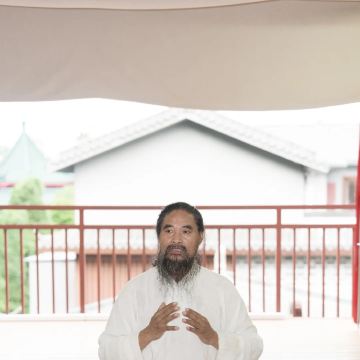
▲ 15:10 Take the car down the mountain and arrive at Wudang Mountain Martial Arts Hall at 16:00. This is where Wudang martial arts are passed down. Observe Wudang disciples practicing martial arts: combining hardness and softness, and promoting flexibility. Under the guidance of a master, personally participate in martial arts practice, learn basic moves, and experience the spirit of Wudang martial arts—cultivating the mind through martial arts. The itinerary ends at 17:00, and a private car will take you back to the designated hotel in Wudangshan Town or Wudangshan West Station.