




▲ Group details: The price of 1 join-in tour booking is for 1 person; children under 6 years old do not need to pay; minors must be accompanied by at least 1 adult. Guide language: Chinese/English/Russian/Korean/Spanish/German/French/Japanese available. Service provided: A senior professional on-site guide will accompany you and provide commentary throughout the visit. Audio guide equipment: includes headsets, with one audio receiver provided per person.

▲ Shanghai Jade Buddha Temple's architecture follows the style of Song Dynasty monasteries, with three main halls arranged along the central axis: the heavenly king hall, the Mahavira Hall, and the Jade Buddha Tower. The east and west sides feature auxiliary structures including the Guanyin Hall, bronze Buddha Hall, reclining Buddha Hall, Huai'en Hall, meditation hall, and dining hall. In the eighth year of the Guangxu reign (1882), Master Huigen of Mount Putuo visited Wutai, excavated jade, and carved five jade Buddha statues, which were then brought back to Mount Putuo. When passing through Shanghai, he left one seated Buddha and one reclining Buddha, which were enshrined in a temple built in Jiangwan Town, known as the Shanghai Jade Buddha Temple.

▲ Seated jade Buddha: Carved from a single piece of Burmese jade, adorned with emeralds and agates throughout, showcasing exquisite craftsmanship.

▲ Reclining Buddha: A jade reclining statue.

▲ Yu Garden is renowned for the "serene, beautiful, exquisite, and delicate" style of Jiangnan gardens. It features a compact layout that integrates elements such as pavilions and towers (e.g., Sansui Hall, Wanhua Tower), rockeries, ponds, and plant landscaping, while employing techniques like borrowed scenery and framed views to create a natural artistic conception, representing the culmination of Chinese classical garden art. As an "urban mountain forest," Yu Garden creates a tranquil space within the bustling city. Visitors can stroll along winding paths and corridors, appreciate the seasonal plants and changes in light and shadow, feel the balance between nature and humanity, and find a spiritual retreat to escape the hustle and bustle.

▲ Yu Garden was first built during the Jiajing era of the Ming Dynasty (1559) by Pan Yunduan for his father Pan En. As one of the three famous gardens of Shanghai in the Ming Dynasty, it has witnessed over 450 years of urban transformation, evolving from a private garden to a temple garden and then to a modern cultural heritage site, vividly showcasing the history of Chinese garden development during the Ming and Qing dynasties.


▲ The Yu Garden and Shing Wong Temple area features local snacks such as Nanxiang xiaolongbao, fresh meat mooncakes, qingtuan (glutinous rice balls with mugwort), baiye dandang (bean curd sheets with stuffed gluten), soup dumplings, and xiaolongbao.

▲ The Lujiazui Skywalk provides convenient pedestrian access from Shanghai Tower and Jin Mao Tower to Lujiazui, passing through Lujiazui Greenbelt.

▲ Jinmao Tower: Designed by the American architectural firm SOM, inspired by the Giant Wild Goose Pagoda in Xi'an, features a tapered tower design that perfectly blends the essence of traditional Chinese architecture with modern skyscraper technology.

▲ Jin Mao Tower - 88th-floor observation deck: A 1,520 m² fully transparent viewing space at 340.1 m above the ground, accessible via two high-speed elevators traveling at 9.1 m/s, reaching the top in just 45 seconds, offering a 360-degree unobstructed panoramic view of both sides of the Huangpu River and the Bund.
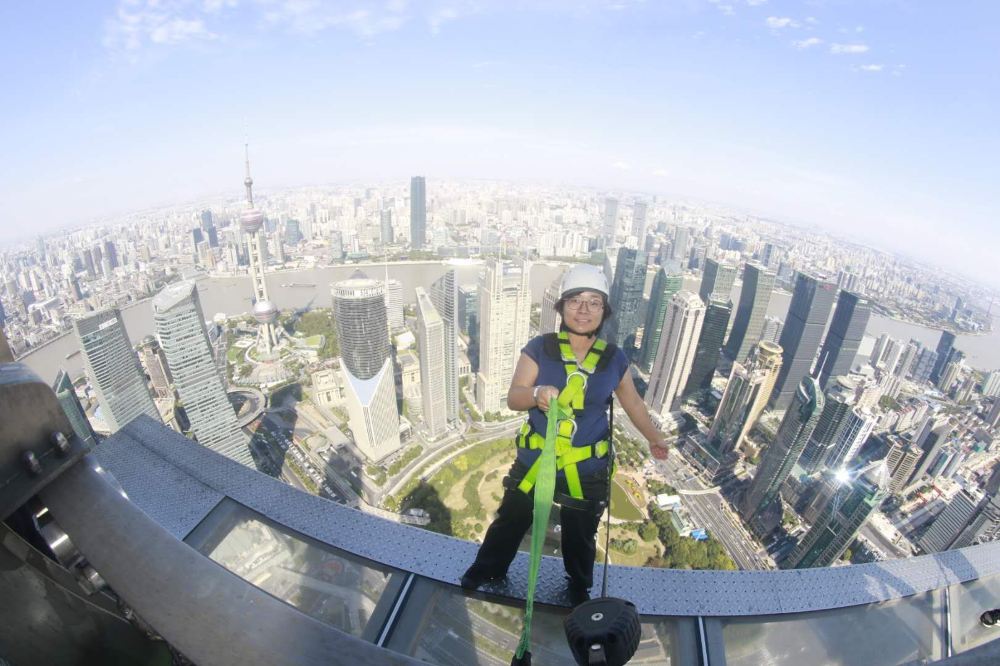
▲ Sky walk: Outdoor area on the 88th floor of Jinmao Tower, 340.6 m above the ground; After the experience, you will receive a customized commemorative certificate, a unique commemorative medal, and exclusive photos of the project, leaving a memento of the high-altitude challenge.
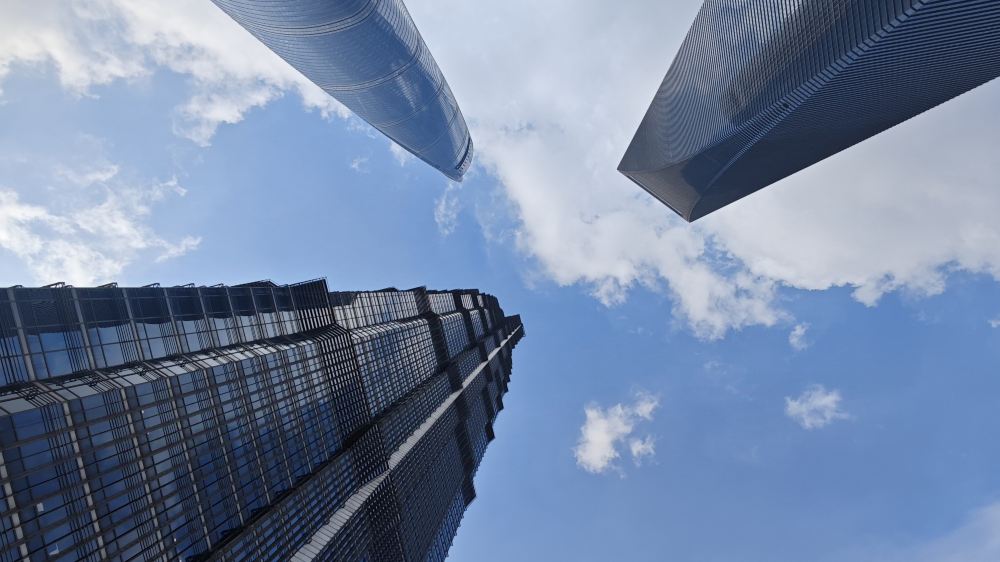
▲ How to take a photo with the three iconic buildings of Shanghai?